
Why Routine Plumbing Inspections Matter in Middle Tennessee
Plumbing systems fail quietly for a long time before they fail loudly. The slow drain that has been getting slightly slower for two years. The water heater that has been accumulating sediment since installation. The supply line that has been losing flexibility behind a vanity that nobody looks behind. Routine plumbing inspection is the practice that catches these conditions while they are still maintenance items rather than waiting for them to become the water damage events and emergency calls that homeowners throughout Murfreesboro, Franklin, and Brentwood want to avoid.

Middle Tennessee's specific conditions make routine inspection more valuable here than in many markets. Tennessee's limestone influenced hard water accelerates mineral accumulation throughout every plumbing system component at a rate that homeowners moving from softer water regions often underestimate. The genuine four season climate, with real winter freeze events and the high humidity summer that drives peak water demand, creates the seasonal stress cycles that test plumbing components twice yearly rather than gradually. And the area's mix of older established homes in Brentwood and Franklin alongside the rapidly built newer construction throughout Murfreesboro, Spring Hill, and Nolensville means that routine inspection serves two different but equally important purposes depending on the home's age and history.
A consistent inspection schedule converts plumbing maintenance from a reactive expense into a planned, predictable part of homeownership. Instead of plumbing becoming a source of surprise bills and disrupted weekends, it becomes a line item that homeowners can anticipate and budget for, much like an annual HVAC tune up or a roof check after a storm season. Understanding what a thorough inspection actually covers, and why each component deserves the attention it gets, helps homeowners throughout this service area see the value in the practice before a failure makes the case more expensively.
What a Thorough Plumbing Inspection Actually Covers
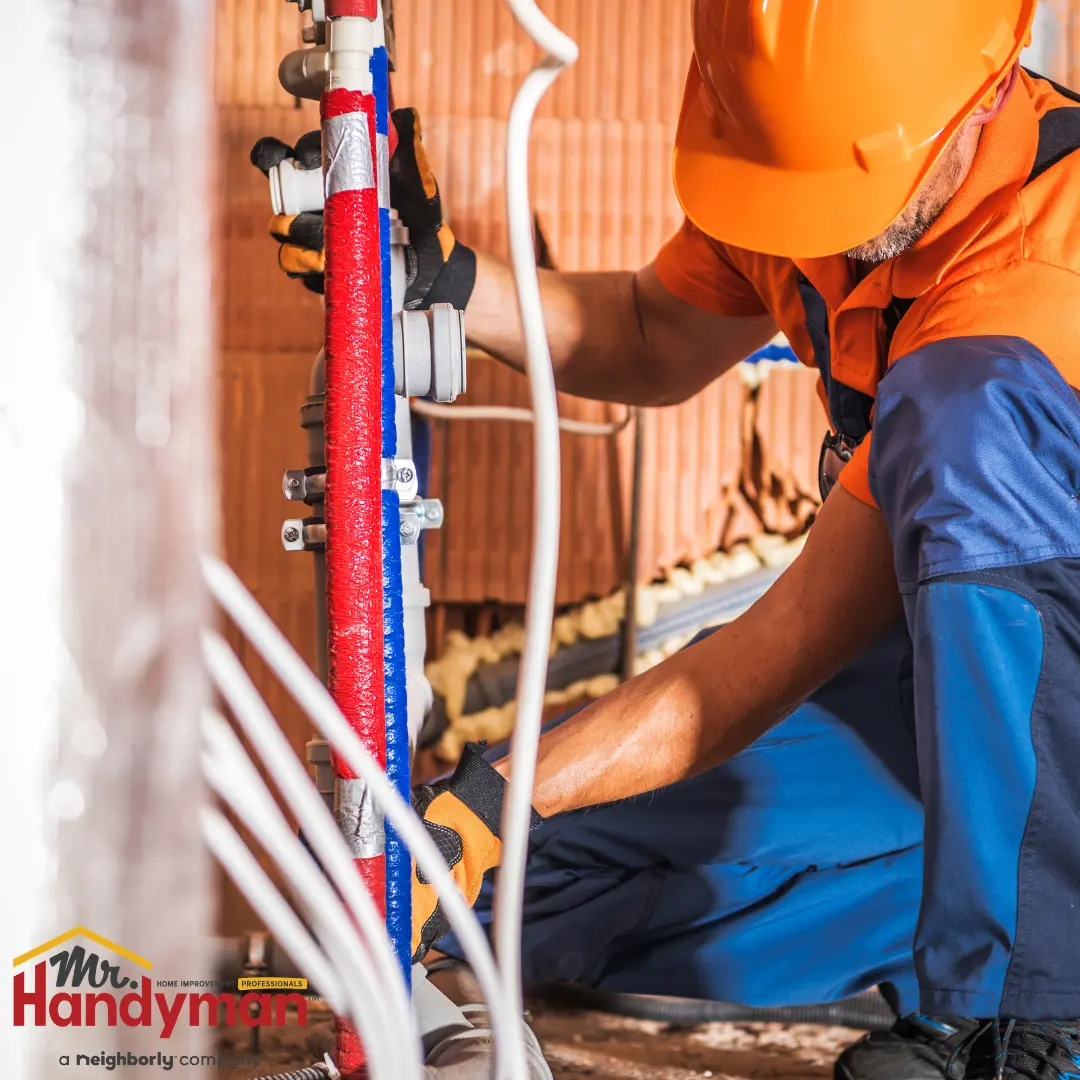
A genuine plumbing inspection goes well beyond checking whether the faucets currently run and the toilets currently flush. The conditions that create future failures are rarely visible during normal daily use, and a thorough inspection specifically looks for the early stage indicators that precede the failures homeowners actually notice. A homeowner running water at a sink every day has no real way of knowing whether the line behind that fixture is one season away from failure, which is exactly the gap that a trained inspection is designed to close.
Supply line condition at every toilet, sink, dishwasher, ice maker, and washing machine connection throughout the home is the first inspection priority because these lines are responsible for some of the most damaging plumbing failures when they fail without warning. The inspection looks for corrosion at connection fittings, any swelling or stiffness in braided lines, and the age of each line relative to its expected service life. Lines older than seven to ten years are flagged for replacement regardless of their current visual condition, because the interior wear that Tennessee's mineral content creates is not visible from the outside. A line can look perfectly intact on the surface while the inner lining has already begun to degrade, which is why age and material history matter as much as visual inspection alone.
Fixture and valve function throughout the home is assessed by actually operating every shutoff valve, not simply confirming the fixture above it works. A shutoff valve that has not been turned in years can seize in the open position, and this condition is invisible until a repair requires the valve to actually close. Inspection includes operating each valve fully closed and back open, identifying any that resist movement or fail to stop flow completely. This single step often reveals one of the more frustrating discoveries a homeowner can make during an actual emergency, which is finding out that the valve meant to stop the water does not work at the exact moment it is needed most.
Drain flow and condition is assessed at every fixture, with particular attention to the kitchen and main bathroom drains that carry the heaviest use. This includes checking actual drain speed, not just confirming water eventually goes down, and for homes with a documented history of slow drains, camera inspection of the line to identify the specific location and nature of any restriction. A drain that empties a sink in three seconds instead of one is not yet a clog, but it is a measurable trend worth tracking over time.
Water heater condition inspection covers sediment accumulation, anode rod depletion, pressure relief valve function, and the connections and drain pan condition for tank units. For homes with units approaching or past the eight to twelve year service life that Middle Tennessee's hard water creates, this inspection specifically assesses whether continued maintenance or replacement planning is the appropriate next step. Sediment buildup in particular is one of the more deceptive issues in a home's plumbing system, since the unit can continue producing hot water normally for years while sediment quietly reduces efficiency and shortens the tank's remaining lifespan.
Visible pipe and fixture exterior condition throughout accessible areas, including under sinks, in mechanical rooms, basements, and crawl spaces, looks for the staining, corrosion, or moisture evidence that indicates a slow leak has been developing in a location that normal household activity does not bring to anyone's attention. These are often the areas homeowners check least frequently simply because daily life rarely takes them there, which is exactly why a scheduled inspection has more value than relying on incidental discovery.
The Cost Difference Between Inspection and Emergency Repair
The financial case for routine inspection rests on the consistent pattern that plumbing failures follow: the cost of addressing a condition during a scheduled inspection is a small fraction of the cost of responding to the same condition after it has progressed to active failure.
A supply line identified during inspection as showing early corrosion costs the price of the replacement line and a few minutes of labor. The same supply line, left unaddressed, eventually ruptures and delivers continuous water flow into a cabinet or wall space until the failure is discovered, creating water damage remediation costs that routinely run into the thousands of dollars in homes throughout Brentwood and Franklin with finished basements and premium interior finishes. In many of these cases, the water damage itself becomes a larger project than the plumbing repair that caused it, involving flooring contractors, drywall replacement, and sometimes mold remediation depending on how long the leak went undiscovered.
A water heater identified during inspection as approaching the end of its anode rod service life can have that rod replaced for a modest cost, extending the tank's service life by years. The same water heater, left unaddressed, eventually develops the internal corrosion that leads to tank failure, often while the household is away, creating the flooding event that affects flooring, drywall, and any stored items in the surrounding area. Water heaters are frequently installed in spaces like garages, basements, or closets where a failure can go unnoticed for hours, which only compounds the resulting damage.
A slow drain identified during inspection as carrying early stage accumulation can be cleared through routine drain cleaning. The same drain, left unaddressed, eventually achieves complete blockage at the most inconvenient possible moment, often during a holiday gathering or after hours when emergency service rates apply. The timing of plumbing failures is rarely convenient, and homeowners who have experienced an after hours blockage understand that the inconvenience itself often costs as much in stress and disruption as the repair does in dollars.
This pattern repeats across nearly every plumbing component in a home. The economics consistently favor identifying conditions early, and routine inspection is the mechanism that makes early identification possible rather than relying on the homeowner noticing a problem that has already progressed to the point of being noticeable.
Inspection Frequency for Middle Tennessee Homes
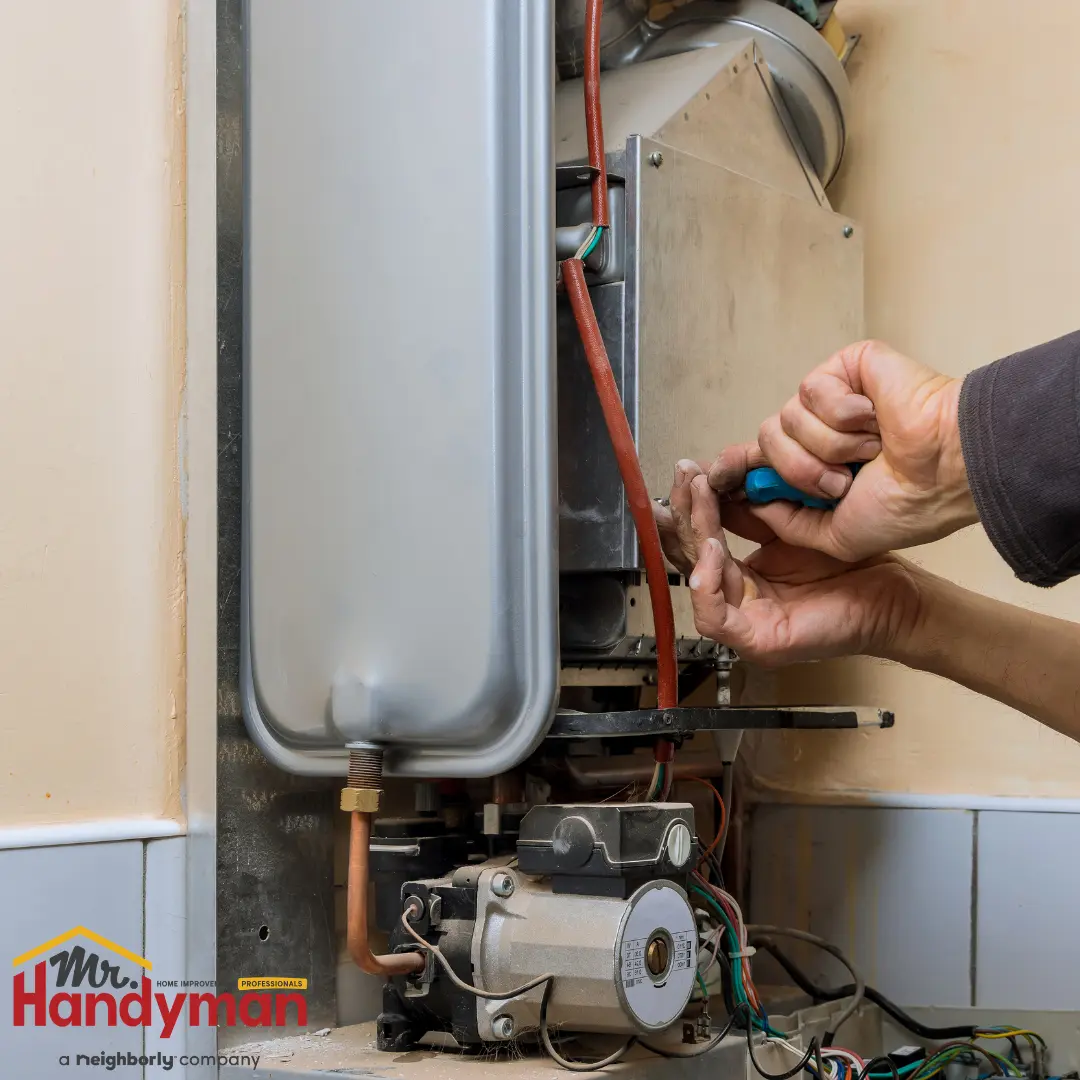
The appropriate inspection frequency depends on the home's age, its plumbing material composition, and its water heater age, but a general framework applies across the service area.
Annual whole house plumbing inspection is the appropriate baseline for most homes in Murfreesboro, Franklin, and Brentwood, regardless of age. This annual visit covers the full scope described above and creates the documented history that identifies trends, such as a drain that is consistently slower year over year or a supply line approaching its replacement threshold, that a single inspection cannot reveal on its own. The value of this documented history grows with each visit, since a second or third year of recorded data makes patterns far easier to spot than a single isolated inspection ever could.
Homes older than thirty years, particularly those in Brentwood and Franklin's established neighborhoods that may carry original galvanized supply piping or aging cast iron drain lines, benefit from inspection frequency at the upper end of this range, with specific attention to the pipe material assessment that determines whether the home's infrastructure is approaching a replacement conversation rather than continuing to respond to routine maintenance.
Homes with water heaters approaching eight years of service warrant inspection focused specifically on tank condition assessment at least annually, since the consequence of a tank failure event is severe enough to justify closer monitoring as the unit approaches the upper end of its expected service life in Tennessee's hard water environment.
New construction and recently renovated homes throughout the growth corridors of Murfreesboro, Spring Hill, and Nolensville benefit from an initial baseline inspection within the first year of occupancy, establishing the documented starting condition of all plumbing components and identifying any installation related conditions before normal wear patterns make them harder to distinguish from age related deterioration.
What Homeowners Can Monitor Between Professional Inspections
Routine professional inspection works best alongside ongoing homeowner awareness between scheduled visits. Several simple checks, performed periodically by the homeowner, extend the value of professional inspection by catching conditions that develop between visits.
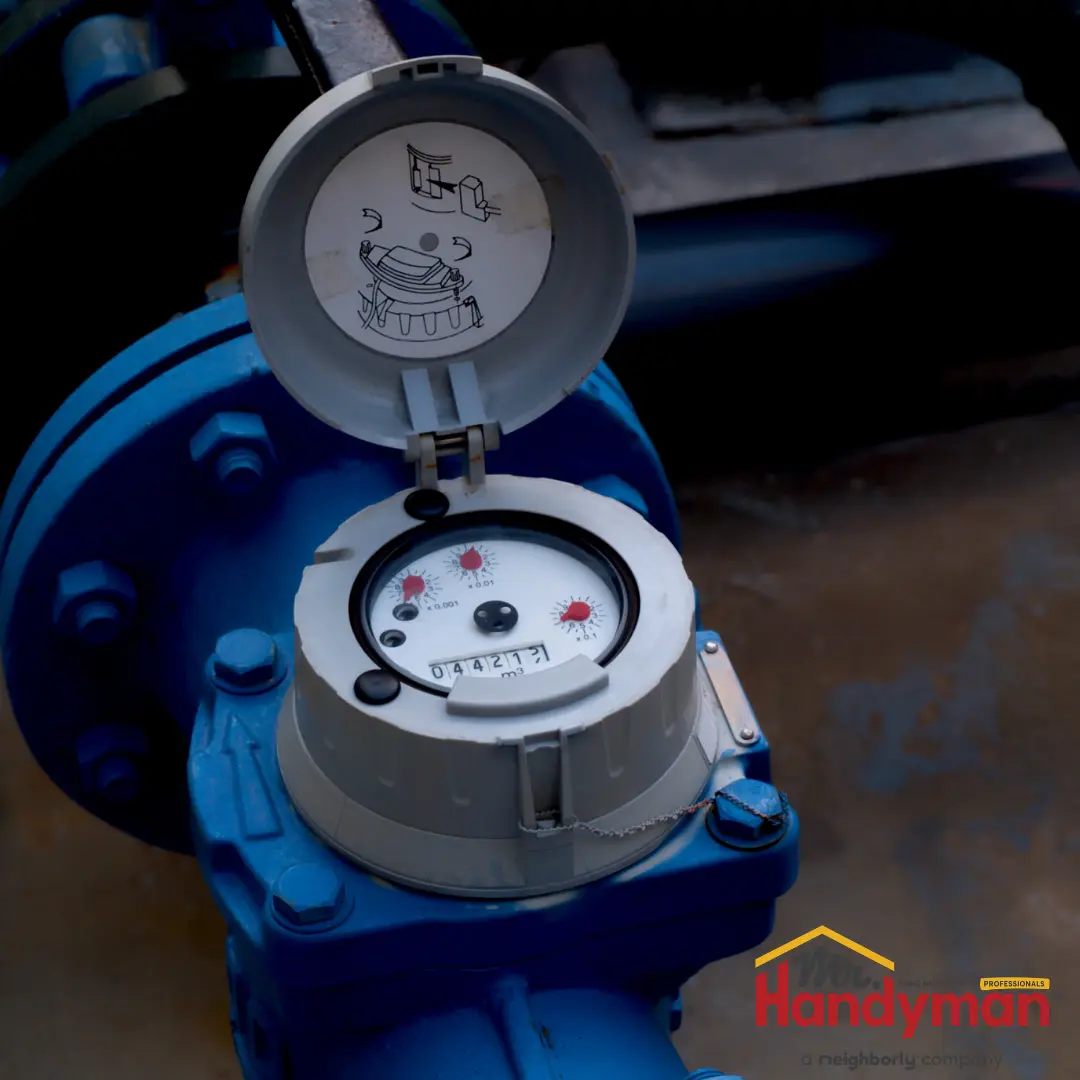
Checking the water meter for movement when no water is being used in the home is the single most useful self check available. If the meter dial continues moving with every fixture off and no appliance running, water is escaping somewhere in the system, and this test identifies the leak's existence even before its location is known. This check takes only a couple of minutes and can be done at any time, making it one of the easiest habits a homeowner can build into a monthly routine.
Periodically checking under sinks and around the water heater for any dampness, staining, or mineral deposit accumulation that was not present at the last inspection catches developing leaks between scheduled visits. This takes only a few minutes and requires no special tools.
Noting any change in water pressure, drain speed, or unusual sounds from the water heater between inspections gives the next professional visit useful information about when a change occurred, which helps narrow down the likely cause more efficiently than starting the assessment without that context. Even a brief note on a phone or calendar about when a sound or change was first noticed can save a technician significant diagnostic time during the next visit.
Frequently Asked Questions
How often should a Middle Tennessee home have a professional plumbing inspection?
Annual inspection is the appropriate baseline for most homes throughout Murfreesboro, Franklin, and Brentwood. Older homes with original plumbing infrastructure, and homes with water heaters approaching the end of their expected service life, benefit from inspection at the more frequent end of this range given the specific risks that age and Tennessee's hard water create in these systems.
What is the most valuable single thing a plumbing inspection catches?
Aging supply lines at toilet, sink, and appliance connections are consistently the most valuable catch because their failure mode is sudden and severe rather than gradual, and the cost difference between proactive replacement and post failure water damage remediation is the largest of any single plumbing component addressed during inspection.
Does a new home still need plumbing inspections?
Yes. An initial baseline inspection within the first year of occupancy establishes documented starting conditions and identifies any installation related issues. Tennessee's hard water begins affecting new plumbing systems from the day they enter service, so even new construction benefits from the annual inspection rhythm once the baseline has been established.
Can homeowners do their own plumbing inspection instead of hiring a professional?
Homeowners can and should perform the simple checks described here between professional visits, including water meter monitoring and visual checks under sinks. However, professional inspection includes the camera drain assessment, pressure testing, and trained eye for early stage corrosion and wear that homeowner observation alone does not reliably catch, which is why the two practices work best together rather than as substitutes for each other.
How does Tennessee's hard water affect inspection priorities?
Tennessee's limestone influenced water accelerates mineral accumulation at every restriction point in a plumbing system, which means inspection in this region places specific emphasis on water heater sediment and anode rod condition, aerator and showerhead accumulation, and pressure regulator valve function at a level of attention that softer water markets do not require to the same degree.
Is a plumbing inspection worth the cost if nothing seems wrong?
Yes. The value of inspection is precisely in identifying the conditions that do not yet present as noticeable problems. A home where everything currently seems fine is the ideal candidate for routine inspection, because catching a developing condition before it becomes noticeable is exactly the scenario where inspection delivers its greatest financial and practical return.
Schedule Your Routine Plumbing Inspection Today
Routine plumbing inspection is the most reliable way to keep a Middle Tennessee home's plumbing system performing reliably while avoiding the water damage and emergency repair costs that deferred attention creates. The team at Mr. Handyman of Murfreesboro, Franklin and Brentwood provides thorough plumbing inspections and the full range of related repair and maintenance services throughout Arrington, Brentwood, Christiana, Eagleville, Fairview, Franklin, La Vergne, Murfreesboro, Nolensville, Smyrna, Spring Hill, and the full service area.
Call us at or visit www.mrhandyman.com/murfreesboro-smyrna to schedule your plumbing inspection. We show up on time, work cleanly, and back everything we do with the Neighborly Done Right Promise.