Why Office Parks Need a Different Maintenance Model
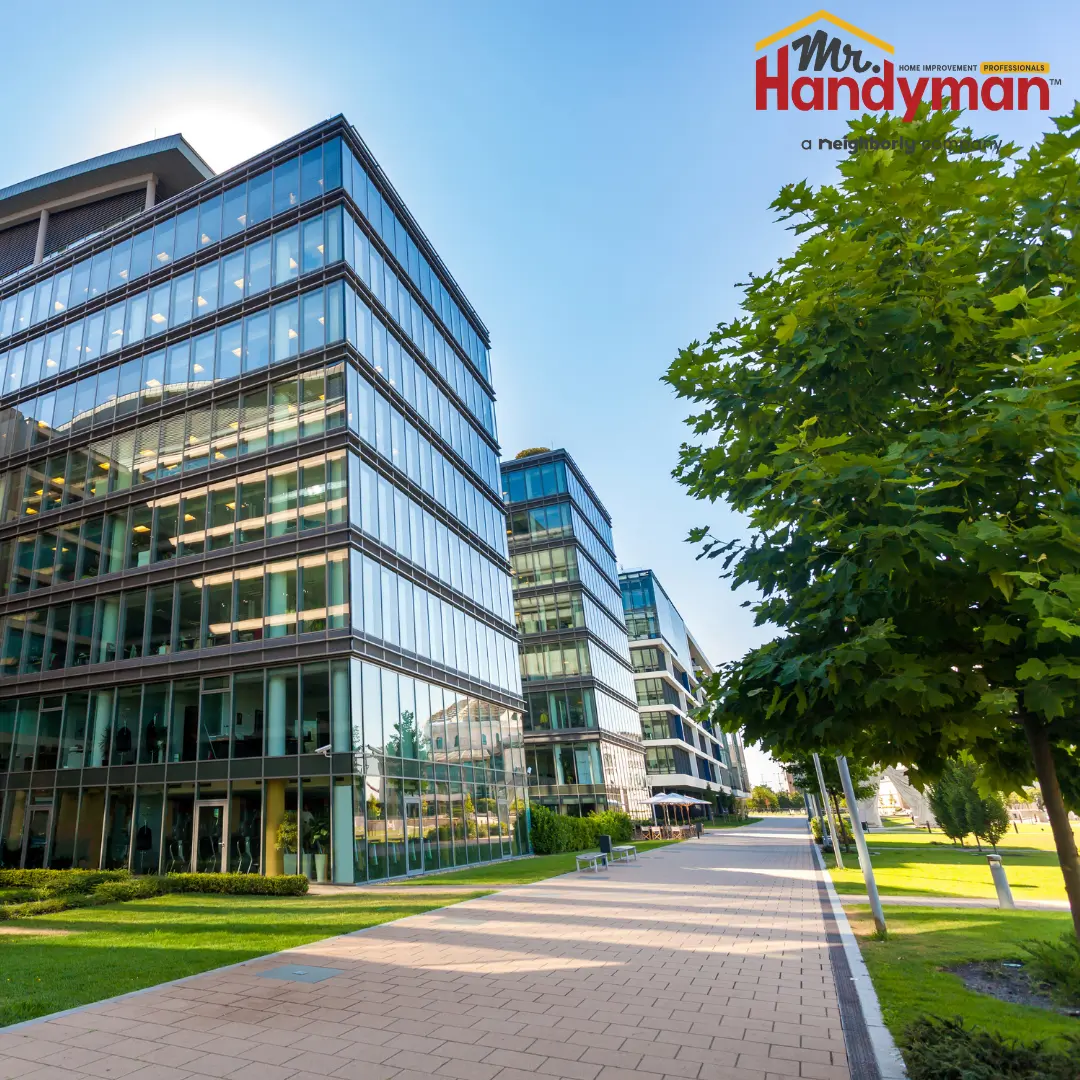
Office parks throughout Murfreesboro, Franklin, and Brentwood occupy a specific position in the commercial real estate landscape that creates maintenance demands unlike a single standalone business. A typical office park, whether the multi-tenant professional buildings throughout Brentwood's Maryland Farms area, the growing office corridors near Franklin's I-65 interchange, or the business parks serving Murfreesboro's expanding professional and medical communities, houses multiple tenants across shared common areas, individual suites, and the building systems that serve everyone simultaneously. This structure creates a maintenance reality that differs fundamentally from a single retail storefront or restaurant, and it rewards a scheduled, proactive approach far more consistently than the reactive model many property managers default to.
The core challenge of office park maintenance is coordination across competing priorities. Multiple tenants, each with their own business schedule, client expectations, and tolerance for disruption, share hallways, restrooms, parking areas, and often HVAC and electrical infrastructure. A reactive maintenance approach, where issues are addressed only after a tenant complains or a problem becomes visible, creates friction between tenants, between tenants and property management, and ultimately affects the property's ability to attract and retain the quality tenants that sustain its value.
Middle Tennessee's specific conditions add further reason for scheduled rather than reactive maintenance. The region's genuine four-season climate creates predictable seasonal stress points: real winter freeze events that test building envelope and plumbing systems, and the intense summer heat and humidity that pushes HVAC systems to their annual peak demand. Tennessee's limestone-influenced hard water accelerates wear in plumbing fixtures and water-using equipment throughout common areas and individual suites at a rate that benefits from regular, planned attention rather than occasional emergency response. And the competitive office leasing market throughout this service area, particularly in Brentwood and Franklin where commercial real estate values remain strong, means that physical building condition is a genuine factor in both tenant retention and the property's ability to command competitive lease rates.
The Tenant Experience Argument for Scheduled Service
Every tenant in a Murfreesboro, Franklin, or Brentwood office park forms an ongoing impression of building management based largely on how well the physical environment is maintained, and this impression directly affects lease renewal decisions and the word-of-mouth reputation that influences future leasing.
Common area condition is the most visible and most consistently evaluated aspect of office park maintenance from a tenant perspective. Lobby areas, shared hallways, elevator interiors where applicable, and shared restrooms are spaces every tenant and their visiting clients pass through regularly, and the condition of these spaces creates an impression that extends to how tenants perceive the quality of their own business address. Scheduled maintenance that addresses scuffed walls, worn flooring, burned-out lighting, and general wear before it becomes visually obvious maintains the professional impression that attracts and retains quality tenants.
Predictable response to maintenance requests is a specific value that scheduled handyman service provides beyond the baseline maintenance visits themselves. An office park with an established, regular handyman relationship has a known resource for addressing individual tenant maintenance requests promptly, rather than property management needing to source and coordinate a different contractor for each issue as it arises. This predictability matters significantly to tenants, particularly professional services firms in Franklin and Brentwood whose own clients expect a polished, well-functioning office environment.
Reduced disruption through proactive scheduling is the practical advantage that scheduled service creates over emergency response. A scheduled handyman visit can be planned around tenant business hours and communicated in advance, allowing tenants to plan around any temporary access limitations. An emergency repair, by contrast, often requires immediate access regardless of tenant schedules, creating the disruption that scheduled maintenance specifically avoids by catching conditions before they become emergencies.
Common Area Maintenance Priorities
The shared spaces of an office park require maintenance attention that benefits specifically from a scheduled rhythm rather than sporadic response.
Restroom maintenance in shared office park facilities deserves particular attention given Tennessee's hard water conditions and the high-cycle use that shared restrooms experience across multiple tenant businesses. Caulking and grout maintenance, fixture hardware tightening, and the mineral deposit management that Middle Tennessee's limestone water requires all benefit from a scheduled interval rather than waiting for a tenant complaint about a sticky door lock or a loose towel dispenser to trigger response.
Lobby and entry condition including door operation, entry mat condition, flooring wear, and lighting function creates the first impression that every visitor to the office park forms. Scheduled assessment catches the door closer that has begun closing too quickly or too slowly, the entry flooring that has started showing wear patterns, and the lighting fixtures approaching the end of their service life before these conditions become noticeable to visiting clients.
Hallway and corridor maintenance throughout multi-tenant buildings addresses the cumulative wear that foot traffic from multiple businesses creates. Touch-up painting at scuffed wall locations, carpet or flooring spot maintenance, and the general surface condition of shared corridors benefit from the kind of regular attention that prevents minor wear from accumulating into the kind of visible deterioration that affects every tenant's daily impression of the building.
Parking lot and exterior approach maintenance including pavement crack sealing, trip hazard correction at walkway joints, and exterior lighting function directly affects both tenant and visitor safety and the property's curb appeal. Middle Tennessee's clay-influenced soil creates the seasonal movement that produces pavement cracking and walkway elevation differences over time, and scheduled assessment catches these conditions while sealing and minor correction remains the appropriate scope rather than waiting until more significant repair is required.
Building Systems That Benefit from Scheduled Attention
Beyond cosmetic and surface-level maintenance, several building systems in office parks specifically benefit from the kind of regular, scheduled assessment that catches developing issues before they become tenant-affecting failures.
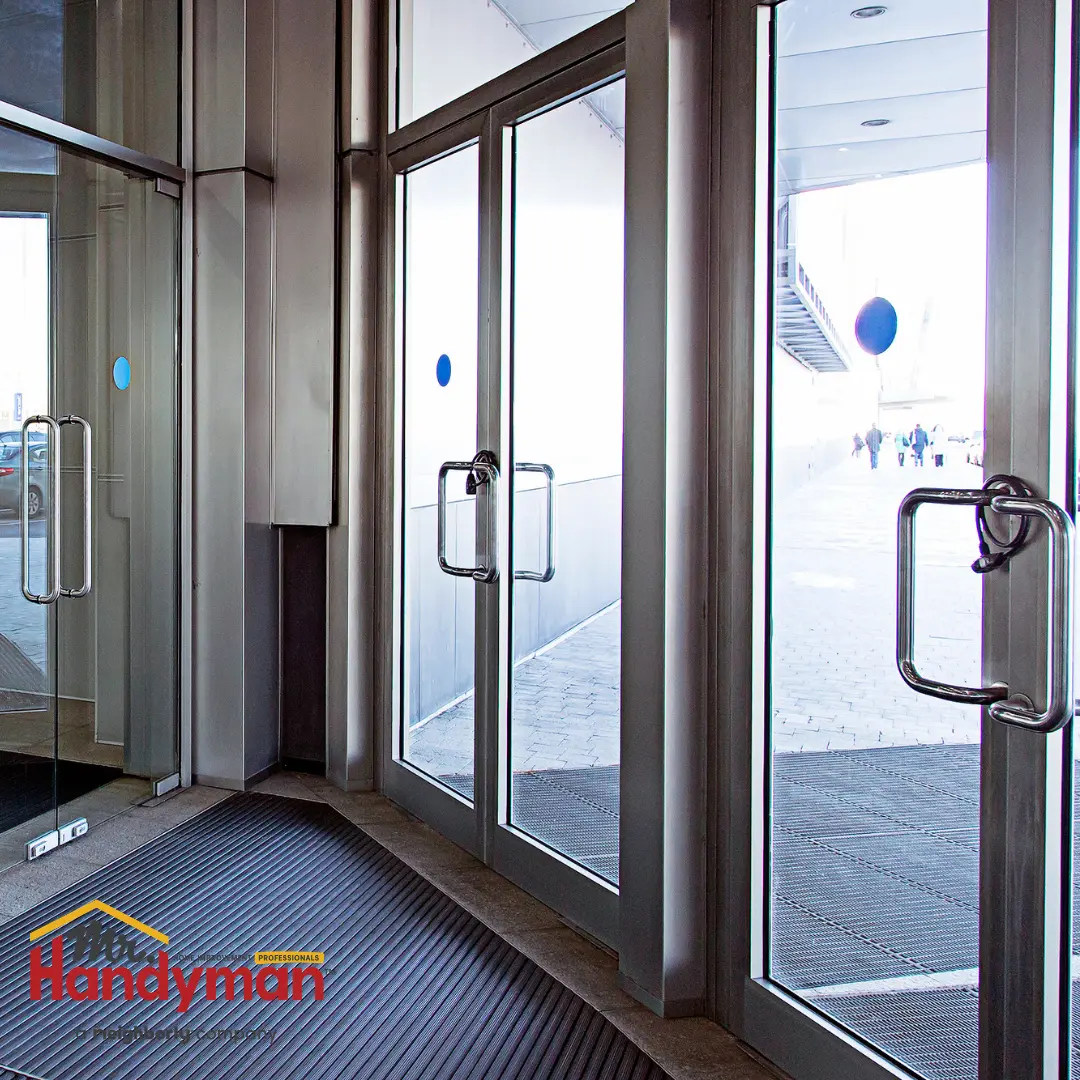
Door hardware throughout the building, including both individual suite entries and shared common area doors, experiences the cumulative wear of multiple daily users across multiple tenant businesses. Hinges, closers, and locking mechanisms in high-cycle commercial use wear faster than residential applications, and scheduled inspection and adjustment prevents the gradual degradation that eventually produces a door that does not close properly, creating both a security concern and an energy efficiency issue as conditioned air escapes through an improperly sealing door.
Plumbing fixtures throughout shared and common spaces benefit specifically from Middle Tennessee's hard water context. Faucet aerators, showerhead nozzles where applicable, and toilet mechanical components throughout shared restrooms accumulate the mineral deposits that Tennessee's limestone water creates at a rate that scheduled cleaning and replacement manages proactively, preventing the flow restriction and running toilet conditions that waste water continuously when left unaddressed.
Lighting throughout common areas and exterior spaces requires the kind of systematic, scheduled check that catches burned-out lamps, flickering fixtures, and failing exterior lighting before these conditions create either a safety concern in parking areas and walkways or simply the unprofessional appearance of a building with visibly non-functioning lights.
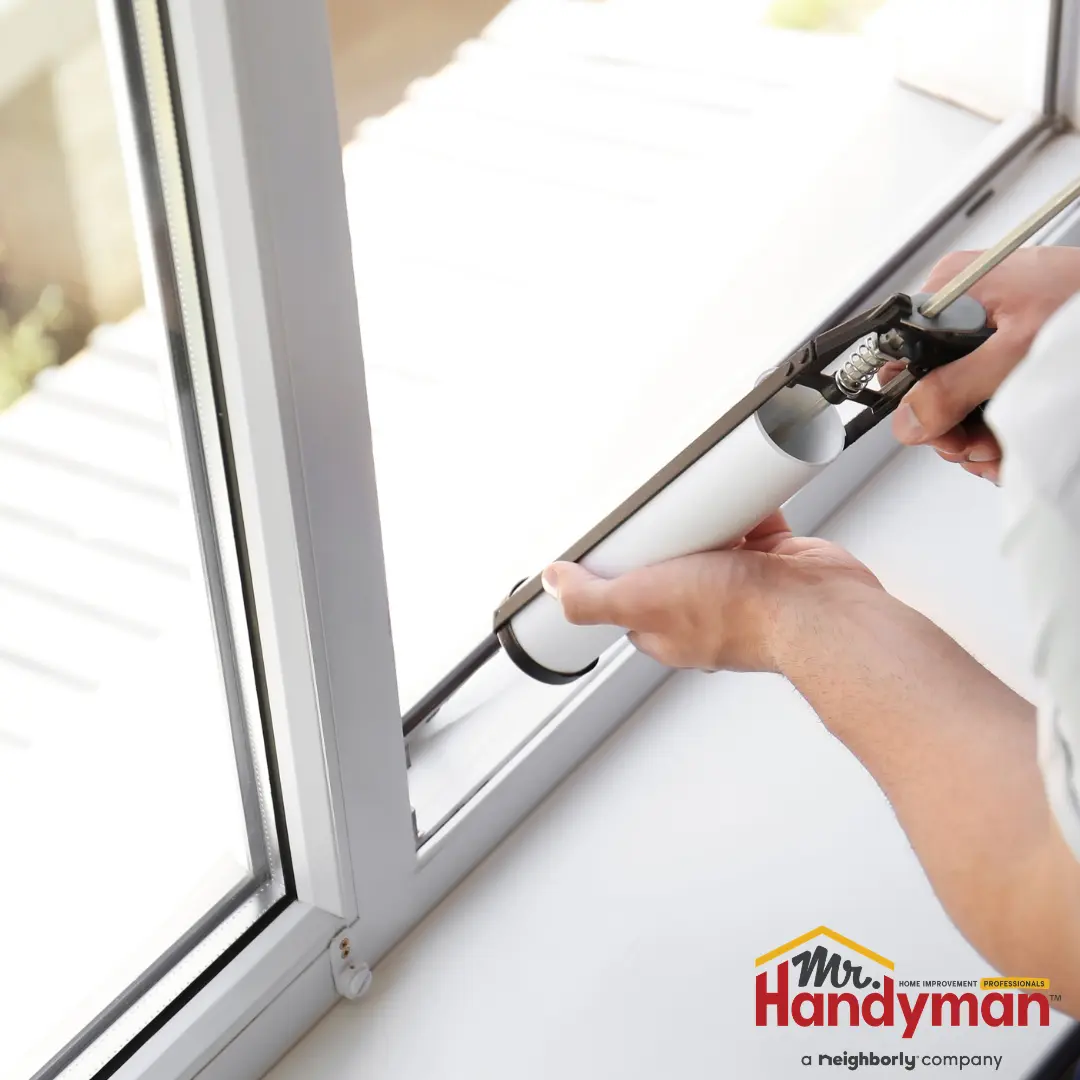
Caulking and sealant condition at building envelope penetrations, window perimeters, and material transitions throughout the office park deserves scheduled inspection given Middle Tennessee's genuine seasonal thermal cycling and the storm activity that tests these seals throughout the warm season. Identifying and addressing failed caulking proactively prevents the water infiltration that can affect both individual tenant suites and shared building infrastructure.
The Financial Case for Scheduled Versus Reactive Maintenance
The cost comparison between scheduled, proactive maintenance and reactive, emergency response consistently favors the scheduled approach across nearly every category of office park maintenance need.
A door closer identified during scheduled inspection as beginning to fail can be adjusted or replaced for a modest cost. The same door closer, left unaddressed until it fails completely, often requires emergency same-day service at premium rates, and in the interim creates the tenant complaint and the unprofessional building condition that affects how that tenant perceives the building's management quality.
A restroom fixture showing early mineral accumulation can be cleaned or replaced during scheduled service for a routine cost. The same fixture, left until it creates a running toilet or a completely failed faucet, wastes water continuously in the interim and ultimately requires the same repair under more urgent, often after-hours circumstances.
A small section of cracked pavement identified during scheduled exterior assessment can be sealed for a modest cost. The same crack, left to widen through subsequent seasons of Middle Tennessee's freeze-thaw cycling and clay soil movement, eventually requires the more extensive and more costly pavement repair that deferred attention allows to develop.
This pattern, where the cost of addressing a condition early is consistently a fraction of the cost of addressing it after failure, is the core financial argument for scheduled handyman service in office parks. Property managers who calculate the actual cost difference between their historical reactive repair spending and the projected cost of scheduled preventive maintenance consistently find that the scheduled approach delivers genuine savings alongside the tenant satisfaction and property value benefits.
Coordinating Scheduled Service Across Multiple Tenants
The practical logistics of scheduled handyman service in a multi-tenant office park require coordination that a single-tenant commercial relationship does not, and establishing clear processes for this coordination is part of what makes the scheduled relationship valuable.
Establishing a regular visit cadence, whether monthly, bi-weekly, or whatever frequency matches the specific office park's size and tenant count, creates the predictable rhythm that allows property management to plan tenant communication and that allows the handyman service to develop familiarity with the building's specific systems and recurring needs.
Creating a clear request and prioritization process for individual tenant maintenance needs that arise between scheduled visits ensures that urgent issues receive prompt attention while routine items can be batched into the next scheduled visit, maximizing the efficiency of each service engagement.
Maintaining documentation across visits of conditions identified, work completed, and items flagged for future attention creates the institutional history that helps property management track recurring issues, plan capital improvement timing, and demonstrate proactive management to ownership or to prospective tenants evaluating the property's maintenance standards.
Frequently Asked Questions
How often should an office park schedule handyman maintenance visits?
Monthly visits are an appropriate baseline for most office parks throughout Murfreesboro, Franklin, and Brentwood, with the specific frequency adjusted based on the property's size, tenant count, and age of building systems. Larger properties or those with older infrastructure may benefit from more frequent visits, while smaller, newer properties might extend to a six-week or bi-monthly interval.
What is the most valuable common area maintenance item for office parks in this region?
Restroom fixture maintenance addressing Tennessee's hard water mineral accumulation is consistently among the most valuable scheduled items, both because shared restrooms experience high-cycle use across multiple tenants and because fixture condition in these spaces directly affects every tenant and visitor's daily impression of building quality.
Can scheduled handyman service reduce overall maintenance costs for an office park?
Yes, consistently. The cost of addressing conditions during scheduled, planned visits is reliably lower than the cost of emergency response after a condition has progressed to failure, and this pattern holds across nearly every category of office park maintenance need, from door hardware to plumbing fixtures to exterior pavement.
How does Middle Tennessee's climate specifically affect office park maintenance scheduling?
The region's genuine four-season climate creates predictable seasonal maintenance priorities: spring assessment of winter freeze-thaw effects on pavement and plumbing, summer focus on HVAC performance and storm-related building envelope conditions, and the ongoing hard water mineral management that Tennessee's limestone-influenced water supply requires year-round across all plumbing fixtures and water-using equipment.
Should individual tenant suites be included in scheduled maintenance, or only common areas?
Many office parks structure scheduled service to cover common areas as the baseline, with individual tenant suite maintenance handled either through tenant-initiated requests routed through the same scheduled service provider or through a tenant-paid arrangement for suite-specific work. The right structure depends on lease terms and property management preference, but maintaining the same service relationship across both scopes creates consistency and efficiency.
What is the biggest mistake office park managers make regarding maintenance?
Operating purely reactively, addressing only the issues that tenants specifically report rather than conducting regular proactive assessment, is the most common and most costly mistake. This approach consistently costs more over time, creates more tenant friction, and allows conditions to develop further before they receive attention compared to a scheduled maintenance relationship.
Establish Scheduled Maintenance for Your Office Park
A scheduled handyman service relationship protects an office park's physical investment, supports tenant satisfaction and retention, and consistently costs less than reactive maintenance over time. The team at Mr. Handyman of Murfreesboro, Franklin and Brentwood provides scheduled maintenance services for office parks and multi-tenant commercial properties throughout Arrington, Brentwood, Christiana, Eagleville, Fairview, Franklin, La Vergne, Murfreesboro, Nolensville, Smyrna, Spring Hill, and the full service area.
Call us or visit www.mrhandyman.com/murfreesboro-smyrna to schedule your office park maintenance consultation. We work around your tenants' schedules, arrive on time, and back everything we do with the Neighborly Done Right Promise.