The Compounding Power of Small Fixes
There is a persistent assumption in homeownership that the repairs worth caring about are the big ones: the roof replacement, the major kitchen renovation, the new HVAC system. Small repairs, the sticky door, the loose cabinet hinge, the dripping faucet, the gap in the caulking, tend to get mentally filed under "eventually" rather than treated with the urgency that larger, more obviously consequential projects receive. Yet for homeowners throughout Murfreesboro, Franklin, and Brentwood, it is often these small repairs, addressed consistently and promptly, that determine whether a home feels genuinely well-maintained or quietly neglected, and whether its larger systems and structures remain protected or slowly compromised.
The power of small repairs lies in their compounding nature, both in a positive and a negative direction. A small repair addressed promptly prevents the chain of consequences that an ignored small problem sets in motion. A dripping faucet left unaddressed does not just waste water; it can create the moisture conditions that lead to cabinet damage, mold growth, and eventually a far more expensive repair than the original fix would have required. Conversely, a home where small repairs are addressed consistently as they arise develops a kind of cumulative integrity, where each minor fix protects the larger systems around it and contributes to an overall impression of careful stewardship that both the household and any future buyer will notice.
Middle Tennessee's specific climate conditions make this compounding effect particularly pronounced. The region's genuine humidity creates the conditions where small moisture issues escalate into mold and structural concerns faster than in drier climates. Tennessee's hard water means a small fixture issue often signals the beginning of a mineral accumulation problem that will only worsen with time. And the area's real seasonal temperature swings mean that small gaps in weatherstripping or caulking that seem inconsequential in spring become measurably more costly in both comfort and energy bills by the time summer's peak heat arrives.
How Small Repairs Prevent Larger Failures
The most compelling argument for taking small repairs seriously is the direct, traceable line that exists between many minor issues and the major failures they eventually cause when left unaddressed.
A small caulking gap at a window or door perimeter seems inconsequential on its own. But that gap is the entry point for moisture during every rain event that follows, and Middle Tennessee's regular summer thunderstorm activity means that entry point gets tested repeatedly through the season. Moisture that enters through a small caulking failure can travel into wall cavities, where it creates the conditions for wood rot, mold growth, and eventually the kind of structural repair that costs many times more than the few dollars of caulk and the few minutes of labor that addressing the original gap would have required.
A dripping faucet or running toilet wastes water continuously, but the consequence extends beyond the utility bill. Constant moisture at a faucet base can deteriorate the cabinet or countertop material beneath it over time, and a running toilet that goes unaddressed for months represents not just wasted water but also accelerated wear on the fill valve and flapper mechanisms that eventually require complete replacement rather than the simple component swap that earlier attention would have allowed.
A loose deck railing connection that goes unaddressed because it still feels generally sturdy under casual contact represents accumulating risk rather than a static condition. Each season of Middle Tennessee's thermal cycling and the clay soil movement beneath deck footings adds incrementally to the looseness, until what could have been a simple tightening becomes a genuine structural concern requiring more extensive repair, and in the worst case, creates the safety incident that no homeowner wants to discover the hard way.
A small roof shingle issue, whether a few lifted shingles or a minor area of granule loss, seems like a cosmetic concern that can wait. But that vulnerable area is exactly where the next significant storm finds its entry point, and what would have been a straightforward shingle repair becomes, after water has entered the roof deck and ceiling below, a far more extensive repair involving roof decking, insulation, drywall, and potentially mold remediation.
The Daily Comfort Difference Small Repairs Create
Beyond preventing larger failures, small repairs contribute directly to the daily lived experience of a home in ways that homeowners often underestimate until they actually address the issue and notice the difference.
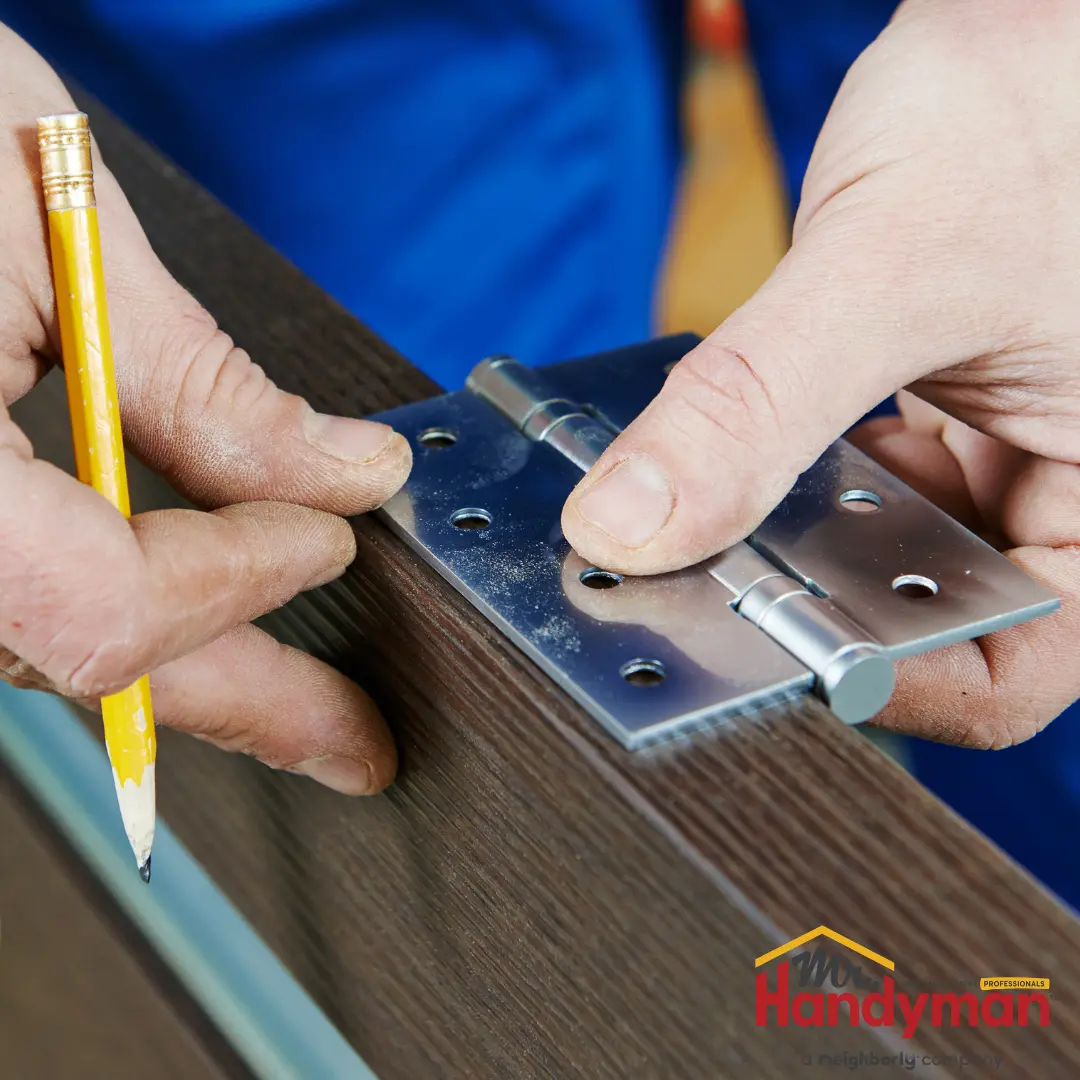
A properly adjusted door that closes smoothly and latches reliably without requiring extra force or a specific technique to engage the lock removes a small daily friction point that, multiplied across every use of that door over months and years, represents a genuine quality-of-life improvement that costs very little to achieve.
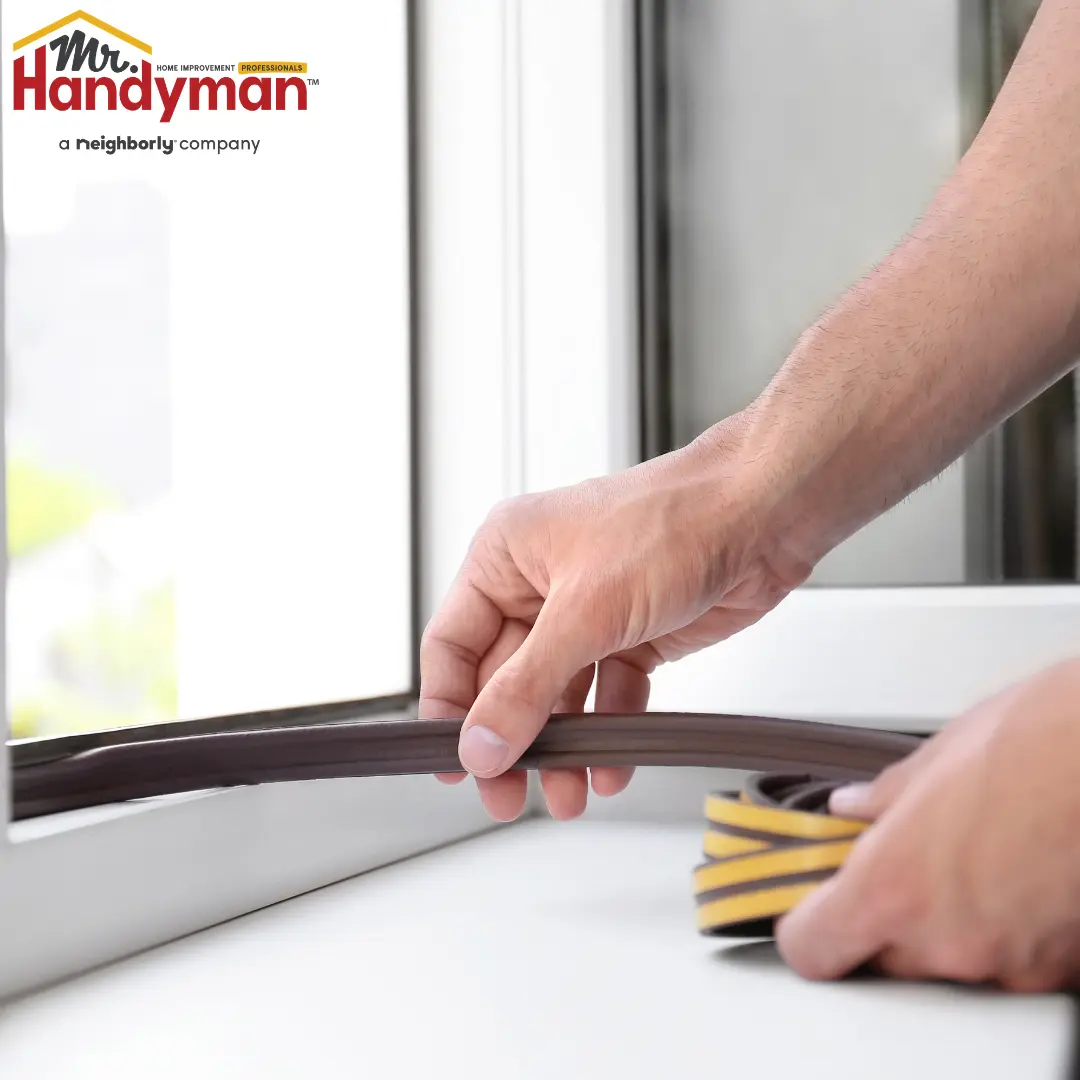
Functioning weatherstripping throughout exterior doors maintains both temperature comfort and the practical sense of a home that is performing as it should, particularly relevant during Middle Tennessee's summer when the differential between outdoor heat and indoor air conditioning makes any air infiltration immediately noticeable as both a comfort issue and an energy cost.
A properly functioning showerhead and faucet, free of the mineral accumulation that Tennessee's hard water creates over time, transforms a daily routine task from a minor frustration into the satisfying experience it should be, a difference that many homeowners do not fully appreciate until they experience the restored flow after cleaning or replacement.
Cabinet hardware and drawer slides that operate smoothly rather than sticking or requiring extra force contribute to a kitchen or bathroom that feels genuinely well-maintained every time it is used, a cumulative daily impression that affects how a household experiences its own home far more than any single dramatic renovation would.
The Cost Comparison That Makes the Case
The financial argument for prioritizing small repairs is one of the clearest and most consistent patterns in home maintenance, and it holds true across nearly every category of home system throughout Murfreesboro, Franklin, and Brentwood.
A supply line replaced proactively during routine maintenance costs a modest amount in parts and labor. The same supply line, left until it fails completely, can flood a bathroom or kitchen and require not just the line replacement itself but flooring repair, cabinet replacement, and potentially drywall and even structural drying that runs into the thousands of dollars.
A caulking gap resealed during a routine check costs the price of caulk and a brief visit. The same gap, left to allow water infiltration through multiple seasons, can require drywall repair, insulation replacement, and in severe cases, mold remediation that costs exponentially more than the original repair would have.
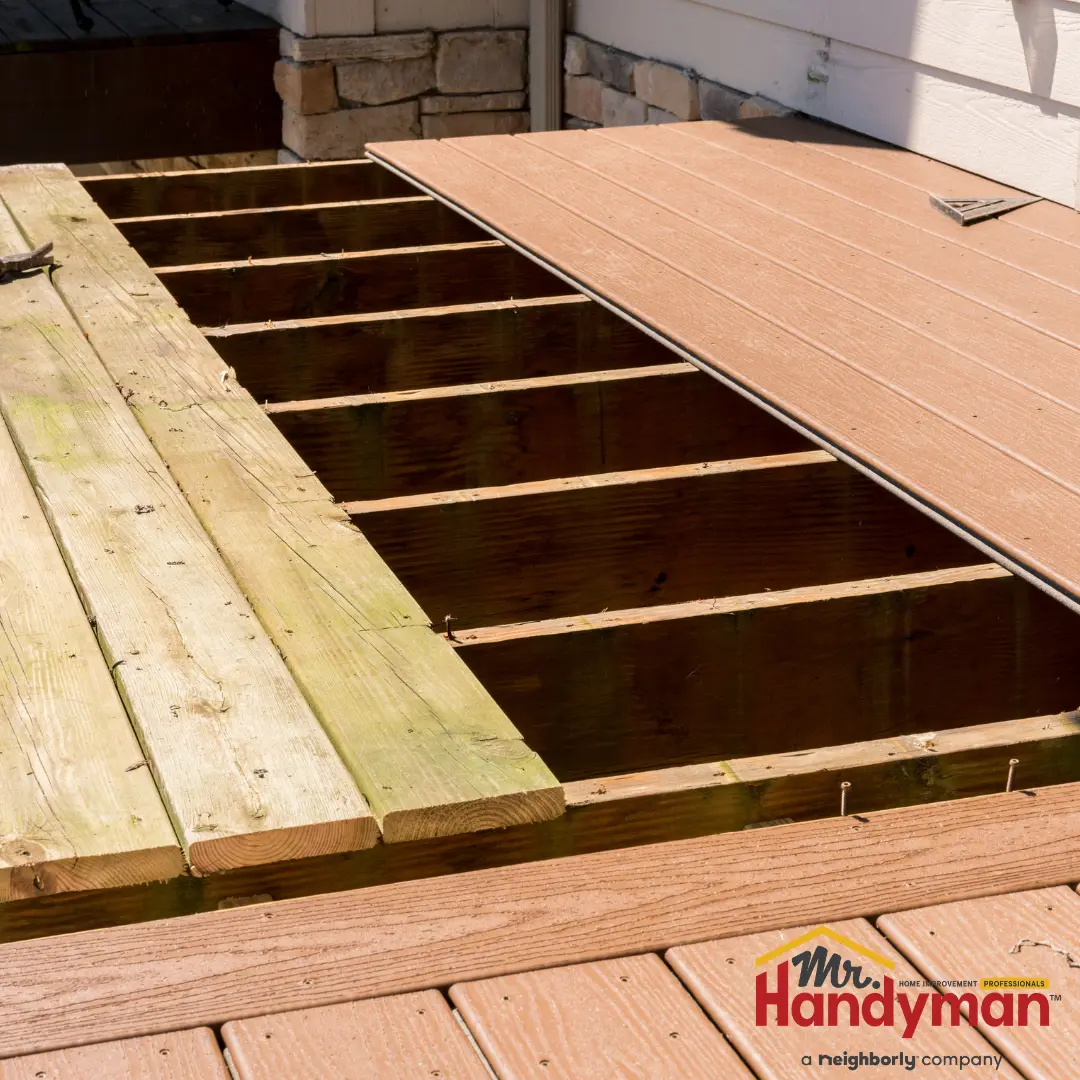
A deck board replaced when it first shows soft spots costs the price of one board and the labor to swap it. The same condition, left until the board fails under weight, creates both the cost of emergency repair and the liability exposure of an injury that occurred on a known but unaddressed hazard.
This pattern, repeated across plumbing, roofing, exterior structures, and interior fixtures, makes the financial case for small repairs straightforward: the cost of addressing a condition early is consistently and substantially lower than the cost of addressing the same condition after it has progressed to failure.
The Cumulative Impression Small Repairs Create

Beyond the practical and financial arguments, there is a genuine psychological and impression-based reason that small repairs matter, one that affects both how a household experiences its own home and how that home is perceived by anyone who visits or eventually considers purchasing it.
A home where small repairs accumulate unaddressed begins to carry a specific feeling, even if no single issue is individually severe. The sticky door, the dripping faucet, the loose cabinet handle, the gap in the trim, none of these alone defines the home, but together they create an environment that feels subtly neglected, an impression that affects how comfortable and proud a household feels in their own space.
A home where small repairs are addressed consistently carries the opposite feeling. Every door closes properly, every fixture functions as it should, every surface is intact and well-maintained, and this consistency creates an environment that feels genuinely cared for, an impression that extends to how household members feel about their home and how guests perceive it.
This impression matters significantly in the real estate context throughout Murfreesboro, Franklin, and Brentwood's active housing market. A buyer touring a home with a long list of small, visible deferred maintenance items, even if structurally the home is sound, often extrapolates that visible neglect into a concern about what larger, less visible maintenance might also have been deferred, while a home where every small detail has clearly received attention creates buyer confidence that extends beyond what any individual repair would suggest on its own.
Building a System for Catching Small Repairs
The challenge with small repairs is not usually that homeowners do not care about them; it is that busy life, the focus on larger projects, and simple lack of attention allow them to accumulate unnoticed until there are enough of them that addressing them feels like a genuinely large undertaking rather than the simple, individual fixes they actually are.
A practical approach many households throughout this service area find effective is maintaining a running list, whether a notes app, a shared family document, or simply a list on the refrigerator, where any household member can add an item the moment they notice it, whether that is a sticky drawer, a dripping faucet, or a loose door hinge. Rather than letting these items live only in memory, where they are easy to forget or to mentally minimize, a written list creates the accountability and visibility that prompts action.
Scheduling a periodic comprehensive handyman visit, whether quarterly, twice yearly, or simply when the accumulated list reaches a certain length, allows households to address the full accumulated list efficiently in a single visit rather than either ignoring the items entirely or trying to schedule separate attention for each one individually.
Frequently Asked Questions
What is the most consequential small repair that homeowners in this region tend to overlook?
Exterior caulking gaps are consistently among the most consequential overlooked small repairs, given how directly they connect to the moisture infiltration risk that Middle Tennessee's regular storm activity creates, and how significantly the resulting damage can exceed the simple cost of timely resealing.
How can a homeowner tell the difference between a cosmetic issue and one that will lead to a larger problem?
As a general rule, anything involving moisture, structural connections, or mechanical wear deserves prompt attention regardless of how minor it currently appears, since these categories consistently show the pattern of escalating from minor to major when left unaddressed. Purely cosmetic issues with no moisture or structural dimension, like a faded paint color preference, carry less urgency.
Is it worth hiring a professional for repairs that seem minor enough to handle personally?
For homeowners comfortable and equipped for basic DIY tasks, many small repairs are entirely reasonable to handle personally. However, batching a list of small repairs into a single professional visit is often more time-efficient and ensures proper technique, particularly for items involving caulking, electrical components, or anything where improper DIY repair could create a worse outcome than the original issue.
How often should a household do a walkthrough specifically looking for small repair needs?
A brief walkthrough every month or two, specifically looking at doors, fixtures, caulking, and obvious wear points, catches most small issues while they remain minor. Combining this with a more thorough seasonal check, particularly at the start of summer and again in fall, provides reasonable comprehensive coverage without requiring excessive time investment.
Do small repairs actually affect home value, or is this overstated?
Small repairs genuinely do affect both the perceived and, to a meaningful degree, the actual value of a home in this market's competitive real estate context. Buyers consistently extrapolate visible small-scale neglect into broader maintenance concerns, while a well-maintained home with no visible deferred small repairs creates the buyer confidence that supports stronger offers and faster sales.
What is the best way to keep track of small repairs without feeling overwhelmed by an ever-growing list?
Maintaining a simple, accessible running list that any household member can add to, combined with a periodic scheduled visit, whether DIY or professional, to work through the list systematically, prevents the list from feeling overwhelming because items are regularly cleared rather than simply accumulating indefinitely.
Address the Small Repairs That Make a Big Difference
The small repairs that often go overlooked throughout Murfreesboro, Franklin, and Brentwood homes are precisely the ones that protect larger systems, improve daily comfort, and create the cumulative impression of a genuinely well-maintained home. The team at Mr. Handyman of Murfreesboro, Franklin and Brentwood handles caulking repair, fixture maintenance, door and hardware adjustment, and the full range of small repairs throughout Arrington, Brentwood, Christiana, Eagleville, Fairview, Franklin, La Vergne, Murfreesboro, Nolensville, Smyrna, Spring Hill, and the full service area.
Call us at or visit www.mrhandyman.com/murfreesboro-smyrna to schedule your small repair service. We show up on time, work cleanly, and back everything we do with the Neighborly Done Right Promise.