
The Question Middle Tennessee Homeowners Keep Deferring
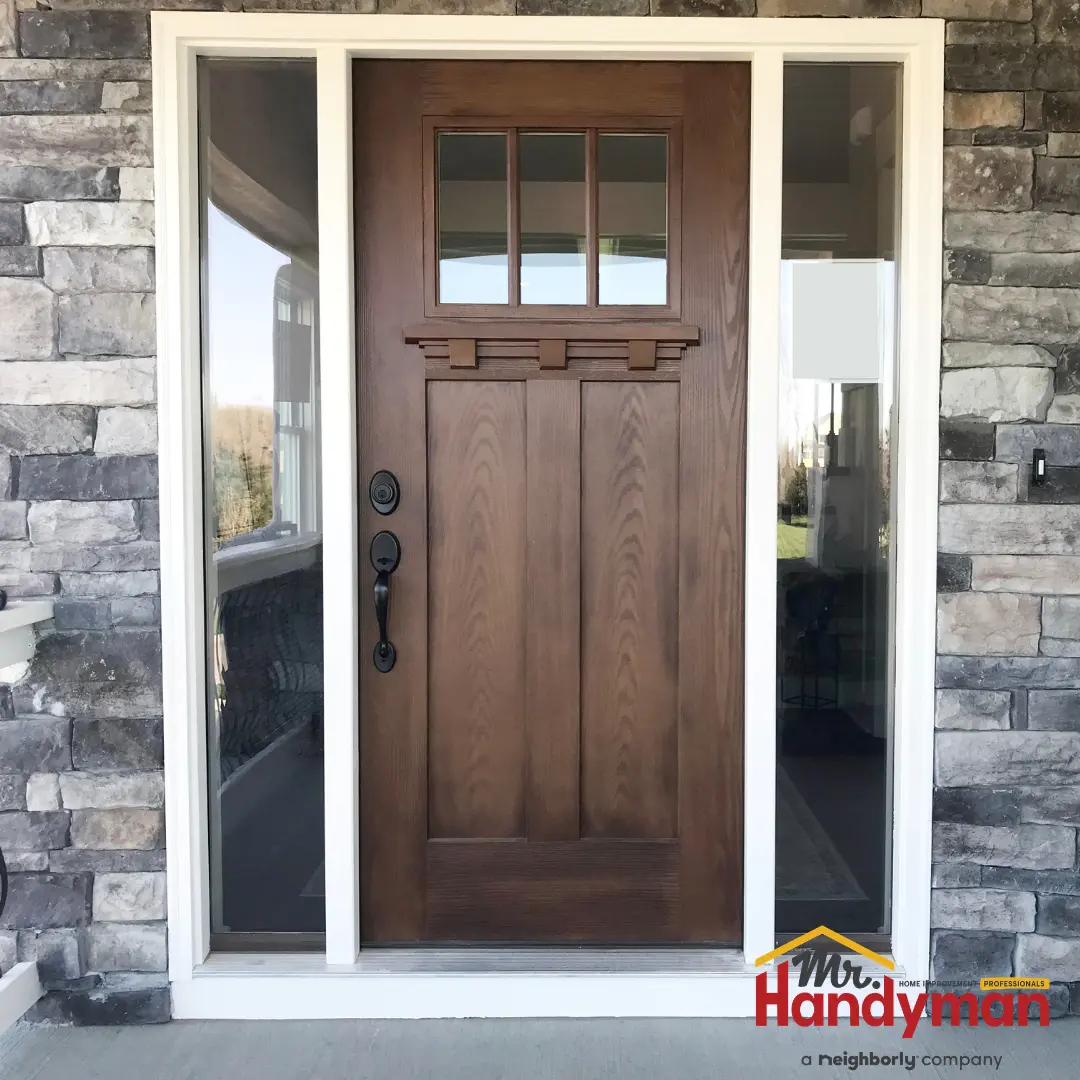
There is a home improvement decision that Murfreesboro, Franklin, and Brentwood homeowners consistently push to a future season with a reliability that makes the deferral itself a pattern worth examining. The door that sticks in summer's humidity has been sticking since last summer. The window whose weatherstripping has been failing has been drafty through two winters. The guest bedroom window that stopped opening correctly has had its compromise position memorized by every household member who uses it. And the master bedroom window whose failed seal between the panes has been foggy for eighteen months has been on the replacement list since the fogging first appeared.
None of these conditions are comfortable. None of them are improving through continued deferral. And none of them are as expensive to address as the mental energy their ongoing presence on the deferred list suggests, because the accumulated discomfort of living with inadequate door and window performance through Middle Tennessee's demanding seasonal range, from the humidity and heat of July and August through the cold of January and February, compounds at a rate that the replacement investment doesn't.
Middle Tennessee's climate creates a specific and demanding performance context for doors and windows that makes the adequacy threshold more consequential than the same door and window conditions would be in more moderate climates. A door with failing weatherstripping in a mild coastal climate loses a small amount of conditioned air through a short heating and cooling season. The same door in Murfreesboro or Franklin loses conditioned air through six months of active air conditioning and four months of active heating, making the energy cost of the same inadequacy proportionally greater in Middle Tennessee than in less demanding climates. And a failed double-pane window seal that reduces the window's thermal resistance in a mild climate creates the cold zone condition in a Murfreesboro bedroom through January and February that the same window in San Diego would never produce.
This guide provides the specific indicators that answer the question its title asks for Murfreesboro, Franklin, and Brentwood homeowners, explains what those indicators actually mean about door and window condition, and covers what replacement delivers that continued deferral doesn't.
Mr. Handyman of Murfreesboro, Franklin, and Brentwood delivers door and window assessment, repair, and replacement within the permitted handyman scope throughout the service area.
Why Middle Tennessee's Climate Makes Window and Door Performance Particularly Consequential
The Heating and Cooling Season Duration That Amplifies Performance Gaps
Murfreesboro, Franklin, and Brentwood sit in the climate zone whose combination of genuine winter cold and sustained summer heat creates an annual mechanical conditioning season that is longer than more moderate climates and whose energy cost reflects that extended duration. Air conditioning in Middle Tennessee runs from May through September at minimum, with meaningful use in April and October in typical years. Heating runs from November through March, with meaningful use at both ends. The combined mechanical conditioning season approaches seven to eight months of active energy use, and doors and windows whose performance is inadequate contribute to that energy cost throughout every month of the conditioning season rather than for the shorter seasons that more moderate climates create.
This extended conditioning season duration means that the energy cost return on door and window replacement investment in Murfreesboro, Franklin, and Brentwood compounds faster than equivalent replacements in milder climates, because the season length over which the replacement's improved thermal performance creates energy cost savings is longer. A window replacement that saves meaningful energy cost per month in Middle Tennessee's climate accumulates that savings across seven to eight months of active conditioning season rather than the three to four months that a milder climate's shorter season would create.
Middle Tennessee Humidity and Its Effects on Door and Window Performance
Middle Tennessee's summer humidity creates specific door and window performance effects that homeowners in drier climates don't encounter at the same intensity. Wood doors and wood window frames whose moisture content responds to the seasonal humidity cycling between summer's high humidity and winter's drier indoor air expand and contract through each annual cycle, and this dimensional cycling is what creates the sticking summer door and the rattling winter window that Middle Tennessee homeowners recognize as seasonal phenomena rather than fixed conditions. Understanding this humidity dimension helps homeowners distinguish between the door or window that needs adjustment to accommodate seasonal dimensional change and the one whose deterioration has advanced beyond what adjustment addresses.
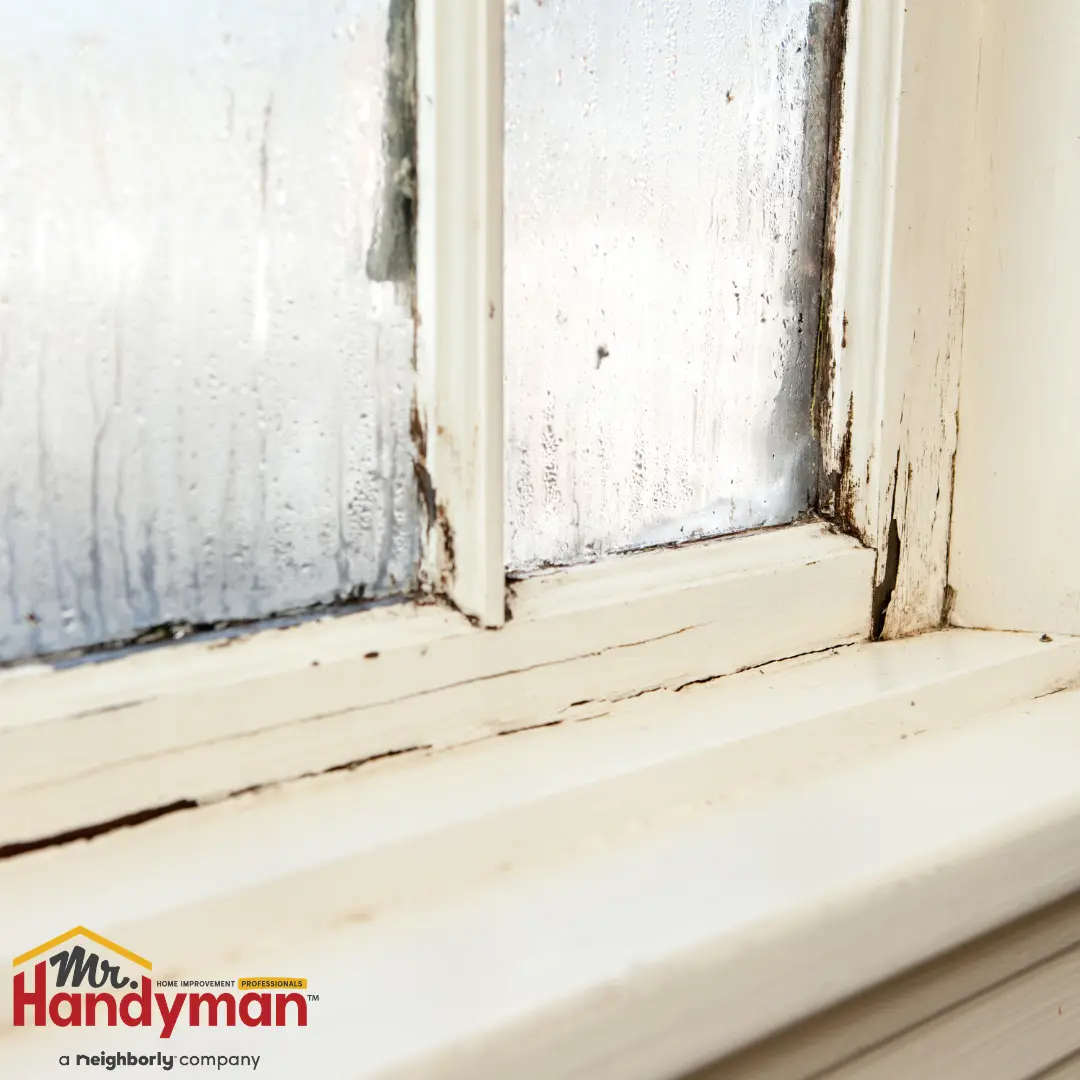
The humidity that Middle Tennessee summers sustain also creates the biological growth conditions on exterior wood frames, door bottoms, and window sills that inadequate protective finish allows to advance into the wood fiber, accelerating the deterioration that inadequate finish maintenance creates in the wood components of doors and windows. Exterior door bottoms and window sills are the specific locations whose moisture contact and biological growth exposure is most concentrated, and their condition in Murfreesboro, Franklin, and Brentwood homes reflects the maintenance history each unit has received through the regional climate's specific demands.
The Indicators That Answer the Question
Drafts and Cold Zones
The draft that moving air creates near a closed and locked exterior door or window is the most immediately apparent indicator of failing weatherstripping, threshold seal deterioration, or frame warping that has created gaps the hardware can no longer close against. In Murfreesboro, Franklin, and Brentwood's winter conditions, these drafts create the discomfort that household members notice most acutely during the January and February cold events that Middle Tennessee's climate reliably delivers, and the draft that announces itself on the year's coldest nights has typically been present through less demanding winter temperatures without producing a strong enough signal to demand attention.
Cold zones near windows during Murfreesboro and Franklin winters, specifically the localized cooling effect that radiant heat loss toward a cold glass surface creates in the adjacent room, indicate either glazing failure in double-pane units or single-pane glazing whose thermal resistance was never adequate for Middle Tennessee's winter temperature range. The household member who has moved furniture away from the exterior wall or who avoids the chair nearest the window during winter months has been managing this cold zone effect without necessarily identifying its source as the window rather than simply the wall.
Fogging Between Glazing Panes
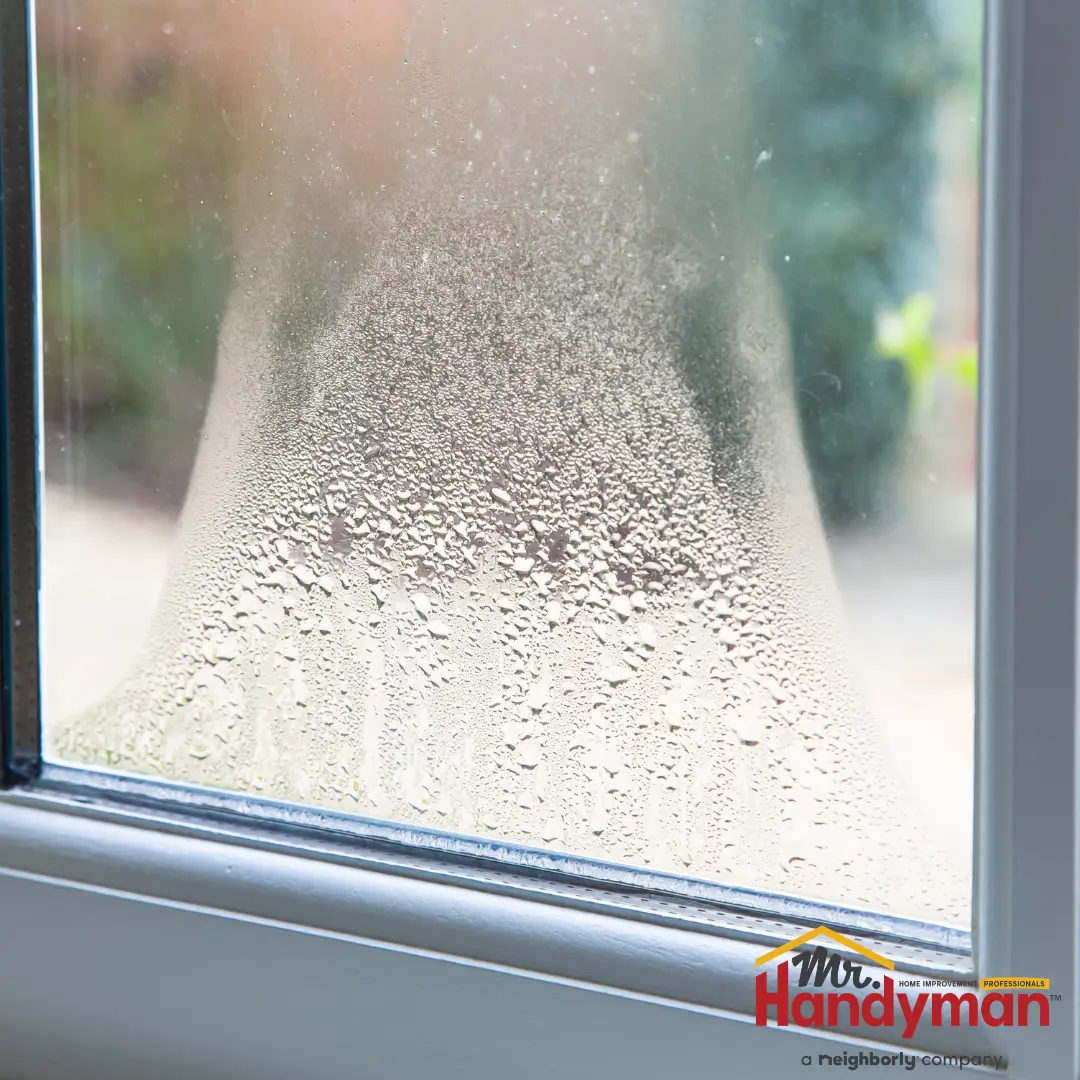
The moisture, condensation, or visible fogging that appears between the panes of a double-pane window is the single most specific and diagnostic indicator of insulated glazing unit failure in Middle Tennessee homes. This condition is not a cleaning issue. It is direct evidence that the sealed air space between panes has been compromised, allowing outdoor humidity, which Middle Tennessee's summer air carries in abundance, to enter the space that the factory seal was keeping dry, and that the inert gas fill whose presence creates the unit's thermal insulation value has been lost.
A double-pane window with a failed seal performs closer to a single-pane window in thermal resistance terms than to an intact double-pane unit, meaning the home has been paying for the thermal performance of double-pane glazing while receiving the significantly lower performance of a failed unit. In Murfreesboro and Franklin's active real estate market, failed glazing seals are also among the conditions that home inspectors document and that buyer negotiations reference when the seller's disclosure or the inspection report identifies them, making pre-market seal failure correction a specifically relevant consideration for homeowners whose sale plans include a near-term listing.
Operational Difficulty
Windows and doors that have become difficult to open, close, or lock communicate specific deterioration conditions whose safety and functional implications extend beyond the daily inconvenience they create. Egress windows in bedrooms whose operation has been compromised by the deterioration or hardware failure that makes them difficult or impossible to open are windows that emergency egress requires performing against that difficulty, creating a specific safety concern that operational assessment appropriately includes alongside energy performance evaluation.
The summer sticking that Middle Tennessee humidity creates in wood doors and wood window frames is the seasonal operational difficulty that adjustment and weatherstripping service addresses when the underlying wood condition is sound and the sticking reflects dimensional expansion in humid conditions rather than structural deterioration. The door or window that sticks through all seasons, or that has progressively worsened through successive summer seasons without a significant improvement in winter's drier conditions, is the unit whose operational difficulty reflects deterioration rather than seasonal dimensional change.
Visible Frame Deterioration
Wood frame deterioration at exterior window sills, door frames, and the exterior casing that surrounds each unit communicates the protective finish failure and moisture exposure history that each unit has accumulated through its service in Middle Tennessee's climate. Surface paint failure, the wood checking and grain separation that UV and moisture cycling create in inadequately maintained exterior wood, and the soft or spongy wood condition at sill locations and door bottoms that probe inspection reveals are the visible and tactile indicators that frame condition assessment identifies as repair, refinishing, or replacement candidates.
In Murfreesboro's established neighborhoods where homes from the 1960s through the 1980s carry original wood windows that have been through forty to sixty years of Middle Tennessee seasonal exposure, frame deterioration assessment appropriately considers whether the accumulated service history of each specific unit justifies the continued maintenance investment or whether replacement produces better long-term return. In Franklin and Brentwood's more recently developed communities where window frames from the 1990s through the 2000s are at the mid-point of their service life expectancy, frame assessment that catches deterioration early enough for refinishing and maintenance to extend service life effectively may be the appropriate response rather than immediate replacement.
Increased Energy Bills Without Identifiable Cause
Heating and cooling bills that have increased through successive seasons without a specific identifiable cause represent the diagnostic pattern whose connection to door and window performance is frequently the answer when systematic building envelope evaluation investigates potential sources. Murfreesboro, Franklin, and Brentwood homeowners whose utility bills have increased meaningfully over two to three years without rate increases, square footage additions, or appliance changes accounting for the difference have a specific reason to include door and window assessment in the energy performance investigation, because the gradual nature of weatherstripping compression, gas fill loss, and frame deterioration advances the energy cost impact incrementally rather than suddenly.
What Replacement Delivers in the Middle Tennessee Context
Comfort Improvement Through Every Season
Window and door replacement in Murfreesboro, Franklin, and Brentwood homes delivers the comfort transformation that household members experience in every room adjacent to the replaced units through every season following installation. The elimination of the draft from every previously failing weatherstripping location, the cessation of the cold zone adjacent to the previously failed glazing unit, and the quiet that properly sealed doors and windows create relative to the air movement that inadequately sealed ones allow are all comfort improvements experienced daily from the first season following replacement.
The Low-E coating that current double-pane window specifications include reduces the solar heat gain that south and west-facing windows allow into Middle Tennessee homes through summer's long afternoon sun exposure, directly reducing the cooling load that those exposures create in the rooms receiving that solar radiation. Rooms in Murfreesboro, Franklin, and Brentwood homes that have been uncomfortably warm through summer afternoons despite adequate air conditioning may experience meaningful temperature improvement following replacement with Low-E glazing whose solar control reduces the heat gain that the replaced non-Low-E windows were allowing.
Energy Cost Return in Middle Tennessee's Long Conditioning Season
The U-factor improvement from failed or single-pane glazing to current high-performance double-pane Low-E specification, applied across Murfreesboro, Franklin, and Brentwood's seven to eight month active conditioning season, produces the annual energy cost savings whose cumulative return over the replacement's service life represents the financial dimension of the replacement investment alongside the comfort improvement whose daily experiential value is immediate. The specific energy cost return depends on the specific performance gap between existing and replacement units, the home's window-to-wall ratio, and the utility rate structure that each community's energy provider applies.
Market Value Contribution in Active Middle Tennessee Markets
The Murfreesboro and Franklin residential real estate markets have remained among Middle Tennessee's most active through recent years, reflecting the communities' growth trajectory and the continued demand that the Nashville metro's expansion has directed toward these specific communities. Window and door condition is among the building envelope factors that home inspections document and that buyer negotiations reference when inspections identify failed seals, deteriorated frames, or operational inadequacy. Replacing failed or significantly deteriorated windows and doors before a sale converts a disclosed deficiency into a positive attribute, and replacing them as part of a planned long-term ownership program delivers the comfort and energy cost return across the ownership period alongside the market value contribution at the eventual sale point.
Door and Window Service Within Mr. Handyman's Permitted Scope
Within Mr. Handyman of Murfreesboro, Franklin, and Brentwood's permitted scope, door and window service covers the full range from maintenance through replacement that Middle Tennessee home conditions require. Weatherstripping replacement at all exterior door locations restoring the continuous seal that draft elimination requires. Door threshold and sweep replacement restoring the bottom seal condition that Middle Tennessee's winter cold events reveal as inadequate through every drafty morning floor-level experience. Door adjustment and hardware service correcting the operational difficulty that summer humidity creates through wood expansion or that deterioration has created through frame settling.
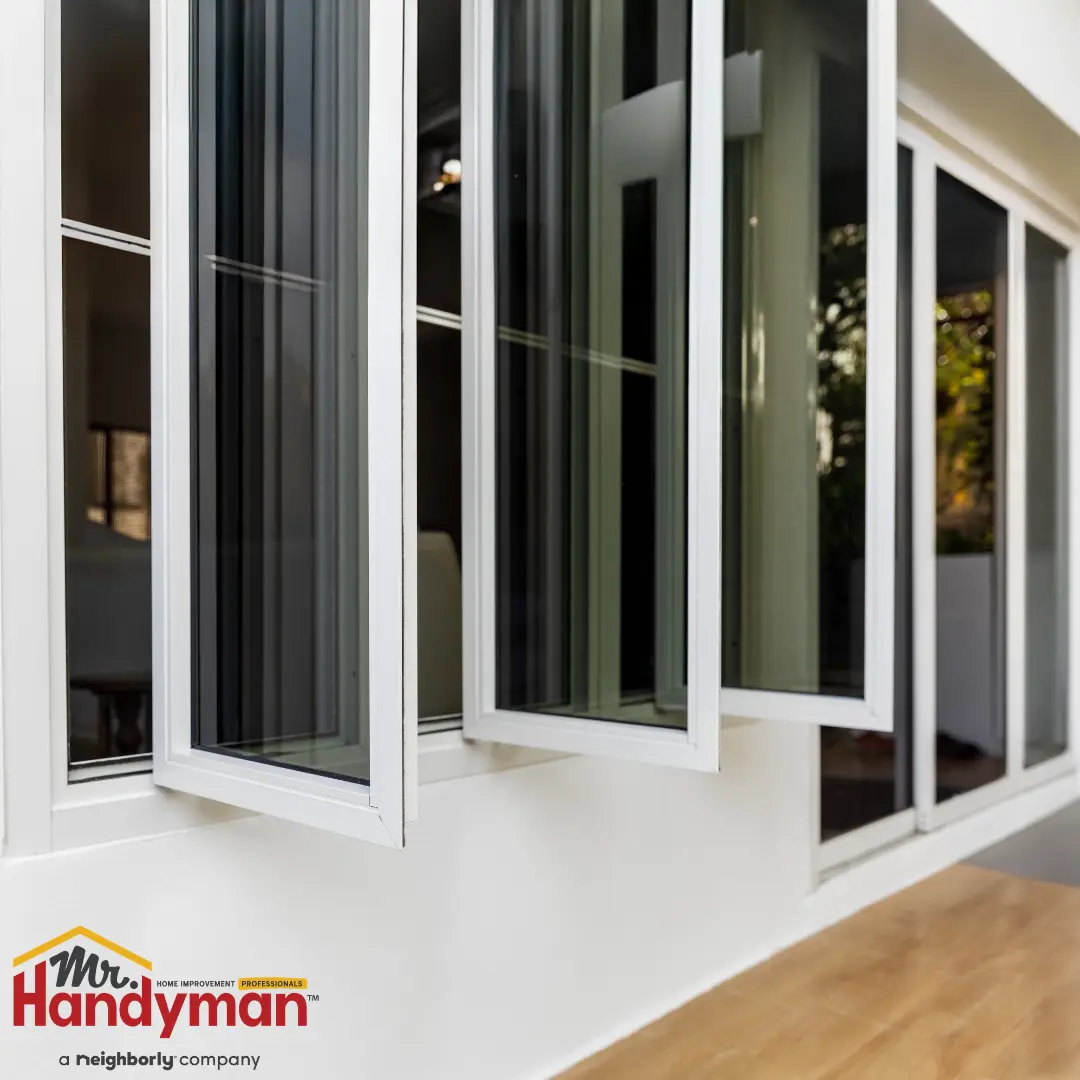
Window weatherstripping replacement and operational hardware service restoring the sash seating and closure that draft-free window performance requires. Glazing unit replacement within existing sound frames when the frame condition supports continued service and the failed seal is the specific condition requiring correction rather than the complete unit. And complete door and window unit replacement when frame deterioration, operational failure, or overall unit age and condition makes replacement more appropriate than continued maintenance.
Frequently Asked Questions
How does Mr. Handyman of Murfreesboro, Franklin, and Brentwood determine whether window repair or full replacement is appropriate?
The assessment evaluates frame structural condition, glazing unit integrity, operational hardware function, weatherstripping and sealing condition, and the overall unit's age and remaining service life expectation. Units whose frames are structurally sound and whose specific failure is a glazing seal or weatherstripping condition are candidates for targeted repair. Units whose frame deterioration is advanced, whose operational hardware has reached the end of service life, or whose age makes remaining service life expectation uncertain relative to the repair investment are candidates for complete replacement. This assessment is part of the service conversation that Mr. Handyman conducts before any work commitment.
Is summer a good time to replace windows and doors in Murfreesboro and Franklin homes?
Summer is a productive window and door replacement season in Middle Tennessee for several reasons specific to the regional context. Moderate to warm temperatures through the installation period allow work without the weather window constraints that winter installation creates. The household scheduling flexibility that summer creates allows occupants to manage the brief daily disruption of exterior opening work without the school-schedule pressure that fall and spring create. And completing replacement before fall's return to full household routine means the improved thermal performance serves the heating season that follows immediately rather than waiting through another winter in the replaced units' compromised condition.
What window performance specifications matter most for Middle Tennessee homes?
U-factor is the primary specification for Murfreesboro, Franklin, and Brentwood's winter performance evaluation, with lower numbers indicating better thermal resistance against the cold that Middle Tennessee winters deliver. Solar heat gain coefficient matters for south and west-facing windows whose summer solar contribution to cooling load is meaningful in Middle Tennessee's active cooling season. ENERGY STAR certification for the South/Central climate zone appropriate for Middle Tennessee's location provides the simplified threshold confirmation that replacement windows meet minimum performance standards for the regional climate. And air leakage rating quantifies the infiltration performance that weatherstripping and frame construction determine, with lower ratings indicating better draft protection through the winter cold events that Murfreesboro and Franklin homeowners experience annually.
How long does window and door replacement take in a typical Murfreesboro or Franklin home?
Window replacement covering the primary living areas and bedrooms in a typical home typically completes within one to three days of installation time depending on the number and complexity of units being replaced. Door replacement for individual exterior doors typically completes in a half to full day per door depending on frame conditions and any threshold or trim work the installation requires. Projects combining multiple window and door replacements in a comprehensive building envelope program may extend across several days depending on total scope. Mr. Handyman of Murfreesboro, Franklin, and Brentwood provides specific timeline estimates based on each home's actual replacement scope before scheduling.
Does window and door replacement require permits in Murfreesboro and Franklin?
Like-for-like window and door replacement in existing openings without structural modification typically does not require permits in most Tennessee municipalities. Projects involving opening size changes, new opening creation, or structural modification at existing openings require permits whose specific requirements vary by municipality. Mr. Handyman of Murfreesboro, Franklin, and Brentwood confirms permit requirements for each specific project scope before work begins.
The Door That Closes Completely and the Window That Seals
The Murfreesboro, Franklin, and Brentwood home whose doors and windows seal completely, whose glazing units are intact and performing at their rated thermal resistance, whose operational hardware functions without the seasonal compromise and workaround that deteriorated units require, and whose building envelope provides the continuous thermal and moisture barrier that Middle Tennessee's demanding seasonal range appropriately demands is the home whose occupants experience the comfort and energy cost that adequate door and window performance delivers rather than the accumulated daily compromise that deferred replacement produces through every season it continues.
Mr. Handyman of Murfreesboro, Franklin, and Brentwood is ready to help homeowners throughout the service area assess their door and window conditions honestly and complete the service or replacement that each specific unit's condition warrants.
Website: https://www.mrhandyman.com/murfreesboro-smyrna/ Serving Murfreesboro, Franklin, and Brentwood with dependable service and the expertise your home deserves.