.webp)
Why High-Traffic Wear Is a Distinct Maintenance Category
Every commercial property experiences wear over time, but businesses throughout Murfreesboro, Franklin, and Brentwood that see consistently high customer or employee traffic, restaurants, retail stores, medical offices, gyms, and similar operations, experience a fundamentally different deterioration pattern than lower-traffic commercial spaces. The same flooring, wall surfaces, door hardware, and fixtures that might last a decade in a low-traffic office environment can show significant wear within a single year under the foot traffic, contact, and cumulative use that a busy retail storefront or restaurant generates daily.
This distinction matters because it changes how maintenance should be approached. Lower-traffic commercial spaces can often operate on a reactive maintenance model, addressing issues as they appear without much consequence. High-traffic businesses throughout this service area cannot afford that approach, because the same wear patterns that develop slowly in a quiet office accelerate dramatically under constant use, and the gap between a minor, inexpensive repair and a major, costly one closes much faster when hundreds of people are moving through a space daily.
Middle Tennessee's specific business landscape adds additional considerations. Murfreesboro's continued growth near MTSU and the I-24 corridor has created a dense concentration of retail, restaurant, and service businesses experiencing consistently high customer volume. Franklin's historic downtown and surrounding commercial districts draw significant foot traffic from both residents and the visitors the area's tourism appeal attracts. And Brentwood's mix of medical offices, professional services, and retail similarly experiences the kind of consistent daily traffic that accelerates wear on specific building components in predictable, addressable ways.
Understanding which areas of a high-traffic commercial space wear fastest, and which maintenance practices most effectively manage that wear, helps Middle Tennessee business owners protect both their physical investment and the customer experience that a well-maintained space supports.
Flooring: The First Place Wear Becomes Visible
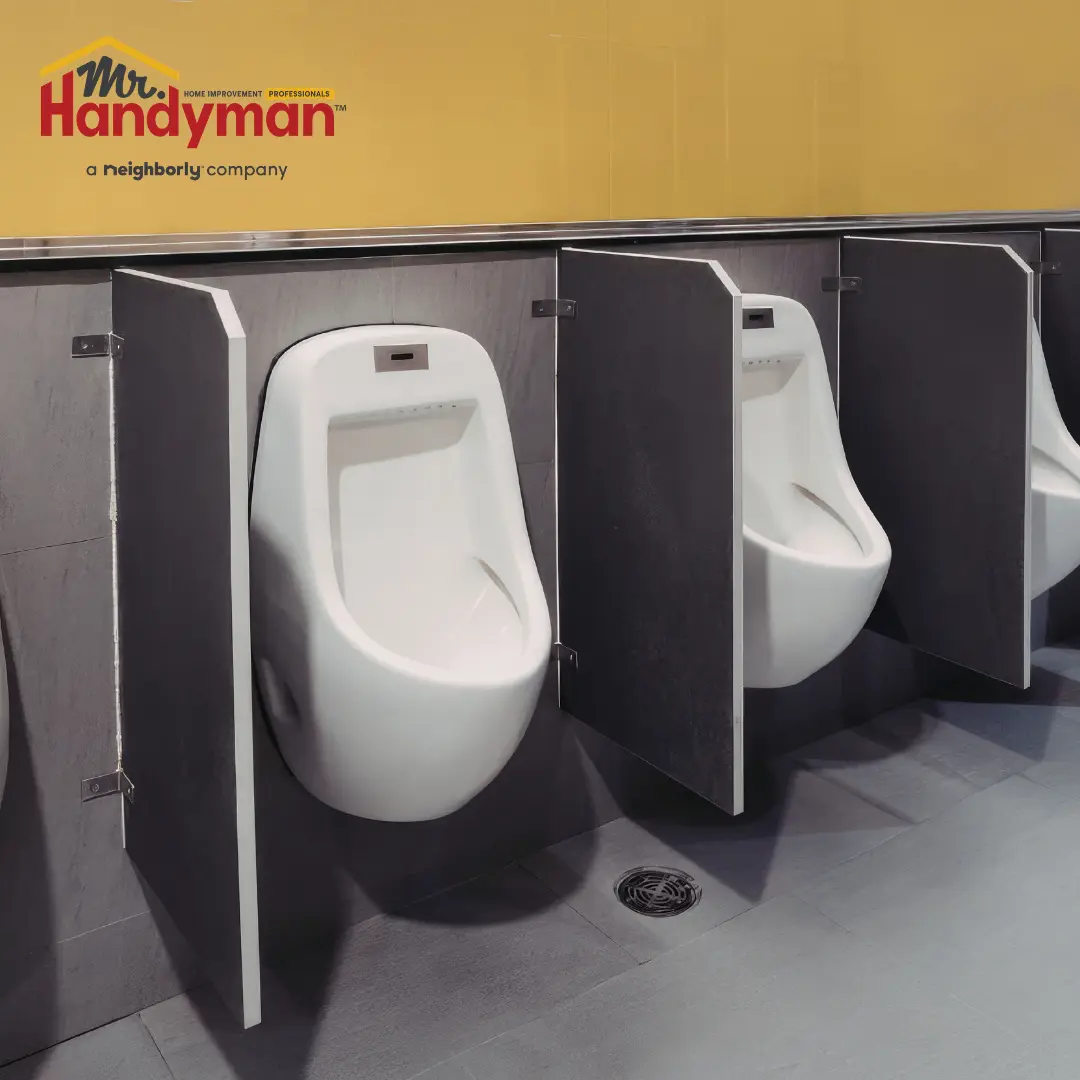
Flooring absorbs more direct, continuous stress in a high-traffic business than almost any other building element, and it is consistently the first place where the consequences of heavy use become visually apparent to customers and employees alike.
Entry and vestibule flooring experiences the most concentrated wear of any flooring area in a high-traffic business, since every customer passes through this zone, often while tracking in moisture, dirt, and debris from outside, particularly during Middle Tennessee's frequent summer thunderstorms and the area's genuine winter precipitation. Entry flooring should be assessed more frequently than flooring elsewhere in the building, since the combination of foot traffic volume and moisture exposure accelerates wear specifically in this zone.
Commercial-grade entry matting, properly sized to capture moisture and debris across enough footsteps to be effective, is one of the most cost-effective protective measures available for high-traffic businesses. Matting that is too small or that has worn past its effective lifespan stops protecting the flooring beyond it, allowing moisture and grit to reach and accelerate wear on the primary flooring material.
Floor finish reapplication for tile, vinyl composition tile, and similar commercial flooring should follow a schedule based on actual traffic volume rather than a generic calendar interval. A restaurant or retail space with consistently high foot traffic may need floor finish stripping and reapplication two or three times per year to maintain both appearance and the protective function the finish provides, while a lower-traffic space might reasonably extend to once annually.
Grout and tile joint maintenance in high-traffic commercial spaces deserves more frequent attention than residential applications, since the combination of foot traffic and frequent cleaning chemical exposure accelerates grout deterioration. Regrouting and sealing on a more compressed timeline than residential guidance suggests is appropriate for businesses experiencing consistently high volume.
Carpet wear pattern management in commercial spaces using carpet, particularly in defined traffic paths like entries, hallways, and the areas immediately surrounding checkout counters or service points, often shows wear in very specific, predictable patterns. Spot replacement of carpet tiles in these high-wear zones, where the flooring system allows it, extends the useful life of the overall installation without requiring full replacement.
Door Hardware and Entry Systems
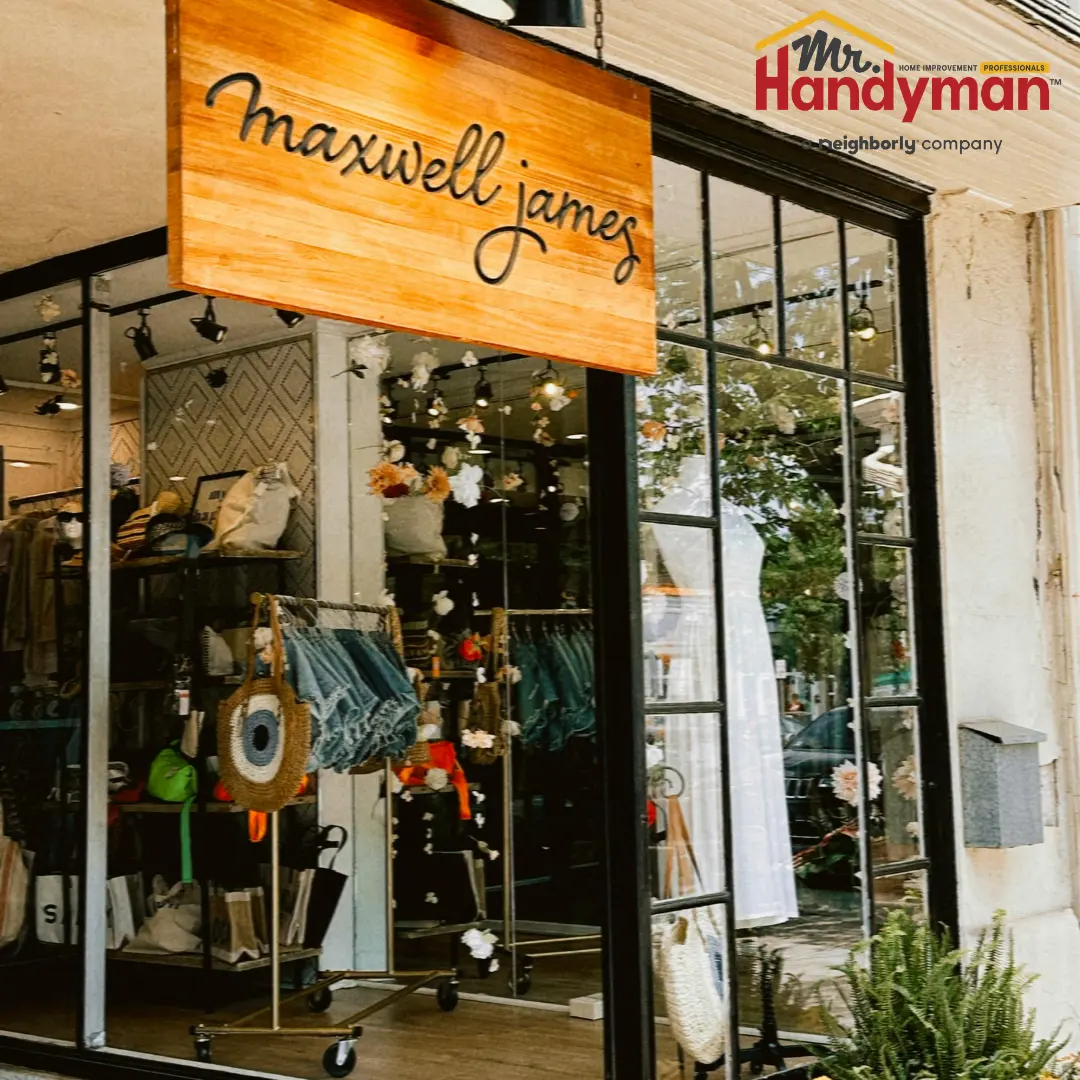
Commercial entry doors in high-traffic businesses cycle open and closed far more frequently than residential doors or low-traffic commercial entries, and this cycling frequency creates predictable wear patterns in hardware and closer mechanisms.
Door closer adjustment and maintenance becomes necessary more frequently in high-traffic businesses simply due to the sheer number of open-close cycles these mechanisms experience daily. A door closer that might need adjustment annually in a low-traffic office may need attention every few months in a busy retail entry, and regular adjustment prevents both the customer experience problem of a door closing too forcefully and the energy efficiency problem of a door that does not close completely.
Hinge and hardware wear at high-cycle doors deserves regular inspection, since the repeated stress of frequent opening and closing accelerates the loosening of hinge screws and the wear of hardware components at a rate that low-traffic applications do not experience. Periodic tightening and replacement of worn hardware prevents the door sagging and misalignment that develops when this wear goes unaddressed.
Push and pull hardware finish wear, including door handles, push plates, and similar customer-contact hardware, shows the most visible cosmetic wear in high-traffic businesses simply because every customer touches these surfaces. Finish wear at these contact points is one of the most consistently underestimated maintenance items, since it directly affects the impression of cleanliness and care that customers form, even when the hardware itself remains functionally sound.
Weatherstripping replacement frequency at high-cycle commercial doors should be more aggressive than residential or low-traffic guidance suggests, since the repeated compression and release of weatherstripping through hundreds of daily cycles wears the material faster than infrequent residential use.
Wall Surfaces and Touch Points
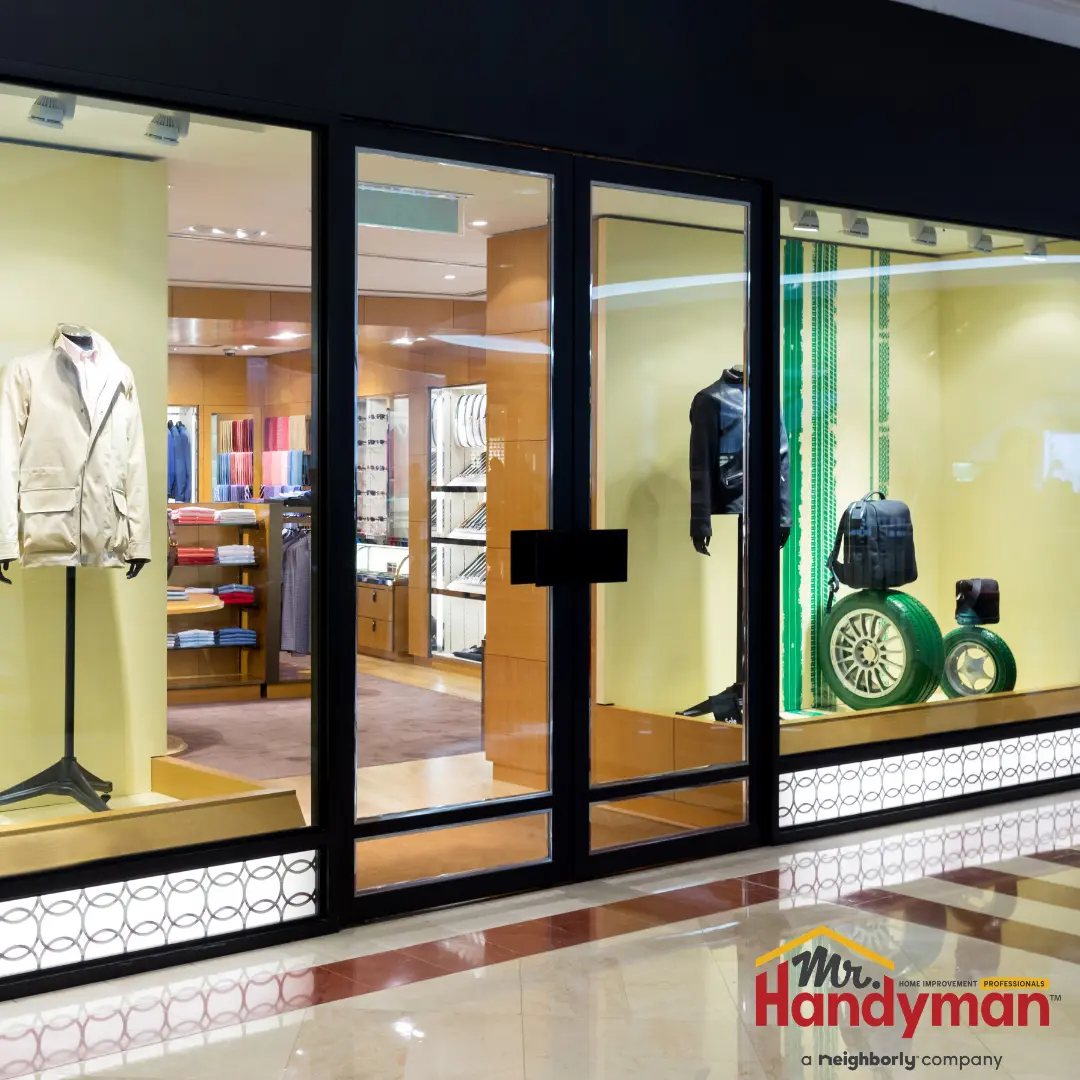
Walls in high-traffic commercial spaces, particularly in narrow hallways, near entries, and around service counters, absorb a specific pattern of contact damage that low-traffic spaces rarely experience to the same degree.
Corner guard and chair rail protection at vulnerable wall locations prevents the impact damage that carts, equipment, and simple customer contact create in narrow or high-traffic areas. Installing protective elements at these specific locations is considerably more cost-effective than repeatedly repairing the same wall damage that occurs without this protection in place.
Touch-up painting frequency in high-traffic businesses should follow a more compressed schedule than typical commercial guidance, since scuffs, marks, and minor impact damage accumulate faster under heavy daily contact. Many businesses throughout Murfreesboro, Franklin, and Brentwood benefit from a quarterly or semi-annual touch-up schedule rather than waiting for damage to accumulate to the point of requiring full repainting.
Wainscoting and durable wall treatments in the lower portion of walls in high-contact areas, such as hallways and near service counters, provide a more damage-resistant surface than standard painted drywall alone, reducing the frequency and cost of touch-up maintenance over time.
Drywall repair at impact points near doorways, corners, and equipment movement paths addresses the dents and damage that accumulate predictably in these specific zones. Prompt repair prevents minor damage from expanding into larger areas of compromised drywall that require more extensive repair.
Restroom Facilities Under Heavy Use
Restrooms in high-traffic businesses experience some of the most concentrated wear of any space in the building, and the consequences of deferred maintenance here affect customer perception more directly than almost any other area.
Fixture hardware replacement frequency for towel dispensers, soap dispensers, and similar high-contact restroom hardware should be more frequent in high-traffic businesses, since the repeated force of daily use by hundreds of people wears mounting hardware and mechanisms faster than lower-volume applications.
Partition and stall hardware maintenance, including hinges, latches, and the partitions themselves, requires more frequent attention in busy commercial restrooms, where the repeated opening, closing, and occasional forceful contact accelerates wear on these components.
Flooring and grout condition in high-traffic restrooms deserves the same accelerated maintenance schedule as entry flooring, since the combination of moisture, frequent cleaning chemical exposure, and heavy foot traffic creates conditions that wear grout and flooring finishes faster than lower-traffic applications.
Ventilation system performance in heavily used restrooms matters more in high-traffic businesses, since the volume of use creates more consistent humidity and odor management demand than the exhaust systems in many older commercial buildings were originally designed to handle continuously.
Furniture and Fixtures
Seating, counters, and fixtures throughout high-traffic businesses experience the kind of cumulative wear that becomes apparent gradually but that affects customer comfort and the business's professional appearance significantly over time.
Seating hardware and structural connection checks for booths, chairs, and any seating used continuously throughout business hours should occur more frequently in high-traffic establishments, since the repeated weight-bearing stress of constant use loosens connections faster than occasional residential use.
Counter and surface wear management, including the edges and surfaces of service counters, checkout areas, and similar customer-contact fixtures, shows wear patterns specific to where customers and employees make repeated contact. Surface refinishing or edge repair at these specific wear points extends the useful life of fixtures without requiring full replacement.
Display and shelving stability checks, particularly in retail environments where customers handle merchandise and shelving directly, should occur on a schedule that reflects actual use rather than a generic interval, since the repeated handling and occasional impact that retail shelving experiences creates wear that low-traffic applications do not.
Lighting and Electrical Wear
Lighting fixtures and electrical components in high-traffic businesses experience more operating hours and, in many cases, more physical contact than equivalent fixtures in lower-traffic spaces.
Light fixture cleaning and lamp replacement frequency should reflect the extended operating hours that many high-traffic businesses maintain, since fixtures running more hours daily reach the end of lamp life faster and accumulate dust and grime that reduces light output more quickly than lower-use applications.
Switch and outlet wear at high-contact locations, particularly in retail and restaurant environments where employees frequently operate switches and outlets throughout a shift, deserves periodic inspection for the wear that frequent use creates in these components over time.
Building a Proactive Maintenance Schedule
The most effective approach to managing high-traffic wear is shifting from reactive repair to a structured, frequency-adjusted maintenance schedule that reflects the business's actual traffic volume rather than generic commercial guidance designed for average use.
This means identifying the specific zones, entries, restrooms, service counters, high-traffic hallways, that experience the most concentrated wear and assigning these zones a more frequent inspection and maintenance interval than the rest of the building. It means budgeting for touch-up painting, hardware replacement, and flooring maintenance as a routine operating expense rather than treating these items as occasional, unplanned repairs. And it means working with a maintenance provider who understands that a business processing hundreds of customers daily faces a genuinely different maintenance reality than a quiet professional office, adjusting recommendations and scheduling accordingly.
Frequently Asked Questions
How much more frequently should high-traffic businesses schedule maintenance compared to low-traffic commercial spaces?
While this varies by specific business type and actual traffic volume, many high-traffic businesses throughout Murfreesboro, Franklin, and Brentwood benefit from maintenance intervals two to three times more frequent than standard commercial guidance suggests, particularly for entry flooring, door hardware, and touch-up painting.
What is the most cost-effective protective measure for high-traffic flooring?
Properly sized commercial entry matting is consistently one of the highest-value protective investments available, since it captures the moisture and debris that would otherwise accelerate wear on the primary flooring material throughout the rest of the space.
Should high-traffic businesses budget separately for wear-and-tear maintenance?
Yes. Treating touch-up painting, hardware replacement, and accelerated flooring maintenance as a planned, routine operating expense rather than an occasional unplanned repair allows businesses to manage these costs predictably and prevents the deferred maintenance that eventually requires more expensive, disruptive repair.
How does Middle Tennessee's climate affect high-traffic wear specifically?
The region's frequent thunderstorm activity and genuine seasonal humidity increase the moisture and debris that enters high-traffic businesses through entries, accelerating flooring wear specifically at entry zones beyond what drier climates experience, which makes entry matting and entry flooring maintenance particularly important throughout this service area.
What is the most commonly overlooked high-traffic wear point?
Door hardware finish wear and closer adjustment are consistently overlooked, since the hardware typically remains functionally adequate even as it shows cosmetic wear, but this wear directly affects customer impression in ways that business owners often do not notice until it has progressed significantly.
Can a handyman service handle ongoing high-traffic maintenance for a business?
Yes. Touch-up painting, door hardware adjustment and replacement, drywall repair, flooring maintenance and minor repair, fixture hardware replacement, and the full range of wear-and-tear maintenance described here fall within commercial handyman scope, making a regular maintenance relationship a practical solution for businesses managing consistent high-traffic wear throughout the Murfreesboro, Franklin, and Brentwood area.
Protect Your High-Traffic Business From Accelerated Wear
Managing wear-and-tear proactively protects both your physical investment and the customer experience that drives a high-traffic business's success. The team at Mr. Handyman of Murfreesboro, Franklin and Brentwood provides touch-up painting, door hardware maintenance, drywall repair, flooring maintenance, and the full range of high-traffic commercial maintenance throughout Arrington, Brentwood, Christiana, Eagleville, Fairview, Franklin, La Vergne, Murfreesboro, Nolensville, Smyrna, Spring Hill, and the full service area.
Call us or visit www.mrhandyman.com/murfreesboro-smyrna to schedule your commercial maintenance consultation. We work around your business schedule, arrive on time, and back everything we do with the Neighborly Done Right Promise.