When a new year begins, businesses across Tennessee take time to reset, evaluate goals, and plan improvements. One of the most valuable resolutions any property owner can make is to prioritize commercial maintenance. Proper upkeep not only enhances safety and efficiency but also protects the long-term value of your investment.
For commercial property owners and managers in West Nashville, Belle Meade, Clarksville, Dickson, Ashland City, Green Hills, and Kingston Springs, starting the year with a clear maintenance strategy helps prevent costly repairs and keeps operations running smoothly.
1. Conduct a Full Property Inspection
Every commercial maintenance plan should begin with a thorough inspection. Walking your property, taking notes, and documenting visible issues will give you a clear understanding of what needs attention first.
Key areas to assess include:
- Roof and gutter condition.
- Interior walls, ceilings, and flooring.
- Electrical outlets, lighting fixtures, and switches.
- Plumbing lines and restrooms.
- Entryways, doors, and window seals.
This process helps property owners in Clarksville and Ashland City identify small issues early before they become disruptive or expensive.
2. Prioritize HVAC System Maintenance
Winter temperatures in Middle Tennessee put a heavier load on heating systems, making HVAC maintenance a top priority. Regular inspections keep systems running efficiently, reduce energy costs, and extend equipment life.
Best practices for commercial HVAC care include:
- Changing air filters every one to three months.
- Cleaning vents and ducts to maintain air quality.
- Checking thermostats and control systems for accuracy.
- Scheduling professional tune-ups twice a year.
For office parks and retail properties in Belle Meade and Green Hills, proper HVAC performance ensures comfort for employees and customers alike.
3. Inspect and Repair Plumbing Systems
Plumbing issues can interrupt business operations quickly, especially during winter when freezing temperatures increase the risk of pipe bursts. Preventative maintenance keeps your plumbing system working smoothly throughout the year.
Important tasks include:
- Checking for leaks under sinks and around fixtures.
- Insulating exposed pipes to prevent freezing.
- Testing water heaters for proper temperature and efficiency.
- Flushing sediment buildup from tanks.
Commercial buildings in Dickson and Kingston Springs often experience plumbing strain due to fluctuating winter temperatures, making regular inspection essential.
4. Focus on Safety and Compliance
A new year is the right time to verify that your commercial property meets all safety and building code standards. Maintaining compliance not only protects your business legally but also promotes a safe environment for employees and visitors.
Check and update the following:
- Fire extinguishers and sprinkler systems.
- Exit signs and emergency lighting.
- Smoke and carbon monoxide detectors.
- Accessibility features, including ramps and handrails.
Business owners in West Nashville and Bellevue find that scheduling these safety checks in January sets the tone for a responsible, efficient year ahead.
5. Refresh Interior Spaces
First impressions matter. Outdated, damaged, or poorly maintained interiors can negatively affect customer perception and employee morale. Simple updates can transform your space without the need for full-scale renovations.
Consider these updates:
- Repainting high-traffic areas for a cleaner look.
- Repairing drywall cracks or ceiling stains.
- Installing new flooring or baseboards.
- Replacing outdated lighting with modern fixtures.
Commercial spaces in Green Hills and Belle Meade often undergo cosmetic refreshes in winter to prepare for spring traffic and events.
6. Inspect Exterior Structures and Parking Areas
Even though winter remodeling focuses on interiors, the exterior still deserves attention. Seasonal freeze-thaw cycles can create cracks or other damage that worsen if ignored.
Maintenance steps for exteriors include:
- Checking parking lots for potholes or uneven surfaces.
- Repairing or repainting signage.
- Cleaning gutters and downspouts.
- Inspecting windows and exterior lighting.
For commercial properties in Clarksville, staying ahead of exterior maintenance ensures your building remains professional and safe for clients year-round.
7. Maintain Office Furniture and Fixtures
Wobbly desks, broken drawers, and damaged cabinetry may seem minor, but they can reduce employee productivity and create hazards. Routine inspection and repair of furniture and fixtures improve comfort and safety in the workplace.
Common maintenance tasks include:
- Tightening screws on office chairs and tables.
- Repairing cabinetry hinges or handles.
- Lubricating sliding doors or drawers.
- Replacing damaged ceiling tiles.
Many business owners in Ashland City and Dickson schedule these repairs during the slower post-holiday season.
8. Partner with a Professional Maintenance Provider
A reliable maintenance partner can simplify property management and help you stay ahead of potential issues. Professional handymen handle everything from minor repairs to large-scale improvements efficiently and safely.
Commercial property owners throughout West Nashville, Belle Meade, and Clarksville trust Mr. Handyman of W. Nashville, Belle Meade, Clarksville for expert commercial maintenance, carpentry, and repair services.
Creating an Effective Commercial Maintenance Plan for the New Year
Now that you know the essential areas to prioritize for commercial upkeep, the next step is creating a structured, ongoing maintenance plan. A consistent schedule helps prevent downtime, avoid costly repairs, and ensure your property stays safe, efficient, and professional year-round.
Business owners and property managers across West Nashville, Belle Meade, Clarksville, Dickson, Ashland City, Green Hills, and Kingston Springs can benefit from implementing a preventive maintenance strategy that keeps operations running smoothly throughout the year.
1. Build a Maintenance Calendar
The key to staying on top of commercial maintenance is organization. A detailed calendar helps ensure that inspections, cleanings, and minor repairs happen on time.
When building your annual maintenance schedule:
- Divide tasks into monthly, quarterly, and annual categories.
- Prioritize safety-related inspections such as fire suppression systems and lighting.
- Schedule HVAC filter replacements and duct cleaning twice a year.
- Plan exterior cleaning and landscaping for early spring.
- Include time for repainting or flooring repairs during slower months.
For businesses in Belle Meade and Green Hills, a well-structured maintenance calendar keeps buildings looking sharp and compliant with commercial property standards.
2. Implement Preventive Maintenance Inspections
Preventive maintenance is always more cost-effective than reactive repairs. Regular inspections allow you to catch minor issues early and avoid unexpected downtime or property damage.
A preventive maintenance checklist might include:
- Checking for leaks under sinks or around restrooms.
- Testing outlets and circuit breakers.
- Inspecting roofing materials for signs of wear.
- Cleaning gutters to prevent water damage.
- Tightening hardware on doors, windows, and cabinetry.
Commercial properties in Clarksville and Ashland City benefit greatly from these proactive efforts, particularly during Tennessee’s fluctuating winter and spring weather cycles.
3. Budget for Maintenance and Repairs
An effective maintenance plan includes a well-defined budget. Setting aside funds for both preventive care and unexpected repairs helps businesses avoid financial strain when issues arise.
Budgeting best practices include:
- Allocating 1–3% of your property’s value annually for maintenance.
- Tracking all repair and maintenance costs to identify trends.
- Prioritizing repairs that impact safety and energy efficiency.
- Getting multiple quotes for larger improvement projects.
Commercial owners in Dickson and Kingston Springs often use maintenance budgeting to plan ahead for capital improvements like flooring, lighting, and HVAC upgrades.
4. Keep Detailed Maintenance Records
Accurate records are essential for managing a commercial property. Maintenance documentation helps track recurring issues, prove compliance, and guide future upgrades.
Your records should include:
- Dates of inspections and completed repairs.
- Vendor and contractor contact information.
- Warranties for installed fixtures or equipment.
- Photos of before-and-after maintenance work.
Maintaining organized records also protects your business if you lease or sell the property later. In West Nashvilleand Bellevue, where commercial properties are in high demand, detailed records add transparency and value for potential buyers or tenants.
5. Schedule Seasonal Maintenance
Different seasons present different challenges for commercial buildings. Creating a seasonal maintenance plan ensures you’re always one step ahead.
Winter: Inspect pipes for freezing risks and test heating systems.
Spring: Clean gutters, repair exterior paint, and reseal parking lots.
Summer: Check air conditioning systems and inspect roofing.
Fall: Prepare heating systems and clear debris from outdoor areas.
Commercial spaces in Belle Meade and Green Hills often use this seasonal rhythm to balance maintenance throughout the year.
6. Create a Response Plan for Emergencies
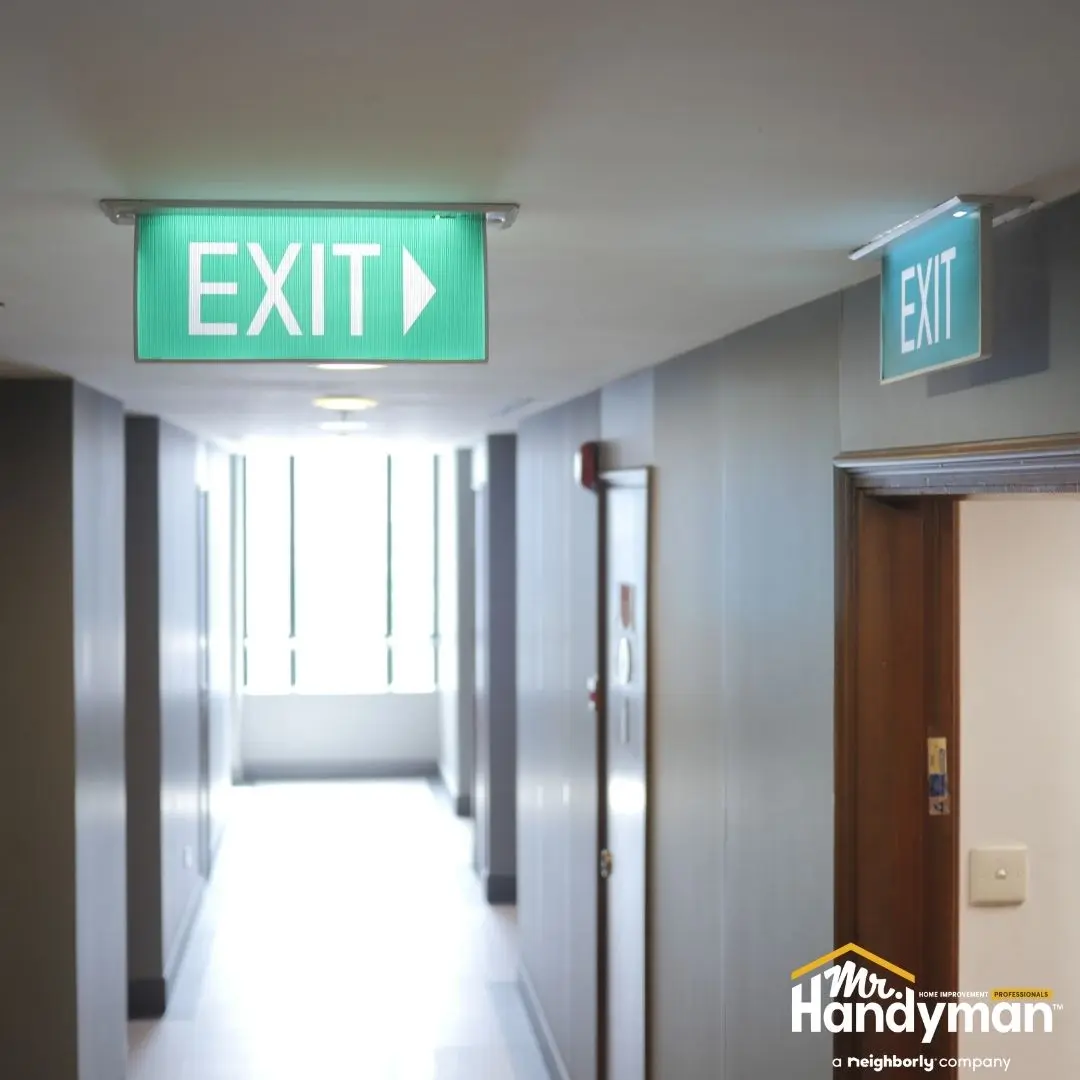
Even with great planning, emergencies can happen. A clear response plan minimizes disruption and helps staff act quickly when unexpected issues arise.
An effective emergency maintenance plan includes:
- Contact information for key vendors and maintenance providers.
- A list of shutoff valves for water, gas, and electricity.
- Safety procedures for evacuations or lockdowns.
- Quick-access repair kits for temporary fixes.
Businesses in Clarksville and Ashland City benefit from establishing these systems before cold snaps or storms cause problems.
7. Communicate Maintenance Schedules with Staff or Tenants
If you manage a multi-tenant building or large workspace, communication is key. Letting employees or renters know when maintenance work is scheduled reduces disruptions and ensures cooperation.
Best practices for communication include:
- Sending out monthly maintenance updates.
- Posting visible reminders in common areas.
- Setting up an email or portal for maintenance requests.
- Providing advance notice for any system shutdowns.
This level of transparency builds trust and keeps everyone informed, especially in larger facilities across West Nashville and Clarksville.
8. Work with a Trusted Local Maintenance Partner
Partnering with a skilled professional ensures consistency and quality across every maintenance task. A dedicated handyman service can manage everything from preventive repairs to remodels, freeing your time for business operations.
Commercial property owners across West Nashville, Belle Meade, and Clarksville rely on Mr. Handyman of W. Nashville, Belle Meade, Clarksville for reliable commercial maintenance, safety upgrades, and general repairs throughout the year.
Long-Term Maintenance Strategies for a Safer, More Efficient Commercial Property
Establishing a strong maintenance routine at the beginning of the year sets your business up for success. But beyond seasonal inspections and short-term fixes, creating a long-term maintenance strategy ensures your property remains efficient, compliant, and cost-effective well into the future.
For property owners and managers in West Nashville, Belle Meade, Clarksville, Dickson, Ashland City, Green Hills, and Kingston Springs, building out a proactive, future-ready maintenance plan helps protect investments while ensuring businesses continue to operate without disruption.
1. Develop a Long-Term Maintenance Roadmap
A roadmap is a forward-looking plan that goes beyond annual checklists. It identifies what areas of your property will need attention over the next three to five years and prioritizes upgrades based on urgency, cost, and return on investment.
To create a long-term roadmap:
- Conduct an annual facility assessment.
- Rate each system (roof, plumbing, HVAC, electrical) for condition and expected lifespan.
- Establish timelines for replacements or major repairs.
- Review the plan quarterly and update as needed.
In Belle Meade and Green Hills, where commercial buildings often feature aging infrastructure, a structured roadmap helps manage upgrades strategically without disrupting tenants or customers.
2. Embrace Preventive and Predictive Maintenance
Preventive maintenance focuses on performing regular inspections and tasks before a problem develops. Predictive maintenance takes this a step further by using data to anticipate when repairs will be needed.
Both approaches help businesses reduce downtime, extend equipment life, and control costs.
Examples of predictive maintenance include:
- Using sensors to track HVAC efficiency.
- Monitoring lighting systems for power fluctuations.
- Logging maintenance data to identify recurring issues.
Commercial facilities in Clarksville and Ashland City can greatly benefit from these systems, especially in manufacturing or high-use environments.
3. Create Maintenance Zones Within the Property
Dividing your property into maintenance zones helps organize responsibilities and streamline inspections. Each zone can be assigned specific maintenance tasks, making it easier to ensure nothing is overlooked.
Typical maintenance zones include:
- Exterior areas: Parking lots, lighting, landscaping, signage.
- Public spaces: Lobbies, restrooms, hallways, and waiting areas.
- Operational areas: Kitchens, warehouses, or storage facilities.
- Private offices or tenant suites: Walls, flooring, lighting, and HVAC access points.
For commercial properties in West Nashville and Bellevue, zoning helps simplify scheduling and ensures consistent quality throughout the property.
4. Train Staff and Encourage Reporting
Even the most organized maintenance plan depends on awareness. Training employees or on-site managers to identify and report maintenance issues ensures quick action when something goes wrong.
Best practices for internal reporting include:
- Creating an easy-to-access maintenance request system.
- Encouraging staff to report unusual noises, leaks, or electrical issues.
- Logging all requests for future analysis.
- Recognizing staff who help maintain a safe environment.
In fast-paced environments like retail stores or medical offices in Dickson and Kingston Springs, empowering staff helps reduce emergency calls and downtime.
5. Use Energy Audits to Guide Improvements
Energy efficiency is both a financial and environmental priority. Scheduling periodic energy audits identifies where your building could save on utilities and reduce waste.
Energy-saving maintenance tips include:
- Replacing outdated light fixtures with LEDs.
- Installing motion sensors in restrooms and hallways.
- Sealing windows and doors to prevent air leaks.
- Insulating attics and walls to regulate indoor temperature.
Businesses in Green Hills and Belle Meade that invest in energy upgrades often see reduced overhead costs and improved sustainability credentials.
6. Schedule Annual Deep Cleaning and Refreshes
While day-to-day janitorial work keeps spaces tidy, deep cleaning and small refreshes rejuvenate your building’s appearance. Scheduling this work annually helps maintain a professional image.
Annual refresh ideas:
- Pressure washing sidewalks and building exteriors.
- Repainting walls in common areas.
- Cleaning and resealing hard floors.
- Updating décor or signage for a modern look.
Properties in Clarksville and Ashland City benefit from these aesthetic improvements, especially before busy business seasons.
7. Plan Capital Improvements Ahead of Time
Major capital improvements - such as roof replacements, HVAC overhauls, or structural upgrades - require significant planning. Including these in your long-term maintenance strategy helps distribute costs evenly over several years.
When planning capital improvements:
- Gather multiple bids for each major project.
- Schedule work during off-peak business hours.
- Build a reserve fund dedicated to large repairs.
- Partner with a trusted maintenance company for continuity.
Commercial property owners in Belle Meade and Green Hills often adopt five-year improvement plans to keep their properties competitive and safe.
8. Rely on Professional Maintenance Partnerships
A reliable maintenance provider offers expertise, accountability, and long-term consistency. Partnering with professionals helps reduce your internal workload and ensures high-quality repairs and upgrades.
Business owners throughout West Nashville, Belle Meade, and Clarksville rely on Mr. Handyman of W. Nashville, Belle Meade, Clarksville for dependable commercial maintenance, facility upgrades, and repair services.
9. Monitor Results and Adjust Regularly
A successful long-term maintenance plan evolves over time. Reviewing performance data, repair trends, and energy costs helps you refine your approach.
Each year, analyze:
- Which maintenance tasks reduced downtime the most.
- How energy usage changed after upgrades.
- Which repairs occurred most frequently.
- Opportunities for automation or efficiency improvements.
By continuously improving your strategy, you’ll reduce costs and ensure your property always meets the needs of tenants, employees, and customers.
Final Thoughts on Long-Term Commercial Maintenance
As the new year progresses, committing to a proactive maintenance plan is one of the smartest investments you can make for your business. Routine care, strategic planning, and trusted partnerships all work together to protect your property and keep it running efficiently.
From safety inspections to large-scale upgrades, long-term maintenance ensures your building continues to perform at its best. Whether you manage a single office or multiple facilities across West Nashville, Belle Meade, or Clarksville, partnering with a reliable service like Mr. Handyman of W. Nashville, Belle Meade, Clarksville ensures your maintenance program remains efficient, cost-effective, and tailored to your property’s unique needs.
Start the year with a solid commercial maintenance plan. Call or book commercial services online.