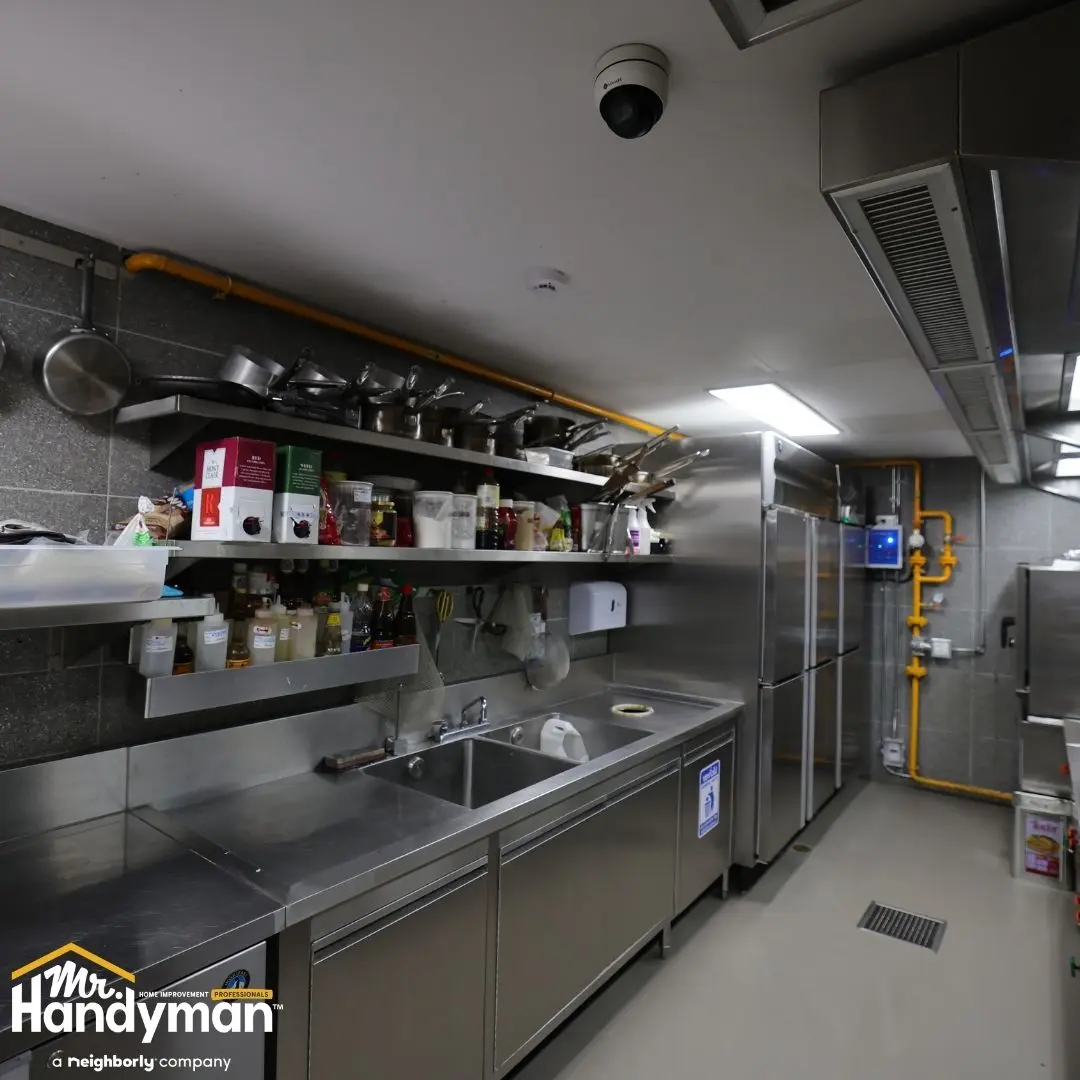
Every successful business owner knows that an ounce of prevention is worth a pound of cure. Nowhere is that more true than in commercial property maintenance. From plumbing and lighting to flooring and HVAC systems, every part of your building requires care to function efficiently. By implementing a proactive maintenance plan, you can reduce costly repairs, minimize downtime, and extend the lifespan of your facility’s assets.
For business owners and property managers throughout West Nashville, Belle Meade, Clarksville, Dickson, Ashland City, Green Hills, and Kingston Springs, preventative maintenance is not just smart - it is essential for managing operating expenses and protecting business investments.
1. Understanding Preventative Maintenance
Preventative maintenance is the routine inspection, servicing, and repair of systems before a problem occurs. Rather than waiting for something to break, businesses that take proactive steps can identify issues early, reduce risk, and save money.
Key characteristics of preventative maintenance include:
- Scheduled inspections instead of emergency fixes.
- Replacement of worn components before failure.
- Regular cleaning and calibration of systems.
- Early detection of performance inefficiencies.
For Tennessee businesses in Belle Meade and Green Hills, this proactive approach often results in significant savings on labor, materials, and lost productivity.
2. The Cost of Reactive Repairs
Waiting until something breaks to fix it may seem easier in the short term, but emergency repairs are almost always more expensive.
Reactive maintenance costs can include:
- Overtime labor rates for emergency calls.
- Expedited parts orders or shipping fees.
- Lost business during downtime.
- Collateral damage from leaks, electrical issues, or HVAC failures.
For example, a leaking pipe in a restaurant or office complex in Clarksville or Ashland City can lead to structural damage, mold growth, or equipment loss if left unchecked. Preventative inspections could have detected weak seals or corrosion before the failure occurred.
3. Building a Preventative Maintenance Schedule
To get the most benefit from preventative maintenance, businesses should establish a consistent inspection and service schedule that aligns with the needs of their specific property.
Effective maintenance schedules include:
- Weekly tasks: Checking lights, doors, and visible plumbing.
- Monthly tasks: Inspecting HVAC filters, fire extinguishers, and restrooms.
- Quarterly tasks: Testing electrical panels and safety systems.
- Annual tasks: Roof inspections, deep cleaning, and repainting.
Commercial buildings in West Nashville and Bellevue often benefit from creating a digital maintenance calendar to keep tasks organized and ensure accountability throughout the year.
4. Identify High-Priority Systems First
Not every system in a building requires the same level of attention. Prioritizing maintenance for high-value or high-risk areas helps allocate resources efficiently.
The most important systems to maintain include:
- Plumbing: Prevent leaks, bursts, and clogs that can damage property.
- HVAC: Maintain climate control for comfort and air quality.
- Electrical: Prevent outages, shorts, or fire hazards.
- Roofing and Gutters: Protect against leaks and water intrusion.
In Dickson and Kingston Springs, where older commercial buildings are common, prioritizing these systems ensures longevity and energy savings.
5. Use Data to Track Performance and Costs
Tracking maintenance data helps businesses understand where they’re spending money and how they can improve efficiency. Logging repairs, inspections, and materials helps identify recurring issues or patterns that may need deeper investigation.
Metrics to track include:
- Frequency of repairs per system.
- Cost per repair versus preventive maintenance.
- Average time between maintenance tasks.
- Energy consumption before and after improvements.
Business owners in Green Hills and Belle Meade often find that tracking these figures reveals clear opportunities for cost savings.
6. Train Staff to Recognize Early Warning Signs

Your maintenance plan is only as strong as your team’s ability to spot issues early. Training employees to recognize and report small problems ensures repairs happen before larger damage occurs.
Examples of what staff should look for:
- Flickering lights or power surges.
- Slow or noisy HVAC systems.
- Water stains on walls or ceilings.
- Doors or windows that no longer close properly.
In commercial settings throughout Clarksville and Ashland City, early detection often prevents full system failures and preserves business continuity.
7. Partner With a Reliable Maintenance Provider
Even the best in-house teams sometimes need professional help. Partnering with a trusted local handyman service ensures every repair and inspection is done right the first time.
Professional handymen can:
- Inspect complex systems safely and thoroughly.
- Complete minor repairs before they escalate.
- Handle carpentry, drywall, painting, and fixture replacements.
- Provide reports and recommendations for future upkeep.
Commercial property owners across West Nashville, Belle Meade, and Clarksville rely on Mr. Handyman of W. Nashville, Belle Meade, Clarksville for expert maintenance, inspections, and repair services that save time and money.
8. The Long-Term Benefits of Preventative Maintenance
Preventative maintenance delivers consistent financial and operational benefits for business owners who commit to it. Over time, you’ll experience fewer emergency calls, lower repair bills, and better asset performance.
The biggest advantages include:
- Lower repair and replacement costs.
- Reduced downtime for employees and customers.
- Extended lifespan of building materials and equipment.
- Improved energy efficiency and safety.
Implementing Preventative Maintenance to Cut Costs and Extend Building Life
Once business owners understand the value of preventative maintenance, the next step is to put it into action. A well-structured preventative maintenance program is more than a checklist - it’s a strategic investment that keeps your facility safe, efficient, and cost-effective year-round.
For property owners and facility managers in West Nashville, Belle Meade, Clarksville, Dickson, Ashland City, Green Hills, and Kingston Springs, implementing a smart preventative maintenance system ensures repairs are minimized and operational costs are kept under control.
1. Create a Maintenance Log and Digital Tracking System
The foundation of an effective preventative maintenance plan is documentation. A digital log helps track inspection dates, completed repairs, and upcoming service needs.
A proper maintenance log should include:
- A full inventory of equipment and building systems.
- Dates for past inspections and repairs.
- Scheduled future maintenance tasks.
- Notes on condition, parts replaced, and warranties.
For businesses in Belle Meade and Green Hills, switching from paper records to a digital format simplifies communication between managers, tenants, and maintenance providers.
2. Develop a Consistent Inspection Schedule
The most effective preventative maintenance programs are those performed consistently. Regular inspections catch problems when they are still small and inexpensive to fix.
Typical inspection schedules include:
- Weekly: Walkthroughs of entrances, restrooms, and break rooms.
- Monthly: Lighting, electrical panels, and plumbing checks.
- Quarterly: HVAC tune-ups, gutter cleaning, and safety inspections.
- Annually: Roof inspections, painting, and flooring maintenance.
Businesses in Clarksville and Ashland City find that sticking to a predictable schedule reduces emergencies caused by neglect or weather-related damage.
3. Prioritize Energy Efficiency Improvements
Energy-related repairs are among the most expensive for commercial properties, but proactive care can reduce costs dramatically. Energy-efficient upgrades often pay for themselves through lower utility bills and reduced maintenance frequency.
Examples of cost-saving preventative measures:
- Sealing gaps around windows and doors to prevent drafts.
- Replacing outdated fluorescent lighting with LEDs.
- Servicing HVAC systems regularly to maintain airflow efficiency.
- Cleaning or replacing air filters monthly.
Commercial buildings in Dickson and Kingston Springs often experience noticeable energy savings after adopting these strategies, especially during Tennessee’s colder months.
4. Keep Plumbing Systems in Excellent Condition
Plumbing problems are among the most common and costly maintenance issues in commercial settings. Regular inspections and small repairs prevent water waste, leaks, and expensive structural damage.
Your preventative plumbing checklist should include:
- Checking visible pipes for corrosion or moisture.
- Flushing water heaters annually to remove sediment.
- Insulating pipes before freezing weather arrives.
- Testing water pressure and drainage systems.
Businesses in West Nashville and Bellevue often schedule professional inspections each winter to prevent costly pipe bursts during temperature drops.
5. Maintain Roofing and Exterior Structures
Your building’s exterior is its first line of defense against the elements. Neglecting the roof or outer structure can lead to leaks, rot, and interior damage that require major repairs later.
Preventative maintenance for exteriors includes:
- Inspecting roofing after every major storm.
- Clearing gutters and downspouts regularly.
- Resealing flashing and vents.
- Repainting or touching up surfaces to protect against moisture.
In Green Hills and Belle Meade, where many commercial buildings use flat roofs, annual inspections and drain cleaning prevent water pooling and leaks.
6. Focus on Safety and Compliance
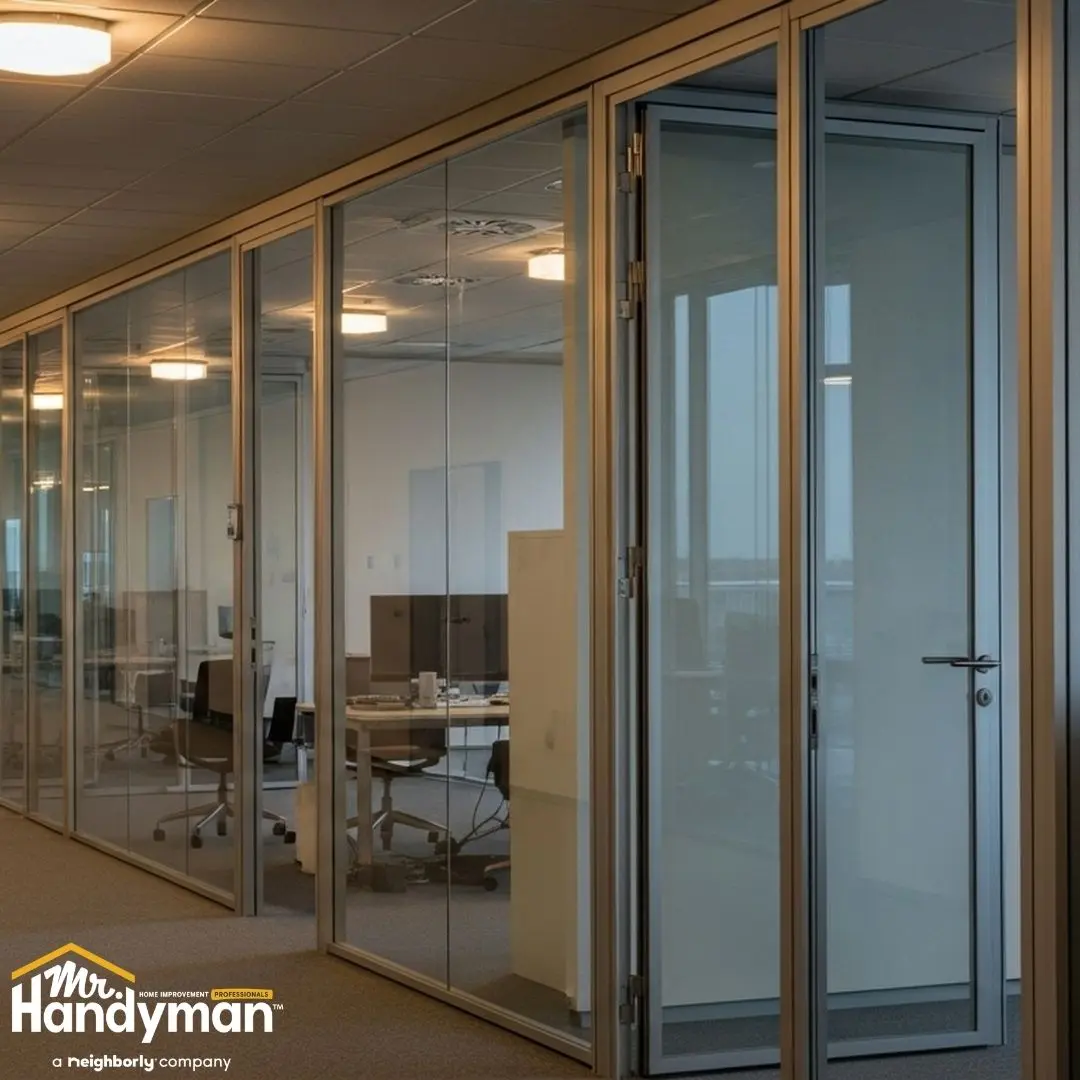
Regular safety checks are part of any successful preventative maintenance plan. Not only do they keep employees and customers safe, but they also help businesses comply with state and local regulations.
Your safety maintenance checklist should include:
- Testing smoke detectors, fire alarms, and extinguishers.
- Ensuring emergency lighting and exit signs work properly.
- Checking that handrails and stairs are secure.
- Inspecting for tripping hazards and uneven flooring.
In Clarksville and Ashland City, maintaining compliance protects against liability and fosters customer trust.
7. Train Employees to Support Maintenance Goals
Employees play a critical role in identifying maintenance issues early. Training them to recognize warning signs saves time and reduces repair costs.
Encourage staff to report:
- Flickering lights or frequent circuit breaker trips.
- Unusual HVAC noises or airflow issues.
- Water stains, odors, or leaks.
- Loose flooring, tiles, or door handles.
Commercial facilities in West Nashville and Clarksville that implement internal reporting systems tend to have fewer emergencies and better safety outcomes.
8. Work With a Reliable Maintenance Partner
Partnering with professionals ensures maintenance is done thoroughly and efficiently. Having a trusted handyman team available eliminates the stress of coordinating multiple vendors and helps maintain consistency.
Business owners across West Nashville, Belle Meade, and Clarksville rely on Mr. Handyman of W. Nashville, Belle Meade, Clarksville for dependable preventative maintenance, repairs, and inspections.
9. Monitor and Adjust Over Time
A preventative maintenance program should evolve with your business. Review performance data, costs, and outcomes regularly to identify areas for improvement.
Adjustments might include:
- Adding more frequent checks in problem areas.
- Replacing outdated systems with more efficient models.
- Updating maintenance schedules after equipment upgrades.
- Tracking seasonal wear to anticipate repairs.
Businesses in Belle Meade and Green Hills often adjust their maintenance programs annually based on historical repair data.
Maximizing ROI and Long-Term Value Through Preventative Maintenance
By now, most business owners understand that preventative maintenance saves money in the short term by reducing repair costs. However, its long-term value extends much further - influencing everything from energy efficiency to asset lifespan and even property value. For commercial property owners and facility managers, a proactive approach to maintenance is one of the most financially beneficial decisions you can make.
Companies throughout West Nashville, Belle Meade, Clarksville, Dickson, Ashland City, Green Hills, and Kingston Springs are seeing firsthand how consistent, strategic upkeep can lower costs, extend asset longevity, and create safer, more productive workplaces.
1. Understanding the Return on Preventative Maintenance
Preventative maintenance generates measurable returns by cutting down on emergency calls, reducing downtime, and extending the lifespan of equipment. Businesses that maintain their facilities proactively typically spend 25–30% less on repairs than those that rely on reactive maintenance.
The key financial benefits include:
- Lower repair costs: Fixing small issues early prevents expensive failures.
- Reduced downtime: Consistent upkeep keeps operations running smoothly.
- Energy savings: Efficient systems consume less power, lowering utility bills.
- Increased asset life: Regular care prevents premature wear and replacement.
In competitive commercial areas such as Belle Meade and Green Hills, these savings contribute to higher profitability and stronger tenant satisfaction.
2. Budgeting for Preventative Maintenance
To ensure long-term success, preventative maintenance should be treated as a fixed budget item rather than an occasional expense. Allocating funds throughout the year makes it easier to handle inspections, updates, and small repairs without financial strain.
Best practices for maintenance budgeting include:
- Setting aside 1–3% of property value annually for maintenance.
- Creating separate budget lines for preventive and emergency repairs.
- Scheduling costlier projects, like roofing or HVAC replacement, in advance.
- Using maintenance logs to forecast future costs.
Commercial properties in Clarksville and Ashland City often achieve the best results when they plan budgets quarterly, adjusting based on inspection findings.
3. Tracking Maintenance ROI
Quantifying the financial impact of preventative maintenance helps justify costs and supports long-term planning. Businesses should track repair frequency, costs, and downtime to evaluate performance over time.
Helpful metrics to measure ROI include:
- Maintenance cost ratio: Total maintenance spend vs. replacement costs.
- Downtime hours saved: Reduction in work disruptions.
- Energy savings percentage: Utility cost differences before and after upgrades.
- Repair-to-replacement ratio: How often repairs prevent new equipment purchases.
In West Nashville and Bellevue, businesses that consistently analyze maintenance data often discover substantial savings and improved operational efficiency within the first year.
4. The Role of Technology in Maintenance Efficiency
Modern technology simplifies preventative maintenance by automating reminders, tracking work orders, and predicting potential issues. Businesses can use digital maintenance management systems or even simple apps to stay on top of their tasks.
Benefits of using maintenance technology include:
- Centralized records for all equipment and service history.
- Automated scheduling for recurring inspections.
- Real-time reporting of maintenance issues.
- Cloud-based access for property managers and contractors.
Companies in Dickson and Kingston Springs often find that integrating digital tools improves accountability and reduces administrative work for their maintenance teams.
5. Creating a Maintenance Culture
Preventative maintenance works best when everyone participates. Establishing a workplace culture that values upkeep ensures problems are reported promptly and systems remain in top condition.
To build a maintenance-minded culture:
- Educate staff on how maintenance impacts safety and costs.
- Recognize employees who report or help resolve issues.
- Incorporate maintenance updates into team meetings.
- Provide clear communication channels for submitting repair requests.
Business leaders in Belle Meade and Green Hills often see long-term success when maintenance becomes a shared responsibility rather than an afterthought.
6. Partnering With Reliable Professionals
Preventative maintenance only works when performed correctly and consistently. Partnering with qualified professionals ensures that inspections, repairs, and replacements meet safety and performance standards.
Commercial property owners in West Nashville, Belle Meade, and Clarksville rely on Mr. Handyman of W. Nashville, Belle Meade, Clarksville for dependable preventative maintenance, safety inspections, and building repairs that keep their facilities running at peak performance.
7. Long-Term Benefits of Preventative Maintenance
While the initial effort to implement preventative maintenance may seem significant, the long-term payoff makes it well worth the investment. Over several years, consistent care helps maintain structural integrity, enhance energy efficiency, and improve employee productivity.
Some of the biggest long-term benefits include:
- Improved tenant and customer satisfaction.
- Stronger property value and resale potential.
- Lower insurance premiums due to reduced risk.
- A more professional, well-maintained image.
In Clarksville and Ashland City, commercial property owners often report that buildings with consistent maintenance programs hold their value longer and attract higher-quality tenants.
8. Future-Proofing Your Commercial Property
Preventative maintenance also prepares your property for the future by making it adaptable to new technologies and sustainability standards. Businesses can incorporate upgrades like smart thermostats, energy-efficient lighting, and sustainable materials during scheduled maintenance, ensuring compliance with future building codes.
Forward-thinking companies in Green Hills and Belle Meade are already integrating green initiatives into their maintenance programs to align with growing environmental expectations.
Final Thoughts on Preventative Maintenance and Cost Reduction
Preventative maintenance is not simply a cost-saving measure - it’s a growth strategy. Businesses that invest in consistent care create safer environments, enhance reputation, and reduce long-term operational costs.
From plumbing inspections to energy-efficient upgrades, every proactive step contributes to better financial stability and sustainability. Whether managing a small office in West Nashville or a large facility in Clarksville, partnering with professionals like Mr. Handyman of W. Nashville, Belle Meade, Clarksville ensures your maintenance program is comprehensive, effective, and customized to your property’s needs.
Prevent expensive repairs with proactive maintenance. Schedule preventative services online or call.