Why After-Hours Commercial Refrigeration Service Saves Restaurants Money is a critical issue for restaurant owners who depend on reliable cold storage to protect inventory, maintain food safety, and control operating costs. Commercial kitchens operate on tight margins, and refrigeration failures rarely happen during standard business hours. Breakdowns are more likely to occur overnight, on weekends, or during peak usage periods when systems are under the most stress.
For restaurants operating in South Bend, Mishawaka, Elkhart, Goshen, and New Carlisle, after-hours commercial refrigeration service plays a direct role in preventing expensive food loss. When walk-in coolers, chillers, freezers, or ice machines stop functioning properly outside of normal service windows, temperature fluctuations can compromise perishable inventory within hours.
Commercial refrigeration systems are designed to run continuously, supporting higher volumes and stricter temperature requirements than residential equipment. Walk-in coolers and freezers store large quantities of meat, dairy, produce, and prepared foods that must remain within safe temperature ranges at all times. If a system failure occurs after hours, staff may not discover the issue until the next business day. By that point, the cost of spoiled inventory can easily exceed the cost of emergency service.
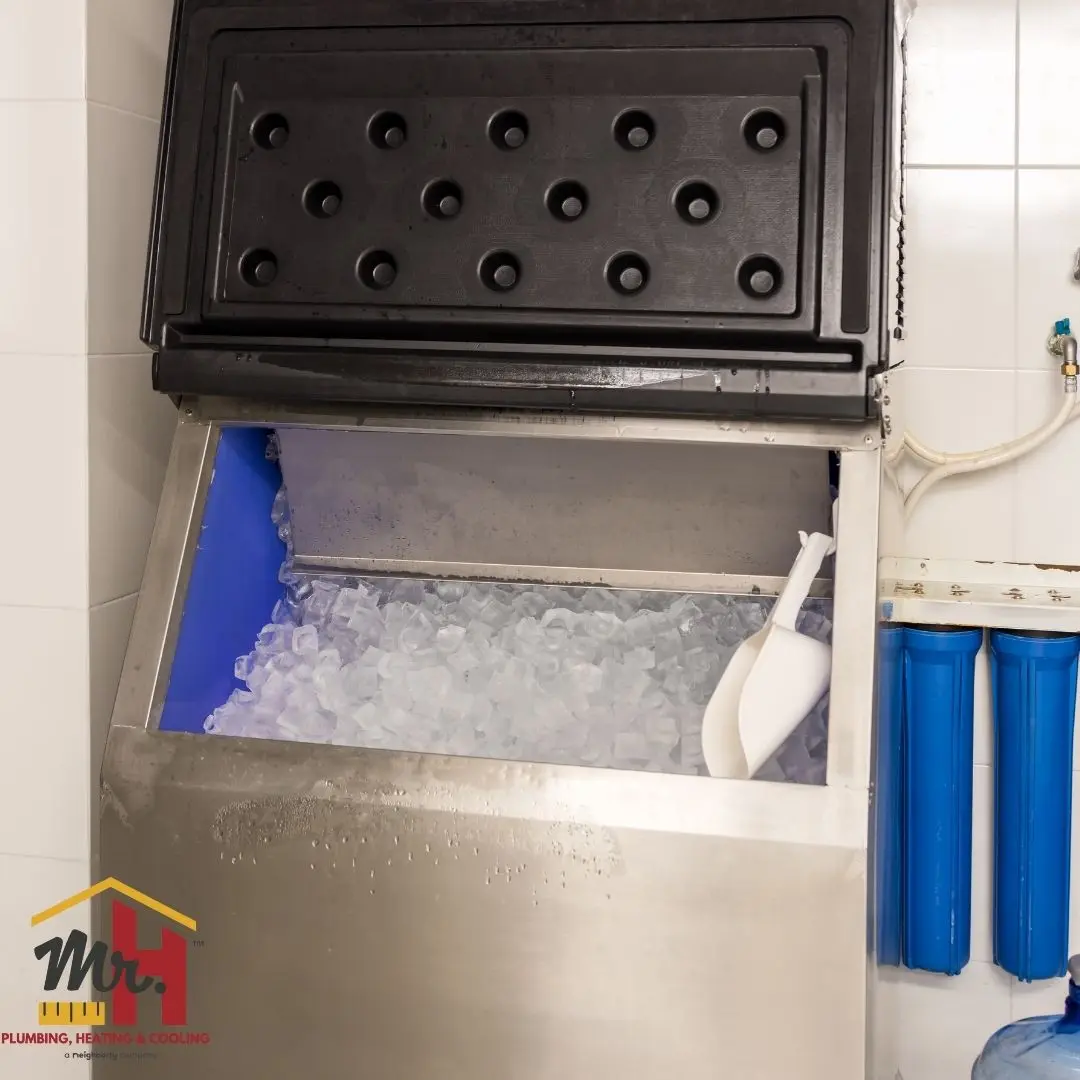
Ice machines present another common risk during after-hours periods. Restaurants rely on consistent ice production for food preparation, beverage service, and sanitation. When ice machines malfunction overnight, ice can melt, refreeze improperly, or stop producing altogether. This not only disrupts service the following day but can also create cleaning and health compliance concerns that require additional labor and downtime.
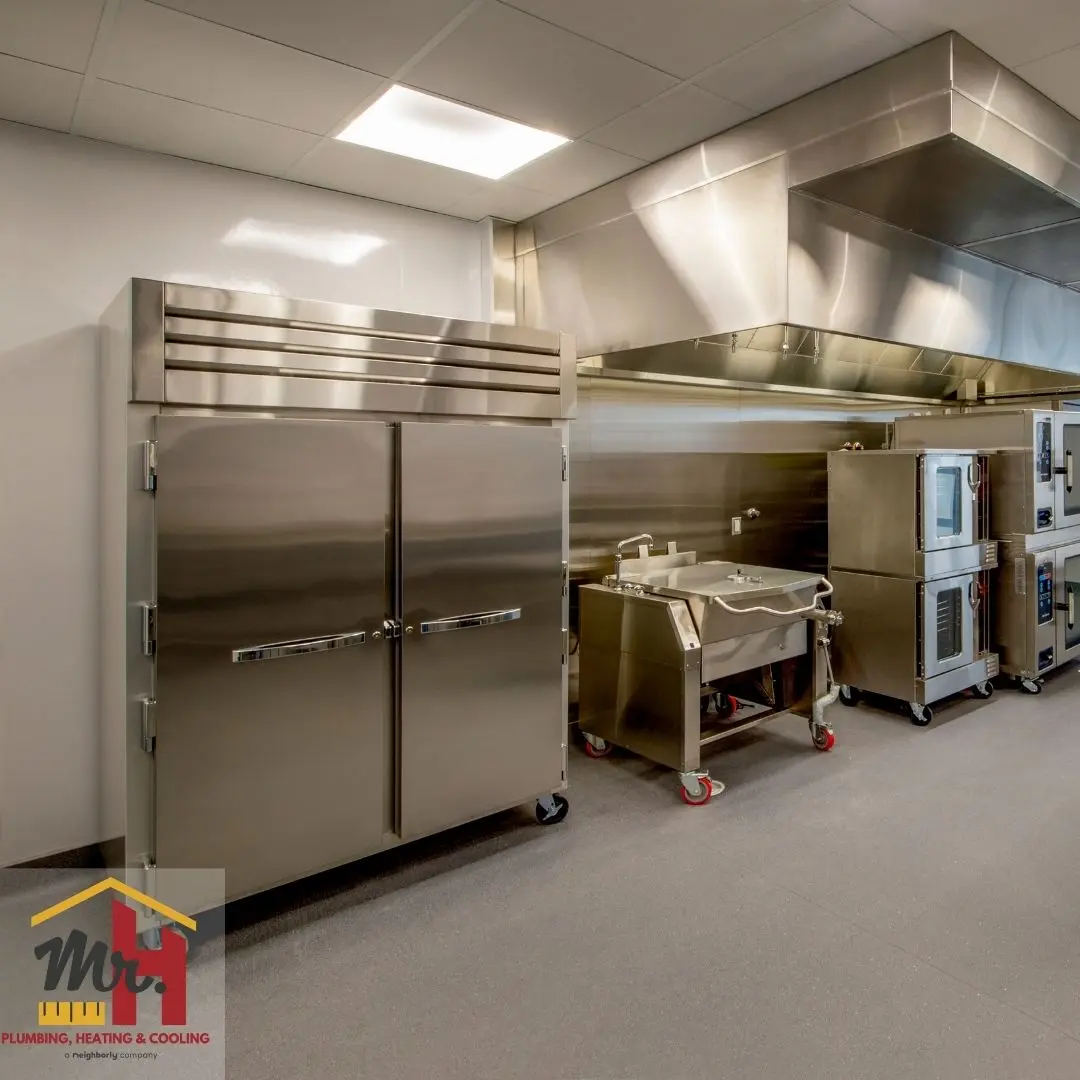
Walk-in coolers, chillers, and freezers are especially vulnerable when operating unattended. Issues such as failed condenser fans, refrigerant leaks, blocked airflow, or electrical faults can escalate quickly without intervention. After-hours commercial refrigeration service reduces the window between failure and repair, limiting temperature rise and preserving inventory before loss becomes unavoidable.
Restaurants in Osceola, Plymouth, Granger, Bristol, and La Porte often carry higher inventory levels during weekends and busy seasons. A single overnight failure can lead to product disposal, menu disruptions, and unexpected labor costs. After-hours service helps restaurants respond immediately instead of absorbing preventable losses.
By addressing refrigeration problems as soon as they occur, after-hours commercial refrigeration service protects food inventory, supports consistent operations, and reduces the financial impact of emergency breakdowns. It allows restaurants to stay focused on service and safety instead of reacting to avoidable losses caused by delayed repairs.
Practical Risks and Real Costs of After-Hours Commercial Refrigeration Failures
After-hours commercial refrigeration service becomes most valuable when restaurant owners understand how quickly small issues escalate into expensive problems. Many refrigeration failures do not begin as full system shutdowns. They start as minor performance changes that occur late at night or during closed hours, when no one is actively monitoring temperatures, airflow, or system cycling.
Walk-in coolers, chillers, and freezers rely on consistent operation to maintain safe food storage conditions. A condenser fan running inefficiently, a defrost cycle failing to complete, or a thermostat drifting out of calibration can cause temperatures to rise slowly over several hours. When this happens overnight, food can remain in unsafe temperature ranges long enough to require disposal, even if the system appears to recover by morning.
Ice machines are another frequent source of after-hours emergencies. Water supply issues, scale buildup, sensor failures, or refrigeration faults often occur during overnight production cycles. When ice melts and refreezes improperly, it creates sanitation concerns that go beyond lost product. Restaurants may be forced to discard ice, shut down machines for cleaning, and delay service while waiting for repairs. These interruptions affect customer experience and increase labor demands during already busy service periods.
Prep tables and undercounter refrigeration units also contribute to after-hours risk. These systems are often heavily loaded during dinner service and continue cycling long after closing. If a prep table fails overnight, stored ingredients may be compromised by morning. Unlike walk-in units, these failures can be harder to detect visually, making after-hours response even more critical.
Restaurants across South Bend, Mishawaka, Elkhart, Goshen, and New Carlisle face added pressure due to fluctuating demand, weekend volume, and seasonal events. Higher inventory levels mean higher exposure. A single overnight failure can result in hundreds or thousands of dollars in lost food, plus additional costs tied to cleanup, restocking, and disrupted menus.
Delayed response also increases repair complexity. When refrigeration systems continue running in a compromised state, components experience added stress. Compressors may overwork, fans may overheat, and electrical controls can sustain damage. What could have been a targeted repair becomes a larger service call with higher costs and longer downtime.
After-hours commercial refrigeration service limits this damage by addressing issues at the earliest possible stage. Fast response prevents prolonged temperature exposure, reduces strain on equipment, and keeps repairs focused and efficient. Restaurants that rely on standard business-hour service often find themselves reacting to problems after losses have already occurred.
Common After-Hours Refrigeration Issues Restaurants Face
- Walk-in coolers not maintaining temperature overnight
- Walk-in freezers experiencing frost buildup or airflow restriction
- Ice machines shutting down or producing unsafe ice
- Prep tables warming due to compressor or fan issues
- Drain line clogs causing water leaks and shutdowns
- Electrical faults that trip breakers during low-staff periods
Each of these problems worsens when left unattended. After-hours service ensures they are addressed before affecting food safety and daily operations.
Frequently Asked Questions About After-Hours Commercial Refrigeration
Why do refrigeration failures often happen overnight?
Commercial refrigeration systems run continuously and work hardest after peak service hours. Components experience the most stress when systems cycle frequently, which often happens late at night after heavy use.
How fast can food spoil in a failed walk-in cooler?
Perishable food can enter unsafe temperature ranges within a few hours. Even short exposure can require disposal to meet health code standards.
Is after-hours service more expensive than standard service?
While after-hours calls may carry higher rates, the cost is often far lower than replacing spoiled inventory, losing service time, or dealing with compliance issues.
Can temperature alarms replace after-hours service?
Alarms are helpful, but they only alert staff to a problem. Without immediate service response, inventory loss can still occur.
Do ice machine failures require full shutdowns?
In many cases, yes. Sanitation standards often require cleaning and inspection before machines can resume operation.
Restaurants in Osceola, Plymouth, Granger, Bristol, and La Porte benefit from after-hours commercial refrigeration service because it shifts maintenance from reactive to proactive. Instead of discovering failures after damage is done, issues are handled in real time, protecting inventory and keeping operations stable.
By understanding how refrigeration systems fail and the true cost of delayed response, restaurant owners can make informed decisions that protect both equipment and revenue. After-hours commercial refrigeration service is not just a convenience. It is a practical tool for controlling risk and maintaining consistent operations.
Building a Long-Term Strategy With After-Hours Commercial Refrigeration Support
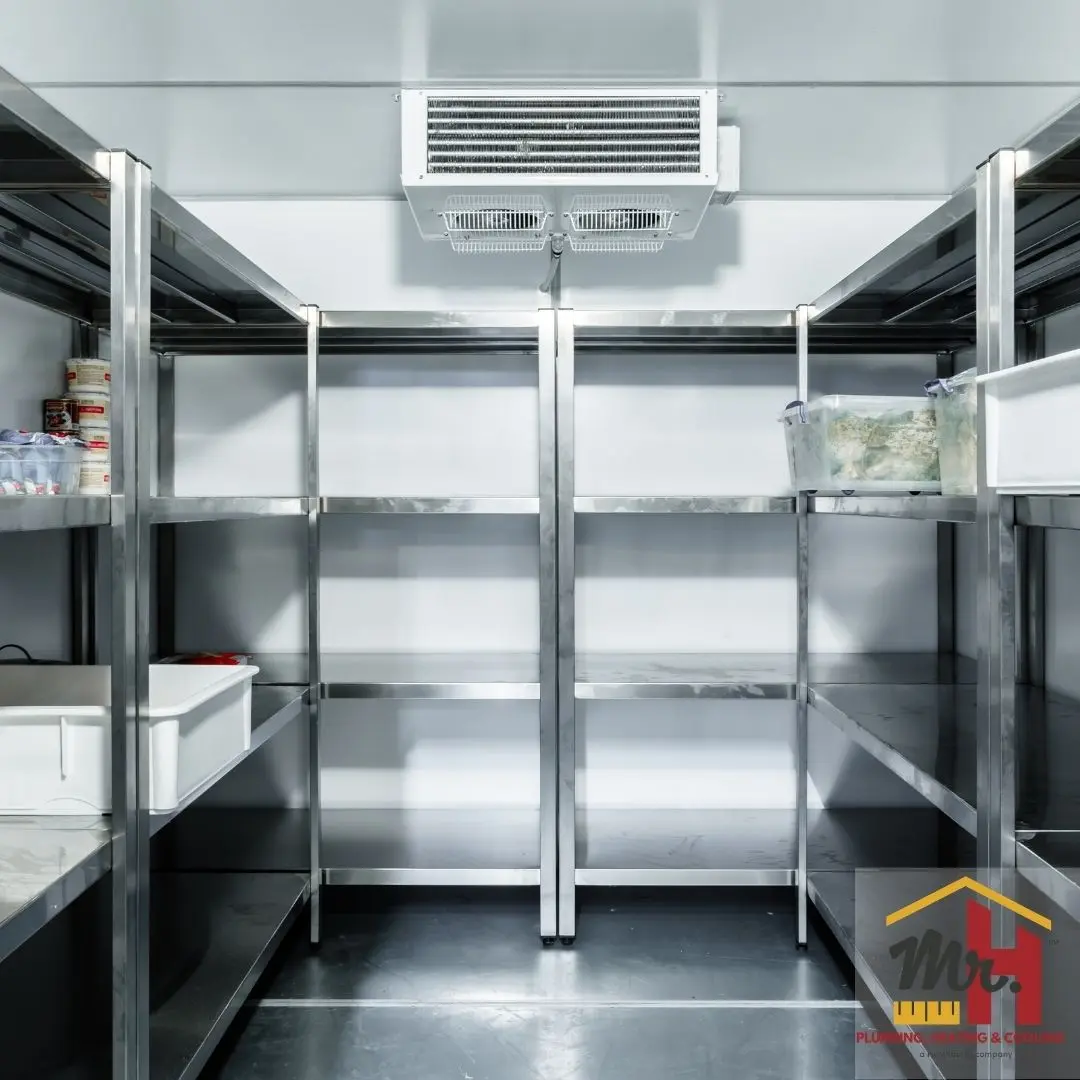
After-hours commercial refrigeration service should be viewed as part of a long-term operational strategy, not just an emergency solution. Restaurants that consistently protect their equipment, inventory, and service flow do so by planning for failures before they happen. Refrigeration systems are among the most critical assets in a commercial kitchen, and their performance directly impacts food safety, compliance, and profitability.
Restaurants operating in South Bend, Mishawaka, Elkhart, Goshen, and New Carlisle often operate extended hours, handle fluctuating customer volume, and rely on overnight refrigeration stability. In these environments, a single failure can disrupt multiple days of service. Planning for after-hours support reduces uncertainty and allows restaurant owners to stay focused on operations instead of crisis management.
A proactive approach begins with recognizing that commercial refrigeration systems will fail at some point. Compressors wear down, electrical components age, fans clog with debris, and refrigerant levels change over time. No amount of routine care eliminates risk entirely. What separates well-run operations from reactive ones is how quickly issues are addressed when they occur outside standard business hours.
After-hours commercial refrigeration service creates continuity. Instead of waiting until morning to assess damage, problems are resolved while inventory is still salvageable. This continuity protects walk-in coolers, chillers, freezers, ice machines, and prep tables from prolonged exposure to unsafe conditions. Over time, this approach reduces both emergency repair costs and equipment replacement frequency.
Another long-term benefit is regulatory protection. Health departments evaluate food storage conditions closely, and temperature violations can lead to citations, fines, or temporary closures. Restaurants that experience repeated refrigeration failures are more likely to face compliance challenges. After-hours service helps maintain consistent temperature control, reducing the likelihood of violations tied to overnight failures.
Restaurants in Osceola, Plymouth, Granger, Bristol, and La Porte often deal with seasonal traffic, weekend surges, and special events that increase refrigeration demand. During these periods, systems operate under higher load and are more likely to experience failures after hours. Having reliable after-hours support ensures these high-risk periods do not turn into costly setbacks.
From a financial standpoint, after-hours service supports predictable budgeting. Emergency breakdowns without rapid response often result in cascading costs such as food disposal, overtime labor, emergency restocking, and lost sales. When these events repeat, they create volatility in operating expenses. Restaurants that integrate after-hours refrigeration service into their planning reduce this volatility and gain better control over long-term costs.
There is also a staffing advantage. Kitchen managers and owners are often the first to receive alerts about refrigeration problems after hours. Without a reliable service partner, they may be forced to make difficult decisions remotely or delay action until morning. Knowing that professional support is available allows staff to respond confidently and efficiently without unnecessary stress or guesswork.
After-hours commercial refrigeration service also complements preventive maintenance programs. While routine inspections and cleanings reduce failure frequency, they cannot account for every variable. After-hours response fills the gap between scheduled maintenance and real-world conditions. Together, these approaches extend equipment lifespan and improve overall system reliability.
Ultimately, the value of after-hours commercial refrigeration service lies in protection. It protects inventory, protects equipment, protects compliance standing, and protects customer trust. Restaurants that prioritize fast response are better positioned to maintain consistency, even when unexpected issues arise outside normal operating hours.
For restaurant owners who want to reduce risk and improve operational stability, working with a dependable commercial service provider matters. Mr.H Heating and Cooling, a company within Mr. Handyman of Northern St. Joseph and Elkhart Counties, provides after-hours commercial refrigeration support designed to help restaurants respond quickly and protect what matters most.
To learn more about after-hours commercial refrigeration service or to request support, visit
https://www.mrhandyman.com/northern-st-joseph-elkhart-counties/handyman-services/other/hvac/ or call to speak with a knowledgeable professional.
Investing in after-hours commercial refrigeration service is an investment in reliability, safety, and long-term financial protection. Restaurants that plan ahead experience fewer disruptions and greater confidence in their day-to-day operations.