Commercial Buildings Carry Winter Damage Differently Than Homes
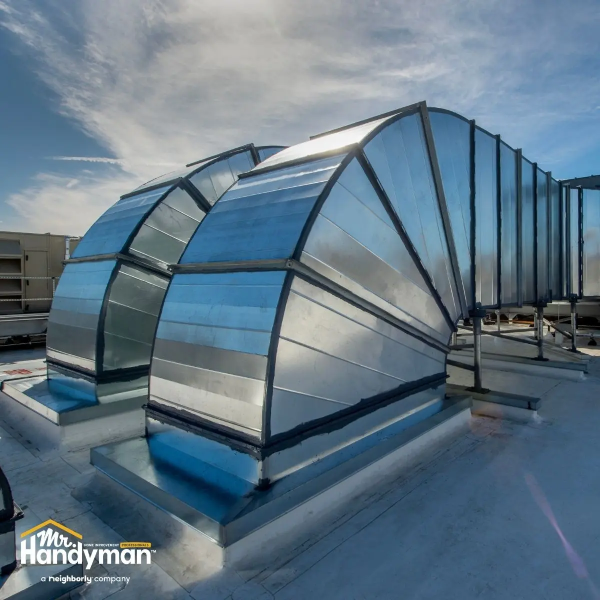
When winter ends in Northern Indiana, the conversation about seasonal maintenance tends to center on residential properties. But commercial buildings in Northern St. Joseph and Elkhart Counties carry their own inventory of winter damage, deferred maintenance, and systems that need evaluation before spring and summer place peak operational demands on them. The difference is that the consequences of deferred commercial maintenance extend beyond property damage. They affect business operations, employee safety, customer experience, and in some cases regulatory compliance.
A commercial building that has been through a Northern Indiana winter without a structured spring maintenance review is carrying risk that is not always visible from the inside of a functioning business. The lake-effect snow systems that deposit significant accumulation across this region stress roofing systems, exterior surfaces, and drainage infrastructure in ways that moderate-climate commercial maintenance guidance does not fully address. The sustained below-zero temperatures that Northern Indiana delivers during winter cold snaps affect HVAC systems, plumbing infrastructure, and building envelope components in ways that create developing conditions that spring inspection surfaces before they become operational disruptions.
For business owners and property managers across South Bend, Mishawaka, Elkhart, Goshen, and the surrounding communities, the spring maintenance window is the most cost-effective opportunity of the year to address what a Northern Indiana winter left behind and prepare what summer will test. The work done in this window determines how reliably the building supports business operations through the most demanding seasons ahead.
Why Northern Indiana's Winter Creates Specific Commercial Maintenance Needs
Commercial buildings in this region experience winter stress in ways that are shaped by the specific climate characteristics that Northern Indiana delivers. The lake-effect snow that the region receives from Lake Michigan creates accumulation events that flat and low-slope commercial roofs were not always designed to manage without the maintenance attention that spring reveals was needed. And the repeated freeze-thaw cycling that late winter and early spring deliver through Northern Indiana subjects every vulnerable building component to the alternating expansion and contraction stress that accumulates across each cycle.
A flat or low-slope commercial roof that experienced significant snow loading through a heavy lake-effect winter has been carrying structural load well beyond its typical seasonal demand. Even where that loading did not approach design limits, the membrane, seams, and drainage components of the roof system were subjected to the movement, compression, and thermal cycling that heavy snow presence and subsequent melt produce in ways that moderate-climate roofing maintenance does not anticipate at the same frequency or intensity.
Commercial masonry on older buildings across South Bend and Mishawaka's established commercial districts absorbed moisture through their porous surfaces during wet fall and winter periods. When that moisture froze during Northern Indiana's cold snaps, which in this region can reach sustained temperatures well below zero, it expanded within the masonry structure more aggressively than freeze-thaw cycling in moderate climates produces. The spalling and mortar joint deterioration that results from a Northern Indiana winter's cycling may appear minor after a single season. Accumulated across multiple winters without remediation, it reaches the point where water infiltrates freely through the masonry face into the wall assembly behind it.
Newer commercial properties in Elkhart County, including the significant industrial, manufacturing, and retail development that Elkhart County's economy supports, face their own spring maintenance priorities. Metal panel cladding, membrane roofing systems, and the mechanical infrastructure of commercial spaces in this newer building stock all require spring inspection protocols that address the specific vulnerabilities those systems develop under Northern Indiana's demanding winter conditions.
Roofing Systems: The Priority That Cannot Wait

Commercial roofing systems represent the most consequential maintenance category in a spring commercial checklist for Northern Indiana businesses, and the specific demands that lake-effect winters place on these systems make spring inspection more urgent here than in most other markets.
Flat and low-slope membrane roofing systems on commercial buildings across Northern St. Joseph and Elkhart Counties require spring inspection that specifically addresses the conditions that snow loading, ice damming at parapet walls, and the freeze-thaw cycling of a Northern Indiana winter produce. HVAC equipment curbs, plumbing vent penetrations, parapet wall flashings, and any area where the membrane transitions between surfaces are the points where winter stress most commonly produces compromise. In Northern Indiana commercial buildings where significant snow accumulation concentrated loading at drainage points and parapet areas through the winter, those specific locations deserve priority attention in the spring inspection sequence.
Snow and ice loading on commercial flat roofs in Northern Indiana creates a maintenance concern that warmer-climate commercial building guidance does not address with the same urgency. A roof membrane that developed micro-tears under the weight of accumulated snow and ice over multiple weeks of a heavy Northern Indiana winter may appear intact when dry conditions return but will demonstrate those failures during spring rain events. Spring inspection that accesses the roof surface after snow and ice have fully cleared provides the first complete opportunity to evaluate the membrane condition that winter's loading produced.
Roof drains and scuppers that are partially blocked by debris and ice residue from the winter season restrict drainage during spring rain events in ways that allow water to pond on the roof surface. In Northern Indiana, where spring rain events can be significant and where the snow that accumulated through winter may have deposited debris on the roof surface that dry summer conditions would not, drain clearing is a spring priority whose neglect consequences include both membrane stress from standing water and structural load from accumulated ponding.
Parapet walls and coping on Northern Indiana commercial buildings deserve specific spring attention because Northern Indiana's winter ice cycling is particularly damaging to the coping and through-wall flashing systems that seal the top of parapet wall assemblies. Ice that accumulated in coping joints and expanded through freeze-thaw cycling can displace coping caps and open flashing seals that then allow spring rain to enter the wall assembly from its most exposed point.
HVAC Systems: Preparing for the Full Seasonal Transition
Commercial HVAC systems in Northern Indiana transition from their most demanding heating season directly into the cooling season that Northern Indiana's compressed summer delivers, and spring is the correct time to evaluate system condition before that transition places peak cooling demands on equipment that has been running at heating capacity for months.
Filter replacement and coil cleaning after a Northern Indiana heating season addresses the accumulation that continuous winter operation produces in air handling equipment that has been cycling air through a building occupied through cold months when outdoor ventilation was minimized. Commercial HVAC systems that enter the cooling season with dirty filters and fouled coils are not only less efficient than maintained systems. They are delivering lower indoor air quality at higher energy cost from the first day of cooling season operation.
Refrigerant levels and system pressures in commercial cooling equipment should be confirmed before summer cooling demands begin in Northern Indiana's compressed warm season. A commercial cooling system that lost refrigerant through a minor leak over the winter period may not reveal that deficiency until outdoor temperatures require full cooling capacity, which in Northern Indiana's summer arrives quickly and demands reliable system performance from the first genuinely hot days of the season.
Economizer and ventilation system function in commercial buildings deserves spring attention that confirms outdoor air dampers are operating correctly after winter periods when those dampers may have been restricted to manage heating loads. Economizer dampers that have seized, corroded in their tracks, or developed actuator failures through the thermal cycling that Northern Indiana winters deliver to mechanical components require correction before the cooling season tests them under the conditions where their function affects both energy cost and indoor air quality most directly.
Exterior and Parking Surface Inspection
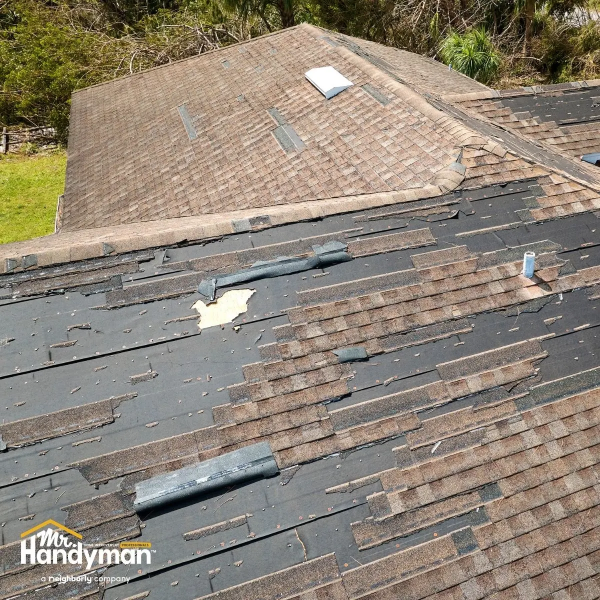
The exterior surfaces of a Northern Indiana commercial property arrive at spring with a specific winter damage inventory that a systematic inspection captures before individual conditions worsen through another season.
Parking lot condition in Northern Indiana commercial properties shows the specific damage pattern that the region's freeze-thaw cycling and winter maintenance practices produce. The combination of temperature cycling, the deicing products applied through a Northern Indiana winter, and the accelerated traffic loads that cold weather concentrates at cleared surfaces all contribute to pavement deterioration that spring inspection evaluates at the point where intervention decisions are most cost-effective. Asphalt that has developed surface cracking through a Northern Indiana winter requires spring crack sealing before spring rains work moisture into those cracks and begin the base saturation and pothole formation that follow.
Exterior caulking and sealants around windows, door frames, and utility penetrations in commercial buildings across Northern Indiana have been subjected to the thermal cycling that the region's winter produces at a rate and amplitude that moderate-climate sealant maintenance guidance does not anticipate. A sealant joint that survived the previous summer's conditions may have failed through the expansion and contraction of a Northern Indiana winter, and spring inspection that identifies those failures before spring rain events test them provides the window for correction that waiting for water intrusion symptoms forfeits.
Interior Commercial Spaces: What a Northern Indiana Winter Leaves Behind Inside
The interior of a commercial building in Northern St. Joseph and Elkhart Counties does not experience winter stress in isolation from what happens to the building envelope surrounding it. Water that found its way through compromised exterior surfaces, moisture that migrated through foundation walls during snowmelt, and the humidity fluctuations that heating systems running continuously through extended cold months produce all leave evidence inside the building that spring inspection surfaces in predictable categories.
Ceiling tiles and interior finishes in commercial spaces are reliable indicators of roof or plumbing leaks that developed over winter but may not have produced obvious water intrusion events visible during daily business operation. A ceiling tile that has yellowed, sagged, or developed staining since the last interior inspection points to moisture that has been present above it. In older South Bend and Mishawaka commercial buildings where plumbing lines run through ceiling cavities and roofing systems have been in service for decades, spring ceiling inspection that identifies stained or compromised tiles provides the starting point for tracing moisture sources before cosmetic repairs address symptoms without resolving causes.
Interior door and window function across a commercial building reveals the structural movement and moisture-related changes that Northern Indiana winters produce in building frames and wall assemblies. Doors that bind against frames, windows that no longer operate smoothly, and hardware that has developed stiffness over winter all reflect movement in the building envelope that is more pronounced in Northern Indiana's climate than in moderate regions because the temperature differential that the building envelope manages through a Northern Indiana winter is more extreme. In commercial buildings where emergency egress paths depend on doors operating correctly, functional door issues carry safety implications that make spring assessment and correction a priority rather than a convenience.
Flooring condition in high-traffic commercial entry areas takes significant winter abuse through wet footwear, tracked-in snow melt residue, and the deicing products that Northern Indiana winters require in quantities that more moderate climates do not. Hard surface flooring with grout or joint deterioration from the chemical exposure that deicing salts produce, resilient flooring with lifting at seams where moisture infiltrated beneath edges, and carpet that has been ground with winter grit beyond the point of cleaning recovery all represent spring replacement or repair candidates that are more disruptive to address during peak summer business activity than during the transitional spring period.
Plumbing Systems: Post-Winter Assessment in Northern Indiana Commercial Buildings
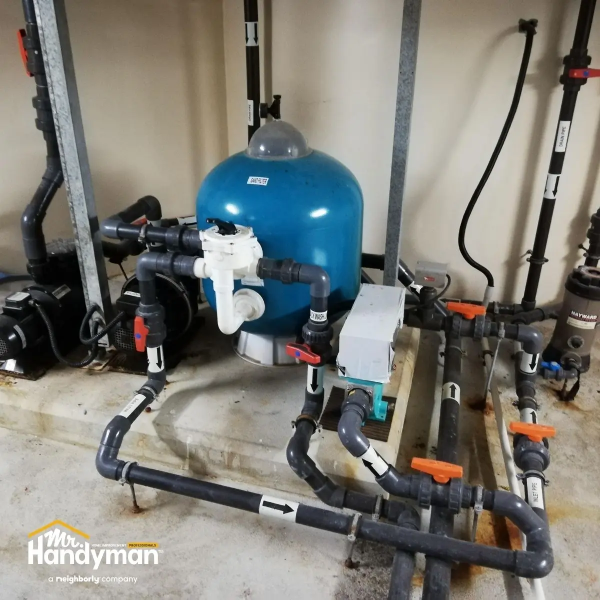
Commercial plumbing systems in Northern Indiana buildings face winter stress that reflects the specific temperature conditions this region delivers, and spring assessment that identifies developing conditions before they reach failure stage protects business operations through the summer that follows.
Supply line and fixture assessment in commercial restrooms and break areas after a Northern Indiana winter should include physical inspection of any supply lines that run through exterior wall cavities, unheated mechanical spaces, or areas adjacent to the building envelope where sustained below-zero temperatures create freeze risk. A supply line that experienced partial freeze stress during a Northern Indiana cold snap may not have failed during the winter but may have developed the micro-fractures that produce slow leaks whose evidence spring inspection identifies before those leaks produce the water damage that concealed failures deliver without warning.
Water heater capacity and condition in commercial buildings that have run at heating demand through a Northern Indiana winter deserves spring evaluation that confirms the system is prepared for the transition to peak occupancy demand. Commercial water heaters that served adequate hot water through winter's lower occupancy demand may not sustain performance through summer when building occupancy peaks. Spring assessment that evaluates both system condition and capacity adequacy against current occupancy levels identifies replacement or service needs while scheduling flexibility still exists.
Floor drains in commercial kitchens, restrooms, and utility areas that accumulated debris through winter months require spring cleaning to confirm clear flow. In Northern Indiana commercial properties where winter building use concentrated occupant activity indoors for extended periods, floor drain accumulation through the season is more significant than in climates where winter occupancy is less concentrated. A drain system that performs adequately under normal conditions backs up quickly when higher summer occupancy and cleaning activity places greater demand on drainage capacity that winter buildup has already reduced.
Safety Systems and Compliance Items
Spring commercial maintenance in Northern Indiana extends to the safety systems and compliance items that protect occupants and meet regulatory requirements across South Bend, Mishawaka, Elkhart, and Goshen commercial properties.
Emergency lighting and exit signage testing after a Northern Indiana winter confirms that battery backup systems are functioning correctly after months of operation through cold temperatures that affect battery capacity and performance. Cold temperatures reduce battery capacity in ways that are not apparent during normal building operation but that become consequential during a power outage when the battery backup is required to perform. Spring testing of every emergency lighting fixture and exit sign after the conclusion of the heating season provides the most relevant assessment of battery condition following the cold period that affects it most.
Fire extinguisher inspection should be scheduled in spring before higher-occupancy summer months in Northern Indiana commercial properties. Extinguishers that have been in cold storage areas through winter deserve specific attention during spring inspection because sustained cold temperatures affect the propellant pressure that determines extinguisher function. Annual professional inspection that confirms current charge and proper function maintains the fire response capability that commercial occupancies require.
ADA compliance items that developed functional issues through winter, entry ramp surfaces affected by frost heave, door hardware that requires excessive force after seasonal frame movement, and accessible restroom fixtures that are no longer functioning correctly should be identified and corrected in spring before they create compliance exposure during the summer months of peak commercial activity.
Grounds and Exterior Presentation
The exterior condition of a Northern Indiana commercial property at the end of winter reflects the full weight of what the lake-effect season delivered, and spring restoration of exterior presentation is a business function that directly affects customer and client impression through the high-activity months that follow.
Landscaping and grounds that weathered a Northern Indiana winter need spring attention that addresses both the physical damage that cold temperatures and snowfall produced and the general condition that months of dormancy and winter maintenance activity left behind. Winter-killed plantings that need replacement, turf areas that sustained damage from snowplow activity or deicing products, and mulched beds that were disturbed by snow removal all represent spring grounds restoration priorities that affect curb appeal through the summer season when commercial property visibility and first impression are most consequential.
Exterior lighting along walkways, parking areas, and building entries should be assessed in spring for fixture failures, corroded mounting hardware, and lens condition after a Northern Indiana winter. Fixtures in Northern Indiana commercial properties experience the thermal cycling and moisture exposure of a demanding winter season that accelerates the deterioration that controlled-environment installations experience more slowly. Spring lighting assessment that identifies and addresses failures before summer's extended business hours make them most visible maintains the safety and presentation function that exterior lighting serves through peak commercial seasons.
Signage condition after a Northern Indiana winter reflects the UV exposure, temperature cycling, and the physical stress that significant snowfall and ice accumulation can produce on freestanding and wall-mounted commercial signs. Faded graphics, delaminating sign faces, lighting components that failed through winter, and mounting hardware that shows the corrosion that Northern Indiana winters accelerate in exterior metal components all affect the property's professional presentation in ways that spring restoration addresses before the business season reaches its peak.
Scheduling Commercial Maintenance Before Summer Activity Peaks
The practical argument for completing spring commercial maintenance before summer is particularly compelling in Northern Indiana's business environment because the region's compressed warm season makes every week of peak business activity genuinely valuable and every disruption from emergency maintenance more costly than it would be in a market with a longer operating season.
In South Bend and Mishawaka's commercial districts, businesses that emerge from winter with their properties in sound condition and their systems confirmed functional are positioned for summer operations without the background distraction of developing maintenance conditions that reactive attention addresses at the worst possible moment. The investment in spring commercial maintenance is not separable from the investment in how the business performs through its highest-activity season.
Elkhart County's commercial properties, which support the county's significant manufacturing, recreational vehicle industry, and retail economy, carry the same spring maintenance imperative with the additional consideration that the industrial and commercial facilities serving these sectors operate under demands that residential and light commercial properties do not face. HVAC systems serving manufacturing floor areas, roof drainage systems managing the large impervious surfaces of commercial and industrial buildings, and the exterior grounds and access infrastructure that commercial operations depend on all require the spring attention that Northern Indiana's winters specifically create the need for.
Frequently Asked Questions
How often should a Northern Indiana commercial building receive a comprehensive maintenance inspection?
Twice annually is the standard recommendation, with spring and fall inspections timed to address the seasonal stress that Northern Indiana's demanding climate produces. The spring inspection is the more comprehensive of the two because it addresses the full inventory of winter damage across roofing, exterior surfaces, mechanical systems, and building envelope components. Fall inspection focuses on preparing systems for winter rather than assessing winter's aftermath.
Who is responsible for spring maintenance in a leased commercial space in Northern Indiana?
Responsibility varies by lease structure in Northern Indiana commercial properties as it does elsewhere. Triple net leases typically place maintenance responsibility on the tenant for interior systems and on the landlord for structural and exterior systems. Modified gross leases shift more responsibility to the landlord. Northern Indiana commercial tenants should review lease terms before spring maintenance planning begins to confirm which party is responsible for each category of work, particularly for the roof and exterior systems that Northern Indiana winters affect most significantly.
How do I prioritize commercial maintenance items when the budget does not cover everything?
Prioritize by consequence in Northern Indiana's specific context. Safety system deficiencies and building envelope integrity items, roofing, exterior waterproofing, and freeze-damaged plumbing, carry the highest consequences if left unaddressed through another season and should be funded first. Items that affect operational continuity come next. Cosmetic and presentation items that do not affect operational integrity or safety can be phased into subsequent budget cycles without the consequence that safety and envelope items carry when deferred.
Is a spring commercial maintenance inspection worth the cost for a newer Elkhart County building?
Yes. Newer commercial construction in Elkhart County is not exempt from Northern Indiana winter stress, and the inspection cost is modest relative to the value of identifying developing conditions before they reach significant repair cost. Membrane roofing systems, parking surfaces, and mechanical systems in newer Elkhart County commercial buildings all experience the freeze-thaw cycling and snow loading that Northern Indiana winters deliver regardless of construction vintage.
How disruptive is spring commercial maintenance work to business operations in Northern Indiana?
Most spring commercial maintenance work can be scheduled to minimize disruption. Exterior work including roofing, parking surfaces, and landscaping typically proceeds without interior disruption. Interior work that requires access to occupied spaces can usually be scheduled during off-hours or lower-occupancy periods with advance planning. The spring transition period in Northern Indiana, when outdoor conditions are suitable for exterior work but peak business activity has not yet arrived, provides a natural scheduling window that businesses that plan ahead use effectively.
Should I use a single contractor for all spring commercial maintenance or specialist contractors?
For the general maintenance items that a spring commercial checklist covers across Northern Indiana properties, a capable commercial handyman service that handles multiple categories reduces coordination overhead and scheduling complexity significantly. Specialized systems including HVAC, electrical, and fire suppression require licensed specialists for code compliance reasons, but the general building condition items that Northern Indiana winters specifically produce benefit from a single experienced commercial maintenance provider who understands the full scope of what the season delivers.
A Well-Maintained Commercial Property Is a Northern Indiana Business Asset
The condition of a commercial building in South Bend, Mishawaka, Elkhart, or Goshen is not separate from the business it houses. It is part of how that business presents itself, operates safely, and sustains the confidence of customers, clients, and employees through the seasons that follow one of the most demanding winters in the Midwest. Spring maintenance that addresses what Northern Indiana's winter left behind is the most cost-effective investment a commercial property owner or manager makes each year.
The team at Mr. Handyman of Northern St. Joseph and Elkhart Counties brings the commercial maintenance experience to help business owners and property managers work through a spring checklist thoroughly and address what needs attention before the season makes those repairs more urgent and more expensive.
Website: https://www.mrhandyman.com/northern-st-joseph-elkhart-counties/
Serving businesses throughout Northern St. Joseph and Elkhart Counties with dependable commercial maintenance and the expertise your property deserves.