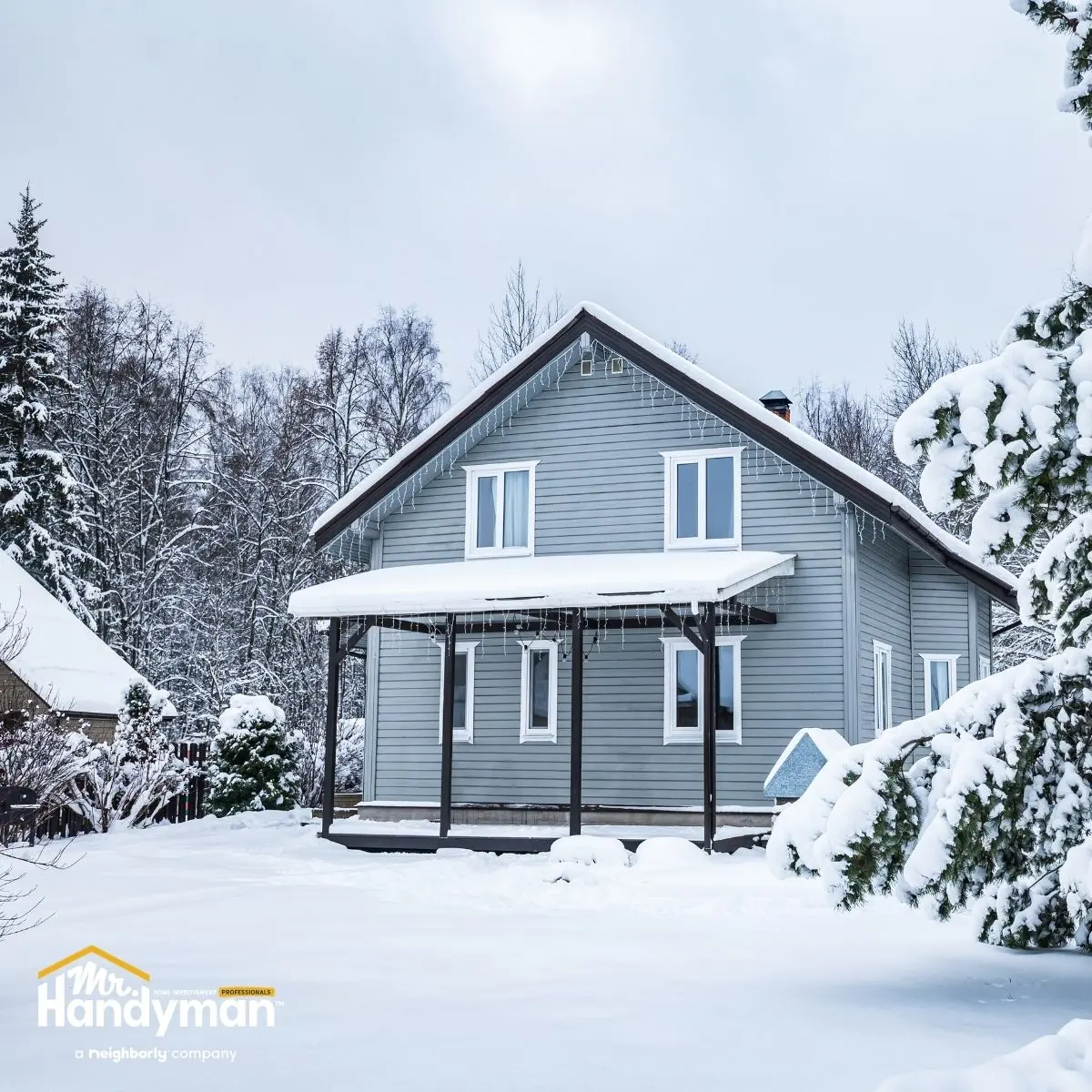
Winter Leaves a Bill. Spring Is When It Arrives.
Northern Indiana winters are not subtle. Lake-effect snow systems that deposit significant accumulation across St. Joseph and Elkhart Counties, sustained periods of below-zero wind chills, and the repeated freeze-thaw cycling that late winter and early spring deliver combine to produce a post-winter repair inventory that homeowners across South Bend, Mishawaka, Elkhart, and Goshen encounter every spring with varying degrees of preparation. The damage does not arrive in a single dramatic event. It accumulates across months of thermal stress, moisture infiltration, and the physical force that ice exerts in every gap, joint, and crack it occupies when temperatures drop.
The specific character of Northern Indiana's winter damage distinguishes it from what homeowners in more moderate climates address in spring. This is not simply cold weather that slightly accelerates normal wear. It is a climate that applies genuine structural and material stress through mechanisms that produce the specific repair categories this checklist addresses. Freeze-thaw cycling that can repeat dozens of times across a single Northern Indiana winter season works progressively on every joint, every paint film, and every caulk line that is not performing at full integrity. Ice dam formation that is specific to this region's combination of snowfall volume and interior heat loss produces damage pathways that warmer climates do not encounter. And the deicing products that responsible Northern Indiana property management requires create chemical exposure for building materials that extends beyond the mechanical damage that temperature cycling alone produces.
Understanding these mechanisms rather than simply recognizing their symptoms produces a more effective post-winter repair approach and a clearer sense of which repairs are urgent before the next season adds to the account.
Exterior Wood Damage: Predictable and Addressable
Wood exterior components on Northern Indiana homes accumulate winter damage in ways that are predictable once the moisture cycling mechanism is understood, and that predictability makes spring the right time to address them systematically rather than reactively.
Fascia and soffit boards are among the most consistently damaged exterior wood components in Northern Indiana homes after a significant winter. The fascia board that runs along the roofline and supports the gutter system receives direct moisture exposure from ice dam formation, gutter overflow during snowmelt events, and the wind-driven moisture that Northern Indiana's winter storm systems deliver against eave line components. In South Bend and Mishawaka homes where fascia boards may have been in service through multiple Northern Indiana winters without replacement, the moisture absorption that each winter advances produces the paint failure, wood softening, and structural degradation that spring inspection identifies at points ranging from addressable surface treatment to board replacement depending on how many seasons of deferred attention preceded the current condition.
Window and door trim develops paint failure and moisture damage through the same cycling mechanism, with the specific complication that window and door trim sits adjacent to the caulk joints whose failure allows water direct access to the trim's most vulnerable surfaces. Winter freeze-thaw cycling that opens a caulk joint adjacent to window trim provides moisture a pathway to the trim's end grain and exposed wood surfaces that accelerates the paint failure and wood damage that spring inspection surfaces in the form of peeling paint concentrated at exactly the locations where caulk failure occurred.
Deck boards and structural components in Northern Indiana homes arrive at spring having experienced what is genuinely one of the most demanding outdoor environments for wood products available in the continental United States. Significant snowfall accumulation, sustained below-zero temperatures, and the freeze-thaw cycling of late winter all stress deck materials in ways that produce the checking, surface cracking, and fastener movement that spring deck assessment addresses. In Northern Indiana, deck assessment in spring is not a precautionary measure. It is a necessary evaluation of materials that have been genuinely tested.
Masonry and Foundation Repairs
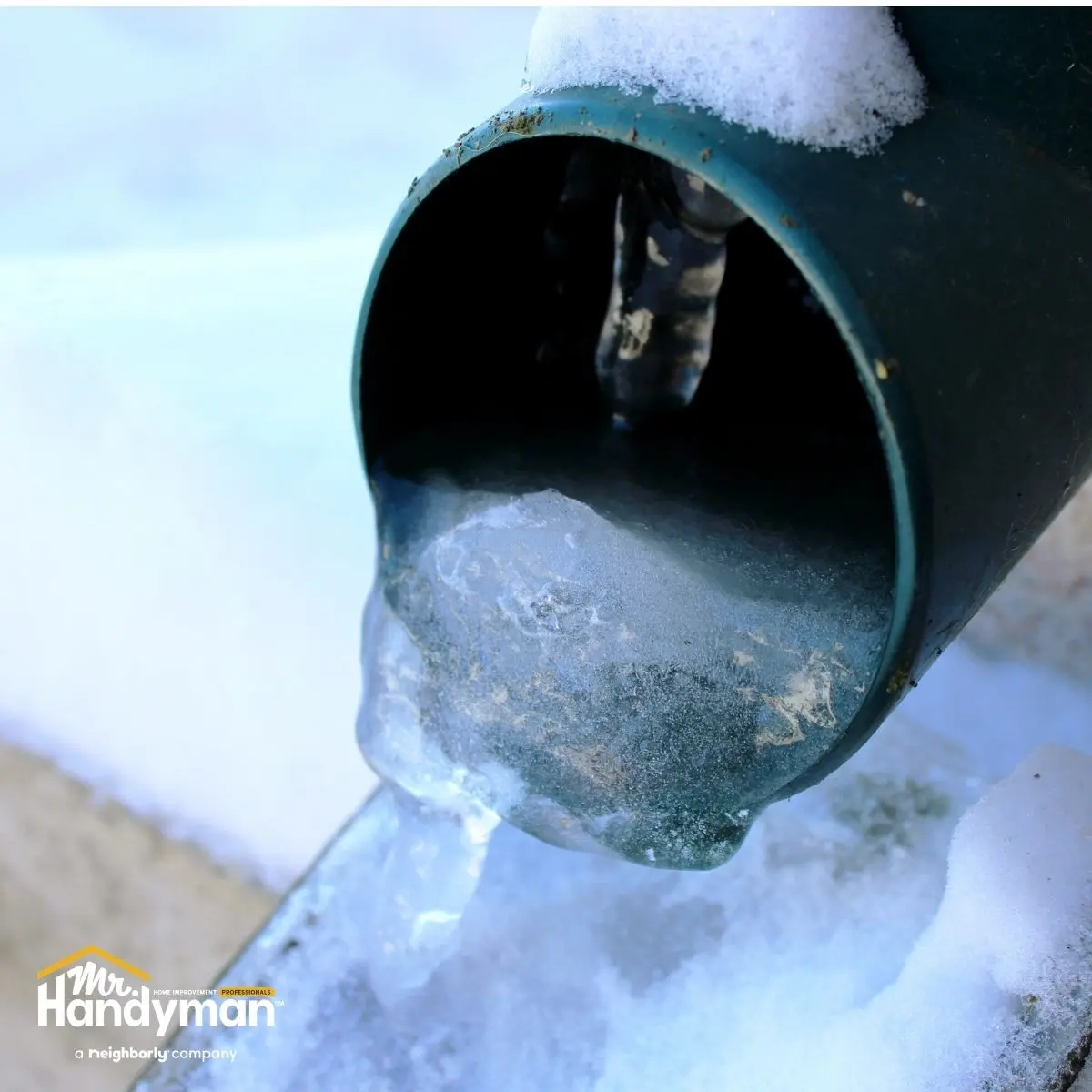
Northern Indiana's clay-heavy soils and significant annual snowmelt create foundation and masonry conditions that the region's winter specifically exacerbates.
Brick and mortar joint deterioration in older South Bend and Mishawaka homes reflects the freeze-thaw damage that masonry experiences with particular intensity in Northern Indiana's climate. Mortar joints that were showing age before winter absorbed moisture through their porous surface and then experienced the well-below-zero temperatures that Northern Indiana delivers during cold snaps. At those temperatures, the expansion of freezing water within mortar joints exceeds what moderate-climate freeze-thaw cycling produces, advancing the crumbling and recession of mortar that tuckpointing addresses before the joint failure allows water to infiltrate freely behind the brick face.
Concrete cracking in driveways, walkways, steps, and patios reflects the freeze-thaw mechanism applied to a rigid material that Northern Indiana's winters test more aggressively than moderate climates. Concrete that already had surface cracking before winter used those cracks as water infiltration pathways through wet winter periods. The water that entered froze at Northern Indiana's genuine cold temperatures, expanding the crack width more significantly than moderate-climate freeze-thaw cycling produces, and thawed to allow more water in for the next freeze. Post-winter concrete crack assessment in Northern Indiana typically finds cracks meaningfully wider than they were in fall.
Foundation crack assessment after a Northern Indiana winter evaluates the conditions that snowmelt hydrostatic pressure and freeze-thaw cycling specifically produce in this region's foundation assemblies. The volume of water that significant Northern Indiana snowpack releases during spring warming creates hydrostatic pressure against foundation walls that moderate-climate spring conditions do not deliver at the same level. New cracks or widened existing cracks in foundation walls after a Northern Indiana winter warrant professional evaluation rather than continued monitoring.
Roof Repairs That Cannot Wait
Roof damage that developed through a Northern Indiana winter does not stabilize waiting for a convenient repair schedule. It develops with every spring rain event that follows the winter's compromise.
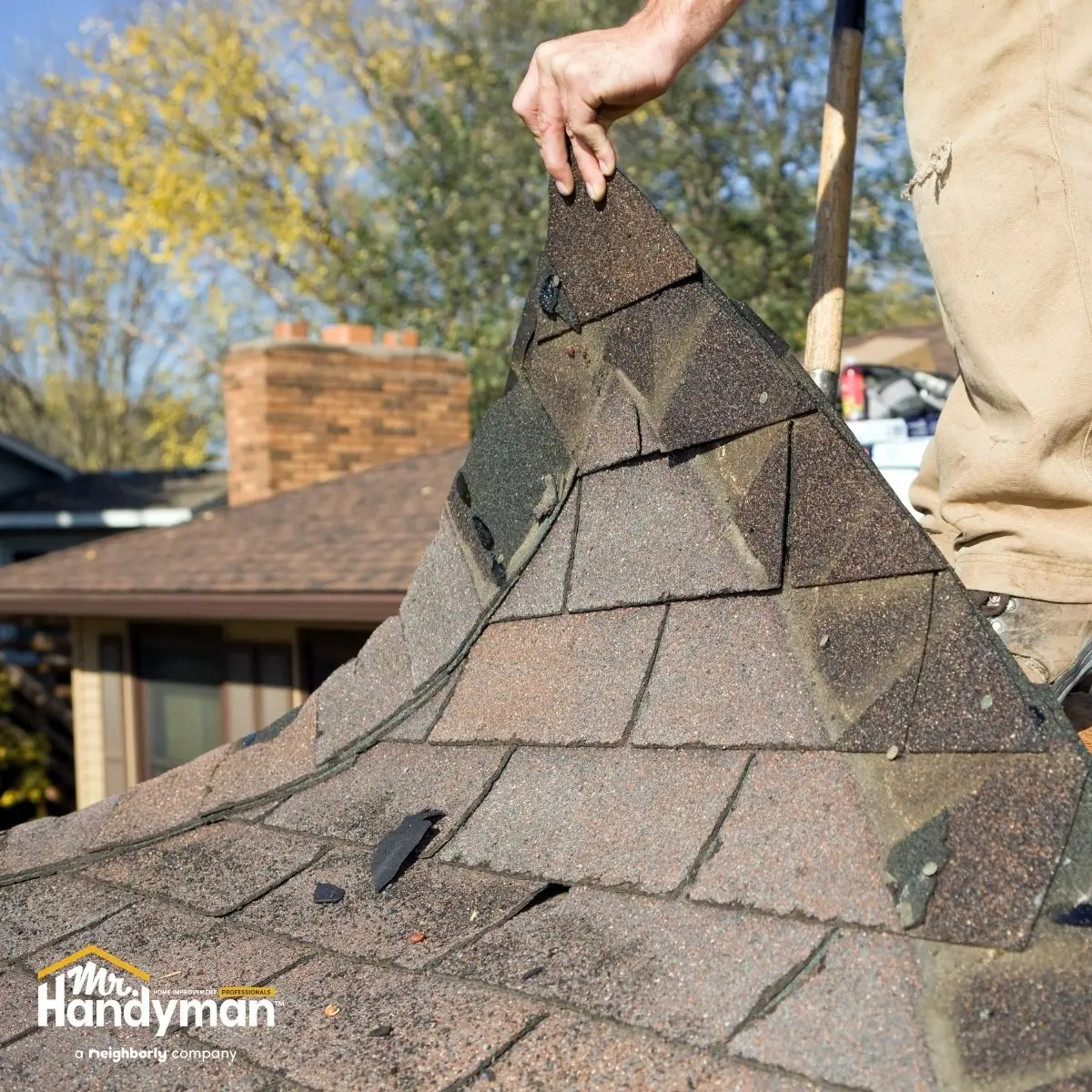
Shingle damage from ice dam formation, wind events during Northern Indiana winter storms, and freeze-thaw cycling presents repair needs whose spring urgency reflects the heavy rain season that follows Northern Indiana's winters without the extended dry interval that more moderate climates sometimes provide between winter and spring rain activity.
Flashing repairs at chimney bases, pipe penetrations, and roof-to-wall transitions represent the post-winter roof repair category with the highest consequence-to-visibility ratio in Northern Indiana homes. Flashing that separated from masonry or roofing surfaces through thermal movement during a Northern Indiana winter is actively directing spring rain into wall assemblies with every precipitation event.
Interior Repairs That Post-Winter Conditions Reveal
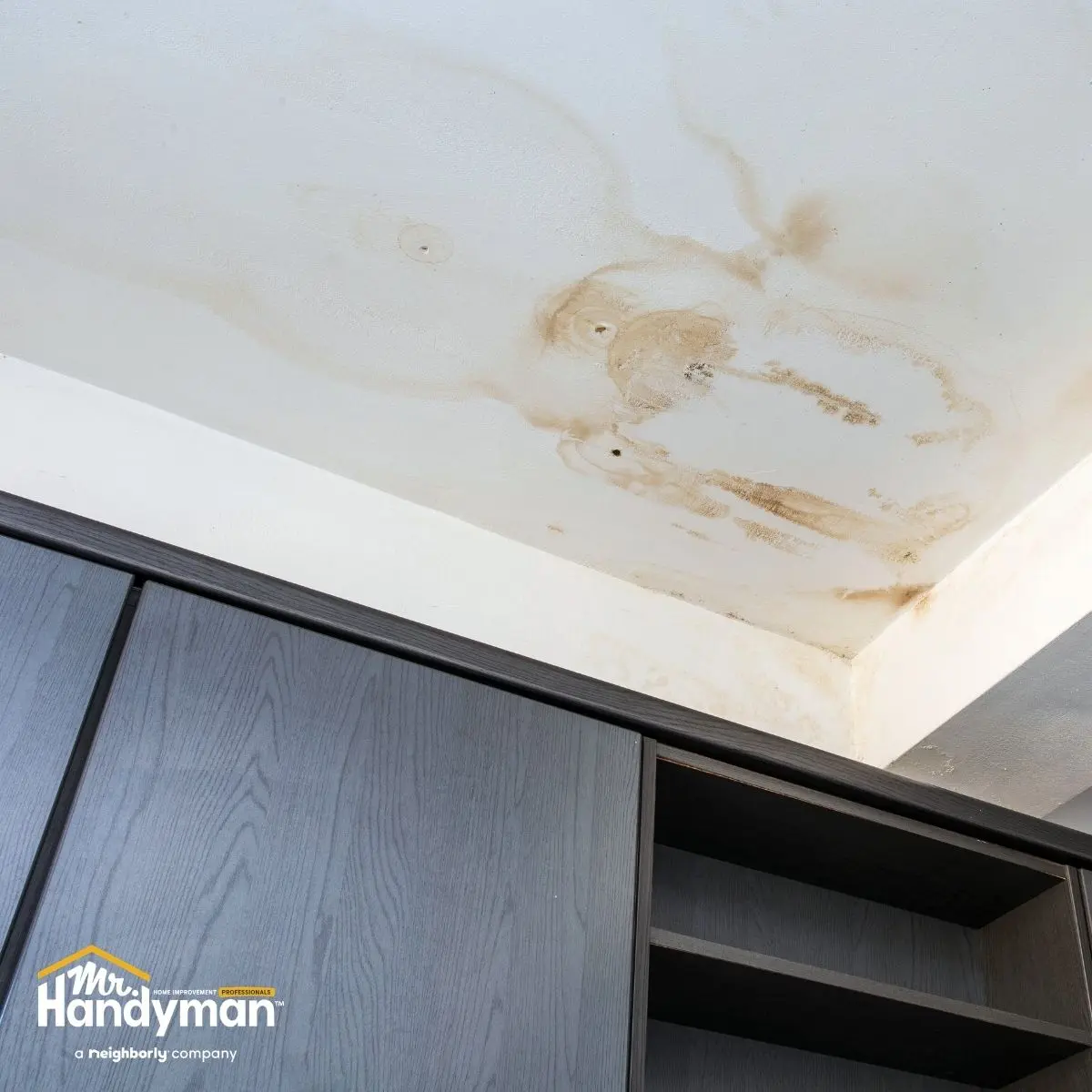
The interior of a Northern Indiana home does not experience winter stress in isolation from what happens to the building envelope surrounding it. Water that found its way through compromised exterior surfaces, moisture that migrated through foundation walls during snowmelt, and the humidity fluctuations that heating systems running continuously through extended cold months produce all leave evidence inside the home that spring inspection surfaces in predictable categories.
Ceiling and wall staining that appeared over winter traces to exterior sources that cosmetic repair without source resolution will not permanently address. A ceiling stain that developed during winter in a room directly beneath an attic space in a Northern Indiana home points first to ice dam intrusion rather than the roof leak that warmer-climate inspection would prioritize. A wall stain along an exterior wall that appeared during a period of wind-driven winter precipitation points to caulking or siding failure at the exterior surface. Identifying the source before addressing the interior symptom is the discipline that distinguishes a repair that holds from one that reappears with the next weather event.
Paint failure on interior surfaces near exterior walls, windows, and doors reflects the moisture infiltration that Northern Indiana's compromised building envelope allowed to reach interior finishes through a demanding winter. Bubbling paint on an interior wall surface adjacent to a window that lost its exterior caulk seal over winter is responding to moisture that entered the wall cavity from outside. The paint failure is the visible symptom. The caulk failure is the repair. In older South Bend and Mishawaka homes where original plaster walls are present, moisture-driven paint failure is particularly visible because plaster absorbs moisture at its surface and releases it through the paint film in ways that communicate the moisture pathway clearly to an attentive inspector.
Door and window function changes that developed through winter reflect the wood movement and structural changes that Northern Indiana's thermal cycling produces in frame assemblies. Some of these changes resolve as the home warms and dries through spring. Others represent permanent dimensional changes from moisture damage that require frame adjustment, weatherstripping replacement, or more substantive repair depending on the extent of the damage that drove them.
Driveway and Walkway Repairs
Concrete and asphalt surfaces around Northern Indiana homes arrive at spring with a specific inventory of winter damage that the region's freeze-thaw cycling and deicing product exposure produce in ways that moderate-climate pavement damage does not fully replicate.
Concrete driveway and walkway crack repair is a post-winter priority in Northern Indiana homes because the freeze-thaw mechanism that created those cracks is still active in spring's temperature variation. A concrete crack that was opened by Northern Indiana's winter freeze-thaw cycling is a water infiltration channel that will continue expanding with each subsequent wet season cycle until sealed. The repair cost at this stage is a fraction of what slab replacement costs when cracking has progressed to structural failure through deferred intervention across multiple Northern Indiana winters.
Deicing product damage on concrete surfaces is a Northern Indiana-specific post-winter assessment item that moderate-climate maintenance guidance does not address with the same emphasis. The chloride compounds in the deicing products applied to Northern Indiana driveways, walkways, and steps through a long winter season penetrate concrete surfaces and accelerate the deterioration of the paste matrix that binds the concrete aggregate. Concrete that shows surface scaling, where the top layer has detached in irregular patches, has experienced the deicing chemical damage that sealant application and surface treatment addresses before another winter adds to the exposed surface's vulnerability.
Asphalt driveway condition in Northern Indiana homes after winter reflects the compounded effect of freeze-thaw cycling and deicing product exposure in a flexible material that fails differently than concrete. Crack sealing in spring, before the rain season saturates a base that winter cracking has made vulnerable, is the intervention that prevents the progression from surface cracking to the base failure and pothole formation that Northern Indiana winters advance more rapidly than moderate climates.
Crawl Space and Basement Post-Winter Repairs
Below-grade spaces in Northern Indiana homes concentrate the post-winter repair needs that the region's significant snowmelt and ground moisture conditions produce in the building components most directly exposed to those forces.
Vapor barrier damage in crawl spaces is a post-winter repair need whose Northern Indiana-specific urgency reflects the volume of moisture that the region's snowmelt season introduces to below-grade environments. A vapor barrier disturbed by the pest activity that Northern Indiana cold drives beneath homes seeking warmth, by the water movement that significant snowmelt produces in crawl spaces with marginal drainage, or by the settling that temperature extremes cause in the materials anchoring barrier edges all requires repair before Northern Indiana's summer humidity adds its moisture load to a space whose primary moisture management layer has been compromised.
Basement water intrusion evidence that Northern Indiana's snowmelt season produced, including water staining at the floor-wall joint, efflorescence on foundation walls, and any soft or deteriorated material adjacent to foundation penetrations, identifies moisture management failures whose spring visibility represents the best opportunity to assess them accurately. Northern Indiana's snowmelt season creates the highest hydrostatic pressure event of the year against residential foundations, and the evidence that pressure produces in basement spaces is most clearly observable during and immediately after that seasonal peak.
Frequently Asked Questions
How do I know if post-winter damage in my Northern Indiana home is cosmetic or structural? Cosmetic damage affects appearance without compromising structural integrity or weather resistance. Structural or envelope damage affects the home's ability to keep water out, bear loads, or maintain the conditions that protect its interior. In Northern Indiana's specific context, any damage that involves foundation components, roof structure affected by ice dam intrusion, floor framing in crawl spaces with moisture exposure, or exterior envelope integrity deserves professional evaluation rather than a judgment made without the access and expertise to assess the underlying condition accurately.
Should I address all post-winter repairs before summer or can some wait until fall? Repairs that affect the building envelope should be addressed before Northern Indiana's spring rain season tests them further. Deferred repairs in Northern Indiana carry a specific additional risk that moderate-climate deferrals do not: the next Northern Indiana winter will advance whatever the current season left unaddressed more aggressively than a moderate winter would, making fall the wrong deferral endpoint for conditions that another demanding winter will worsen significantly.
How do I find a contractor for multiple post-winter repairs without managing several trades? A capable residential handyman service covering general carpentry, exterior repairs, caulking, painting, and interior repairs addresses the majority of post-winter repair categories that Northern Indiana homes require without the coordination overhead of managing multiple specialist trades. Roofing, foundation waterproofing, and HVAC service warrant specialist contractors with the specific licensing and equipment those scopes require.
Is post-winter repair covered by homeowner's insurance in Northern Indiana? Coverage depends on cause and policy language. Sudden and accidental damage from specific winter weather events, wind damage to roofing, ice dam damage to gutters, is typically covered. Damage resulting from gradual deterioration through repeated freeze-thaw cycling is typically treated as a maintenance issue. Northern Indiana homeowners should document the specific weather events that contributed to damage to support claims involving winter storm activity.
What prevents the same post-winter repairs from recurring every year? Recurring post-winter repairs in Northern Indiana homes typically trace to underlying conditions that a single repair cycle addresses at the surface without resolving the root cause. Exterior caulking that fails every winter may be failing because the substrate it bonds to is absorbing and releasing moisture in a cycle that Northern Indiana's seasonal extremes drive more aggressively than any surface caulk can accommodate indefinitely. Addressing the underlying moisture management condition rather than repeating the surface repair produces more durable results across Northern Indiana's demanding seasonal cycle.
What Winter Revealed Is Fixable
The post-winter repair list that a Northern Indiana home produces each spring reflects the specific vulnerabilities the home carried into winter and the specific stress that Northern Indiana's climate applied to them. Addressing those repairs promptly and thoroughly reduces the starting point for damage accumulation that the next Northern Indiana winter will begin from, and the home that enters each winter with its envelope sound, its drainage correct, and its vulnerable components properly protected consistently comes out of winter with a shorter repair list.
The team at Mr. Handyman of Northern St. Joseph and Elkhart Counties has the experience to work through a post-winter repair assessment thoroughly and address what needs attention before another season of Northern Indiana weather adds to the account.
Website: https://www.mrhandyman.com/northern-st-joseph-elkhart-counties/
Serving homeowners throughout Northern St. Joseph and Elkhart Counties with dependable service and the expertise your home deserves.
