Grease Traps, Floor Drains, and Ice Machines: The Hidden Systems That Keep Kitchens Running focuses on the parts of a commercial kitchen that are easiest to overlook and most likely to cause serious problems when ignored. Restaurant maintenance and repairs often prioritize visible equipment like ovens, refrigeration, and prep tables, but the systems behind the scenes frequently determine whether a kitchen stays open, passes inspection, or faces an unexpected shutdown.
Restaurants operating in South Bend, Mishawaka, Elkhart, Goshen, and New Carlisle face strict health codes, heavy daily usage, and tight operating margins. In these environments, grease traps, floor drains, and ice machines are critical infrastructure. When these systems fail, the impact is immediate and often unavoidable.
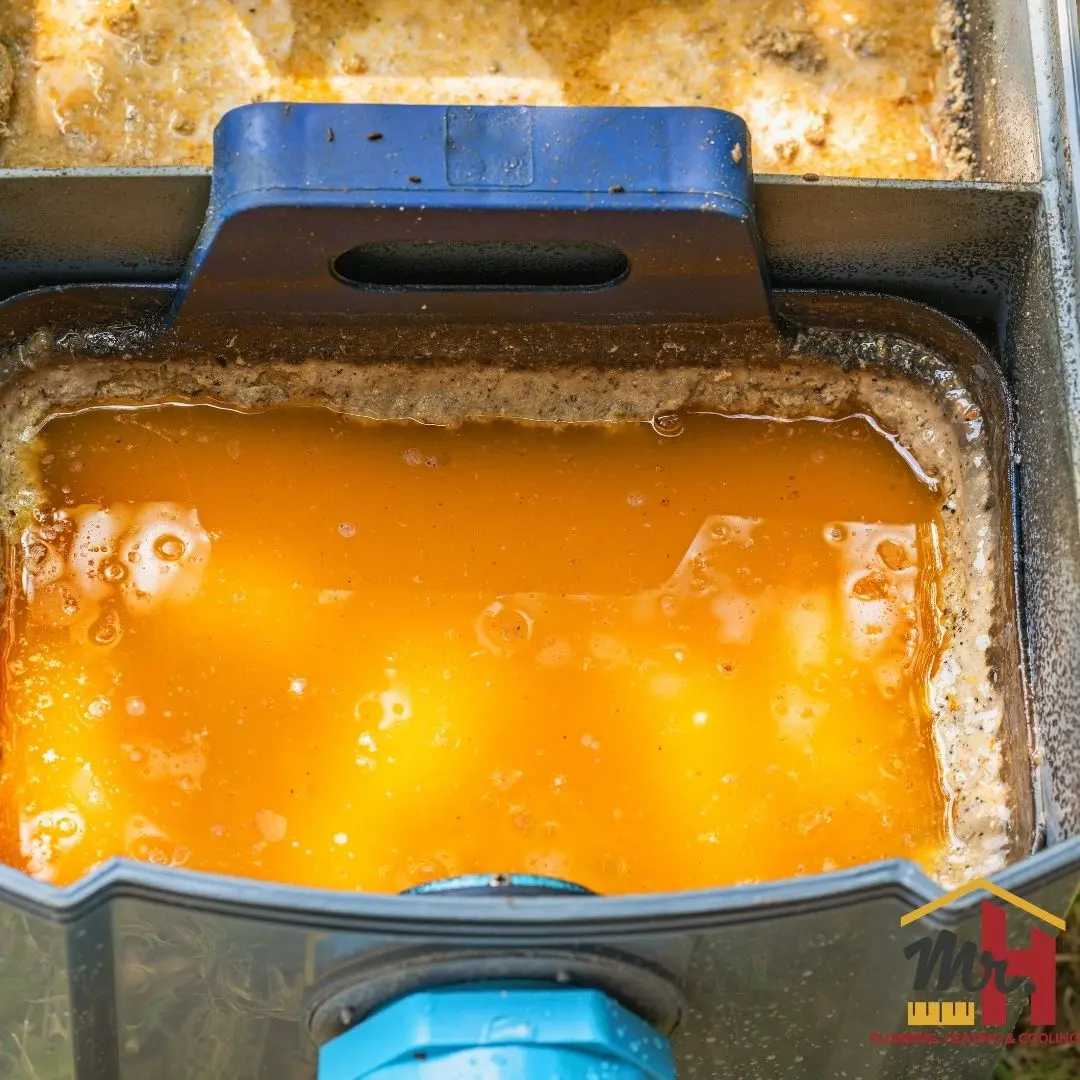
Grease trap installation and maintenance is one of the most common problem areas in restaurants. Grease traps are designed to capture fats, oils, and grease before they enter the plumbing system. When grease traps are undersized, improperly installed, or not maintained regularly, grease accumulates in pipes and causes blockages. These blockages often result in backups, foul odors, slow drainage, or wastewater overflows. Any of these conditions can trigger health violations or force a temporary closure until the issue is resolved.
Many restaurant owners underestimate how quickly grease traps fill up. Even moderate daily cooking volume produces significant grease waste. Without routine cleaning and inspection, grease traps lose effectiveness and allow grease to pass into the plumbing system. Once grease enters drain lines, it hardens and restricts flow. The resulting backups often occur during peak service hours, creating sanitation hazards that disrupt operations and frustrate staff.
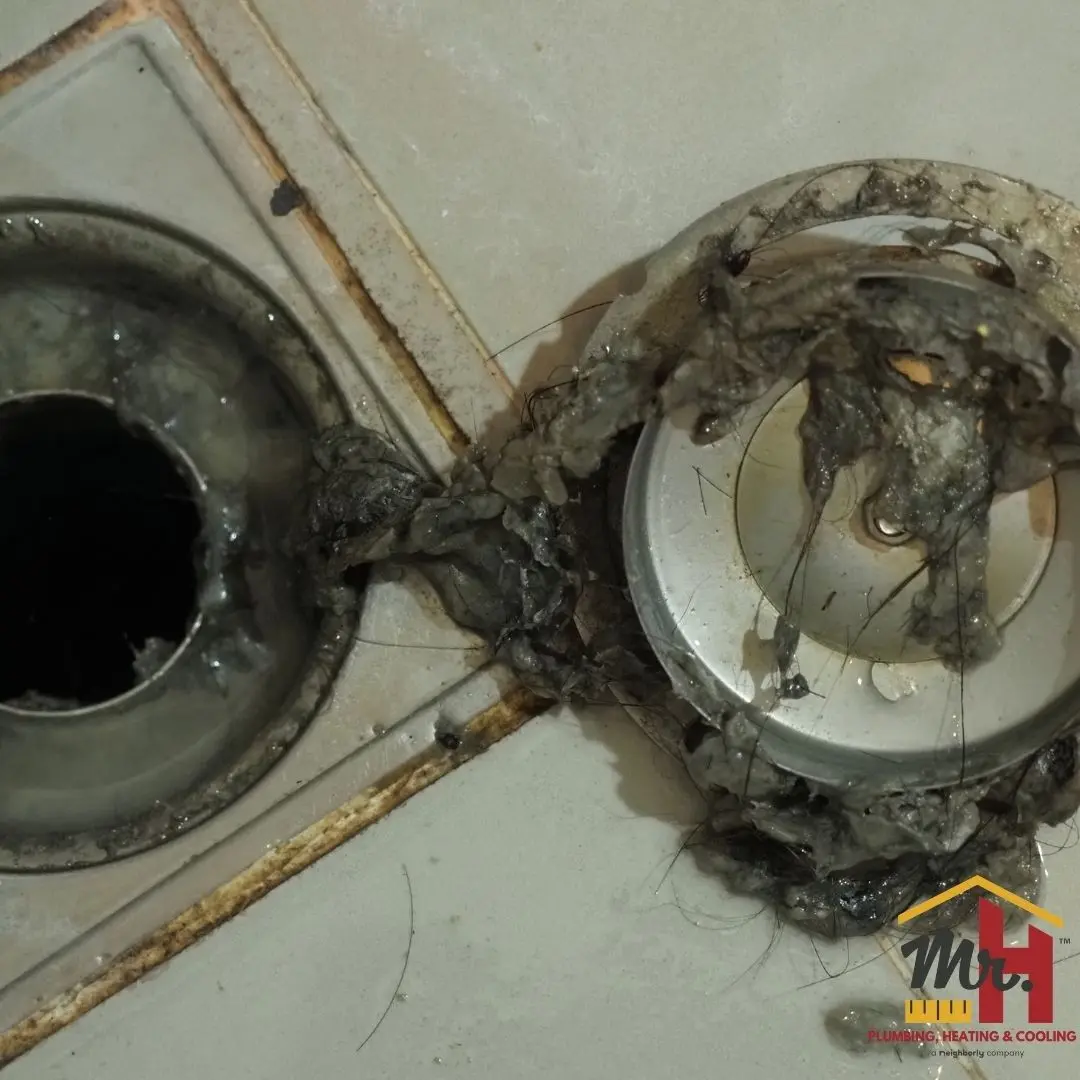
Floor drains are another hidden system that plays a major role in kitchen safety and compliance. Floor drains manage water runoff from cleaning, dishwashing, and food preparation areas. When floor drains are neglected, they become clogged with grease, food debris, and sediment. Slow drains lead to standing water, which creates slip hazards and provides an environment for bacteria growth. Persistent odors from floor drains are also a common sign of buildup and blockages below the surface.
Restaurants in older buildings often experience floor drain issues more frequently. Aging plumbing systems may have narrower pipes or existing buildup that makes them more sensitive to neglect. In areas like Osceola, Plymouth, and Granger, many commercial kitchens operate in spaces that were not originally designed for modern restaurant demands. In these settings, proactive floor drain maintenance is essential to prevent recurring issues.
Ice machines are frequently overlooked because they operate quietly and out of sight. However, ice is considered food under health codes, which makes ice machines a high risk area when maintenance is inconsistent. Scale buildup, mold growth, and water quality issues can develop inside ice machines without obvious warning signs. When discovered during an inspection, these issues can result in immediate violations and require the machine to be shut down and sanitized.
Ice machine failures also affect service quality. A malfunctioning ice machine can reduce ice production, cause ice to melt and refreeze improperly, or contaminate ice bins. These problems often surface during busy periods, placing additional stress on staff and disrupting customer experience. Regular inspection and cleaning are essential parts of restaurant maintenance and repairs, even though ice machines are not always front of mind.
The common thread among grease traps, floor drains, and ice machines is that problems develop gradually. Unlike a piece of equipment that stops working suddenly, these systems degrade over time. By the time symptoms appear, the issue is often advanced and more expensive to fix. Odors, slow drainage, backups, and sanitation violations are usually signs that maintenance has been delayed too long.
Restaurants in Bristol and La Porte face similar challenges, particularly when kitchens are busy and maintenance tasks are postponed. Ignoring these hidden systems increases the likelihood of emergency repairs, lost revenue, and compliance issues that could have been avoided with routine care.
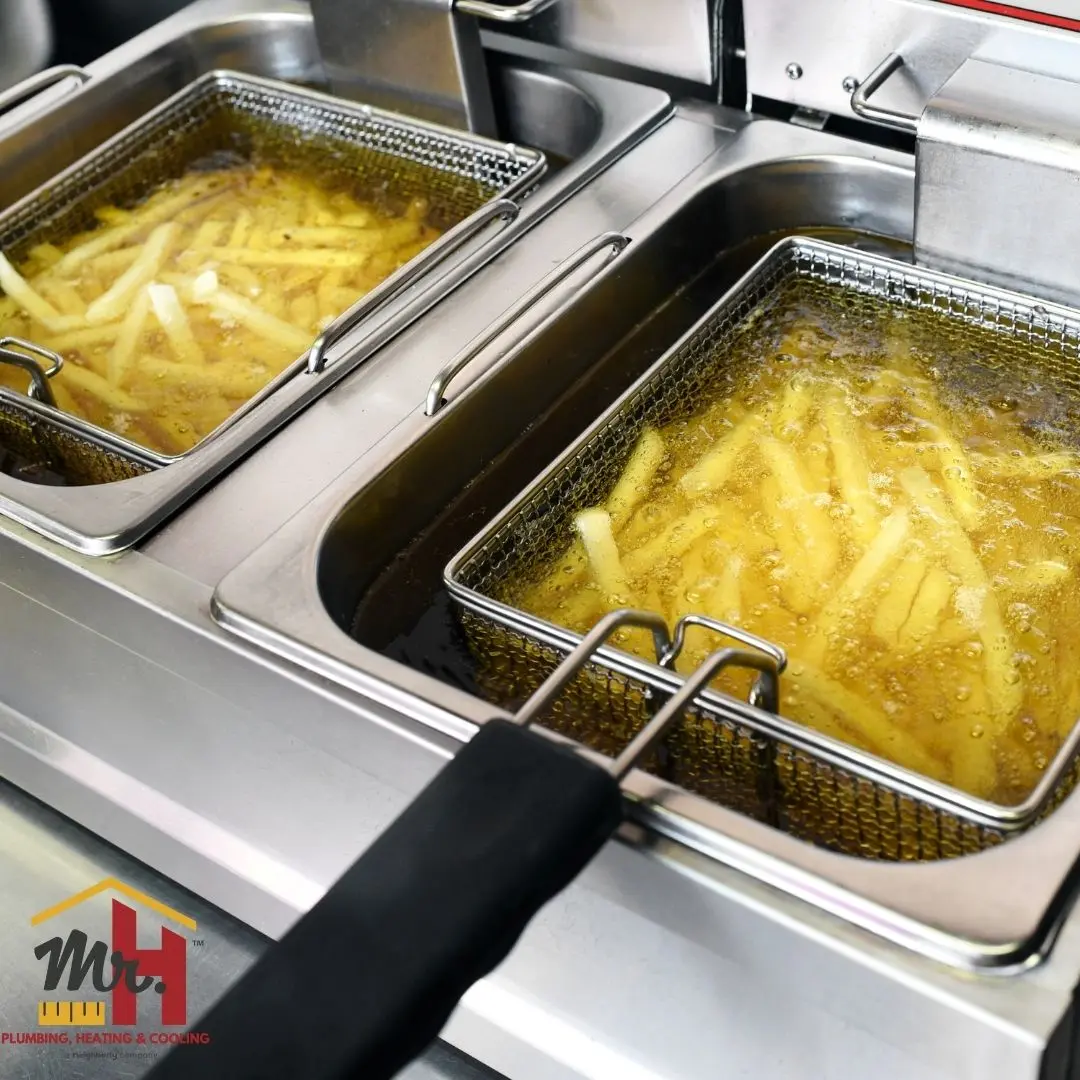
Restaurant maintenance and repairs should account for both visible equipment and the infrastructure that supports it. Grease trap install and maintenance, floor drain upkeep, and ice machine care are not optional tasks. They are essential components of a kitchen that runs safely, efficiently, and within code requirements.
Understanding the role of these hidden systems helps restaurant owners prioritize maintenance before problems escalate. When grease traps function properly, floor drains flow freely, and ice machines remain clean and reliable, kitchens operate smoothly behind the scenes. These systems may not receive daily attention, but they are often the difference between uninterrupted service and an unexpected shutdown.
How Neglected Grease Traps, Floor Drains, and Ice Machines Cause Shutdowns
Hidden kitchen systems fail differently than visible equipment. When a grill stops heating or a cooler stops cooling, the problem is obvious and action is immediate. Grease traps, floor drains, and ice machines usually fail slowly, creating conditions that lead to health violations, odor complaints, and forced shutdowns before owners realize what is happening. Understanding how these systems break down helps explain why consistent restaurant maintenance and repairs are essential.
Restaurants in South Bend, Mishawaka, Elkhart, Goshen, and New Carlisle often experience high daily volume and long operating hours. In these environments, grease traps, floor drains, and ice machines are under constant stress. Without structured maintenance, problems compound quickly.
Grease Trap Failures and Their Impact
Grease traps are designed to separate fats, oils, and grease from wastewater before it enters the plumbing system. When grease trap install or maintenance is done incorrectly, grease bypasses the trap and builds up in drain lines. Over time, this buildup restricts flow and causes wastewater to back up into sinks, floor drains, or prep areas.
One of the most common causes of grease trap failure is infrequent cleaning. As grease accumulates, the trap loses capacity and effectiveness. Many kitchens do not realize there is a problem until odors become noticeable or drainage slows. At that point, grease has often already moved beyond the trap, creating more extensive plumbing issues.
Grease-related backups are a major sanitation concern. Standing wastewater in food preparation areas can lead to immediate health code violations. In severe cases, restaurants may be required to close until the issue is resolved and the area is sanitized. These shutdowns often happen during peak business hours, resulting in lost revenue and reputational damage.
Floor Drain Problems That Escalate Quickly
Floor drains handle water from cleaning, spills, dishwashing, and equipment discharge. When floor drains are neglected, grease and food debris accumulate below the surface. Early signs include slow drainage and recurring odors. If these signs are ignored, drains can overflow, causing water to spread across kitchen floors.
Standing water creates multiple risks. Slip hazards increase the likelihood of staff injuries. Moist environments support bacterial growth and attract pests. Health inspectors often view poor floor drainage as an indicator of inadequate sanitation practices.
Restaurants in Osceola, Plymouth, and Granger operating in older facilities may face additional challenges. Aging pipes and outdated drainage layouts make floor drains more susceptible to clogging. Without proactive maintenance, these issues become recurring emergencies rather than isolated incidents.
Ice Machines and Health Code Exposure
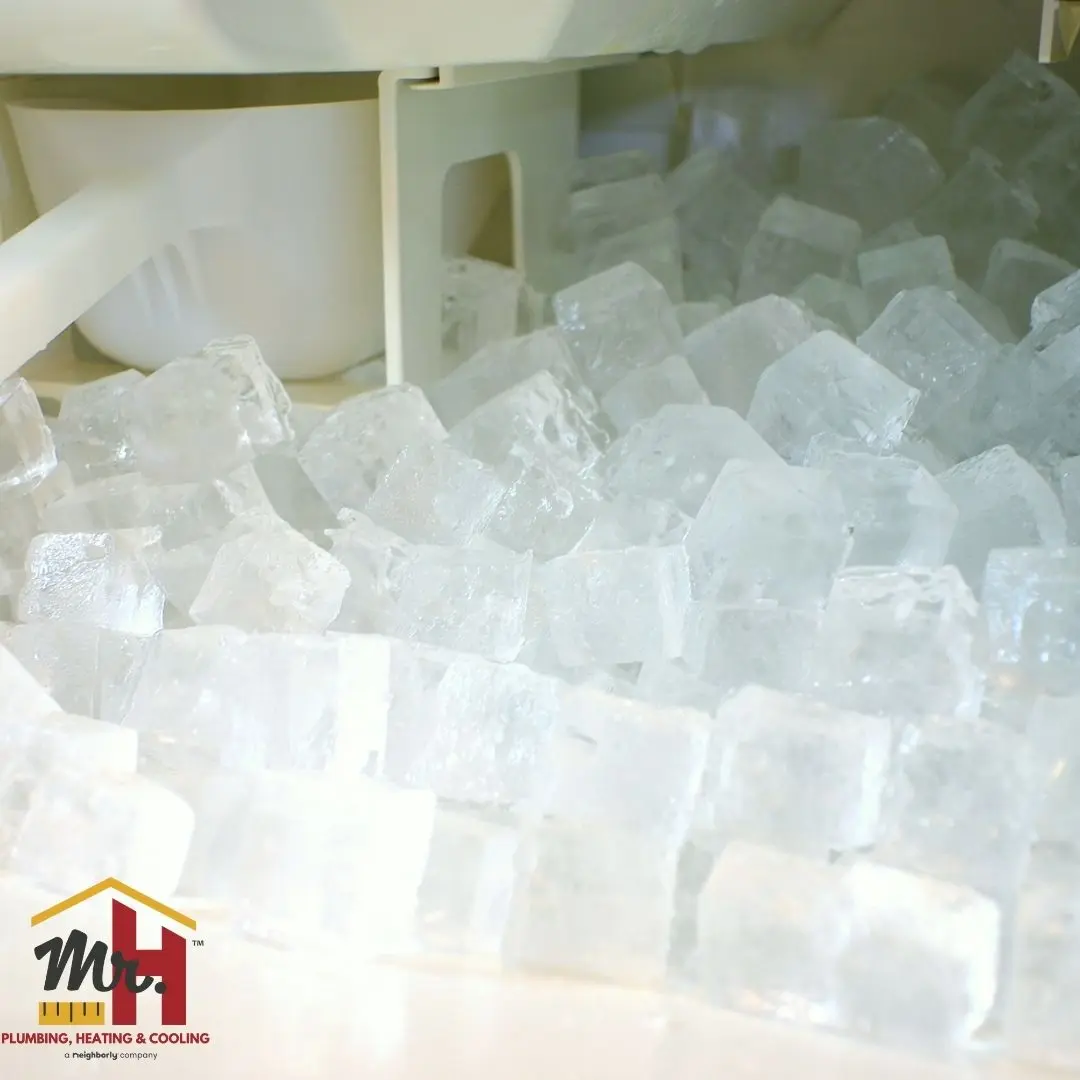
Ice machines present a unique risk because ice is considered food. Mold, scale, and bacteria can develop inside machines when cleaning schedules are inconsistent. These issues are often discovered during inspections or after customer complaints.
A neglected ice machine can produce ice that is unsafe for consumption. Health inspectors may require immediate shutdown and sanitation of the machine, which disrupts service and places additional strain on staff. During busy periods, the loss of ice can affect beverage service, food preparation, and overall customer experience.
Ice machines can also fail mechanically when scale buildup restricts water flow or interferes with sensors. These failures often occur gradually, leading to reduced ice production before a complete shutdown. Without routine inspection, owners may not notice the problem until service is already impacted.
Why These Issues Lead to Forced Closures
Grease traps, floor drains, and ice machines are directly tied to sanitation and safety. When they fail, the consequences extend beyond inconvenience. Health departments may issue violations or mandate closures until conditions are corrected. In many cases, these closures could have been avoided with routine restaurant maintenance and repairs.
Restaurants in Bristol and La Porte face similar risks, especially during busy seasons when maintenance is deferred. Emergency repairs are often more expensive and disruptive than scheduled service.
By understanding how neglected grease traps, floor drains, and ice machines cause cascading problems, restaurant owners can better prioritize these hidden systems. Consistent maintenance reduces odors, prevents backups, protects food safety, and helps kitchens remain open and compliant.
Building a Preventive Maintenance Strategy Around Hidden Kitchen Systems
Grease traps, floor drains, and ice machines rarely receive attention until something goes wrong, yet these systems are some of the most influential when it comes to keeping a restaurant operational. A long-term strategy for restaurant maintenance and repairs must treat these components as critical infrastructure, not background utilities. When managed proactively, they protect food safety, reduce emergency costs, and support consistent compliance with health regulations.
Restaurants in South Bend, Mishawaka, Elkhart, Goshen, and New Carlisle operate in environments where inspections, customer volume, and tight margins leave little room for error. In these settings, a single plumbing backup or sanitation violation can derail operations for days. A preventive approach shifts maintenance from reactive problem solving to controlled risk management.
Grease trap install and maintenance should be planned based on kitchen volume, menu type, and local code requirements. Traps that are properly sized and maintained on a regular schedule reduce grease accumulation in drain lines and help prevent backups. Documented grease trap service also demonstrates compliance during inspections and reduces the likelihood of enforcement actions. Restaurants that rely on emergency grease trap service often face higher costs and longer downtime compared to those with routine maintenance plans.
Floor drains benefit from the same structured approach. Instead of waiting for slow drainage or odors to appear, regular inspection and cleaning keeps drains flowing freely. This reduces slip hazards, improves sanitation, and minimizes the risk of wastewater exposure in food preparation areas. Preventive floor drain maintenance also protects surrounding equipment and flooring from water damage that can be costly to repair.
Ice machines require a combination of daily awareness and scheduled professional care. While staff can monitor ice quality and cleanliness, deeper inspections and cleaning are best handled through routine service. This approach reduces the risk of mold, scale buildup, and contamination that can lead to violations. It also helps ensure consistent ice production, which supports service quality during peak periods.
Restaurants in Osceola, Plymouth, and Granger often operate in older buildings where plumbing and water systems are less forgiving. In these locations, hidden system failures can escalate quickly. A preventive maintenance strategy accounts for these limitations and reduces the likelihood of recurring issues caused by aging infrastructure.
One of the most valuable outcomes of proactive maintenance is predictability. Emergency repairs often occur during peak hours, require immediate decisions, and disrupt service. Preventive maintenance allows owners to schedule service during slower periods, control costs, and avoid unexpected shutdowns. Over time, this stability improves both financial planning and staff morale.
Documentation is another critical element of a long-term strategy. Maintaining records of grease trap cleanings, floor drain inspections, and ice machine service provides proof of due diligence. These records are valuable during inspections and help identify patterns that indicate when systems need adjustment or replacement. Documentation also supports smoother communication with service providers, since historical data helps diagnose issues more accurately.
Restaurants in Bristol and La Porte that experience seasonal volume changes benefit especially from this approach. Higher traffic periods place additional strain on grease traps, drains, and ice machines. Preventive service completed ahead of busy seasons reduces the likelihood of failures when demand is highest.
Ultimately, grease traps, floor drains, and ice machines are not optional systems. They directly affect sanitation, safety, and compliance. Restaurants that integrate these systems into their overall maintenance strategy experience fewer emergencies, stronger inspection outcomes, and more reliable daily operations.
Professional support strengthens this strategy. While staff can handle routine checks, having a trusted provider for restaurant maintenance and repairs ensures that installations, cleanings, and repairs are completed correctly. Expert service helps address issues before they become violations and keeps kitchens operating within code requirements.
For restaurant owners who want to protect their business from preventable shutdowns and costly emergencies, partnering with an experienced provider matters. Mr.H Heating and Cooling, a company within Mr. Handyman of Northern St. Joseph and Elkhart Counties, provides professional grease trap install and maintenance, floor drain service, ice machine support, and commercial kitchen repairs designed to keep operations running smoothly.
To schedule service or learn more about restaurant maintenance and repairs, visit https://www.mrhandyman.com/northern-st-joseph-elkhart-counties/handyman-services/other/hvac/ or call to speak with a knowledgeable professional.
By prioritizing the hidden systems that support daily operations, restaurant owners can reduce risk, improve compliance, and keep their kitchens running without interruption.
