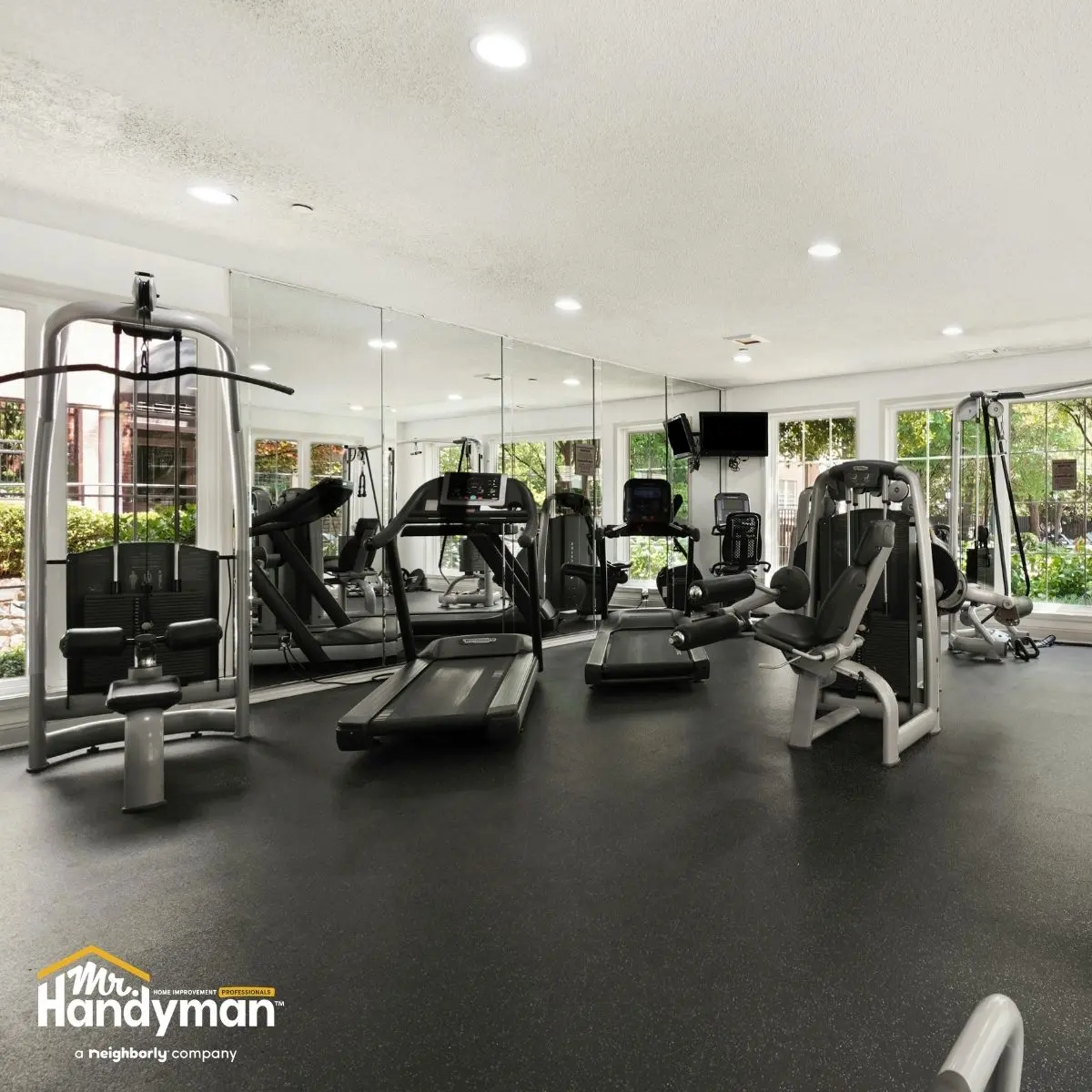
Gyms and fitness facilities operate on trust. Members pay monthly fees expecting a safe, functional environment where equipment works correctly every time they use it. When a treadmill belt slips, a cable snaps on a weight machine, or a bench wobbles under load, that trust breaks immediately. Injuries follow. Liability increases. Members cancel memberships and tell others about their experience. The chain reaction that starts with poorly assembled or inadequately maintained equipment extends far beyond a single incident and affects every aspect of how a facility operates and retains members.
Fitness facilities in Easton, Bethlehem, Nazareth, and Allentown range from large commercial gyms to smaller boutique studios, corporate wellness centers, hotel fitness rooms, and school athletic facilities. Regardless of size or type, every facility faces the same fundamental challenge—equipment that receives heavy daily use from multiple users of varying sizes, strengths, and experience levels deteriorates faster than equipment in residential settings. A treadmill in a home gym might run two hours per day. The same model in a commercial facility runs twelve to sixteen hours. Bolts loosen, belts wear, cables fray, and lubricants break down at rates that require professional attention on regular schedules rather than occasional reactive fixes.
The consequences of neglecting professional assembly and maintenance extend beyond safety. Members notice equipment condition immediately. Machines that squeak, wobble, stick, or display error messages signal that management doesn't prioritize the member experience. In competitive fitness markets where members have multiple options, equipment condition directly influences whether they renew or look elsewhere. Facilities that invest in professional assembly and consistent maintenance retain members longer, generate better reviews, and avoid the liability exposure that comes with equipment failures.
Why Professional Assembly Matters From Day One
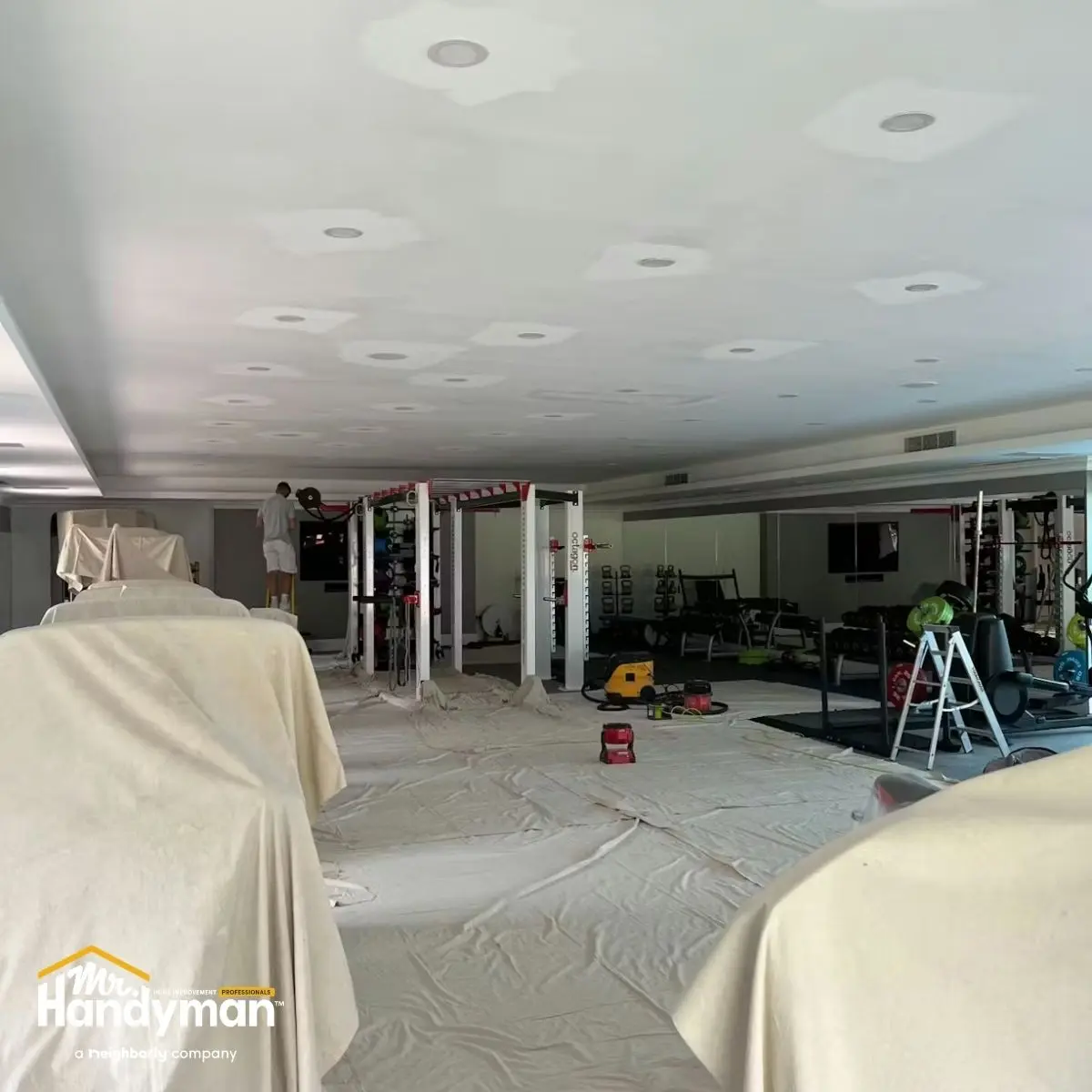
Equipment that arrives from manufacturers in boxes contains dozens of components that must be assembled correctly to function safely. Assembly instructions vary in quality, and even experienced staff members who follow instructions carefully can make errors that aren't immediately apparent but compromise safety over time.
Incorrect bolt torque is one of the most common assembly errors. Bolts that aren't tightened to manufacturer specifications loosen under vibration and load cycles. A bench press that feels solid during assembly may develop dangerous wobble after several hundred uses because mounting bolts weren't torqued correctly. Professional assemblers understand torque specifications and use appropriate tools to achieve them. They also know which connections are load-bearing and require the most attention.
Frame alignment during assembly determines how equipment distributes weight and stress throughout its operational life. Uprights that are slightly out of plumb, weight stacks that aren't perfectly vertical, or cable pulleys that aren't properly aligned create uneven wear patterns that accelerate component failure. These alignment issues aren't visible to casual inspection but reveal themselves through premature part failures and unusual wear patterns that require expensive repairs.
Cable routing on multi-station machines and cable crossover units requires precise threading through pulleys, guides, and attachment points. Incorrectly routed cables bind under load, wear unevenly, and snap without warning. A cable failure during heavy use sends weight stacks crashing and creates serious injury risk. Professional assembly ensures cables are routed exactly as designed, tensioned correctly, and terminated with appropriate hardware.
Cardio equipment including treadmills, ellipticals, and stationary bikes contains electronic components that must be connected and calibrated during assembly. Improper electrical connections create intermittent malfunctions that are difficult to diagnose and can damage control boards. Drive belts and deck surfaces on treadmills need precise alignment and tension for safe, smooth operation. Professionals calibrate these systems during assembly and verify operation before equipment is placed in service.
Upholstered components including benches, seats, and back pads must be mounted with appropriate hardware that distributes load across attachment points. Single-bolt attachments on heavily loaded pads fail under repeated stress. Professional assembly identifies these weak points and reinforces them during initial setup rather than after failures occur.
The Hidden Costs of Improper Assembly
Facilities that use untrained staff or general contractors for equipment assembly often discover that initial savings create larger costs later. Equipment that's assembled incorrectly wears faster, requires more frequent repairs, and fails sooner than properly assembled equipment. Manufacturer warranties often require professional assembly—facilities that bypass this requirement void coverage and absorb repair costs that would otherwise be covered.
Member injuries from improperly assembled equipment create liability exposure that far exceeds assembly costs. A single injury claim involving a piece of equipment with documented assembly errors exposes facilities to lawsuits, settlement costs, increased insurance premiums, and reputational damage. Documentation showing professional assembly and regular maintenance creates a defensible record that reduces liability exposure and demonstrates due diligence.
Staff time spent troubleshooting equipment that was assembled incorrectly diverts resources from member service. Managers who spend hours dealing with equipment complaints, calling technicians, and coordinating repairs aren't managing their facilities effectively. Professional assembly reduces the frequency of these problems and frees staff to focus on the member experience.
Equipment that requires frequent repairs due to assembly errors develops a reputation among members as unreliable. Even if individual repairs are completed quickly, members who encounter out-of-service equipment repeatedly lose confidence in facility management. Perception of poor equipment reliability influences renewal decisions even when members can't directly connect the issue to assembly quality.
Maintenance Schedules That Prevent Failures
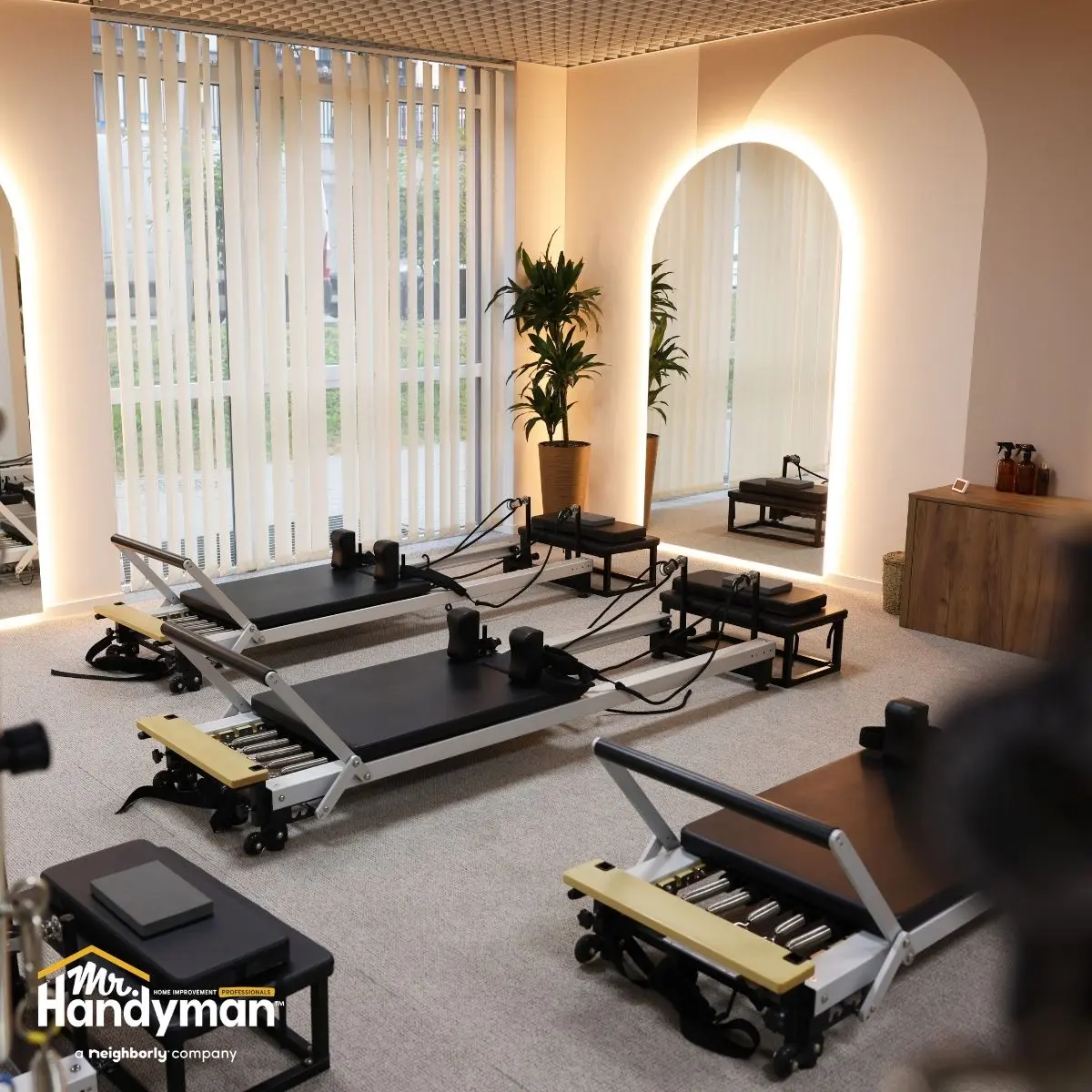
Professional maintenance follows manufacturer-recommended schedules that address lubrication, tension adjustment, wear component replacement, and safety inspections at intervals calibrated to commercial use. These schedules differ significantly from residential maintenance because commercial equipment experiences exponentially more use cycles.
Treadmill maintenance includes deck and belt lubrication, belt tension and alignment adjustment, drive belt inspection, motor brush replacement, and console calibration. Treadmill decks wear from constant foot strike and require lubrication every three to six months in commercial settings. Belts that aren't centered and properly tensioned develop uneven wear and create safety hazards. Drive belts that show cracking or fraying need replacement before they fail completely during use.
Strength equipment maintenance covers cable and belt inspection, pulley cleaning and lubrication, upholstery inspection, frame bolt tightening, and weight stack guide rod maintenance. Cables develop internal fraying that isn't visible from outside but reduces breaking strength significantly. Professional inspection includes bending cables at stress points to check for internal wire breaks. Guide rods on weight stacks require lubrication to prevent binding that strains cables and creates jerky movement.
Cardio equipment including ellipticals, stationary bikes, and rowing machines requires pedal and crank arm inspection, resistance mechanism servicing, console battery replacement, and frame connection tightening. Pivot points on ellipticals and bikes develop play from repeated use. Excessive movement at these points accelerates wear and creates noise that members notice and complain about.
Free weight areas need regular inspection of barbell collars, dumbbell head connections, and weight tree stability. Dumbbells with loose heads create serious injury risks when weights separate during use. Barbell collars that don't lock securely allow plates to slide during lifts. These inspections require removing and testing individual pieces rather than visual inspection alone.
Creating a Maintenance Program That Protects Your Facility
Effective maintenance programs combine scheduled preventative work with responsive repairs and documented inspection records. Facilities that operate without formal maintenance programs rely on members to report problems, which means equipment often operates in degraded condition for extended periods before anyone acts. By the time a member reports a squeaking treadmill or a wobbly bench, the underlying issue has been developing for weeks and may have already caused damage that increases repair costs.
Preventative maintenance schedules should be based on manufacturer recommendations adjusted for actual usage levels. Equipment in high-traffic facilities needs more frequent attention than manufacturer intervals suggest because those intervals are often based on average residential or light commercial use. A treadmill manufacturer may recommend lubrication every 150 hours of use. A facility where that treadmill runs ten hours per day reaches that interval in two weeks, not months. Tracking actual usage hours rather than calendar time creates more accurate maintenance triggers.
Written maintenance logs document every service performed on each piece of equipment. Logs should include the date, technician name, work performed, parts replaced, and condition observations. This documentation serves multiple purposes—it creates accountability for maintenance completion, identifies equipment that requires more frequent service, provides evidence of due diligence in liability situations, and helps predict when equipment nears end of life. Digital maintenance tracking systems simplify logging and generate reminders when service intervals approach.
Inspection checklists for each equipment type standardize what gets checked during each visit. Without checklists, technicians may focus on obvious issues and overlook components that haven't failed yet but show early warning signs. Checklists developed from manufacturer service manuals and industry standards ensure comprehensive inspection coverage regardless of which technician performs the work.
Emergency repair protocols define how facilities respond when equipment fails unexpectedly. Clear protocols that immediately take failed equipment out of service, post appropriate signage, and initiate repair requests prevent members from using damaged equipment while waiting for repairs. Facilities without clear protocols often leave damaged equipment in service too long because no one takes ownership of the decision to remove it.
Seasonal maintenance reviews assess overall equipment condition and plan capital expenditures for replacement. Equipment that requires increasingly frequent repairs, shows structural fatigue, or has exceeded its design life should be scheduled for replacement rather than continued repair. Understanding when repair costs exceed replacement value requires tracking cumulative repair expenses against equipment age and condition.
Member Experience and Retention Impact
.webp)
Equipment condition directly influences how members perceive their gym experience and whether they renew. Members don't always articulate equipment issues as the reason they cancel, but research consistently shows that equipment quality and reliability rank among the top factors in membership satisfaction. Members who encounter out-of-service equipment, machines that malfunction mid-workout, or facilities where multiple pieces are in disrepair develop negative perceptions that persist and influence their decisions.
First impressions during trial periods and new member onboarding are particularly important. Prospective members touring facilities notice equipment condition immediately. Machines with visible wear, out-of-service signs, or obvious maintenance issues create doubt during the decision-making phase when impressions are most influential. Facilities competing for new members in markets where multiple options exist can't afford the competitive disadvantage of poor equipment presentation.
Online reviews reflect equipment condition prominently. Members who leave negative reviews frequently mention specific equipment failures, broken machines, or maintenance issues as factors in their dissatisfaction. These reviews influence prospective members who research facilities before joining. A pattern of equipment-related negative reviews damages reputation in ways that are difficult to reverse without sustained improvement.
Retention data shows that members who report high satisfaction with equipment condition renew at significantly higher rates than those who report dissatisfaction. The financial impact of improved retention compounds over time—members who stay longer generate more revenue, refer friends and family, and require less marketing investment to maintain. Calculating the lifetime value of retained members against maintenance costs demonstrates that professional maintenance is an investment in revenue rather than simply an operating expense.
Staff confidence in equipment condition improves their ability to support members. Personal trainers and fitness staff who know equipment is properly maintained can focus on coaching and member service rather than managing complaints and directing members away from problematic machines. Staff who feel supported by well-maintained facilities demonstrate higher job satisfaction, which reduces turnover and preserves institutional knowledge.
Liability Protection and Insurance Considerations
Equipment-related injuries create legal exposure that can threaten facility operations. Liability claims involving fitness equipment frequently cite inadequate maintenance, improper assembly, or failure to address known problems as contributing factors. Facilities with documented maintenance programs and professional assembly records are better positioned to defend against these claims than those operating without formal protocols.
Insurance carriers increasingly require documentation of maintenance programs as conditions of coverage. Facilities that can't demonstrate regular professional maintenance may face higher premiums, coverage limitations, or denial of claims related to equipment failures. Maintaining comprehensive maintenance records satisfies insurance requirements and provides evidence that reasonable precautions were taken when incidents occur.
OSHA and local safety regulations impose specific requirements on commercial fitness facilities regarding equipment safety and maintenance. Violations discovered during inspections or following injuries create fines, operational restrictions, and increased regulatory scrutiny. Facilities with professional maintenance programs that comply with manufacturer recommendations and industry standards demonstrate regulatory compliance proactively rather than reactively.
Manufacturer warranties require specific maintenance protocols to remain valid. Facilities that perform maintenance outside manufacturer specifications or use non-approved replacement parts void warranty coverage. Professional technicians familiar with manufacturer requirements perform warranty-compliant maintenance and use approved parts, which preserves coverage and reduces out-of-pocket repair costs.
Incident response procedures when injuries occur require demonstrating what preventative measures were in place. Facilities that can produce maintenance logs, inspection records, and professional service documentation show due diligence. Facilities that can't produce these records face presumptions of negligence that complicate legal defense regardless of whether maintenance was actually performed.
Frequently Asked Questions
How often should commercial gym equipment be professionally serviced?
High-use cardio equipment needs professional service every three to six months. Strength equipment benefits from quarterly inspections. Free weights and accessories should be checked monthly. Usage levels and manufacturer recommendations determine specific intervals.
Can gym staff perform equipment maintenance instead of professionals?
Staff can handle basic tasks like wiping down equipment and reporting obvious issues. Technical maintenance including cable inspection, belt tension adjustment, electronic calibration, and structural bolt torquing requires professional expertise and appropriate tools.
What's the most commonly overlooked maintenance item in commercial gyms?
Cable inspection on strength equipment is frequently overlooked because cables look intact from outside while developing internal fraying. Professional inspection that physically manipulates cables identifies internal damage before failure occurs.
How do I know when equipment should be replaced rather than repaired?
When cumulative repair costs over twelve months approach 30 to 50 percent of replacement cost, replacement becomes more economical. Structural fatigue, unavailable parts, and safety concerns that can't be resolved through repair also indicate replacement is necessary.
Does professional assembly really affect long-term equipment performance?
Significantly. Properly assembled equipment wears evenly, requires less frequent repair, and reaches its full design lifespan. Improperly assembled equipment develops accelerated wear patterns, requires more frequent service, and fails earlier than designed.
What documentation should facilities maintain for equipment?
Maintain assembly records, service logs, inspection checklists, parts replacement history, and incident reports for each piece of equipment. Keep manufacturer manuals and warranty documentation accessible. Retain records for the life of the equipment plus several years.
Protect Your Facility and Your Members
Professional equipment assembly and maintenance isn't an optional upgrade for well-funded facilities—it's a fundamental operating requirement that protects members, reduces liability, and preserves the investments facilities make in equipment. Gyms that treat maintenance as a cost to minimize rather than an investment in safety and retention pay more in the long run through accelerated equipment deterioration, member attrition, and liability exposure.
Mr. Handyman of Easton, Bethlehem, Nazareth & Allentown provides professional equipment assembly and maintenance services for fitness facilities of all sizes. From initial assembly that follows manufacturer specifications to scheduled maintenance programs that keep equipment operating safely, we help facilities protect their members and their investments.
Call or visit https://www.mrhandyman.com/easton-e-bethlehem-nazareth/ to discuss equipment assembly or establish a maintenance program for your facility. Safe, well-maintained equipment is the foundation every fitness facility builds on.