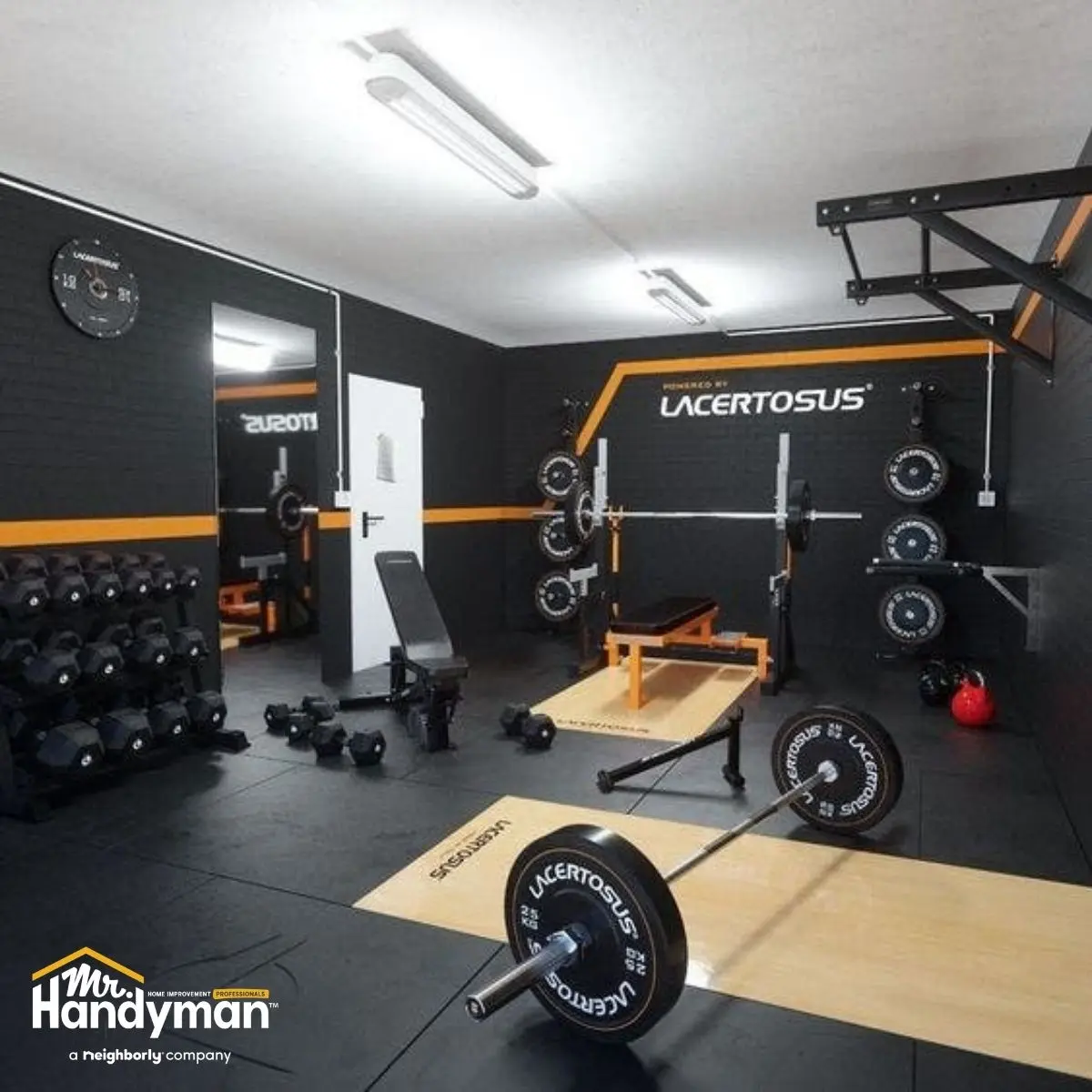
Paint Is the Surface Through Which Everything Else Is Judged
There is a quality to a fitness facility that has been recently and carefully maintained that members register without consciously evaluating it. The walls read as clean. The corners are sharp. The surfaces look intentional rather than worn. And the overall impression of the facility is one of active management rather than passive occupation. None of those impressions require a full facility repaint to produce. They require a systematic approach to touch up painting that addresses the specific damage patterns that commercial fitness use and Northern Indiana's demanding seasonal climate create before those patterns accumulate into the comprehensive deterioration that full repainting addresses.
Touch up painting in a Northern Indiana commercial fitness facility carries a specific seasonal dimension that moderate-climate facilities do not experience at the same intensity. Spring is when Northern Indiana fitness facilities emerge from the extended indoor season that the region's winter creates, and the walls that have served as the background for months of concentrated member activity arrive at spring carrying the accumulated contact marks, humidity-driven adhesion stress, and general surface wear that Northern Indiana's long indoor season specifically produces. Addressing those accumulated conditions in spring, before the new season's members arrive with fresh evaluative attention, produces a return that touch up work in any other season cannot replicate.
Touch up painting is not the cosmetic concession that facilities make when they cannot afford full repainting. It is the proactive maintenance practice that extends the service life of the full paint system the facility has invested in, that addresses member-visible deterioration in specific high-impact zones before it accumulates into comprehensive failure, and that maintains the brand image consistency that members in South Bend, Mishawaka, Elkhart, and Goshen evaluate as part of their overall assessment of the facility's management quality.
Where Touch Up Painting Matters Most in Northern Indiana Fitness Facilities
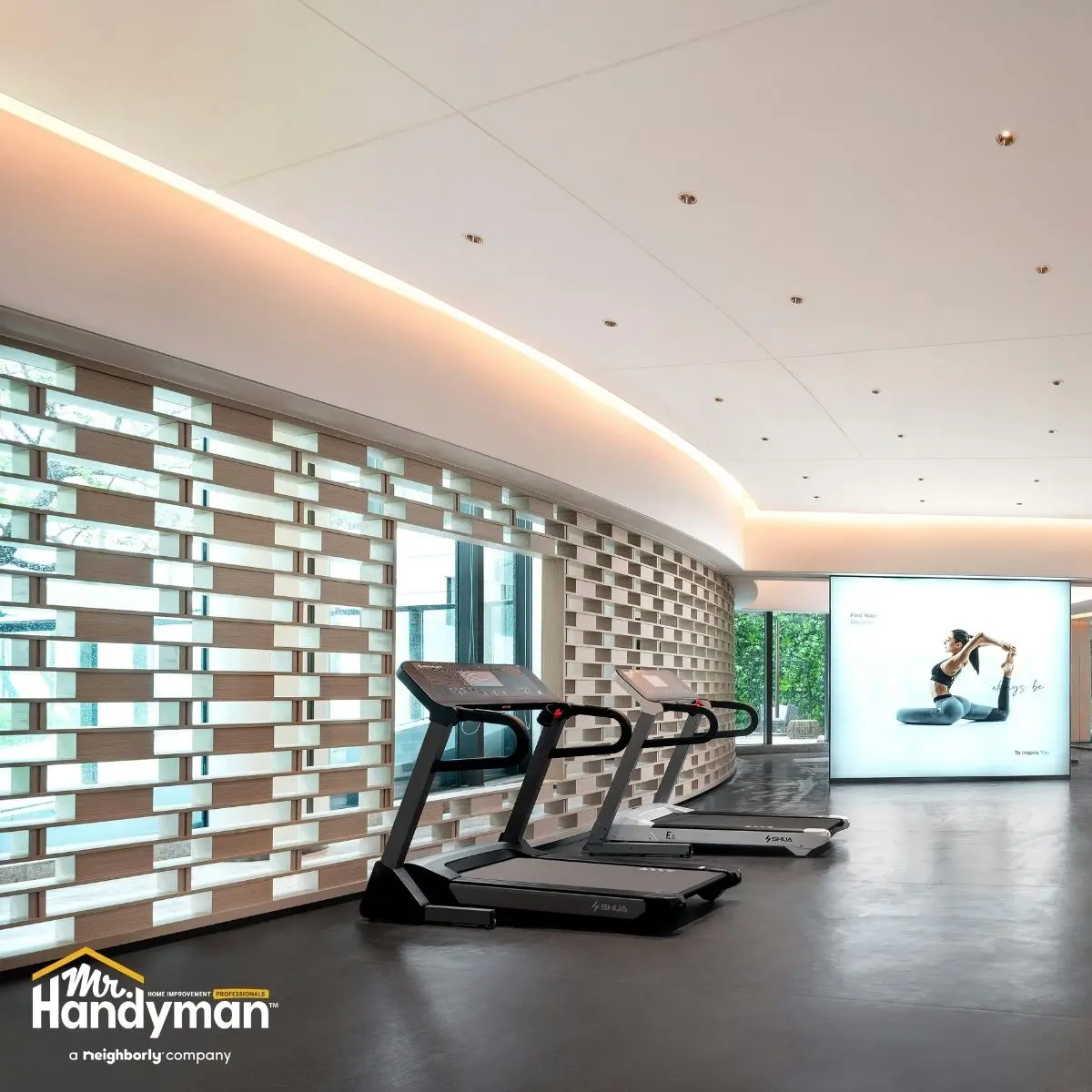
The damage patterns requiring touch up attention in a Northern Indiana fitness facility are not randomly distributed across wall surfaces. They concentrate at specific locations that the combination of member traffic patterns, equipment placement, Northern Indiana's seasonal conditions, and the physics of fitness activity predictably produce.
Entry and transition zones are the locations where wall surface damage accumulates most consistently and where Northern Indiana's winter specifically amplifies that accumulation. Every member who enters a Northern Indiana fitness facility through a winter brings winter clothing, snow moisture, and the deicing residue that Northern Indiana's parking surfaces require, and the entry zone wall surfaces receive the contact from that winter-equipped entry traffic at higher intensity than warm-season traffic produces. The scuffs, marks, and paint wear that entry zones develop through a Northern Indiana winter season arrive at spring in a condition that communicates the accumulated effect of months of concentrated winter traffic to the first spring members who evaluate the facility with fresh eyes.
Entry and transition zone touch up at monthly intervals during Northern Indiana's indoor season, when member traffic is most concentrated and most winter-equipped, maintains the first impression quality that entry condition determines. Spring touch up that addresses the full accumulation of the indoor season restores the entry presentation before the new season's member evaluation begins.
Equipment-adjacent wall surfaces in weight training areas and functional training zones develop the impact marks and paint damage that equipment contact produces during Northern Indiana's extended indoor training season. The concentration of member training activity that Northern Indiana's winter directs indoors means that equipment-adjacent wall surfaces in South Bend and Elkhart fitness facilities experience more continuous and more intensive contact during winter months than facilities in moderate climates experience across comparable periods. Monthly touch up in these zones during the indoor season addresses new damage before it accumulates into the widespread pattern that makes individual mark correction impractical.
Corridor walls and door frame surrounds experience the concentrated contact damage that Northern Indiana member traffic produces differently from warm-season traffic because winter members navigate facility corridors in bulkier winter clothing that makes wall contact more frequent and more forceful than spring and summer traffic produces. Door frames that receive contact from members carrying winter gear through doorways, corridor walls at the height where winter-coated shoulders make contact, and wall surfaces adjacent to boot and outerwear storage areas all accumulate paint damage at rates that Northern Indiana's indoor season specifically drives.
Baseboard and floor-adjacent surfaces in Northern Indiana fitness facilities accumulate the specific damage that snow melt moisture, tracked-in winter grit, and the cleaning protocols that Northern Indiana winter floor conditions require produce in floor-level wall surfaces. The deicing residue that Northern Indiana members track into facilities through winter months creates chemical exposure for baseboard paint surfaces that cleaning product contact in moderate-climate facilities does not produce at the same concentration or frequency.
Why Northern Indiana's Conditions Make Touch Up Painting More Frequent
The climate and operational conditions that Northern Indiana fitness facilities present to their wall paint surfaces accelerate the damage patterns that touch up programs address in ways that national maintenance guidance does not fully reflect.
Humidity cycling through Northern Indiana's transition from extended heating season to summer produces the paint adhesion variation that the amplitude of that seasonal humidity change drives in wall surfaces. Paint applied to fitness facility walls that cycles through the low humidity of Northern Indiana's heating season and the elevated humidity of summer develops the adhesion stress that moderate-climate humidity variation produces more gradually and less severely. Touch up programs calibrated to Northern Indiana's seasonal cycling rather than to moderate-climate deterioration rates address paint edge lifting and corner cracking at the intervals those conditions actually develop rather than the longer intervals that moderate climates justify.
Cleaning product chemistry in Northern Indiana fitness facilities requires the disinfection-grade products that commercial fitness hygiene standards demand, and the frequency of application that Northern Indiana's extended indoor season concentrates drives paint film degradation at floor-adjacent and high-contact surfaces at rates that the seasonal average use patterns moderate-climate facilities experience do not produce. Spring touch up that addresses the accumulated cleaning product exposure of a Northern Indiana indoor season restores surface integrity before summer's higher member scrutiny evaluates the result.
Application Technique: The Difference Between Integration and Patch Visibility
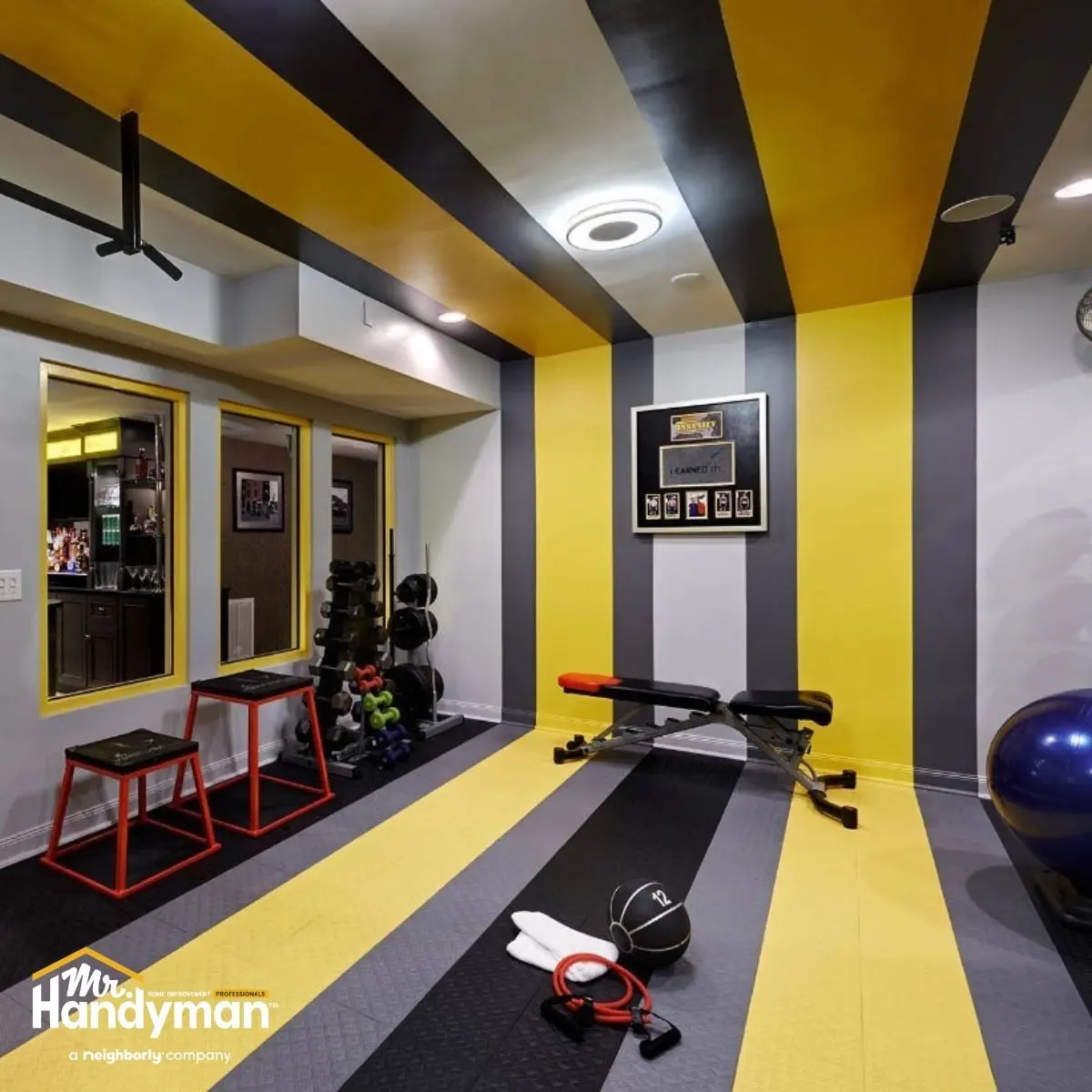
The surface preparation and material matching that Part A established as the foundation of successful touch up work are necessary conditions for a result that integrates with the surrounding surface, but they are not sufficient without application technique that deposits touch up material in a way that matches the sheen, texture, and coverage of the existing surface in Northern Indiana's specific facility conditions.
Sheen matching is the application quality factor whose failure most consistently produces the visible patch condition in Northern Indiana fitness facilities. A touch up application delivering a flat finish on a surface painted in eggshell produces a visible sheen difference that is particularly apparent under the raking light conditions that Northern Indiana fitness facilities experience during the low-angle winter sunlight that enters through windows during the heating season months when member scrutiny is highest. Maintaining records of the sheen level used in each facility area eliminates the sheen mismatch condition that occurs when touch up is performed with paint from an incorrectly identified source.
Texture matching in Northern Indiana fitness facility spaces requires touch up application that replicates the texture the original application produced. A smooth wall surface receiving touch up applied with a heavily napped roller produces visible texture variation that the original damage did not create. In older South Bend and Mishawaka fitness facility buildings where original wall surfaces may include plaster with specific texture characteristics, maintaining small samples of the application tools used in each area allows touch up to replicate the original texture rather than producing the smooth patch that brush or roller differences create against an existing textured surface.
Feathering technique at touch up application edges prevents the paint edge buildup that produces visible patch boundaries on existing surfaces. Touch up material applied at full coverage to a defined area and terminated abruptly at its edge creates the paint edge buildup that reflects light differently than the surrounding surface. Feathering the application from full coverage at the damaged area to progressively thinner coverage as the application extends beyond the damage boundary produces the gradual transition that the eye cannot identify as an edge, which is the standard that successful integration requires.
Drying conditions in Northern Indiana fitness facilities affect the final color match in ways that the region's seasonal humidity variation specifically creates. Touch up paint that dries under the low humidity conditions of a Northern Indiana heating season produces different final color than the same paint drying under the higher humidity of summer application. Allowing adequate drying and curing time before evaluating match against the existing surface, and being aware that Northern Indiana's low heating season humidity accelerates surface drying in ways that can shift color from wet application appearance, prevents premature match assessments that lead to additional application attempts that compound rather than correct visible differences.
Developing a Touch Up Schedule for Northern Indiana Fitness Facilities
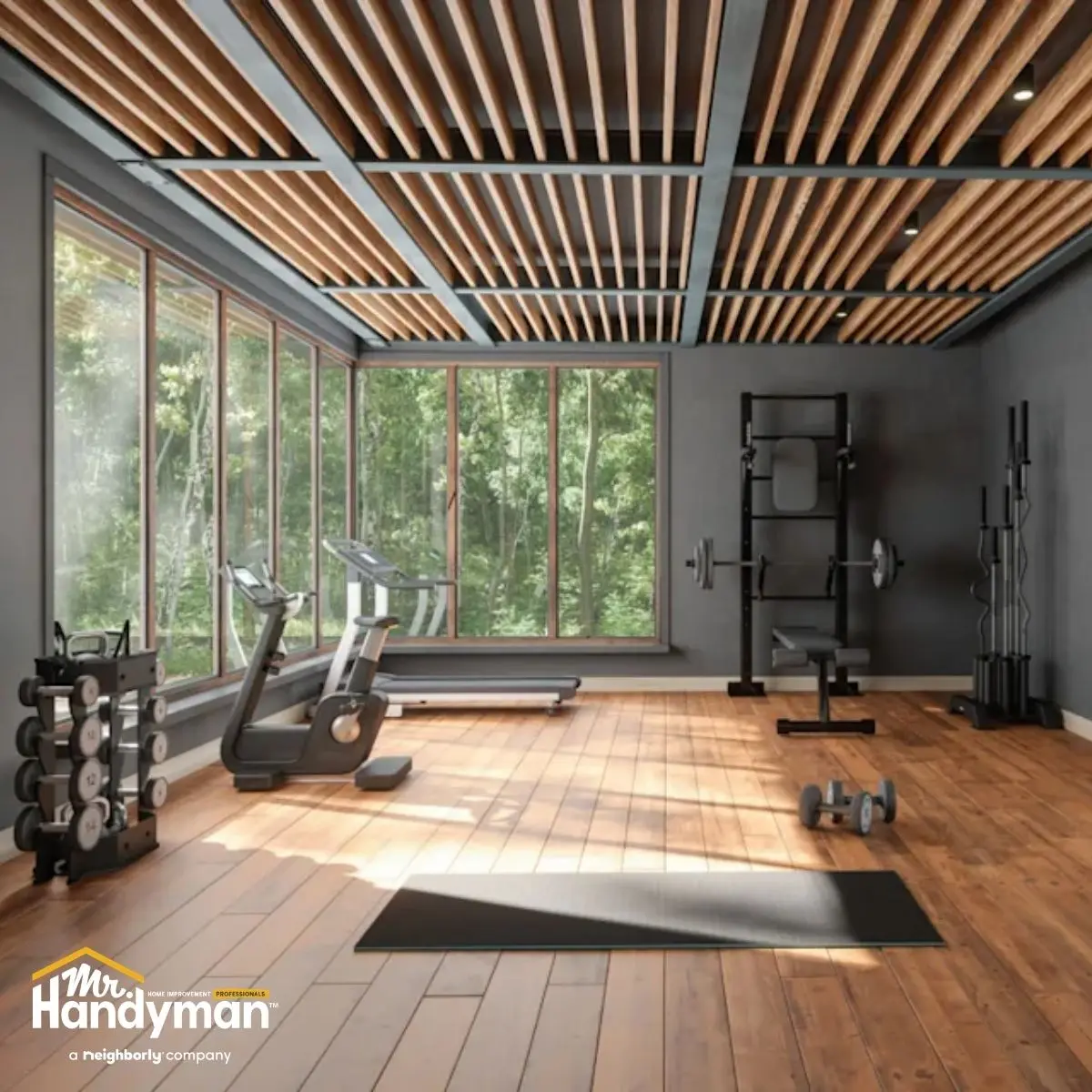
The touch up programs that maintain consistent wall surface quality in Northern Indiana fitness facilities are built around zone-differentiated schedules that address the actual damage accumulation rate in each area rather than applying uniform intervals across spaces with meaningfully different seasonal damage exposure.
Monthly touch up during the Northern Indiana indoor season in primary member-facing zones including lobby areas, reception surrounds, and primary corridor surfaces reflects the actual damage accumulation rate that the extended indoor season creates in high-visibility, high-traffic locations. The winter months when Northern Indiana facilities experience the most concentrated member indoor presence are the months when monthly touch up frequency in primary zones delivers its strongest return by addressing damage before it accumulates into the pattern that members notice as widespread deterioration.
Spring comprehensive touch up following the conclusion of Northern Indiana's indoor season addresses the full accumulation of winter contact damage, humidity-driven adhesion stress, and cleaning product exposure that the heating season produces in member-facing surfaces throughout the facility. Spring touch up is the Northern Indiana-specific seasonal maintenance investment that moderate-climate touch up programs do not require at the same scale because moderate climates do not deliver the extended concentrated indoor season that Northern Indiana's winters create.
Monthly touch up in training area walls reflects the equipment contact damage accumulation rate in zones where Northern Indiana's winter indoor season concentrates training activity. Monthly attention in these zones during the indoor season addresses new impact marks before they accumulate into the widespread coverage pattern that makes individual mark correction impractical.
How Touch Up Programs Support Broader Facility Maintenance Goals
A systematic touch up program in a Northern Indiana fitness facility delivers benefits extending beyond the specific wall surface conditions it addresses to the broader facility maintenance goals that consistent property condition supports.
Full repaint interval extension is the financial benefit of systematic touch up that Northern Indiana facility operators appreciate most directly when comparing repaint cycles of facilities with active touch up programs against those without. Northern Indiana's seasonal conditions advance paint deterioration at rates that unsupported paint systems reach full repaint necessity faster than moderate-climate surfaces, and touch up programs that address developing conditions before they accumulate extend that interval meaningfully. The paint and labor cost of systematic touch up over a two to three year period is substantially less than a full facility repaint, and the member experience quality maintained through that period delivers brand image returns that the cost comparison alone does not capture.
Staff maintenance culture in Northern Indiana fitness facilities that includes touch up painting as a routine operational task builds the proactive maintenance approach that translates to better outcomes across every other facility maintenance category. A facility whose maintenance staff address new paint damage in primary zones during the same visit when they observe it are operating with the maintenance discipline that Northern Indiana's demanding seasonal conditions specifically reward through the extended indoor seasons when member evaluation is most sustained.
Zone-Specific Touch Up Priorities in Northern Indiana Facilities
Locker rooms and restrooms require touch up that addresses the humidity-driven paint failure that Northern Indiana's seasonal transition from low heating season humidity to summer moisture creates in these high-humidity spaces. Paint lifting at seams and edges in locker room areas, paint discoloration from cleaning product exposure in restrooms, and baseboard paint failure from the floor cleaning that Northern Indiana winter entry conditions require all warrant touch up at intervals reflecting the aggressive conditions these surfaces experience.
Reception and sales areas deserve touch up attention reflecting the extended observation that Northern Indiana's indoor season creates in these spaces. During months when members spend more time inside facilities that serve as social and exercise destinations through long winter seasons, the wall surfaces adjacent to reception and seating areas receive more sustained close-range observation than moderate-climate facilities experience in comparable spaces.
Stairwells and emergency exit paths in multi-level South Bend and Mishawaka fitness facilities require touch up attention addressing both the member experience quality and the condition communication those spaces deliver. A stairwell with accumulated winter paint damage communicates a maintenance standard that the primary facility spaces do not reflect, and members who use stairs regularly form an impression from those surfaces that lobby and training floor touch up programs cannot offset.
Frequently Asked Questions
How do I maintain touch up paint in usable condition between applications in Northern Indiana's climate? Touch up paint stored in original cans with lids sealed tightly remains usable for six to twelve months when stored at the stable room temperatures that Northern Indiana facility mechanical rooms can provide. The Northern Indiana-specific consideration is avoiding storage in unheated spaces where winter temperatures cause paint to freeze, which permanently damages latex paint formulations regardless of apparent recovery after thawing. Labeling cans with zone, application date, and formula ensures the correct material is used for each area rather than defaulting to whatever is most accessible.
Should touch up painting in Northern Indiana fitness facilities be performed by staff or contracted professionals? Routine touch up in primary member-facing zones is appropriate for trained maintenance staff provided with correct materials, preparation supplies, and application technique guidance for each zone's specific Northern Indiana requirements. Touch up in zones with the complex surface preparation that Northern Indiana's seasonal paint adhesion stress creates, specialty finishes, or significant color matching challenges benefits from professional execution that brings the surface assessment and application skill that consistent integration in difficult existing surface conditions requires.
How do I address touch up needs in a Northern Indiana facility zone painted with a product no longer available? A professional color match made against the actual existing surface under the facility's lighting conditions provides the closest achievable match. Northern Indiana's seasonal light variation, from the low-angle winter sunlight that enters during the heating season to summer's more direct illumination, means that color matching should be evaluated under the lighting conditions the space actually operates under rather than in controlled showroom conditions that do not reflect the facility's actual light environment.
What is the most effective way to remove deicing residue staining from Northern Indiana fitness facility entry zone walls before touch up? Deicing residue on Northern Indiana fitness facility entry zone walls responds to cleaning with a mild detergent solution applied with a non-abrasive cloth, which removes the chloride compound deposits that winter entry traffic leaves on lower wall surfaces before those deposits continue their chemical degradation of the paint film. Surfaces that have absorbed deicing compounds deeply enough that cleaning does not fully restore them may require light sanding to remove compromised surface material before touch up material is applied over a properly primed clean substrate.
How does touch up frequency affect full repaint scheduling in Northern Indiana fitness facilities? Northern Indiana facilities with systematic touch up programs that maintain wall surface condition within the range where touch up addresses new damage before accumulation can extend full repaint intervals to five to seven years in primary zones despite the more aggressive deterioration that Northern Indiana's seasonal conditions produce compared to moderate climates. Facilities without touch up programs typically require full repainting every two to three years in high-damage zones because Northern Indiana's seasonal conditions advance cumulative paint failure to the full-coverage threshold faster than moderate climates.
The Wall Surface Behind the Member Experience
Every member in a South Bend, Mishawaka, Elkhart, or Goshen fitness facility is surrounded by wall surfaces that communicate the facility's management standard through their condition across every training session. A systematic touch up program that maintains those surfaces within the range communicating active management and professional care through Northern Indiana's demanding seasonal cycles is not a cosmetic investment competing with functional maintenance priorities. It is the maintenance practice that sustains the member experience quality that every other facility investment supports.
The team at Mr. Handyman of Northern St. Joseph and Elkhart Counties brings the commercial painting and surface maintenance experience to help fitness facility operators develop and execute touch up programs delivering the wall surface quality their brand positioning and member experience goals require through Northern Indiana's most demanding seasons.
Website: https://www.mrhandyman.com/northern-st-joseph-elkhart-counties/
Serving businesses throughout Northern St. Joseph and Elkhart Counties with dependable commercial maintenance and the expertise your facility deserves.
