Safety Infrastructure Is the Foundation Every Other Facility Investment Depends On
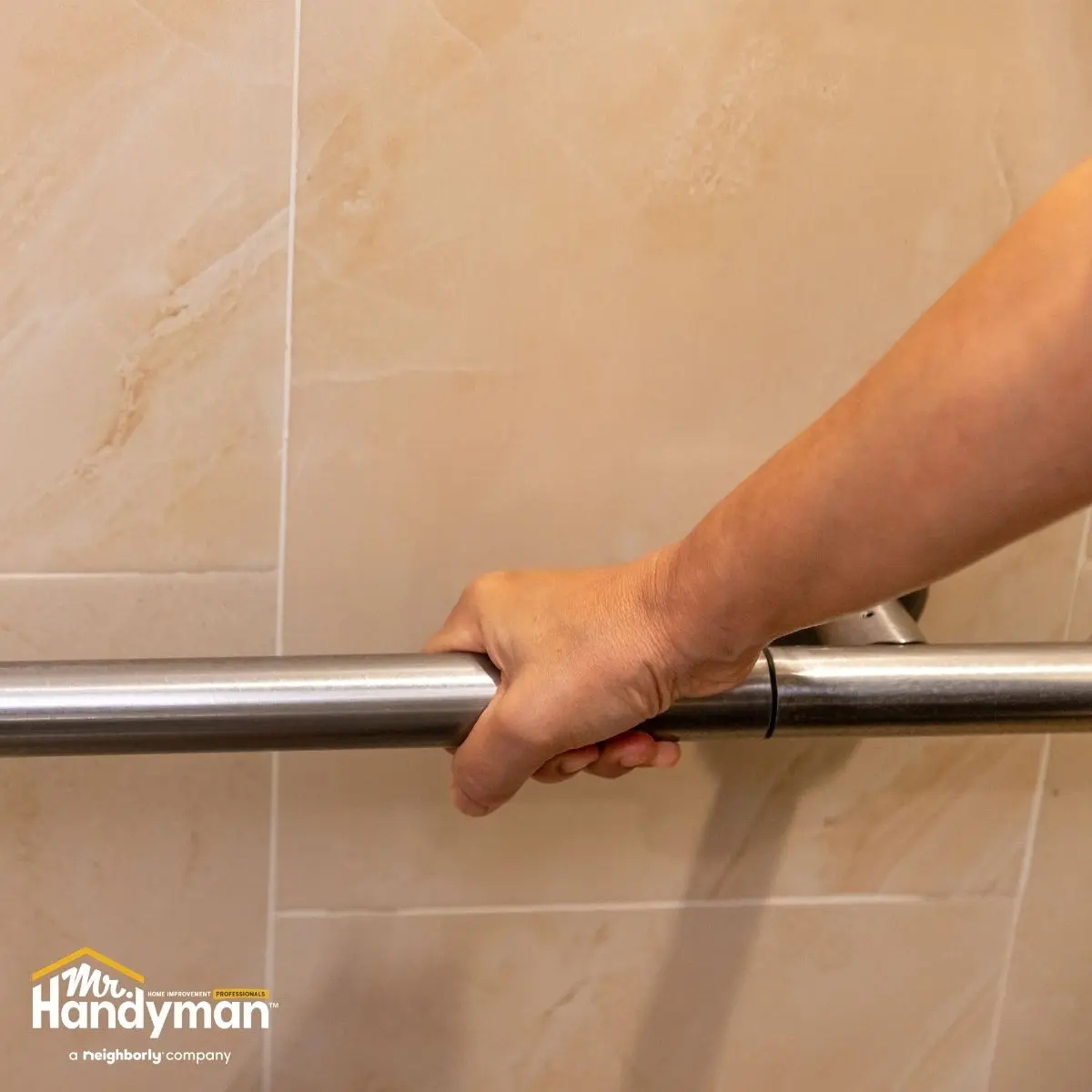
A fitness facility in Northern Indiana can invest in premium equipment, exceptional programming, professional staff, and well-maintained aesthetics, and all of that investment is undermined if the physical safety infrastructure protecting members during facility use is not being maintained at the standard that monthly inspection and systematic attention requires. Safety infrastructure in a commercial fitness facility is not a regulatory compliance exercise existing separately from the member experience. It is the physical foundation making the member experience safe to have, and its condition determines whether the facility is genuinely protecting the people it serves or simply appearing to do so.
Northern Indiana's climate adds specific dimensions to safety infrastructure maintenance that facilities in more moderate environments do not experience at the same intensity. The region's extreme temperature cycling affects the mounting hardware of handrails and grab bars through the corrosion and fastener loosening mechanisms that Northern Indiana's freeze-thaw cycles and deicing salt exposure produce in metal components anchored into wall and floor assemblies subject to seasonal movement. Emergency system battery performance is affected by the cold temperatures that Northern Indiana's winters deliver to electrical components in partially conditioned locations. And the particular demands that Northern Indiana's extended indoor fitness season places on safety infrastructure, with members using facilities more continuously and with greater intensity through winter months than facilities in moderate climates experience during comparable periods, make the consequences of safety system failure in this region's specific market more significant than average usage patterns would suggest.
South Bend, Mishawaka, Elkhart, and Goshen fitness facilities serve member populations whose safety depends on the infrastructure that monthly inspection maintains at the standard that the consequences of failure justify. Understanding what that inspection covers, why Northern Indiana's conditions specifically shape the inspection priorities, and what the liability and member safety consequences of inadequate monthly inspection look like produces a more effective safety management approach than treating inspection as a compliance formality rather than a genuine safety function.
Handrails: The Safety System Members Rely on Without Thinking
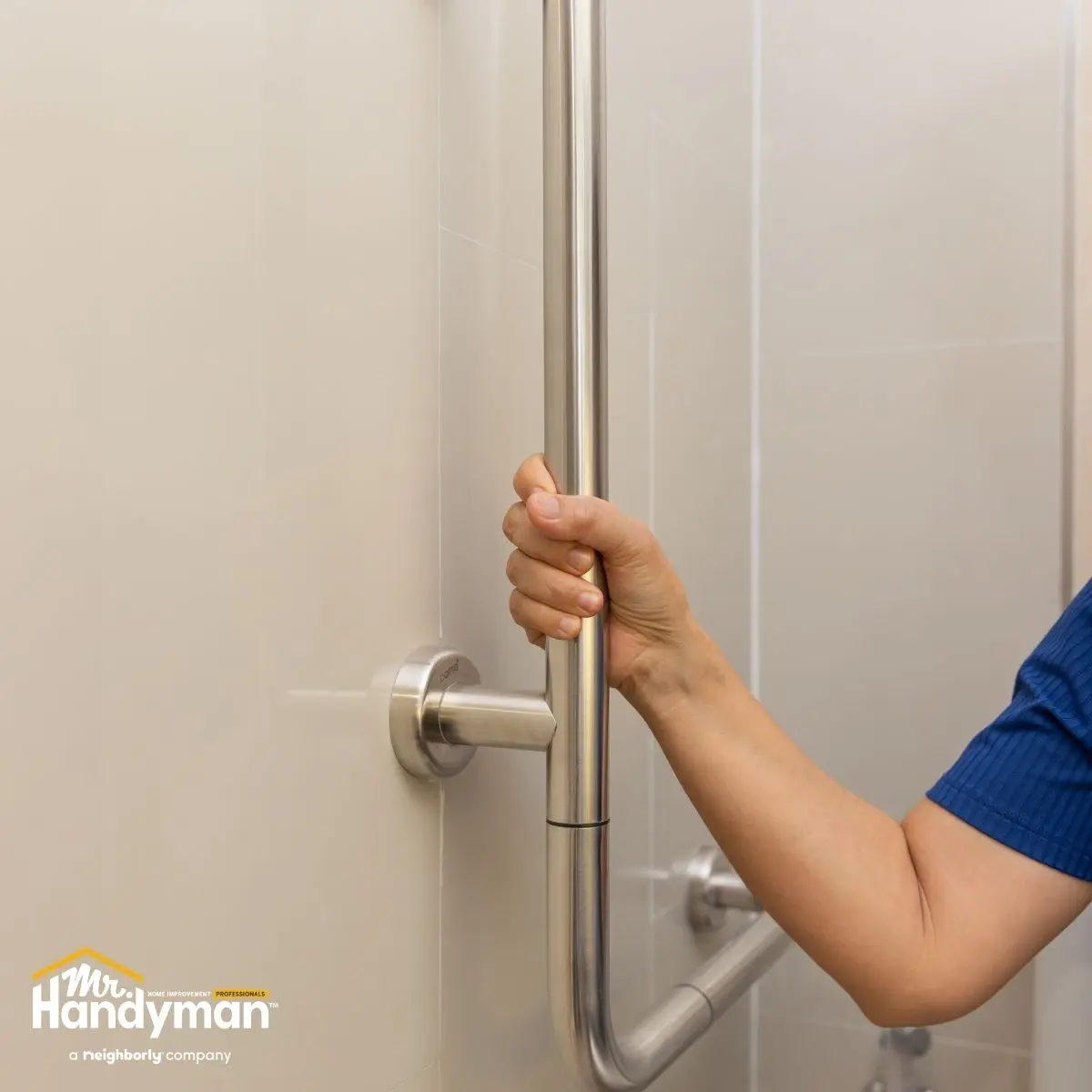
Handrails in a Northern Indiana commercial fitness facility serve a fall prevention function that is most critical for members whose safety depends on them most directly. The fact that most members use handrails without incident most of the time does not indicate that handrails are functioning at the safety standard they are installed to provide. It indicates that the conditions testing handrail integrity have not yet coincided with a deficiency severe enough to produce a failure event. Monthly inspection changes that coincidence from a liability the facility carries to a condition it actively manages.
Stairwell handrail integrity in Northern Indiana fitness facilities requires monthly assessment evaluating both the structural connection to mounting points and the handrail surface condition that members grip. The specific Northern Indiana maintenance consideration is the corrosion that deicing salt exposure produces in handrail mounting hardware at the base of stairwells where winter member traffic tracks salt residue that settles on floor surfaces and contacts mounting hardware at floor level. Mounting anchors developing corrosion at their embedment zone from this deicing salt exposure lose the bond strength that corrosion-free installation provided, and the progressive nature of that loss means that monthly assessment identifying early-stage corrosion addresses it before the total mounting integrity has declined to the level where a falling member's load tests it.
Monthly pull testing that applies lateral force at each bracket location identifies mounting points whose integrity has declined before the total bracket count whose integrity remains provides inadequate collective support for the handrail's safety function. Any movement that a firm lateral push produces at any bracket location indicates a mounting condition that warrants immediate professional assessment rather than continued monitoring.
Graspability assessment of handrail profiles confirms that the cross-section meets ADA graspability requirements and that the surface condition provides the friction that a gripping hand requires. In Northern Indiana fitness facilities where members arrive during winter months with hands that have been cold and whose grip strength may be temporarily reduced, the graspability standard that handrail surfaces must meet is tested under conditions that moderate-climate facilities do not regularly produce. A handrail surface that has become polished through Northern Indiana's extended indoor season of continuous member contact is particularly relevant to assess given those conditions.
Grab Bars: Where Installation Quality and Monthly Inspection Intersect

Grab bars in locker room shower areas, toilet rooms, and changing areas serve a member safety function that is even more direct than stairwell handrails because they are installed in specific locations where wet surfaces, limited footwear, and physical vulnerability create the fall risk that grab bars exist to prevent.
Mounting integrity assessment for grab bars in Northern Indiana fitness facility wet areas requires monthly load testing that confirms the bar's installation has not been compromised by the moisture environment and the thermal cycling that Northern Indiana's seasonal transitions deliver to locker room assemblies. A grab bar that was correctly installed into wall studs or with appropriate backing provides secure resistance to the loads that commercial grab bar installations in public accommodations must withstand. Monthly load testing applying firm downward and outward pull at each bar's midpoint, combined with lateral push testing, identifies bars whose mounting has developed movement that visual inspection does not reveal.
Corrosion assessment of grab bar surfaces and mounting hardware in Northern Indiana locker room wet areas reflects the specific deterioration that the combination of sustained moisture exposure and the cleaning chemical exposure that Northern Indiana fitness facility locker rooms require produces in bar finishes and hardware. The deicing salt residue that winter members introduce to locker room environments on footwear and outerwear that they remove upon entry creates chemical exposure for locker room grab bar mounting hardware that moderate-climate facilities managing only ambient humidity do not experience.
Emergency Systems: The Safety Infrastructure Members Hope Never to Need

Emergency pull cord testing in Northern Indiana locker room and accessible restroom areas must confirm both signal delivery to the monitoring point and cord accessibility from floor level. The Northern Indiana-specific consideration is that battery backup systems for emergency monitoring receivers may have been affected by the cold temperatures that Northern Indiana's winters deliver to electrical components in partially conditioned building locations. Monthly pull cord activation testing confirms signal delivery under current battery conditions rather than assuming that adequate battery capacity established at a previous test has been maintained through a Northern Indiana heating season.
AED inspection is a monthly safety checklist item whose importance in Northern Indiana fitness facilities reflects the statistical likelihood of cardiac events in high-exertion commercial occupancies combined with the extended indoor season that concentrates member exercise intensity. Monthly AED inspection confirming device readiness status, electrode pad expiration dates, and battery charge adequacy maintains the cardiac emergency response capability that the winter indoor season's concentrated member exercise intensity specifically tests.
Fire Safety Systems: Monthly Inspection Items in Northern Indiana Fitness Facilities
Fire safety systems in Northern Indiana fitness facilities represent the safety infrastructure category whose maintenance is most extensively governed by Indiana's commercial building code and fire marshal enforcement requirements, and whose monthly inspection discipline most directly determines whether the facility meets the life safety standard those requirements establish.
Smoke detector and heat detector function in Northern Indiana fitness facility spaces requires monthly testing that confirms each device is operational rather than assuming absence of fault signals means all devices are functioning. Smoke detectors in Northern Indiana facilities accumulate the airborne particulate that the extended indoor season's high-occupancy exercise environment generates at rates that standard commercial detector maintenance schedules do not fully account for. The extended heating season that keeps building ventilation systems operating in recirculation modes for months concentrates airborne fitness facility particulate in ways that detector sensitivity drift develops from faster than seasonal average accumulation rates suggest. Monthly testing that physically activates each device and confirms panel response maintains the detection function that Northern Indiana's occupied fitness facilities depend on.
Fire extinguisher accessibility and condition monthly verification confirms that extinguishers throughout the facility are at designated locations, that pressure gauges indicate adequate charge, and that inspection tags reflect current annual professional inspection. In Northern Indiana fitness facilities where winter equipment storage can migrate toward exit corridors and fire extinguisher mounting locations during the extended indoor season when facility operational patterns concentrate around interior spaces, monthly verification that extinguishers remain accessible and unobstructed addresses the storage migration that Northern Indiana's indoor season specifically produces.
Exit door and egress path clearance monthly verification in Northern Indiana fitness facilities addresses the persistent tendency of commercial spaces under operational pressure to accumulate equipment and supplies in corridor clearances that emergency egress requires. During Northern Indiana's extended indoor season, when facility operations concentrate more activity in interior spaces and when seasonal equipment storage creates pressures that overflow into circulation paths, monthly egress path inspection identifies obstructions before a fire marshal visit or emergency evacuation reveals them under conditions where the deficiency matters most.
Wet Area Safety Systems: Northern Indiana Specific Considerations
The wet area safety systems in Northern Indiana fitness facility locker rooms and shower areas serve fall prevention functions that the specific conditions Northern Indiana members introduce to these spaces shape in ways that moderate-climate facilities do not experience at the same intensity.
Anti-slip surface condition in shower areas and locker room wet zones requires monthly assessment evaluating whether the surface treatment that slip resistance depends on remains effective after the specific use conditions that Northern Indiana members introduce. Members arriving at fitness facilities from Northern Indiana parking lots through winter bring footwear carrying deicing residue that contacts locker room floor surfaces before shoes are removed. The chloride compounds in that deicing residue affect the chemical composition of anti-slip surface treatments over repeated exposure cycles in ways that Northern Indiana's winter member traffic specifically drives. Monthly anti-slip surface assessment that evaluates friction coefficient under the actual contamination conditions Northern Indiana locker rooms experience provides more relevant safety information than assessment assuming only water exposure.
Floor drain flow adequacy in Northern Indiana fitness facility shower areas must account for the specific drainage demands that the extended indoor season creates. When Northern Indiana's winter concentrates member fitness activity indoors for months, shower facility use frequency peaks in ways that drain accumulation rates reflect. Monthly drain flow testing during the extended indoor season confirms drainage capacity under the peak accumulation conditions that Northern Indiana's winter use concentration produces, rather than the moderate accumulation rates that seasonal average testing might reflect.
Building a Monthly Safety Inspection Protocol for Northern Indiana Facilities
The monthly safety inspection that Northern Indiana fitness facilities need is not a casual walkthrough confirming obvious conditions. It is a structured protocol covering every safety system against a checklist calibrated to the specific failure modes each system develops under Northern Indiana's climate conditions and concentrated use patterns.
Protocol structure for Northern Indiana fitness facility monthly inspection should assign specific responsibilities to qualified staff with the technical knowledge to evaluate each safety system category correctly for Northern Indiana's specific conditions. Staff familiar with the deicing salt corrosion patterns that Northern Indiana winters produce in handrail and grab bar mounting hardware, the battery performance concerns that cold temperatures create in emergency systems, and the anti-slip surface contamination that Northern Indiana winter member traffic introduces to wet areas provide more reliable inspection results than staff without that regional context.
Condition grading in monthly inspection documentation distinguishes between conditions requiring immediate corrective action, scheduled repair within a defined timeframe, and monitored status. In Northern Indiana's fitness facility context, the urgency grading for corrosion at handrail and grab bar mounting hardware should reflect the progressive nature of deicing salt-driven corrosion in this climate, which advances more rapidly than ambient humidity corrosion in moderate climates and warrants more urgent intervention timelines at comparable visible severity levels.
Follow-up verification confirming corrective actions have been completed before the next inspection cycle produces a closed-loop maintenance system rather than an inspection system that identifies conditions without tracking resolution. Monthly safety inspection records that document identified conditions, responsive actions, and confirmation of correction create the complete maintenance history that both operational safety and Northern Indiana's commercial liability environment require.
Frequently Asked Questions
What qualifications should the staff member conducting Northern Indiana fitness facility monthly safety inspections have?
Monthly safety inspections in Northern Indiana fitness facilities benefit from staff who have completed safety inspection training relevant to fitness facility environments, who understand ADA standards applicable to the systems being inspected, and who have specific awareness of the deicing salt corrosion, cold temperature battery performance, and anti-slip surface contamination conditions that Northern Indiana's climate creates in safety systems. Facilities whose staff lack this Northern Indiana-specific training context benefit from supplementing internal monthly inspections with quarterly professional assessments providing the technical depth internal inspections cannot deliver.
How should a Northern Indiana fitness facility handle a safety deficiency discovered mid-month?
Any safety system deficiency identified outside the regular monthly inspection cycle should receive the same urgency grading the monthly protocol would assign to the same condition. In Northern Indiana facilities, immediate safety concerns identified at any time during the extended indoor season when member occupancy is sustained at its annual peak require immediate corrective action regardless of where they fall in the inspection calendar. The monthly inspection cycle establishes the minimum systematic assessment frequency, not the maximum frequency at which identified conditions receive attention.
Does monthly safety inspection reduce Northern Indiana fitness facility insurance premiums?
Documented monthly safety inspection programs are a favorable factor in commercial fitness facility insurance underwriting in Indiana because they demonstrate the systematic risk management approach that reduces the loss frequency liability insurance covers. Northern Indiana facilities that demonstrate documented monthly safety inspection programs calibrated to the region's specific climate conditions, responsive corrective action, and closed-loop repair verification present more favorable risk profiles than those without documented safety management programs.
How long should Northern Indiana fitness facility monthly safety inspection records be retained?
Indiana's statute of limitations for personal injury claims establishes the minimum retention period for monthly inspection records. Consulting with legal counsel familiar with Indiana commercial liability law provides the specific retention guidance appropriate for the facility's circumstances, but a minimum of seven years from each inspection record date is a conservative standard that most Indiana liability exposure timelines fall within. Northern Indiana facilities with documented inspection histories spanning multiple years are in substantially stronger liability positions than those whose documentation extends only to recent inspections.
Should Northern Indiana fitness facility monthly safety inspections be performed by internal staff or external professionals?
A combination approach using trained internal staff for monthly systematic inspection and qualified external professionals for quarterly comprehensive assessment produces better safety outcomes than either approach alone. Internal staff provide the frequency and familiarity with baseline conditions that developing condition identification requires through Northern Indiana's extended indoor season. External professionals provide the technical depth and specialized testing capability that all safety system categories require for complete assessment, including the structural load testing of handrails and grab bars that internal staff should not perform without proper training.
What is the most commonly missed safety system in Northern Indiana fitness facility monthly inspections?
Emergency pull cord accessibility from floor level in accessible restroom and shower areas is the most consistently missed safety inspection item in Northern Indiana fitness facilities, and the Northern Indiana-specific dimension is the battery backup performance concern that cold temperatures create for the monitoring receivers these systems depend on. Pull cords that are accessible but whose monitoring receiver battery has been degraded by Northern Indiana's cold temperatures provide the false assurance of an accessible cord whose signal delivery is unreliable. Monthly testing that confirms both cord accessibility and signal delivery at the monitoring point addresses both components of the emergency assistance function.
Monthly Inspection Is the Commitment That Northern Indiana Fitness Safety Requires
The fitness facility in South Bend, Mishawaka, Elkhart, or Goshen that conducts systematic monthly safety inspections calibrated to Northern Indiana's specific climate demands and concentrated indoor use patterns is not simply meeting a regulatory obligation. It is fulfilling the fundamental commitment that every commercial fitness facility makes to its members when it opens its doors, which is that the physical environment they are using to pursue their health and fitness goals is being maintained at the safety standard their trust in the facility deserves through every season Northern Indiana delivers.
The team at Mr. Handyman of Northern St. Joseph and Elkhart Counties brings the commercial safety system inspection and repair experience to help fitness facility operators build and execute monthly safety inspection programs that protect their members, manage their liability, and demonstrate the safety management standard that professional facility operation requires.
Website: https://www.mrhandyman.com/northern-st-joseph-elkhart-counties/
Serving businesses throughout Northern St. Joseph and Elkhart Counties with dependable commercial maintenance and the expertise your facility deserves.