
January is one of the busiest months of the year for home repair calls, and that is not by accident. After weeks of cold temperatures, holiday downtime, and increased indoor use, small issues finally reach a breaking point. Understanding Most Common January Repair Requests – and How to Avoid Them helps homeowners take a proactive approach that prevents inconvenience, damage, and unnecessary expense during the heart of winter.
In Northern Indiana, January brings sustained freezing temperatures, snow accumulation, and repeated freeze thaw cycles. Homes in South Bend, Mishawaka, and Elkhart are under constant stress during this time. Materials contract, moisture moves, and systems work harder than at any other point in the year. When minor problems are ignored earlier in winter, January is when they typically surface.
The good news is that many of the most common January repair requests are preventable. With timely home maintenance and a few targeted fixes, homeowners can avoid emergency calls and keep their homes safer and more comfortable through the rest of winter.
Drafty Doors and Windows That Drive Up Heating Costs
One of the most frequent January complaints is uneven indoor temperatures. Homeowners notice cold rooms, persistent drafts, and rising heating bills once winter fully sets in. These issues almost always trace back to doors and windows that are no longer sealing properly.
Common January repairs include:
- Replacing worn or cracked weather stripping
- Adjusting doors that no longer close tightly
- Sealing gaps around window frames and trim
- Repairing loose or damaged window hardware
Homes in areas like Goshen and Granger often feature older construction where air sealing was not designed for today’s energy demands. Addressing these issues early in winter prevents January discomfort and helps control heating costs.
Frozen or Burst Pipes After Cold Snaps
Few January repair requests are as disruptive as frozen or burst pipes. Extended cold periods put plumbing at serious risk, especially in areas with poor insulation or air leaks.
January plumbing related calls frequently involve:
- Frozen supply lines in exterior walls
- Burst pipes in basements or crawl spaces
- Water damage to ceilings, walls, or flooring
- Emergency shutoffs during extreme cold
Many of these emergencies can be avoided through preventative home maintenance. Insulating exposed pipes, sealing drafts near plumbing, and ensuring consistent heat reaches vulnerable areas significantly reduce the risk of freezing.
Sticking Doors and Failing Hardware
January is also when homeowners start reporting doors that suddenly stick, drag, or refuse to latch. Cold temperatures cause materials to contract, which affects door alignment and hardware performance.
Typical January door repair requests include:
- Adjusting interior or exterior doors that bind
- Tightening loose hinges and handles
- Repairing damaged door frames or trim
- Replacing worn latches and locksets
These issues often begin subtly in fall but worsen as temperatures drop. Early adjustments prevent damage to doors and frames while improving security and usability.
Flooring Problems and Trip Hazards
Winter moisture tracked inside by snow and ice accelerates flooring wear. By January, small flooring issues often become noticeable safety hazards.
Common flooring related repair requests include:
- Loose carpet seams or edges
- Cracked tiles or uneven hard surfaces
- Raised transitions between rooms
- Damaged threshold strips near entryways
Entryways, kitchens, and hallways see the most winter traffic. Addressing minor flooring issues early prevents accidents and avoids the need for more extensive repairs later.
Drywall Cracks and Ceiling Stains
Dry indoor air and temperature fluctuations cause materials to shift during winter. January is when many homeowners notice drywall cracks, nail pops, or ceiling stains that were not visible before.
Typical January interior repair calls involve:
- Patching drywall cracks caused by contraction
- Repairing nail pops along ceilings and walls
- Replacing stained ceiling materials
- Addressing moisture intrusion near exterior walls
While some winter cracking is cosmetic, stains or recurring cracks may indicate moisture or insulation issues that should not be ignored.
Poor Lighting During the Darkest Month

January has some of the shortest daylight hours of the year. As a result, lighting issues become far more noticeable and problematic.
Common lighting related repair requests include:
- Replacing flickering or burned out fixtures
- Securing loose switches and wall plates
- Improving lighting near stairs and hallways
- Addressing dim or uneven illumination
Poor lighting increases fall risk and makes winter hazards harder to see. Simple lighting fixes significantly improve safety during January.
How to Avoid January Repair Emergencies
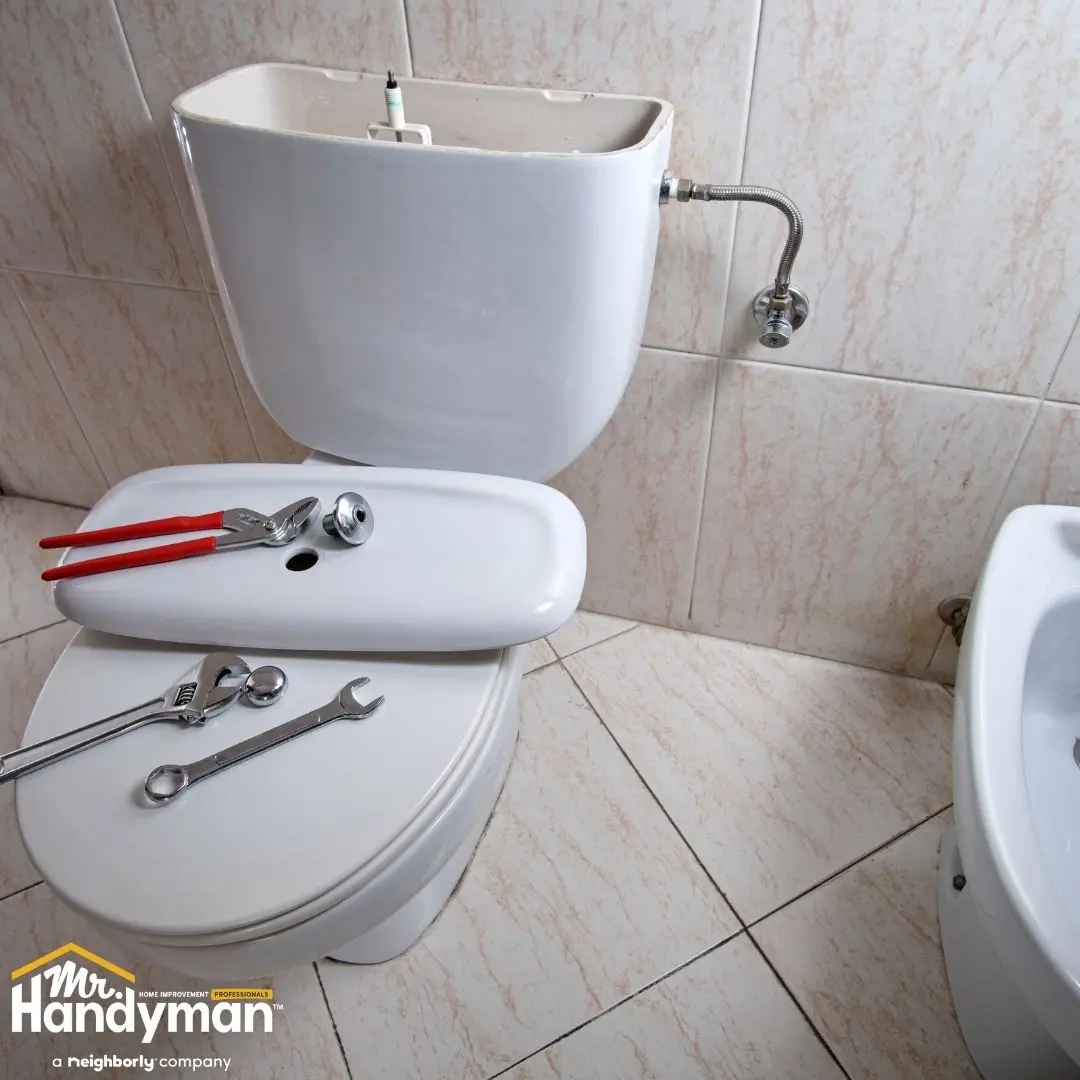
Most January repair requests share one thing in common. They start as small, manageable issues earlier in winter. Homeowners who stay ahead of maintenance avoid many of these problems altogether.
Preventative steps include:
- Sealing drafts before deep cold arrives
- Insulating vulnerable plumbing areas
- Adjusting doors and hardware at the first sign of trouble
- Addressing minor flooring and drywall issues promptly
When Professional Help Makes Sense
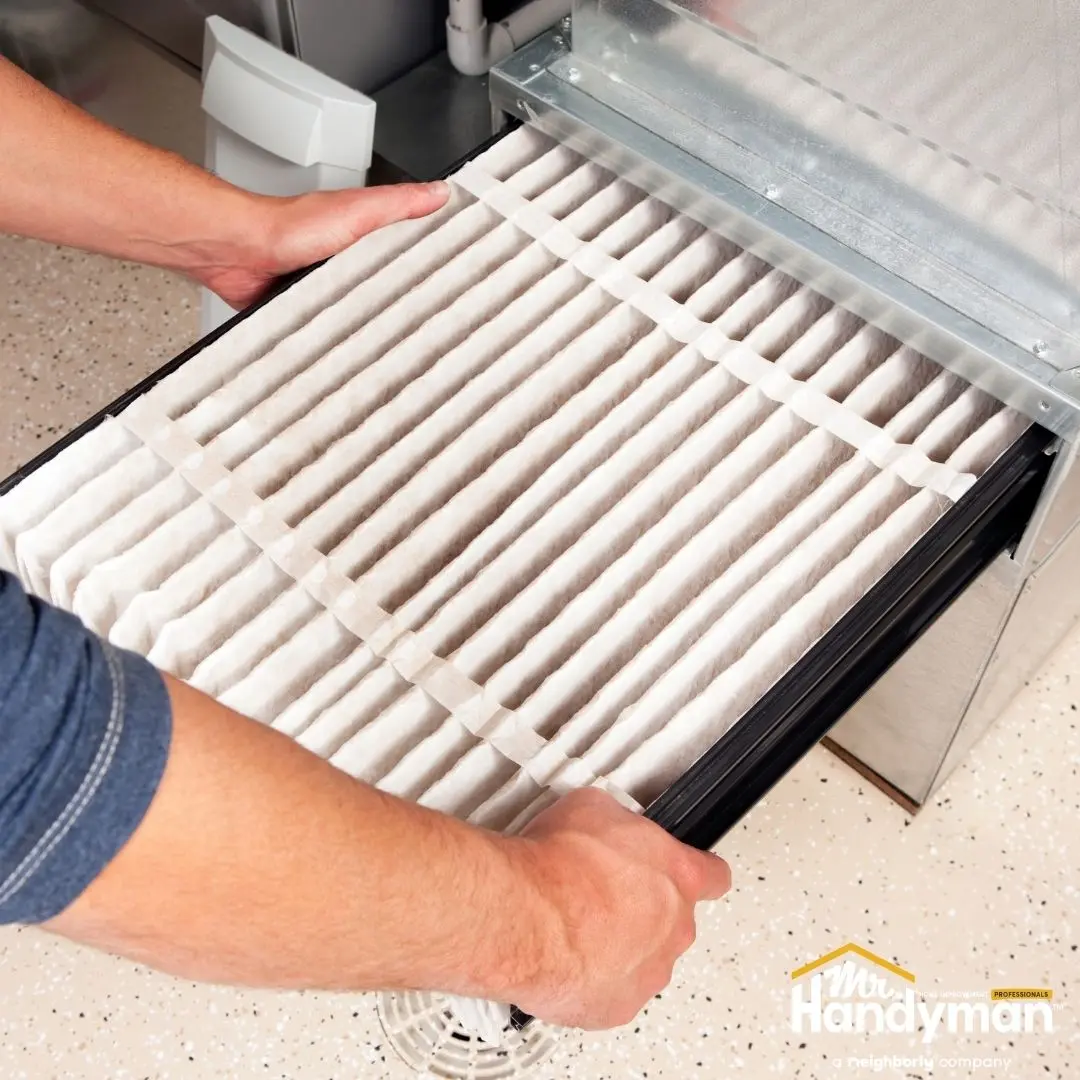
January repairs often involve multiple small issues that surface at once. Handling them individually can be time consuming, especially during cold weather.
Working with a trusted local provider like Mr. Handyman of Northern St. Joseph and Elkhart Counties allows homeowners to address several January repair needs efficiently in one visit. Their handyman services are well suited for winter home maintenance and tailored to the conditions common throughout Northern St. Joseph and Elkhart Counties.
Understanding Most Common January Repair Requests – and How to Avoid Them gives homeowners the advantage of preparation. By addressing small problems early, January becomes a month of control and comfort rather than emergency repairs and unexpected costs.
Why January Repairs Spike and What They Reveal About Your Home
To fully understand Most Common January Repair Requests – and How to Avoid Them, it helps to look at why January consistently exposes problems that seemed manageable just weeks earlier. January is not when issues begin. It is when winter stress reaches a point where weaknesses can no longer hide. Homes that appeared fine in December often show clear signs of strain once prolonged cold, moisture, and indoor use combine.
In Northern Indiana, January typically brings the most sustained freezing temperatures of the year. Homes in South Bend, Mishawaka, and Elkhart experience continuous heating system use, limited ventilation, and repeated freeze thaw cycles. These conditions amplify small flaws in materials, seals, and systems.
Extended Cold Magnifies Small Weaknesses
Short cold snaps can be misleading. A door that leaks air slightly or a pipe exposed to a mild draft may perform adequately for a few days. January’s extended cold removes that margin of error.
Issues that escalate in January include:
- Small air leaks that cause major heat loss
- Minor plumbing exposure that leads to frozen pipes
- Slight door misalignment that turns into sticking or frame damage
- Hairline cracks that widen due to repeated contraction
January repair requests often reflect problems that existed earlier but only became disruptive after weeks of sustained stress.
Indoor Living Increases Wear and Visibility
January also changes how homes are used. Families spend more time indoors, foot traffic increases, and systems operate continuously. This heavier use exposes problems faster.
Common examples include:
- Flooring transitions loosening under constant traffic
- Stair handrails revealing movement once used more often
- Lighting deficiencies becoming obvious during long evenings
- Bathroom and kitchen fixtures failing under increased use
What might have gone unnoticed during warmer months becomes impossible to ignore in January.
Moisture Movement Peaks Mid Winter
Moisture is one of the most destructive forces acting on homes in winter. Snow tracked inside, condensation from warm air hitting cold surfaces, and hidden leaks all contribute to January repair calls.
January moisture related issues often include:
- Ceiling stains appearing after weeks of condensation
- Flooring damage near entryways
- Swelling trim and baseboards
- Mold or musty odors in enclosed spaces
Moisture problems rarely start in January. They simply become visible once cold weather limits evaporation and freezing forces moisture deeper into materials.
Why Delaying Repairs Makes January Worse
Many homeowners postpone small repairs during the holidays or early winter, planning to address them later. January is when that delay becomes costly.
Delaying early winter repairs often leads to:
- Emergency service calls instead of planned maintenance
- Secondary damage to surrounding materials
- Higher repair costs due to expanded scope
- Increased stress during already challenging weather
This pattern explains why January consistently sees a surge in repair requests.
How January Problems Point to Preventative Opportunities
While January repairs are frustrating, they also provide valuable insight. The issues that surface now identify where a home is most vulnerable.
Common patterns include:
- Draft issues pointing to sealing and insulation gaps
- Plumbing problems highlighting exposure or airflow issues
- Flooring damage revealing moisture management weaknesses
- Repeated door issues indicating alignment or framing movement
Recognizing these patterns allows homeowners to take preventative action rather than repeating the same repairs each winter.
Using January as a Wake Up Call Instead of a Crisis
The difference between a stressful January and a manageable one often comes down to preparation. Homes that receive routine home maintenance before and during winter experience fewer emergencies and smaller repair scopes.
January does not have to be reactive. It can be informative.
Addressing early warning signs such as drafts, small leaks, loose flooring, or minor cracks prevents them from becoming January emergencies.
When a Handyman Helps Break the Cycle
January repair requests often involve multiple small issues surfacing at once. Coordinating separate fixes can be overwhelming during winter.
Working with a trusted local provider like Mr. Handyman of Northern St. Joseph and Elkhart Counties allows homeowners to address several January related problems in one coordinated visit. Their handyman services focus on preventative solutions, not just quick fixes, helping homeowners reduce repeat winter repairs.
How to Stay Ahead of January Repairs Year After Year
The final lesson in Most Common January Repair Requests – and How to Avoid Them is that these issues are predictable. January repairs are not random. They follow patterns tied to cold weather, moisture movement, and deferred maintenance. Homeowners who recognize those patterns can break the cycle and reduce winter repair stress year after year.
In Northern Indiana, January will always bring sustained cold. Homes across Northern St. Joseph and Elkhart Counties will continue to experience freeze thaw cycles, indoor humidity shifts, and heavier system use. What changes is how prepared a home is when that stress arrives.
Addressing Problems at the First Warning Signs
Most January repair emergencies begin with early warnings that appear weeks or months earlier. Drafts, minor leaks, loose flooring, and sticking doors are signals, not inconveniences.
Homeowners who act early benefit by:
- Fixing issues while they are still small
- Avoiding emergency repair costs
- Preventing secondary damage
- Maintaining comfort during peak winter
Responding to warning signs in fall or early winter keeps January manageable.
Creating a Winter Focused Maintenance Routine
Avoiding January repairs starts with routine home maintenance. This does not require a long checklist. It requires consistency and seasonal awareness.
Effective winter focused maintenance includes:
- Inspecting doors and windows for air leaks
- Checking vulnerable plumbing areas before deep cold
- Monitoring flooring and entryways for moisture damage
- Addressing minor cracks and trim movement promptly
These steps reduce the likelihood of surprise repairs during the coldest month.
Understanding Your Home’s Vulnerabilities
Every home has specific weak points. Some struggle with drafts. Others experience moisture issues or plumbing exposure. January repair requests often reveal these patterns clearly.
Homeowners can use January experiences to:
- Identify recurring problem areas
- Prioritize preventative upgrades
- Plan targeted repairs before next winter
- Improve overall home performance
This targeted approach is more effective than reacting to the same issues each year.
Why Small Repairs Deliver the Biggest Impact
The most effective way to avoid January repair emergencies is by addressing small issues consistently. Minor repairs cost less, require less disruption, and prevent compounding damage.
Small repairs that make a big difference include:
- Sealing air leaks
- Securing loose hardware
- Insulating exposed plumbing
- Stabilizing flooring and transitions
These fixes form the foundation of winter readiness.
Professional Support for Proactive Winter Care
Many homeowners recognize issues but delay repairs due to time or uncertainty. A professional handyman helps bridge that gap by identifying risks and addressing them efficiently.
Working with a trusted local provider like Mr. Handyman of Northern St. Joseph and Elkhart Counties allows homeowners to tackle multiple winter related repairs in one visit. Their handyman services are designed to support preventative home maintenance, not just emergency fixes.
Local experience matters in winter. Understanding how Northern Indiana weather affects homes allows repairs to be more effective and longer lasting.
Turning January From a Stress Point Into a Checkpoint
When homeowners shift their mindset, January becomes less of a crisis and more of a checkpoint. It highlights what needs attention and provides an opportunity to strengthen the home before damage escalates.
By applying the lessons from Most Common January Repair Requests – and How to Avoid Them, homeowners across Northern St. Joseph and Elkhart Counties can reduce winter repair calls, protect their homes, and enter each year with greater confidence and control.
Avoid common January repairs with help from local professionals. Call or schedule service online to start the year with confidence.
