Harsh winters are a reality for homeowners throughout Northern Indiana. Long stretches of freezing temperatures, heavy snowfall, icy winds, and frequent freeze and thaw cycles place serious stress on residential plumbing systems every year. While many homeowners focus on heating systems, insulation, and weatherproofing windows, plumbing is often overlooked until a problem occurs. Unfortunately, frozen pipes are one of the most common and damaging winter plumbing issues, and they can develop quickly with little warning.
When water inside a pipe freezes, it expands. That expansion creates intense pressure within the pipe, stressing the pipe walls, joints, and fittings. In many cases, this pressure causes pipes to crack or burst. Even if a pipe does not burst immediately, freezing weakens the material and increases the likelihood of leaks later in the season. Once a frozen pipe begins to thaw, water can escape rapidly, leading to flooding, interior damage, mold growth, and expensive repairs.
Homeowners across South Bend and Mishawaka deal with frozen pipes every winter, especially during prolonged cold snaps when temperatures remain below freezing overnight. Similar risks affect homes throughout Elkhart County, where older construction, exposed plumbing routes, and inconsistent insulation are common. Learning how to keep pipes from freezing during harsh winters is one of the most effective ways homeowners can protect their property and avoid emergency repairs.
This guide explains why pipes freeze, which pipes are most vulnerable, and what homeowners can do to reduce freezing risk before and during winter. When plumbing-related issues lead to damage or require professional repairs, Mr. Handyman of Northern St. Joseph and Elkhart Counties provides reliable home repair services to help homeowners safeguard their homes during winter.
Why Pipes Freeze During Winter
Pipes freeze when they are exposed to cold temperatures long enough for the water inside them to turn into ice. As water freezes, it expands, increasing pressure inside the pipe. This pressure stresses the pipe material, joints, and fittings. If the pressure becomes too great, the pipe can crack or burst. Even when bursting does not occur immediately, freezing weakens the pipe and increases the risk of future leaks.
Northern Indiana winters are especially challenging because cold temperatures often persist for days or weeks at a time. Overnight lows can drop sharply, and wind chill can force cold air into small gaps around foundations, walls, and utility penetrations. Homes in Granger frequently experience this issue during late fall and early spring, when daytime temperatures fluctuate but nights remain consistently cold.
Uneven heating inside the home is another major factor. Living spaces may stay warm, while basements, crawl spaces, garages, laundry rooms, and cabinets remain significantly colder. Pipes located in these areas are at much higher risk of freezing, especially during extended cold spells.
Understanding these conditions allows homeowners to focus prevention efforts where they will have the greatest impact.
Pipes Most at Risk of Freezing
Not all pipes face the same level of risk during winter. Certain locations and plumbing routes are consistently more vulnerable due to exposure to cold air or limited heat.
Pipes most likely to freeze include those located in exterior walls, plumbing under kitchen and bathroom sinks on exterior walls, pipes in basements near foundation walls, crawl space plumbing, garage-adjacent water lines, laundry room pipes in unheated areas, and pipes that supply outdoor faucets.
In communities such as Elkhart and Goshen, homes often include a combination of basement and crawl space plumbing. This increases exposure to cold air and makes insulation and airflow especially important. In more rural areas near Bristol, plumbing may also run through garages or utility spaces that are not heated consistently.
Identifying these vulnerable areas early allows homeowners to take targeted steps to prevent freezing before winter weather becomes severe.
Insulating Pipes to Reduce Freezing Risk
Insulation is one of the most effective tools for protecting pipes from freezing. Proper insulation helps maintain pipe temperature and reduces exposure to cold air, particularly in unheated or poorly insulated areas of the home.
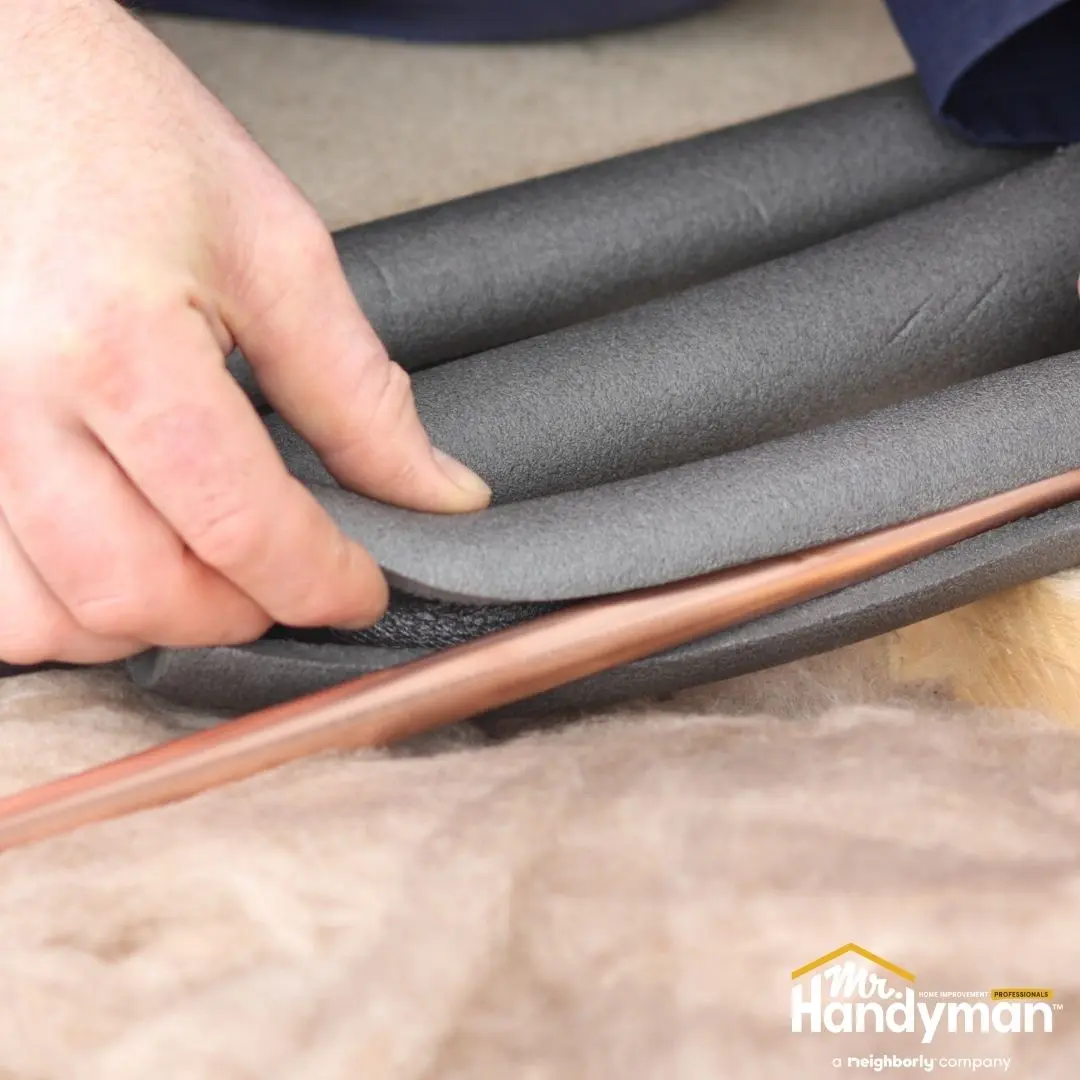
Foam pipe insulation sleeves are widely available and easy to install. They should be applied to exposed pipes in basements, crawl spaces, garages, laundry rooms, and utility areas. Pipe wrap insulation is useful for tight or irregular spaces where sleeves do not fit properly.
Insulation is especially important near exterior walls and foundation areas. Homes throughout New Carlisle often experience cold air infiltration at basement rim joists. Sealing and insulating these areas can significantly reduce freezing risk while also improving energy efficiency.
While insulation alone may not prevent freezing during extreme cold, it is a critical first layer of protection when combined with proper heating and airflow.
Sealing Drafts and Air Leaks Near Plumbing
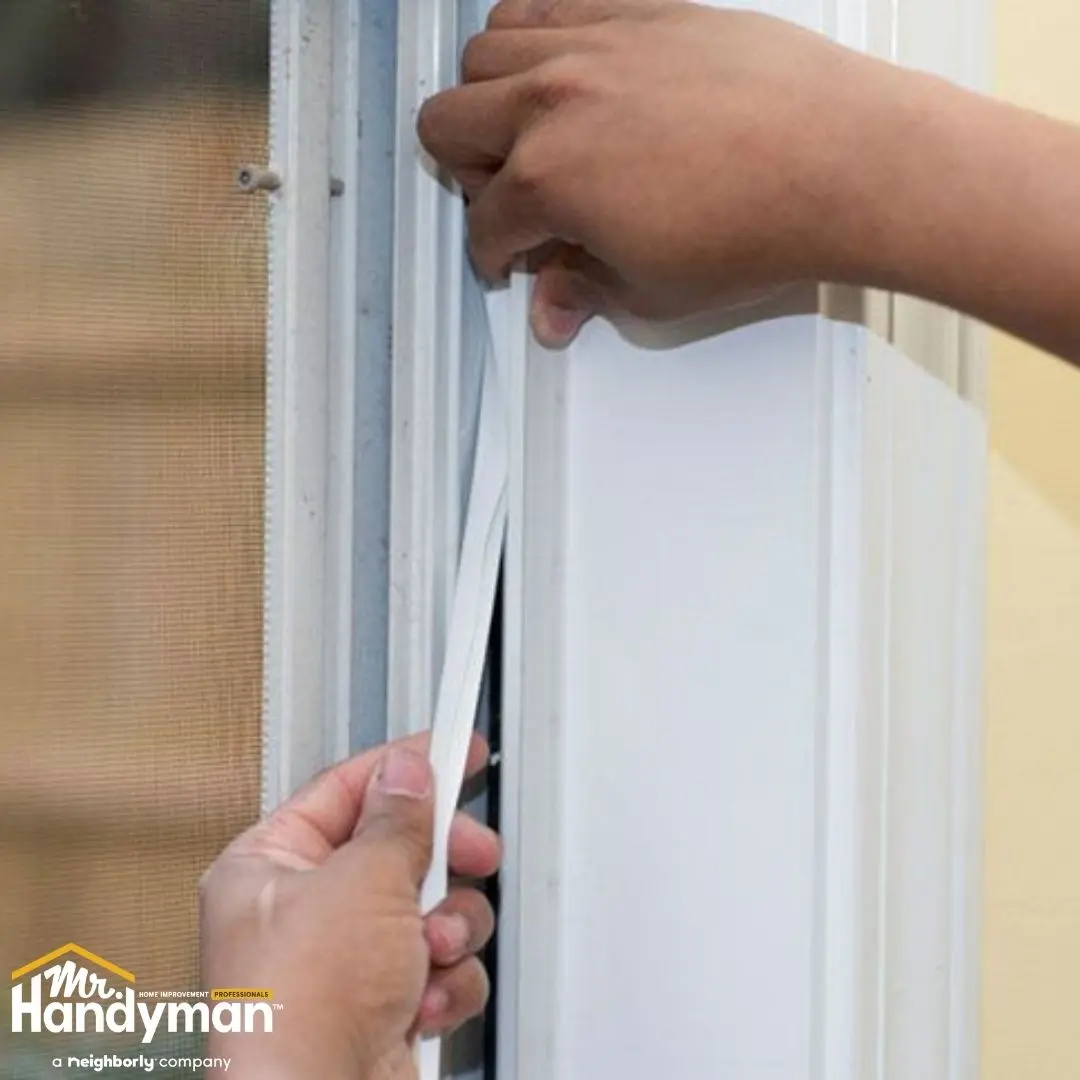
Cold air infiltration is a major contributor to frozen pipes. Small gaps around pipes, vents, and utility penetrations allow cold air to flow directly onto plumbing, even when the rest of the home feels warm.
Homeowners should inspect areas where pipes pass through walls, floors, cabinets, and foundation openings. Gaps can often be sealed with expanding foam or caulk. Plumbing near exterior doors, windows, and foundation walls deserves special attention.
In older neighborhoods across Osceola and South Bend, drafty areas near plumbing are a common cause of repeated pipe freezing. Sealing these leaks improves both plumbing protection and overall indoor comfort during winter.
Maintaining Consistent Indoor Temperatures
Keeping indoor temperatures consistent is essential for preventing frozen pipes. Large temperature drops overnight or during work hours increase the risk of freezing, especially in vulnerable areas.
Homeowners should avoid turning thermostats down too far during extreme cold. Even a small temperature reduction can make a difference for pipes located in exterior walls or unheated spaces. Rooms that are used infrequently should still be heated adequately to protect plumbing.
This is particularly important in Plymouth and La Porte, where many homes were built before modern insulation standards and may have uneven heat distribution.
Letting Faucets Drip During Extreme Cold
Allowing faucets to drip slowly during extreme cold can help prevent pipes from freezing. Moving water is less likely to freeze than standing water, especially in pipes located near exterior walls.
Dripping should be slow and steady rather than a full stream. This approach is most effective when used alongside insulation, sealed air leaks, and consistent indoor heating. While dripping slightly increases water usage, it can prevent far more costly damage from burst pipes.
Opening Cabinets to Improve Air Circulation
Cabinets under sinks often trap cold air around plumbing. Opening cabinet doors during extreme cold allows warm indoor air to circulate around pipes, reducing freezing risk.
This simple step is particularly helpful for kitchen and bathroom sinks located on exterior walls. Homes in Mishawaka and Elkhart frequently benefit from this practice during overnight temperature drops.
Winterizing Outdoor Plumbing
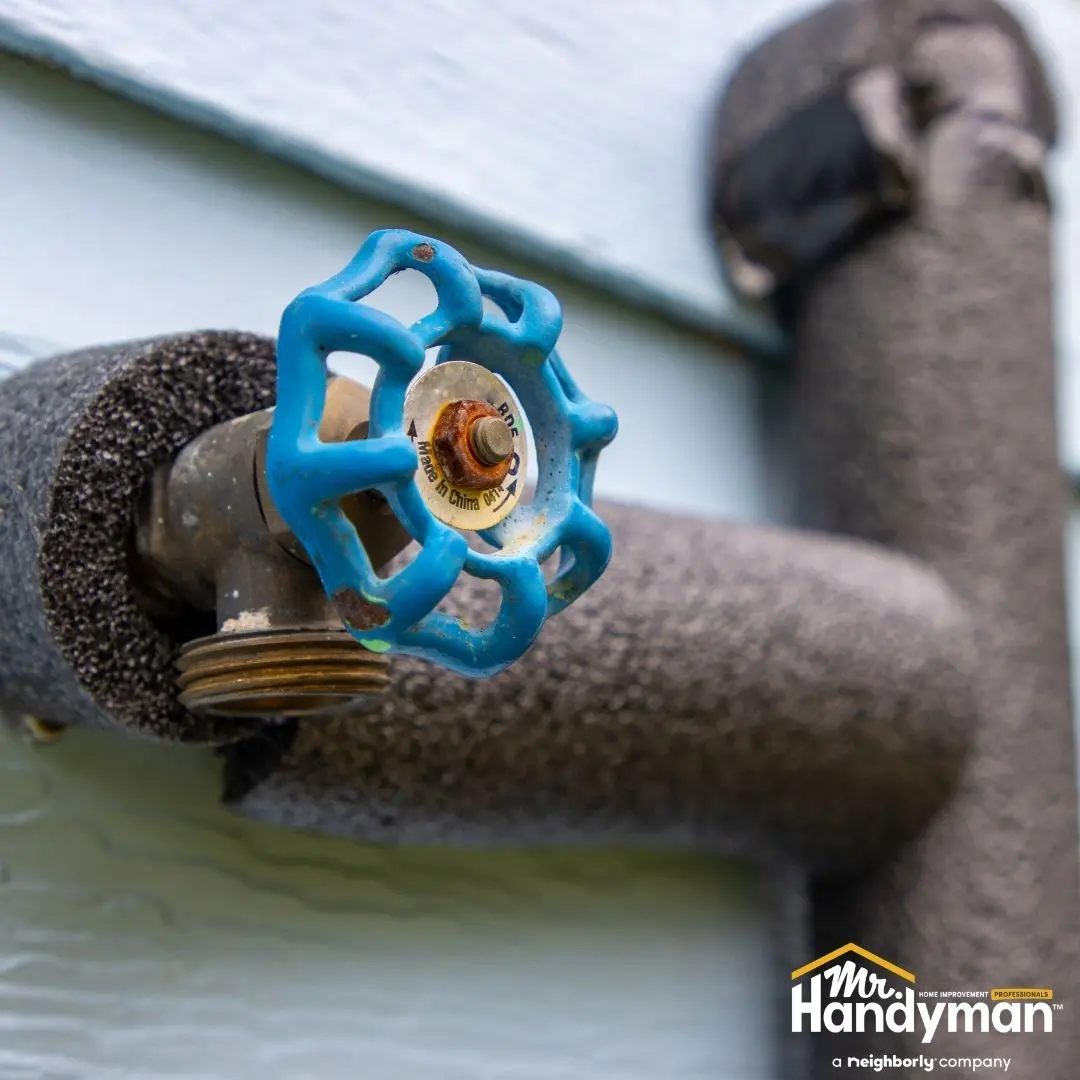
Outdoor plumbing is one of the most common sources of frozen and burst pipes during winter. Exterior faucets and hose bibs are directly exposed to freezing temperatures and must be winterized every year.
Winterizing outdoor plumbing includes disconnecting and storing hoses, shutting off interior valves that supply outdoor faucets if available, opening exterior faucets to drain remaining water, and installing frost-free hose bibs if freezing is a recurring problem.
Homeowners in Bristol and La Porte often discover hidden leaks behind walls in spring when outdoor plumbing is not properly winterized.
Protecting Pipes in Basements and Crawl Spaces
Basements and crawl spaces are common locations for frozen pipes due to limited heating and insulation. Pipes in these areas should be insulated, and crawl space vents should be closed during winter to reduce cold air exposure.
Basements should remain warm enough to protect plumbing, even if unfinished. If a basement or crawl space consistently feels cold, additional insulation or air sealing may be necessary.
Homes with sump pumps should also ensure discharge lines are protected from freezing. Frozen discharge lines can cause water to back up into basements during winter thaws.
Preparing Your Home Before Winter Travel
Homes left unoccupied during winter face increased risk because frozen pipes can go unnoticed. Before traveling, homeowners should maintain indoor temperatures, winterize outdoor plumbing, and consider shutting off the main water supply.
Arranging for someone to check the home during extreme cold provides additional protection. Preparation before winter travel is especially important for extended absences.
When to Call Mr. Handyman of Northern St. Joseph and Elkhart Counties
While many frozen pipe prevention steps can be handled by homeowners, some situations require professional expertise. Repeated freezing in the same location often indicates deeper insulation or airflow problems. Frozen pipes that lead to water damage may require repairs beyond plumbing alone.
Homeowners throughout Northern St. Joseph County and Elkhart County can rely on Mr. Handyman of Northern St. Joseph and Elkhart Counties for dependable home repair services. To learn more or schedule service, visit Mr. Handyman of Northern St. Joseph and Elkhart Counties or call us today.
Long-Term Pipe Freezing Prevention Strategies for Northern Indiana Homes
Preventing frozen pipes during harsh winters is not only about responding to cold weather when it arrives. Long-term prevention strategies help homeowners reduce risk year after year, even during unusually severe winters. Many of these strategies focus on improving how a home manages temperature, airflow, and plumbing placement over time.
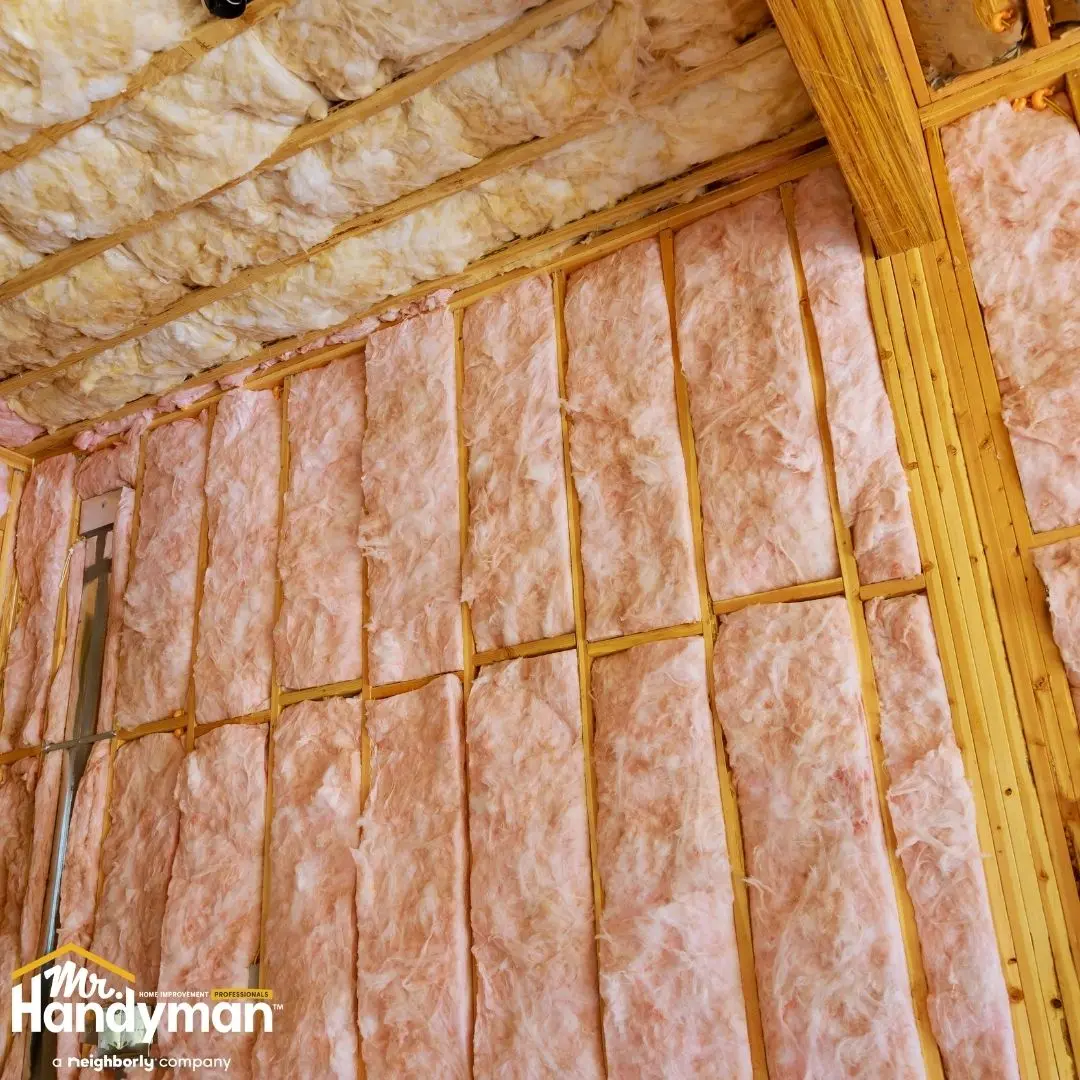
One of the most effective long-term strategies is evaluating how heat moves through the home. Warm air naturally rises, which means basements, crawl spaces, and lower-level utility areas often remain colder than living spaces. Pipes located in these areas are exposed to colder conditions for longer periods. Improving insulation in basement walls, crawl space ceilings, and rim joists helps stabilize temperatures around plumbing and reduces the likelihood of freezing.
Another long-term consideration is pipe routing. In older homes, plumbing may run through exterior walls or uninsulated cavities because it was common practice at the time of construction. While rerouting pipes is not always practical, relocating vulnerable sections when remodeling or upgrading can significantly reduce winter risk. Even small changes, such as moving supply lines slightly inward or adding insulation behind pipes, can make a measurable difference.
Homeowners should also consider how lifestyle patterns affect plumbing exposure. Pipes freeze more often in areas of the home that see little daily use. Guest bathrooms, secondary kitchens, basement wet bars, and laundry hookups that are rarely used allow water to sit stagnant in pipes for long periods. During winter, stagnant water freezes faster than water that moves regularly. Making a habit of running water briefly through these fixtures helps keep pipes active and allows homeowners to notice changes early.
Heating system performance also plays a role in pipe freezing prevention. Uneven heating, blocked vents, or failing thermostats can create cold zones that place pipes at risk. If certain rooms consistently feel colder than others, the issue may not be insulation alone. Ductwork problems, airflow restrictions, or aging heating equipment can all contribute. Addressing heating inefficiencies improves comfort and protects plumbing at the same time.
Humidity control is another overlooked factor. Extremely dry air combined with fluctuating temperatures can contribute to material contraction and minor separation at pipe joints. While humidity alone does not freeze pipes, maintaining balanced indoor humidity helps reduce stress on plumbing components and surrounding materials during winter.
Exterior conditions also influence long-term risk. Snow accumulation against foundation walls can trap cold moisture near plumbing routes. Ice buildup near exterior faucets or hose bibs can worsen freezing conditions inside walls. Clearing snow away from foundation areas and ensuring proper drainage helps reduce exposure.
Power outages are another concern during harsh winters. When heating systems shut down, indoor temperatures can drop rapidly. Homes that rely on electric heating or have limited insulation are especially vulnerable. Having a plan in place for extended outages, such as backup heat sources or draining vulnerable plumbing, can prevent catastrophic damage.
Finally, routine inspections play a key role in prevention. Small leaks, loose fittings, or corroded pipe sections are more likely to fail under freezing conditions. Identifying and addressing these issues before winter reduces the chance of burst pipes when temperatures drop.
For homeowners who want to take a proactive approach, professional inspections and targeted improvements can make winter plumbing protection far more reliable. Addressing vulnerabilities gradually over time is often more effective and affordable than reacting to emergency repairs after damage occurs.
Final Thoughts on Preventing Frozen Pipes
Frozen pipes are one of the most common and costly winter plumbing problems, but they are also one of the most preventable. With proper insulation, sealed air leaks, consistent indoor temperatures, and proactive winterization, homeowners can dramatically reduce the risk of frozen and burst pipes.
With preparation and support from Mr. Handyman of Northern St. Joseph and Elkhart Counties, homeowners across Northern Indiana can face harsh winters with confidence, knowing their plumbing systems are protected.
Protect your pipes before freezing temperatures hit. Book professional plumbing help online or call us today.
