The Window Between Spring and Summer Is Shorter Than Most Homeowners Think
There is a brief stretch of time between the end of Northern Indiana's wet spring season and the arrival of summer when home repair conditions are genuinely favorable and when the plumbing problems that developed or worsened over winter and spring are fully visible. That window does not stay open long. By late June, Northern St. Joseph and Elkhart Counties are into the heat and humidity that makes outdoor work less pleasant and drives indoor water demand to its annual peak.
Homeowners who use that window well head into summer with plumbing that is functioning reliably and efficiently. Those who let it pass often discover their deferred repairs in the worst possible context, a failed water heater on a hot July afternoon, a leaking outdoor faucet discovered when the garden hose is needed for the first time, or a slow drain that becomes a complete blockage when summer household traffic is at its highest.
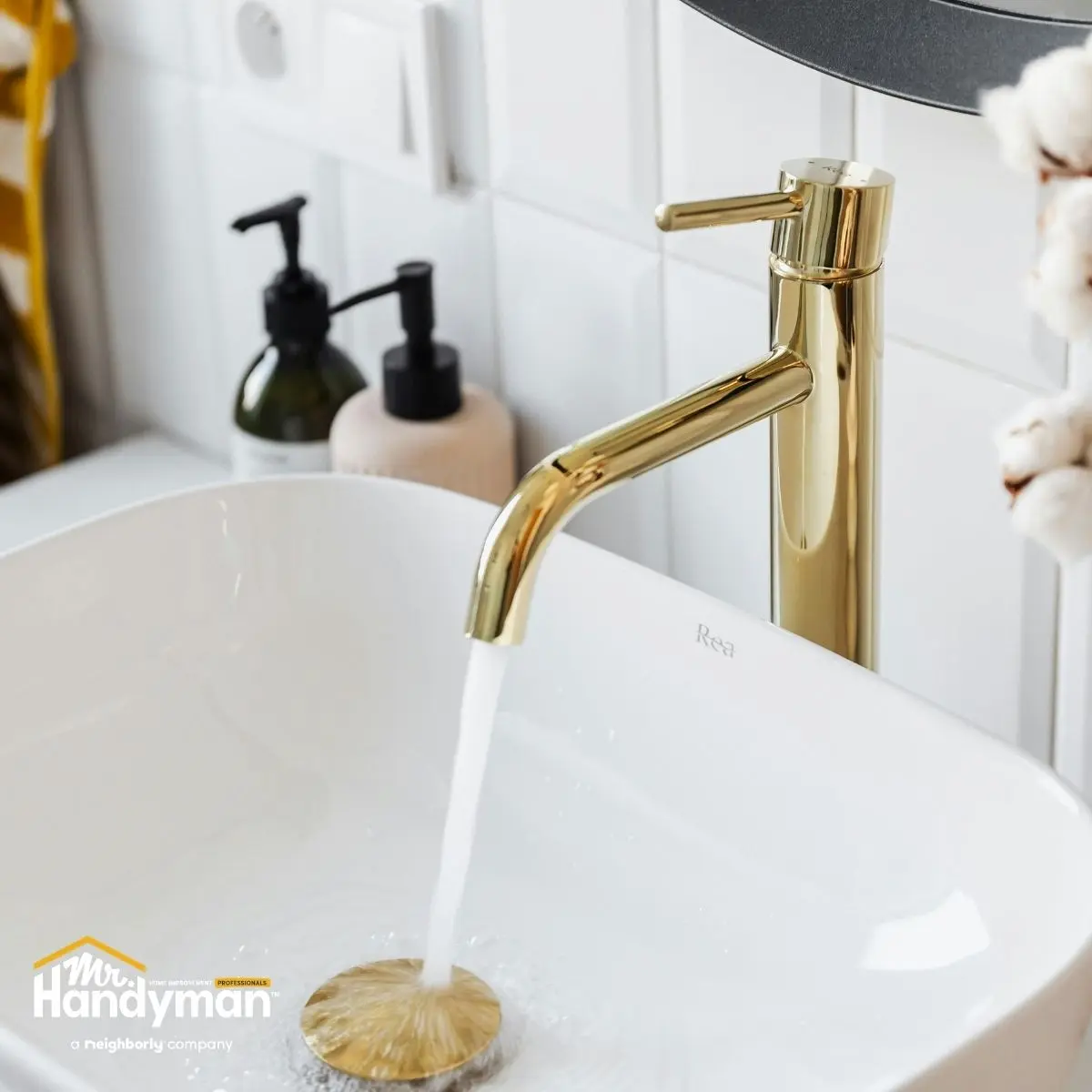
The repairs covered here are the specific plumbing issues that Northern Indiana homes accumulate through demanding winters and wet springs, that tend to worsen under summer demand, and that are most cost-effective to address before that demand arrives. Each one has a clear reason to be on the list, and each one carries real consequences if it stays on the deferred list too long.
Outdoor Faucets and Hose Bibs: First on the List for Good Reason
Outdoor plumbing components take more direct punishment from Northern Indiana winters than almost anything else on the exterior of a home. Hose bibs and outdoor faucets that were exposed to the sustained deep freezes and repeated freeze-thaw cycling that characterize winters across Northern St. Joseph and Elkhart Counties may appear functional at a glance while harboring damage that will reveal itself the first time significant water demand is placed on them.
A hose bib that drips from the spout when shut off is wasting water continuously and signaling that the internal washer or seat has worn past the point of reliable sealing. In a region where summer outdoor water use climbs sharply during growing seasons and lawn care months, that drip becomes a steady waste stream through every garden watering session and car wash.
More concerning is a hose bib that leaks from the connection point where it meets the house wall rather than from the spout itself. That leak pattern suggests that the pipe behind the faucet sustained freeze damage during a hard Northern Indiana winter and is allowing water to escape into the wall cavity rather than out through the fixture. Left unaddressed through a summer of regular outdoor water use, that hidden leak saturates insulation, promotes mold growth, and damages framing in a wall section that is not easily accessible for repair.
Frost-free hose bibs, which are standard in most Northern Indiana homes built or renovated in recent decades specifically because of the region's deep freeze winters, have a longer body that positions the actual shutoff point inside the heated envelope of the home. These designs are more resistant to freeze damage but not immune. A frost-free hose bib that was left with a hose attached during one of Northern Indiana's hard freezes loses its frost-free advantage entirely because the trapped water in the hose prevents proper drainage. Inspecting and replacing damaged frost-free hose bibs before summer use begins is straightforward work with clear preventive value.
Toilet Repairs That Should Not Wait Until Summer
Toilets that have been running intermittently, cycling randomly, or requiring handle jiggling to stop running are communicating clearly that internal components have worn past reliable function. These are not minor inconveniences to manage indefinitely. They are active water waste situations that cost money every month and tend to worsen rather than stabilize.
A flapper that no longer seals completely allows water to leak continuously from the tank into the bowl. That leak is silent in many cases, producing no audible running sound, but it is constant and wasteful. The food coloring test confirms it quickly. A flapper replacement is among the least expensive repairs in residential plumbing, and the water savings it produces are immediate and consistent.
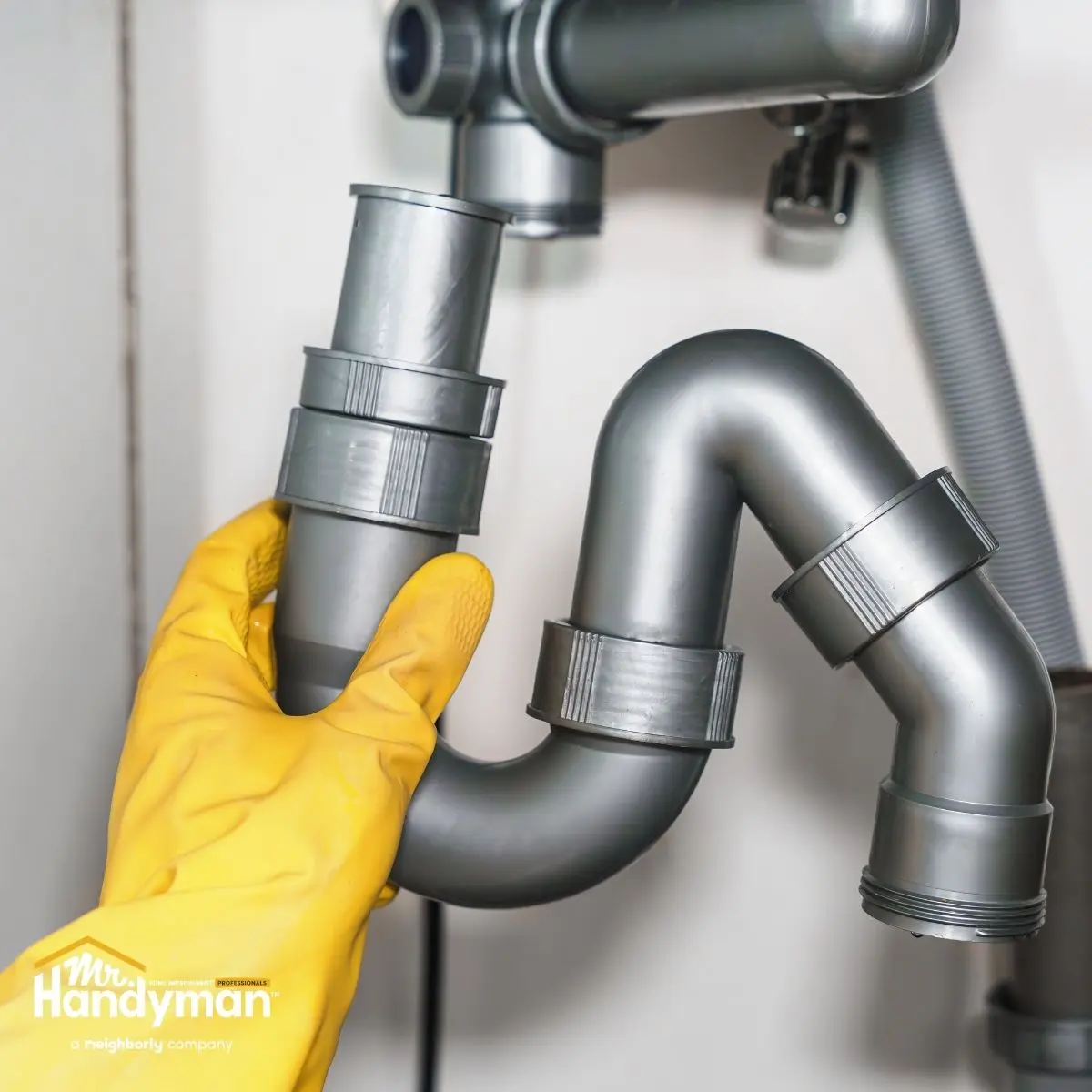
Fill valves that run longer than necessary after each flush, or that cycle back on periodically between uses, indicate either a worn valve that is not shutting off cleanly or a water level set higher than the overflow tube can contain. Both situations waste water and place unnecessary wear on components that are already showing age.
In older South Bend and Mishawaka homes where toilets may be original to renovations done fifteen or twenty years ago, the conversation shifts from individual component replacement to evaluating whether the fixture itself has reached the end of its useful life. Toilets manufactured before the 1.6 gallon per flush federal standard use significantly more water per cycle. In a household with multiple occupants running through a Northern Indiana summer, that difference in consumption adds up meaningfully on monthly water bills.
Water Line Supply Connections Throughout the Home
Supply lines, those braided or plastic connections between shut-off valves and fixtures, are among the most failure-prone components in a home's plumbing system and among the most consistently overlooked during routine maintenance in Northern Indiana homes.
The failure mode for aging supply lines is not always a gradual drip that provides warning. Rubber-core supply lines that have reached the end of their service life can fail suddenly and completely, releasing the full pressure of the supply line into the cabinet or space below. Under a kitchen sink, that failure means water across the kitchen floor and into the cabinet contents before it is discovered. Behind a toilet, it means a bathroom floor covered in water that may penetrate to the subfloor and the ceiling of the basement below.
The specific concern in Northern St. Joseph and Elkhart County homes is the thermal cycling that Northern Indiana's extreme winters apply to supply line connections in spaces that are not fully climate controlled. Rubber and plastic supply line materials that have been through multiple seasons of significant temperature variation develop the micro-cracking and brittleness that accelerate failure in ways that homes in more moderate climates do not experience at the same rate. Addressing aging supply lines during a planned pre-summer service visit is far more straightforward than replacing them under emergency conditions when water is actively escaping.
Drain Cleaning and Slow Drain Resolution
Drains that ran slowly through winter and spring do not correct themselves when summer arrives. They worsen. The combination of increased household activity during summer, higher water temperatures that change how grease and soap behave in drain lines, and the organic buildup that accumulates through months of heavy indoor use creates drainage conditions in summer that expose whatever weakness already existed in the system.
A single slow drain isolated to one fixture typically indicates a localized blockage in the trap or the drain line immediately downstream. That is a contained problem with a straightforward solution. Multiple slow drains across different areas of the home, or a drain that gurgles when another fixture is used nearby, points toward the main line rather than individual fixtures.
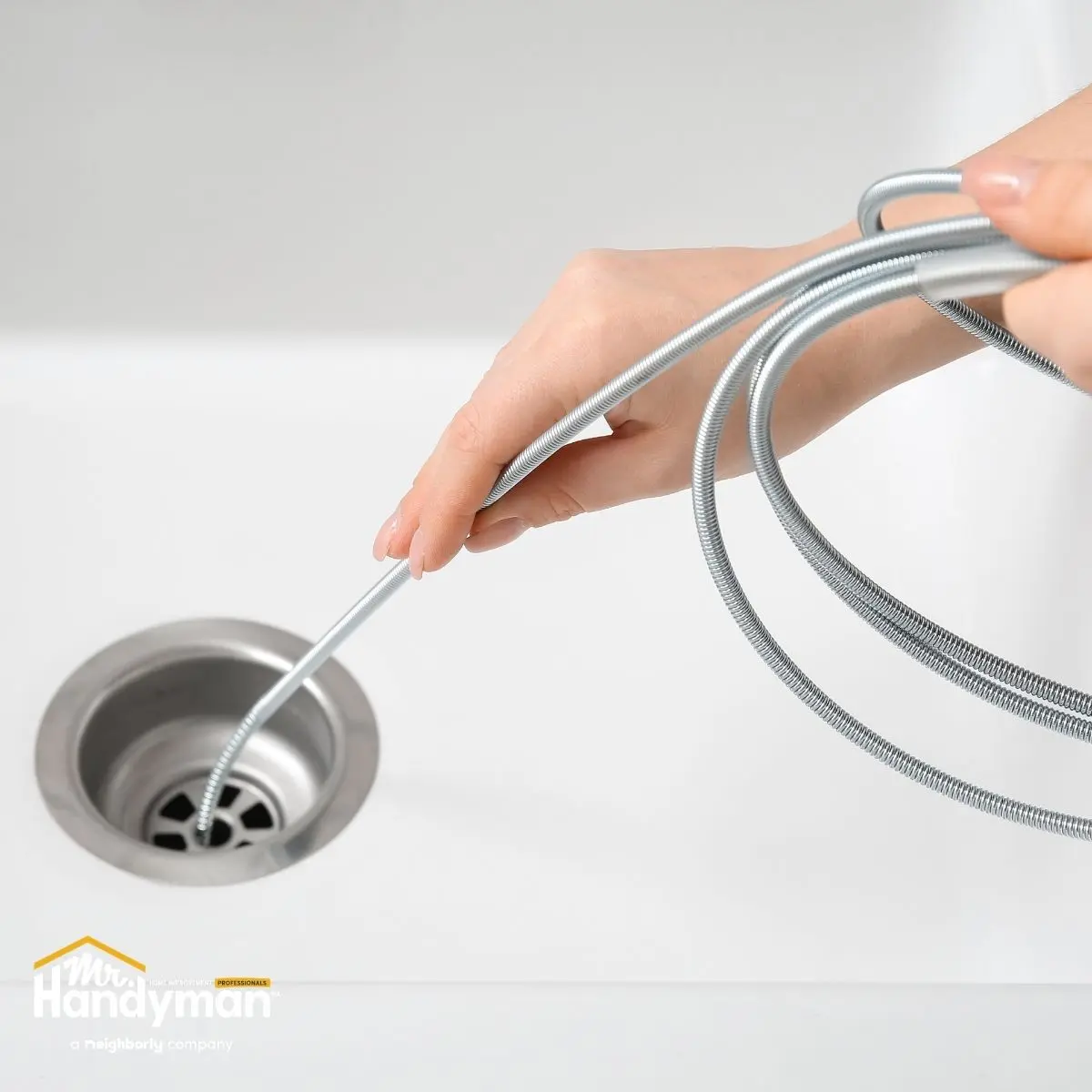
In South Bend and Mishawaka neighborhoods where sewer lines may be original to the home's construction from the early to mid-twentieth century, slow drains in spring and early summer warrant a closer look than they might in newer construction. Cast iron lines that have scaled internally over decades, or clay tile lines that have experienced root intrusion from the mature trees in these established neighborhoods, produce drainage symptoms that worsen progressively. A sewer camera inspection provides definitive information about what is actually occurring in the line.
Addressing Water Heater Issues Before Peak Summer Demand
A water heater that has been straining through a Northern Indiana winter of longer heating cycles and significantly colder incoming water arrives at spring in a condition that deserves honest evaluation. The question is not whether the unit worked through winter. It is whether it has the remaining service life to handle the demands of a full summer household without failing at an inconvenient moment.
Sediment accumulation in tank water heaters is a real concern across Northern St. Joseph and Elkhart Counties, where the mineral content of regional water supplies accelerates deposit buildup at the bottom of the tank. That sediment layer insulates the heating element from the water above it, forcing the unit to run longer and consume more energy to achieve the same output. Flushing the tank before summer removes accumulated sediment and allows the unit to operate at its designed efficiency.
Water heaters approaching or past ten years of service in Northern Indiana conditions should be evaluated honestly for remaining useful life. A unit already showing signs of age, rust around the base, inconsistent output temperatures, or a pressure relief valve that has never been tested, is a replacement candidate before it becomes an emergency on the first truly hot weekend of the summer.
Pressure Regulators and Shut-Off Valves: The Components Most Homeowners Never Think About
There are plumbing components in every Northern Indiana home that receive almost no attention until they fail, and when they fail the consequences tend to be disproportionate to how simple and inexpensive they are to service. Pressure regulators and shut-off valves sit in that category consistently, and the combination of aging housing stock across South Bend and Mishawaka and the thermal cycling that Northern Indiana winters apply to every plumbing component makes them worth specific pre-summer attention.
A pressure reducing valve that is no longer maintaining water pressure within the recommended range of 40 to 60 pounds per square inch is either allowing pressure to run too high or restricting flow below what the household needs. High pressure is the more damaging condition. It accelerates wear on every washer, seal, and connection throughout the home, shortens the service life of appliances connected to the water supply, and increases the likelihood of supply line failure. In older South Bend and Mishawaka homes where original fixtures and connections may already be showing age, elevated water pressure compounds that existing vulnerability significantly.
Pressure regulators have a typical service life of ten to fifteen years. A regulator that has never been tested or replaced in a home occupied for more than a decade is worth having evaluated before summer places peak demand on the supply system. Testing involves nothing more than a pressure gauge attached to an outdoor hose bib, which provides an immediate reading of what the system is actually delivering.
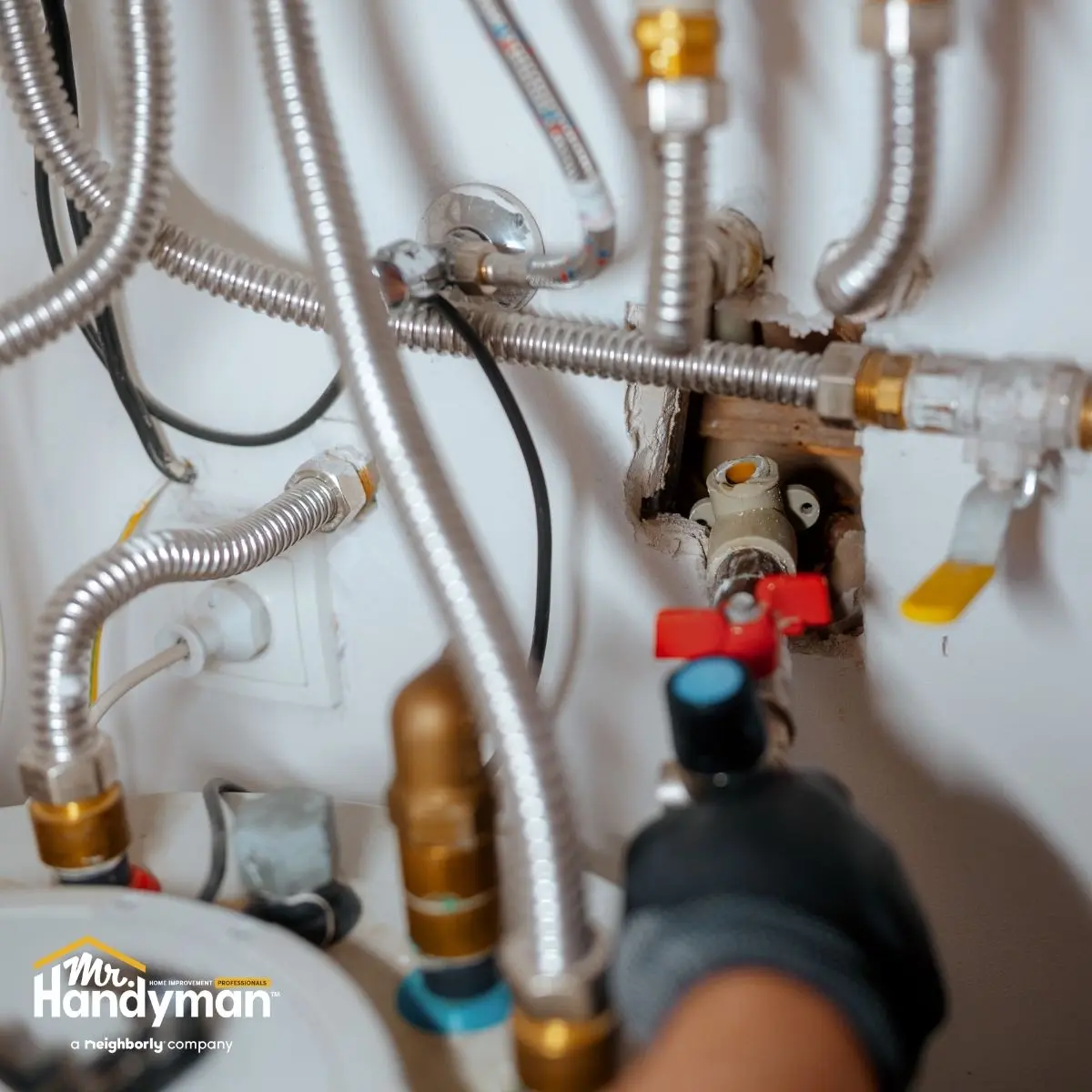
Shut-off valves, both the main house shut-off and the individual fixture valves beneath sinks and behind toilets, are components that are only called upon during an emergency or a planned repair. A shut-off valve that has not been operated in years can seize partially open, corrode at the stem, or fail to close completely when it is finally needed. In Northern Indiana homes where mineral deposits from the region's hard water supply accumulate in valve seats and packing over years of stagnant service, this failure mode is more common than in regions with softer water conditions.
Before summer arrives, operating each fixture shut-off valve through its full range of motion and confirming it closes completely takes very little time and costs nothing. Any valve that feels stiff, leaks at the stem when operated, or fails to fully stop water flow should be replaced while conditions are calm rather than discovered during an emergency.
Exterior Drainage and Its Direct Connection to Indoor Plumbing Health
The relationship between exterior drainage and indoor plumbing problems is one that many Northern Indiana homeowners do not fully appreciate until water finds its way inside. How water moves away from a home during a summer thunderstorm, which across Northern St. Joseph and Elkhart Counties can be intense and sudden during peak summer storm season, directly affects the pressure placed on foundation walls and the workload placed on any sump system the home relies on.
Downspouts that discharge too close to the foundation return roof water to exactly the area where it creates the most damage. Soil around the foundation becomes saturated, hydrostatic pressure builds against foundation walls, and water finds its way through any crack or penetration in the foundation assembly. Extending downspout discharge points to carry water at least six feet from the foundation wall is a straightforward adjustment that meaningfully reduces that pressure during summer storm events that follow the already-saturated ground conditions that spring snowmelt leaves behind.
Yard grading that has settled or shifted over time can create low points adjacent to the foundation that collect water during rainfall rather than directing it away. In Northern Indiana's heavier clay soil areas, which are common across St. Joseph County and portions of Elkhart County, those low points hold water for extended periods after rain events, maintaining soil saturation against the foundation well beyond the storm itself. Correcting negative grade around a foundation before summer storm season is preventive work with direct plumbing implications that extend into the basement and crawl space conditions the home manages through the wet months.
In South Bend and Mishawaka neighborhoods where mature tree canopies are part of what defines neighborhood character, underground root systems that have followed drain lines and sewer pipes represent a drainage vulnerability that worsens each growing season. Summer, when trees are actively growing and root systems are pursuing available moisture, is when that intrusion advances most aggressively. Addressing known root intrusion issues before peak summer growth limits the extent of damage that accumulates through the warmer months.
Room by Room: Pre-Summer Plumbing Priorities
Walking through each area of the home with summer demand specifically in mind reveals repair priorities that a general inspection might not surface clearly.
Bathrooms see a significant increase in use during summer months in Northern Indiana households where children are home from school, guests are visiting, and the combination of summer activity and outdoor heat drives higher shower frequency. A bathroom with a marginally slow drain, a toilet that requires occasional handle attention, or a faucet that has been dripping quietly for months reaches the threshold of genuine inconvenience quickly when daily use intensifies through summer traffic. Addressing those marginal issues before summer arrives prevents the escalation from minor annoyance to active household disruption.
Kitchens experience their own summer demand increase. Outdoor entertaining, increased cooking for larger gatherings, and the heavier disposal use that comes with summer produce and more frequent meal preparation all place greater demand on kitchen plumbing than the quieter indoor winter months. A garbage disposal that has been struggling, a kitchen faucet with reduced pressure, or a dishwasher connection that has shown any sign of moisture deserves attention before that demand peaks through summer entertaining season.
Laundry areas in summer handle heavier loads more frequently. Sports uniforms, outdoor clothing, and the general increase in laundry volume that accompanies active Northern Indiana summers stress washing machine supply hoses, drain standpipes, and connections that perform adequately under lighter winter demand. Washing machine supply hose inspection and replacement if needed is a pre-summer task that takes minutes and prevents a failure that can release significant water volume without warning.
Basements in Northern St. Joseph and Elkhart County homes deserve specific pre-summer attention beyond the sump pump inspection covered in earlier content. Plumbing components in basement utility areas, floor drains that may have partially blocked through winter debris accumulation, water softener connections and drain lines, and the utility sink plumbing that many Northern Indiana basements include all benefit from the pre-summer evaluation that confirms the basement's plumbing infrastructure is ready for the increased household activity that summer brings to every floor of the home.
What Deferred Pre-Summer Repairs Actually Cost
The practical argument for addressing plumbing repairs before summer is straightforward when the costs are laid out honestly. A hose bib replacement before summer costs a fraction of what water damage remediation costs if that hose bib fails into a wall cavity through a season of regular use. A supply line replaced during a planned visit costs far less than emergency service and water damage repair if that line fails on a weekend afternoon in July when contractor scheduling is least flexible.
Beyond direct repair costs, the indirect costs of deferred plumbing maintenance accumulate in ways that are easy to underestimate. Water waste from running toilets, dripping faucets, and inefficient fixtures runs on the monthly water bill continuously. Reduced appliance efficiency from sediment-laden water heaters shows up on energy bills. The shortened service life of fixtures and appliances that operate under elevated water pressure or with degraded connections represents accelerated replacement costs that proper maintenance would have delayed.
In South Bend, Mishawaka, and across Elkhart County, where summer brings the household activity peaks that test every plumbing system in the home, the value of heading into summer with confirmed functional plumbing is not abstract. It is felt every day the season runs and most acutely on the days when a problem that should have been addressed in April makes itself known in the middle of July.
Frequently Asked Questions
How do I know if my water pressure is too high? A pressure gauge attached to an outdoor hose bib provides an immediate reading. Residential pressure should fall between 40 and 60 pounds per square inch. Readings consistently above that range indicate a pressure regulator that needs attention before summer demand tests every connection and fitting in the system.
Is it worth replacing a toilet that still technically works? If the toilet predates the 1.6 gallon per flush standard, uses significantly more water per cycle than current models, or requires frequent internal component repairs, replacement before summer is worth evaluating honestly. The water savings alone often justify the cost within a reasonable timeframe, particularly in Northern Indiana households where summer occupancy increases flush frequency significantly.
How often should washing machine supply hoses be replaced? Rubber supply hoses should be replaced every five years regardless of apparent condition. In Northern Indiana homes where thermal cycling from extreme winters has stressed rubber hose materials through multiple seasons, the lower end of that range is the more conservative and appropriate planning assumption. Braided stainless steel hoses have a longer service life but should be inspected annually for corrosion at the fittings.
What is the most common plumbing repair Northern Indiana homes need before summer? Outdoor faucet and hose bib repairs are among the most consistent pre-summer needs across the region, a direct consequence of the deep freeze winters that Northern St. Joseph and Elkhart Counties experience. Supply line inspection and toilet component replacement follow closely, particularly in older South Bend and Mishawaka homes where original or early replacement components are reaching the end of reliable service life.
Can slow drains clear themselves over time? They do not. Partial blockages accumulate additional material with every use and worsen progressively. A drain that is running slowly now will run more slowly in August when household demand is higher and summer conditions change how soap and grease behave in older Northern Indiana drain lines.
Should I have a plumber inspect my home even if I have not noticed any specific problems? In Northern St. Joseph and Elkhart County homes more than fifteen years old, a pre-summer inspection regularly surfaces issues that have not yet produced obvious symptoms. The cost of that inspection is reliably less than the cost of a single undetected problem reaching the point of failure during the summer months when household demand is highest and scheduling is most constrained.
Head Into Summer With Plumbing That Is Ready
Northern Indiana summers are not forgiving of deferred maintenance. The increased household demand, the intensity of summer storm systems, and the outdoor water use that the region's growing season supports all test plumbing that is carrying unresolved issues. Addressing those issues in the window before summer arrives is the most cost-effective approach available, and it is the difference between a summer that runs smoothly and one defined by reactive repairs at the worst possible moments.
The team at Mr. Handyman of Northern St. Joseph and Elkhart Counties has the experience to work through a pre-summer plumbing assessment thoroughly and address what needs attention before the season makes those repairs more urgent and more expensive.
Website: https://www.mrhandyman.com/northern-st-joseph-elkhart-counties/
Serving homeowners throughout Northern St. Joseph and Elkhart Counties with dependable service and the expertise your home deserves.
