How a Quarterly Maintenance Program Prevents Emergency Repairs and Downtime is a critical concept for restaurant owners who want to reduce unexpected failures, control operating costs, and keep kitchens running without disruption. Restaurant maintenance and repairs are often treated as reactive tasks, handled only when something breaks. This approach leads to emergency service calls, after-hours disruptions, and costly downtime that could have been avoided with structured preventive care.
Restaurants operating in South Bend, Mishawaka, Elkhart, Goshen, and New Carlisle rely heavily on commercial refrigeration, ventilation, plumbing, and other systems that operate continuously. When these systems are ignored until failure, the result is often lost inventory, interrupted service, and after-hours repair calls that strain both budgets and staff.
A quarterly maintenance program shifts restaurant maintenance and repairs from reactive problem solving to planned risk reduction. Instead of waiting for commercial refrigeration to fail overnight or a critical system to break down during peak service, equipment is inspected, cleaned, and adjusted on a regular schedule. This proactive approach identifies small issues before they escalate into emergencies that require immediate after-hours response.
Commercial refrigeration is one of the most common sources of emergency calls. Walk-in coolers, freezers, prep refrigeration, and ice machines operate nonstop and are highly sensitive to airflow restrictions, dirty components, and minor mechanical wear. Without regular inspection, issues such as failing condenser fans, clogged coils, refrigerant leaks, or thermostat drift go unnoticed. These problems often surface late at night or over the weekend, when systems are under heavy load and staff is limited. A quarterly maintenance program addresses these risks by identifying performance changes early, allowing repairs to be scheduled during normal hours.
Emergency refrigeration failures are expensive not only because of repair costs but also because of inventory loss. A failed walk-in cooler overnight can result in thousands of dollars in spoiled food by morning. Quarterly maintenance reduces this risk by keeping systems operating within proper temperature ranges and addressing warning signs before failure occurs.
Restaurant maintenance and repairs also extend beyond refrigeration. Floor drains, grease traps, hood systems, and plumbing components all contribute to operational stability. When these systems are neglected, problems tend to appear suddenly and disrupt service. A clogged floor drain during dinner service or a grease trap backup can force a temporary shutdown until the issue is resolved. Quarterly inspections help ensure these systems remain functional and compliant, reducing the likelihood of emergencies.
After-hours service calls are often the result of deferred maintenance. When equipment is not inspected regularly, failures occur at the most inconvenient times. After-hours repairs typically cost more, require immediate decisions, and place stress on managers and owners. A quarterly maintenance program reduces reliance on after-hours service by catching issues early and resolving them on a planned schedule.
Restaurants in Osceola, Plymouth, and Granger often experience seasonal fluctuations that place additional strain on equipment. Higher volume periods increase wear on refrigeration and plumbing systems, making preventive maintenance even more important. Quarterly service ensures equipment is prepared for these demand spikes instead of failing under pressure.
Another advantage of a quarterly maintenance program is predictability. Emergency repairs are disruptive and difficult to budget for. Planned maintenance allows owners to anticipate costs, schedule service during slower periods, and avoid the financial shock of unexpected breakdowns. Over time, this predictability improves cash flow and reduces stress associated with emergency decision making.
Quarterly maintenance also supports compliance. Health and safety inspections evaluate equipment condition, sanitation, and operational reliability. Restaurants that experience frequent breakdowns are more likely to face violations related to temperature control, drainage, or ventilation. Regular inspections and documentation demonstrate a commitment to safety and reduce the likelihood of citations that can result in fines or closures.
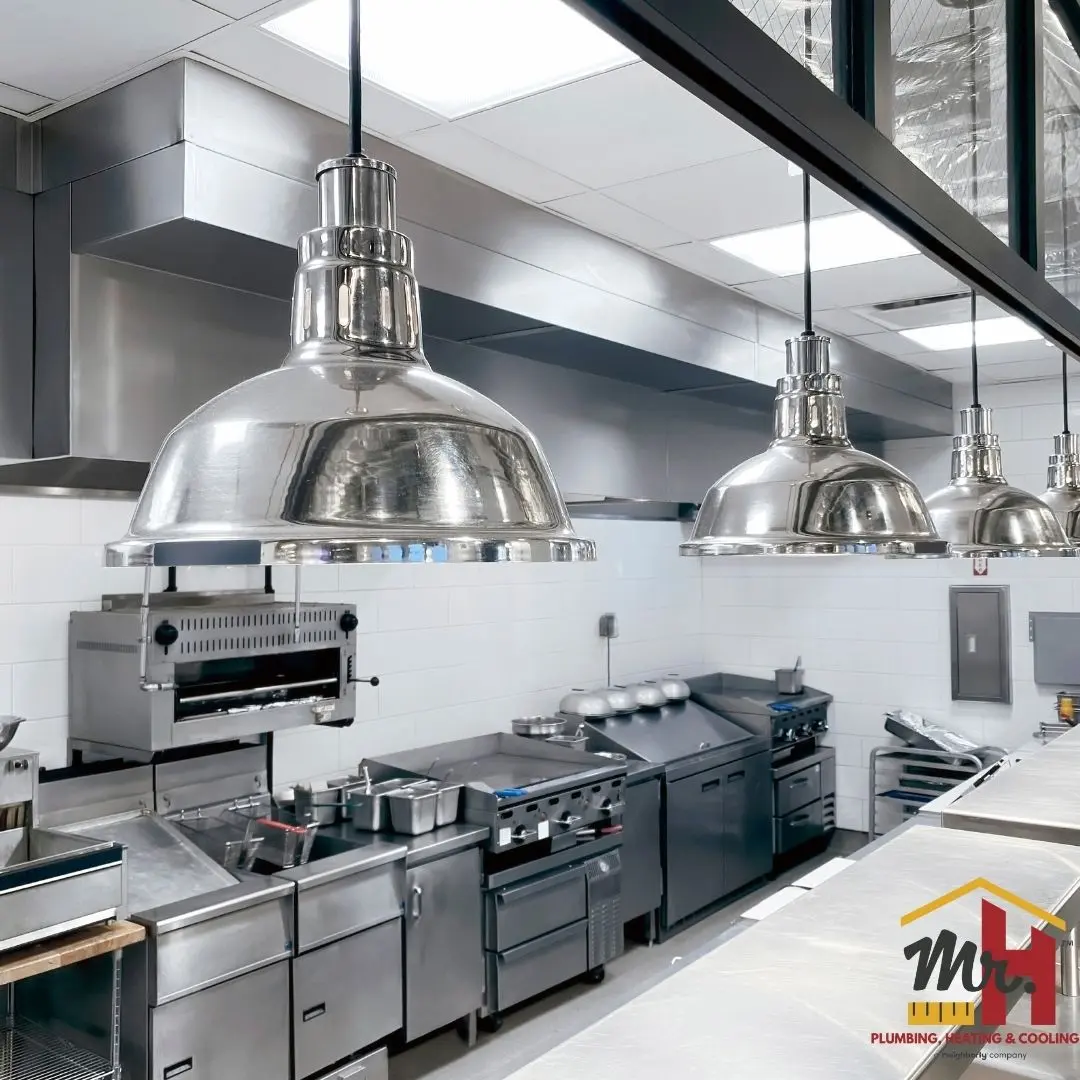
Restaurants in Bristol and La Porte operating in older facilities face additional risk when maintenance is inconsistent. Aging infrastructure is less forgiving of neglect, making preventive care essential for avoiding recurring emergencies.
A quarterly maintenance program is not about eliminating repairs entirely. Equipment will still require service over time. The difference is that repairs are handled proactively instead of reactively. By addressing small issues before they escalate, restaurants reduce downtime, protect inventory, and minimize after-hours disruptions.
How a Quarterly Maintenance Program Prevents Emergency Repairs and Downtime ultimately comes down to control. Planned maintenance gives restaurant owners greater control over their operations, budgets, and schedules. Instead of reacting to emergencies, they manage risk in advance, creating a more stable and reliable kitchen environment.
Real Examples of Prevented Failures Through Quarterly Maintenance
A quarterly maintenance program delivers the most value when restaurant owners understand how preventive care directly prevents emergencies. Restaurant maintenance and repairs are often viewed as unavoidable costs, but many of the most disruptive failures follow predictable patterns. Quarterly inspections interrupt those patterns by identifying wear, buildup, and performance changes before they trigger breakdowns or after-hours service calls.
Restaurants in South Bend, Mishawaka, Elkhart, Goshen, and New Carlisle rely on systems that rarely fail without warning. The warning signs are often subtle and easy to miss during daily operations. Quarterly maintenance creates a scheduled opportunity to identify these signs and correct them before they disrupt service.
Preventing Commercial Refrigeration Emergencies
Commercial refrigeration failures account for a large percentage of emergency and after-hours service calls. Walk-in coolers, freezers, and prep refrigeration systems operate continuously and are highly sensitive to dirt, airflow restriction, and component fatigue. Quarterly maintenance focuses on cleaning coils, inspecting fans, checking electrical connections, and verifying temperature consistency.
One common avoided emergency involves condenser coils that gradually become clogged with grease and debris. As airflow decreases, compressors work harder and run hotter. Without intervention, the system may fail overnight, leading to spoiled inventory and urgent after-hours calls. Quarterly coil cleaning restores airflow and reduces stress on the system, preventing these late-night failures.
Another example involves thermostat drift and control calibration. Small temperature inconsistencies may not trigger alarms but can indicate underlying issues. Quarterly checks identify these shifts early, allowing adjustments or repairs to be scheduled during normal hours instead of reacting to a sudden temperature failure after hours.
Reducing After-Hours Service Calls
After-hours service is often the result of deferred maintenance rather than unpredictable failure. When components are not inspected regularly, breakdowns tend to occur during periods of peak stress such as weekends, holidays, or overnight operation. Quarterly maintenance reduces after-hours calls by addressing vulnerabilities before these high-risk periods.
Restaurants in Osceola, Plymouth, and Granger often experience demand spikes tied to local events or seasonal traffic. Quarterly service scheduled ahead of these periods ensures refrigeration, ventilation, and plumbing systems are prepared for increased use, reducing the likelihood of emergency calls during peak business hours.
Electrical connections are another frequent cause of after-hours failures. Loose terminals, worn wiring, or aging contactors may function intermittently before failing completely. Quarterly inspections identify these risks and allow for proactive repair, avoiding sudden shutdowns that require immediate response.
Avoiding Plumbing and Drainage Emergencies
Quarterly maintenance programs also address systems that are often ignored until they fail. Floor drains and grease traps gradually accumulate debris, grease, and sediment. When maintenance is postponed, these systems often fail during service, causing backups, odors, and sanitation concerns.
A quarterly drain inspection and cleaning schedule prevents grease buildup from reaching critical levels. This reduces the likelihood of floor drain backups that can force temporary closures. Instead of responding to an emergency during dinner service, issues are resolved on a predictable schedule.
Grease trap maintenance is especially important in preventing after-hours plumbing emergencies. Traps that are cleaned quarterly remain effective, preventing grease from entering drain lines and causing downstream blockages. Restaurants that skip regular service often experience backups that require emergency response and extended cleanup.
Improving Hood System Reliability
Hood systems play a major role in kitchen safety and compliance. Quarterly maintenance includes inspection of filters, airflow, and grease accumulation. When hood systems are neglected, grease builds up gradually and increases fire risk. These issues are often discovered during inspections or after a ventilation failure.
By inspecting hood systems quarterly, restaurants reduce the likelihood of emergency shutdowns related to ventilation problems. Issues such as reduced airflow or excessive grease accumulation are addressed before they trigger compliance violations or safety concerns.
Restaurants in Bristol and La Porte operating in older buildings benefit significantly from this approach. Aging ductwork and ventilation systems require consistent monitoring to remain safe and effective.
The Cumulative Impact of Preventive Care
The true value of a quarterly maintenance program lies in cumulative prevention. Each avoided refrigeration failure, plumbing backup, or ventilation issue represents saved inventory, reduced downtime, and fewer after-hours disruptions. Over time, these avoided emergencies translate into measurable financial savings and operational stability.
Restaurant maintenance and repairs become more predictable when issues are identified early. Instead of reacting to crises, owners plan service around their schedules and budgets. Staff experience fewer disruptions, and customer service remains consistent even during high-demand periods.
Quarterly maintenance does not eliminate the need for repairs. It changes when and how those repairs occur. By shifting repairs to planned service windows, restaurants reduce emergency costs and maintain greater control over their operations.
By examining real examples of prevented failures, it becomes clear that quarterly maintenance is not an added expense but a cost control strategy. It reduces reliance on after-hours service, protects critical systems, and keeps kitchens operating without interruption.
Turning a Quarterly Maintenance Program Into Long-Term Operational Control
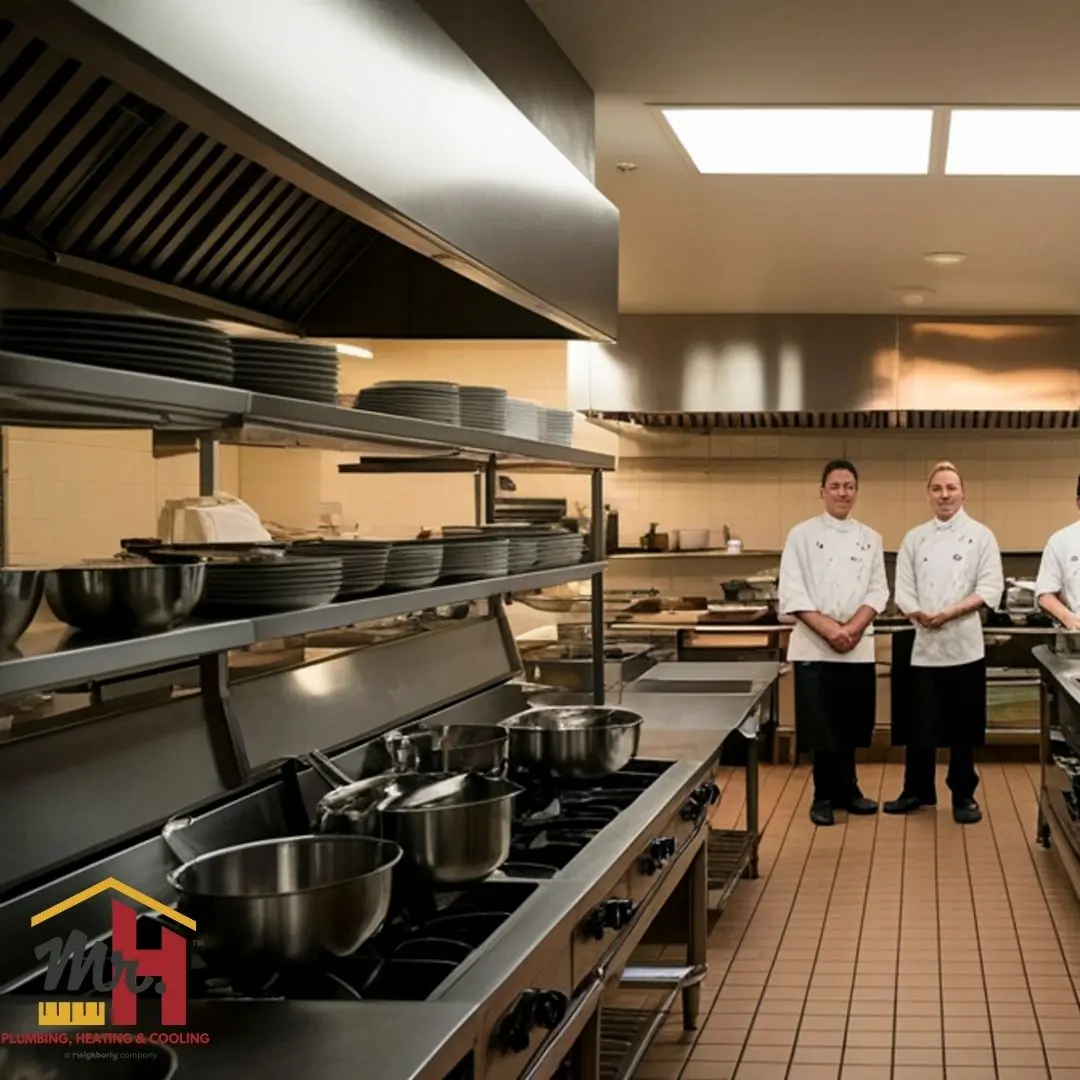
A quarterly maintenance program is not just a service schedule. It is a strategic tool that gives restaurant owners control over risk, cost, and operational stability. When restaurant maintenance and repairs are handled proactively, kitchens spend less time reacting to emergencies and more time operating consistently. This shift is especially important in commercial environments where downtime, inventory loss, and after-hours disruptions have immediate financial consequences.
Restaurants in South Bend, Mishawaka, Elkhart, Goshen, and New Carlisle operate under constant pressure to meet health codes, manage staffing, and maintain customer satisfaction. In these markets, unplanned equipment failures can quickly escalate into lost revenue, damaged reputation, and compliance issues. A quarterly maintenance program reduces these risks by creating structure and predictability.
One of the most valuable outcomes of quarterly maintenance is reduced dependence on after-hours service. Emergency calls often occur when systems have been declining for weeks or months without intervention. Commercial refrigeration failures, plumbing backups, and ventilation issues rarely appear without warning. Quarterly inspections capture these warning signs early, allowing repairs to be scheduled during normal business hours instead of overnight or on weekends.
Commercial refrigeration benefits significantly from this approach. Walk-in coolers, freezers, prep refrigeration, and ice machines operate continuously and experience gradual wear. Quarterly maintenance keeps coils clean, fans operating correctly, and controls calibrated. This reduces temperature fluctuations that lead to food spoilage and emergency calls. Over time, fewer after-hours refrigeration failures translate into lower service costs and reduced inventory loss.
A quarterly maintenance program also supports better financial planning. Emergency repairs are unpredictable and often expensive. They require immediate approval, disrupt service, and may involve premium after-hours rates. Preventive maintenance allows owners to anticipate service needs, budget accurately, and avoid the financial shock of sudden breakdowns. This predictability improves cash flow and reduces stress for both owners and managers.
Restaurants in Osceola, Plymouth, and Granger often experience seasonal volume spikes that place additional strain on equipment. Quarterly maintenance ensures systems are evaluated before these high-demand periods. Instead of reacting to failures during busy weekends or events, restaurants enter peak seasons with equipment that has already been inspected and adjusted.
Compliance is another area where quarterly maintenance delivers long-term value. Health departments and fire inspectors expect equipment to function properly and be maintained consistently. Temperature control, drainage, ventilation, and sanitation are all closely monitored. Restaurants that experience repeated breakdowns are more likely to face violations. A quarterly maintenance program creates documentation and consistency that demonstrate due diligence during inspections.
For older facilities, preventive care is even more critical. Restaurants in Bristol and La Porte often operate in buildings with aging infrastructure. Electrical systems, plumbing lines, and ventilation components may be less tolerant of neglect. Quarterly maintenance helps identify weaknesses early, reducing the likelihood of cascading failures that can shut down operations for extended periods.
Another advantage of quarterly maintenance is improved equipment lifespan. Systems that are cleaned, adjusted, and monitored regularly experience less strain and fewer catastrophic failures. Compressors last longer, fans operate more efficiently, and controls remain accurate. Extending the usable life of equipment reduces capital replacement costs and improves return on investment.
Quarterly maintenance also improves staff confidence and efficiency. When equipment is reliable, staff can focus on service instead of troubleshooting problems. Managers spend less time coordinating emergency repairs and more time overseeing operations. This stability contributes to better morale and a more consistent customer experience.
The long-term value of a quarterly maintenance program is cumulative. Each avoided emergency repair, each prevented after-hours call, and each inspection passed without issue compounds over time. What begins as a maintenance schedule becomes a system of operational control that protects revenue and reduces risk.
Restaurant maintenance and repairs will always be part of operating a commercial kitchen. The difference is whether those repairs happen on your schedule or during an emergency. A quarterly maintenance program ensures that service is planned, proactive, and aligned with business goals instead of driven by crisis.
For restaurant owners who want to reduce downtime, protect inventory, and limit after-hours disruptions, partnering with a reliable service provider is essential. Mr.H Heating and Cooling, a company within Mr. Handyman of Northern St. Joseph and Elkhart Counties, offers quarterly maintenance programs designed to support commercial refrigeration, restaurant maintenance, and long-term operational stability.
To learn more about setting up a Quarterly Maintenance Program or to schedule service, visit or call to speak with a knowledgeable professional.
A quarterly maintenance program is not an added expense. It is a strategy that replaces emergency repairs with control, reduces after-hours service calls, and keeps kitchens operating without interruption.