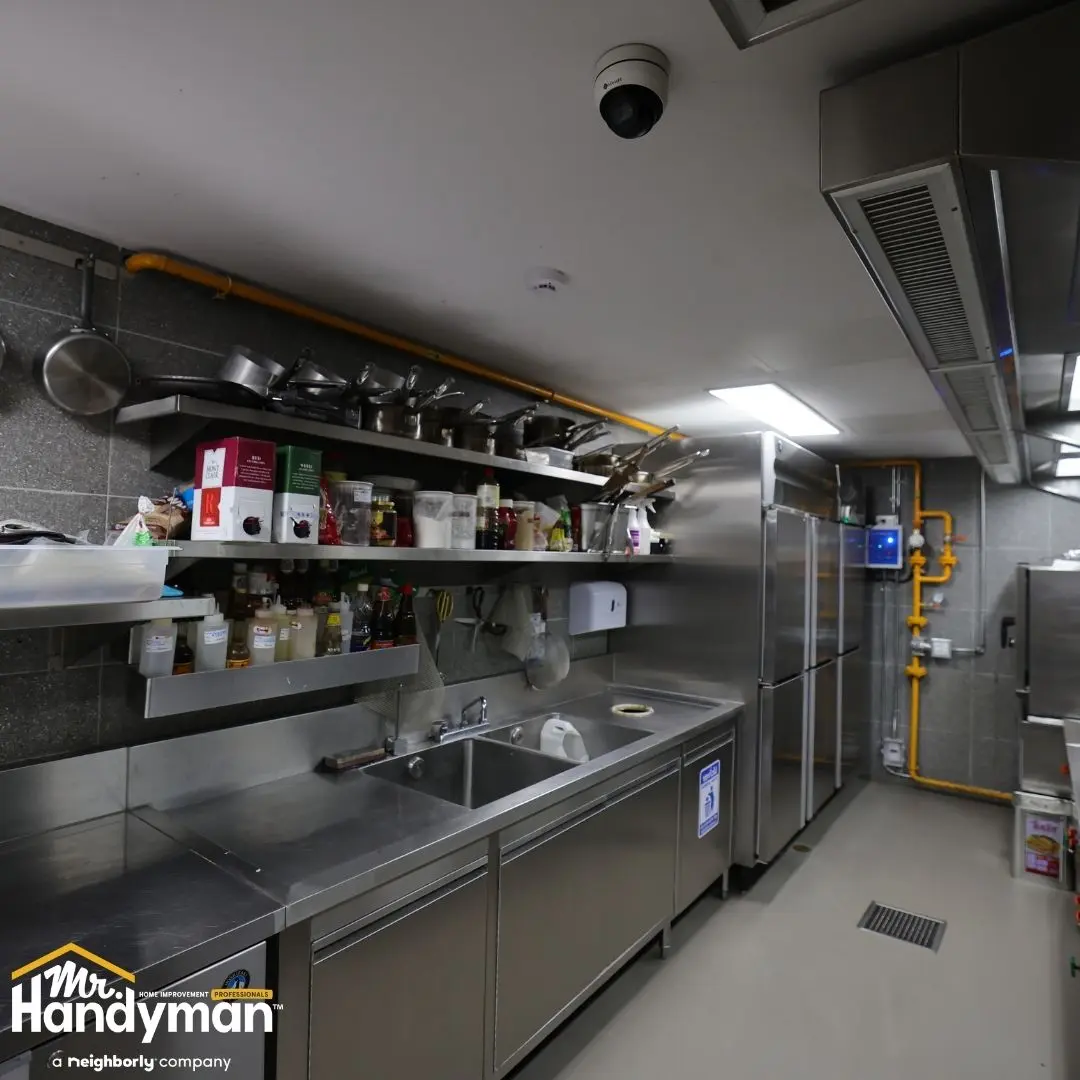
Unexpected repairs are one of the fastest ways for a business to lose control of its operating budget. A leaking ceiling, a failing door, or an electrical issue rarely happens at a convenient time, and emergency fixes almost always cost more than planned maintenance. How Businesses Can Reduce Repair Costs With Preventative Maintenance is not about eliminating repairs entirely. It is about shifting from reactive spending to proactive planning that protects facilities, people, and profits.
Across Northern Indiana, commercial buildings are exposed to conditions that naturally accelerate wear. Freeze thaw cycles, heavy snow loads, spring moisture, and humid summers all place stress on structures and building systems. Businesses in areas like South Bend, Elkhart, and Mishawaka experience these effects every year, whether they operate retail spaces, offices, medical facilities, or light industrial buildings. Without a preventative approach, small issues quickly grow into expensive disruptions.
Preventative commercial maintenance focuses on identifying and correcting minor problems before they escalate. When paired with consistent handyman services and routine inspections, it becomes one of the most effective cost control tools available to business owners and property managers.
Why Reactive Repairs Cost More Than Planned Maintenance
Emergency repairs carry hidden costs beyond the invoice itself. Rush scheduling, after hours labor, and temporary operational shutdowns all add to the financial impact. In many cases, the original issue could have been resolved earlier with a simple adjustment or minor repair.
Common examples of avoidable cost escalation include:
- A loose door hinge that eventually damages the frame
- Minor roof flashing issues that turn into interior water damage
- Small plumbing leaks that lead to mold remediation
- Worn flooring that becomes a trip hazard and liability concern
Preventative maintenance allows businesses to address these problems on their own timeline. This approach supports predictable budgeting and reduces the likelihood of business interruptions that affect employees and customers.
The Role of Routine Inspections in Cost Control
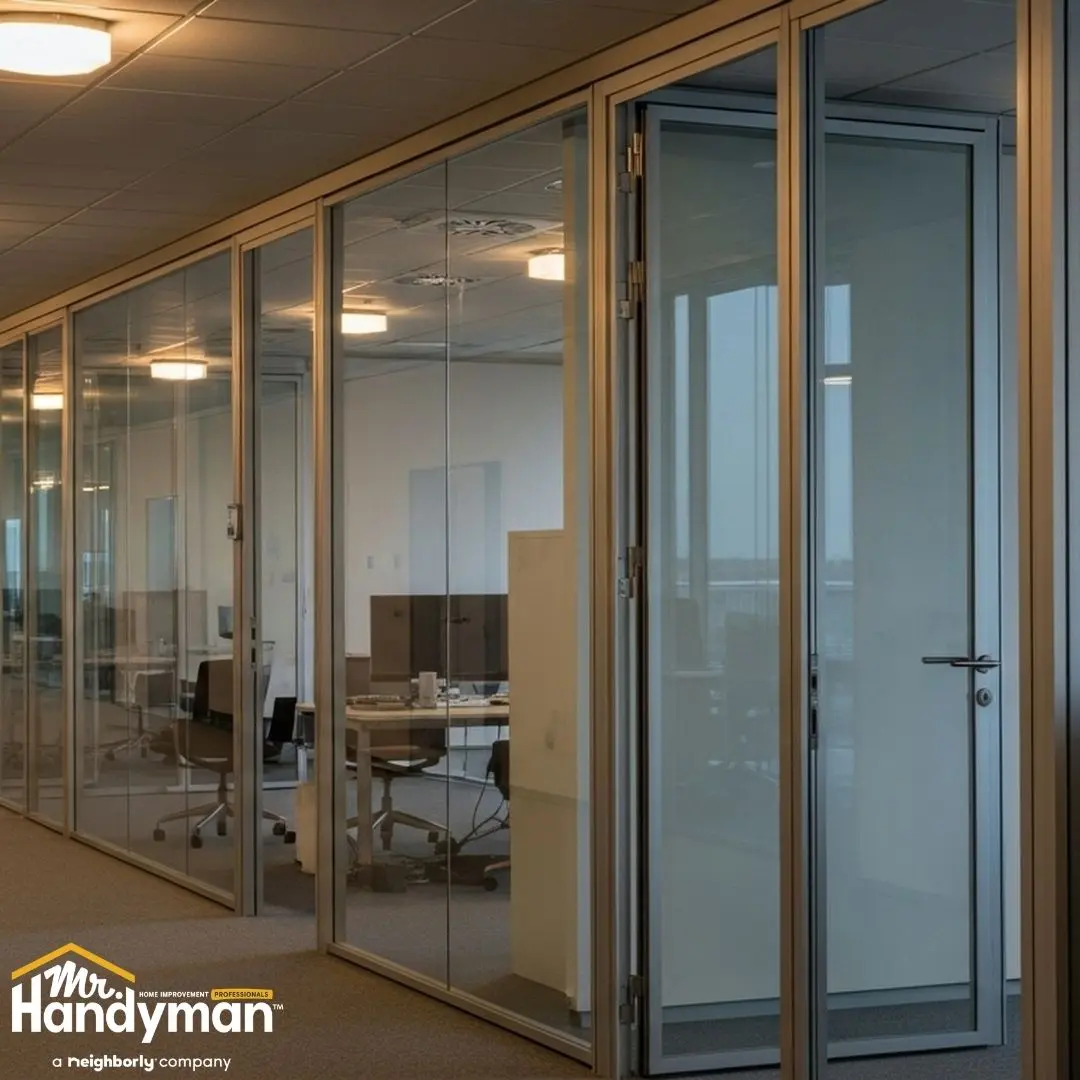
Regular inspections form the foundation of effective commercial maintenance. These inspections do not need to be complex or invasive. They focus on visible wear, performance changes, and early warning signs that indicate a system is under stress.
Key inspection areas include:
- Doors, windows, and hardware that experience constant use
- Interior walls, ceilings, and flooring for cracks or moisture stains
- Exterior surfaces exposed to weather and temperature changes
- Lighting, switches, and visible electrical components
In communities such as Elkhart and Granger, many commercial buildings were constructed decades ago. Routine inspections are especially valuable in these properties, as materials naturally degrade over time. Catching issues early reduces repair scope and extends the life of existing components.
Preventative Maintenance and Building Systems Longevity
Mechanical and structural systems represent a significant portion of any commercial property’s value. Preventative maintenance helps these systems operate efficiently for longer periods, delaying costly replacements.
For example, HVAC systems that receive regular filter changes, airflow checks, and minor adjustments tend to operate more efficiently and experience fewer breakdowns. Similarly, roofs that are inspected and maintained seasonally are far less likely to suffer catastrophic failure.
Preventative maintenance tasks that support system longevity include:
- Sealing small exterior gaps before moisture intrusion occurs
- Adjusting doors and windows to maintain proper alignment
- Replacing worn caulking and weather stripping
- Securing loose fixtures and hardware
These actions mirror best practices in home maintenance while being scaled for commercial environments. Over time, they significantly reduce total repair costs.
Reducing Liability Through Proactive Repairs
Repair costs are not limited to materials and labor. Liability related expenses can far exceed the cost of fixing a problem early. Uneven flooring, loose railings, poor lighting, and damaged surfaces increase the risk of accidents.
Preventative commercial maintenance helps businesses:
- Address safety concerns before incidents occur
- Maintain compliance with basic safety standards
- Protect employees, customers, and visitors
- Reduce the risk of claims or disputes
Businesses in public facing areas such as Goshen and Plymouth benefit greatly from this approach. Safe, well maintained spaces support smoother operations and reduce long term risk exposure.
The Cost Advantage of Bundled Maintenance Tasks
One of the most practical ways businesses reduce repair costs is by bundling maintenance tasks. Rather than addressing issues individually as they arise, multiple small repairs can be completed during a single service visit.
Bundled maintenance improves cost efficiency by:
- Reducing repeat service call fees
- Allowing technicians to work more efficiently
- Minimizing disruption to daily operations
- Ensuring related issues are addressed together
This strategy is particularly effective when working with a versatile provider like Mr. Handyman of Northern St. Joseph and Elkhart Counties. Their handyman services are well suited for handling a wide range of small to mid size repairs in one coordinated visit.
Planning Preventative Maintenance Around Seasonal Cycles
Seasonal planning is essential in Northern Indiana. Each season presents different risks, and preventative maintenance should be scheduled accordingly.
A seasonal approach may include:
- Winter focused interior safety and insulation checks
- Spring inspections for moisture and exterior damage
- Summer attention to ventilation and cooling efficiency
- Fall preparation for drainage and weather sealing
Businesses in Bristol, Notre Dame, Osceola, and surrounding areas that follow seasonal planning experience fewer surprises and more consistent facility performance throughout the year.
Preventative maintenance is not about doing more work. It is about doing the right work at the right time. By prioritizing inspections, routine repairs, and strategic planning, businesses gain control over repair costs while protecting their facilities for the long term.
Preventative Maintenance as a Strategy for Operational Stability

While cost savings are a major driver, How Businesses Can Reduce Repair Costs With Preventative Maintenance is equally about protecting day to day operations. Repairs that interrupt workflow, close off areas of a building, or force temporary shutdowns can have ripple effects far beyond the repair itself. Preventative commercial maintenance helps businesses maintain continuity, which is often more valuable than the direct savings on repair invoices.
In Northern St. Joseph and Elkhart Counties, many businesses operate in facilities that must remain accessible and functional year round. Offices, retail locations, healthcare facilities, and educational spaces cannot afford frequent disruptions. Preventative maintenance reduces the likelihood of unexpected failures that interfere with productivity and customer experience.
Reducing Emergency Repairs and Business Interruptions
Emergency repairs almost always occur at the worst possible time. A door that will not lock, a ceiling leak during business hours, or a power issue in a high traffic area forces immediate action. These situations often require rushed decisions, premium labor rates, and temporary workarounds.
Preventative maintenance minimizes these scenarios by addressing common failure points before they escalate. Businesses that schedule routine checks and minor repairs benefit from:
- Fewer urgent service calls
- Less downtime caused by facility issues
- Improved scheduling flexibility for repairs
- Reduced strain on internal staff
In cities like South Bend, Mishawaka, and Elkhart, where commercial properties often see consistent foot traffic, operational reliability is critical. Preventative commercial maintenance ensures facilities support business goals rather than creating obstacles.
Protecting High Use Areas From Accelerated Wear
Certain areas of a commercial building experience significantly more stress than others. Entryways, corridors, restrooms, break rooms, and loading zones are used daily by multiple people, making them more prone to wear and damage.
Preventative maintenance in these areas focuses on durability and safety. Common tasks include:
- Reinforcing door hardware and hinges before failure
- Repairing flooring transitions and thresholds
- Securing wall protection and corner guards
- Addressing moisture exposure in restrooms and kitchens
These repairs are often small in scope but have a major impact on longevity. Addressing wear early prevents the need for larger replacements and reduces the chance of accidents or complaints.
Supporting Employee Productivity and Morale
Facility conditions directly affect the people who work inside them. Poor lighting, malfunctioning doors, uncomfortable temperatures, and visible disrepair can frustrate employees and distract from their work.
Preventative maintenance supports a more stable and comfortable environment by:
- Keeping lighting consistent and reliable
- Ensuring doors, locks, and fixtures function properly
- Maintaining interior finishes that reflect professionalism
- Reducing temperature fluctuations caused by air leaks
Businesses that invest in proactive commercial maintenance often see improved employee satisfaction. While this benefit is harder to quantify than repair costs, it plays a meaningful role in retention and productivity.
Managing Maintenance Across Multiple Locations
For businesses with multiple locations, preventative maintenance becomes even more valuable. Without a consistent strategy, maintenance standards can vary from site to site, leading to uneven costs and unpredictable issues.
A structured preventative approach allows businesses to:
- Apply consistent maintenance standards across properties
- Identify recurring issues and address root causes
- Plan repairs systematically rather than reactively
- Simplify vendor coordination
Working with a local provider like Mr. Handyman of Northern St. Joseph and Elkhart Counties helps streamline this process. Their handyman services support a wide range of repairs, making it easier to maintain consistency without managing multiple contractors.
Preventative Maintenance and Long Term Facility Planning
Preventative maintenance also supports smarter long term planning. When businesses understand how their buildings perform over time, they can make informed decisions about upgrades, renovations, and capital investments.
Routine maintenance records help identify:
- Components that require frequent attention
- Systems nearing the end of their useful life
- Areas where upgrades could reduce ongoing costs
- Opportunities to improve efficiency and durability
This information allows businesses to plan improvements strategically rather than responding to failures under pressure. Over time, this approach reduces total cost of ownership for commercial properties.
Why Preventative Maintenance Works Best With Professional Support
While some maintenance tasks can be handled internally, many require skilled attention to ensure repairs are done correctly and efficiently. Preventative maintenance is most effective when supported by experienced handyman services that understand commercial environments.
Professional commercial maintenance providers bring:
- Broad skill sets for varied repair needs
- Awareness of regional building conditions
- Efficient scheduling and task coordination
- Reliable workmanship that prevents repeat issues
As businesses across Northern Indiana look to control costs and maintain operational stability, preventative maintenance stands out as a practical, proven strategy. By reducing emergencies, protecting high use areas, and supporting employees, businesses create facilities that work for them rather than against them.
Turning Preventative Maintenance Into Measurable Long Term Savings

The final step in understanding How Businesses Can Reduce Repair Costs With Preventative Maintenance is recognizing how consistency turns small, routine actions into measurable financial protection. Preventative maintenance delivers the greatest return when it is treated as an ongoing system rather than an occasional effort. Businesses that commit to this approach gain better cost control, stronger facilities, and fewer operational surprises year after year.
In Northern Indiana, commercial buildings face a unique combination of environmental stress and daily use. Temperature swings, moisture exposure, and heavy foot traffic all accelerate wear. Without a long term maintenance strategy, these factors quietly erode building performance until repairs become unavoidable and expensive.
From One Time Fixes to Repeatable Maintenance Systems
One of the most common mistakes businesses make is viewing maintenance as a series of isolated fixes. A door is repaired when it fails. A ceiling tile is replaced after it stains. A handrail is tightened only when it becomes loose enough to notice. While these actions solve immediate problems, they do little to prevent the next failure.
Preventative maintenance shifts this mindset by creating repeatable systems. These systems prioritize inspection, early intervention, and documentation. Over time, patterns emerge that allow businesses to anticipate issues instead of reacting to them.
Examples of system based maintenance include:
- Scheduled walkthroughs of high traffic interior areas
- Seasonal exterior inspections tied to weather changes
- Routine hardware adjustments before failure occurs
- Ongoing monitoring of moisture prone spaces
By standardizing these processes, businesses reduce variability in repair costs and gain more control over their facilities.
The Financial Impact of Deferred Maintenance
Deferred maintenance is one of the most expensive practices in commercial property management. When small issues are ignored, they rarely remain small. Moisture spreads, materials degrade, and systems operate under strain.
The financial impact of deferral often includes:
- Larger repair scopes requiring more labor and materials
- Secondary damage to surrounding components
- Emergency service premiums and rushed scheduling
- Lost productivity during extended repairs
Preventative commercial maintenance addresses problems while they are still contained. This approach limits damage, shortens repair timelines, and keeps costs manageable.
Aligning Maintenance With Business Cycles
Every business has predictable operational cycles. Retail locations experience seasonal traffic spikes. Offices adjust staffing throughout the year. Medical and educational facilities follow academic or appointment driven schedules. Preventative maintenance is most effective when aligned with these patterns.
Strategic scheduling allows businesses to:
- Perform repairs during slower periods
- Minimize disruption to customers and staff
- Coordinate multiple tasks in a single visit
- Maintain consistent facility performance
This alignment improves efficiency and reduces the indirect costs associated with downtime and inconvenience.
Extending the Useful Life of Commercial Assets
Commercial assets represent significant capital investments. Doors, windows, flooring, wall systems, and fixtures all have expected lifespans that can be shortened or extended based on care. Preventative maintenance directly influences how long these components remain functional.
Routine adjustments, sealing, and minor repairs help:
- Prevent premature material failure
- Reduce the need for full replacements
- Preserve structural and aesthetic integrity
- Maintain consistent performance
Over time, these benefits compound. Businesses that invest in preventative maintenance often delay major capital expenditures by years, resulting in substantial long term savings.
Why Versatile Maintenance Support Matters
Preventative maintenance requires flexibility. A single visit may involve carpentry, drywall repair, hardware replacement, and minor electrical or plumbing adjustments. Coordinating multiple specialists for small tasks increases cost and complexity.
This is where working with a trusted local provider becomes valuable. Mr. Handyman of Northern St. Joseph and Elkhart Counties offers handyman services designed to support ongoing commercial maintenance needs. Their ability to address diverse repairs efficiently helps businesses stay ahead of problems without unnecessary overhead.
Local expertise also matters. Providers familiar with Northern Indiana construction styles and climate patterns can anticipate common issues and recommend preventative solutions that are regionally appropriate.
Creating Accountability and Consistency Over Time
Preventative maintenance works best when responsibility is clearly defined. Whether handled by an internal facilities team or an external partner, accountability ensures that inspections, repairs, and follow ups actually happen.
Consistent documentation supports this process by:
- Tracking completed maintenance tasks
- Identifying recurring issues
- Supporting budget planning and forecasting
- Demonstrating due diligence in facility care
This level of organization transforms maintenance from a reactive expense into a managed operational function.
Preventative Maintenance as a Business Advantage
Facilities that operate smoothly create advantages beyond cost savings. Employees work more comfortably. Customers perceive professionalism and reliability. Leadership spends less time managing emergencies and more time focusing on growth.
Businesses that commit to preventative commercial maintenance benefit from:
- Predictable repair costs
- Reduced operational disruptions
- Safer, more reliable environments
- Stronger long term asset performance
These outcomes reinforce why How Businesses Can Reduce Repair Costs With Preventative Maintenance is not just a facilities topic. It is a business strategy.
By moving away from deferred repairs and toward proactive planning, businesses across Northern St. Joseph and Elkhart Counties can protect their investments, stabilize budgets, and operate with greater confidence throughout the year.
Prevent costly repairs with proactive maintenance. Book preventative maintenance online.