From Walk-In Freezers to Hood Systems: Professional Equipment Installation Done Right | Mr. H Heating and Cooling of Northern St. Joseph and Elkhart Counties
From Walk-In Freezers to Hood Systems: Professional Equipment Installation Done Right is an essential topic for restaurant owners and commercial kitchen operators who rely on properly installed equipment to maintain safety, efficiency, and compliance. Equipment installation is not just about placing new units into a space and turning them on. In commercial environments, installation quality directly affects performance, lifespan, warranty protection, and the ability to pass health and fire inspections.
Restaurants operating in South Bend, Mishawaka, Elkhart, Goshen, and New Carlisle operate under strict regulations and high customer expectations. Commercial kitchens depend on walk-in coolers, chillers, freezers, hood systems, prep tables, cook tables, and commercial refrigeration equipment working together seamlessly. When any of these systems are installed incorrectly, the consequences often extend far beyond inconvenience.
Walk-in coolers and walk-in freezers are among the most critical components in a commercial kitchen. These units protect thousands of dollars in inventory and must maintain precise temperature ranges at all times. Improper installation can lead to air leaks, uneven cooling, excessive frost buildup, or compressor strain. Even small installation errors such as poor door alignment, inadequate sealing, or incorrect placement of refrigeration components can cause long-term performance issues that are expensive to correct later.
Professional equipment installation ensures that walk-in coolers, chillers, and freezers are assembled according to manufacturer specifications. This includes proper panel alignment, insulation integrity, drainage configuration, and electrical connections. When these details are handled correctly from the start, refrigeration systems operate more efficiently, maintain stable temperatures, and experience fewer breakdowns over time.
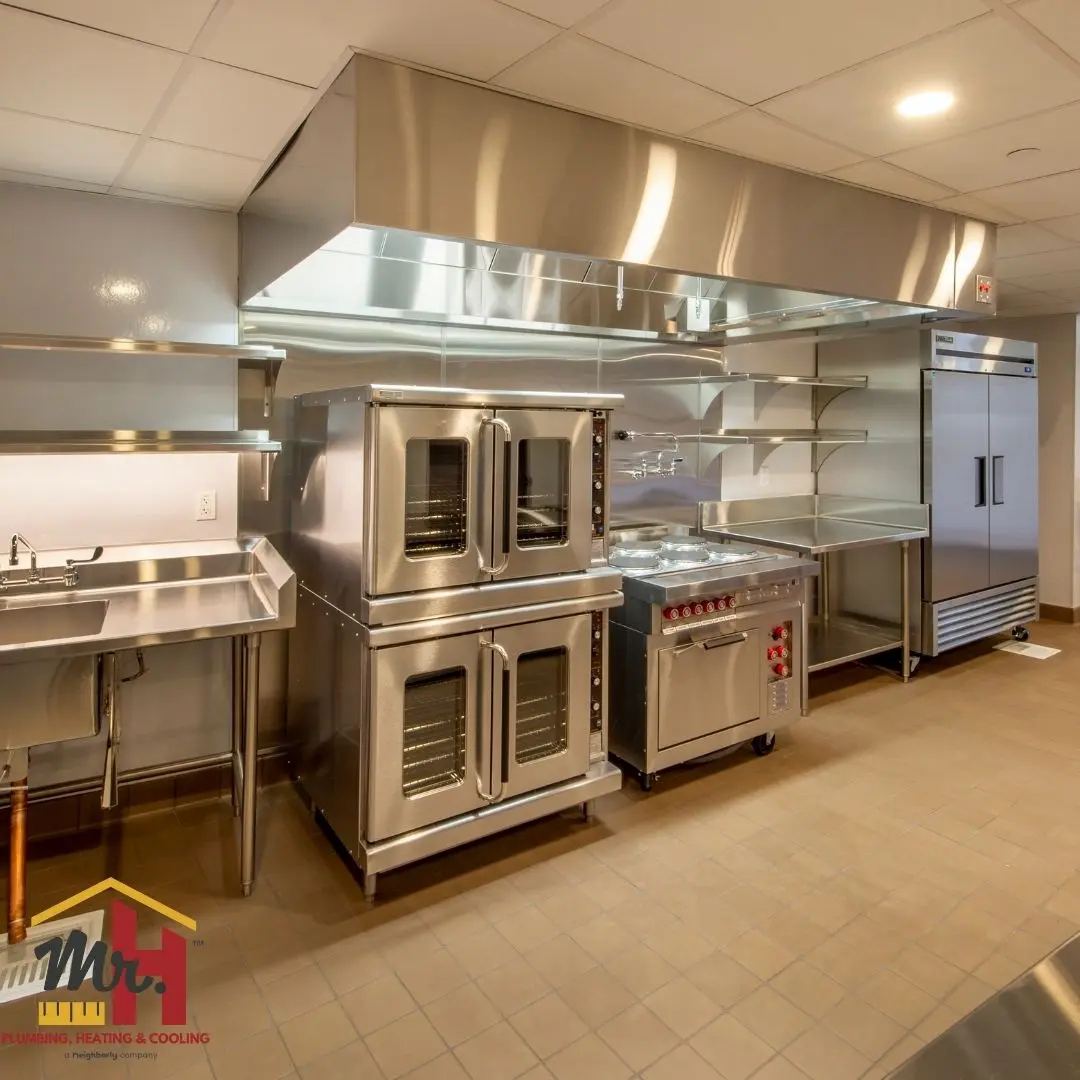
Hood systems are another area where professional installation is critical. Hood systems are responsible for removing heat, smoke, grease, and odors from cooking areas. They also play a key role in fire prevention and air quality. Improperly installed hood systems can result in poor ventilation, grease accumulation, and code violations. In some cases, incorrect installation may even increase fire risk by allowing grease to build up in ductwork or exhaust components.
Commercial kitchens in areas like Osceola, Plymouth, and Granger often operate in buildings that were not originally designed for modern restaurant equipment. Retrofitting these spaces requires careful planning and professional execution. Hood systems must be installed at the correct height, with proper clearances, airflow capacity, and connections to exhaust systems. These details are essential for passing inspections and maintaining safe working conditions for staff.
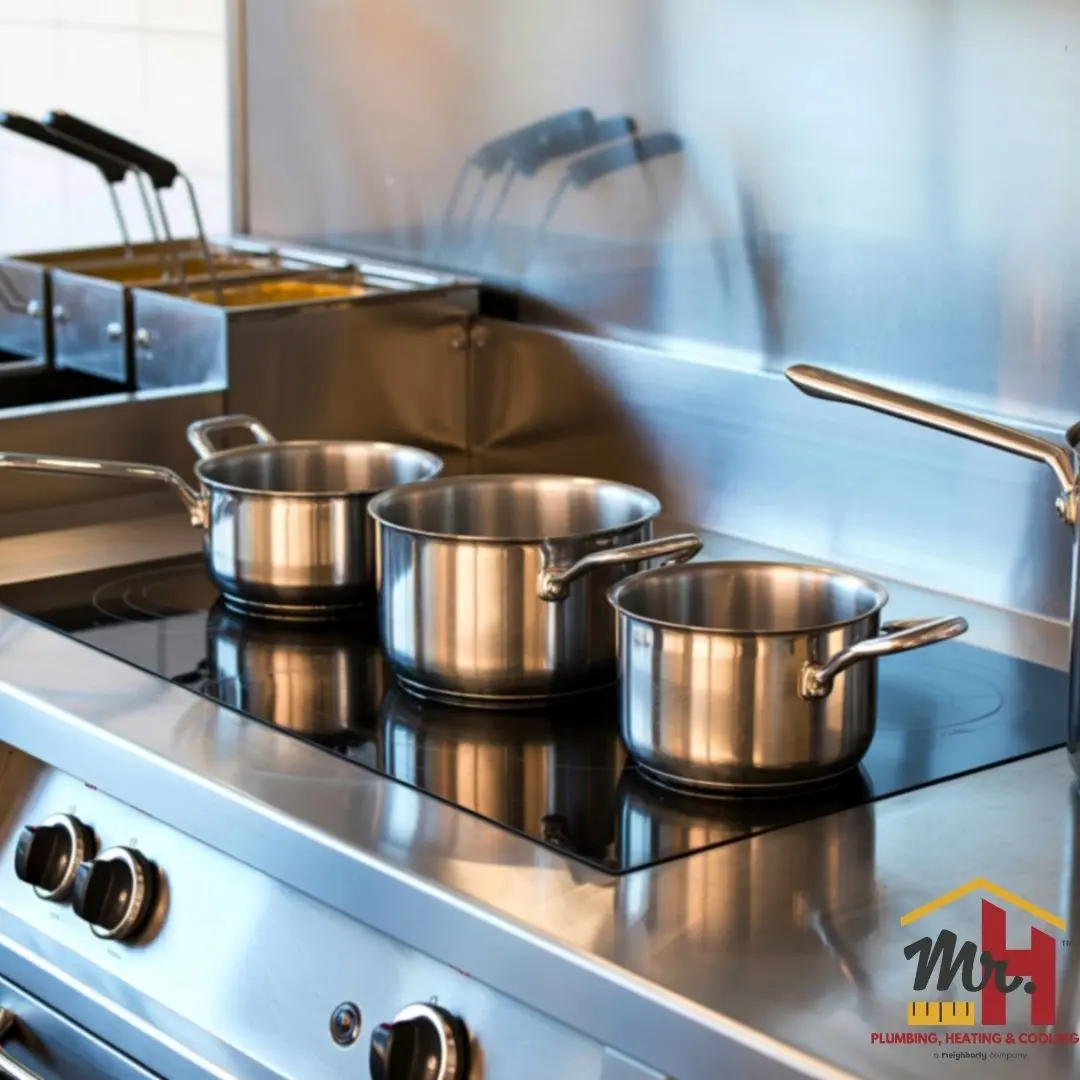
Prep tables and cook tables also require precise installation to support efficient workflows. These units are central to daily operations and must be level, stable, and positioned correctly within the kitchen layout. Improper installation can lead to uneven surfaces, drainage issues, or interference with surrounding equipment. Over time, these issues slow down service, increase wear on equipment, and create safety hazards for staff.
Commercial refrigeration systems extend beyond walk-in units. Reach-in coolers, prep refrigeration, and specialty chillers all rely on proper installation to function correctly. Electrical connections, refrigerant lines, ventilation clearances, and load requirements must all be addressed during installation. When these factors are overlooked, equipment may short cycle, struggle to maintain temperature, or fail prematurely.
Warranty protection is another major reason professional equipment installation matters. Many manufacturers require certified or professional installation for warranties to remain valid. If equipment is installed incorrectly or without proper documentation, warranty claims may be denied. This leaves restaurant owners responsible for repair or replacement costs that could have been avoided with professional installation.
Code compliance is also directly tied to installation quality. Health departments, fire marshals, and building inspectors evaluate equipment placement, ventilation, drainage, and electrical connections. Improper installation can result in failed inspections, delayed openings, or costly rework. Professional installers understand local codes and requirements and ensure that equipment is installed in a way that supports compliance from day one.
Restaurants in Bristol and La Porte often face similar challenges, especially when expanding, remodeling, or replacing aging equipment. Professional installation reduces the risk of unexpected issues during these transitions and helps ensure that new equipment integrates smoothly with existing systems.
From walk-in freezers to hood systems, professional equipment installation lays the foundation for reliable, safe, and efficient commercial kitchens. When installation is done right, equipment performs as intended, maintenance needs are reduced, and restaurants are better positioned to operate without interruptions or compliance concerns.
The Risks of Improper Installation and How Professional Work Prevents Costly Problems
Professional equipment installation plays a critical role in preventing problems that often surface months or even years after a restaurant opens or upgrades its kitchen. Many equipment failures blamed on age or heavy use actually trace back to installation errors. These issues are rarely obvious at first, which is why professional installation is essential for long-term reliability in commercial kitchens.
Restaurants in South Bend, Mishawaka, Elkhart, Goshen, and New Carlisle often operate under tight timelines when opening new locations or replacing equipment. In these situations, shortcuts during installation may seem harmless, but they frequently lead to performance issues, safety risks, and inspection failures.
Walk-In Coolers, Chillers, and Freezers
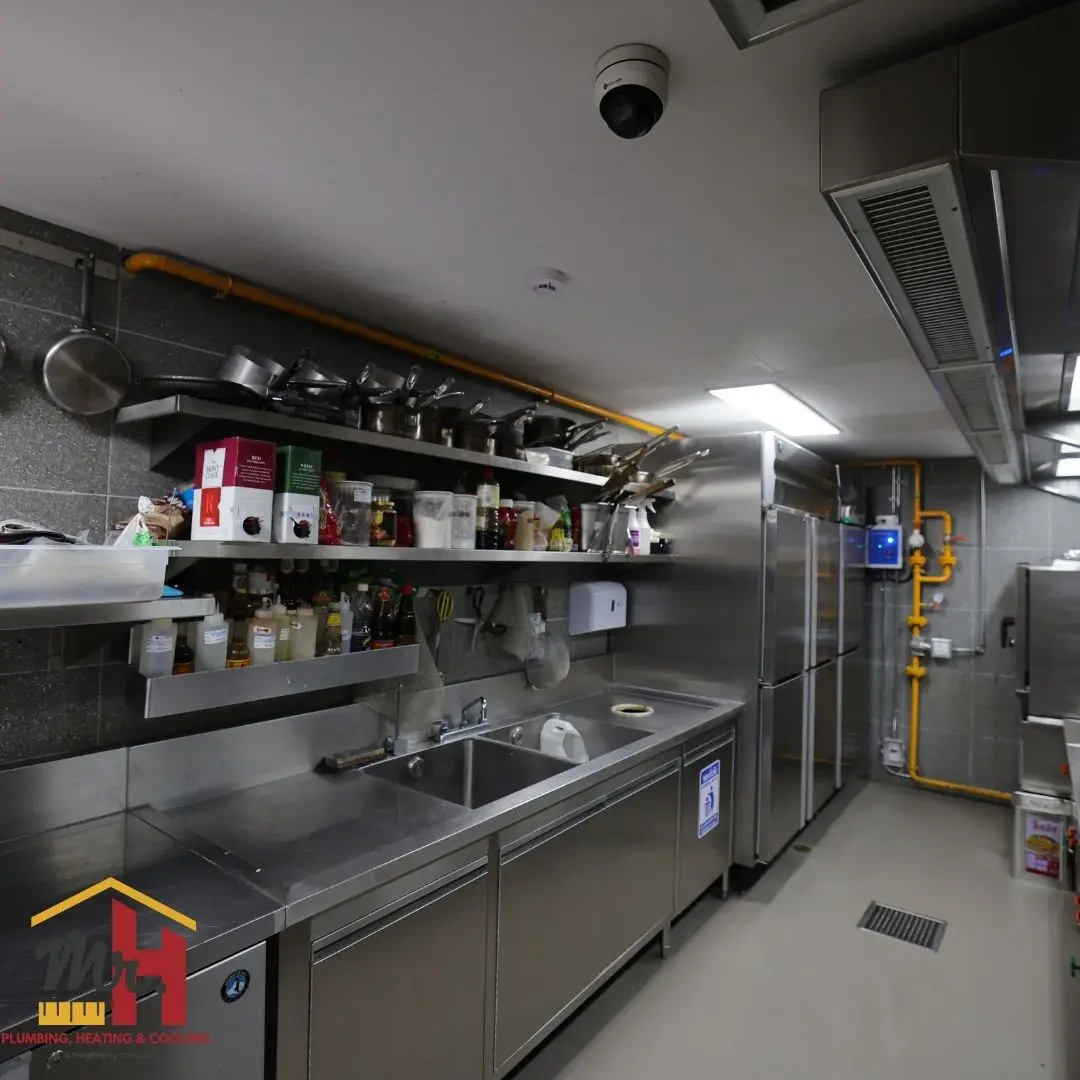
Walk-in coolers, chillers, and freezers are particularly vulnerable to installation mistakes. Panels must be aligned correctly, sealed tightly, and supported properly to maintain insulation integrity. Even small gaps allow warm air infiltration, which forces refrigeration systems to work harder and cycle more frequently. Over time, this increases energy costs and accelerates component wear.
Drainage is another common issue. Improperly sloped drain lines or incorrect condensate management can lead to water pooling, ice buildup, or leaks. These problems often appear gradually, making them difficult to trace back to installation without professional evaluation. Correct installation ensures proper drainage, stable temperatures, and consistent operation from day one.
Electrical connections are equally important. Walk-in units require dedicated circuits and correct voltage. Improper wiring can cause nuisance shutdowns, tripped breakers, or inconsistent cooling. Professional equipment installation ensures that electrical requirements are met and documented, reducing the risk of downtime.
Hood Systems and Ventilation
Hood systems are among the most heavily regulated installations in commercial kitchens. Improper hood installation affects airflow, grease capture, and exhaust performance. When hoods are installed at incorrect heights or with insufficient airflow capacity, grease and heat accumulate in the kitchen instead of being removed.
Restaurants in Osceola, Plymouth, and Granger often operate in mixed-use or older buildings where ventilation systems must be carefully adapted. Professional installation ensures hood systems are matched correctly to cooking equipment and connected properly to exhaust fans and ductwork. This reduces grease buildup, supports fire safety, and improves kitchen air quality.
Improper hood installation can also lead to inspection failures. Fire marshals and health inspectors evaluate clearances, airflow, and grease containment. Fixing these issues after installation often requires costly rework and temporary shutdowns.
Prep Tables and Cook Tables
Prep tables and cook tables may seem straightforward, but incorrect installation creates daily operational challenges. Units that are not level can cause uneven cooking, poor drainage, or instability. Refrigerated prep tables rely on proper airflow and clearance to maintain safe temperatures. When installed too close to walls or other equipment, they struggle to cool effectively.
Professional installation ensures prep and cook tables are positioned correctly within the workflow of the kitchen. This supports efficiency, reduces strain on staff, and prevents unnecessary wear on equipment components.
Commercial Refrigeration Systems Beyond Walk-Ins
Commercial refrigeration includes reach-in coolers, undercounter units, prep refrigeration, and specialty chillers. Each system has specific ventilation and clearance requirements. Improper placement restricts airflow, leading to overheating and premature failure.
Professional equipment installation accounts for these requirements during layout planning. This ensures refrigeration systems operate within design specifications, reducing service calls and extending equipment lifespan.
The Cost of Fixing Installation Errors Later
One of the most expensive aspects of improper installation is correction. Once a restaurant is operational, fixing installation mistakes often requires partial shutdowns, equipment removal, or structural changes. These disruptions affect revenue, staff scheduling, and customer experience.
Restaurants in Bristol and La Porte expanding or remodeling their kitchens often face this challenge. Professional installation upfront reduces the risk of hidden issues that surface during peak business periods.
Professional equipment installation also simplifies future maintenance and repairs. When equipment is installed correctly, technicians can diagnose and service systems more efficiently. Clear access, proper documentation, and correct configuration all contribute to faster service and fewer repeat issues.
By addressing installation details from the beginning, restaurant owners protect their investment and reduce long-term risk. Professional equipment installation is not just about meeting initial requirements. It is about creating a stable foundation that supports safe, efficient, and compliant operations over time.
Protecting Your Investment With Professional Equipment Installation and Ongoing Support
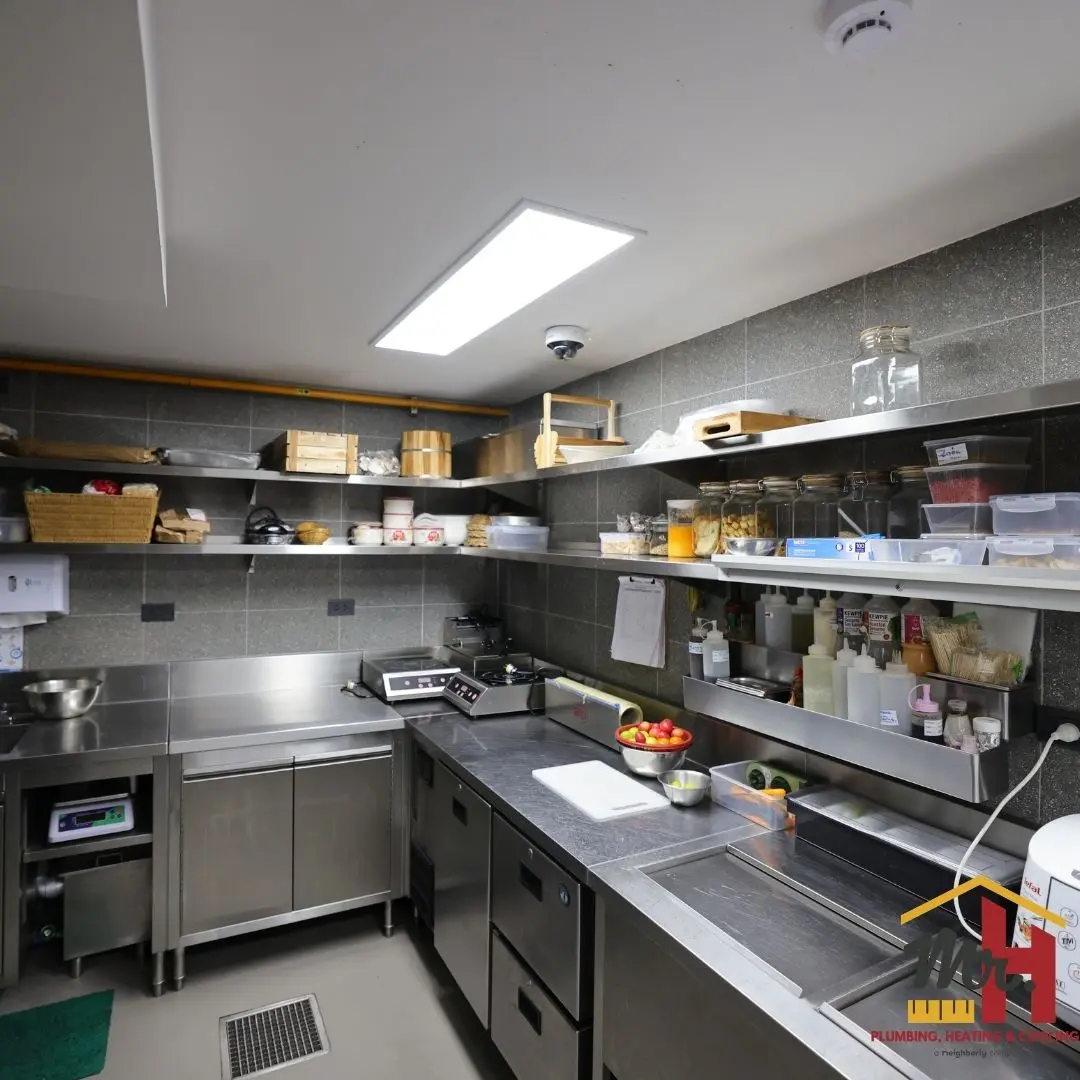
Professional equipment installation is one of the most important decisions a restaurant owner can make when building, remodeling, or upgrading a commercial kitchen. The way equipment is installed sets the tone for everything that follows, from daily performance and energy efficiency to inspection outcomes and long-term maintenance costs. When installation is done correctly, kitchens operate more smoothly, equipment lasts longer, and unexpected disruptions are minimized.
Restaurants in South Bend, Mishawaka, Elkhart, Goshen, and New Carlisle operate in competitive markets where downtime, failed inspections, or equipment inefficiencies directly affect revenue and reputation. Professional installation helps prevent these risks by ensuring that walk-in coolers, chillers, freezers, hood systems, prep tables, cook tables, and commercial refrigeration systems are installed to meet both manufacturer standards and local code requirements.
One of the most significant long-term benefits of professional installation is equipment longevity. When refrigeration systems are installed with proper clearances, airflow, and electrical support, components experience less strain. Compressors cycle correctly, temperatures remain stable, and wear is reduced. Over time, this translates into fewer service calls and delayed replacement cycles, which lowers total cost of ownership.
Professional installation also supports energy efficiency. Walk-in freezers and commercial refrigeration units that are sealed correctly and positioned properly consume less energy to maintain temperature. Hood systems that are installed with the correct airflow balance remove heat and grease efficiently without overworking exhaust fans. These efficiencies may seem incremental, but over the lifespan of the equipment, they contribute to meaningful cost savings.
Safety and compliance remain top priorities in commercial kitchens. Health departments and fire inspectors evaluate equipment installation closely, particularly ventilation, drainage, and electrical connections. Improperly installed hood systems can lead to grease accumulation and increased fire risk. Poorly installed refrigeration can result in temperature violations. Professional installation helps restaurants remain inspection ready and reduces the likelihood of costly citations or corrective actions.
Restaurants in Osceola, Plymouth, Granger, Bristol, and La Porte often face additional challenges when installing equipment in older or repurposed buildings. In these environments, professional installation ensures compatibility with existing infrastructure and helps avoid costly surprises after opening or reopening.
Another advantage of professional equipment installation is warranty protection. Many manufacturers require documented professional installation for warranties to remain valid. Improper installation or lack of documentation can result in denied claims, leaving owners responsible for repairs that should have been covered. Professional installers ensure that equipment is installed correctly and that necessary records are maintained.
Professional installation also improves the effectiveness of future maintenance. When equipment is positioned correctly and installed according to specifications, routine maintenance tasks are easier to perform. Technicians can access components, diagnose issues accurately, and complete repairs efficiently. This reduces downtime and helps restaurants return to normal operations faster when service is needed.
Ultimately, professional equipment installation is about risk management. It reduces the likelihood of failures, supports compliance, protects warranties, and improves overall kitchen performance. Restaurants that prioritize proper installation create a strong foundation for long-term success and operational stability.
For restaurant owners planning new equipment installation or upgrading existing systems, working with a trusted service provider is essential. Mr.H Heating and Cooling, a company within Mr. Handyman of Northern St. Joseph and Elkhart Counties, provides professional equipment installation services for commercial kitchens throughout the area.
To learn more about professional equipment installation or to schedule service, visit or call to speak with a knowledgeable professional.
From walk-in freezers to hood systems, professional installation done right protects your investment, supports compliance, and helps your restaurant operate efficiently from day one.