The Essential Restaurant Equipment Maintenance Checklist Every Owner Should Follow is a foundational guide for restaurant owners who want to reduce downtime, prevent health code violations, and extend the life of their commercial equipment. Restaurant maintenance and repairs are not limited to fixing broken equipment after a failure occurs. The most successful operations rely on structured, repeatable maintenance routines that address issues before they disrupt service or put food safety at risk.
Restaurants operating in South Bend, Mishawaka, Elkhart, Goshen, and New Carlisle face regular inspections, high customer volume, and equipment that operates for long hours under demanding conditions. Without a clear maintenance checklist, small issues can quickly escalate into compliance problems, emergency repairs, or unexpected closures.
Commercial kitchens rely on interconnected systems. Prep tables support food preparation, cook tables maintain workflow during service, ice machines supply safe ice for beverages and food handling, floor drains manage sanitation and water flow, and hood systems control grease, smoke, and heat. When one system is neglected, it often creates problems for others. A clogged floor drain can cause standing water that affects prep areas. A poorly maintained hood system can lead to grease buildup that increases fire risk and ventilation problems. Ice machines that are not cleaned properly can become sanitation liabilities rather than assets.
Restaurant maintenance and repairs should be approached as a daily operational responsibility, not an occasional task. A structured checklist helps owners and managers standardize expectations across shifts and staff members. It also creates documentation that can be useful during inspections or when evaluating recurring issues.
Prep and cook tables are among the most frequently used pieces of equipment in a commercial kitchen. These surfaces and refrigeration components are exposed to constant use, spills, and temperature changes. Daily inspection of prep tables helps identify early signs of failure such as uneven cooling, condensation buildup, loose seals, or unusual noises. Cook tables should be checked for stability, cleanliness, and proper operation to prevent safety hazards and workflow disruptions.
Ice machines are another critical focus area. They are often overlooked because they operate quietly in the background, yet they play a major role in food safety. Ice is considered food by health departments, which means ice machines must be kept clean and functioning properly at all times. Regular checks help prevent scale buildup, clogged water lines, and contamination risks that can lead to violations or forced shutdowns.
Floor drains are essential for maintaining sanitation in kitchens, dish areas, and prep zones. When floor drains are not maintained, they can clog with grease, food debris, and sediment. This leads to slow drainage, odors, and standing water that creates slip hazards and sanitation concerns. Routine inspection and cleaning of floor drains reduce the likelihood of backups and emergency plumbing issues during service.
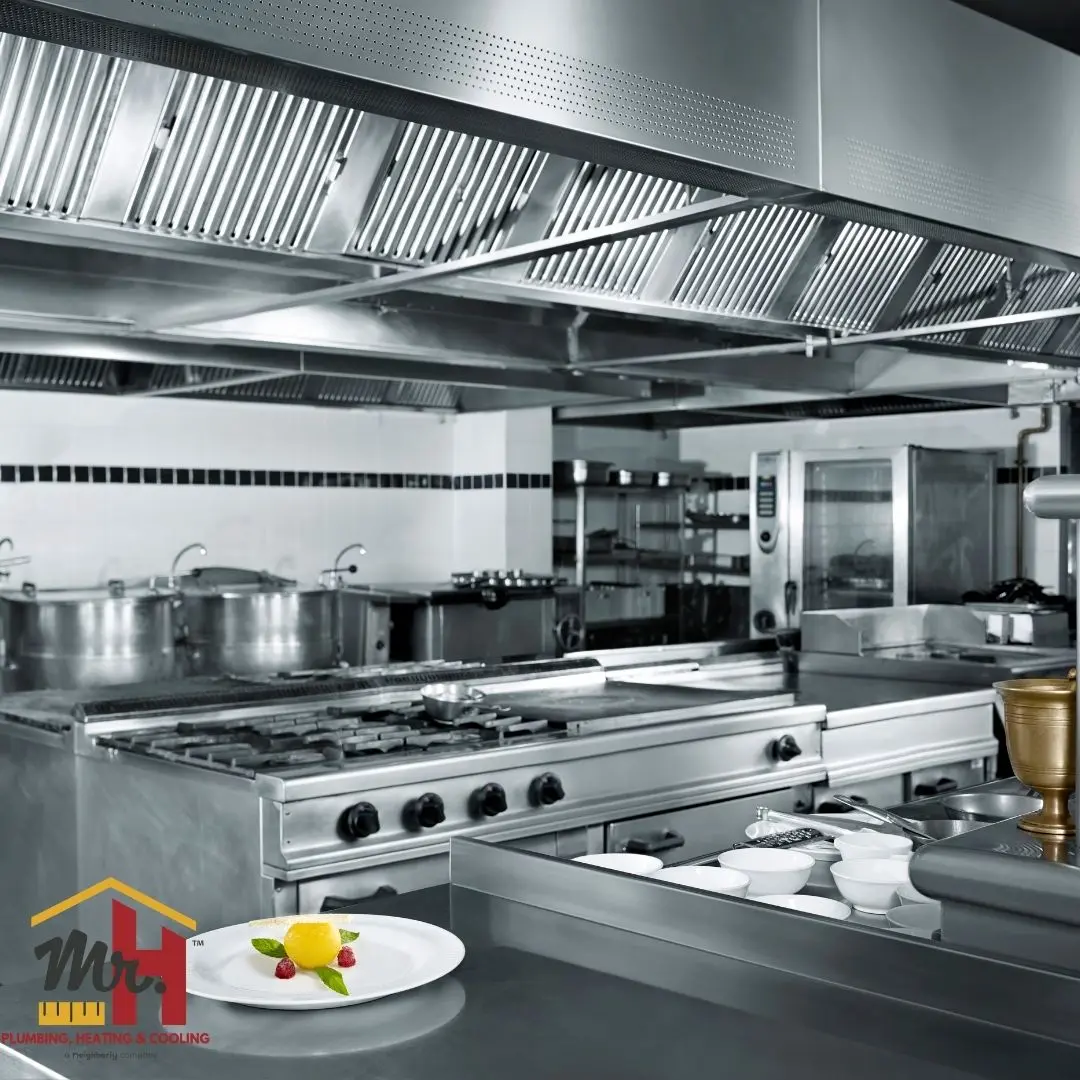
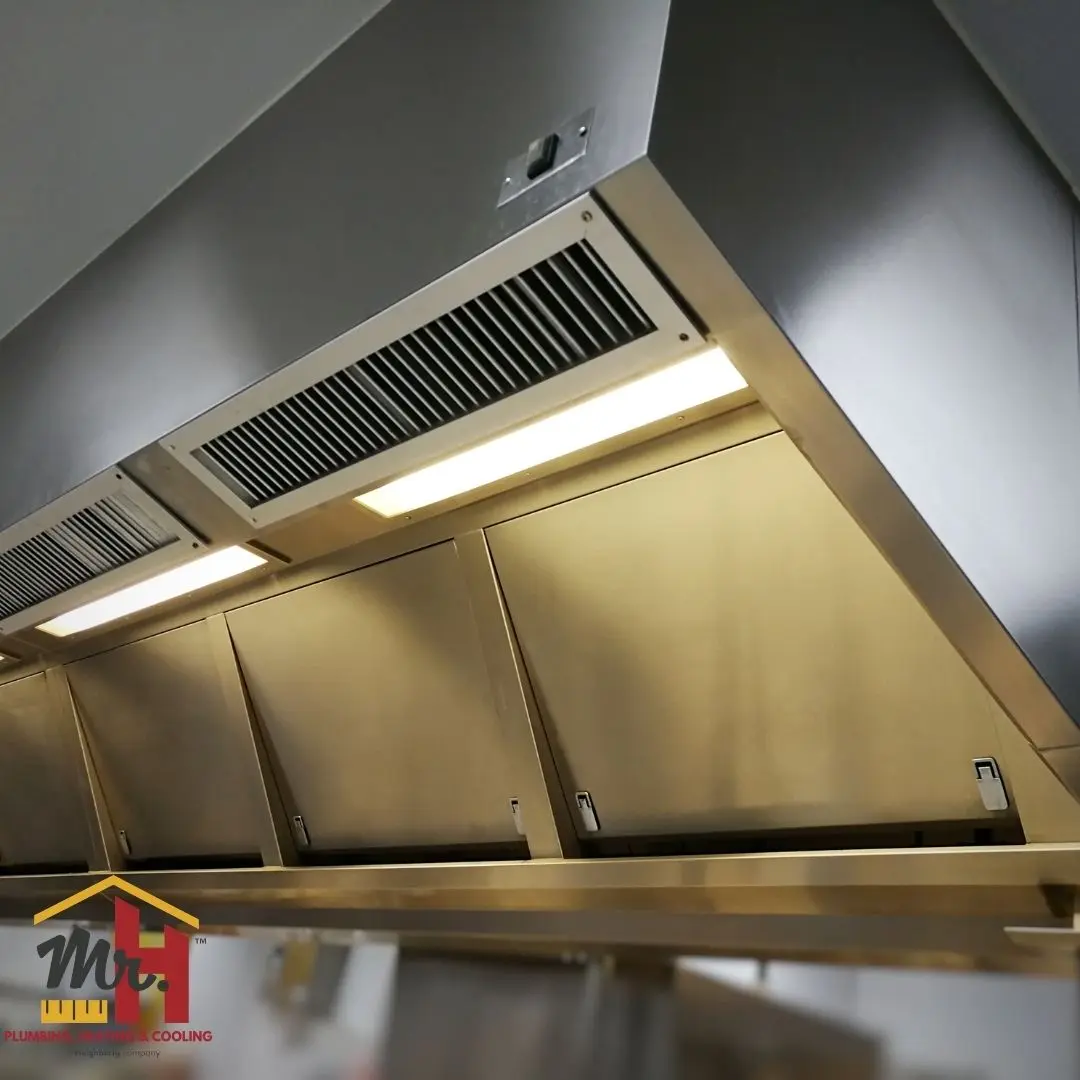
Hood systems are one of the most critical safety components in a restaurant. They remove grease-laden air, smoke, and heat from cooking areas. When hood systems are not maintained, grease buildup can accumulate in filters, ductwork, and exhaust fans. This not only reduces ventilation efficiency but also increases fire risk. Health and fire inspections often focus heavily on hood systems, making regular maintenance essential for compliance.
Restaurants in Osceola, Plymouth, Granger, Bristol, and La Porte often operate in older buildings where equipment systems may already be under strain. In these environments, consistent maintenance is even more important. Small issues that go unnoticed in newer facilities can quickly become major problems in older spaces.
The purpose of an equipment maintenance checklist is not to overwhelm staff with extra tasks. It is to create clear expectations and simple routines that protect the business. When daily, weekly, and monthly checks are clearly defined, maintenance becomes part of normal operations rather than a reactive scramble when something breaks.
Restaurant maintenance and repairs also impact budgeting and long-term planning. Emergency repairs are almost always more expensive than scheduled maintenance. They often occur at inconvenient times, disrupt service, and require immediate decision-making under pressure. A well-maintained kitchen experiences fewer surprises and more predictable operating costs.
By understanding the role each piece of equipment plays and committing to consistent inspection and care, restaurant owners can significantly reduce downtime, avoid compliance issues, and extend the life of their investments. The Essential Restaurant Equipment Maintenance Checklist Every Owner Should Follow provides a structured approach to protecting equipment, staff, and customers through practical, repeatable maintenance habits.
Daily, Weekly, and Monthly Maintenance Tasks That Prevent Failures and Violations
A restaurant equipment maintenance checklist only delivers value when it is broken down into clear, repeatable actions. Restaurant maintenance and repairs become far more manageable when responsibilities are divided into daily, weekly, and monthly tasks. This structure prevents important items from being overlooked and ensures that no single shift or staff member carries the full burden of equipment care.
Restaurants in South Bend, Mishawaka, Elkhart, Goshen, and New Carlisle often operate long hours with multiple shifts. Without a structured schedule, maintenance tasks are easily postponed, especially during busy service periods. Over time, these delays increase the risk of equipment failure and health code violations.
Daily Restaurant Equipment Maintenance Checks
Daily checks focus on cleanliness, visible performance issues, and basic functionality. These tasks should be completed during opening and closing procedures so problems are identified early.
Prep and cook tables should be wiped down thoroughly at the start and end of each day. Staff should check for loose components, unstable surfaces, or damaged seals. For refrigerated prep tables, temperature consistency is critical. Any unit that struggles to maintain safe temperatures should be flagged immediately for service.
Ice machines require daily attention even when they appear to be working properly. Bins should be inspected for ice quality, unusual odors, or discoloration. Staff should ensure that scoops are stored correctly and that no foreign objects are present. Early signs of scale buildup or slow ice production should be noted before they turn into sanitation issues.
Floor drains should be visually inspected each day, particularly in prep areas, dish rooms, and behind cook lines. Standing water, slow drainage, or odors are signs of developing clogs. Catching these issues early prevents backups that can disrupt service and create slip hazards.
Hood systems should be checked daily for obvious grease buildup on filters and surrounding surfaces. While full cleanings are handled on a longer schedule, daily visual checks help identify when filters need attention sooner than expected.
Weekly Restaurant Equipment Maintenance Tasks
Weekly maintenance focuses on deeper cleaning and performance verification. These tasks help prevent gradual buildup and wear that daily checks may not catch.
Prep and cook tables should be pulled away from walls to allow cleaning underneath and behind units. Refrigerated prep tables should have gaskets wiped down and inspected for cracks or gaps. Poor seals force compressors to work harder, increasing energy use and wear.
Ice machines benefit greatly from weekly cleaning routines. Exterior surfaces should be cleaned, and interior components should be inspected according to manufacturer guidelines. Water lines and filters should be checked for signs of scale or sediment. Consistent weekly attention reduces the likelihood of costly shutdowns.
Floor drains should be flushed weekly with appropriate cleaning solutions to remove grease and debris. Strainers should be removed and cleaned thoroughly. This routine reduces odors and prevents slow drainage from turning into emergency plumbing calls.
Hood system filters should be removed and cleaned weekly or more often depending on cooking volume. Grease buildup on filters reduces airflow efficiency and increases fire risk. Clean filters also support better air quality and temperature control in the kitchen.
Restaurants in Osceola, Plymouth, and Granger often experience weekend surges that place additional strain on equipment. Weekly maintenance completed before peak periods helps kitchens perform reliably when demand is highest.
Monthly Restaurant Equipment Maintenance Responsibilities
Monthly maintenance addresses components that require more detailed inspection and documentation. These tasks are often best handled by management or scheduled service professionals.
Prep tables and cook tables should be evaluated for overall condition and performance trends. Managers should review temperature logs, note recurring issues, and schedule repairs for units showing signs of decline. Addressing these issues early prevents sudden failures during service.
Ice machines should undergo more thorough inspections monthly. This includes checking internal components, verifying water flow, and assessing overall ice production efficiency. Monthly reviews help identify when professional servicing is needed before sanitation or mechanical issues arise.
Floor drains should be inspected for deeper blockages or structural issues. If drains consistently clog despite routine cleaning, it may indicate grease buildup further down the line that requires professional attention.
Hood systems require scheduled professional inspection and maintenance. Monthly visual checks of duct access points and exhaust fans help identify grease accumulation that may not be visible during daily or weekly routines. Proper hood maintenance supports fire safety and inspection readiness.
Restaurants in Bristol and La Porte operating in older facilities often benefit from consistent monthly documentation. Keeping records of inspections and maintenance helps demonstrate compliance and supports long-term equipment planning.
By dividing restaurant maintenance and repairs into daily, weekly, and monthly responsibilities, owners create a sustainable system that reduces risk and improves reliability. These routines prevent small issues from escalating and help ensure that prep tables, cook tables, ice machines, floor drains, and hood systems continue supporting safe and efficient operations.
Turning a Maintenance Checklist Into a Long-Term Restaurant Protection Strategy
An equipment maintenance checklist only delivers its full value when it is treated as a long-term operational strategy rather than a short-term task list. Restaurant maintenance and repairs are most effective when they are planned, documented, and supported by professional service when needed. Owners who approach maintenance strategically reduce emergency breakdowns, improve inspection outcomes, and gain greater control over operating costs.
Restaurants in South Bend, Mishawaka, Elkhart, Goshen, and New Carlisle operate in environments where inspections, customer expectations, and competition are constant pressures. In these markets, equipment reliability directly affects reputation and revenue. A consistent maintenance program ensures that prep tables, cook tables, ice machines, floor drains, and hood systems support daily operations instead of becoming liabilities.
One of the most important elements of a long-term maintenance strategy is accountability. Checklists should be assigned to specific roles, not left as general expectations. When daily and weekly tasks are clearly owned by staff and monthly tasks are overseen by management, nothing falls through the cracks. This clarity also makes training new employees easier, since maintenance expectations are already defined and documented.
Documentation plays a critical role in restaurant maintenance and repairs. Maintaining logs for temperature checks, ice machine cleaning, floor drain inspections, and hood system service creates a paper trail that supports compliance. During health or fire inspections, these records demonstrate proactive management and reduce the likelihood of citations. Documentation also helps identify patterns, such as recurring drain issues or declining refrigeration performance, allowing owners to plan repairs before failures occur.
Restaurants in Osceola, Plymouth, Granger, Bristol, and La Porte often operate in buildings with aging infrastructure. In these settings, maintenance is not optional. Small issues with floor drains, ventilation, or refrigeration can escalate quickly due to older plumbing, electrical systems, or ductwork. A disciplined checklist helps mitigate these risks and extends the usable life of existing equipment.
Another key advantage of a structured maintenance strategy is financial predictability. Emergency repairs often carry higher costs, disrupt service, and force rushed decisions. Planned maintenance allows owners to schedule service during slower periods, compare options, and budget appropriately. Over time, this approach reduces total repair costs and minimizes lost revenue caused by unexpected downtime.
Hood systems deserve special attention in long-term planning. Grease buildup is gradual, and problems are easy to overlook until inspections or failures occur. By combining routine in-house checks with scheduled professional service, restaurants maintain proper ventilation, reduce fire risk, and stay inspection ready year-round. The same principle applies to ice machines, which require consistent cleaning and periodic professional evaluation to remain safe and reliable.
Prep and cook tables also benefit from strategic oversight. When managers track temperature stability, seal condition, and performance trends, they can replace components or schedule service before units fail during peak hours. This proactive approach protects food safety and keeps kitchen workflows consistent.
The most successful restaurants treat maintenance as part of their culture. Staff understand that cleaning floor drains, monitoring ice quality, and checking equipment performance are not optional tasks. They are essential to safety, compliance, and customer satisfaction. When maintenance becomes routine, it stops feeling like extra work and starts functioning as risk prevention.
Professional support strengthens this strategy. While daily and weekly tasks can be handled in-house, having a trusted service provider for restaurant maintenance and repairs ensures that complex issues are handled correctly. Reliable service support helps restaurants respond quickly when problems exceed routine care.
For restaurant owners looking to protect their equipment, reduce emergency repairs, and stay ahead of inspections, partnering with a dependable provider matters. Mr.H Heating and Cooling, a company within Mr. Handyman of Northern St. Joseph and Elkhart Counties, supports commercial kitchens with reliable maintenance and repair services designed to keep operations running smoothly.
To learn more about restaurant maintenance and repairs or to schedule service, visit https://www.mrhandyman.com/northern-st-joseph-elkhart-counties/handyman-services/other/hvac/ or call to speak with a professional who understands the demands of commercial kitchens.
A well-maintained restaurant is safer, more efficient, and better prepared for growth. By following a structured equipment maintenance checklist and partnering with the right service provider, owners can protect their investment and focus on delivering consistent quality to their customers.