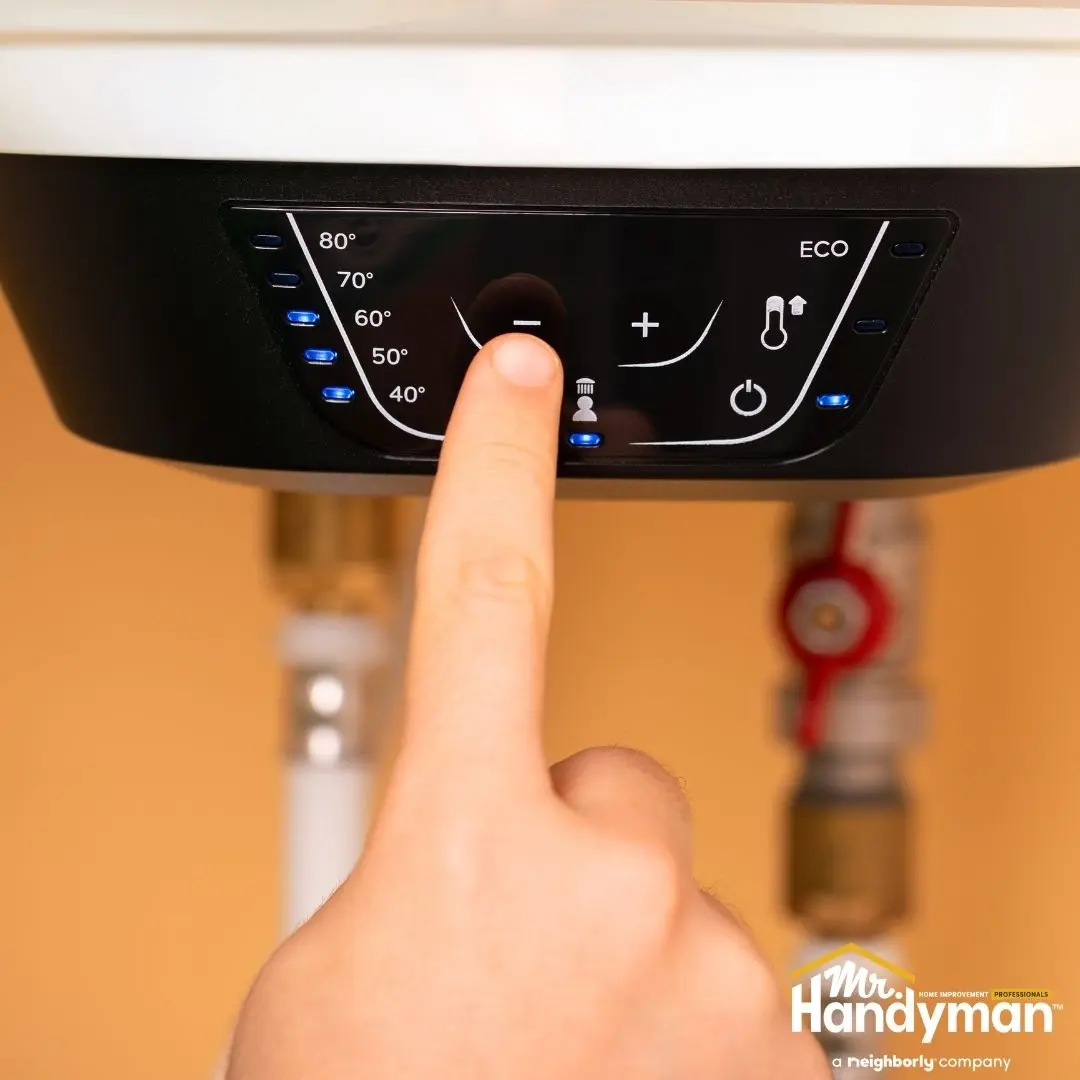
Cold weather places extra strain on nearly every system in a home, but water heaters are often affected more than homeowners realize. As winter settles into Northern Indiana, incoming water temperatures drop, daily hot water demand increases, and water heaters are forced to work longer and harder just to keep up. For many homeowners, winter is the season when hidden water heater problems finally become noticeable.
When water inside a heater is significantly colder than normal, the system must use more energy to reach the desired temperature. Heating elements cycle more frequently, burners stay active longer, and internal components experience increased wear. Over time, this added strain can expose weaknesses that went unnoticed during warmer months. In many cases, water heater failure does not happen suddenly. Instead, the system shows warning signs that are easy to miss if you do not know what to look for.
Homeowners throughout South Bend and Mishawaka often notice water heater issues during prolonged cold snaps, when systems are pushed to their limits. Similar concerns affect homes across Elkhart County, where older construction and variable insulation levels are common. Recognizing the signs that a water heater is struggling in cold weather allows homeowners to take action early and avoid unexpected breakdowns.
This article explains the most common winter warning signs, what causes them, and when professional help becomes the best option. When water heater issues lead to leaks, performance problems, or damage to surrounding areas, Mr. Handyman of Northern St. Joseph and Elkhart Counties provides dependable home repair services to help homeowners restore comfort and protect their property.
Why Winter Is Hard on Water Heaters
Cold weather affects water heaters in several ways at once. The most significant factor is incoming water temperature. During winter, water entering the plumbing system is much colder than during spring or summer. This means the water heater must work longer to raise water to the same temperature it delivered easily during warmer months.
In Northern Indiana, winter temperatures often remain below freezing for extended periods. Homes in Granger frequently experience sharp overnight temperature drops that further reduce incoming water temperature. As a result, water heaters cycle more often, increasing wear on heating elements, thermostats, burners, and internal components.
Ambient temperature also matters. Water heaters located in basements, garages, or utility rooms are often surrounded by colder air in winter. Drafts, poor insulation, and aging foundations all contribute to heat loss, reducing efficiency and increasing strain. Even well maintained water heaters can struggle under these conditions.
Hot Water Runs Out Faster Than Usual
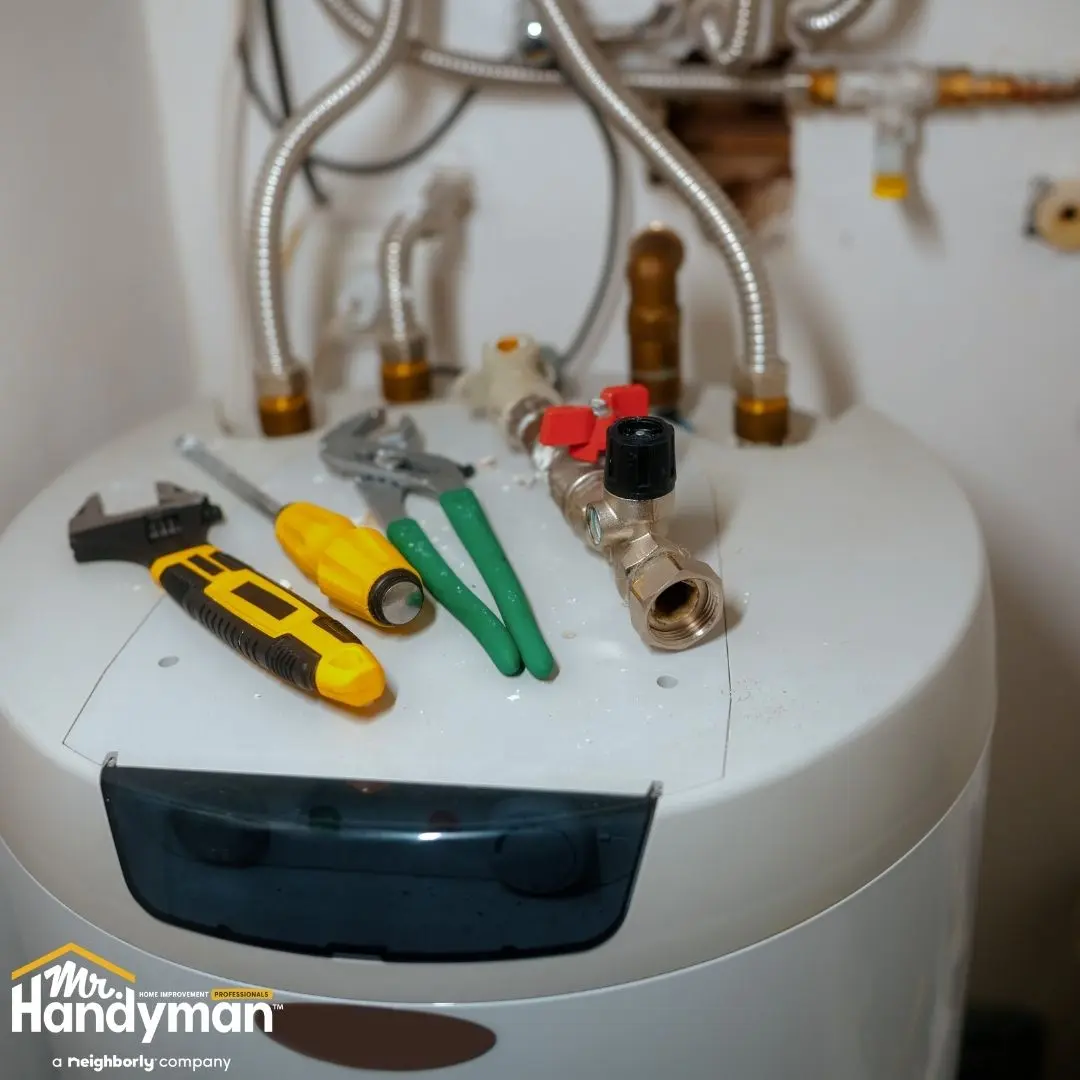
One of the most common signs a water heater is struggling in cold weather is a reduced hot water supply. Homeowners may notice that showers turn lukewarm faster than normal, or that hot water runs out sooner during routine daily use.
While some reduction is expected in winter, especially during peak usage times, a noticeable and consistent drop often indicates a deeper issue. Sediment buildup inside the tank can reduce capacity and efficiency. Worn heating elements may not be able to keep up with demand. Thermostats can lose accuracy over time, preventing the unit from maintaining consistent temperatures.
Homes in Elkhart and Goshen frequently experience this issue in winter, particularly in older houses with traditional tank style water heaters. If hot water availability changes suddenly or continues to decline, the system is likely under stress.
Longer Recovery Times Between Uses
Recovery time refers to how long it takes a water heater to reheat water after hot water has been used. During winter, some increase in recovery time is normal because incoming water is colder. However, excessive delays often signal that the system is struggling.
If it takes much longer than usual for hot water to return after showers, laundry, or dishwashing, the water heater may be losing efficiency. This is commonly caused by aging heating elements, burner inefficiency, sediment accumulation, or reduced fuel delivery in gas units.
Homeowners in Plymouth and New Carlisle often notice this issue during winter mornings when multiple hot water demands occur close together. A system that struggles to recover is often approaching the end of its reliable service life.
Unusual Noises Coming From the Water Heater
Water heaters are designed to operate quietly. When unusual sounds become more noticeable in winter, they often point to internal problems.
Popping, rumbling, or banging noises usually indicate sediment buildup at the bottom of the tank. As the heater works harder to heat colder water, sediment overheats and traps steam bubbles, creating noise. Over time, this buildup reduces efficiency and increases wear on the tank.
Homes throughout Osceola commonly experience this issue, especially in areas with hard water. Winter often amplifies these sounds because the heater runs more frequently and for longer cycles.
Rising Energy Bills With No Change in Usage
A struggling water heater often shows up on utility bills before it fails completely. If energy costs rise noticeably during winter without a clear increase in household usage, the water heater may be working inefficiently.
Colder incoming water requires more energy to heat, but inefficiencies such as sediment buildup, worn components, or heat loss from poor insulation can dramatically increase operating costs. In some cases, homeowners in La Porte discover that winter energy spikes are tied directly to water heater performance rather than heating systems alone.
Tracking utility usage during winter can help identify early warning signs and prevent unnecessary expense.
Discolored Water or Unpleasant Odors
Changes in water appearance or smell should never be ignored. Rust colored water, cloudy water, or metallic odors often indicate corrosion inside the water heater tank.
Cold weather can accelerate internal corrosion because water heaters operate more frequently, increasing exposure to oxygen and mineral deposits. If discoloration appears only when using hot water, the water heater is the likely source.
Homes in older neighborhoods throughout South Bend are particularly susceptible due to aging plumbing infrastructure and older water heater tanks. Once corrosion begins, tank failure becomes increasingly likely.
Moisture or Leaks Around the Unit
Any moisture around a water heater is a serious warning sign, especially during winter. Small leaks often worsen as internal pressure increases and components expand and contract with temperature changes.
Leaks may appear around fittings, pressure relief valves, or at the base of the tank. Even minor moisture can lead to water damage, mold growth, and structural issues if left unaddressed.
Water heaters located in basements or utility rooms should be inspected regularly during winter, when leaks are more likely to develop.
Ignition and Pilot Light Problems in Gas Water Heaters
Gas water heaters face additional challenges during cold weather. Drafts, cold air infiltration, and ventilation issues can interfere with pilot lights and burners.
If the pilot light frequently goes out or ignition becomes unreliable, the system may be experiencing airflow problems, thermocouple failure, or gas supply issues. These problems often worsen in winter when cold air affects combustion conditions.
Homes in Bristol and surrounding rural areas are especially vulnerable if water heaters are located in garages or poorly insulated spaces.
Reduced Hot Water Pressure
Reduced pressure when using hot water can indicate sediment buildup or internal corrosion restricting water flow. During winter, increased heater usage can worsen these restrictions.
If pressure is noticeably lower on the hot side than the cold side, the water heater or connected plumbing may be struggling. This issue often develops gradually and becomes more noticeable during winter months.
Age of the Water Heater Becomes More Apparent
Most traditional tank water heaters have an expected lifespan of eight to twelve years. Cold weather often exposes weaknesses in older systems that have functioned adequately during warmer months.
If a water heater is approaching or exceeding its expected lifespan, winter performance issues are common. Increased strain during cold weather can push aging components beyond their limits, leading to leaks or complete failure.
Supporting Water Heater Performance During Winter
Homeowners can take steps to reduce strain on water heaters during cold weather. Insulating hot water pipes helps retain heat and improve efficiency. Keeping the area around the water heater warm reduces heat loss. Flushing sediment periodically restores efficiency and reduces noise.
Addressing small issues early often prevents larger problems later in the season.
When to Call Mr. Handyman of Northern St. Joseph and Elkhart Counties
While some maintenance tasks can be handled by homeowners, many winter related water heater issues require professional attention. Persistent temperature fluctuations, leaks, unusual noises, ignition problems, and signs of corrosion should not be ignored.
Homeowners throughout Northern St. Joseph County and Elkhart County can rely on Mr. Handyman of Northern St. Joseph and Elkhart Counties for dependable home repair services. Whether addressing water heater related damage, improving insulation, or repairing surrounding areas affected by leaks, professional support helps prevent further issues.
To learn more or schedule service, visit Mr. Handyman of Northern St. Joseph and Elkhart Counties or call.
How Cold Weather Exposes Hidden Water Heater Weaknesses
Cold weather does not usually create water heater problems from nothing. Instead, winter conditions expose weaknesses that already exist within the system. Components that are worn, partially failing, or operating inefficiently during warmer months are often pushed beyond their limits once temperatures drop. This is why many homeowners experience water heater issues for the first time during winter, even if the system appeared to function normally before.
As incoming water temperatures fall, heating elements and burners must work longer to reach target temperatures. This increased runtime places additional stress on electrical connections, gas valves, thermostats, and internal wiring. Over time, small inefficiencies compound into noticeable performance problems. A heating element that is slightly weakened may still function in summer, but struggle to keep up in winter. A thermostat that is losing accuracy may cause wide temperature swings when the system is under heavier load.
Cold weather also amplifies heat loss. Water heaters located in basements, garages, or utility rooms are often surrounded by colder air during winter months. If the surrounding space is drafty or poorly insulated, heat escapes more quickly from the tank. This forces the system to cycle more frequently, accelerating wear and increasing energy consumption. Even newer water heaters can experience performance decline when environmental conditions are unfavorable.
In Northern Indiana, winter temperature swings can be severe. A mild afternoon followed by a sharply colder night can cause repeated expansion and contraction inside the tank and connected plumbing. Over time, this movement stresses fittings and seals. Minor weaknesses that go unnoticed during warmer seasons often become active leaks or pressure problems once winter sets in.
Understanding that winter reveals existing vulnerabilities helps homeowners take warning signs seriously rather than dismissing them as temporary seasonal issues.
The Role of Sediment Buildup During Winter
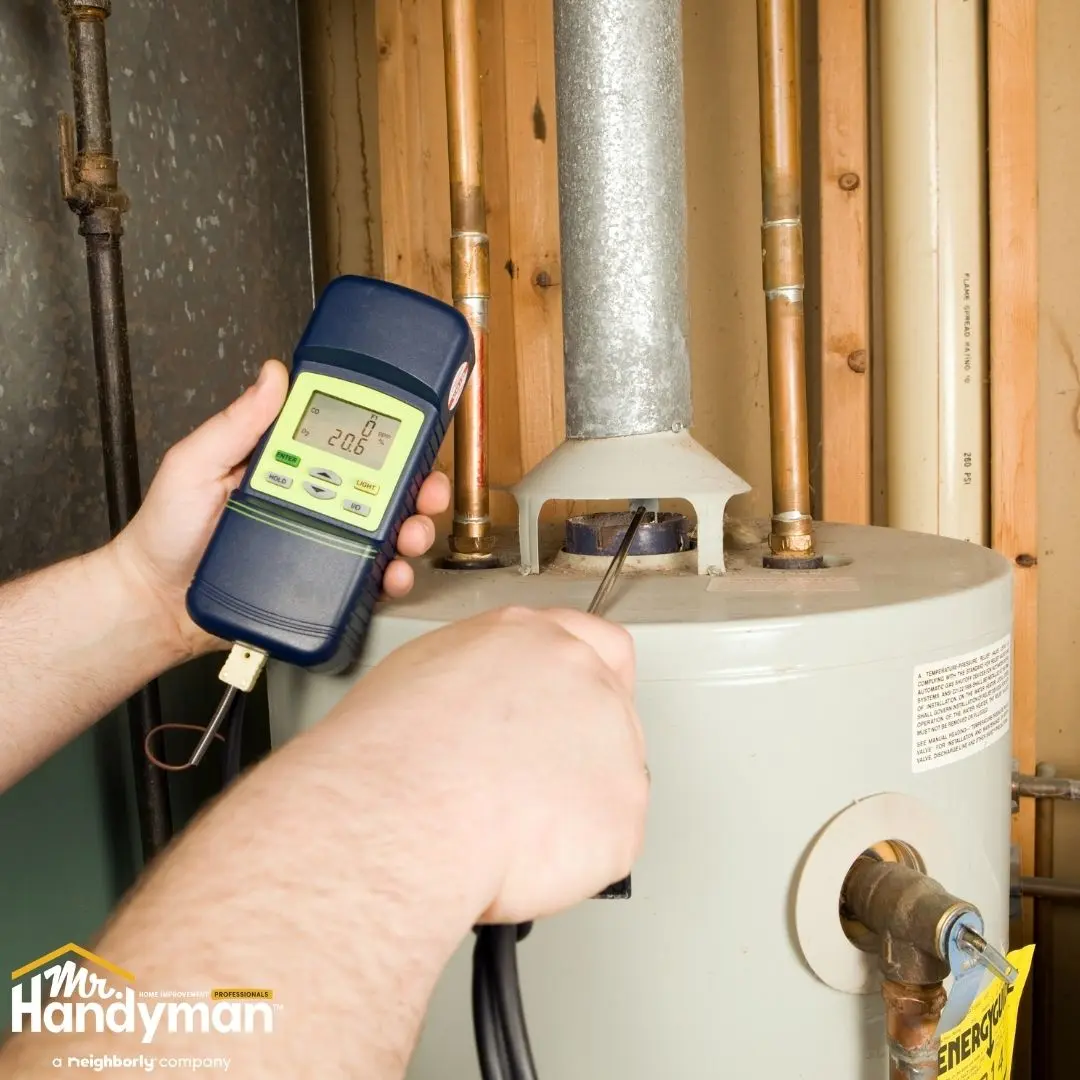
Sediment buildup is one of the most common contributors to water heater problems, and winter makes its effects far more noticeable. Minerals naturally present in water settle at the bottom of tank style water heaters over time. This layer of sediment acts as an insulating barrier between the heating element or burner and the water above it.
During winter, when incoming water is much colder, the heater must work harder to raise water temperature. Sediment buildup forces the system to expend even more energy to heat the water, reducing efficiency and increasing operating costs. In many cases, this leads to longer recovery times, reduced hot water availability, and unusual noises.
As sediment heats up, it can trap steam bubbles that create popping or rumbling sounds inside the tank. These noises are often more noticeable in winter because the heater runs longer and more frequently. Over time, sediment can also cause localized overheating, which weakens the tank lining and accelerates corrosion.
Sediment related issues are especially common in areas with hard water and in older homes where water heaters have not been flushed regularly. Winter is often when sediment problems finally reach a tipping point and begin to affect daily comfort.
How Winter Increases the Risk of Water Heater Leaks
Water heater leaks are more likely to appear during winter because internal pressure and temperature fluctuations increase. As the system works harder to heat colder water, pressure inside the tank rises. At the same time, metal components expand and contract as temperatures change.
These forces place stress on seals, fittings, and welded joints. A small weakness that remained stable during summer may begin to leak once winter demand increases. In some cases, leaks appear only intermittently at first, then worsen as cold weather continues.
Leaks are particularly dangerous when water heaters are located in basements or utility rooms where moisture may go unnoticed. Even small leaks can lead to water damage, mold growth, and deterioration of nearby materials if left unaddressed.
Winter leaks often indicate that a water heater is nearing the end of its usable life. While some leaks can be repaired, others signal internal tank failure, which usually requires replacement rather than repair.
Why Older Water Heaters Struggle More in Cold Weather
Age plays a significant role in winter water heater performance. Most traditional tank water heaters are designed to last between eight and twelve years, depending on usage, water quality, and maintenance. As a water heater ages, internal components wear down, insulation becomes less effective, and corrosion slowly progresses.
During warmer months, an aging water heater may still meet household needs without obvious issues. Winter demand changes that balance. Colder incoming water, longer run times, and higher daily usage expose declining efficiency and weakened components.
Older heating elements take longer to heat water and may fail to reach target temperatures consistently. Aging gas burners may struggle with ignition or combustion efficiency. Internal corrosion reduces tank integrity and increases leak risk. Winter often accelerates these failures because the system is operating near its limits.
Homeowners sometimes assume winter water heater problems are temporary or weather related, but repeated issues during cold months often indicate that replacement should be considered before a catastrophic failure occurs.
The Impact of Increased Household Demand in Winter
Winter also changes how households use hot water. More time spent indoors leads to increased use of showers, baths, laundry, and dishwashing. Hot water demand often peaks during winter mornings and evenings, placing additional strain on water heaters.
When demand increases while system efficiency decreases, performance issues become more noticeable. Hot water may run out faster, recovery times lengthen, and temperature consistency suffers. These issues are especially apparent in homes with multiple occupants or older plumbing systems.
Recognizing how seasonal lifestyle changes affect water heater performance helps homeowners understand why winter problems may not resolve on their own.
Preventing Escalation Through Early Intervention
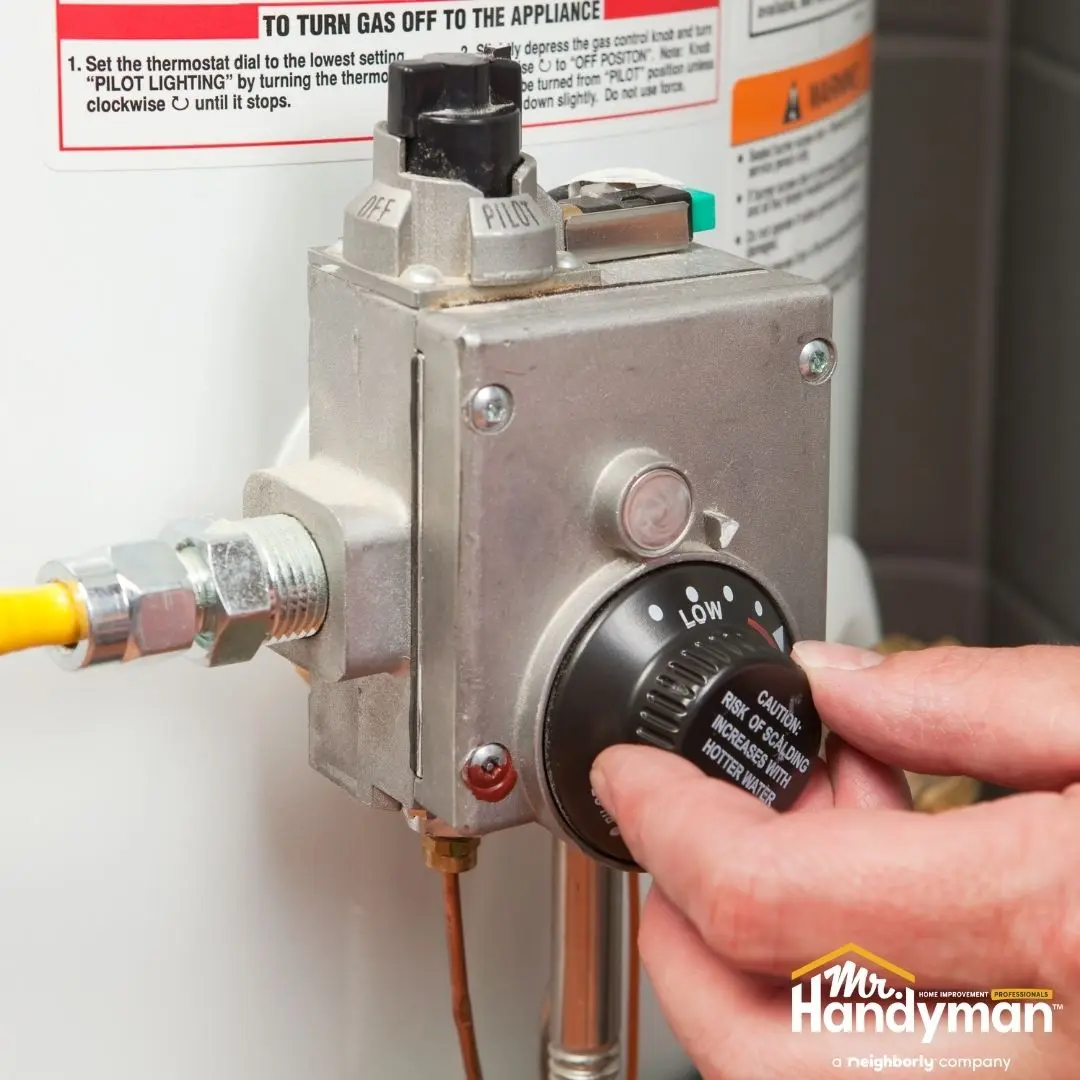
One of the most important winter water heater strategies is addressing warning signs early. Small performance changes are easier and less expensive to resolve than major failures. Ignoring early symptoms often leads to emergency repairs, water damage, or total system replacement at the worst possible time.
Routine inspections, sediment flushing, insulation improvements, and timely repairs can significantly extend water heater lifespan and improve winter performance. Even modest improvements can reduce strain and prevent sudden breakdowns during extreme cold.
Professional evaluation is especially valuable when warning signs persist or worsen. Identifying whether a problem is related to maintenance, repairable components, or overall system age helps homeowners make informed decisions before damage occurs.
Final Thoughts on Winter Water Heater Performance
Cold weather places unique demands on water heaters, and even reliable systems can struggle under winter conditions. Recognizing early warning signs allows homeowners to take action before comfort is disrupted or damage occurs.
With proactive maintenance and timely repairs, many winter water heater problems can be prevented. With support from Mr. Handyman of Northern St. Joseph and Elkhart Counties, homeowners across Northern Indiana can stay warm, comfortable, and confident throughout the coldest months of the year.
If your hot water isn’t reliable this winter, don’t wait. Call to have a local handyman inspect your water heater.