The Most Underused Space in Your Home Is Probably Below You
Most Northern Indiana homeowners with a basement fall into one of two categories. The first uses the space primarily for storage, mechanical equipment, and the accumulated household overflow that has no other obvious home. The second has thought about finishing or improving the basement for years, priced it out informally, assumed the project would cost more than the return justified, and continued using it for storage through another long Northern Indiana winter. Both categories represent the same missed opportunity.
A basement does not need a full finishing project to become meaningfully more useful. Targeted, well-chosen improvements that address the specific conditions of a Northern Indiana basement can transform a space that is currently functioning at a fraction of its potential into one that adds genuine livable square footage, reduces household crowding during the long indoor seasons that characterize life in this region, and contributes real value to the home. The key is understanding which improvements deliver the most return for the specific conditions of basements in Northern St. Joseph and Elkhart Counties, and why those conditions make certain approaches more important here than they would be in a more moderate climate.
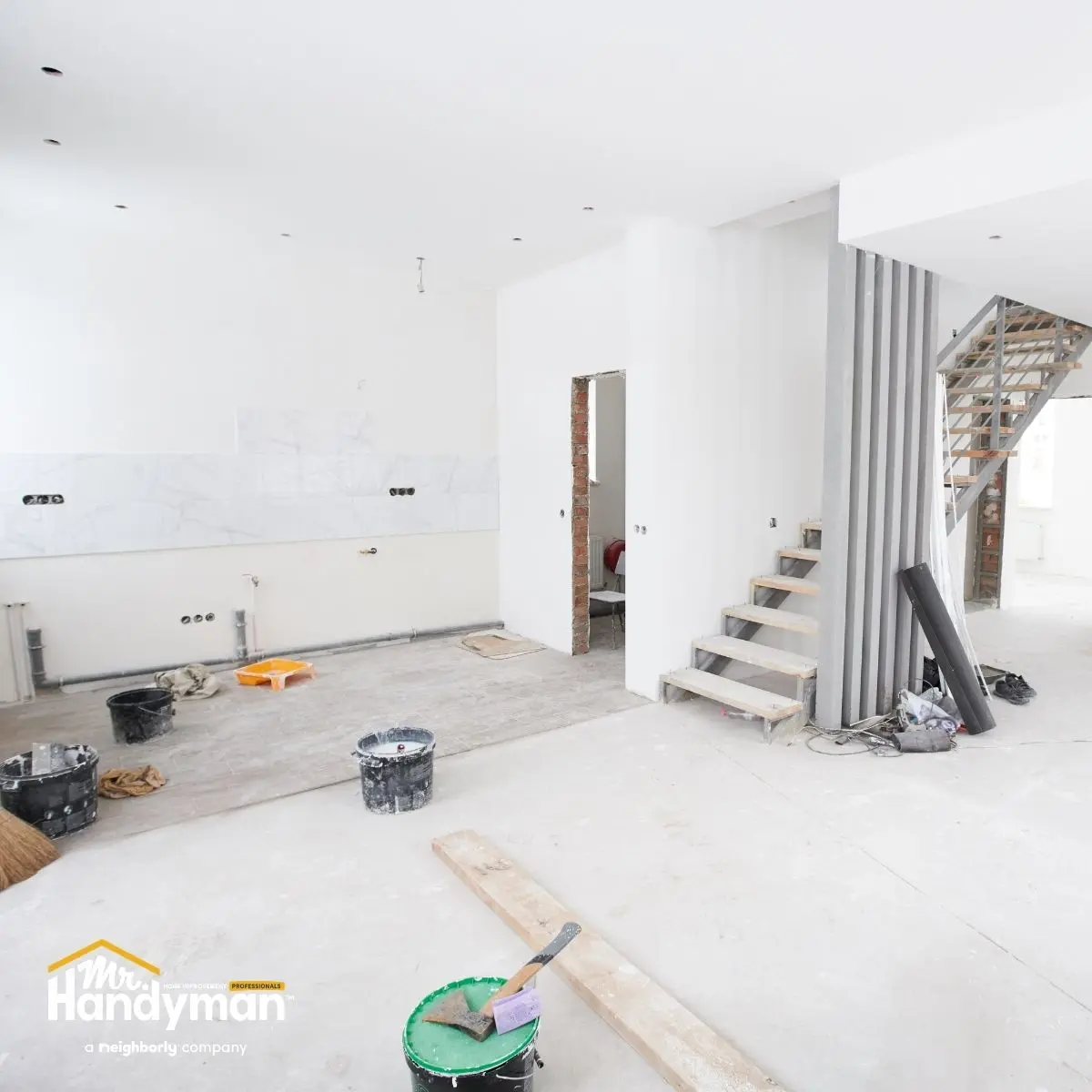
South Bend, Mishawaka, Elkhart, and Goshen homes were built with full basements as a standard feature across most of the region's construction history, which means the basement is not a peripheral amenity in Northern Indiana homes. It is a significant portion of the home's total square footage that the region's climate has historically directed toward mechanical and storage functions rather than living space. Converting even a portion of that square footage into usable, comfortable living area adds a dimension of household function that the long Northern Indiana winter makes especially valuable.
Why Moisture Control Comes Before Everything Else
No basement improvement in Northern Indiana delivers lasting value unless moisture is controlled first. This is not a suggestion to consider alongside other priorities. It is the non-negotiable foundation on which every other improvement depends, and the regional climate makes it more urgent here than in most other parts of the country.
Northern Indiana's significant annual snowfall, the rapid snowmelt that spring warming produces, and the spring rainfall that follows create the most intense hydrostatic pressure events of the year against residential foundations in this region. St. Joseph County and Elkhart County soils include the heavier clay deposits that hold moisture against foundation walls for extended periods after these events, sustaining the pressure that drives water through concrete and block walls long after the precipitation event itself has ended.
Interior drainage systems address water that enters the basement through the floor-wall joint or through foundation wall seepage by capturing it at the perimeter and directing it to a sump pit for removal. In Northern Indiana homes where exterior waterproofing is incomplete, degraded, or simply inadequate for the ground moisture conditions the home experiences during snowmelt season, an interior drainage system provides reliable moisture management without requiring excavation around the foundation exterior. For South Bend and Mishawaka homes in established neighborhoods where exterior excavation would be particularly disruptive, interior drainage is often the more practical path to basement moisture control.
Vapor barriers installed on foundation walls and across the concrete slab floor create a physical separation between the moisture that migrates through concrete and the finished materials installed in front of and above them. In Northern Indiana homes where the basement concrete has been managing decades of seasonal moisture pressure, a vapor barrier system that is properly sealed at seams and lapped up the walls dramatically reduces the moisture that reaches finished surfaces and floor coverings.
Dehumidification in a Northern Indiana basement operates differently across the seasons than in more moderate climates. During winter months, the basement may actually experience lower humidity than the floors above it as heating systems draw moisture from the air throughout the home. During spring snowmelt and summer, however, basement humidity can climb to levels that support mold growth and damage finished materials without a properly sized dehumidifier running consistently. A dehumidifier that is appropriately sized for the basement's square footage and that manages the peak humidity conditions of Northern Indiana's wet seasons is essential equipment rather than optional comfort improvement.
Framing and Insulation: Building the Foundation for Usable Space
Once moisture control is confirmed and functioning through at least one significant weather event, framing and insulation work converts a raw basement into a space that can support finished uses. In Northern Indiana basements, the approach to framing and insulation requires consideration that reflects both the moisture conditions and the temperature extremes the region delivers.
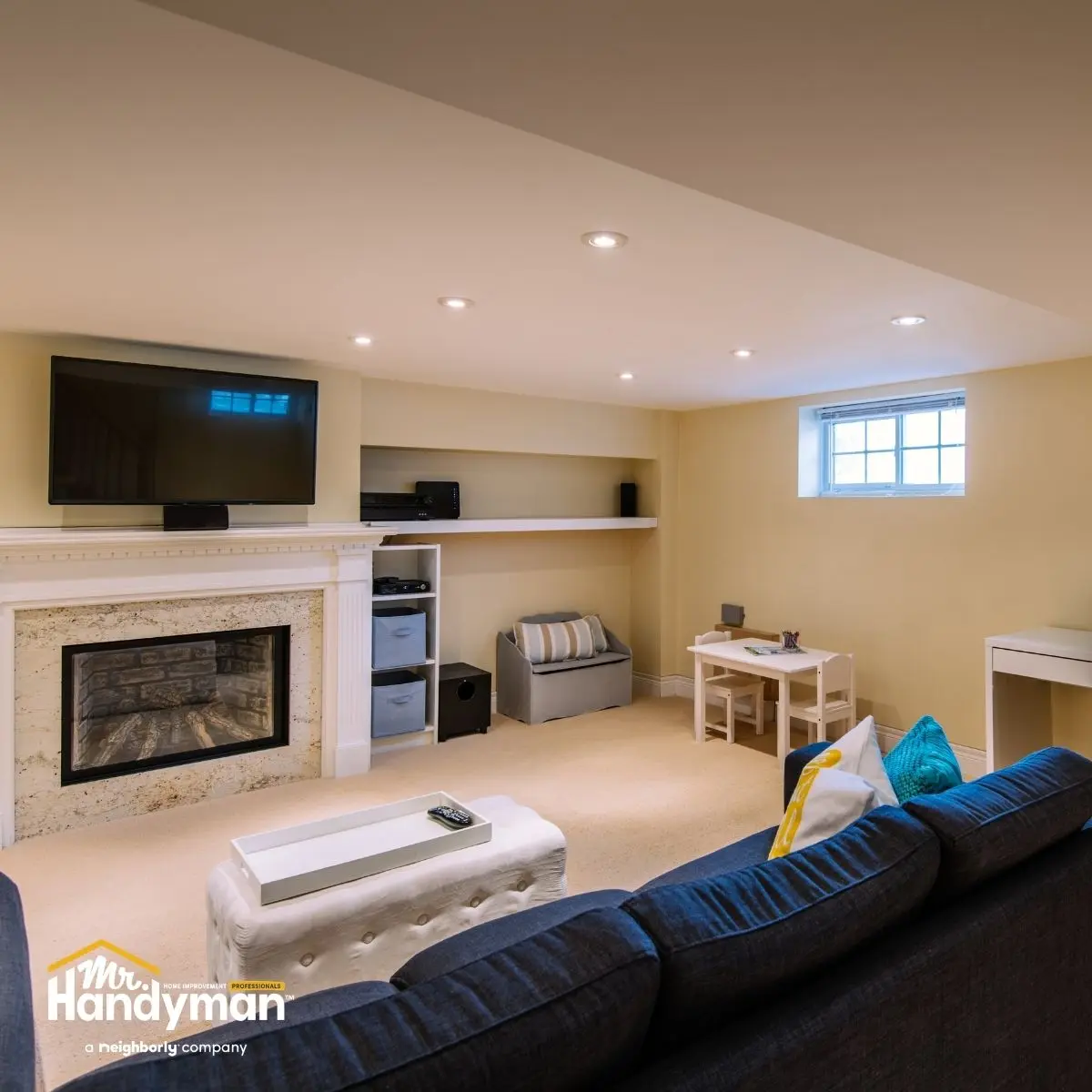
Pressure-treated lumber at the base of any framed wall that contacts or sits near the concrete slab is a code requirement and a practical necessity in Northern Indiana's moisture environment. Standard dimensional lumber that contacts concrete absorbs moisture and deteriorates from the bottom up over time, particularly in a region where basement slab moisture conditions vary dramatically between snowmelt season and dry summer periods.
Rigid foam insulation installed directly against foundation walls before framing provides thermal performance that is especially meaningful in Northern Indiana's climate. A basement in South Bend or Elkhart that is insulated only with fiberglass batts in framed wall cavities adjacent to foundation walls is not achieving the thermal separation between the cold foundation wall and the conditioned interior that comfortable basement living space requires during a Northern Indiana winter. Rigid foam installed against the foundation wall before framing creates the thermal break that makes the basement genuinely comfortable as living space rather than marginally warmer than unfinished.
The thermal performance of basement insulation in Northern Indiana directly determines the heating cost of the finished space. A properly insulated basement that is integrated into the home's heating system requires meaningfully less energy to maintain at comfortable temperature than one that relies on baseboard heaters or portable units to compensate for inadequate insulation at the foundation wall interface. That operating cost difference accumulates through every one of Northern Indiana's long heating seasons and justifies the additional insulation investment at the time of finishing.
Ceiling height is a practical constraint in many Northern Indiana basements that affects which finished uses are realistic. Older South Bend and Mishawaka homes from the early and mid-twentieth century sometimes have basement ceiling heights that are lower than current construction standards would produce, and the presence of ductwork, plumbing, and structural beams can reduce usable ceiling height further in specific areas. Before any framing or finishing plan is developed, measuring actual ceiling height throughout the space while accounting for all obstructions produces a realistic picture of what the space can accommodate comfortably.
Flooring Options That Work in Northern Indiana Basement Conditions
Flooring selection in a Northern Indiana basement requires a decision framework that accounts for the specific moisture conditions, temperature variations, and seasonal demands that this region's climate creates in below-grade spaces.
Luxury vinyl plank is the most consistently appropriate flooring choice for finished Northern Indiana basements across a range of budget levels. It is fully waterproof through its entire thickness, installs as a floating floor that accommodates the minor slab movement that Northern Indiana's freeze-thaw cycling can produce, and is available at quality levels that produce a finished appearance suitable for genuine living space. It does not absorb the moisture that spring snowmelt drives through the soil surrounding Northern Indiana foundations, does not support mold growth, and can be removed and reinstalled if moisture management work requires access to the slab.
Engineered hardwood is appropriate in Northern Indiana basements where moisture control has been comprehensively addressed and where slab moisture testing confirms low vapor emission levels. It offers a more authentic wood appearance than luxury vinyl at a higher price point but carries greater sensitivity to the moisture conditions that Northern Indiana basements can experience during snowmelt season. It should not be installed without confirmed moisture control and slab moisture testing.
Carpet in a Northern Indiana basement requires honest evaluation of the moisture conditions the space actually experiences. In a well-controlled, consistently dehumidified basement with no history of water intrusion and confirmed moisture control through at least one full snowmelt season, carpet can be installed over appropriate padding. In a basement with any history of moisture, carpet holds that moisture in ways that produce odor problems and mold growth that are difficult to fully resolve without complete removal. The region's seasonal moisture peaks make carpet a higher-risk flooring choice in Northern Indiana basements than in comparable spaces in drier climates.
Lighting Transforms a Basement More Than Any Other Single Improvement
Basements in Northern Indiana homes share a common characteristic regardless of their size, age, or existing condition. They are almost universally underlit. The original lighting installed in most basements across South Bend, Mishawaka, Elkhart, and Goshen, a handful of bare bulb fixtures or surface-mounted utility lights positioned for basic visibility rather than livability, produces the dim, flat environment that works against every other improvement made to the space.
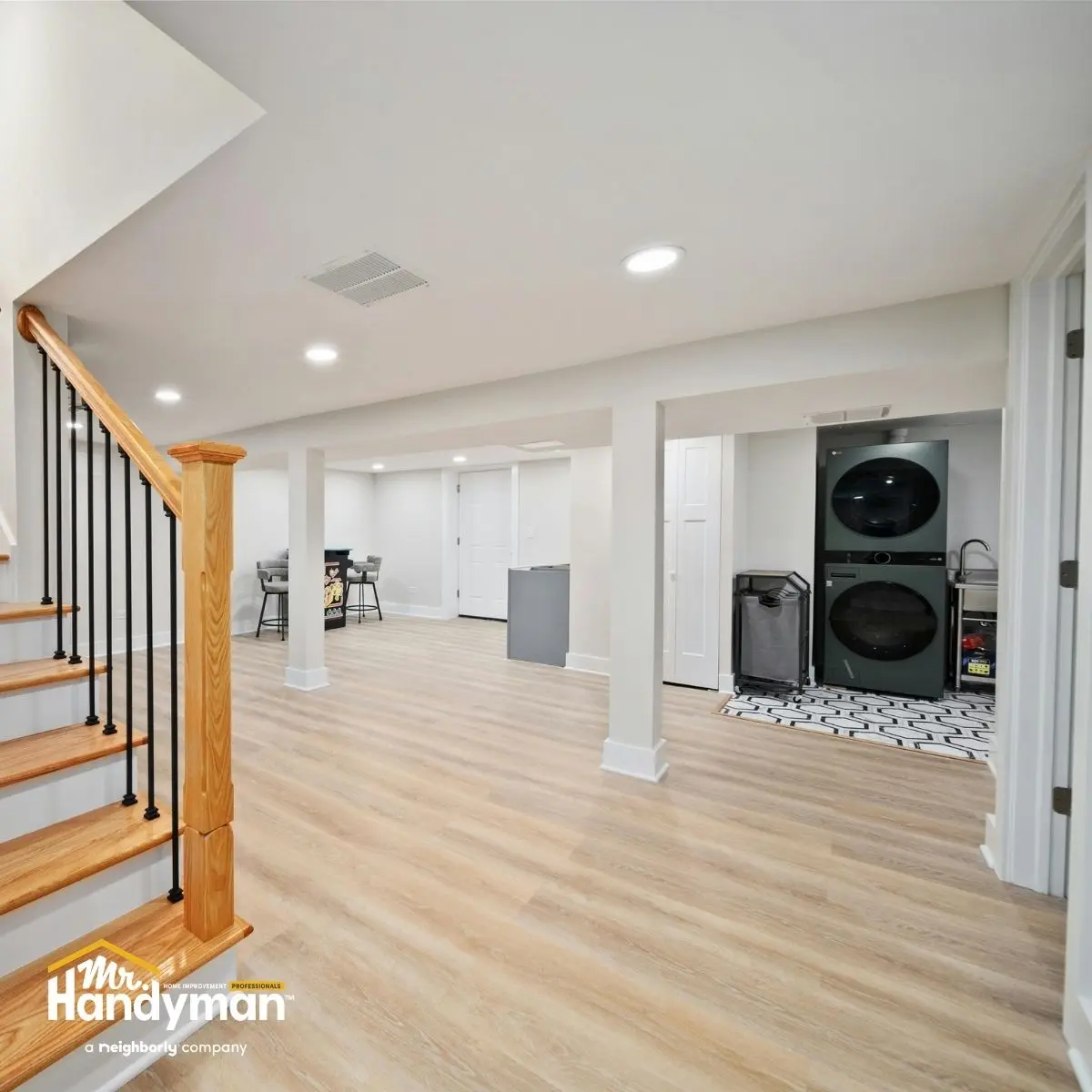
Lighting is where the perception of a basement as a dark, unwelcoming utility space is either confirmed or reversed, and it is one of the most cost-effective improvements available relative to the transformation it produces. In Northern Indiana homes where the basement represents a meaningful portion of the home's total square footage and where the long indoor seasons make every livable room genuinely valuable, this transformation has particular significance. A basement that receives thoughtful, layered lighting treatment reads as a finished, intentional living space in a way that the same space with inadequate lighting never will, regardless of what else has been done to it.
Recessed lighting installed in a finished or drop ceiling grid provides the foundational illumination that a usable basement requires. Spacing recessed fixtures appropriately across the ceiling plane eliminates the dark corners and uneven light distribution that surface-mounted utility fixtures produce. LED recessed fixtures in current residential applications consume minimal energy, produce minimal heat, and are available in color temperatures that make a below-grade space feel significantly brighter and more welcoming than older incandescent or fluorescent alternatives. In a Northern Indiana home where the basement is intended to function as a genuine living space through long winter months, the quality of the lighting environment is not a finishing detail. It is a primary determinant of whether the space is actually used.
Task lighting in areas designated for specific uses supplements the ambient ceiling layer with directed light where it is most needed. A workshop bench with under-cabinet lighting, an exercise area with adjustable track lighting, and a hobby or study space with dedicated fixtures all serve the specific function of the space rather than relying on ceiling fixtures to do all the work from a distance. In Northern Indiana households where basement spaces often need to accommodate multiple functions within a single open area, task lighting that defines each zone's purpose through targeted illumination is more effective than attempting to illuminate every function from a single overhead layer.
Egress window wells in Northern Indiana basements that have had proper egress windows installed represent a natural light opportunity that is frequently underutilized. A window well fitted with a clear polycarbonate cover and a light-colored reflective liner introduces meaningful natural light into the basement space during daylight hours. In Northern Indiana's winter, when daylight hours are short and natural light is genuinely precious, any natural light contribution to a basement living space changes the feel of the area in ways that artificial lighting alone cannot replicate.
Creating Defined Zones That Make a Basement Feel Intentional
An unfinished or partially finished basement feels like a single undifferentiated space regardless of its actual square footage. One of the most effective small improvements available in basement development is creating defined zones that give different areas of the space a clear purpose and identity without requiring full partition walls between them.
In South Bend and Mishawaka homes where basements often run beneath a significant portion of the home's footprint due to the full-basement construction standard that has characterized Northern Indiana residential building through most of its history, a single large open basement can accommodate multiple defined uses simultaneously if the layout is planned thoughtfully. A seating and media area positioned against one wall, a dedicated exercise zone in a section with adequate ceiling clearance, and a utility and storage area screened from the finished portions of the space can coexist in a single basement without requiring structural separation between them.
Area rugs define floor zones in an open basement space with immediate visual effect. A large area rug under a seating arrangement anchors that zone as a distinct space even when there are no walls separating it from adjacent areas. In a Northern Indiana basement with luxury vinyl plank flooring installed throughout, area rugs add warmth, acoustic softening, and visual definition simultaneously, while also providing the comfort underfoot that Northern Indiana winters make particularly welcome in a below-grade space that can feel cool even with adequate heating.
Built-in shelving and storage walls serve the dual purpose of providing organized storage and creating visual boundaries between zones without the cost or permanence of framed partition walls. A well-built shelving unit positioned between a media area and a workshop space functions as both a functional storage resource and a spatial divider that makes each area feel more contained. In Northern Indiana homes where basement storage is a genuine household need given the equipment that regional living requires, integrating storage into the finished basement plan rather than treating it as a competing use produces a more functional and more attractive result.
Basement Bathroom Additions: When They Make Sense in Northern Indiana Homes
A basement bathroom is among the improvements that most significantly increases the functional utility of a below-grade living space in a Northern Indiana home, and it is a project that is more feasible in many homes across this region than homeowners assume.
Many South Bend and Mishawaka homes built with full basements were roughed in for a future bathroom during original construction. A basement that has a capped floor drain, a rough-in for a toilet, and a stub-out for a sink in a designated corner already has the primary infrastructure in place. Converting that rough-in to a functional half bath or three-quarter bath is a significantly more accessible project than installing a bathroom in a basement with no existing rough-in. Given the age of the housing stock in established Northern Indiana neighborhoods, a surprising number of full basements across South Bend and Mishawaka have original rough plumbing that has never been developed into functional bathroom space.
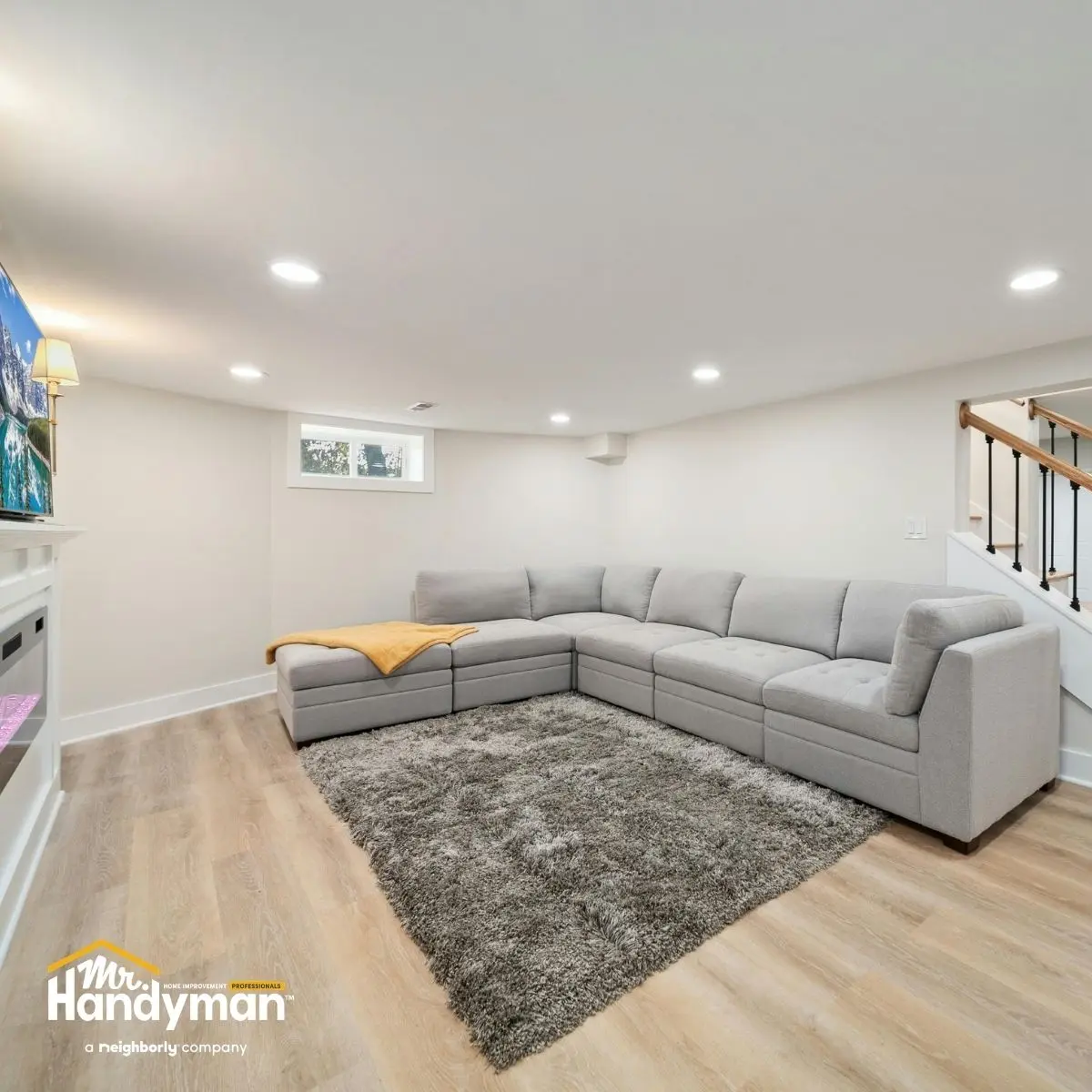
In basements without existing rough plumbing, a below-slab ejector system makes bathroom addition possible by pumping waste up to the level of the existing drain line. Macerating toilet systems provide an above-slab alternative that eliminates the need for slab cutting entirely, though they carry their own maintenance considerations. The long Northern Indiana indoor seasons make a functional basement bathroom particularly valuable for households that use the basement as a genuine living space through winter months, eliminating the need to travel upstairs for every bathroom use during the hours when the basement is being actively used.
How These Improvements Translate to Real Value in This Market
The real estate markets across Northern St. Joseph and Elkhart Counties respond to basement improvements in ways that reflect the specific buyer expectations those markets carry and the particular value that usable below-grade square footage represents in a region where full basements are a standard housing feature.
In South Bend's market, where the housing stock includes a significant proportion of full-basement homes and where buyers have come to expect basement space as part of the home's overall footprint, a finished or partially finished basement that is dry, well-lit, and genuinely usable contributes to the home's overall value in ways that raw basement square footage does not. Buyers evaluating South Bend homes with finished basements weigh that space as functional living area rather than as bonus storage, which affects how they price the home relative to comparable properties without finished below-grade space.
Mishawaka's market responds similarly, with the additional consideration that the community's tighter neighborhood density and the lot sizes that characterize its established residential areas make below-grade living space particularly valuable as a means of expanding functional household area without the exterior additions that dense lot coverage would not support. A finished basement in a Mishawaka home effectively increases the home's functional living area without changing its exterior footprint.
Elkhart County homeowners considering basement improvements benefit from the county's consistent demand for homes with flexible living space. A basement that accommodates a home office, a guest suite, or a recreation area appeals directly to the households that Elkhart County's economy attracts, which includes manufacturing professionals, healthcare workers, and the recreational vehicle industry workforce that drives significant regional employment. These households need homes that work for a range of uses, and a finished basement that genuinely functions as living space addresses that need in a way that raw basement square footage does not.
Frequently Asked Questions
How do I know if my Northern Indiana basement is a good candidate for finishing? Start with a moisture assessment through at least one spring snowmelt season. A basement that has any history of water intrusion, visible efflorescence on walls, or persistent musty odor needs moisture management work before any finishing begins. A basement that has remained dry through Northern Indiana's demanding springs and that has adequate ceiling height for the intended uses is a strong candidate for targeted improvements.
What ceiling height is needed for a finished basement in Northern Indiana? Seven feet is generally considered the practical minimum for a finished basement living space. Spaces below that height feel constrained regardless of what other improvements are made. In older South Bend and Mishawaka homes where original basement ceiling heights may fall below that threshold in portions of the space, identifying the zones with adequate clearance and limiting finished uses to those areas produces better results than attempting to finish the entire basement uniformly.
Is a basement bathroom addition worth the investment in a Northern Indiana home? In Northern Indiana homes where the basement is being developed into meaningful living space for use through long indoor seasons, a bathroom addition dramatically increases the utility of the space. A basement level without bathroom access limits how independently the space can function through the winter months when Northern Indiana households spend the most time indoors and when below-grade living space is most actively used.
How long does basement moisture management work take before finishing can begin? Interior drainage system installation typically takes one to two days. Confirming the system is performing correctly through at least one significant snowmelt event before beginning finishing work is the Northern Indiana-specific recommendation that distinguishes adequate moisture management assessment from premature finishing that discovers its inadequacy when the next snowmelt season arrives.
What is the most cost-effective single improvement for an unfinished Northern Indiana basement? Consistent dehumidification combined with improved lighting produces the most immediate transformation of an unfinished basement space relative to cost. These two improvements alone change how the space feels to occupy through every season and make subsequent improvements more worthwhile by demonstrating that the space is usable and worth investing in further.
Can I use my Northern Indiana basement as a home office without full finishing work? A basement that has moisture under control through at least one spring snowmelt season, adequate lighting, and climate conditioning can function as a home office without full wall and ceiling finishing. The specific Northern Indiana addition to this standard answer is the moisture confirmation requirement, because a home office installed in a basement that has not been confirmed dry through a snowmelt event discovers its moisture management inadequacy at the worst possible time for the equipment and documents it houses.
The Space You Already Have
The most accessible additional square footage available to a Northern Indiana homeowner is often already beneath their feet, and in a region where long indoor seasons make every livable room genuinely valuable, that square footage is worth developing thoughtfully. Basement improvements that address the specific moisture, thermal, and lighting conditions of Northern Indiana's climate produce spaces that serve the household genuinely through every season and that hold their value in a market where full basements are a standard feature whose condition buyers evaluate carefully.
The team at Mr. Handyman of Northern St. Joseph and Elkhart Counties has the experience to assess what your basement needs, execute the improvements in the right sequence, and deliver a space that works the way it should through everything Northern Indiana's seasons bring.
Website: https://www.mrhandyman.com/northern-st-joseph-elkhart-counties/
Serving homeowners throughout Northern St. Joseph and Elkhart Counties with dependable service and the expertise your home deserves.