Property Management Is a Year-Round Responsibility With a Seasonal Peak

Managing residential or commercial properties in Northern Indiana means operating within a climate that does not distribute its maintenance demands evenly across the calendar. Winter accumulates damage quietly across roofing systems, exterior surfaces, plumbing infrastructure, and drainage components in ways that are not always visible during routine drive-by observation. Spring reveals what winter created, and the property managers who have a structured inspection process in place to capture that revelation are in a fundamentally different position than those who discover it reactively through tenant complaints and emergency repair calls.
A spring inspection is not a luxury that well-resourced property management operations perform in addition to their regular responsibilities. It is the mechanism through which responsible property management converts reactive maintenance into planned maintenance, which is the single most impactful operational shift available to any property manager working in Northern Indiana's demanding climate. The difference between a property management portfolio that responds to problems as they appear and one that identifies and addresses developing issues before they become tenant-facing emergencies is largely a function of whether a structured spring inspection process exists and is executed consistently.
Northern St. Joseph and Elkhart Counties present a property management environment that is both opportunity-rich and operationally demanding. South Bend, Mishawaka, Elkhart, and Goshen each have active rental markets that reflect the region's population, university presence, manufacturing employment base, and the economic activity that Elkhart County's recreational vehicle industry drives throughout the region. That market activity means property managers are overseeing significant portfolios across a range of property ages and types, and the efficiency of a systematic spring inspection process is more valuable in that environment, not less, because the consequences of a missed maintenance issue scale with the size of the portfolio it goes undetected across.
What a Northern Indiana Winter Leaves for a Spring Inspection to Find
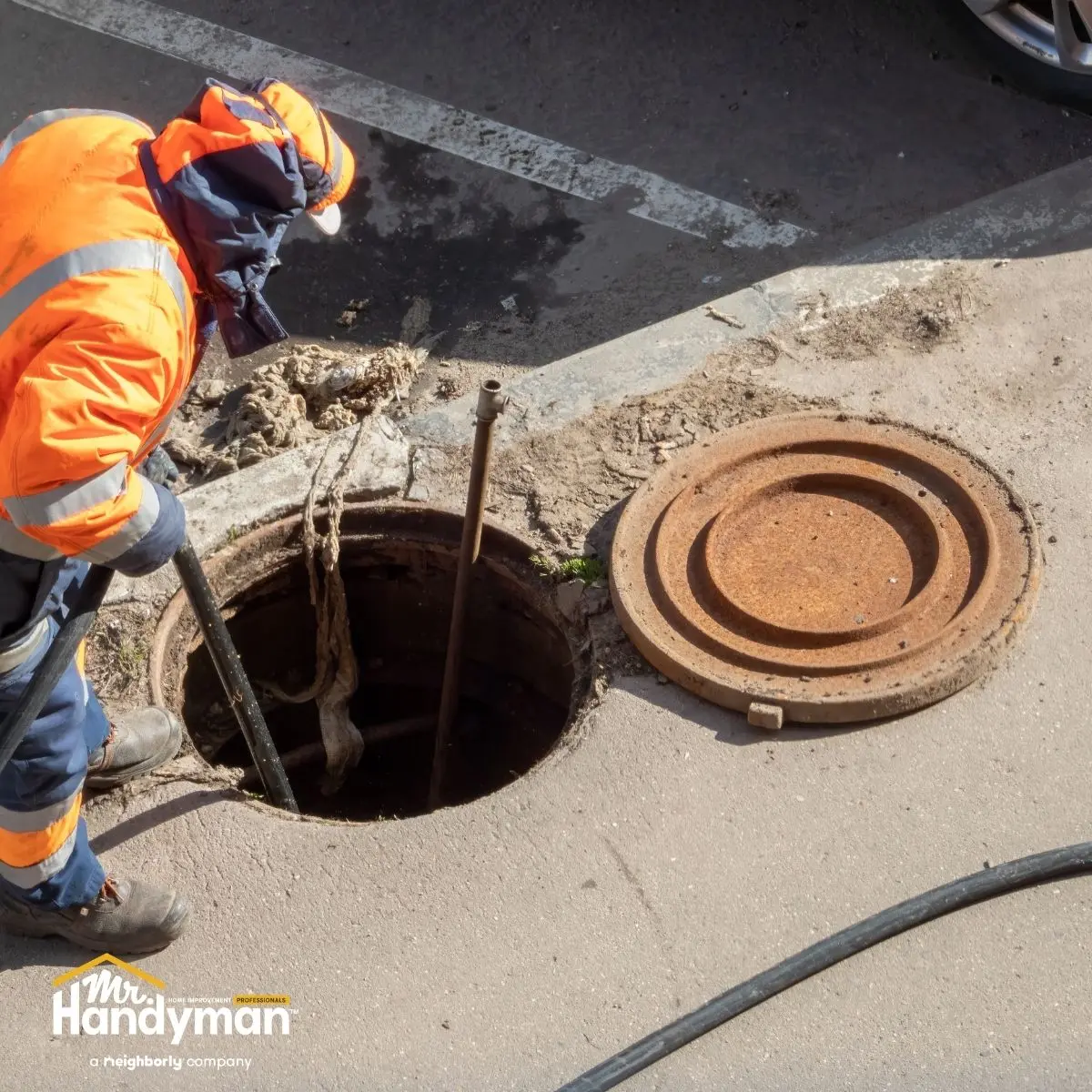
The value of a spring property inspection is directly proportional to the understanding of what Northern Indiana's winter actually does to managed properties. A property manager who understands the specific damage mechanisms that this region's climate produces arrives at a spring inspection with a more focused and effective evaluation framework than one conducting a generic walkthrough.
Roofing systems across a Northern Indiana property portfolio absorb the most consequential winter stress of any building component. Residential roofing in South Bend and Mishawaka that experienced ice damming during cold snaps when interior heat loss met accumulated snow cover may have allowed water infiltration beneath shingles at the eave line that produced attic and ceiling assembly damage invisible from the exterior. A spring roof inspection that accesses attic spaces and evaluates insulation condition, sheathing integrity, and water staining identifies that damage before it progresses to the living space below.
Lake-effect snow accumulation on flat and low-slope roofing across commercial properties in the portfolio creates the loading and membrane stress that spring inspection evaluates after the snow has cleared. Seams, penetrations, and drain points on commercial flat roofing in Northern Indiana have been through the most demanding season of freeze-thaw cycling and snow loading and require specific attention at those locations rather than a general membrane walkthrough.
Foundation and drainage conditions around managed properties in Northern Indiana reveal winter's effect most clearly in spring when ground saturation from snowmelt is at its seasonal peak. Negative grade areas that direct water against foundation walls, downspouts that terminate too close to the building, and site drainage blocked by winter debris all contribute to the foundation moisture conditions that spring inspection captures while they are most actively producing symptoms. Efflorescence on basement walls and soft soil adjacent to foundations are spring indicators that drainage is directing snowmelt water toward the building rather than away from it.
Exterior surfaces on managed properties across Northern Indiana portfolios carry winter damage in the predictable categories that the region's freeze-thaw cycling, deicing product exposure, and snow accumulation produce. Paint failure on wood surfaces, caulking that has lost adhesion at window and door frames, masonry mortar joints opened through freeze-thaw cycling, and metal components with surface corrosion from deicing salt exposure all represent conditions that worsen with each season of deferred attention and are most cost-effective to address immediately after winter when the damage is fresh.
The Operational Case for Systematic Spring Inspections
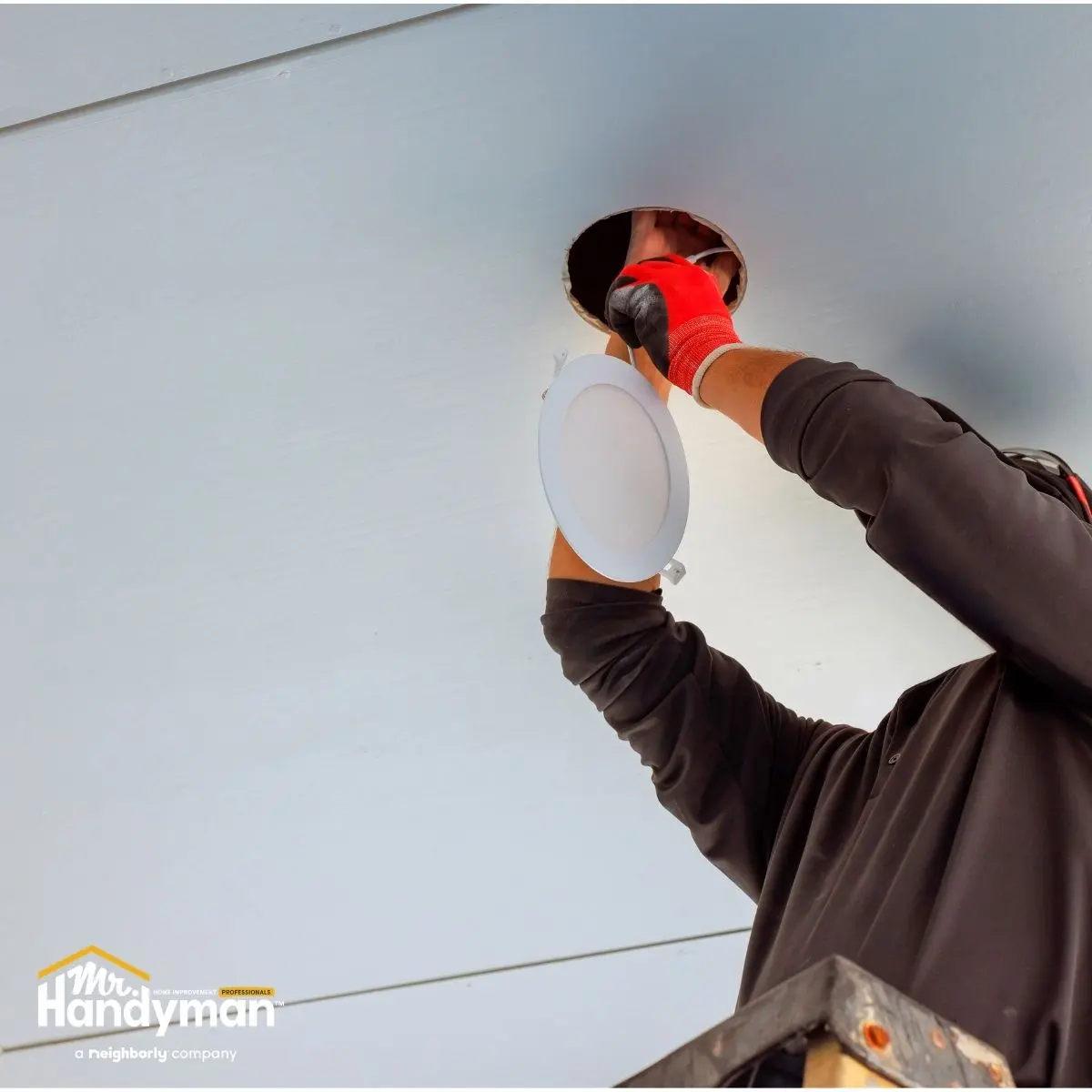
The operational argument for systematic spring inspections is rooted in how Northern Indiana property management businesses actually function and where the costs and risks concentrate across a portfolio managed through demanding seasonal conditions.
Tenant retention is the operational metric that spring inspections affect most directly in Northern Indiana's rental market. South Bend's university population, Mishawaka's established residential rental base, and Elkhart County's workforce housing demand all create rental markets where quality tenants have genuine options. Tenants who experience maintenance issues that feel unaddressed, who submit repair requests that receive slow responses, or who perceive that their property is not being maintained attentively do not renew leases. In Northern Indiana's rental market, the cost of tenant turnover consistently exceeds what proactive spring maintenance costs by a significant margin.
Maintenance cost management across a Northern Indiana portfolio is directly affected by whether issues are identified at the developing stage or at the failure stage. A roof repair that addresses compromised flashing before water infiltration damages ceiling assemblies and interior finishes costs a fraction of what the repair costs after interior damage has occurred. A plumbing supply line replaced during a planned spring inspection costs far less than the emergency service call, water damage remediation, and potential tenant displacement that a supply line failure produces.
Documentation and liability protection that spring inspections produce have operational value that extends beyond the maintenance function. A Northern Indiana property management operation that conducts and documents systematic spring inspections creates a record of due diligence relevant in tenant disputes, insurance claims, and any regulatory inquiry into property condition. In Tennessee's landlord-tenant legal environment, demonstrated proactive maintenance supports the property manager's position in disputes that would otherwise become contested accounts of conditions.
Structuring a Spring Inspection That Captures What Matters in Northern Indiana

A spring property inspection that produces genuine value in Northern Indiana is structured around the specific damage patterns that the region's winter creates rather than around a generic checklist that applies equally to any climate and any building type. The difference between a productive inspection and a walkthrough that misses developing issues is largely a function of how specifically the inspection framework is calibrated to what Northern Indiana winters actually do to residential and commercial properties.
Residential property inspections in a Northern Indiana portfolio should prioritize roofing and attic conditions, crawl space and basement moisture, exterior surface deterioration, and plumbing components that experienced winter stress. These are the categories where winter damage concentrates in residential construction across South Bend, Mishawaka, and Elkhart County, and where spring inspection delivers the most consistent return in terms of issues identified before they reach the tenant-facing failure stage.
Older residential properties in South Bend and Mishawaka require inspection depth that goes beyond surface observation. Crawl spaces need to be physically entered and evaluated for the moisture conditions that snowmelt produces in below-grade spaces that drive-by observation cannot assess. Attics need to be accessed and examined for ice dam evidence in insulation condition and sheathing integrity. Plumbing supply lines under kitchen and bathroom sinks need physical inspection rather than the assumption of function that absence of reported leaks provides in properties managed remotely.
Commercial property inspections in Northern Indiana portfolios extend the residential framework to include the flat roofing systems that commercial buildings typically carry, parking surfaces with the specific freeze-thaw and deicing product damage that Northern Indiana winters produce, HVAC systems that have run at heating capacity through extended cold months, and the exterior masonry and caulking conditions that the region's temperature cycling specifically compromises. In Elkhart County commercial properties where the portfolio may include manufacturing, retail, and service commercial space serving the county's diverse economy, inspection frameworks that reflect the specific use conditions and building types of each property produce more useful findings than uniform checklists applied without contextual adjustment.
Multi-Unit Properties: Inspection Complexity at Scale
The inspection demands of a multi-unit residential property in Northern Indiana are meaningfully different from those of a single-family rental, and property managers who apply the same inspection depth to both are either over-investing time in single-family inspections or under-investing in multi-unit properties where the consequences of missed maintenance multiply across the number of units affected.
A multi-unit property in South Bend or Mishawaka where a shared roofing system covers multiple tenants, where common-area plumbing connects to individual unit supply systems, and where shared mechanical equipment serves the entire building presents maintenance risks that are interconnected in ways that unit-by-unit inspection frameworks do not capture. A roof leak above a shared attic in a Northern Indiana multi-unit property affects every unit beneath that attic, and the water pathway from a compromised eave line to an interior ceiling may travel laterally through attic insulation before dropping into a unit that is not directly beneath the entry point.
Common area conditions in multi-unit residential properties accumulate Northern Indiana winter maintenance needs in concentrated ways. Exterior stairways serving multiple tenants experienced the full weight of Northern Indiana snow and ice accumulation through the winter season. Step surfaces that heaved through freeze-thaw cycling, handrail connections that loosened through thermal movement, and landing surfaces that developed drainage failures during snowmelt all represent safety concerns that spring inspection identifies before a tenant incident creates liability exposure.
Shared mechanical systems whose failure affects the entire tenant population carry maintenance urgency in Northern Indiana that the region's climate specifically amplifies. A shared water heater in a Northern Indiana multi-unit property that has been running extended heating cycles through months of cold incoming water has experienced greater thermal stress than equivalent equipment in moderate climates. Spring evaluation of shared mechanical systems identifies which equipment is approaching service life limits while scheduling flexibility still exists.
Communicating Findings to Property Owners
The spring inspection process produces value for Northern Indiana property managers beyond the maintenance function only when findings are communicated to property owners in ways that support informed decision-making and document professional diligence.
Written inspection reports with photographic documentation serve multiple functions simultaneously. They inform property owners of current conditions with the specificity needed to make repair authorization decisions. They document the property manager's due diligence in identifying and reporting conditions. And they create a longitudinal record across inspection cycles that allows condition progression to be tracked and communicated in context. In Northern Indiana's investment property market, where property owners often hold multiple properties across the region and rely on professional property management to maintain asset condition, the quality of inspection reporting differentiates management companies in ways that owners evaluate when making management decisions.
Repair prioritization in Northern Indiana inspection reports should reflect the specific urgency that the region's climate creates for identified conditions. A caulking failure in Northern Indiana has a different urgency than the same condition in a moderate climate because the next winter's freeze-thaw cycling will advance that failure more aggressively. Communicating that regional urgency context to property owners, rather than presenting all identified conditions as equivalent, produces repair authorization decisions that reflect the actual consequences of deferral in Northern Indiana's climate.
Frequently Asked Questions
How frequently should Northern Indiana property managers conduct formal inspections?
Spring and fall inspections represent the minimum effective frequency for Northern Indiana properties, with the spring inspection being the more comprehensive because it addresses the full inventory of what the region's winter produced. Properties with older infrastructure, known moisture challenges, or high occupancy loads benefit from additional mid-year walkthroughs.
Can property managers conduct spring inspections themselves or use outside inspectors?
For general maintenance conditions, a property manager with a systematic checklist calibrated to Northern Indiana's climate can conduct effective spring inspections. Roofing systems, structural concerns, and electrical conditions beyond basic visual observation benefit from specialist inspection that provides both technical depth and professional accountability documentation.
How much notice should Northern Indiana tenants receive before a spring inspection?
Indiana landlord-tenant law requires reasonable notice before entry into an occupied unit, generally interpreted as twenty-four hours minimum. Providing forty-eight hours written notice and scheduling inspections during reasonable daytime hours demonstrates the professional courtesy that supports positive tenant relationships and avoids the disputes that inadequate notice creates in Northern Indiana's active rental market.
Should spring inspection findings be shared directly with tenants?
Findings that directly affect tenant habitability or safety should be communicated to tenants with a clear repair timeline. General maintenance findings that inform property owner decisions but do not affect current tenant conditions do not require tenant communication. This distinction matters because over-communicating developing conditions that are not yet tenant-facing can generate unnecessary concern about property condition in a rental market where tenant confidence affects renewal decisions.
What is the most commonly missed spring inspection item in Northern Indiana portfolios?
Ice dam damage evidence in attics and along eave lines is the most consistently underinspected condition in Northern Indiana residential portfolios. Property managers who conduct thorough exterior and interior inspections but do not access attic spaces miss the insulation compression, sheathing staining, and eave line damage that ice dam intrusion during Northern Indiana winters produces and that represents some of the most consequential deferred maintenance risk in the region's older residential housing stock.
Inspections Are the Foundation of Professional Property Management
A Northern Indiana property management operation that conducts systematic spring inspections is not simply performing a maintenance function. It is operating with the professional framework that protects tenant relationships, manages maintenance costs across the portfolio, supports property owner decision-making, and positions the management company as a serious professional operation in markets where that distinction matters to property owners who have choices about who manages their Northern Indiana investments.
The team at Mr. Handyman of Northern St. Joseph and Elkhart Counties works with property managers across the region to execute spring inspection findings efficiently, bringing the residential and commercial maintenance experience that portfolio-level repair work requires.
Website: https://www.mrhandyman.com/northern-st-joseph-elkhart-counties/
Serving property managers throughout Northern St. Joseph and Elkhart Counties with dependable maintenance services and the expertise your portfolio deserves.
