
When the Snow Melts, Your Sump Pump Either Works or It Doesn't
Northern Indiana does not ease into spring. The season arrives with a combination of snowmelt and rainfall that produces ground saturation conditions unlike anything the rest of the year delivers. For homeowners across Northern St. Joseph and Elkhart Counties, that transition from winter to spring is the moment when a sump pump either justifies its presence or reveals that it has been quietly failing through the months when it was least needed. There is no gradual discovery. There is a dry basement before the thaw and potentially a wet one after it if the pump is not confirmed operational before conditions demand its full performance.
The problem with sump pumps is that they operate in the background, out of sight and largely out of mind, until the exact moment they are needed most. A pump that runs infrequently during dry or frozen months can develop mechanical issues, lose prime, or fail entirely without producing any visible warning in the living areas above. The first indication that something is wrong is often standing water in a basement during a spring snowmelt event or rain, at which point the damage is already underway and the pump is already too late to help.
In Northern St. Joseph and Elkhart Counties, where spring snowmelt and rainfall totals combine to produce some of the most significant ground saturation events of the year and where full basements are a standard feature of the regional housing stock, a sump pump that has not been inspected and confirmed operational before the thaw arrives is not simply a maintenance oversight. It is a genuine liability that puts the most used below-grade living space in the home at risk during the season that tests it most.
What Northern Indiana's Spring Moisture Pattern Means for Basement Homes
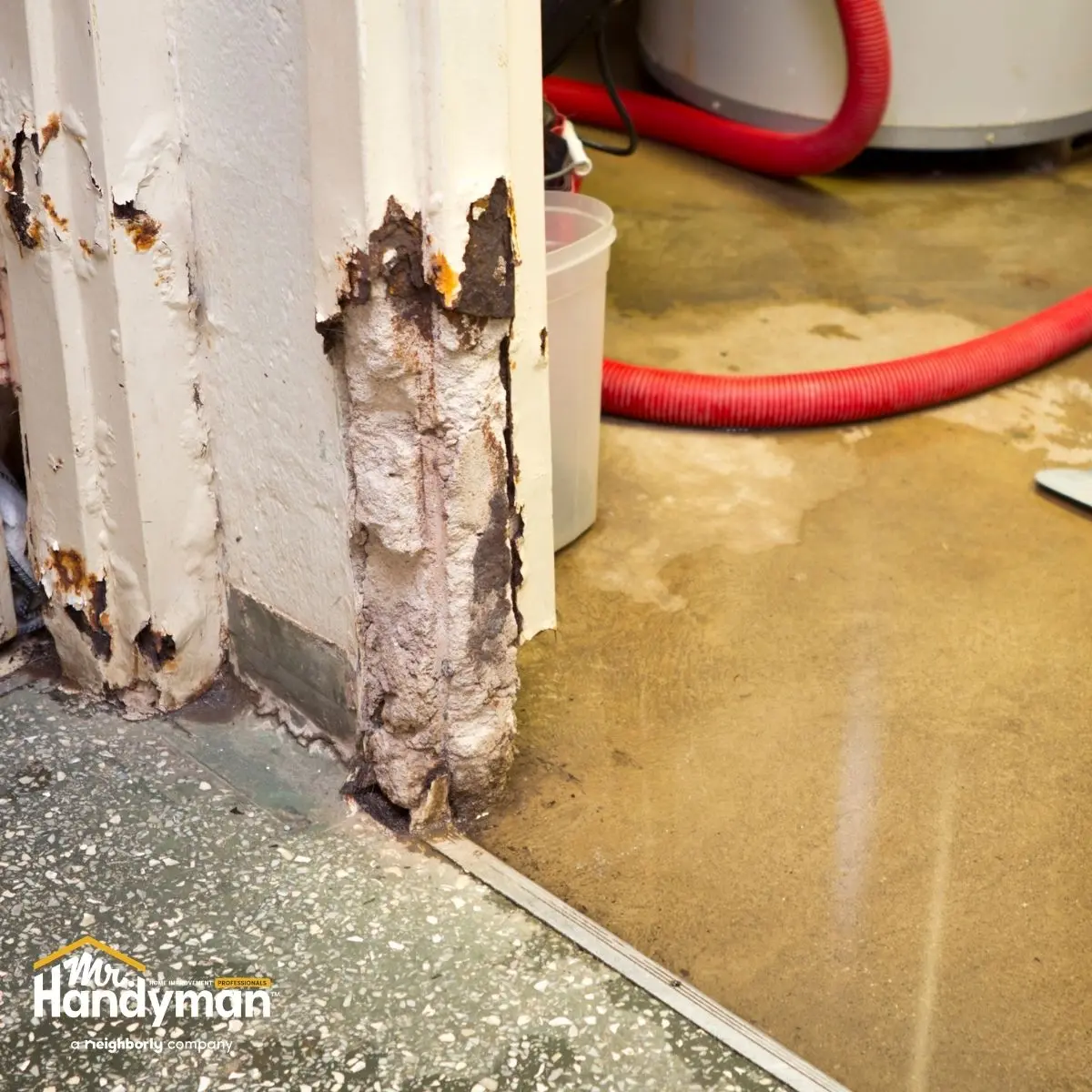
Northern Indiana receives significant annual precipitation, with a meaningful portion concentrated in the late winter and spring months when snowmelt combines with seasonal rainfall to produce ground moisture loads that exceed what precipitation totals alone suggest. The specific challenge in Northern St. Joseph and Elkhart Counties is that the ground in this region may still be partially frozen when the first significant warming events begin, which means that snowmelt water cannot percolate downward at the rate it is being produced and instead moves laterally across the frozen substrate toward the lowest available drainage point, which in many residential neighborhoods means toward foundation walls.
St. Joseph County's topography includes areas of relatively flat terrain where natural surface drainage is limited and where snowmelt accumulates adjacent to foundations at rates that properties with better natural drainage do not experience. Elkhart County's mix of urban neighborhoods, suburban development, and the more rural areas surrounding Elkhart and Goshen presents a range of drainage conditions, but the common thread across all of them is that spring snowmelt produces the highest hydrostatic pressure event of the year against residential foundations and that sump systems are the primary defense against the water intrusion that pressure produces.
That hydrostatic pressure is what a sump pump exists to relieve. When groundwater rises to the level of the sump pit, the pump activates, removes that water, and directs it away from the home through a discharge line. When the pump fails, that pressure has nowhere to go except through the path of least resistance, which is typically through foundation wall cracks, floor joints, or around any penetration in the foundation.
How Sump Pumps Fail and Why Northern Indiana Winters Make It Worse
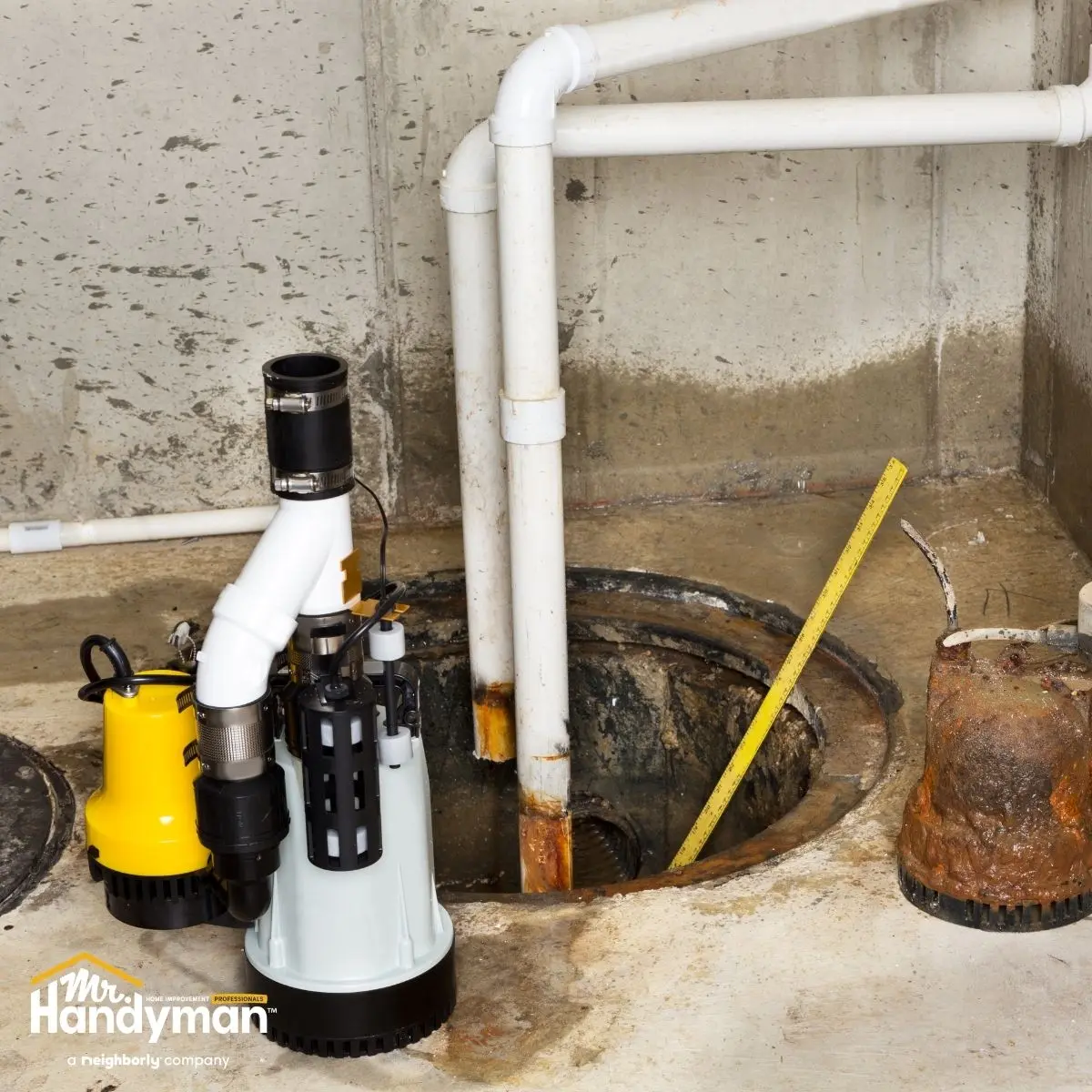
Sump pump failures are rarely dramatic mechanical events that announce themselves clearly. They are more often the result of gradual degradation, deferred maintenance, or specific failure modes that develop quietly during the months when the pump is least active, which in Northern Indiana means through the deeply frozen months of January and February when the ground is solidly frozen and the pump may not activate at all.
Float switch failure is one of the most common causes of sump pump malfunction. The float switch detects rising water in the pit and triggers the pump to activate. Over time, float switches can become stuck through debris accumulation, corrosion, or mechanical wear. In Northern Indiana basements where the sump pit may collect the fine silt and mineral deposits that regional soil and water chemistry produce, debris accumulation around the float mechanism is a consistent failure contributor. A float switch stuck in the off position means the pump will not activate regardless of how high the water rises, which during a significant snowmelt event can fill a sump pit faster than any other time of year.
Motor burnout from continuous running is a failure mode that often traces back to a float switch problem or an undersized pump struggling with water volume. A motor that has run continuously, even for a relatively short period, may appear to function normally when tested manually but lack the capacity to sustain operation through an extended snowmelt event. Northern Indiana spring conditions that combine several days of warming temperatures with significant rainfall can produce water table rise that runs a sump pump almost continuously for extended periods, testing motor capacity in ways that a brief manual test will not reveal.
Discharge line freezing is a winter-specific failure mode that is particularly relevant in Northern Indiana where temperatures drop well below freezing for sustained periods. A discharge line that runs through an uninsulated area or exits the home at a point where ice accumulation is possible can freeze solid during cold snaps and remain blocked even as interior temperatures rise. A pump that activates against a blocked discharge line builds pressure internally, strains the motor, and may fail entirely before the blockage is discovered. In South Bend and Mishawaka homes where discharge lines exit through basement walls at or near grade, the potential for ice blockage at the exterior exit point is a specific spring inspection concern that warmer-climate maintenance guidance does not emphasize adequately.
Pit debris accumulation restricts pump performance in straightforward ways that are easy to address but easy to overlook. Gravel, silt, and organic material that accumulates in the sump pit over time can enter the pump intake, clog impellers, and reduce pumping capacity. In Northern Indiana homes where the soil conditions around foundations include the clay and silt deposits that characterize much of the region's geology, this accumulation occurs at rates that make spring pit cleaning a meaningful maintenance task rather than an optional one.
Power supply vulnerabilities deserve specific attention in the context of Northern Indiana spring storms. The severe weather systems that produce the heaviest spring rainfall in this region frequently include lightning and high winds that produce power outages. A sump pump that depends entirely on line power goes offline the moment that power fails, which is precisely when rainfall is at its heaviest and the pump's need is most acute. Homes without battery backup systems are exposed during exactly the conditions that create the greatest basement flood risk.
What a Proper Pre-Spring Sump Pump Inspection Covers
A thorough inspection before the spring thaw arrives is not simply turning the pump on and confirming it runs. It is a systematic evaluation of every component that determines whether the pump will perform reliably through sustained snowmelt and rainfall events.
The sump pit itself should be examined and cleaned before anything else. Remove debris, silt, and accumulated material from the pit floor. In Northern Indiana homes where winter can deposit surprising amounts of material through foundation drainage systems, pit cleaning before spring is more important than in regions where the pit sees less seasonal material accumulation. Check that the pit liner is intact and that dimensions allow the float switch to move freely through its full range of motion without contacting the pit walls or debris.
The float switch should be tested manually by lifting it to the activation point and confirming the pump starts immediately and runs smoothly. Listen for grinding, rattling, or labored motor sounds that indicate internal wear. The pump should reach full speed quickly and maintain consistent operation without unusual noise or vibration.
The discharge line needs to be traced from the pump to its exterior exit point. Confirm the line is clear of any ice blockage that may have formed at the exterior exit during winter, that the line itself is not cracked from freeze-thaw stress, and that the exterior discharge point directs water well away from the foundation. A discharge line that terminates too close to the home simply returns water to the soil near the foundation, undermining the pump's entire purpose.
The check valve, which prevents discharged water from flowing back into the pit when the pump stops, should be confirmed operational. A failed check valve causes the pump to cycle repeatedly as water returns to the pit after each discharge, wearing the motor prematurely.
The electrical connection and outlet should be confirmed as a dedicated, properly grounded circuit. Sump pumps draw significant current at startup and should not share a circuit with other appliances that compete for available amperage during the extended operation that a Northern Indiana snowmelt event demands.
Battery Backup Systems: The Protection Northern Indiana Homes Specifically Need
A sump pump that functions perfectly under normal conditions still has one fundamental vulnerability that Northern Indiana's spring storm season exposes with particular frequency. It depends on electricity to operate, and the severe weather systems that produce the heaviest rainfall across Northern St. Joseph and Elkhart Counties are the same systems most likely to produce power outages through lightning strikes, high winds, and the ice loading on power lines that late winter and early spring storms deliver in this region.
During a power outage, a standard sump pump goes completely offline. The snowmelt and rainfall that triggered the outage continue producing ground moisture and hydrostatic pressure against the foundation. The sump pit fills. And without something to remove that water, the pressure building against the foundation has nowhere to go except into the basement. By the time power is restored, the damage may already be done.
A battery backup sump pump system addresses this directly. These systems include a secondary pump powered by a deep-cycle marine battery that activates automatically when the primary pump loses power or becomes overwhelmed by water volume. Quality battery backup systems provide several hours of pumping capacity on a full charge, which is sufficient to carry a Northern Indiana home through most spring storm-related outages without basement water intrusion.
For South Bend and Mishawaka homeowners in neighborhoods where mature tree canopy creates consistent power outage risk during spring storms with high winds, a battery backup system is not an optional upgrade. It is practical protection against the specific combination of conditions that Northern Indiana spring weather reliably produces. Elkhart County homeowners in areas with underground utilities have somewhat lower power outage exposure, but the backup protection remains valuable for the pump motor failure scenarios that backup systems also address.
The battery in a backup system requires its own annual inspection. A deep-cycle battery that has never been tested or replaced may hold enough surface charge to appear functional while lacking the reserve capacity to sustain the pump through a prolonged outage. Battery replacement every three to five years is a reasonable maintenance interval for most backup systems in Northern Indiana conditions.
How Home Age and Construction Affect Sump Pump Demands in This Region
Not every home in Northern St. Joseph and Elkhart Counties places the same demands on a sump pump, and understanding how your home's construction affects those demands helps clarify what level of pump capacity and backup protection is appropriate for your specific situation.
Older homes in South Bend and Mishawaka's established neighborhoods were frequently built with full basements and foundation construction that predates modern waterproofing standards. Poured concrete foundations from the mid-twentieth century develop cracks over decades of thermal cycling and soil movement. Block foundations, which were common through certain construction periods, allow water to migrate through mortar joints that degrade over time. These homes tend to see higher water intrusion volumes during significant snowmelt events, which places greater demand on the sump pump and makes backup capacity more important than in newer construction with more current waterproofing specifications.
Homes in newer Elkhart County suburban development typically incorporate more consistent waterproofing and drainage standards, but newer does not mean maintenance-free. Sump pumps in these homes are still mechanical systems with finite lifespans, and the drainage systems around newer foundations still require periodic inspection to confirm they are functioning as designed. In rapidly developed suburban areas where lot grading was established during construction and has settled or shifted over subsequent years, drainage patterns that direct water toward foundations rather than away from them can develop in ways that place unexpected demand on sump systems that were adequately sized for original drainage conditions.
The regional geology of Northern Indiana, with its mix of clay soils, glacial till deposits, and the varied drainage characteristics that different neighborhood conditions produce, means that water table behavior during snowmelt events varies significantly even within short distances. A home whose basement has remained dry through previous springs may experience changed conditions if neighboring development has altered surface drainage patterns, if the water table in the area has risen through sustained wet seasons, or if the sump system has degraded in capacity through years of deferred maintenance.
What Happens When a Sump Pump Fails During Spring Snowmelt
The consequences of a sump pump failure during a significant Northern Indiana snowmelt or spring rain event follow a pattern that is predictable and consistently more expensive than the pre-season inspection that would have prevented it.
Water that enters a basement during a snowmelt event does not simply drain away when conditions improve. It saturates flooring, insulation, stored belongings, and structural materials in ways that require active remediation rather than passive drying. In a finished basement, which is common across the established neighborhoods of South Bend and Mishawaka where homeowners have invested in below-grade living space, that saturation means drywall, carpet, and cabinetry that must be removed and replaced. The remediation cost for a finished basement that has experienced even a few inches of water intrusion typically runs into the thousands of dollars before mold prevention treatment is included.
Unfinished basement flooding is less immediately costly in terms of finished materials but produces the moisture conditions in structural components, floor joists, subfloor sheathing, and the mechanical equipment that Northern Indiana basements typically house, that create ongoing problems if not thoroughly dried and addressed. A water heater, furnace, or water treatment system that has been submerged or partially flooded may appear to resume normal function after drying but carries internal damage that shortens its remaining service life and creates safety concerns that are not always visible from the exterior.
The secondary consequences of a spring basement flood compound the primary damage costs. Mold that establishes itself in flooded basement materials during the warming, humid conditions of a Northern Indiana spring does not self-resolve. Professional mold remediation in a flooded basement adds to the already significant repair cost in ways that the pre-season sump inspection that prevented the flooding would not have approached in cost.
Signs Your Sump Pump May Already Be Struggling
Between formal inspections, observable signs indicate that a sump pump is not operating at full capacity. Recognizing these signals before a significant snowmelt event allows for corrective action while conditions are manageable.
A pump that runs continuously or cycles on and off rapidly without significant rainfall or snowmelt suggests a stuck float switch, a failed check valve allowing water to return to the pit repeatedly, or a water intrusion source that exceeds the pump's current capacity. Any of these conditions warrants immediate attention rather than continued monitoring.
Unusual sounds during pump operation, grinding, rattling, or a labored motor tone that differs from normal operation, indicate internal wear or debris interference that will not resolve on its own. A pump that vibrates more than usual during operation may have an impeller that is partially blocked by the silt and debris that Northern Indiana's soil conditions deposit in sump pits over time.
Visible rust or corrosion on the pump body indicates age and moisture exposure that correlates with internal component degradation. A pump showing significant corrosion is a replacement candidate before spring snowmelt places full demand on a system whose structural integrity the surface corrosion reflects.
Water staining on basement walls at heights that correspond to past high-water events, combined with a sump pit that shows evidence of heavy past use, indicates that the system has been tested seriously before. Confirming it is ready to handle the next event is essential rather than optional for Northern Indiana homeowners who have already experienced a close call.
Frequently Asked Questions
How long does a sump pump typically last in a Northern Indiana home? Most sump pumps have a functional lifespan of seven to ten years under normal operating conditions. Pumps in Northern Indiana homes that experience the high activation frequency that spring snowmelt seasons produce may reach the end of their reliable service life closer to the lower end of that range. Age alone is a sufficient reason to have a pump professionally evaluated before the spring season it may be asked to perform through.
Should I test my sump pump myself before the spring thaw? A basic self-test, pouring water into the pit to trigger the float switch and confirm the pump activates and discharges correctly, is a reasonable starting point that every Northern Indiana homeowner can perform. It will not identify worn motor components, partially blocked discharge lines, or failing check valves, but it confirms the most fundamental function and gives you a starting point for identifying whether professional inspection is warranted.
How much water can a standard residential sump pump handle? Most residential sump pumps are rated to move between two thousand and three thousand gallons per hour at standard head height. During Northern Indiana snowmelt events that combine with spring rainfall over multiple days, that capacity can be tested significantly in homes with high water table conditions or drainage challenges. Homes in lower elevations or with known drainage issues should evaluate whether their pump capacity is matched to the demand those conditions produce.
Is a battery backup system worth the investment in Northern Indiana? For any Northern Indiana home with a basement sump system, the combination of spring storm power outage risk and the consequences of basement flooding during those outages makes battery backup one of the most defensible home maintenance investments available. The cost of a quality backup system is modest compared to the remediation cost of a single significant basement flood event.
Can I replace a sump pump myself? Straightforward pump replacement in an existing pit with standard electrical and discharge connections is within reach for an experienced DIY homeowner. Correctly sizing the replacement pump for the specific demands of the home's drainage conditions, confirming the discharge line configuration and check valve function after installation, and testing the system under load are steps that benefit from professional attention if there is uncertainty about any aspect of the existing system.
What should I do if my basement floods despite having a sump pump? Remove standing water as quickly as possible using a wet vacuum or submersible pump. Document the damage thoroughly before beginning cleanup for insurance purposes. Have the sump system inspected immediately to identify what failed before the next snowmelt or rain event tests the system again. Address mold risk promptly given the warming temperatures and elevated humidity that Northern Indiana springs produce in wet basement environments.
Before the Next Snowmelt Event Arrives
A sump pump inspection before spring arrives is one of the most direct investments a Northern St. Joseph and Elkhart County homeowner can make in protecting the basement that winter and spring will test most seriously. The window between the deepest cold of winter and the arrival of significant snowmelt is the right time to confirm that every component of the system is ready to perform when the season demands it most.
The team at Mr. Handyman of Northern St. Joseph and Elkhart Counties brings the experience to evaluate your sump system thoroughly, identify what needs attention, and make sure your home is prepared before the next snowmelt or spring storm system arrives.
Website: https://www.mrhandyman.com/northern-st-joseph-elkhart-counties/
Serving homeowners throughout Northern St. Joseph and Elkhart Counties with dependable service and the expertise your home deserves.