Winter in Northern Indiana places real stress on residential plumbing systems. As temperatures drop and remain below freezing for extended periods, pipes, fixtures, and water systems are forced to operate under conditions they were never designed to handle year-round. Homeowners across Northern St. Joseph County and Elkhart County often discover that plumbing problems which never surfaced during warmer months suddenly appear in winter and escalate quickly.
A pipe that worked without issue for years can freeze overnight. A minor drip can turn into a burst pipe. A slow drain can become a backup at the worst possible time. These issues affect homes of every age and style, from older properties in established neighborhoods to newer homes with modern layouts. Understanding why winter plumbing problems happen and how to prevent them is one of the most effective ways homeowners can protect their property and avoid costly repairs.
Throughout communities such as South Bend and Mishawaka, winter plumbing service calls increase dramatically once prolonged cold sets in. Similar patterns appear across Elkhart County, where freezing temperatures, snow accumulation, and freeze and thaw cycles create ideal conditions for plumbing failures.
This guide breaks down the most common winter plumbing problems homeowners face and explains practical steps to reduce risk. When winter plumbing issues cause damage or require repairs beyond basic homeowner maintenance, Mr. Handyman of Northern St. Joseph and Elkhart Counties provides professional home repair services to help local homeowners keep their homes safe, functional, and protected during winter.
Why Cold Weather Is So Hard on Plumbing Systems
Plumbing systems are designed to move water efficiently, but water behaves very differently in freezing temperatures. When water freezes, it expands. That expansion increases pressure inside pipes, fittings, and valves. If the pressure becomes too great, pipes can crack or burst. Even when pipes do not fail immediately, freezing weakens joints and seals, making future leaks more likely.
Northern Indiana winters add another challenge through frequent temperature swings. A brief warm-up can partially thaw pipes, followed by an overnight freeze that refreezes trapped water. This repeated expansion and contraction stresses plumbing materials over time. Homes in areas like Granger often experience this pattern during late fall and early spring, when temperatures fluctuate dramatically.
Home construction also plays a role. Many homes in the region were built before modern insulation standards. Plumbing may run through exterior walls, basements, crawl spaces, garages, or utility rooms that are not evenly heated. Additions, remodeled basements, and enclosed porches can introduce new cold zones that place pipes closer to outside air than homeowners realize.
Frozen Pipes and How They Develop
Frozen pipes are one of the most common winter plumbing problems and one of the most dangerous because they often lead to burst pipes. Pipes freeze when they are exposed to cold air long enough for water inside them to turn into ice. This frequently occurs overnight, during extended cold snaps, or in areas of the home that see little daily water use.
In cities like Elkhart and Goshen, frozen pipes are commonly found under kitchen sinks on exterior walls, inside bathroom vanities, in basements near foundation walls, and in crawl spaces with limited insulation. Laundry rooms and garage-adjacent plumbing are also frequent trouble spots.
Signs of frozen pipes can include reduced water flow, no water at all from a faucet, frost on exposed pipes, unusual odors from drains, or strange sounds when turning on a tap. In some cases, homeowners do not realize a pipe is frozen until it begins to thaw and leaks appear.
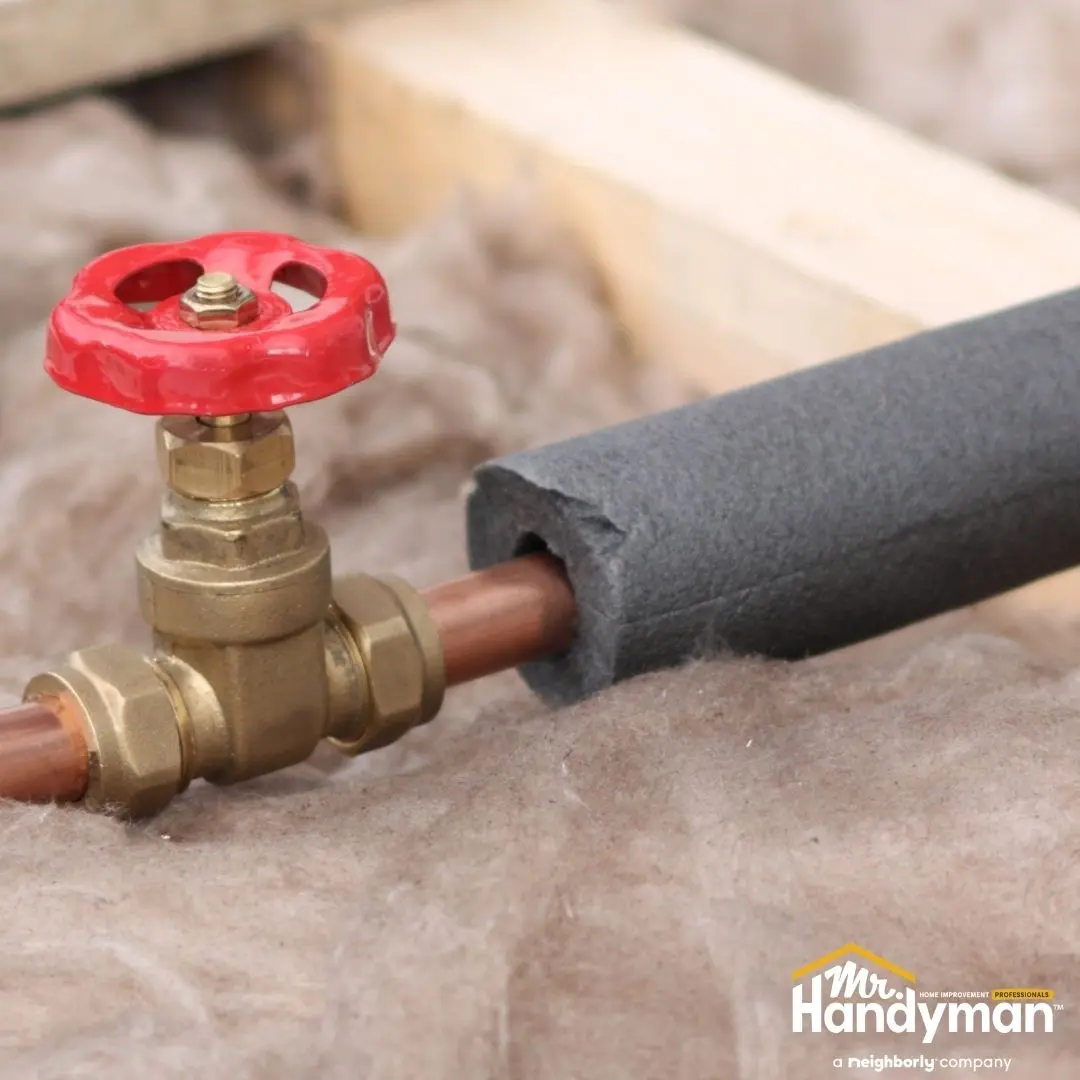
Preventing frozen pipes requires consistent indoor temperatures, proper insulation, and airflow around plumbing. Exposed pipes should be insulated with foam sleeves or pipe wrap. Gaps around pipe penetrations should be sealed to block cold drafts. Cabinet doors under sinks should be opened during extreme cold so warm air can circulate. Maintaining steady indoor temperatures overnight is especially important during deep freezes.
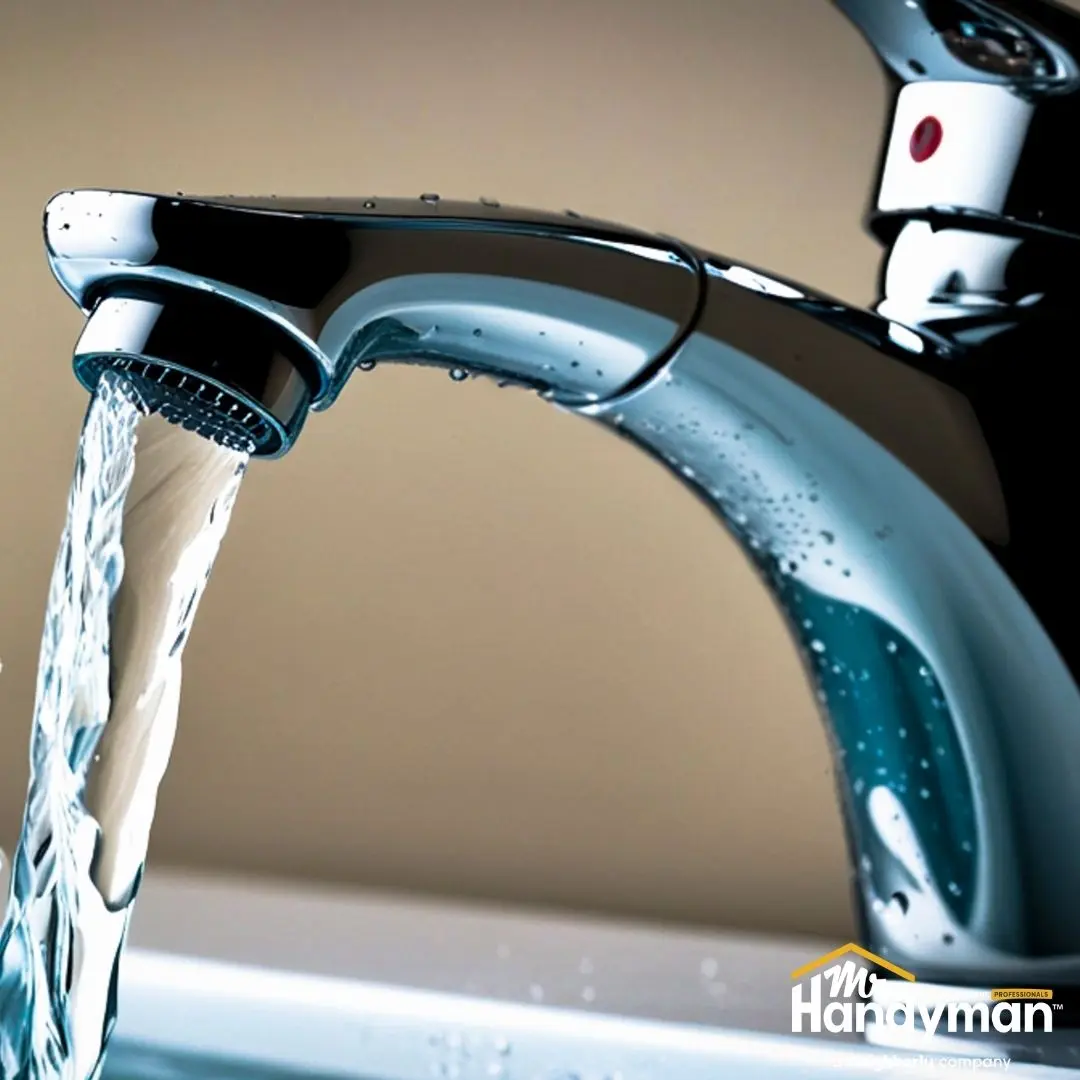
Allowing a faucet to drip slowly during extreme cold can also help because moving water is less likely to freeze than stagnant water. While dripping alone is not a solution, it can reduce risk when combined with insulation and heat.
Burst Pipes and the Risk of Water Damage
Burst pipes are among the most expensive winter plumbing problems homeowners face. When a frozen pipe begins to thaw, pressure shifts rapidly and water forces its way through weakened sections of the pipe. A burst pipe can release a large amount of water in minutes, flooding basements, damaging drywall, soaking insulation, and ruining flooring.
Homes throughout Bristol and nearby rural areas are particularly vulnerable because plumbing may run through unheated or partially insulated spaces. Burst pipes often occur inside walls or ceilings, where leaks can spread unnoticed until significant damage has occurred.
Preventing burst pipes begins with preventing freezing, but preparation is equally important. Outdoor water supplies should be shut off and drained before winter. Exterior hose bibs should be winterized. Pipes in basements and crawl spaces should be insulated. Existing leaks or corroded pipes should be repaired before cold weather arrives.
Every homeowner should also know where the main water shutoff valve is located and confirm it works properly. In a winter plumbing emergency, shutting off the water quickly can dramatically reduce damage.
Water Heater Strain During Winter Months
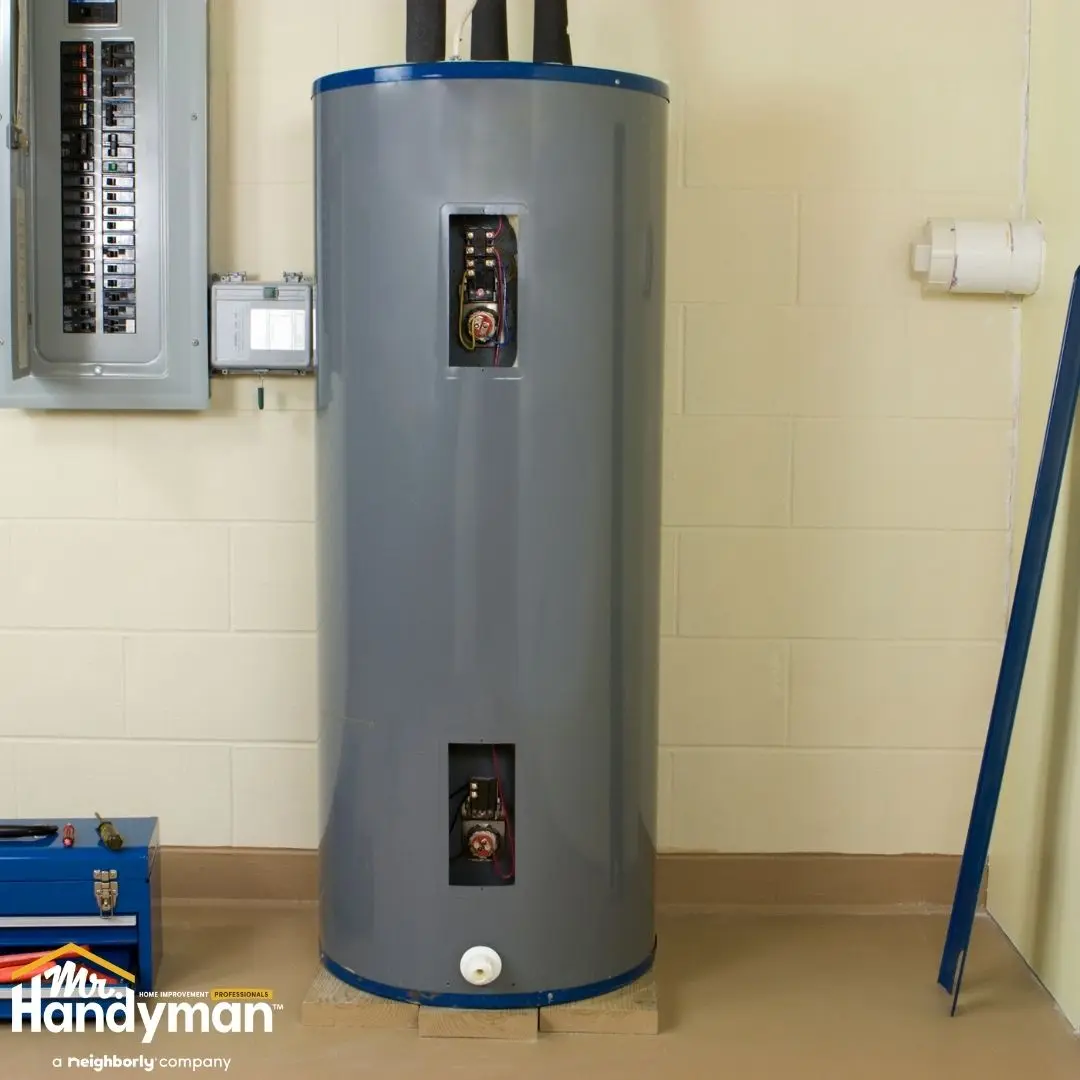
Water heaters work harder in winter because incoming water temperatures are much colder than during warmer seasons. The system must run longer and more frequently to maintain hot water supply. This added strain can expose existing problems such as sediment buildup, worn heating elements, failing thermostats, or aging tanks.
Homeowners in Plymouth and New Carlisle often notice inconsistent hot water, longer recovery times, or unusual noises during winter. These are common signs that maintenance or repairs may be needed.
Preventative water heater care includes flushing the tank periodically, insulating nearby pipes, keeping the surrounding area warm, and addressing small leaks early. Winter is when marginal water heaters are most likely to fail, so proactive maintenance helps avoid inconvenient breakdowns.
Drain Clogs and Sewer Issues in Cold Weather
Cold temperatures slow the movement of grease, soap residue, and debris inside drain pipes. These materials thicken in winter and cling to pipe walls more easily, increasing the likelihood of clogs. Increased indoor activity during winter months also places additional demand on plumbing systems.
In older neighborhoods across Osceola and surrounding areas, freeze and thaw cycles can shift soil around underground sewer lines. This movement can stress joints and worsen existing weaknesses.
Slow drains, gurgling sounds, foul odors, and water backing up into sinks or tubs are warning signs that should not be ignored. Addressing drainage issues early helps prevent backups and damage during winter.
Outdoor Plumbing and Winter Exposure
Outdoor faucets and hose bibs are especially vulnerable to winter damage because they are directly exposed to freezing temperatures. If water remains trapped inside these lines, it can freeze, expand, and crack pipes behind walls where damage may not be visible until spring.
Homeowners in La Porte and surrounding communities often encounter outdoor plumbing leaks after winter because hoses were left connected or exterior lines were not drained.
Disconnecting hoses, shutting off interior valves that supply outdoor faucets, draining exterior lines, and installing frost-free hose bibs are effective ways to prevent winter damage.
Sump Pumps and Winter Thaw Conditions
Sump pumps play a critical role during winter thaws, when snow melts and groundwater levels rise. A frozen discharge line, power outage, or worn pump can lead to basement flooding even in cold weather.
Testing the sump pump before winter, keeping the pit clear of debris, ensuring the discharge line is protected from freezing, and considering a battery backup system improves reliability during winter storms.
Overlooked Winter Plumbing Details That Matter
Some winter plumbing problems stem from small details that are easy to miss. Indoor humidity, rarely used fixtures, and temperature differences between rooms can all increase risk.
Guest bathrooms, basement sinks, and secondary laundry hookups may sit unused for long periods, allowing water to stagnate near cold areas. Running water through these fixtures periodically helps keep water moving and reveals issues early.
Floor drains and utility drains should also be checked. Pouring water into them helps maintain trap seals and alerts homeowners to slow drainage before it becomes a serious problem.
A Practical Winter Plumbing Checklist for Northern Indiana Homeowners
When winter weather sets in across Northern St. Joseph and Elkhart Counties, having a clear plumbing checklist can help homeowners stay ahead of problems before they become emergencies. Many winter plumbing issues are not caused by a single failure, but by a combination of small vulnerabilities that build up over time. Addressing these areas systematically can significantly reduce risk.
Start with indoor plumbing protection. Inspect exposed pipes in basements, crawl spaces, utility rooms, and laundry areas. Any pipe that feels cold to the touch or is near an exterior wall should be insulated. Foam pipe insulation is inexpensive and effective, especially when combined with sealing air gaps where pipes enter walls or floors.
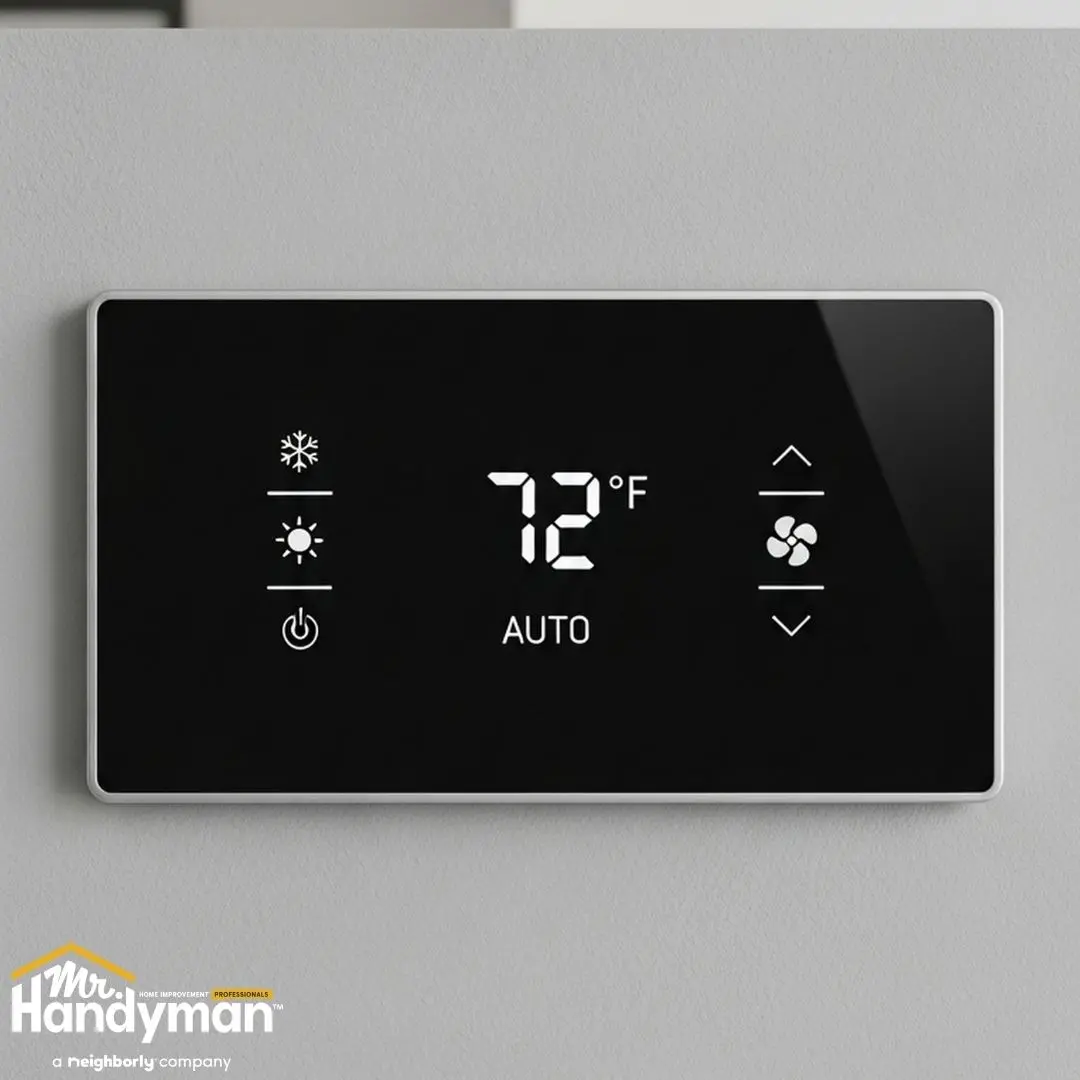
Next, focus on temperature consistency. Keep your home heated evenly, including rooms that are used less often. Guest bathrooms, spare bedrooms, and basement spaces should not be allowed to drop dramatically in temperature overnight. Even short periods of extreme cold can freeze pipes in vulnerable locations.
Drain maintenance is another important step. Avoid pouring grease or food waste down sinks, and use drain strainers in kitchens and bathrooms. If a drain is slow, address it early rather than waiting. Slow drains in winter often indicate buildup that will worsen as temperatures stay low.
Water heaters should also be part of your winter checklist. Watch for changes in hot water supply, unusual noises, or moisture around the unit. These can be early signs of winter-related strain.
Finally, do not forget outdoor plumbing. Disconnect hoses, shut off interior valves that feed outdoor faucets if your home has them, and drain exterior lines completely. These simple steps can prevent some of the most expensive winter plumbing repairs homeowners face.
If you want help completing a winter plumbing checklist or addressing problem areas, Mr. Handyman of Northern St. Joseph and Elkhart Counties can assist with inspections, insulation improvements, and plumbing-related repairs.
Preparing for Winter Travel
Homes left unoccupied during winter face increased risk because plumbing issues can go unnoticed. Before traveling, homeowners should maintain indoor temperatures, winterize outdoor plumbing, consider shutting off the main water supply, and arrange for someone to check the home during extreme cold.
Preparation before winter travel can prevent catastrophic damage from frozen or burst pipes.
When to Call Mr. Handyman of Northern St. Joseph and Elkhart Counties
While many winter plumbing prevention steps can be handled by homeowners, some situations require professional expertise. Repeated pipe freezing, hidden leaks, water heater issues, widespread drainage problems, and plumbing-related damage are all reasons to seek professional help.
Homeowners throughout Northern St. Joseph County and Elkhart County can rely on Mr. Handyman of Northern St. Joseph and Elkhart Counties for dependable home repair services. To learn more or schedule service, visit Mr. Handyman of Northern St. Joseph and Elkhart Counties.
Winter Plumbing Questions Homeowners Ask Every Year
As winter approaches, many homeowners have similar questions about how to protect their plumbing systems. Understanding these common concerns can help prevent damage and reduce stress during cold weather.
How cold does it need to be for pipes to freeze?
Pipes can freeze when temperatures drop below freezing, especially if they are located in unheated or poorly insulated areas. Risk increases when cold temperatures last overnight or for multiple days in a row.
Is letting faucets drip actually helpful?
A slow drip can help reduce freezing risk because moving water is less likely to freeze than standing water. Dripping is most effective when combined with insulation and warm air circulation.
Why do pipes often burst after freezing rather than during freezing?
Pipes usually burst when ice begins to thaw. As pressure shifts inside the pipe, water forces its way through weak points created during freezing.
Should I shut off my water if I leave town in winter?
If you will be away during extreme cold or for an extended period, shutting off the main water supply can reduce risk. If you do shut off water, make sure your heating system remains operational.
What is the most common winter plumbing mistake homeowners make?
The most common mistake is ignoring small warning signs such as slow drains, minor leaks, or drafty areas near plumbing. These small issues often turn into major problems during winter.
When should I call a professional instead of trying to fix it myself?
If pipes freeze repeatedly, if you suspect a leak inside a wall, if multiple drains are slow at once, or if water damage is visible, it is time to call for professional help.
For winter plumbing concerns or repairs, homeowners can contact Mr. Handyman of Northern St. Joseph and Elkhart Counties.
Final Thoughts on Winter Plumbing Prevention
Winter plumbing problems are common in Northern Indiana, but they are not inevitable. With proactive maintenance, proper insulation, consistent indoor temperatures, and early attention to warning signs, homeowners can significantly reduce the risk of winter plumbing emergencies.
With preparation and support from Mr. Handyman of Northern St. Joseph and Elkhart Counties, homes across Northern St. Joseph and Elkhart Counties can remain safe, warm, and fully functional throughout the winter season.
Winter plumbing issues can escalate quickly if ignored. Call Mr. Handyman of Northern St. Joseph and Elkhart Counties or schedule service online.
