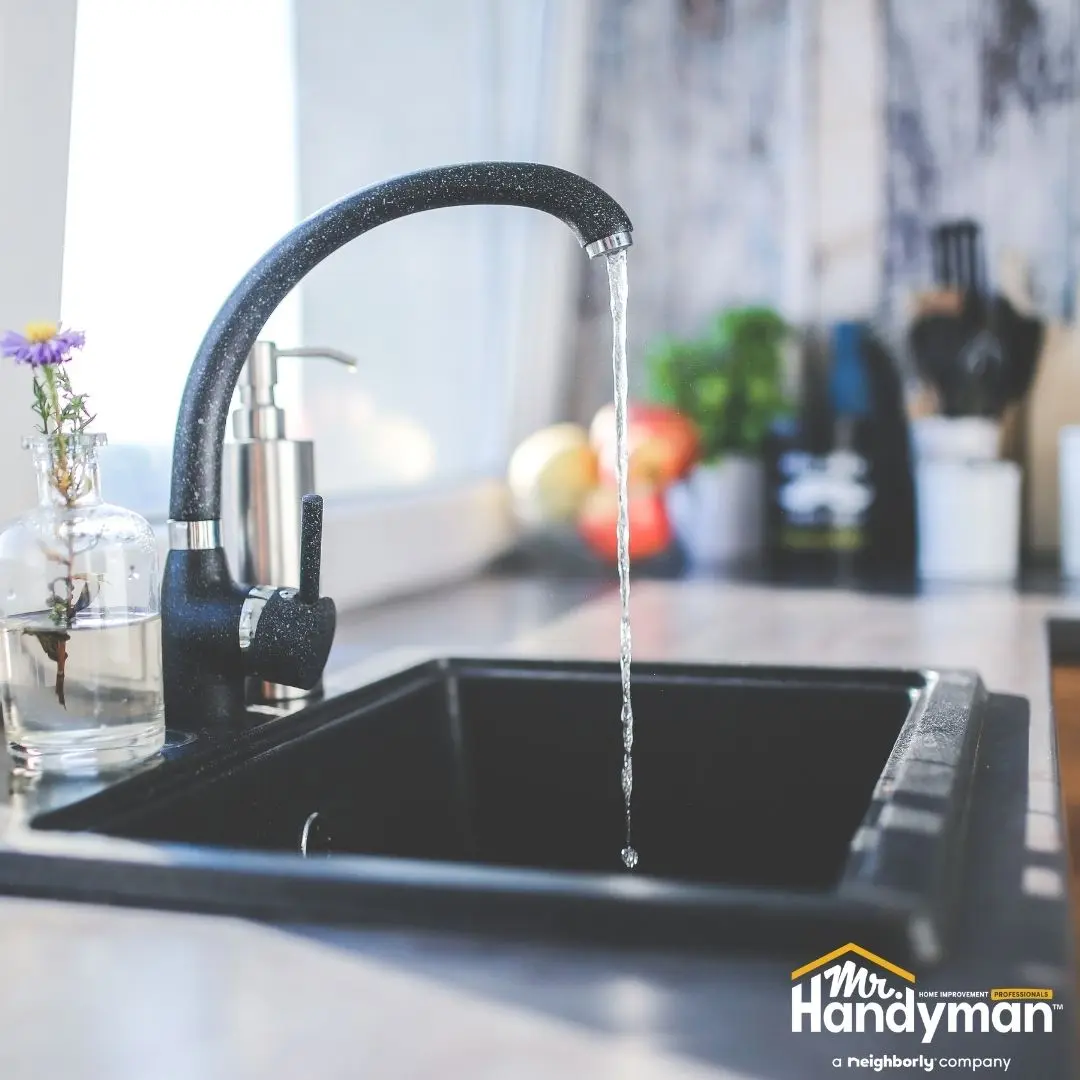
As the lake-effect snow begins to pile up across South Bend, homeowners in Northern Indiana prepare for the usual seasonal battles: shoveling driveways, salting walkways, and cranking up the furnace. However, there is often a quieter, more rhythmic sound that signals a winter problem: the steady drip-drip-drip of a kitchen or bathroom faucet. In our region, where temperatures can swing from a mild thaw to a deep freeze in a matter of hours, a dripping faucet is rarely just a coincidence. It is often a direct result of the extreme environmental stress placed on your home’s plumbing system. Understanding why this happens is the first step in protecting your property from the significant water damage that often follows a neglected leak.
At Mr. Handyman of Northern St. Joseph and Elkhart Counties, we often hear from residents in Elkhart who are confused by the timing of their plumbing issues. They wonder why a faucet that worked perfectly in October is suddenly failing in January. The reality is that your home is a living system that reacts to the cold. Materials contract, water pressure fluctuates, and internal components that were already slightly worn can finally give way under the pressure of a Hoosier winter. While a drip might seem like a minor annoyance that can wait until spring, it is frequently a "canary in the coal mine" for much larger issues, such as frozen pipes or failing pressure regulators.
It is also important to distinguish between a faucet that is dripping because of a mechanical failure and a faucet that a homeowner has intentionally left dripping to prevent frozen pipes. In cities like Mishawaka and Granger, letting a faucet "trickle" is a common and effective tactic during a polar vortex. However, if you haven’t set the drip yourself and you suddenly notice moisture pooling or a steady beat in your sink, you are dealing with a malfunction. Ignoring this can lead to spiked utility bills and, more dangerously, can contribute to ice dams within your drainage pipes if the water isn't moving fast enough to stay liquid. If you are unsure of the cause, reaching out to the experts at Mr. Handyman of Northern St. Joseph and Elkhart Counties can provide the clarity you need to keep your home safe.
The Science of the Freeze
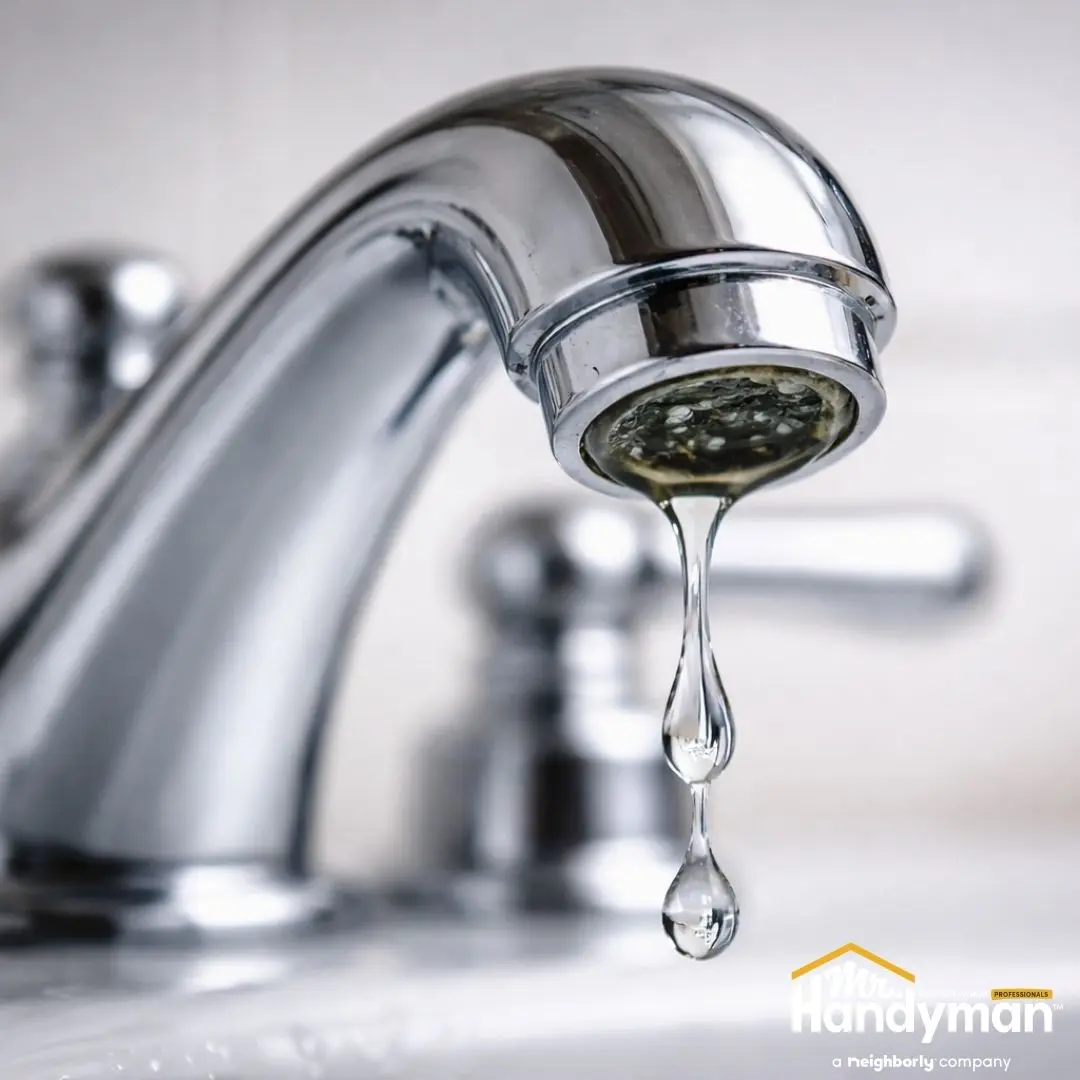
To understand why a faucet fails in the winter, you have to look at the physics of the materials inside the fixture. Most modern faucets rely on a combination of metal valves, plastic cartridges, and rubber O-rings or washers to create a watertight seal. In the height of summer, these materials are pliable and expanded. However, when the temperature drops in Goshen or Bristol, these materials behave differently. Rubber, in particular, becomes brittle and loses its elasticity in extreme cold. If your home has a slight draft under the sink or if the plumbing is located on an exterior wall, that cold air can cause a slightly worn washer to shrink just enough to allow a tiny stream of water to bypass the seal.
Furthermore, the water itself changes the dynamic of your plumbing. We all know that water expands as it freezes, but many homeowners don't realize that even near-freezing water is more taxing on your pipes than room-temperature water. In areas like Plymouth and La Porte, the ground can freeze several feet deep. As the water travels from the municipal main or your private well into your home, it is often only a few degrees above freezing. This cold water causes the metal pipes and faucet bodies to contract. When you suddenly turn on the hot water, the rapid thermal expansion can stress joints and seals that are already struggling with the cold. This "thermal shock" is a common reason why leaks appear suddenly after a period of extreme cold.
Another factor is the increased water pressure that often accompanies winter freezes. If a pipe elsewhere in your system—perhaps in a crawlspace in New Carlisle—starts to develop ice, it creates a blockage. Because water is incompressible, the ice expansion pushes the remaining liquid water toward your faucet. This spike in pressure can force its way past the internal shut-off mechanisms of your sink, resulting in a drip. In this scenario, the drip isn't the problem; it is a symptom of a pipe that is dangerously close to bursting. This is why the team at Mr. Handyman of Northern St. Joseph and Elkhart Counties emphasizes that every winter drip should be investigated immediately.
Preventative Dripping vs. Plumbing Failure
For many residents in Notre Dame and Osceola, the "winter drip" is a deliberate choice. When the forecast calls for temperatures below 20°F for more than a few hours, dripping your faucets is a proven way to prevent the pressure buildup that leads to burst pipes. However, there is a science to the "perfect drip." You don't need a heavy stream of water; a slow, steady drip—roughly one drop every few seconds—is usually enough to keep the water moving and relieve the internal pressure that accumulates between a potential ice blockage and the faucet. At Mr. Handyman of Northern St. Joseph and Elkhart Counties, we recommend focusing on the faucets located on exterior walls or those farthest from your water meter, as these are the most vulnerable.
But what happens when you haven't set a drip, yet your faucet starts leaking anyway? This is where homeowners need to be vigilant. In a Northern Indiana winter, an unintentional drip is often a "warning drip." As ice begins to form inside a pipe, it doesn't just block the flow; it expands. Because water is incompressible, the growing ice pushes the remaining liquid water toward the faucet. If your faucet has a tiny vulnerability—a worn washer or a slightly loose connection—this increased pressure will force water out. If you notice a faucet dripping faster than usual, or if it starts dripping only when the temperature outside drops significantly, you may be looking at a pipe that is already partially frozen.
If you suspect this is the case in your Bremen or Walkerton home, do not simply ignore it. Check the flow of water from other taps in the house. If the water pressure seems lower than usual, or if the water is coming out in a sputtering "spitting" motion, you likely have ice in the lines. This is a plumbing emergency in the making. While you can try to warm the pipes with a hairdryer or by opening cabinet doors to let the home's heat reach the plumbing, the safest bet is to call Mr. Handyman of Northern St. Joseph and Elkhart Counties. Our professionals can help identify the freeze point and prevent a minor drip from turning into a major flood.
The Danger of Outdoor Spigots
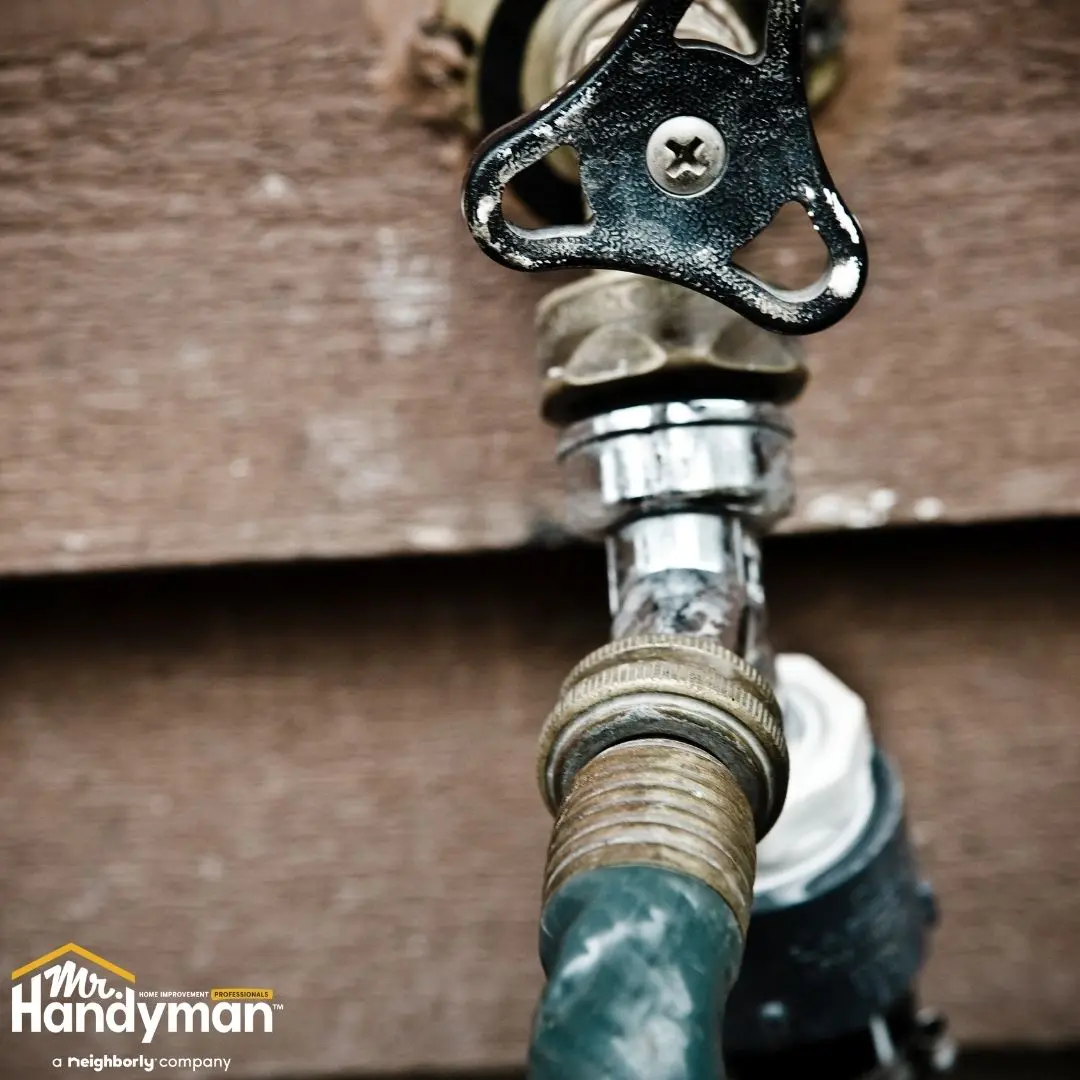
Perhaps the most common source of winter plumbing frustration for homeowners in Goshen and Nappanee is the outdoor spigot, or hose bib. Unlike your indoor plumbing, these fixtures are directly exposed to the biting winds and sub-zero temperatures. The most dangerous mistake a homeowner can make is leaving a garden hose attached during a freeze. When a hose is left on the spigot, it traps water inside the faucet body. As that water freezes, it has nowhere to expand but inward, often splitting the pipe several inches inside the wall of your home. You won't even know there is a problem until the first warm day of spring when you turn on the water and realize it is spraying behind your drywall instead of out the hose.
Modern homes in areas like Middlebury often feature "frost-proof" sillcocks. These are designed with a long stem that places the actual water shut-off valve 6 to 12 inches inside the heated envelope of the house. However, even these are not foolproof. If the spigot was installed without a slight downward pitch, water can remain trapped in the barrel, leading to a freeze. Furthermore, many older homes in South Bend and Elkhart still have traditional spigots that require an internal shut-off valve to be closed and the line to be drained manually every autumn.
If you find that your outdoor spigot is dripping in the middle of winter, it is a sign that the internal seal has failed or that the ice expansion has already damaged the valve seat. At Mr. Handyman of Northern St. Joseph and Elkhart Counties, we emphasize that outdoor leaks are particularly sneaky. An icicle hanging from your spigot might look charming, but it represents water that is slowly but surely finding its way into your foundation or sill plate. If you aren't sure if your home has been properly winterized, or if you've discovered a frozen outdoor fixture in Bristol or Wakarusa, our team can help you assess the damage and install high-quality, frost-resistant upgrades that will stand up to the Indiana elements.
Interior Troubleshooting & DIY Fixes
When you discover a dripping faucet in the middle of a cold snap in Nappanee or Bremen, the first step is to stay calm and assess the situation. If the drip is coming from the spout, it usually indicates a failure of the internal cartridge or washer. In the winter, the increased mineral content in some Northern Indiana water sources can actually settle more easily in fixtures that are running cold, leading to faster degradation of these parts. If you are a handy homeowner, you might be tempted to swap the cartridge yourself. However, be cautious: in an older home in Walkerton, the shut-off valves under the sink may not have been turned in years. Forcing a stuck valve can lead to a snapped pipe and an immediate flooding emergency.
For most residents in Middlebury and Wakarusa, the most effective DIY "fix" for a winter drip is actually environmental control. If the faucet is located on an exterior wall—which is very common for kitchen sinks—the pipes are likely running through an uninsulated or under-insulated wall cavity. During a deep freeze, open your cabinet doors. This simple act allows the 68°F to 72°F air from your living space to circulate around the plumbing. It might not look pretty, but it can raise the temperature around those pipes by 10 to 15 degrees, which is often enough to stop a pressure-related drip. If you have a particularly stubborn cold spot, placing a small desk fan to blow warm air into the cabinet can be a lifactor.
Another crucial interior check involves your water heater. During the winter, your water heater works overtime to bring near-freezing water up to a comfortable temperature. This increased demand can cause thermal expansion throughout your plumbing system. If your water heater’s expansion tank is failing, that extra pressure has nowhere to go but out through your faucets. Residents in North Liberty and Lakeville should listen for "knocking" sounds in the walls, which often accompany these pressure fluctuations. If you're seeing drips across multiple fixtures, the problem likely isn't the faucets—it's the system pressure. The team at Mr. Handyman of Northern St. Joseph and Elkhart Counties can perform a comprehensive system check to ensure your water heater and pressure valves are functioning correctly.
Long-term Winterization Solutions
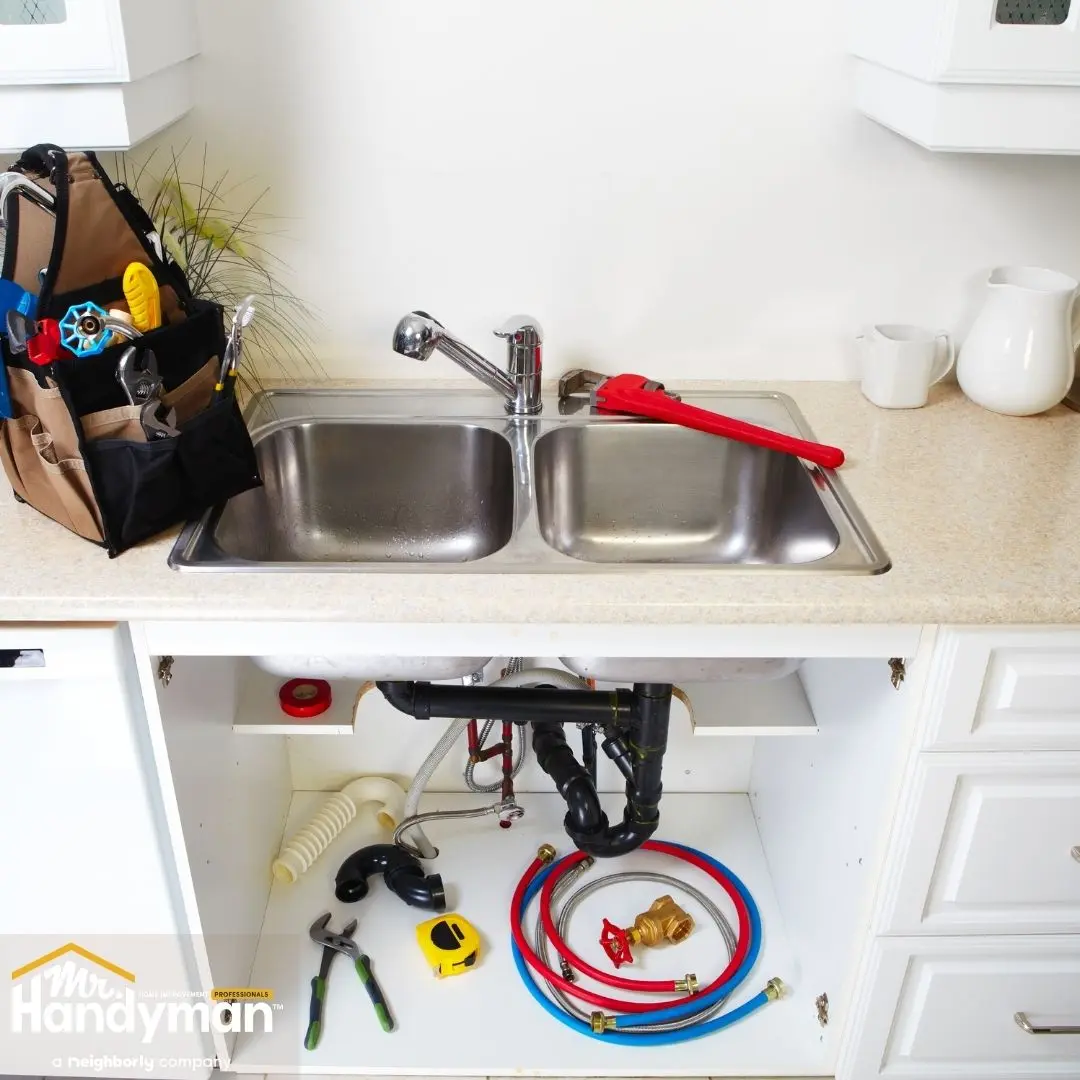
While temporary fixes like dripping faucets and opening cabinets are great for surviving a single storm in Argos or Milford, the best way to handle winter plumbing issues is to "build them out" of your home entirely. At Mr. Handyman of Northern St. Joseph and Elkhart Counties, we believe in proactive infrastructure. This starts with high-quality pipe insulation. Traditional foam sleeves are a great start for exposed pipes in your basement or crawlspace, but for vulnerable areas, we often recommend self-regulating heat tape. Unlike the old-fashioned "heat cables" that stayed on constantly, modern self-regulating tape adjusts its heat output based on the ambient temperature, providing safety and energy efficiency for homes in Millersburg and beyond.
In many Northern Indiana homes, the plumbing is vulnerable because of "draft paths." These are tiny gaps around where the plumbing, electrical, or gas lines enter the home. A tiny gap might not seem like much, but when it’s -5°F in New Paris, that gap becomes a "jet" of freezing air aimed directly at your copper or PEX pipes. Using professional-grade spray foam and weatherstripping to seal these penetrations is one of the most cost-effective ways to prevent frozen pipes and the drips that signal them. Furthermore, if you have a crawlspace, ensuring that your vents are closed for the winter and that your access door is tightly sealed can prevent a "wind tunnel" effect that freezes pipes in minutes.
Lastly, consider the fixtures themselves. If you are tired of dealing with drips every winter, it may be time to upgrade to high-quality, ceramic disc valve faucets. These are significantly more resistant to the temperature-induced warping that plagues cheaper compression-style faucets. For your home's exterior, replacing old spigots with true frost-proof sillcocks—installed at the correct downward pitch—eliminates the need for styrofoam covers and manual draining. Whether you are in South Bend, Elkhart, or Mishawaka, investing in these upgrades now means peace of mind when the next blizzard rolls in. If you need help identifying the weak spots in your home’s winter defenses, Mr. Handyman of Northern St. Joseph and Elkhart Counties is just a phone call away.
Final Thoughts
Dealing with a dripping faucet in the dead of winter is more than a minor annoyance; it is a signal from your home that it is struggling with the elements. By understanding the science of the freeze and taking proactive steps to insulate and protect your plumbing, you can avoid the stress and expense of a burst pipe. Remember, you don't have to face the Indiana winter alone. Whether it's a simple faucet repair or a full-scale winterization project, Mr. Handyman of Northern St. Joseph and Elkhart Counties is dedicated to keeping your home safe, warm, and dry. Don't wait for a drip to turn into a flood—protect your home today.
A dripping faucet can lead to bigger problems over time. Schedule faucet repairs online.
