
Why Mid-Year Is the Right Assessment Window for Rockwall Businesses

The mid-year point creates a practical opportunity for Rockwall commercial property owners that the beginning of the year's planning cycles and year-end financial close do not replicate. By mid-year, the property has been through the most demanding portion of North Texas's climate cycle. Spring's moisture season has driven the clay soil expansion that reveals foundation movement consequences throughout the building. The first significant weeks of Dallas-area summer heat and UV intensity have begun testing every exterior surface and building envelope component that entered the season in marginal condition. And early summer storm events have demonstrated which building systems performed as intended and which revealed the vulnerabilities that the remainder of the storm season will continue to test.
This accumulated performance information makes mid-year the most data-rich point in the annual property management cycle for Rockwall commercial buildings. Conditions needing attention are no longer theoretical. They have been revealed by the building's actual performance under real seasonal conditions. A sealant joint that held through spring but has developed visible opening after the first significant heat weeks needs correction before July and August test it at full storm intensity. An interior surface condition that was acceptable in April but has accumulated the wear of peak-season traffic through two months of summer operation needs the mid-year refresh that keeps it from reaching year-end in the condition that requires full replacement.
The mid-year window also aligns with practical financial realities for Rockwall businesses. Budget cycles have had two quarters to establish actual spending patterns, and the flexibility or constraint of the facilities maintenance budget is clearer at mid-year than at any other point. Capital improvements identified as second-half priorities in beginning-of-year planning are now current-quarter decisions. And the operational context of mid-summer, the height of the business season for many Rockwall commercial operations, makes the decision about which improvements can be phased to minimize disruption and which need immediate attention because their current condition is already affecting operations an informed one.
The Rockwall businesses that manage their commercial properties with mid-year assessment discipline outperform those managing reactively on both the financial dimension, consistently spending less on repairs over time, and the operational dimension, maintaining the physical environment quality that customer experience and employee performance depend on.
Building Envelope Mid-Year Assessment
The building envelope of a Rockwall commercial property at mid-year has been through the most demanding portion of the annual climate cycle and is positioned to enter the second half of the year either in the condition that continued performance requires or in the compromised state that the remainder of summer's storm season will exploit progressively.
Exterior sealant inspection and repair at mid-year identifies the joints that early summer thermal cycling has brought to the failure threshold since spring inspection. South and west-facing facade locations experience the most aggressive sealant degradation because direct afternoon sun creates the surface temperatures that thermal movement at these exposures exceeds at north and east-facing locations. A joint acceptable in April may have been consumed by the cumulative thermal cycling of June and early July, and mid-year inspection catches these conditions before peak storm intensity tests them.
The specific sealant conditions mid-year inspection most commonly identifies in Rockwall commercial properties are joints where thermal expansion has exceeded the sealant's elongation capacity, creating the visible tearing or separation indicating the joint has opened. Storefront glazing perimeters, facade material transitions, and penetration seals are the priority locations because their failure creates the most immediate interior damage consequence during wind-driven storm events.
Roof condition mid-year assessment provides the critical performance information that the first half of summer's heat and storm activity has generated. Any locations where water staining appeared at interior ceiling surfaces during spring or early summer events need investigation. Areas where maintenance staff observed membrane lifting or seam separation need professional assessment. And all roof drain areas need confirmation that summer debris accumulation has not reduced drainage capacity below the rates that Rockwall's peak storm season demands. This targeted mid-season check positions the roof system to handle the second half of summer rather than discovering conditions during an active storm.
Facade cleaning at mid-year addresses the biological growth, clay soil dust accumulation, and storm-deposited soiling that the first half of the season has created on Rockwall commercial building exteriors. The red clay that characterizes Rockwall County soil deposits on exterior surfaces during dry, windy conditions and accumulates visibly through the season. Pressure washing of customer-facing exterior surfaces creates the fresh, well-maintained appearance that commercial property deserves and that customer perception of the business is influenced by before they enter the building.
Interior Condition Mid-Year Refresh
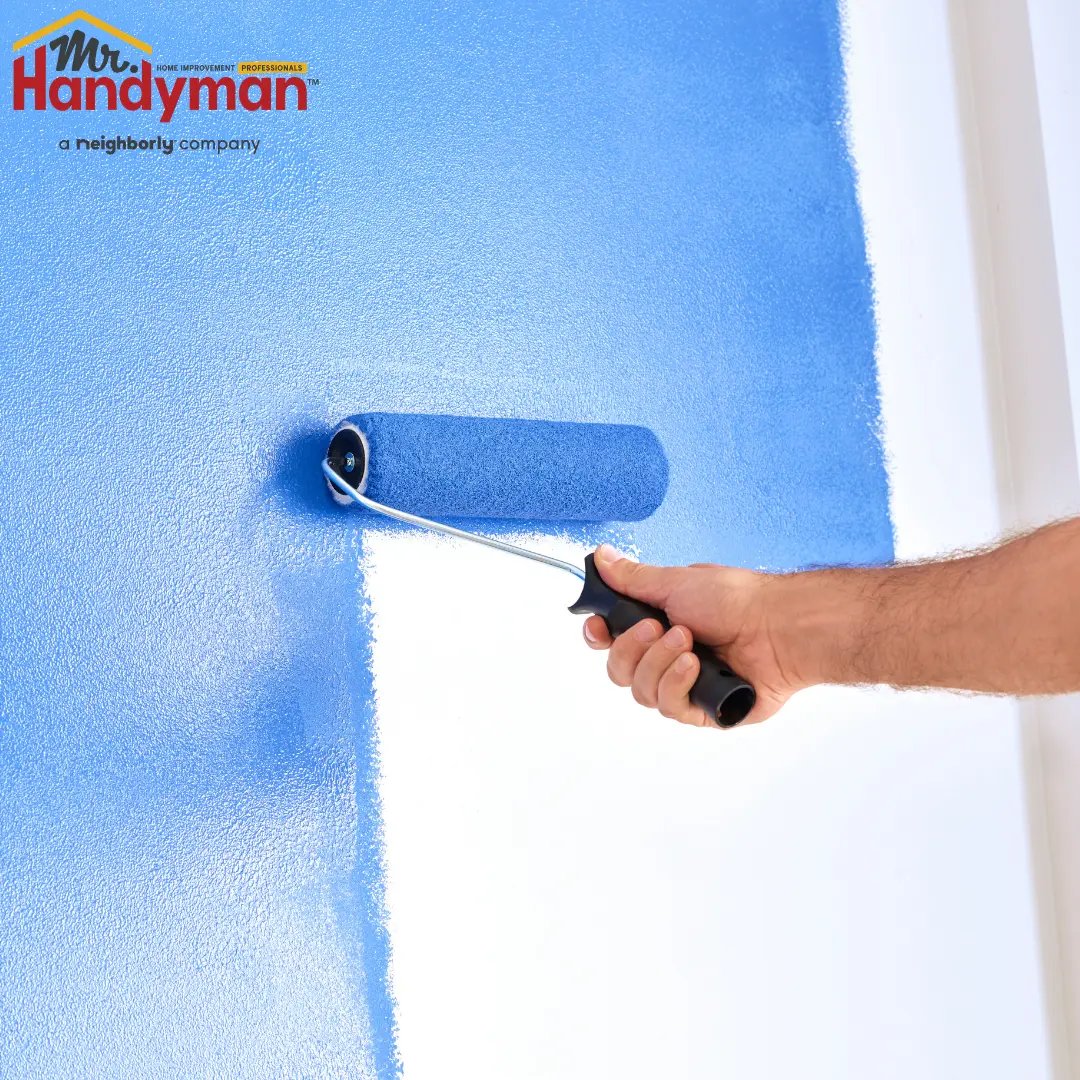
The interior of a Rockwall commercial property at mid-year has absorbed two months of the concentrated customer and employee traffic that summer business patterns create, and the conditions this traffic has created in customer-facing and employee-serving areas have reached the point where mid-year attention maintains the quality impression that sustained business performance requires.
Customer area surface condition in Rockwall commercial properties reflects the concentrated foot traffic of summer's peak business season in the wear, marking, and soiling that customer-contact surfaces accumulate. Scuff marks and impact damage at wall surfaces in customer-contact zones need targeted touch-up before deterioration reaches the scope requiring full surface remediation. Ceiling conditions including tile displacement from thermal movement and staining from condensate events need correction before year-end holiday traffic creates maximum visibility for these conditions.
Hard flooring maintenance for Rockwall commercial properties at mid-year addresses the conditions that clay soil foundation movement and concentrated traffic create through the first half of the use season. Grout joint conditions in tile flooring that have developed through spring's wet season foundation movement need assessment and targeted regrout where separation allows moisture infiltration and creates hygiene and appearance concerns. VCT flooring in high-traffic applications that has worn through its surface finish in the highest-traffic locations needs the stripping and recoating that mid-year timing allows before year-end assessment finds a surface requiring more extensive remediation.
Touch-up painting and surface repairs at mid-year represent the maintenance opportunity that keeps Rockwall commercial spaces in the fresh condition that year-round operation requires. The entry areas where concentrated traffic and clay debris accelerate marking and soiling, the restroom and breakroom surfaces where summer operation has affected paint condition, and the hairline cracks at wall and ceiling surfaces that spring's clay soil movement created and that have been accumulating through the first half of the year all warrant the targeted attention that a mid-year maintenance visit delivers efficiently.
Door and Hardware Mid-Year Service

Commercial doors and hardware in Rockwall properties have been through six months of thermal cycling, clay soil movement consequences, and concentrated use by mid-year, and the operational conditions this has created warrant systematic assessment.
Exterior door operation and hardware at mid-year reflects the conditions that spring's clay soil expansion and summer's early heat loading have created in frame alignment, weatherstripping condition, and threshold seal quality. Exterior doors that operated correctly in spring may have developed the binding or draft-admitting conditions that clay soil movement and thermal frame expansion create as the season progresses. Mid-year service that adjusts hinges and strike plates for the current frame alignment, replaces weatherstripping compressed past effective sealing through six months of daily use, and confirms threshold seal condition positions exterior doors to perform through the second half of summer.
Interior door and hardware condition throughout Rockwall commercial properties reflects the accumulated operational consequence of spring's clay soil movement cycle. Interior doors developed binding, sticking, or failure-to-latch conditions through the frame shift that seasonal movement creates need hinge and strike plate adjustment before the accumulated complaint from building users escalates to the facilities management level where deferred response damages relationships.
Security hardware service at mid-year covers lockset cylinder cleaning and lubrication, door closer adjustment for summer temperature operating conditions, and exit device function testing. These systematic attention items keep commercial security hardware performing at the standard that building security and code compliance require through the second half of the year without the failure-driven service calls that deferred maintenance creates.
Exterior Signage and Parking Area Assessment
Signage mounting hardware inspection and tightening at mid-year addresses the hardware loosening that six months of thermal cycling has created in mounted commercial signage. Connections that have been through the expansion and contraction cycles of a full spring and early summer in Rockwall's temperature range may have reached the point where retightening and anchor assessment is warranted before wind loading from peak summer storms tests connections that have been progressively loosened. Signage face condition degraded by UV in ways not yet visible at the beginning of the year may have reached the point where cleaning or replacement planning is the appropriate mid-year response.
Parking and walkway conditions at mid-year reflect the first half of the year's clay soil movement and thermal cycling in the concrete cracking and joint conditions these mechanisms create in exterior flatwork. Cracks that were hairline in spring may have widened through the thermal cycles of early summer to the width where sealant repair is the appropriate scope before they reach the joint displacement that requires more involved intervention. Trip hazard conditions at concrete walkway joints that clay soil differential settlement has created need assessment before mid-year's continued customer traffic creates the incident opportunity these conditions represent.
Mid-Year Capital Improvement Planning
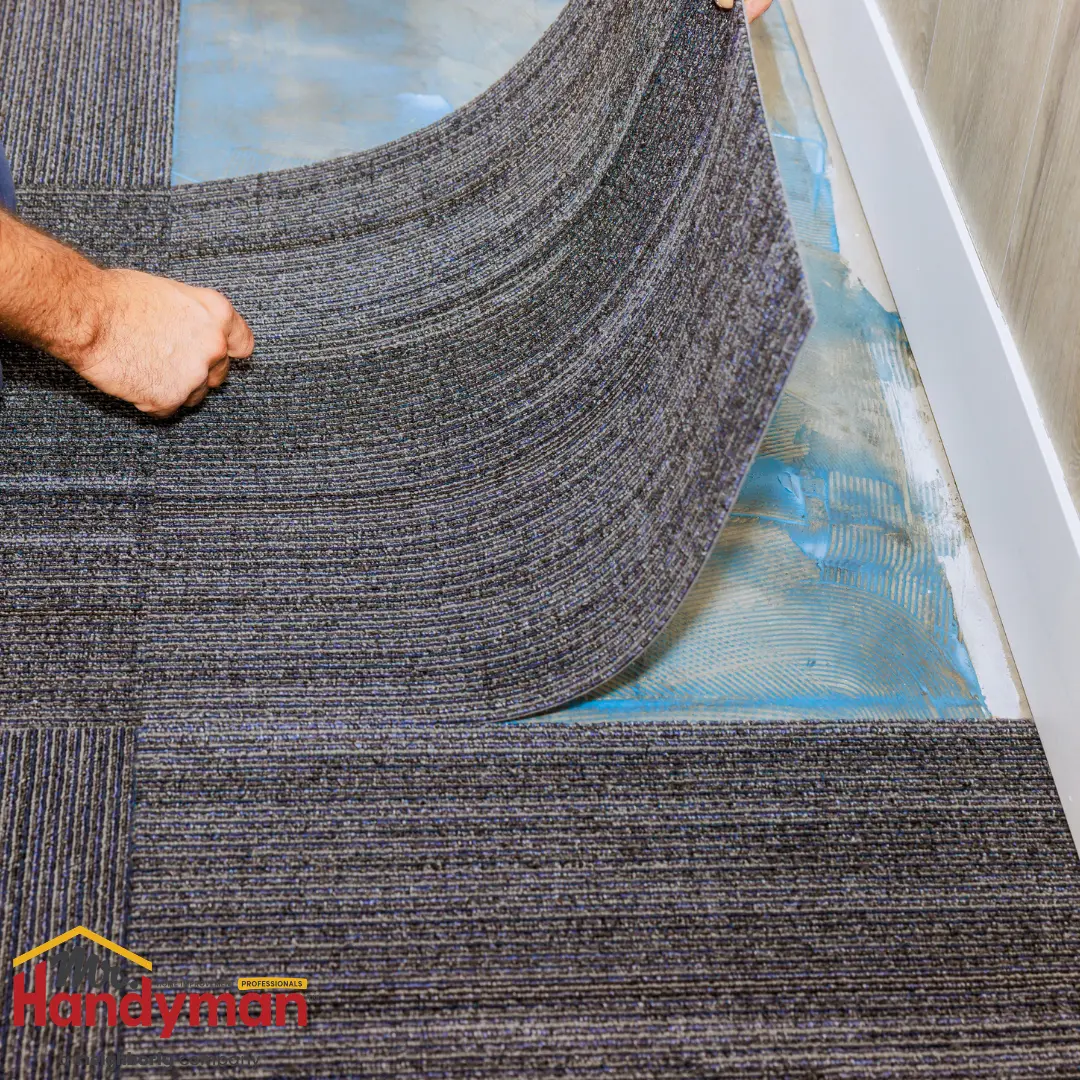
Beyond maintenance and repair, mid-year represents the practical decision window for capital improvements that the second half of the year provides time to complete before year-end.
Flooring replacement decisions for Rockwall commercial properties that the first half of the year's use has revealed as necessary warrant mid-year planning and execution scheduling. Flooring replacement in occupied commercial spaces requires the project planning that accounts for business continuity, material lead times, and installation sequencing that allows sections of the space to remain operational while replacement proceeds in adjacent areas. The mid-year decision allows second-half execution with time for proper planning rather than the rushed year-end installation that deferred decisions force.
Interior repainting projects for Rockwall commercial properties whose surface conditions have progressed past touch-up scope warrant mid-year planning for second-half execution. The color and finish specification that aligns with current design direction, the operational planning that determines when the space can accommodate surface preparation and application work, and the scope sequencing that prioritizes customer-facing and employee-visible areas where surface condition most affects business performance all benefit from the planning time that mid-year decision-making allows.
Accessibility and code compliance improvements that mid-year assessment has identified represent the capital improvement category where mid-year timing matters most from a liability perspective. ADA-related conditions including door hardware, threshold heights, and accessible route conditions that mid-year assessment reveals as non-compliant create ongoing liability exposure. Addressing these in the mid-year window reduces both the duration of exposure and the documentation of deferred awareness that makes exposure more significant in liability contexts.
Frequently Asked Questions
What is the most important mid-year repair for a Rockwall commercial property?
Building envelope sealant inspection and targeted repair is the most time-sensitive mid-year priority because peak storm season follows mid-year closely and the sealant conditions that early summer thermal cycling has created need correction before the concentrated rainfall and wind events of July and August test them. A mid-year sealant visit positions the building envelope to manage the second half of summer without the interior damage that compromised joints create during significant storm events.
How does mid-year differ from other maintenance windows for Rockwall commercial properties?
Mid-year is unique because it combines the performance information that the first half of the year's actual conditions have generated with the opportunity to address identified conditions before the second half of summer's most intense weather arrives. Spring inspections assess condition at season start. Mid-year assessment reflects actual performance, allowing more targeted repair prioritization than beginning-of-year planning alone provides.
What capital improvements are most appropriate for Rockwall businesses to execute in the second half of the year?
Interior flooring replacement, commercial repainting, accessibility and code compliance improvements, and tenant improvement work are all appropriate second-half capital improvements. These scopes benefit from mid-year decisions that position them for second-half execution, creating the improved condition that the new year begins with rather than requiring first-quarter disruption to complete.
How should Rockwall commercial property owners prioritize mid-year repairs when budget is constrained?
Safety-critical conditions, building envelope vulnerabilities that storm events would exploit with the most costly interior damage consequences, and customer-facing surface conditions most directly affecting the business's competitive presentation are the priority sequence. Within each category, conditions currently creating operational consequences take precedence over developing conditions not yet at the active failure stage.
Is mid-year a good time for Rockwall commercial tenants to request improvements from property owners?
Yes. Property owners at mid-year have the operational context of two completed quarters and budget clarity that the year-start lacks. Tenants framing improvement requests with specific connection to lease obligations, operational impact, or upcoming lease renewal context create the conversation conditions that mid-year timing supports.
What documentation should Rockwall commercial property owners maintain from mid-year maintenance visits?
Condition photographs before and after repair work, written records of conditions identified and work performed, and contractor recommendations for future attention at specific building conditions constitute the documentation protecting property owners in insurance, lease, and liability contexts and creating the maintenance history that increases property value in sales and refinancing transactions.
Make Mid-Year Work for Your Rockwall Commercial Property
The mid-year maintenance and improvement window that Rockwall's commercial property calendar creates is the opportunity that disciplined property owners use to position their buildings for strong second-half performance. The team at Mr. Handyman of Rockwall brings the commercial maintenance expertise and North Texas regional knowledge to handle every mid-year repair and improvement scope throughout Fate, Forney, Rockwall, and Royse City.
Call us or visit www.mrhandyman.com/rockwall to schedule your mid-year commercial assessment. We work around your business schedule, arrive on time, and back everything we do with the Neighborly Done Right Promise.
