
Why Rockwall Is Built for Outdoor Entertaining
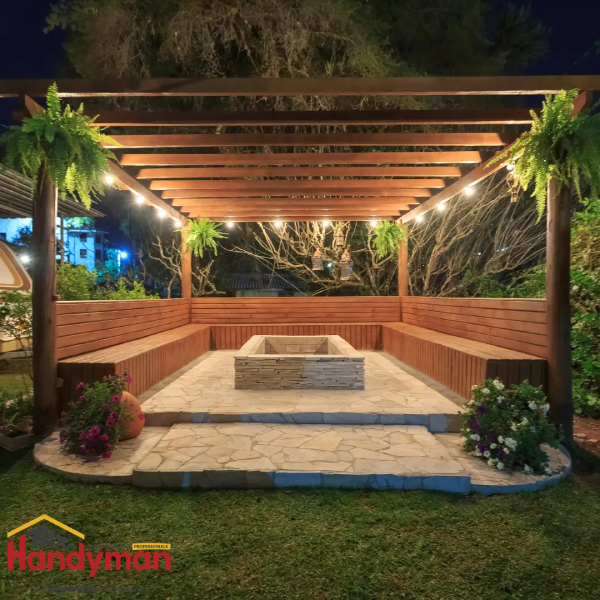
Rockwall's identity is inseparable from its outdoor character. The community that wraps around Lake Ray Hubbard has a genuine relationship with outdoor living that the lake's presence creates and that the family-oriented social culture of Rockwall, Royse City, Fate, and Forney sustains through a warm season that runs for more than half the year. Families here gather outdoors with the frequency and intentionality that a seven-month usable season justifies, and the backyard has a social significance in this community that motivates outdoor living investment at rates that markets without this combination of climate and culture do not produce.
The outdoor kitchen and entertainment area has become one of the most consistently requested home improvements across the Rockwall service area, and the reasons are practical alongside the aspirational. Dallas-area summer heat makes concentrating cooking activity outdoors a genuine comfort improvement for the interior of the home. The lake community social culture creates real demand for a hosting environment where guests can gather around the cooking area rather than standing at the edge of an undifferentiated backyard. And Rockwall's active real estate market, where Royse City and Fate in particular see consistent buyer interest, makes outdoor living quality a measurable property value factor that thoughtful investment rewards.
Creating an outdoor kitchen or entertainment area in a Rockwall home requires attention to the specific conditions North Texas creates. Intense UV that degrades materials and finishes. Clay soil that affects any ground-level flatwork and structural footings through seasonal expansion and contraction. Hard water that affects masonry, stone, and metal elements in ways that appropriate material selection manages. And the severe weather potential of North Texas summers that loads structures during hail events and high-wind thunderstorm activity. Projects planned for these actual conditions perform and last significantly better than those built from catalog inspiration without local context.
The division of labor that Texas licensing requirements create in this project type is also worth understanding from the outset. The structural carpentry, masonry, concrete work, surface installation, and finish work that creates the outdoor kitchen's physical structure are entirely within skilled handyman scope. Gas line connections and any new circuit installation are licensed trade work requiring appropriate contractors. Planning with this division understood produces the cleanest coordination and most efficient project.
Planning for Rockwall's Specific Conditions
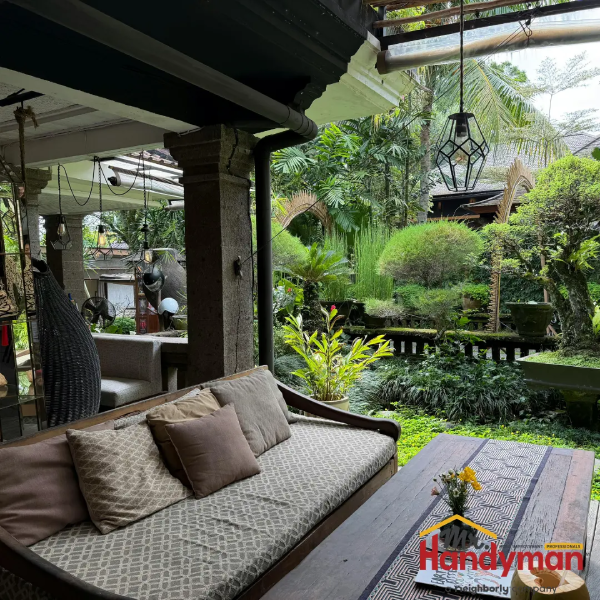
Thoughtful site planning before any material is purchased determines whether a Rockwall outdoor kitchen serves its household well through a demanding season or becomes the underused investment that poor planning for actual conditions creates.
Shade is the first design requirement. In Rockwall's climate where afternoon temperatures regularly exceed 100 degrees and direct sun on paved surfaces creates radiant heat well above the ambient air temperature, an outdoor kitchen without adequate shade coverage over both the cooking zone and the primary seating area is functionally unusable during the hours when summer gatherings most often happen. This is not a preference. It is the physical reality that distinguishes a Rockwall outdoor kitchen that serves its household from one that does not. A pergola, solid roof extension, or shade sail positioned to intercept direct afternoon sun must be treated as a core project requirement rather than an optional addition.
Orientation shapes every other decision. Positioning the grill on the downwind side of primary seating keeps smoke away from guests. Placing the cooking zone where the home's wall or shade structure provides some natural afternoon shadow reduces the thermal load on the cook during peak heat hours. And creating the traffic flow logic between the indoor kitchen, the outdoor cooking station, and the seating area reduces the friction that poorly organized outdoor kitchens create at every gathering.
Clay soil demands specific structural planning. Any concrete paving, post footings, or built-in structure that is part of the outdoor kitchen area sits above Rockwall County's expansive clay soil, and the seasonal movement this soil creates must be accommodated in the design. Concrete paving sections need control joints that allow clay soil movement without transmitting cracking stress through a monolithic slab. Post footings need depth sufficient to reach below the zone of active seasonal movement. And masonry base structures need footings tied with rebar rather than simply resting on surface concrete that clay soil movement can shift.
The Structural Scope: What Handyman Work Covers
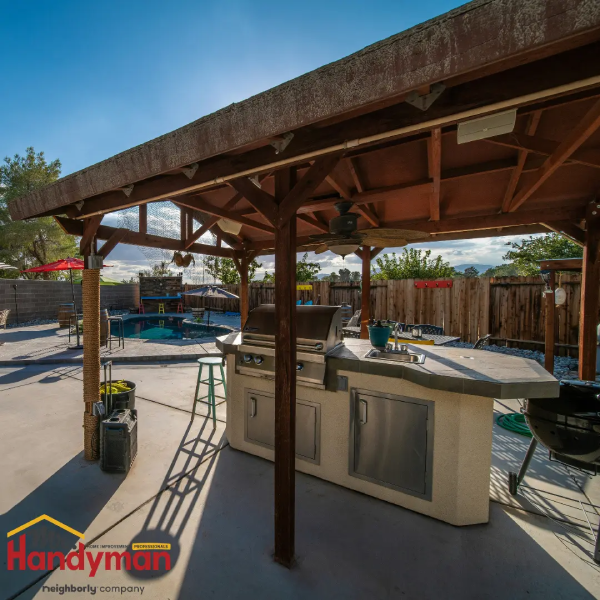
The physical structure of a Rockwall outdoor kitchen involves several distinct scopes that a skilled handyman handles entirely within the service range that does not require licensed contractors.
Concrete block and masonry base construction is the foundation scope for most outdoor kitchen structures and the one that most directly determines durability in Rockwall's clay soil environment. CMU block construction with appropriate mortar and a concrete cap creates the stable, low-maintenance base that handles Rockwall's heat, UV, and hard water outdoor cleaning conditions. The base built on a properly reinforced footing that accounts for local soil conditions provides the structural confidence that a surface-only placement on clay soil does not.
Countertop and surface installation on the masonry base determines the outdoor kitchen's visual quality and daily usability. Large-format porcelain tile is the dominant outdoor countertop choice in North Texas's current renovation market because it requires less maintenance than natural stone in the UV and hard water conditions this area creates, handles cooking heat and outdoor cleaning reliably, and creates the visual quality that current design directions favor. Concrete countertops sealed for outdoor use offer the custom appearance flexibility that design-forward Rockwall households appreciate. The adhesive and grout specified for these surfaces must be rated for the outdoor temperature range that Rockwall summers and winter cold snaps create.
Pergola and shade structure framing directly over the outdoor kitchen is the structural carpentry scope that makes the space genuinely functional. A freestanding pergola built with lumber sized for the actual span and load requirements, anchored to footings that account for Rockwall's clay soil movement, and connected with hardware rated for outdoor use creates the shade and visual overhead structure that defines the outdoor room. Post sizing, beam dimensions, and connection hardware should be specified for the wind load potential of North Texas thunderstorm activity, not for calm-day structural minimum calculations alone.
Built-in seating and bar areas adjacent to the cooking zone are the carpentry and masonry scopes that transform a cooking station into an entertainment area. A concrete block or masonry bar structure with tile or concrete countertop, built-in bench seating with appropriate weather-resistant framing, and the structural integration of these elements into the overall outdoor room design creates the social gathering infrastructure that distinguishes a genuine outdoor kitchen from a grill pad with counter space.
Outdoor storage cabinetry for the kitchen base requires specifically outdoor-rated materials. Stainless steel or marine-grade aluminum cabinet construction handles Rockwall's outdoor conditions without the rust, warping, and deterioration that standard interior cabinetry develops outdoors. Hardware selection should prioritize corrosion resistance in the context of Rockwall's hard water and the cleaning activity the kitchen generates.
Appliance Integration and Licensed Trade Coordination
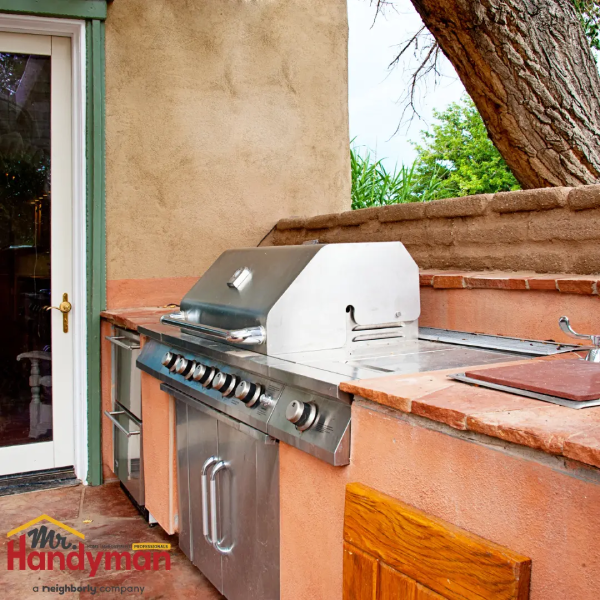
The grill is the outdoor kitchen's centerpiece, and the decision about grill type shapes everything around it. Built-in grills dropping into a countertop cutout create the integrated, finished appearance that distinguishes a complete outdoor kitchen from a portable setup. The handyman scope covers the structural preparation and countertop opening to the manufacturer's specifications. Gas line connection to a built-in grill requires a licensed plumber or gas fitter in Texas. This coordination is straightforward: the handyman builds the structure and creates the appliance opening, the licensed professional connects the gas supply, and both scopes are brief and non-overlapping.
Counter space adjacent to the grill is the practical dimension that separates an outdoor kitchen that cooks comfortably from one that frustrates at every use. A minimum of eighteen inches on each side of the built-in grill is the functional standard that experienced outdoor cooks consistently identify as the minimum that makes the cooking zone workable for a group. In Rockwall's social hosting culture where the grill is the center of summer gatherings, this landing space for plated food, tools, and condiments is not a luxury dimension.
Outdoor-rated refrigerator or beverage center integration eliminates the indoor trips that interrupt the hosting experience and is among the most appreciated functional additions to Rockwall outdoor kitchens. Ice storage built into a drawer in the kitchen base makes drink service independent of the indoor kitchen through hours of outdoor entertaining. These appliances need to be specifically rated for outdoor ambient temperature ranges, which in Rockwall's summer context means units tested for the high ambient temperatures that a North Texas outdoor kitchen environment creates.
Flooring and Surface Materials
The paved surface of the outdoor kitchen and entertainment area connects the cooking and gathering zones and directly affects the visual quality and practical usability of the space through North Texas's long season.
Concrete pavers in large format handle Rockwall's clay soil movement and outdoor cleaning demands effectively. Individual pavers installed over a properly prepared base accommodate the slight movement that clay soil creates through seasonal cycles without cracking, because joints between individual units allow the micro-adjustment that monolithic concrete cannot. Base preparation for paver installation in Rockwall needs the adequate depth and compaction that minimizes differential settlement in expansive clay soil.
Stamped concrete creates the custom appearance that homeowners wanting a monolithic surface with design character choose for Rockwall outdoor kitchens. Control joints are critical in any stamped concrete installation in this geology and should be planned before the concrete is poured. A stamped installation without adequate control joint planning in Rockwall's clay soil will develop cracks in the pattern that soil movement creates regardless of how well the concrete mix was specified.
Travertine and natural stone pavers create the premium visual quality that Rockwall's design-conscious households respond to, and they perform well when sealed with penetrating sealer appropriate for outdoor hard water environments. The sealing schedule in Rockwall's conditions needs to be more active than general natural stone guidance suggests, because hard water mineral deposits and UV intensity together challenge stone surface protection at rates that moderate-climate applications do not.
Frequently Asked Questions
What parts of an outdoor kitchen project require licensed contractors in Texas?
Natural gas line connections require a licensed plumber or gas fitter, and new electrical circuit or outlet installation requires a licensed electrician. The structural and masonry base, concrete and paver work, countertop and tile installation, cabinetry, shade structure carpentry, and all finish work are handyman scope. Planning with this division clear from the start produces the most efficient project.
How does Rockwall clay soil affect outdoor kitchen construction?
Clay soil expands when wet and contracts through dry conditions, creating seasonal movement beneath any structure or flatwork. Post footings need to extend below the active movement zone. Concrete flatwork needs control joints. Masonry bases need to be tied to their footings with rebar rather than resting on surface concrete. Projects that ignore clay soil conditions develop the cracking and shifting that appears within the first seasonal cycle.
What shade coverage is needed to make a Rockwall outdoor kitchen usable in summer?
Coverage sufficient to intercept direct sun over both the cooking zone and the primary seating area during afternoon hours is the functional minimum. West and southwest exposures create the most intense conditions in Rockwall's afternoon sun angle, and coverage specifically addressing these exposures extends the space's usable hours most effectively. A structure that shades the grill but leaves guests in direct afternoon sun creates the half-measure that discourages outdoor use through the peak season.
Can an outdoor kitchen be built in phases?
Yes. A logical first phase addresses the structural base, countertop, grill station, and shade structure, creating the functional core. A second phase adds refrigeration, additional appliance integration, built-in seating, and paving extension. Planning the complete design before beginning the first phase ensures later phases integrate cleanly rather than requiring modification of completed work.
What countertop material performs best in Rockwall's outdoor conditions?
Large-format porcelain tile installed with exterior-rated adhesive and epoxy grout performs best in Rockwall's combination of UV intensity, thermal cycling, and hard water. It requires less maintenance than natural stone, handles cooking heat and outdoor cleaning reliably, and creates the visual quality that current outdoor kitchen design favors. Concrete sealed for outdoor use is a strong alternative with excellent custom design flexibility.
How should outdoor kitchen cabinetry be specified for North Texas conditions?
All cabinetry must be specifically rated for outdoor use with stainless steel or marine-grade aluminum construction. Door hardware should be stainless steel or powder-coated aluminum with corrosion resistance appropriate for outdoor exposure. Rockwall's hard water accelerates corrosion on metals not rated for outdoor use in high-mineral-content water, and the cleaning activity outdoor kitchens generate adds moisture exposure that indoor-rated materials do not handle through multiple seasons.
Build the Outdoor Kitchen That Rockwall Living Deserves
A well-planned outdoor kitchen and entertainment area transforms the backyard of a Rockwall home into the social center its community character and long warm season justify. The team at Mr. Handyman of Rockwall handles the structural, masonry, carpentry, tile, and finish scopes that create the outdoor kitchen's physical reality throughout Fate, Forney, Rockwall, and Royse City.
Call us or visit www.mrhandyman.com/rockwall to schedule a consultation. We show up on time, work cleanly, and back everything we do with the Neighborly Done Right Promise.