Why Exterior Safety Is a Genuine Priority for Rockwall's Commercial Community

Rockwall's commercial districts serve a customer base that moves between its businesses on foot more than the typical suburban commercial environment encourages. The downtown square, the lakeside dining and retail destinations, and the community-oriented commercial corridors that define the city's business landscape all create pedestrian activity patterns that make exterior surface conditions more consequential than in commercial environments where customers move primarily by vehicle from one isolated destination to another.
That pedestrian character, combined with the specific exterior maintenance challenges that North Texas's climate and clay soil conditions create for commercial surfaces, produces a liability and customer experience context that Rockwall business owners and property managers need to address proactively. The clay soils that underlie much of Rockwall's developed residential and commercial land cause the concrete flatwork movement that creates trip hazards between inspection cycles. The extreme heat and UV of North Texas summers accelerates the surface deterioration that makes asphalt brittle and concrete joints vulnerable. And the severe thunderstorm activity that accompanies the summer season delivers the rain events and occasional hail that test every exterior surface condition simultaneously.
A commercial property in Rockwall that has not been systematically assessed for exterior safety conditions before summer peak season carries a risk profile that the season's increased customer activity will expose. The cost of proactive exterior safety maintenance is a fraction of the cost of a single liability incident, and in a community where businesses operate with the personal accountability and community visibility that characterizes Rockwall's commercial culture, the case for maintaining safe exterior conditions is both practical and straightforwardly ethical.
Parking Lot Surface Condition: North Texas Heat and Clay Soil Effects
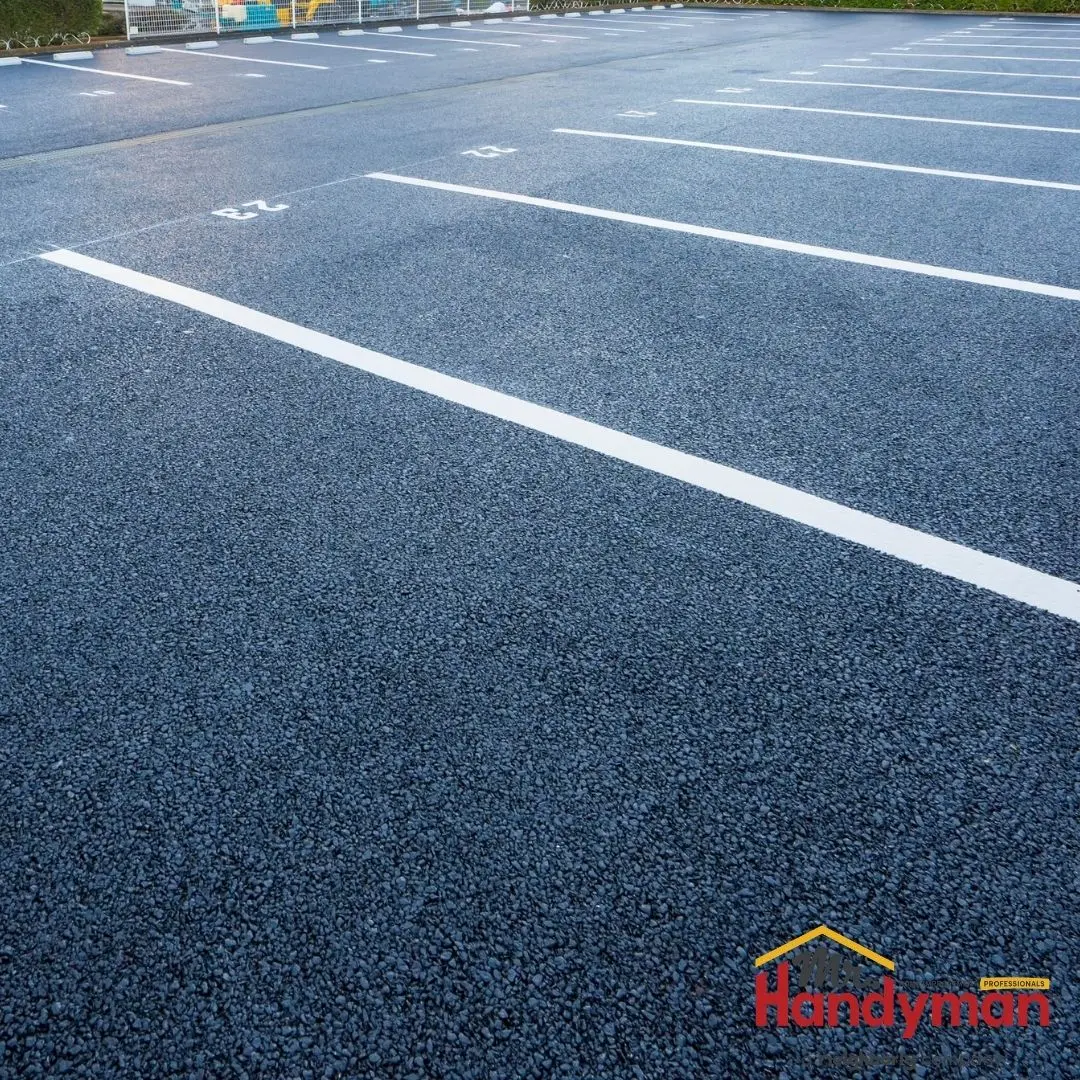
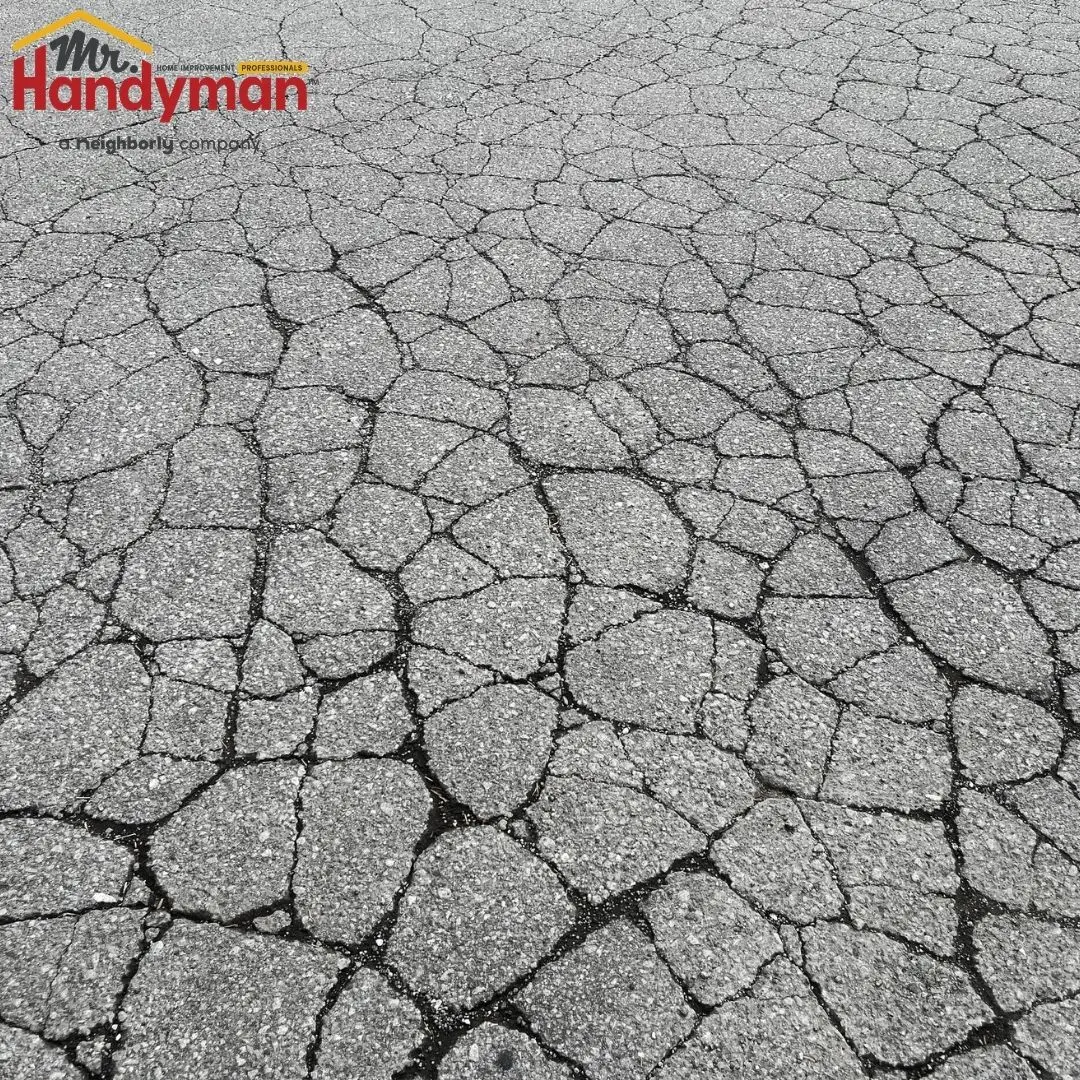
The parking lots of Rockwall commercial properties face the specific deterioration pattern that North Texas's climate creates in asphalt surfaces. The extreme summer heat pushes asphalt surface temperatures to levels that soften the binder and accelerate oxidation, making the surface progressively more brittle and susceptible to the cracking that water infiltration converts into structural failures over time. Rockwall's clay soil conditions add a second deterioration mechanism: the soil movement that seasonal moisture variation creates in the expansive clay underlying much of the developed commercial land causes the base movement that produces the heaving and settlement visible in parking surfaces throughout the area.
Surface cracking in Rockwall commercial parking lots requires prompt attention because the specific combination of North Texas conditions makes the progression from surface crack to pothole faster than in more moderate climates. Water that infiltrates through an unsealed surface crack during a summer thunderstorm reaches the base course below, and the clay soil's response to that moisture, whether expansion or the subsequent contraction as the moisture dissipates, creates the base instability that produces potholes within a relatively short time.
Crack sealing before summer storm season positions parking surfaces to manage the rainfall that North Texas summer thunderstorms deliver without allowing that rainfall to penetrate into the base. The investment in crack sealing is modest relative to the pothole repair and potential base reconstruction that infiltration through unsealed cracks eventually necessitates, and the timing before summer's storm season is the most effective window for this work.
Parking lot striping condition affects both the safety organization of the parking area and the professional impression the property makes. Faded striping that no longer clearly defines parking spaces, fire lanes, and directional traffic patterns creates the confusion that produces vehicle conflicts in busy summer parking areas. ADA accessible space markings that have faded below visibility standards carry specific compliance implications. Pre-season restriping ensures that Rockwall commercial parking areas function safely and meet current standards throughout the community's busiest commercial season.
Walkways and Pedestrian Surfaces: Rockwall's Clay Soil Challenge
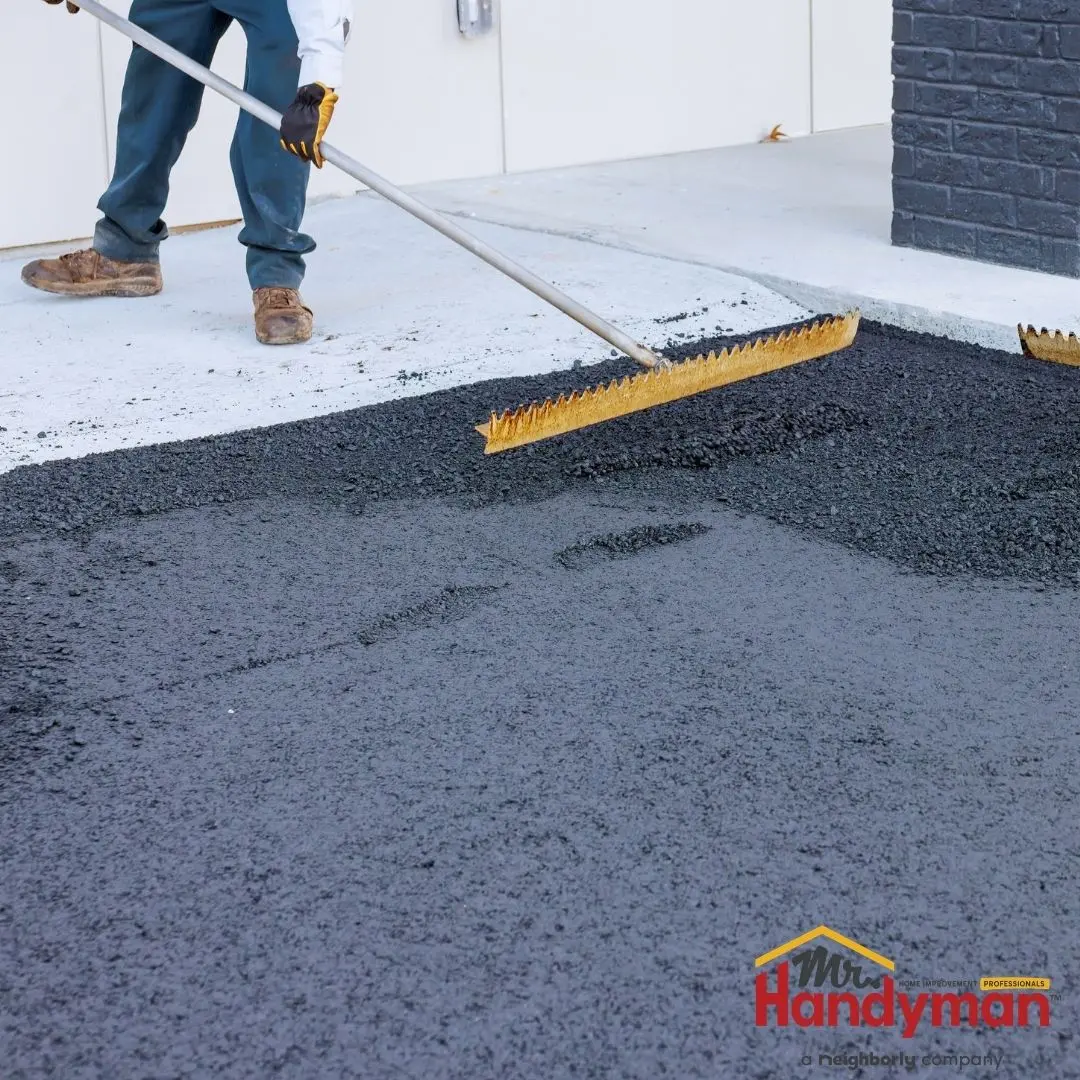
The clay soil movement that is a defining characteristic of much of Rockwall's developed land creates a specific and ongoing pedestrian surface maintenance challenge that property managers in this community need to address more frequently than those in markets with stable soil conditions. Concrete sidewalk slabs that are level after one year's inspection may have developed actionable elevation differences by the following year as seasonal soil moisture variation drives the clay beneath them through expansion and contraction cycles that shift slab positions.
The elevation differences between adjacent concrete sections that this movement creates are the primary source of pedestrian trip hazards in Rockwall's commercial districts. The threshold for conditions that constitute an actionable hazard is lower than most property managers assume: differences of a quarter inch between adjacent slabs are potential hazards, and half-inch differences are clearly conditions requiring correction. A commercial property manager who relies on visual assessment from walking speed will miss the majority of these conditions until they are significantly more severe than the threshold at which correction is appropriate.
Grinding down elevated concrete edges at commercial walkways to eliminate the height differential is the appropriate repair for movement that has created a lip without causing structural damage to the slab. This approach removes the trip hazard without the disruption and cost of full slab replacement when the concrete itself is sound. In Rockwall's clay soil context, this repair needs to be revisited periodically because the underlying movement mechanism continues to operate, potentially recreating the hazard as the slab continues to shift. Full slab replacement combined with appropriate base preparation is warranted where the structural integrity of the concrete has been compromised or where the movement has produced displacement too severe for grinding to address adequately.
Asphalt transition aprons and walkways connecting parking areas to building entrances require the same assessment for surface failures that parking surfaces receive. These transitions concentrate pedestrian traffic at exactly the points where surface condition matters most for pedestrian safety, and the heat softening that North Texas summers create in asphalt surfaces makes their condition more variable through the season than in cooler climates.
Entrance Steps and Thresholds: The Highest-Risk Transition Points
Commercial entrance steps and the threshold transitions between exterior and interior floor surfaces are statistically the most incident-prone exterior locations on commercial properties, and they are affected by the specific deterioration mechanisms that Rockwall's climate and soil conditions create in ways that make pre-season assessment and maintenance genuinely important.
Step nosing deterioration from North Texas's UV radiation and thermal cycling produces the smooth, low-traction surfaces that create slip hazards at commercial entrance steps throughout the area. The original texture of a concrete or masonry step surface that provided adequate traction when the property was new degrades under sustained exposure to the conditions that a Texas commercial property exterior experiences, and a surface that looks intact visually may have lost the friction coefficient that safe use requires.
Non-slip nosing strips at commercial entrance step leading edges address this deterioration directly and cost-effectively. These strips provide traction at the specific location where slip incidents are most likely and where the visual communication of a safety-conscious management standard makes a positive impression on arriving customers. Installing non-slip nosing strips before summer peak traffic is a modest material and labor investment with direct safety and liability implications.
Entrance threshold conditions in Rockwall commercial buildings reflect the clay soil movement and thermal cycling that affect foundation-connected building elements throughout the area. A threshold that has risen above the surrounding floor surfaces on either side creates the raised edge that produces the pedestrian incidents that appropriate maintenance prevents. Pre-season inspection of all commercial entrance thresholds and prompt correction of any conditions identified before summer traffic peaks addresses this hazard category before it produces an incident.
Handrail stability testing at all entrance stairs is a physical assessment requirement rather than a visual one. The thermal cycling of North Texas's extreme temperature range loosens the mounting hardware at handrail connections over time, and a handrail that appears visually intact may have developed movement under lateral loading that the visual inspection does not reveal. Gripping each handrail at entrance stairs and applying firm lateral and downward force identifies the movement that indicates a condition requiring correction.
Exterior Lighting: Evening Safety for Rockwall's Summer Commercial Season
Rockwall's summer commercial season extends into evening hours more than the winter season does, driven by the outdoor dining culture, the lake-related activity that attracts visitors to the area after business hours, and the general extension of social activity that the community's summer calendar supports. Commercial properties that serve customers and tenants during these extended evening hours need exterior lighting that performs to the standard that safety and professional presentation require.
A deliberate nighttime walkthrough of the commercial property is the only reliable way to assess the actual performance of the exterior lighting system. This assessment identifies fixtures that have failed, areas where the distribution of light leaves significant gaps in coverage, and any conditions where aging lamps have shifted in color quality or output in ways that reduce effective illumination below the level that safe navigation requires. Conducting this walkthrough before summer's extended evening activity peaks identifies the conditions that require correction while there is time to address them properly.
LED replacement of older commercial exterior lighting technology is an appropriate pre-season investment for Rockwall properties still using metal halide or high-pressure sodium fixtures. The energy cost reduction, the maintenance reduction from LED's extended service life, and the light quality improvement that LED provides relative to older technology all compound through a full North Texas summer operating season in ways that make the investment return straightforward.
The severe thunderstorm activity that North Texas summers deliver creates a specific lighting assessment consideration for Rockwall commercial properties. Exterior lighting fixtures that are improperly sealed, that have developed water infiltration pathways through aging gaskets, or that have mounting hardware that has been loosened by previous wind events are all conditions that a storm can convert from marginal performance to complete failure. Pre-season assessment of fixture sealing and mounting condition reduces the likelihood of storm-related lighting failures during the most active commercial season.
Building Exterior Features and Drainage
The canopy structures, wall-mounted elements, and signage that define the exterior character of Rockwall commercial buildings face the specific structural and weather demands that North Texas summers create. Hail events, which occur with significant frequency in the Dallas area, can damage canopy surfaces, loosen wall-mounted signage, and stress the connection hardware of any element attached to the building exterior. Pre-season inspection of these elements identifies the conditions that summer's severe weather season would otherwise expose during a customer visit.
Wall-mounted signage, lighting fixtures, and other building-attached elements depend on fasteners and mounting hardware that experience the thermal cycling of North Texas's extreme temperature range. Hardware that has loosened through repeated expansion and contraction cycles may appear visually intact while providing inadequate structural resistance to the wind loads that summer thunderstorms deliver. Physical inspection of mounting hardware condition and tightening or replacement of any fasteners that have worked loose eliminates the falling hazard before summer's storm season creates it.
Drainage management around Rockwall commercial properties is relevant to both pedestrian safety and pavement longevity during summer's concentrated rainfall events. Catch basins and drain inlets that have accumulated debris from the spring growing season drain at reduced capacity during summer storm events, creating the ponding conditions that are both slip hazards and evidence of a drainage system that is not performing as designed. Pre-season cleaning of drainage infrastructure positions the system to manage summer rainfall effectively.
Frequently Asked Questions
How does Rockwall's clay soil affect commercial parking lot maintenance specifically?
Clay soil movement creates base instability in asphalt parking lots and heaving and settlement in concrete flatwork throughout much of Rockwall's commercial land. Property managers should expect parking surface and walkway conditions to change more between inspection cycles than in markets with stable soil, and should incorporate more frequent walkway joint assessment into their maintenance programs. Pre-season crack sealing before summer storm season is particularly important because clay soil's response to moisture infiltration accelerates the base deterioration that surface cracks allow.
How often should a Rockwall commercial property manager conduct exterior safety inspections?
A comprehensive exterior safety inspection twice per year, with pre-summer and pre-winter timing, provides the systematic coverage that Rockwall's maintenance context requires. Monthly walkthroughs that check high-traffic areas, lighting, and obvious surface conditions supplement the formal inspections. After any significant storm event, including the severe weather that Rockwall's summer season delivers regularly, a specific exterior inspection identifies storm-related damage requiring prompt attention.
What documentation practices are appropriate for Rockwall commercial exterior safety maintenance?
Dated inspection records with photographs of identified conditions, repair invoices documenting scope and completion date, and any communications regarding identified maintenance items should be retained. In Texas's commercial property liability context, documented maintenance records demonstrating systematic proactive management provide meaningful protection in the event of an incident.
What exterior safety repairs fall within a commercial handyman's scope in Rockwall?
Most commercial exterior safety repairs that Rockwall property managers need to address fall within skilled handyman scope, including concrete trip hazard grinding, handrail tightening and replacement, non-slip nosing strip installation, entrance threshold repair, door hardware service, caulking and sealant work, and lighting fixture replacement. Parking lot resurfacing, structural concrete repair, and major drainage work require specialized contractors.
Are there specific ADA requirements for Rockwall commercial properties that affect exterior safety maintenance?
Texas commercial properties follow federal ADA standards for accessible parking, accessible routes, entrance conditions, and signage. Rockwall's municipal requirements align with state and federal standards. Property managers should confirm that accessible space markings meet current visibility standards, that accessible route surfaces are free of the conditions that clay soil movement creates, and that entrance hardware and thresholds meet current accessibility requirements.
Protect Your Rockwall Business and Your Customers
Exterior safety maintenance at Rockwall commercial properties is both a legal responsibility and a direct expression of the community values that define how Rockwall businesses operate. The team at Mr. Handyman of Rockwall brings the commercial maintenance experience to identify and address the exterior safety items that matter most before they become incidents.
Call us or visit www.mrhandyman.com/rockwall to schedule your commercial exterior safety inspection and repairs. We work around your business schedule, arrive on time, and back everything we do with the Neighborly Done Right Promise.