
Why Routine Maintenance Matters More in a Growing Community
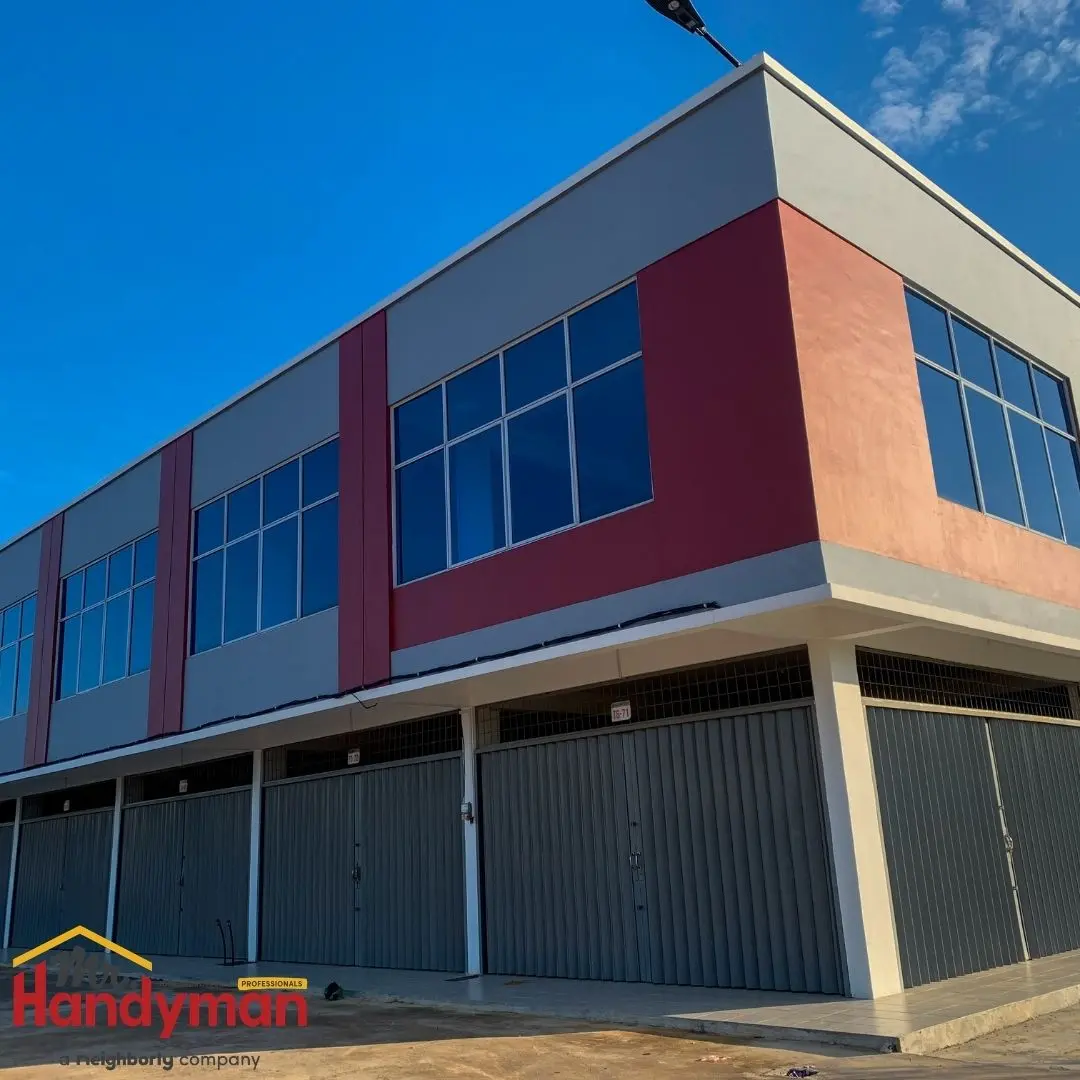
Rockwall occupies a specific moment in its commercial development trajectory that makes routine maintenance decisions particularly consequential for the property owners and managers who serve its business community. The city has experienced substantial growth over the past two decades, and that growth has produced a commercial building inventory that spans a wide range of construction eras, from the older buildings of the downtown square and established commercial corridors to the newer construction along the growing commercial periphery. Each era brings its own maintenance profile, and managing those profiles proactively rather than reactively determines whether commercial buildings in this growing community hold their value and performance through the demands of long-term operation.
The financial case for routine maintenance is the same in Rockwall as it is in every commercial real estate market: proactive maintenance costs a fraction of reactive repair across every building system category, and the secondary damage that reactive response must address after a system failure adds costs that dwarf the primary repair in most cases. What makes this case particularly compelling in Rockwall's specific context is the community's growth trajectory and the investment that commercial property owners in this market have made in a community they believe in. Buildings that are maintained routinely hold their competitive position in Rockwall's growing market. Buildings where maintenance is deferred quietly consume the capital they represent while the market around them develops higher quality inventory that puts deferred-maintenance properties at an increasing competitive disadvantage.
Rockwall's commercial tenants reflect the community's values. The businesses that have chosen to establish themselves in this community bring a long-term perspective and a quality commitment that makes the facility condition of their leased spaces a genuinely important factor in their lease renewal decisions. A commercial property owner in Rockwall who maintains buildings proactively retains the quality tenants that the community's growing business sector represents. One who defers maintenance discovers that those same tenants have more options in Rockwall's expanding commercial inventory than they did a decade ago.
The Real Cost of Deferred Maintenance in Rockwall's Context
The specific cost structure of deferred maintenance in Rockwall's commercial real estate context includes several dimensions that are specific to the community's climate, soil conditions, and market character.
The clay soil conditions that underlie much of Rockwall's commercial land create a maintenance cost acceleration that property owners who moved here from markets with stable soil conditions may underestimate initially. Foundation movement affects exterior flatwork, building envelope connections, and interior slab conditions in ways that deferred maintenance allows to compound into more extensive and more expensive remediation than prompt attention would have required. A commercial building in Rockwall where foundation-adjacent sealant joints are not maintained, where exterior flatwork conditions are not assessed and corrected annually, and where the interior finish conditions that foundation movement creates are not addressed promptly accumulates the compounding damage that clay soil conditions create in buildings that are not actively managed.
North Texas's extreme climate accelerates the deterioration of every building system that is exposed to outdoor conditions in ways that make the service life assumptions from more moderate climates inappropriate for Rockwall's environment. Exterior sealants that might last eight years in a mild climate may require attention every four to five years under North Texas's UV intensity and thermal cycling. Roofing systems that achieve their full design service life in moderate climates may require earlier inspection and targeted maintenance to reach that same service life under North Texas's summer demands. A maintenance program calibrated to Rockwall's actual climate conditions rather than generic service life assumptions catches these items within the window where correction is straightforward rather than after the deterioration has progressed to the point where more extensive work is required.
The community character of Rockwall's commercial market creates a tenant retention cost consideration that amplifies the financial case for routine maintenance beyond the direct repair cost comparison. The cost of losing a quality Rockwall commercial tenant whose lease renewal decision is influenced by facility condition, including the vacancy period, the tenant improvement allowance for a replacement tenant, and the professional transaction costs of a new lease, consistently exceeds the routine maintenance investment that would have supported the existing tenant's satisfaction and renewal.
Building Envelope Maintenance: The Foundation of Long-Term Performance

The building envelopes of Rockwall's commercial properties face the combination of climate demands and soil conditions that make systematic envelope maintenance more important here than in many comparable commercial markets. Roofing systems, exterior wall assemblies, window and door seals, and foundation connections all require the regular attention that Rockwall's specific conditions justify.
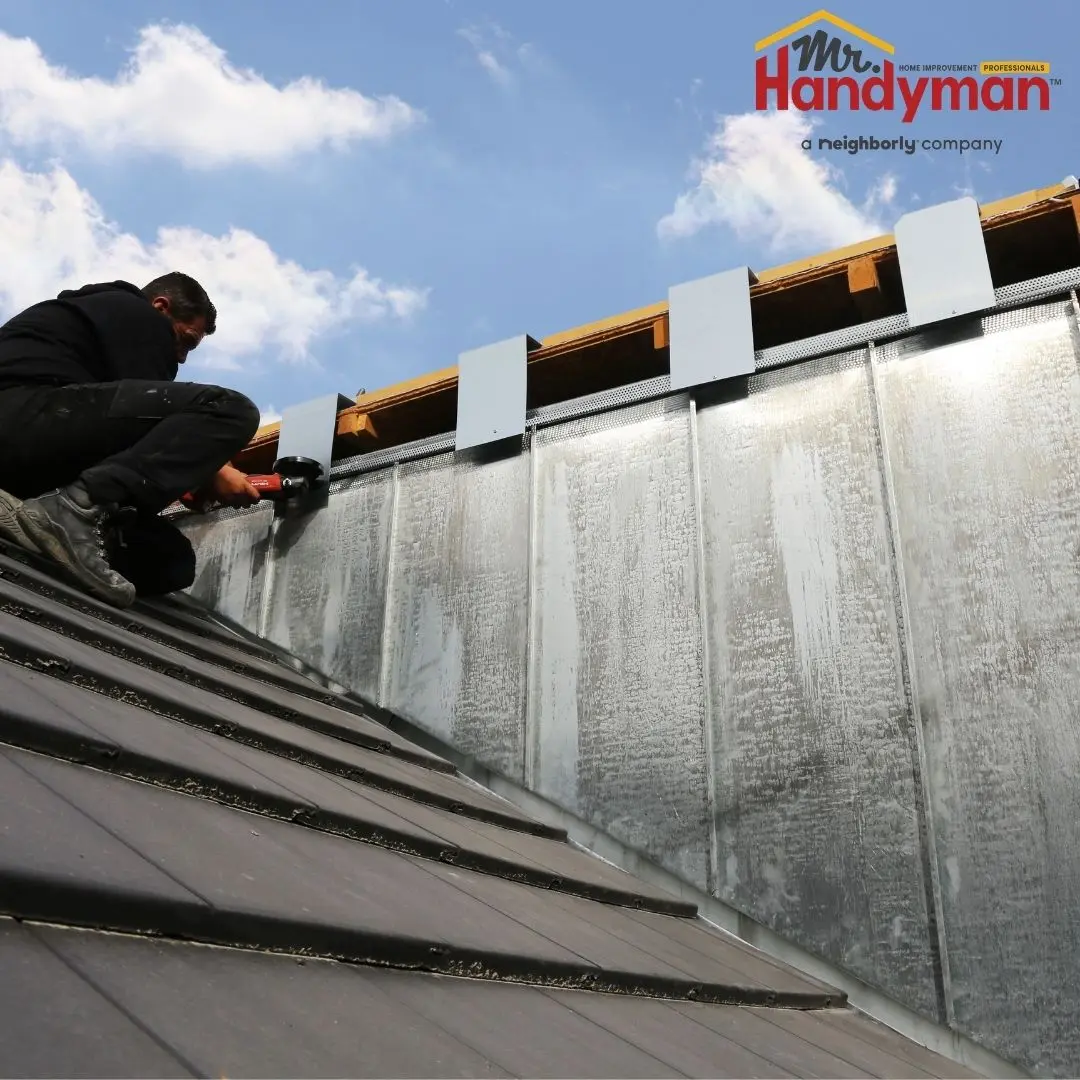
Commercial roofing systems in Rockwall experience the specific deterioration pattern that North Texas's extreme UV and heat creates in membrane materials. The daily thermal cycling between the extreme surface temperatures that direct summer sun creates on commercial roof decks and the cooled building interior below stresses membrane materials at seams, flashings, and penetrations in ways that annual inspection identifies in early stages. The severe weather events that accompany North Texas summers, including hail that can damage membrane surfaces and high winds that stress flashing connections, create specific post-event inspection requirements that responsible Rockwall commercial property management incorporates into its maintenance calendar.
Exterior wall sealant maintenance in Rockwall commercial buildings must account for two deterioration mechanisms that operate simultaneously. The UV degradation and thermal cycling that North Texas's climate creates in sealant materials reduces their service life relative to what the same products achieve in moderate climates. And the foundation movement that Rockwall's clay soil conditions create generates the joint movement that stresses sealant bonds in ways that accelerate the cracking and separation that allow moisture infiltration. A Rockwall commercial building with exterior sealant joints that have not been assessed and maintained within the past three to four years is a building where infiltration pathways have likely developed at multiple locations.
The foundation-adjacent conditions that are specific to Rockwall's clay soil context deserve specific inclusion in any commercial building envelope maintenance program. The connections between the building structure and the foundation, the sealant conditions at grade-level wall-to-slab transitions, and the condition of any below-grade waterproofing that protects spaces adjacent to the building perimeter all reflect the foundation movement that clay soil conditions create and require more frequent assessment than would be appropriate in markets with stable soil.
Mechanical System Maintenance: Managing Rockwall's Extreme Cooling Season
HVAC systems in Rockwall commercial buildings face the same extreme cooling season demands that all North Texas commercial properties experience, and the maintenance investment that keeps these systems operating efficiently delivers its return through every hour of the summer operating season in reduced energy costs and extended equipment service life.
Filter replacement and coil cleaning on the schedule that sustained North Texas summer operation requires keeps commercial HVAC systems operating at their designed efficiency throughout the season. A system operating with clogged filters and fouled coils in a Rockwall commercial building during August is consuming meaningfully more energy than the same system in properly maintained condition while delivering less cooling capacity, and the efficiency deficit accumulates through every hour of operation in a cooling season that in Rockwall's climate may extend from April through October.
The specific character of Rockwall's commercial building inventory creates some HVAC maintenance considerations worth noting. The older buildings of the downtown square and the established commercial corridors often have HVAC systems that have been in service for extended periods, potentially with maintenance histories that are not well documented. A comprehensive assessment of HVAC system condition in older Rockwall commercial buildings, combined with a maintenance program calibrated to the actual age and condition of the equipment rather than to new equipment assumptions, provides the information needed to manage these systems responsibly through the demands of North Texas's summer cooling season.
Newer commercial construction along Rockwall's growing commercial corridors has modern mechanical systems that are more efficient and more reliable than the equipment in older buildings, but these systems also require the maintenance that sustains their designed performance. Builder-specified equipment installed under the schedule pressures of rapid development may have installation quality variations that systematic maintenance reveals and corrects before they develop into performance issues or premature failures.
Interior Finish Maintenance: Protecting the Investment
The interior finishes of Rockwall commercial buildings represent capital investment that routine maintenance protects and extends in ways that deferred maintenance gradually consumes. The specific relationship between maintenance frequency and finish service life is direct: buildings whose finishes receive systematic attention have longer intervals between the capital expenditures that replacement requires, while buildings where deferred maintenance allows finish deterioration to compound require replacement at shorter intervals from a more deteriorated baseline.
Flooring maintenance in Rockwall commercial buildings requires calibration to the specific material conditions and traffic patterns in each area of the building. The transition areas where customers enter from the community's outdoor activity, the high-traffic corridors of commercial common areas, and the specialized spaces within individual tenant suites all have different maintenance requirements that a systematic program addresses appropriately. Hard surface flooring in commercial applications requires the periodic refinishing of protective coatings that prevents wear-through to the flooring material itself, and the timing of this refinishing relative to actual finish condition determines whether the investment protects the material or simply improves appearance temporarily.
Wall finish maintenance in Rockwall commercial buildings is most effectively managed as the ongoing touch-up program that the previous blog in this series described in the customer areas context, applied consistently throughout the building's commercial spaces. The approach that maintains consistent quality rather than cycling between fresh and deteriorated requires maintaining correct paint colors for each interior space and addressing damage at the frequency appropriate to each space's traffic level and use patterns.
Documentation and the Rockwall Market
Maintenance documentation carries specific value in Rockwall's commercial real estate context that extends beyond the general protection it provides in any commercial property liability situation. Rockwall's growing commercial market is producing an increasing volume of commercial property transactions as the community's development trajectory attracts investor interest and as properties established during the initial growth phases of the community's commercial development change hands.
A Rockwall commercial building offered for sale or refinancing with documented routine maintenance history presents to buyers, lenders, and appraisers as a property whose condition reflects the care that the documentation describes. In Rockwall's market, where the community's positive trajectory creates demand for quality commercial assets, the confidence that documented maintenance history provides in a transaction process supports the valuations and terms that quality-maintained properties deserve. A building without maintenance documentation creates uncertainty that conservative appraisals and cautious buyers reflect in ways that undervalue the property relative to its actual condition.
The liability protection that documentation provides is as relevant in Rockwall as in any commercial market. In Texas's commercial property liability context, documented maintenance records demonstrating systematic proactive management represent meaningful protection when incidents occur. The absence of documentation creates a void that works against the property owner regardless of whether maintenance was actually performed, and in Rockwall's community-oriented commercial environment where incidents affect community standing as well as legal outcomes, the protection that documentation provides is genuinely valuable.
Building Age and Construction Era in Rockwall's Commercial Inventory
Rockwall's commercial building inventory reflects the community's growth trajectory in ways that create meaningfully different maintenance priority profiles across the range of construction eras represented in the local market.
The older commercial buildings of Rockwall's downtown square and established corridors have the infrastructure age and service history that make comprehensive condition assessment the appropriate starting point for any systematic maintenance program. These buildings may be carrying deferred maintenance that has accumulated through multiple ownership and management transitions, and establishing the actual current condition baseline before implementing a normalized maintenance program prevents the continuing deferral that managing without an accurate condition picture produces.
The commercial buildings constructed during the rapid growth phases of the late 1990s and 2000s, which represent a significant portion of Rockwall's commercial inventory, are entering the maintenance-intensive period that typically begins at fifteen to twenty-five years of age. First-generation mechanical system replacements are becoming appropriate or imminent for the oldest of these buildings. Roofing systems installed at original construction have accumulated the service history that makes systematic inspection and targeted maintenance essential for achieving their full design service life. And the exterior envelope components that were new at construction have experienced the North Texas climate conditions that make their current condition assessment genuinely important.
Newer commercial construction along Rockwall's growing commercial periphery has modern systems in relatively early service life. The appropriate maintenance focus for these buildings is confirming that systems are functioning as designed, establishing the documented maintenance baseline that will support the building through its full commercial service life, and identifying any installation quality issues that North Texas's climate conditions reveal in early operation before they progress to more significant failures.
Frequently Asked Questions
What annual maintenance budget is appropriate for a Rockwall commercial property?
Industry guidance for commercial properties suggests annual maintenance budgets in the range of one and a half to four percent of the building's replacement cost. Rockwall's clay soil conditions and North Texas's extreme climate, both of which accelerate the deterioration of building systems relative to more moderate markets, support investment at the higher end of this range for properties actively competing for quality tenants and maintaining their position in Rockwall's growing commercial market.
How does Rockwall's clay soil affect commercial building maintenance priorities beyond what was discussed?
Clay soil movement affects the connections between building systems and the foundation in ways that extend beyond the exterior flatwork and sealant joint conditions discussed above. Interior partition walls in buildings on slabs that experience significant movement may develop the cracking patterns and door alignment issues that reflect foundation behavior rather than simply normal building settling. Including these interior condition indicators in regular maintenance assessment provides an ongoing picture of foundation behavior that informs both maintenance priorities and any foundation assessment that may be warranted.
Is a commercial handyman service appropriate for Rockwall commercial building maintenance?
A skilled commercial handyman service handles the majority of routine Rockwall commercial building maintenance activities efficiently, including interior finish maintenance, hardware service, caulking and sealant work, lighting replacement, and the range of repairs that regular maintenance visits identify. Mechanical system maintenance, structural repairs, and code-required inspections require the appropriate licensed contractors. A well-structured Rockwall commercial maintenance program combines a reliable handyman service for the broad middle category of work with licensed trade contractors for specialized systems.
How does documented maintenance history affect Rockwall commercial property value?
In Rockwall's growing commercial market, where transaction activity is increasing as community development attracts investor interest, documented maintenance history supports valuations and transaction terms that undocumented properties cannot achieve to the same degree. The confidence that documentation provides about building condition reduces the uncertainty discount that buyers and lenders apply to properties without maintenance records.
Protect Your Rockwall Commercial Building's Value and Future
Routine maintenance is the discipline that separates Rockwall commercial properties that hold and grow their value through the community's development trajectory from those that quietly fall behind the quality inventory that growth produces. The team at Mr. Handyman of Rockwall partners with commercial property owners and managers to deliver the consistent, documented maintenance that keeps buildings performing at the standard Rockwall's market demands.
Visit www.mrhandyman.com/rockwall to schedule your commercial maintenance service. We work around your business schedule, arrive on time, and back everything we do with the Neighborly Done Right Promise.