
Why Rockwall Homeowners Who Invest in Their Community Should Invest in Their Homes
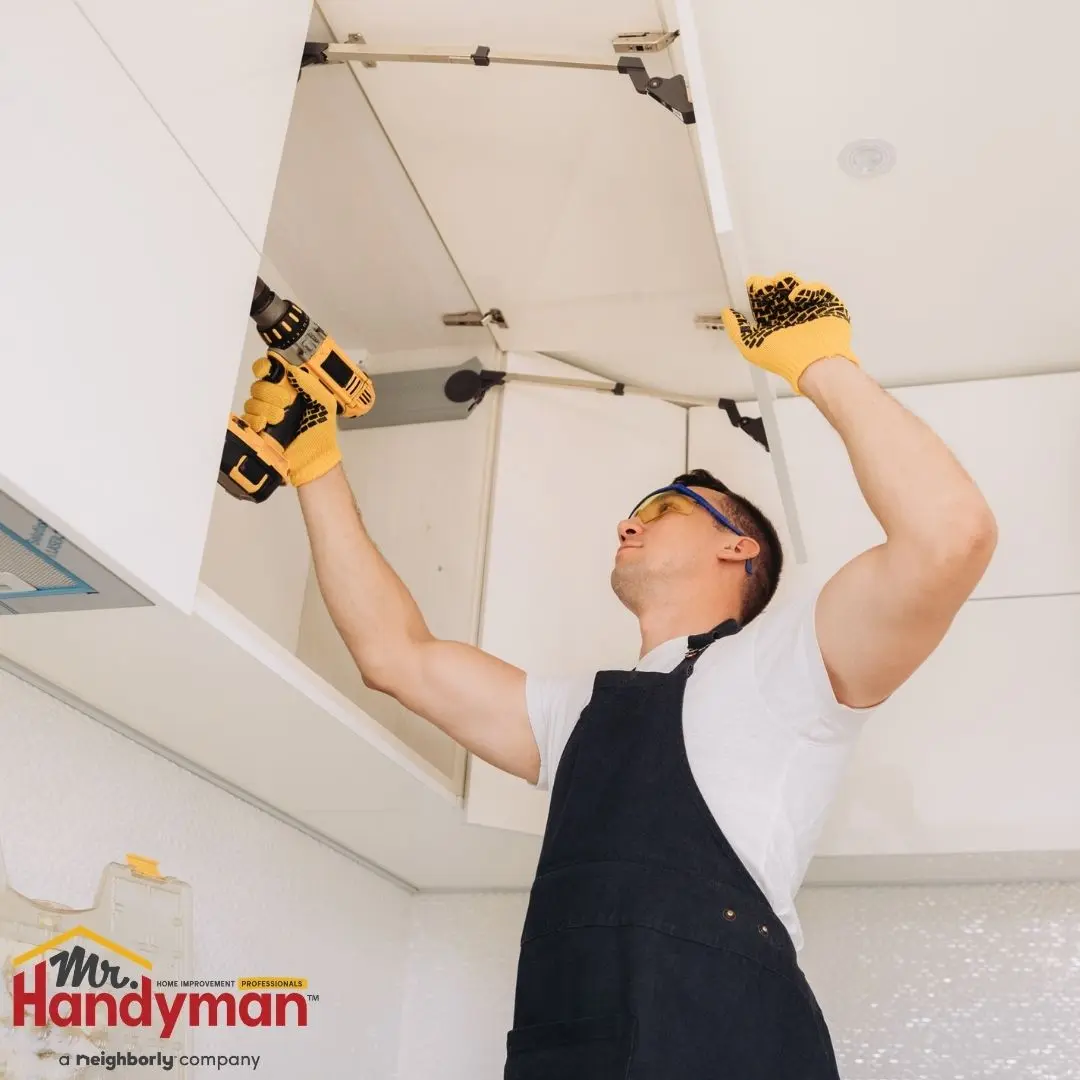
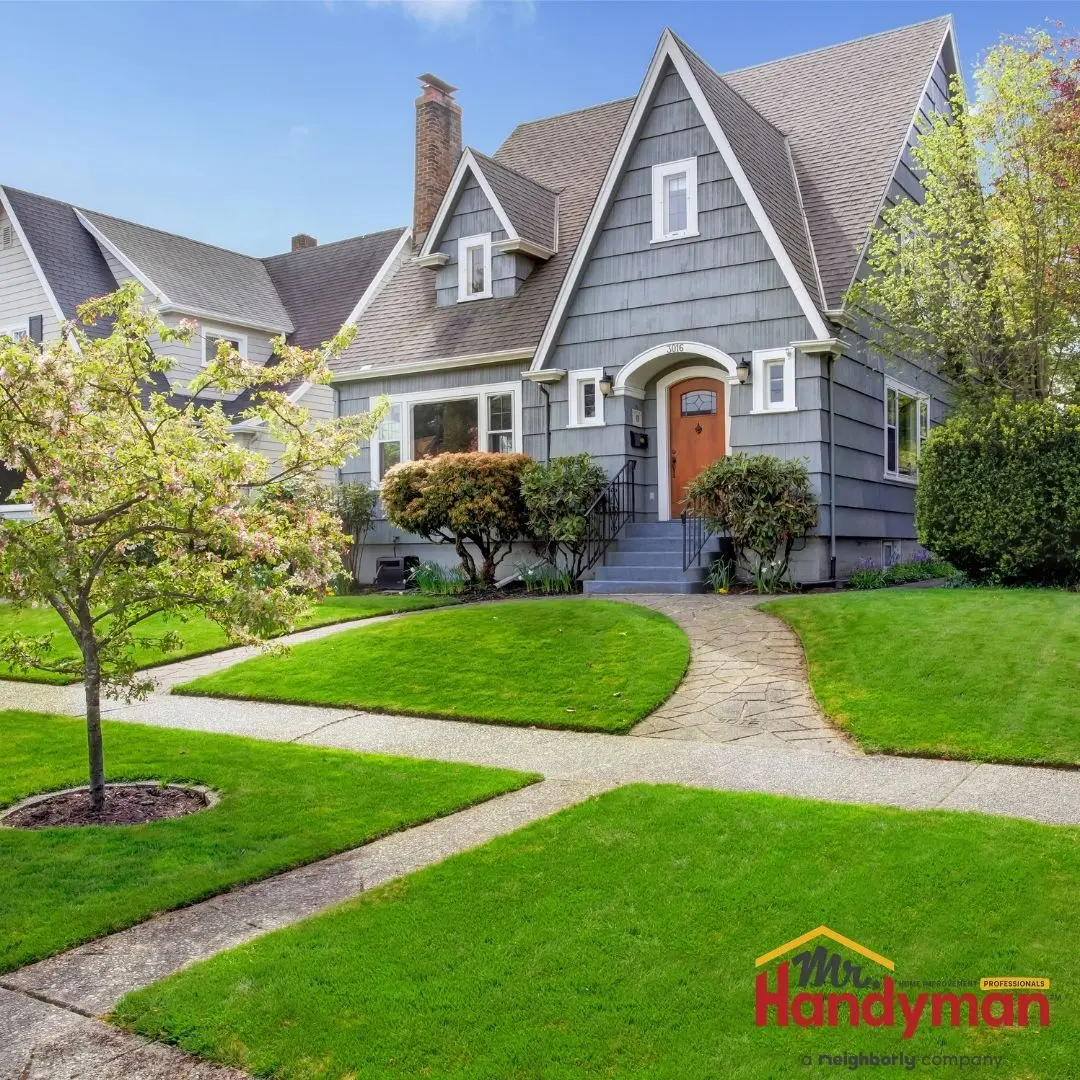
Rockwall attracts a specific kind of homeowner. The decision to live here, with Lake Ray Hubbard as the community's defining geographic feature, the genuine small-town character within reach of a major metropolitan area, and the quality of life that the community's investment in itself reflects, is a deliberate choice made by households who value place, community, and the long-term relationships that come from genuinely putting down roots. These are not transient residents making a temporary housing decision. They are homeowners who have invested in Rockwall with the intention of staying, of participating in the community's life, and of building a home environment that reflects their values over time.
That investment orientation is precisely the context in which routine handyman maintenance makes its strongest case. Homeowners who plan to be in their Rockwall homes for a decade or more are not simply maintaining assets for eventual resale. They are maintaining environments that their family members live in every day, that their neighbors see every week, and that contribute to the overall quality of the community that drew them here in the first place. Routine maintenance is the practice that keeps those environments performing at the standard that the investment they represent deserves.
Rockwall's specific climate and geological conditions add urgency to this case that is not abstract. The clay soil conditions that underlie much of the community's residential land create the foundation behavior that unmonitored maintenance allows to develop from minor symptoms into significant concerns. North Texas's extreme UV and heat accelerate the deterioration of exterior surfaces in ways that maintenance intervals appropriate for moderate climates fail to catch in time. And the severe weather events that North Texas summers deliver regularly test every exterior vulnerability in a single event in ways that reveal deferred maintenance with a thoroughness that gentle weather never achieves.
What Rockwall's Climate Does Without Routine Maintenance
The case for routine maintenance in Rockwall is built on the specific interactions between the community's climate, its geological conditions, and the homes built within them. Understanding what happens to Rockwall homes that are not systematically maintained helps homeowners appreciate why the proactive approach is not simply good practice but genuinely necessary protection for the investment their home represents.
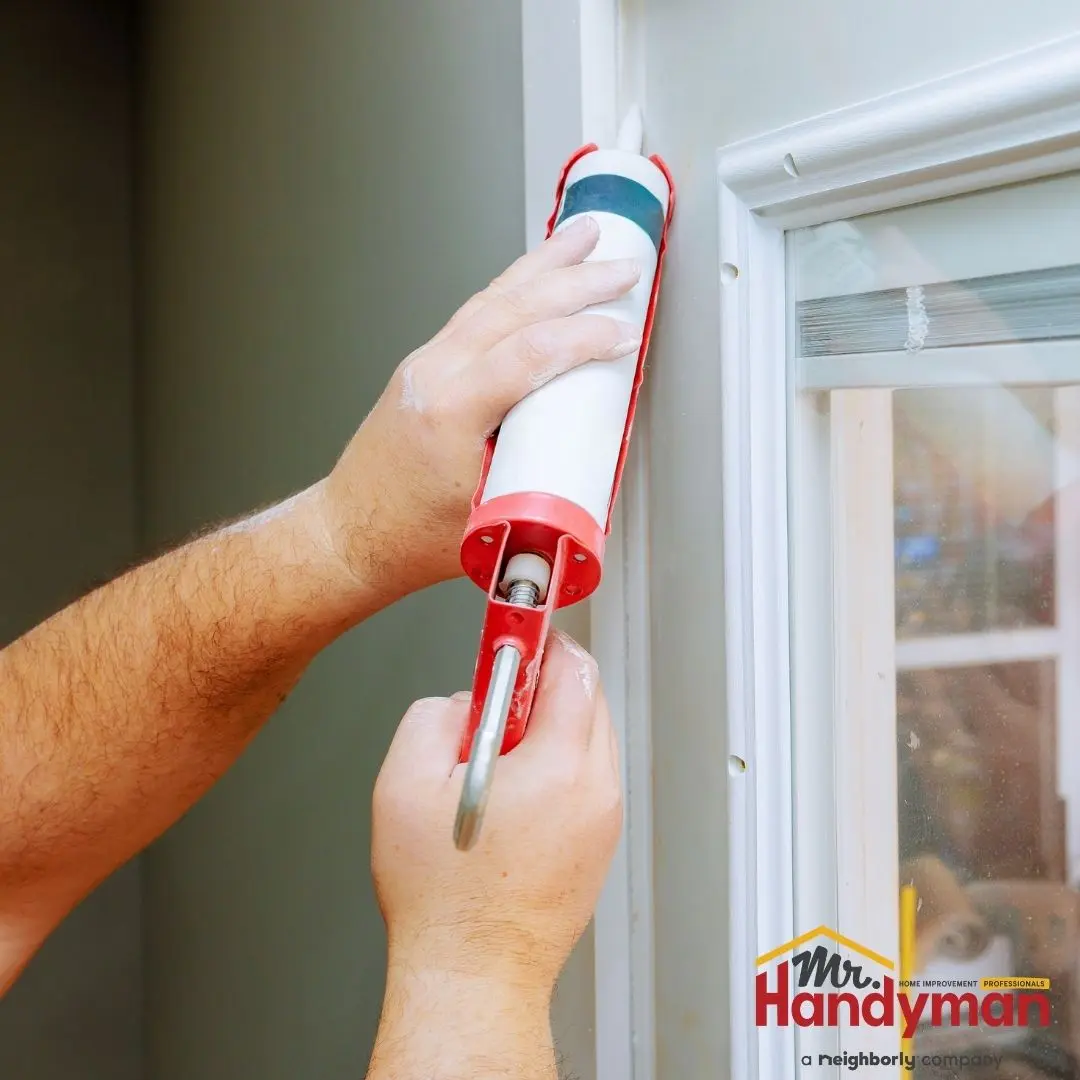
North Texas's extreme UV radiation and heat affect exterior materials at rates that maintenance intervals calibrated to moderate climates consistently miss. Exterior paint films that might hold for seven years in a mild climate may develop adhesion failures in four or five years on south and west-facing Rockwall exposures. Caulking that would last eight years in moderate conditions may require attention every three to four years under North Texas's intensity. A maintenance program calibrated to Rockwall's actual deterioration rates catches these items within the window where correction is straightforward and inexpensive, before the deterioration has progressed to the point where secondary damage has occurred.
The clay soil conditions specific to Rockwall's geological context create a maintenance monitoring requirement that homeowners from stable-soil regions may not initially appreciate. Foundation movement in clay soil is not a single event that occurs and then stabilizes. It is a cyclical, ongoing process that responds to seasonal moisture variation year after year. The doors that begin requiring additional force to close, the cracks at window corners that appear and gradually widen between seasons, and the floor surface conditions that reflect foundation movement are all symptoms of an ongoing process that routine monitoring tracks and addresses within the range where correction is manageable.
The severe weather potential of North Texas summers creates a specific relationship between routine maintenance and post-storm vulnerability. A Rockwall home that is well-maintained, with caulking in good condition, exterior paint protecting the substrate, gutters clear and directing water away from the foundation, and deck and outdoor structures in sound structural condition, manages severe weather events without accumulating interior damage. A home carrying deferred maintenance enters every summer storm season with the vulnerabilities that make each significant weather event potentially costly.
What Routine Maintenance Actually Involves
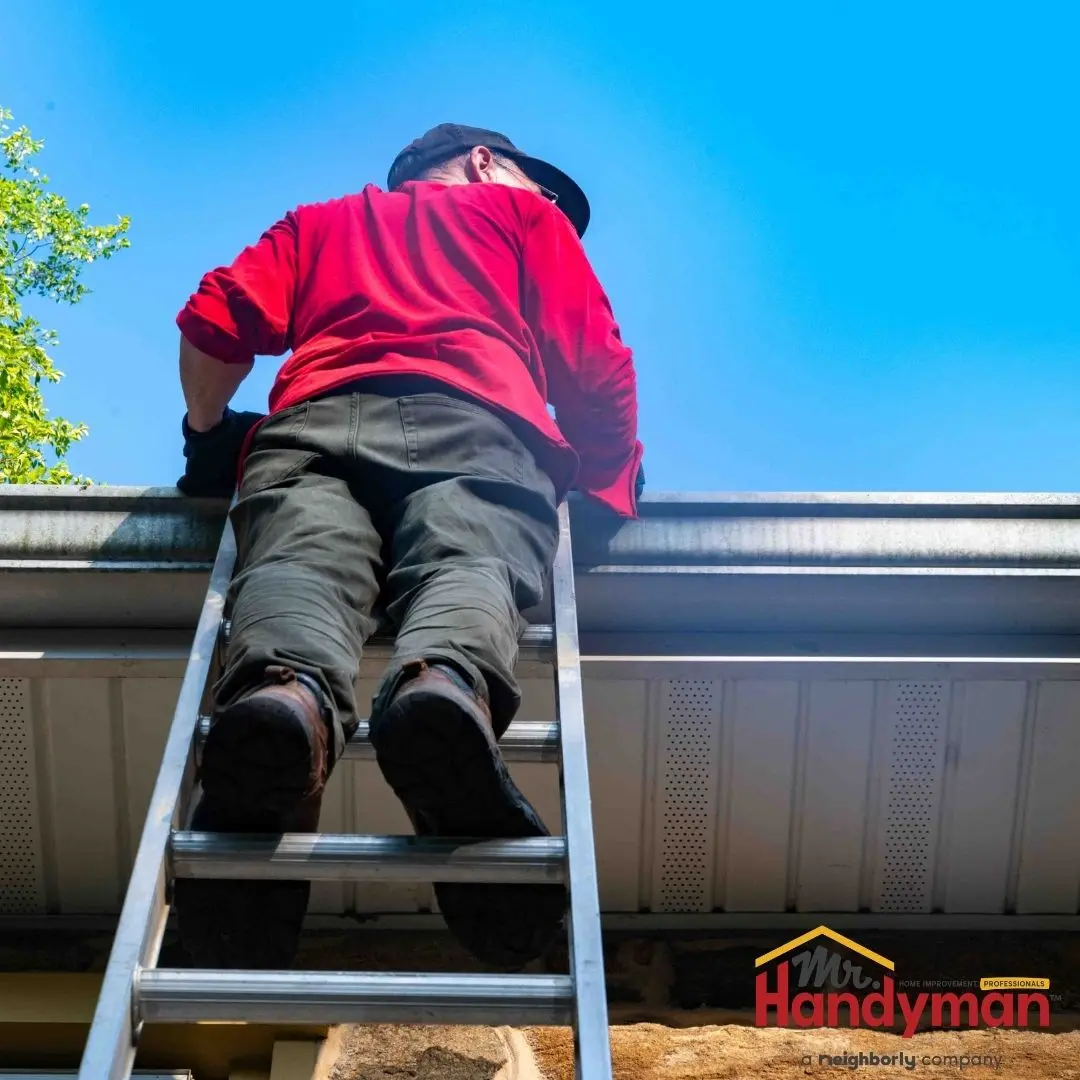
Routine maintenance is not cleaning the home or replacing consumable items. It is a systematic, recurring engagement with the home's physical condition that combines inspection, minor repair, preventative service, and the identification of developing issues before they require significant intervention.
A routine maintenance visit by a skilled handyman in Rockwall covers the home's systems and components in a way calibrated to the community's specific seasonal demands. It includes visual inspection of exterior surfaces for paint failure, caulking deterioration, and wood rot beginnings that North Texas's climate and Rockwall's humidity create. It covers gutters and drainage to confirm they are clear and directing water away from the foundation in ways that clay soil management requires. It addresses interior items including door and window hardware operation, ceiling fan mechanical condition, and any wall or ceiling conditions that indicate developing moisture or structural issues.
Beyond inspection, a routine visit addresses the minor repairs that the inspection identifies. A door hinge that has begun to loosen is tightened before the looseness becomes a functional problem. A caulk joint showing early deterioration is replaced before it opens to infiltration. A deck board showing early checking is treated or marked for replacement before it progresses to the soft spot that compromises the deck's structural integrity. A weatherstripping section that has compressed to the point of reduced sealing is replaced before summer's heat makes the energy impact of the infiltration it allows measurable on the utility bill.
The cumulative effect of this systematic, recurring attention is a Rockwall home that stays in fundamentally better condition over time than one that receives attention only when something fails visibly. The individual repairs are modest. The problems they prevent are consistently more expensive and disruptive.
The Value of a Consistent Handyman Relationship in Rockwall
One of the most underappreciated benefits of routine maintenance conducted by the same skilled service over time is the institutional knowledge that develops about a specific Rockwall home. The handyman who has visited four times a year for three or four years knows things about that home that no first-visit service provider can know.
They know which exterior exposure develops caulking failure most quickly under Rockwall's specific UV conditions. They know which door shows the earliest evidence of the foundation movement that the clay soil creates seasonally, providing an early indicator of the movement cycle that would otherwise go unmonitored. They know which area of the deck showed early wood rot two years ago that was repaired and that requires annual monitoring to confirm the repair is holding. And they know the overall foundation movement pattern that the home's interior crack and door alignment history reveals across multiple seasons of observation.
This accumulated knowledge makes each subsequent maintenance visit more efficient and more valuable. The monitoring of developing conditions across multiple visits provides context that transforms individual symptoms from potential concerns into understood patterns. And the homeowner benefits from a professional relationship built on genuine familiarity with their specific property rather than the repeat uncertainty of introducing a new service provider to the home's specific characteristics with each visit.
In Rockwall's community-oriented environment, where long-term relationships are valued and where the professionals who serve the community are part of its fabric, this kind of ongoing service relationship aligns with the community values that draw households to Rockwall in the first place.
Building a Maintenance Program for a Rockwall Home
For most Rockwall homes, a quarterly maintenance rhythm aligned with the community's specific seasonal demands covers the full range of maintenance needs with appropriate frequency.
A spring visit focused on post-winter assessment and pre-summer preparation addresses the highest-priority items of the year. It covers the exterior caulking and paint failures that winter created, the gutter condition after spring growth, the clay soil movement consequences in door alignment and interior crack patterns, and the pre-summer preparation items that position the home well for the demanding season ahead. This is the most comprehensive visit of the year and the one that prevents the most accumulated damage from entering the summer season unaddressed.
A summer visit focused on the mid-season condition check after the first wave of summer storms confirms that spring preparations are holding and identifies any storm damage requiring attention. It checks the exterior conditions that North Texas's summer UV and heat have affected since spring, confirms that HVAC condensate drains are clear, and notes any developing interior conditions that summer's heat and occasional humidity have created.
A fall visit focused on pre-winter preparation addresses the caulking, weatherstripping, and gutter cleaning that protect the home through the coming cold season. It also notes the current baseline condition of the clay soil movement indicators, providing the comparison point that the following spring's assessment uses to evaluate what the winter's moisture cycle has created.
A winter visit focused on interior systems and cold-weather conditions addresses the items that present during the heating season: door adjustments for the contracted dimensions that the dry winter interior creates, any interior caulking that the season's low humidity has opened, and the interior maintenance items that winter occupancy patterns make visible.
The Financial Case in Rockwall's Specific Context
The financial case for routine maintenance in Rockwall includes dimensions specific to the community's geology and climate that amplify the general return-on-investment argument.
In a market with stable soil conditions, foundation-related repair costs are relatively rare maintenance events. In Rockwall's clay soil context, they are a normal part of the homeownership experience for a significant portion of the community's residential inventory. The relationship between proactive maintenance and foundation-related costs in this specific context is direct: homes where routine maintenance monitors clay soil movement symptoms and addresses the moisture management conditions that drive movement, particularly through gutter maintenance and downspout extension that keeps water away from the foundation perimeter, experience less severe movement cycles and accumulate less foundation-related repair cost over time than homes where these connections are not actively managed.
Rockwall home values reflect the community's desirability, and maintaining that value through documented routine maintenance is a financial return that compounds over the years of ownership that Rockwall's long-term homeowner orientation generates. A home in Rockwall with documented routine maintenance history presents differently to buyers, appraisers, and the neighbors who observe it daily than one where the maintenance record is unclear and where deferred items have accumulated to visible levels.
Frequently Asked Questions
How often should routine handyman maintenance be scheduled for a Rockwall home?
Quarterly visits aligned with Rockwall's seasonal demands provide comprehensive coverage for most homes. The spring visit is the most critical, addressing winter's accumulated wear-and-tear and positioning the home for summer. Older homes with more complex maintenance profiles, homes with documented foundation movement, or homes in the areas of Rockwall where clay soil conditions are most active may benefit from additional monitoring visits. Homes in good condition with less complex maintenance profiles can be well-served by semi-annual visits supplemented by the homeowner's own monthly walkthrough.
How does routine maintenance specifically address Rockwall's clay soil foundation concerns?
Routine maintenance monitors the foundation movement indicators that appear in interior conditions, door and window alignment, and exterior flatwork before they progress to the level that concerns homeowners. It also maintains the moisture management infrastructure, particularly gutters and downspout extensions, that keeps water away from the foundation perimeter and reduces the moisture loading that drives clay soil expansion. This proactive monitoring and moisture management does not eliminate clay soil movement, which is an ongoing geological reality, but it reduces the amplitude of the movement cycles and catches their consequences at the stage where correction is straightforward.
What is the first step for a Rockwall homeowner establishing routine maintenance after years without a systematic program?
Begin with a comprehensive assessment visit that establishes the current condition baseline of the home, identifies accumulated deferred maintenance, and creates the starting point for the ongoing maintenance record. The assessment in a Rockwall home should specifically include current door and window alignment condition as a baseline for clay soil movement monitoring, exterior caulking and paint condition assessment, and any deck or outdoor structure conditions that summer's demands will test.
Is routine maintenance worth the investment for a Rockwall home that may be sold in a few years?
Yes. In Rockwall's residential market, where community desirability supports strong values and where buyers and their inspectors evaluate maintenance history carefully, a home in genuinely maintained condition is a more competitive listing than one where deferred maintenance has accumulated. The pre-listing repairs that deferred maintenance requires consistently cost more and create more timeline uncertainty than the routine maintenance program that would have prevented them.
Protect Your Rockwall Home and Your Investment in This Community
Routine handyman maintenance is the practice that keeps a Rockwall home performing at the standard that the investment it represents and the community it belongs to deserve. The team at Mr. Handyman of Rockwall offers routine maintenance programs tailored to the specific demands that North Texas's climate and Rockwall's geology place on the community's homes.
Visit www.mrhandyman.com/rockwall to schedule your maintenance assessment. We show up on time, work cleanly, and back everything we do with the Neighborly Done Right Promise.
