
Why Walls and Trim Are the Most Overlooked Opportunity in Rockwall
Rockwall homeowners invest in their properties with genuine commitment. The community attracts households who chose it deliberately and who take pride in the homes they maintain and improve. Yet walls and trim, the surfaces that define the interior quality of every room in those homes, are among the last elements most homeowners think about addressing deliberately. They are treated as background until they become impossible to ignore rather than as the active contributors to quality and character that they actually are.
In Rockwall's residential inventory, which is dominated by homes built during the production construction waves of the late 1990s and 2000s, this oversight creates a specific and significant opportunity. These homes were built with the minimal trim profiles, flat wall surfaces, and basic paint applications that production construction budgets reflect. The visual environment they create is functional but architecturally empty, and the gap between what these homes look like when they are delivered and what thoughtful wall and trim updates can make them feel like is genuinely large.
The opportunity exists at both ends of Rockwall's housing spectrum. In the newer production homes where minimal trim and flat walls are the baseline, targeted wall and trim updates create architectural character that the original construction never provided. In the older homes of Rockwall's more established residential areas where original details have deteriorated or been compromised through previous work, restoration and enhancement of those details brings back the quality that the homes were designed to express. Both situations represent meaningful improvement potential at a cost that is accessible relative to the visual impact delivered.
Paint: The Foundation That Determines Everything Else

Paint is the most accessible wall improvement available and simultaneously the most consistently misapplied one. The accessibility is genuine: no specialized tools, no structural disruption, and a result that can be reconsidered if the outcome is not what was hoped for. The misapplication is equally common throughout Rockwall's residential stock, where colors selected from small chips under store lighting, applied to surfaces that were not properly prepared, in finishes that do not suit the room's use all produce results that disappoint regardless of the quality of the color choice itself.
Color selection in Rockwall homes benefits from understanding the specific light conditions the community creates. North Texas receives intense, warm sunlight for most of the year, and that light quality affects how colors read at different times of day and across seasons. Rockwall's lake proximity adds reflected light quality during certain hours and seasons that differs from the light conditions in landlocked suburban communities. Testing paint samples on the actual walls of the room, at multiple times of day, before committing to a full application is the step that most reliably prevents the disappointment of discovering that a color that looked right in the store reads wrong in the actual space.
Surface preparation before repainting is the investment that most homeowners make least enthusiastically and that most directly determines whether the finished result is professional or reveals its shortcuts within a season. In Rockwall's production-built homes where walls have been repainted by successive owners without systematic preparation, the accumulated texture inconsistencies, nail holes, and areas where paint has failed or been poorly applied require specific attention before a fresh coat produces the clean, smooth result that quality repainting delivers.
The finish selection for each room's specific use is a paint decision that most homeowners give less consideration than color. Flat finishes hide imperfections but do not clean well, making them appropriate for low-traffic areas. Eggshell and satin finishes balance the cleanability that family rooms, hallways, and children's rooms require with a surface quality that reflects light appropriately. Semi-gloss is appropriate for trim and doors. These decisions affect the daily livability of each room as much as the color choice.
Wainscoting: Instant Architectural Character

Wainscoting is among the most impactful wall treatments available to Rockwall homeowners precisely because most production-built homes in the community have none. The contrast between a room with appropriate wainscoting and one without is immediate and dramatic, and the investment required is modest relative to the visual transformation delivered.
Board and batten has become the dominant wainscoting style in Rockwall residential renovations over recent years, and its popularity reflects genuine merit in the specific context of the community's housing stock. The clean, graphic pattern of vertical boards with horizontal battens creates architectural character in the flat-walled production homes that defines much of Rockwall's residential inventory, transforming rooms that read as generic into spaces with visual identity. The installation is accessible relative to more complex profiles, and the result works across the range of design directions from the casual, lake-influenced aesthetic that some Rockwall homes favor to the more traditional directions that others pursue.
Raised panel wainscoting belongs in Rockwall's more formally styled homes where the existing architectural details call for millwork with traditional presence. In a dining room or entry hall where the homeowner is pursuing a more traditional residential direction, raised panel wainscoting delivers the layer of architectural richness that complements that intention. The proportional decisions, how high the wainscoting terminates and how the panels are scaled relative to the wall, determine whether the result looks intentional and correct or slightly off.
Beadboard wainscoting suits the casual, outdoor-influenced aesthetic that characterizes a significant portion of Rockwall's residential style. In a mudroom, a casual dining area, or a family room where the design direction leans toward the relaxed quality that Rockwall's lake lifestyle inspires, beadboard adds warmth and texture without the formality of more elaborate profiles.
The height at which wainscoting terminates is the proportion decision that most directly affects whether the result looks intentional. A standard termination height of thirty-two to thirty-six inches for rooms with eight-foot ceilings provides a visual balance that reads as correct. Taller ceilings can support taller wainscoting. The cap rail profile at the top of the wainscoting assembly should complement rather than duplicate the room's existing trim profiles.
Crown Molding: The Detail That Completes Every Room
Crown molding transforms the perceived quality of a room more completely than almost any other single trim update, and in Rockwall's production homes where crown molding is frequently absent or present only as the thinnest possible profile, this transformation is available across most of the community's residential inventory.
A room with appropriate crown molding feels resolved and finished. The ceiling and walls meet at a defined, intentional line rather than at a raw painted corner, and the effect of this detail on the room's overall quality impression is disproportionate to the cost of achieving it. Homeowners who install crown molding in rooms that previously lacked it consistently describe the result as one of the improvements they wish they had made sooner.
Profile selection for crown molding in Rockwall homes should be calibrated to the room's ceiling height and the architectural direction the homeowner is pursuing. A room with eight-foot ceilings benefits from a profile in the three to four inch range that provides presence without overwhelming the wall-to-ceiling transition. Rooms with higher ceilings can accommodate larger profiles that add genuine architectural presence. Contemporary design directions favor simpler profiles with clean lines. Traditional directions support more elaborate profiles with cove, ogee, and bed mold details.
Installation quality is the differentiating factor that determines whether crown molding elevates a room or creates a problem that is impossible to overlook. Tight, properly cut miter joints at corners, consistent reveal off the ceiling and wall surfaces throughout the room, and seamless caulking and painting that makes the installation read as a single continuous element are the execution standards that produce the professional result. These are precision carpentry skills where experience matters, and the difference between a well-executed and poorly executed crown molding installation is immediately apparent to anyone who looks at the room.
Baseboards and Door Casings: The Details That Travel Through Every Room
Baseboards and door casings are the trim elements that communicate interior finish quality most continuously because they are present in every room and at every doorway. In Rockwall's production homes where these profiles are typically the minimal standard that meets basic building requirements, upgrading them produces a quality improvement that travels through every room the new trim enters.
A four or five inch baseboard with a more detailed profile changes how the floor-to-wall transition reads throughout the home. The visual weight of a taller baseboard anchors rooms at the floor plane, makes ceiling heights feel more generous by contrast, and communicates a level of finish quality that the two and a half inch minimum profile never conveyed. This is an improvement whose effect is felt throughout the main level of the home rather than in a single room, making its return on investment particularly strong relative to its cost.
Door casing upgrades add depth and quality at every door opening. A door casing with a backband detail, where an additional trim piece frames the outer edge, adds visual dimension that distinguishes a thoughtful interior from a builder-grade one. In Rockwall homes where the same door opening is seen from multiple rooms simultaneously due to open-plan layouts, the quality of the door casing is visible from a greater volume of the home's interior than any other single trim element.
Consistency throughout the home is as important as the specific profiles selected. Trim that changes character from room to room, that reflects different periods of renovation without coordination, or that mixes profiles in ways that were not intentional communicates a piecemeal approach that individual high-quality details cannot overcome. Establishing a consistent trim standard before beginning any room-specific work, and maintaining that standard through the full scope of the project, produces a home interior that reads as coherently designed.
Specialty Wall Treatments: Targeted Applications in Rockwall Homes
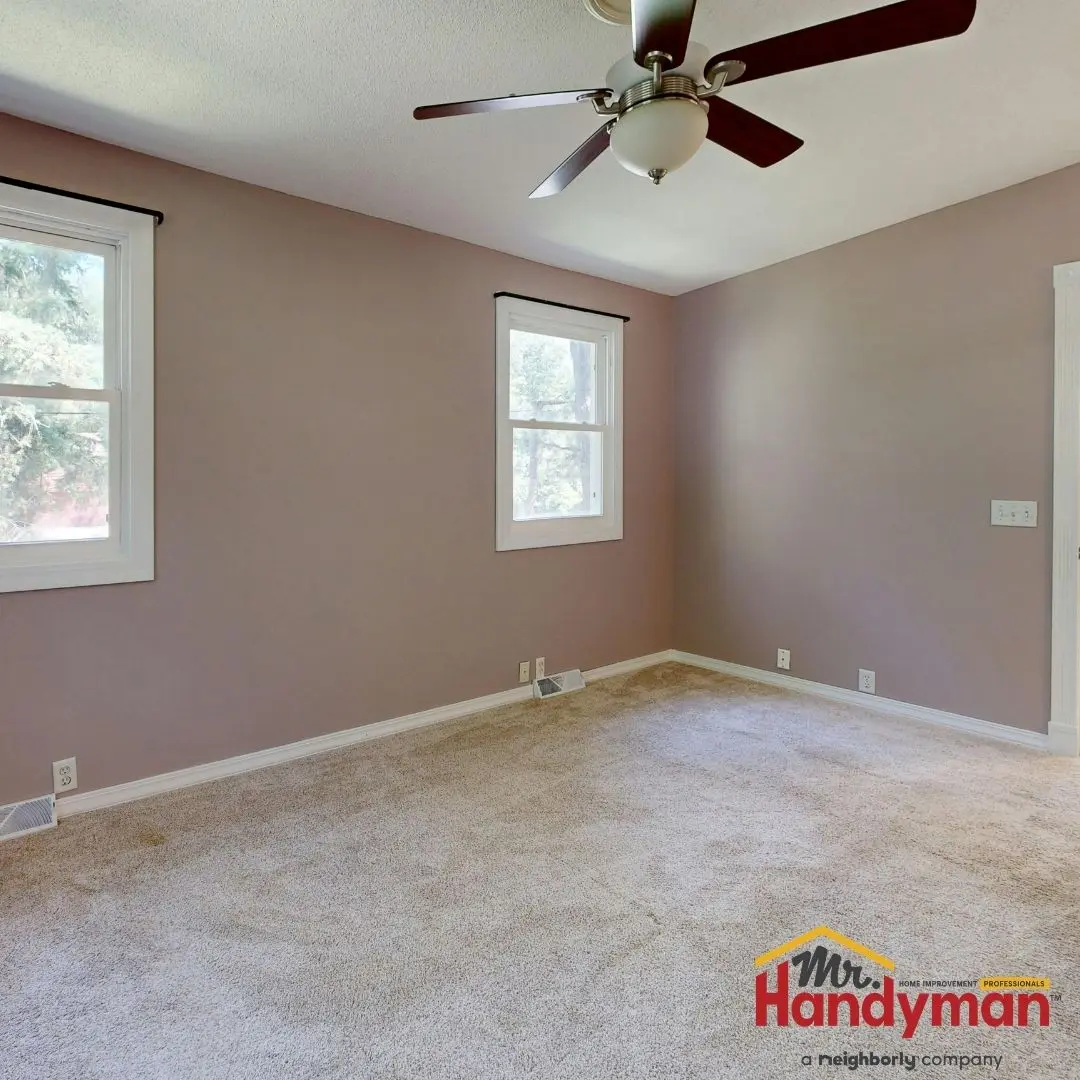
Beyond paint and traditional millwork, specialty wall treatments add texture, depth, and visual interest that flat painted walls cannot achieve. The appropriate application of these treatments in Rockwall's specific residential context determines whether the result feels appropriately tailored to the community's character or generically trendy.
Shiplap on a single accent wall in casual spaces, family rooms, master bedrooms, and the informal dining areas common in Rockwall homes, adds the warmth and texture that suits the relaxed, outdoor-influenced aesthetic of the community's residential style. The horizontal board treatment reads as comfortable and unforced in the casual Rockwall home interior in a way that feels genuinely appropriate rather than applied. Restraint in application, using it in one location in a room rather than on multiple walls, produces the result that looks intentional rather than excessive.
Wallpaper has returned to residential interiors as a genuinely compelling design tool, and current products are dramatically better than their predecessors in durability, removability, and the range of patterns and textures available. The powder room is the most successful wallpaper application in Rockwall homes for the same reasons it works throughout residential design: the small scale makes a bold choice manageable, guest visibility is high, and the visual statement it creates is memorable without requiring the commitment that the same pattern would demand in a larger room.
Ceiling Updates: The Surface Rockwall Homeowners Rarely Consider
The ceiling receives less deliberate attention than any other surface in most homes, and in Rockwall's production-built inventory where popcorn texture ceilings are still present in some homes and flat painted ceilings are standard in others, there is meaningful improvement potential in this overlooked fifth wall.
Popcorn ceiling removal is the most frequently requested ceiling update in Rockwall's residential renovation market, and the improvement it delivers is immediate and significant. Removing the textured surface and replacing it with a smooth painted ceiling transforms the visual quality of the room in a way that homeowners consistently describe as one of the improvements that most changed how the room feels.
A ceiling painted in a complementary color rather than the standard white adds depth and design intention that a white ceiling cannot provide. This is not a common choice in Rockwall's renovation market, which makes it a genuine differentiator for homeowners who want their homes to feel distinctively considered rather than generically updated.
Frequently Asked Questions
What wall or trim update delivers the most visual impact in a Rockwall production home?
Crown molding installation in rooms that currently lack it, combined with baseboard upgrades and a quality repaint in coordinated colors, delivers the highest visual impact per dollar of any interior wall and trim update. These changes travel through every room they enter and make the home feel measurably more finished and architectural throughout.
How do I choose a wainscoting style appropriate for a Rockwall home?
The design direction the homeowner is pursuing is the most reliable guide. Board and batten works across Rockwall's range of home styles from casual to transitional and is the strongest choice for the production-built homes that define much of the community's inventory. Raised panel belongs in formally styled rooms pursuing a traditional direction. Beadboard suits casual spaces and the outdoor-influenced aesthetic that Rockwall's lake lifestyle inspires.
Can wall and trim updates be completed room by room?
Yes, and room by room is the practical approach most Rockwall homeowners take. The important planning consideration is establishing the full trim standard before beginning the first room so that profile choices, paint colors, and hardware are consistent throughout the home as the project progresses over time.
Can a handyman handle crown molding, wainscoting, and trim upgrades in a Rockwall home?
A skilled handyman with finish carpentry experience handles all of the wall and trim updates discussed here, including crown molding installation, wainscoting of all types, baseboard replacement, and the associated painting preparation. These are precisely the projects within the core competency of an experienced residential handyman.
Give Your Rockwall Home's Walls and Trim the Attention They Deserve
The walls and trim of a Rockwall home set the interior quality standard for every room they define. Updating them thoughtfully produces results that are immediately visible throughout every space they touch. The team at Mr. Handyman of Rockwall brings the finish carpentry, painting preparation, and installation expertise to handle every update discussed here.
Call us or visit www.mrhandyman.com/rockwall to schedule your service. We show up on time, work cleanly, and back everything we do with the Neighborly Done Right Promise.