
Why Ceiling Tiles Carry Distinctive Brand Weight Across Southwest Dallas County's Commercial Landscape
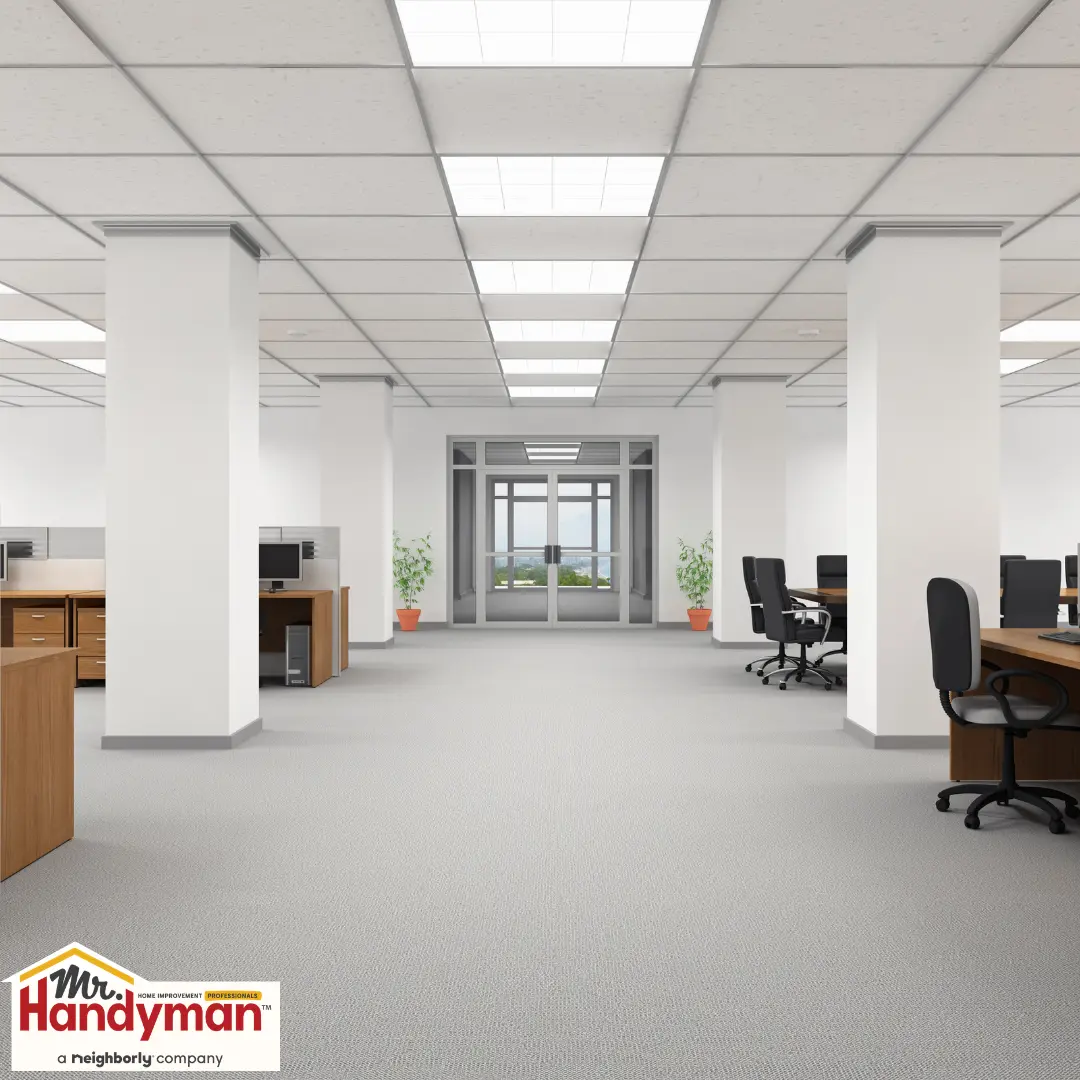
There is a surface in most Southwest Dallas County commercial buildings that covers more square footage than any wall, receives more continuous visual exposure than any other interior element, and communicates the building's maintenance standard to every person who occupies the space below it simultaneously. The suspended grid ceiling, with its field of acoustic tiles visible from every position in the room at once, is the interior surface whose condition most comprehensively establishes the overall impression of a commercial space before any other element registers consciously.
In Southwest Dallas County's diverse commercial landscape, the brand weight that ceiling tile condition carries varies meaningfully across the service area's commercial communities in ways that make uniform ceiling guidance inadequate for this specific market. In Cedar Hill's lake lifestyle commercial environment adjacent to Joe Pool Lake, a stained or deteriorated ceiling tile communicates a maintenance standard inconsistent with the elevated quality that the lake's natural setting and Cedar Hill State Park's landscape character create as a commercial positioning expectation throughout the community. In the established commercial corridors of Duncanville, DeSoto, and Lancaster, ceiling tile condition communicates current investment in mature commercial communities where the active visual comparison between maintained and deferred commercial interiors is most directly apparent to customers traversing those corridors regularly. In Mansfield's growing commercial community, ceiling tile condition communicates the professional investment standard that an increasingly sophisticated commercial population evaluates against the regular new interior quality references that active commercial development creates. And in Grand Prairie's diverse commercial landscape, ceiling conditions serve the varied brand communication and operational quality functions that each specific commercial property type within this large community's extensive commercial inventory most directly requires.
Southwest Dallas County's specific climate conditions create ceiling tile deterioration mechanisms whose combined intensity distinguishes this service area's commercial ceiling management requirements from less climatically demanding markets. North Texas's active spring severe weather season delivers hail events and concentrated rainfall that produce ceiling tile staining through building envelope vulnerabilities across the service area's commercial building stock. Cedar Hill's hillside terrain and Joe Pool Lake proximity create specific storm infiltration conditions for those commercial locations that the combination of terrain-amplified wind exposure and lake-effect meteorological enhancement may produce at intensities exceeding the standard North Texas severe weather that inland Southwest Dallas County commercial properties experience during the same storm events. And the construction era diversity of Southwest Dallas County's commercial building stock, from established commercial corridor buildings in Duncanville, DeSoto, and Lancaster through newer commercial construction in Mansfield's developing corridors, creates the building envelope vulnerability range whose storm infiltration probability varies as meaningfully as the buildings' specific construction eras and service histories.
Ceiling tile replacement falls entirely within Mr. Handyman of Southwest Dallas County's permitted handyman scope under Texas law as general maintenance work requiring no licensed specialty contractor involvement.
What Causes Ceiling Tile Deterioration Across Southwest Dallas County's Commercial Building Stock
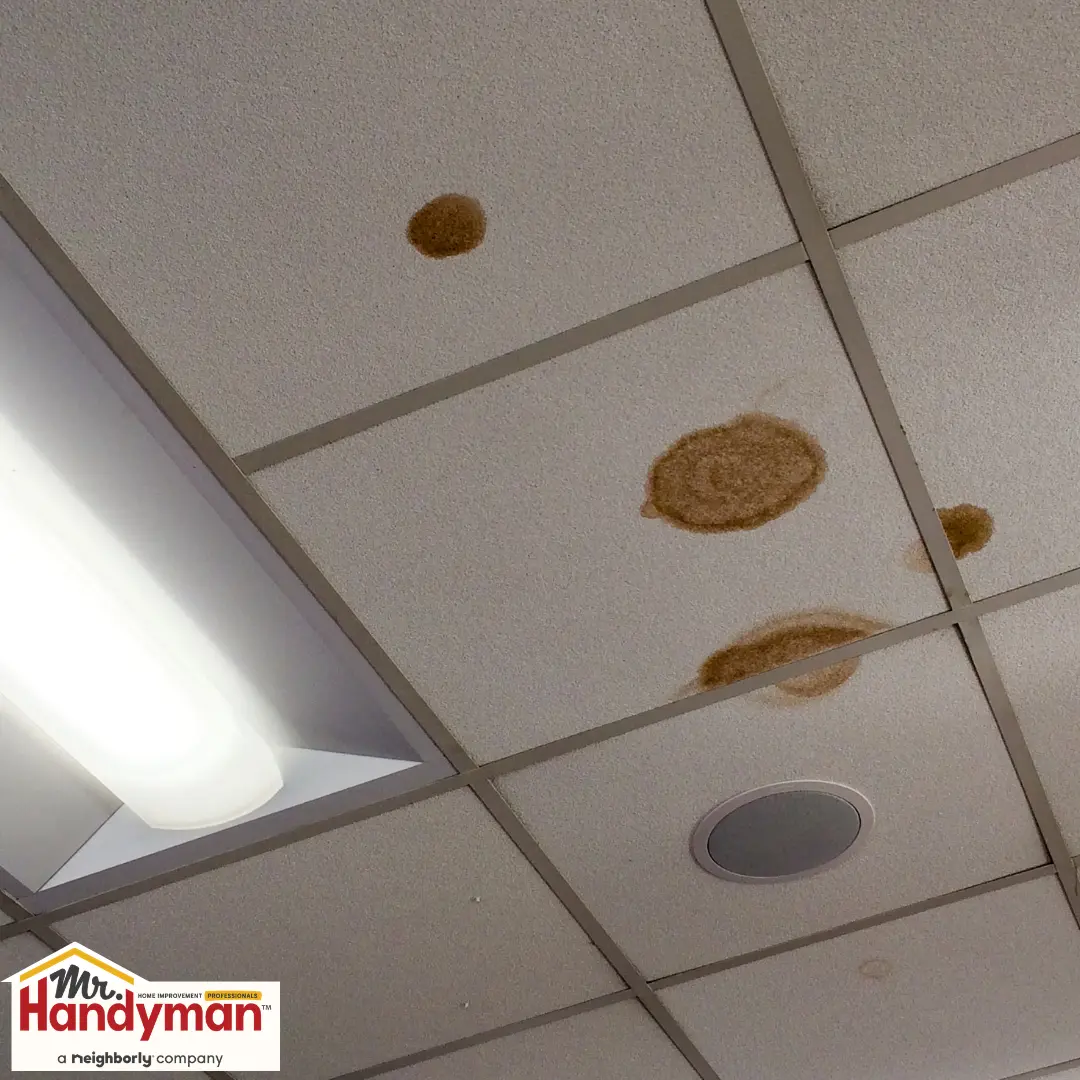
Spring Storm Infiltration Across Southwest Dallas County's Varied Commercial Buildings
Water staining is the most visually impactful ceiling tile condition throughout Southwest Dallas County's commercial building stock, and the service area's active spring severe weather season creates staining events at rates that the community's storm history produces more regularly than commercial markets in less storm-active regions experience. The specific storm infiltration mechanisms that produce ceiling tile staining in Southwest Dallas County's commercial buildings vary across the service area's construction era and terrain diversity in ways that require building-specific assessment rather than uniform assumptions about storm infiltration sources.
In Southwest Dallas County's established commercial corridor buildings in Duncanville, DeSoto, and Lancaster, storm infiltration through building envelope vulnerabilities that accumulated service through multiple North Texas spring storm seasons and North Texas thermal cycling years has advanced produces the staining patterns that construction era buildings' specific vulnerability conditions create. Roof-to-parapet wall transitions in masonry commercial buildings from earlier construction eras, original or previous generation flashing conditions that multiple thermal cycling and storm loading years have compromised, and original penetration sealant conditions that decades of service have depleted all create infiltration pathways that Southwest Dallas County's concentrated spring rainfall exploits when storm intensity and wind-driven rain direction tests those specific conditions.
In Cedar Hill's hillside commercial buildings, storm infiltration patterns reflect both the standard building envelope vulnerability conditions that all commercial buildings carry and the terrain-specific drainage and wind exposure conditions that Cedar Hill's hillside character creates during storm events. Terrain drainage that concentrates storm water at specific building perimeter locations during heavy rainfall, wind-driven rain from terrain-amplified directions that test building envelope joints at angles that flat terrain storm approaches don't replicate, and the potential lake-effect enhancement of convective storm intensity at Cedar Hill's lake-proximate commercial locations all contribute to the storm infiltration picture that hillside and lake-proximate commercial buildings face during Southwest Dallas County's active spring storm season.
In Mansfield's newer commercial construction, storm infiltration occurs through the building envelope conditions of more recently installed systems whose quality reflects the contractors and installation standards of the relatively recent construction era, and whose storm performance in the specific conditions that Southwest Dallas County's severe weather season produces is still being established through actual storm event experience.
The critical sequence applies universally throughout Southwest Dallas County's commercial landscape: confirmed infiltration source resolution before ceiling tile replacement. Tiles replaced before infiltration source resolution in any Southwest Dallas County commercial building will be stained again through the next significant storm event that exploits the unresolved building envelope vulnerability those tiles were replaced above. For Cedar Hill's lake-proximate commercial buildings where the warm, humid post-storm conditions that Joe Pool Lake's proximity maintains following spring storm events advance biological growth behind storm-infiltrated building assemblies faster than drier inland post-storm conditions allow, the urgency of source resolution before replacement is greater than equivalent inland commercial ceiling replacement timing would create.
Cedar Hill's Lake Proximity Biological Growth on Ceiling Tiles
Joe Pool Lake's proximity creates elevated humidity conditions in Cedar Hill's lake-proximate commercial buildings that advance biological growth on ceiling tile surfaces more actively than inland Southwest Dallas County commercial buildings without equivalent lake proximity experience in the same regional climate. Ceiling tiles in Cedar Hill's lakefront and lake-proximate commercial buildings without adequate antimicrobial surface treatment may develop the mold and mildew surface growth that the combination of North Texas summer warmth and lake proximity elevated humidity supports at rates that equivalent tiles in inland commercial buildings without lake proximity don't replicate at the same intensity.
This Cedar Hill-specific lake proximity biological growth dimension makes tile specification for replacement programs in those specific commercial buildings more demanding than the specification appropriate for inland Southwest Dallas County commercial replacement programs. Replacement tiles with antimicrobial surface treatment appropriate for the biological growth challenge that lake proximity humidity creates produce longer service life between replacement cycles than standard specification tiles without adequate antimicrobial protection in Cedar Hill's most humidity-intensive commercial environments near Joe Pool Lake.
Age-Related Discoloration Across Southwest Dallas County's Commercial Building Age Range
Commercial acoustic ceiling tiles throughout Southwest Dallas County's commercial buildings develop the yellowing, graying, and surface texture deterioration that accumulated age combined with North Texas's specific climate conditions advances through each commercial building's operational history. In Southwest Dallas County's established commercial corridor buildings in Duncanville, DeSoto, and Lancaster where ceiling tile installations may have been in service through multiple decades of commercial building operation, the accumulated discoloration and surface deterioration that extended service has produced creates the visual inconsistency between aged and newer tiles that tells each commercial ceiling's service history rather than communicating current maintenance investment.
The UV exposure that North Texas's intense summer sun delivers through skylights and large commercial windows advances tile surface photodegradation at those specific ceiling locations in ways that produce the uneven discoloration pattern distinguishing UV-exposed sections from less-exposed adjacent sections in the same ceiling field. Commercial buildings throughout Southwest Dallas County with south and west-facing commercial window glazing creating significant interior UV exposure show this UV-related discoloration pattern at the specific ceiling areas those windows illuminate most directly.
Physical Damage From Operational Access
Southwest Dallas County's commercial buildings with active mechanical, electrical, and IT infrastructure requiring regular plenum access generate the physically damaged, cracked, and improperly replaced tiles that accumulate throughout the ceiling fields of commercially active buildings. In Southwest Dallas County's established commercial corridor buildings where technology infrastructure upgrades, HVAC service for North Texas's demanding cooling requirements, and electrical modifications for evolving commercial operations have generated ongoing plenum access through multiple commercial use years, ceiling tile damage from accumulated access events creates the irregular ceiling condition that comprehensive replacement programs address more cost-effectively than purely reactive individual tile replacement following each access event.
The Business Case for Regular Replacement Across Southwest Dallas County's Commercial Districts

Cedar Hill's Lake Lifestyle Quality Standard
The lake lifestyle quality expectation that Joe Pool Lake creates throughout Cedar Hill's commercial landscape establishes a ceiling condition standard that systematic replacement programs maintain and that deferred maintenance undermines in ways particularly visible against the premium positioning that the lake's natural setting supports. In Cedar Hill's commercial environment where businesses compete for customers whose lake lifestyle quality expectations have been shaped by the natural amenities that define the community, ceiling conditions showing visible deterioration communicate the maintenance investment gap that the community's quality standard makes commercially consequential in ways that equivalent deferred conditions in commercial communities without lake lifestyle premium positioning don't create at the same contrast intensity.
A Cedar Hill commercial space whose ceiling presents at uniformly high quality with replacement tiles in current specification communicates the systematic maintenance investment that aligns with the lake lifestyle quality that Joe Pool Lake's setting appropriately supports. In a commercial community where the lake's natural amenities create the quality expectation that every customer interaction is evaluated against, ceiling tile condition communicating systematic current investment contributes to the overall impression that Cedar Hill's commercial character rewards most consistently.
Duncanville's, DeSoto's, and Lancaster's Established Commercial Community Standards
In Southwest Dallas County's established commercial corridor communities, ceiling tile condition communicates current investment within the active visual comparison that mature commercial corridors create among businesses whose interior conditions represent varied maintenance investment levels. Customers who regularly traverse Duncanville's, DeSoto's, and Lancaster's commercial corridors develop familiarity with the varied interior quality levels that those corridors present, and businesses whose ceiling conditions communicate systematic current maintenance present favorably in that active comparison against businesses whose ceilings show accumulated deferred attention.
For businesses operating in Southwest Dallas County's established commercial corridors whose ceiling tile installations reflect earlier installation eras and whose accumulated service condition communicates that history rather than current investment, comprehensive ceiling tile replacement establishing a new uniform quality baseline produces the most complete impression transformation available through a single interior maintenance investment. Complete field replacement in established commercial corridor buildings that may carry varied tile specification from multiple partial replacement programs over their commercial history establishes the uniform quality and specification consistency that partial replacement programs producing mismatched tile generations don't achieve.
Mansfield's Growing Commercial Community Standard
Mansfield's active commercial development creates regular new interior quality references that increasingly establish the ceiling condition standard that the community's growing customer population evaluates existing commercial interiors against. Commercial properties in Mansfield's developing corridors whose ceiling conditions reflect earlier installation eras without systematic replacement present against the active comparison that newer commercial buildouts with pristine ceiling conditions create in a commercial community where new construction regularly provides current quality reference points. Regular ceiling tile replacement programs maintaining ceiling conditions at standards consistent with current installation quality protect each Mansfield commercial property's competitive positioning in a community whose active commercial development continuously refreshes the quality standard against which all commercial interiors are compared.
Grand Prairie's Diverse Commercial Property Types
Grand Prairie's diverse commercial landscape creates ceiling tile replacement business cases that vary across the commercial property types this large community encompasses. Entertainment commercial operations in Grand Prairie face the hospitality quality stakes that guest experience evaluation creates for ceiling conditions in commercial spaces whose atmosphere contributes to the overall entertainment experience assessment. Healthcare and professional service commercial properties in Grand Prairie face the patient safety, regulatory compliance, and professional credibility stakes that clinical and professional commercial ceiling conditions create. And the varied retail and service commercial operations throughout Grand Prairie's extensive commercial landscape face the conventional commercial impression stakes that ceiling condition communicates to every customer who enters those spaces.
Planning Effective Ceiling Tile Replacement Programs Across Southwest Dallas County
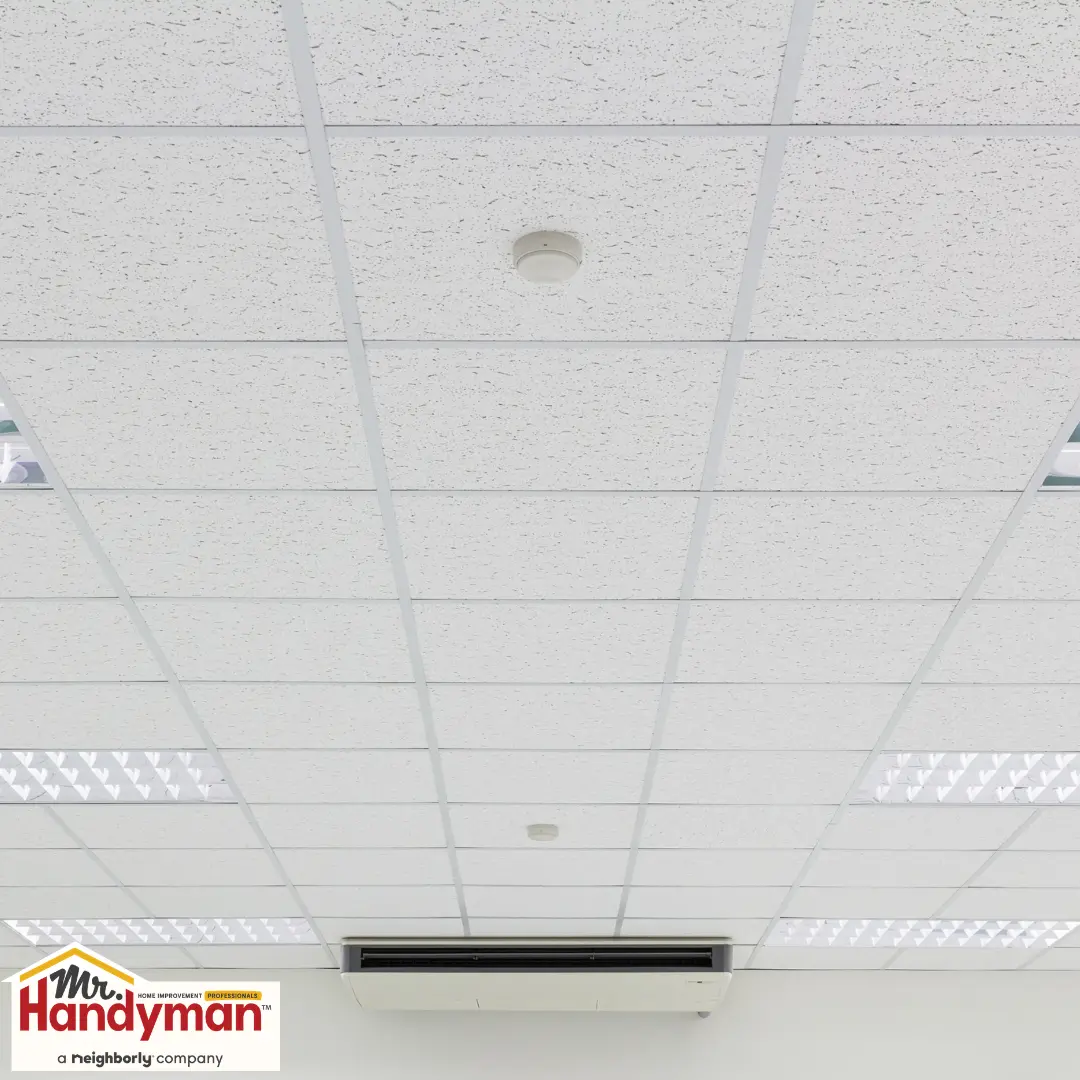
Tile Specification for Southwest Dallas County's Varied Commercial Conditions
Effective ceiling tile replacement programs across Southwest Dallas County's commercial building stock require product specification appropriate for each specific commercial context's performance requirements rather than uniform specifications developed without regard for the service area's condition diversity.
For Cedar Hill's lakefront and lake-proximate commercial buildings where Joe Pool Lake's proximity creates the biological growth challenge that standard specification tiles without adequate antimicrobial protection underperform against, replacement tile specification including antimicrobial surface treatment produces longer service life between replacement cycles than standard specification in those specific commercial environments. For commercial spaces with significant UV exposure through south and west-facing commercial windows, UV-stable surface treatments at those specific ceiling locations produce more consistent long-term color stability than standard tiles whose surface photodegradation advances through the UV exposure those locations receive.
For Southwest Dallas County's established commercial corridor buildings in Duncanville, DeSoto, and Lancaster where ceiling tile installations from earlier installation eras may not precisely match current available product specifications, complete field replacement with current product producing uniform quality throughout the ceiling field is typically more appropriate than partial replacement creating the visual mismatch that mismatched tile specifications produce when older and newer tiles share the same ceiling field.
For professional service and healthcare commercial properties throughout Southwest Dallas County, acoustic performance specification appropriate for the speech privacy and sound quality requirements those commercial environments professionally require should guide replacement tile selection alongside the visual quality and maintenance durability specifications that all commercial replacement programs appropriately include.
Assessment Timing Calibrated to Southwest Dallas County's Storm Season
Ceiling tile assessment in Southwest Dallas County commercial buildings benefits from timing calibrated to the spring storm season that the service area's North Texas position creates. Post-storm assessment following each significant storm event during the active April through June peak severe weather period identifies newly stained tiles and initiates the source investigation sequence before replacement proceeds. Annual pre-season assessment completed in February or early March before Southwest Dallas County's spring storm season can deliver significant events provides the comprehensive ceiling condition evaluation determining whether targeted or complete field replacement is appropriate before the current season begins adding new staining to existing conditions.
Post-hail assessment following each significant hail event specifically evaluates ceiling fields for new staining that may develop in the weeks following the hail event through the delayed infiltration mechanism that hail membrane damage creates, supplementing the immediate post-storm assessment with the follow-up evaluation that Southwest Dallas County's hail exposure makes an important component of comprehensive ceiling management.
For Cedar Hill's hillside and lake-proximate commercial buildings where the specific storm exposure conditions those locations face may produce more pronounced storm effects than equivalent inland flat terrain commercial buildings experience during the same regional storm events, post-storm assessment following each significant event is particularly important for identifying the ceiling conditions that Cedar Hill's specific storm exposure creates.
Coordinating Replacement With Southwest Dallas County Commercial Operations
Ceiling tile replacement in Southwest Dallas County commercial buildings benefits from coordination with each specific business's operational schedule. Healthcare commercial properties in Southwest Dallas County with appointment-based patient scheduling have specific service windows that between-appointment and evening scheduling accommodates. Retail commercial properties along Southwest Dallas County's commercial corridors have pre-opening and post-closing service windows. Entertainment commercial properties in Grand Prairie with concentrated evening and weekend activity have daytime service windows. Professional service commercial properties have weekend service availability that client-facing operations during business hours preserve. Mr. Handyman of Southwest Dallas County works around each commercial business's specific operational schedule rather than requiring operational accommodation of a service timeline that disrupts normal commercial activity.
Frequently Asked Questions
Which ceiling tile replacement tasks can Mr. Handyman of Southwest Dallas County perform under Texas law?
Mr. Handyman of Southwest Dallas County performs ceiling tile replacement and suspended grid ceiling maintenance within the permitted handyman scope under Texas law including individual tile replacement, coordinated multi-tile replacement programs, complete ceiling field replacement, and suspended grid rail and cross-tee assessment and straightening within the maintenance scope. Work on hardwired electrical fixtures, HVAC components, fire suppression system components, and other mechanical systems accessible through the ceiling plenum requires licensed specialty contractor involvement under Texas Occupations Code Chapter 1301 and Chapter 1305.
How does Cedar Hill's lake proximity specifically affect ceiling tile specification for replacement programs?
Joe Pool Lake's proximity creates elevated humidity conditions in Cedar Hill's lakefront and lake-proximate commercial buildings that advance biological growth on ceiling tile surfaces more actively than inland Southwest Dallas County commercial buildings without equivalent lake proximity experience. Replacement tile specification including antimicrobial surface treatment appropriate for the biological growth challenge that lake proximity humidity creates produces longer service life in those specific commercial environments than standard specification tiles without adequate antimicrobial protection. The antimicrobial specification dimension is most important for Cedar Hill's commercial properties with the most direct lake proximity and most elevated humidity conditions, and remains relevant but less critical for properties farther from the lake where distance moderates the humidity elevation that lake proximity creates.
How does Southwest Dallas County's established commercial building stock affect ceiling replacement programs?
Southwest Dallas County's established commercial corridor buildings in Duncanville, DeSoto, and Lancaster may carry ceiling tile installations from multiple previous installation generations whose varied specifications create visual mismatch when partial replacement programs add current specification tiles to fields that include earlier specification tiles. Complete field replacement that establishes a new uniform specification baseline is typically more appropriate for these established commercial buildings than partial replacement that compounds the visual inconsistency of mismatched tile generations. Additionally, the building envelope vulnerability conditions that established commercial corridor buildings' construction eras create may produce more regular storm infiltration staining than newer commercial construction, making the source-first replacement protocol and regular assessment programming particularly important for those specific buildings.
What is the most cost-effective ceiling tile replacement approach for a Southwest Dallas County commercial building with both storm staining and age discoloration?
When a Southwest Dallas County commercial ceiling field contains both spring storm infiltration staining at specific locations and age-related discoloration throughout, complete field replacement addressing both conditions simultaneously is consistently more cost-effective than sequential partial replacement programs. Complete field replacement eliminates both conditions simultaneously, requires only one replacement program, and produces the uniform ceiling quality that Southwest Dallas County's commercial communities establish as the appropriate maintenance standard. For Cedar Hill's lake-proximate commercial buildings, specifying replacement tiles with antimicrobial treatment appropriate for lake proximity biological growth conditions alongside the moisture resistance appropriate for the spring storm infiltration risk produces specifications supporting the longest service life between replacement cycles in those specific commercial environments.
How should Southwest Dallas County commercial properties sequence ceiling tile replacement with other improvement programs?
Ceiling tile replacement should follow completion of any planned licensed contractor work above the ceiling plane, including HVAC service, electrical work, and any building system work requiring plenum access. Interior painting in the commercial space should complete before ceiling tile replacement to prevent paint overspray affecting newly installed tiles. Infiltration source resolution confirmed by licensed roofing and building envelope contractors should precede tile replacement at any location where storm staining indicates previous infiltration. This sequencing produces the most complete and most durable ceiling improvement outcomes for Southwest Dallas County commercial properties across the service area's varied commercial building types and community contexts.
The Ceiling That Communicates Southwest Dallas County's Community Standard
Every person who enters a Southwest Dallas County commercial space looks at the ceiling, and in a service area whose remarkable commercial diversity creates varied ceiling condition standards from Cedar Hill's lake lifestyle quality expectation through the established commercial corridor standards of Duncanville, DeSoto, and Lancaster through Mansfield's growing commercial community expectations through Grand Prairie's diverse commercial property types, ceiling tile condition communicating systematic maintenance investment and professional attention reinforces each business's quality standard within its specific Southwest Dallas County commercial context. Ceiling tile condition carrying the accumulated evidence of North Texas's active spring storm season, the service area's construction era diversity's specific building envelope vulnerabilities, and the physical damage from commercial building operational access communicates the opposite.
Mr. Handyman of Southwest Dallas County works with commercial property owners and business operators throughout the service area's varied commercial communities on ceiling tile replacement programs of every scope, from individual tile replacement through coordinated multi-tile programs through complete field replacement, within the permitted handyman scope under Texas law and with the Southwest Dallas County commercial diversity awareness that this service area's remarkable range of commercial contexts demands.
Website: https://www.mrhandyman.com/southwest-dallas-county/
Serving Southwest Dallas County and the surrounding communities with dependable service and the expertise your home deserves.
