
Why Facility Condition Carries Community Meaning in This Market
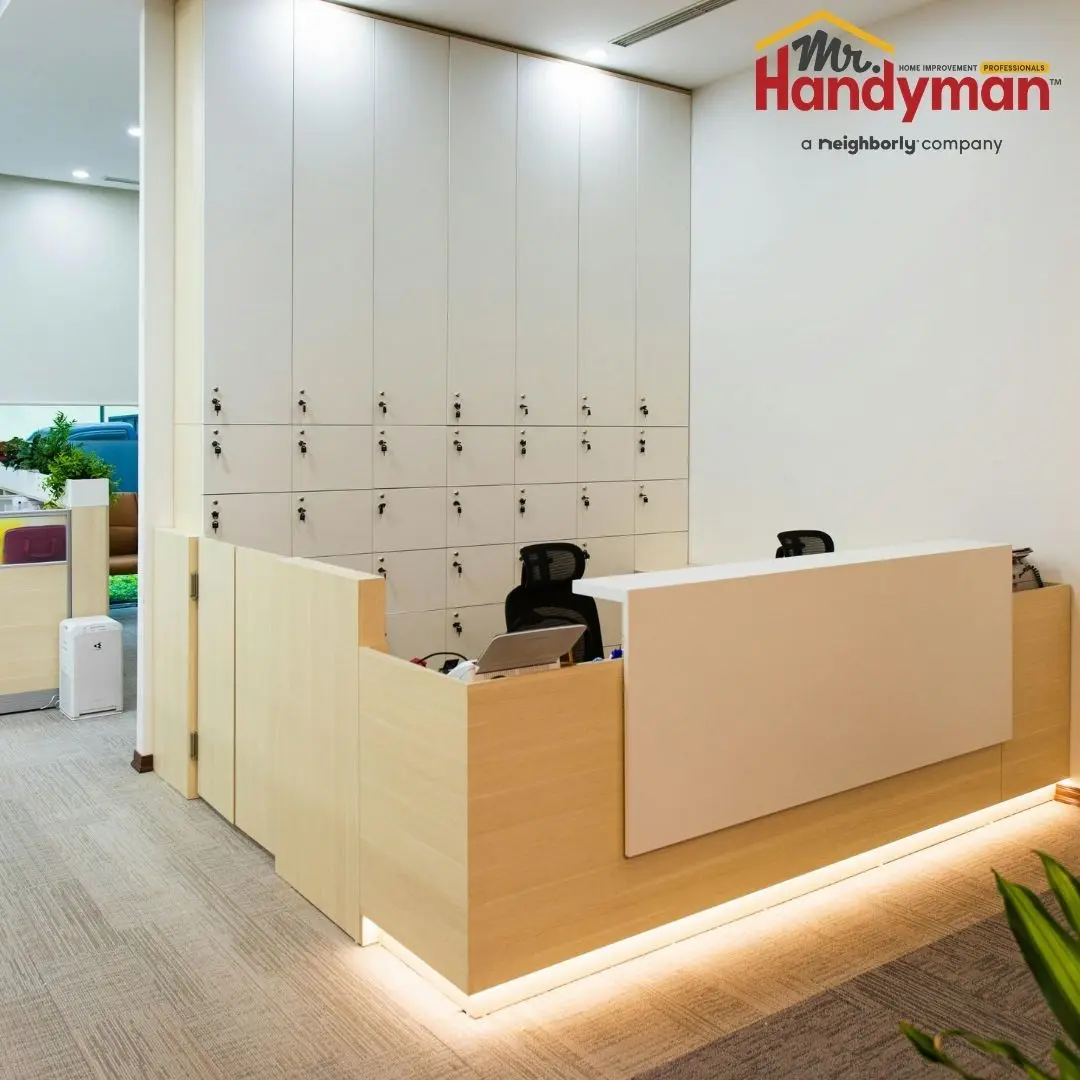
Southwest Dallas County's commercial environment operates within a community context that distinguishes it from more transactional commercial markets. The businesses of Cedar Hill, DeSoto, Duncanville, Grand Prairie, Irving, and Oak Cliff serve neighborhoods where customers have chosen to support local commerce, where business owners are part of the community fabric, and where the relationship between a business and its customer base extends beyond individual transactions into the ongoing community connection that defines life in these neighborhoods.
In that context, the condition of a business's entryway and customer areas communicates something that goes beyond the generic customer experience calculus that applies in any commercial environment. It communicates whether the business values the community members who walk through its doors enough to maintain the spaces those community members use. It communicates whether the investment the business owner has made in this neighborhood is genuine and ongoing or whether the initial commitment has been followed by the gradual withdrawal that deferred maintenance represents. And it communicates whether the experience the business promises is reflected in every aspect of its operation, including the spaces that customers encounter before and around the core service or product being offered.
Southwest Dallas County's customer base reads these communications accurately and responds to them in ways that are specific to community-oriented markets. A customer who notices that a business's entry is well-maintained and that the spaces they move through communicate active care is a customer who is predisposed to trust the business and to return. In neighborhoods where word of mouth travels through genuinely connected community networks, that predisposition multiplies through the recommendations and community conversations that community-invested customers share. The opposite dynamic operates with equal effectiveness when facility condition communicates neglect.
The Entry as a Community Investment Statement

The entryway of a Southwest Dallas County business is the first physical space that every customer experiences, and its condition establishes the impression that shapes every subsequent interaction during the visit. In communities where customers are genuinely invested in the businesses they support, that impression carries weight that exceeds what it would carry in more anonymous commercial settings.
The specific character of Southwest Dallas County's diverse communities creates a customer base that brings a wide range of backgrounds and expectations to the commercial spaces they visit. What is consistent across that diversity is the response to genuine care and investment. A business entry that communicates that someone has paid attention, that maintenance has been performed, that the space has been considered from the customer's perspective rather than simply tolerated as a functional necessity, creates a positive impression that transcends any specific aesthetic preference.
For Southwest Dallas County businesses that have invested in quality service, quality products, and genuine community engagement, maintaining the entry and customer areas at a standard consistent with those investments is not an optional enhancement. It is the completion of a comprehensive quality commitment. The gap between excellent service delivered in a poorly maintained facility and excellent service delivered in a well-maintained one is a gap that sophisticated community customers notice and factor into their long-term relationship with the business.
The practical case rests on the same behavioral evidence that applies in any commercial market: customers who enter well-maintained commercial spaces arrive with positive predispositions that influence their behavior throughout the visit. They engage more readily, spend more time, and leave more satisfied. In Southwest Dallas County's community-oriented commercial environment, the additional dimension of recommendation and community word of mouth amplifies the behavioral impact of facility impression in ways that make the investment in maintained customer areas genuinely consequential for business performance.
Flooring: Communicating Quality From the First Step
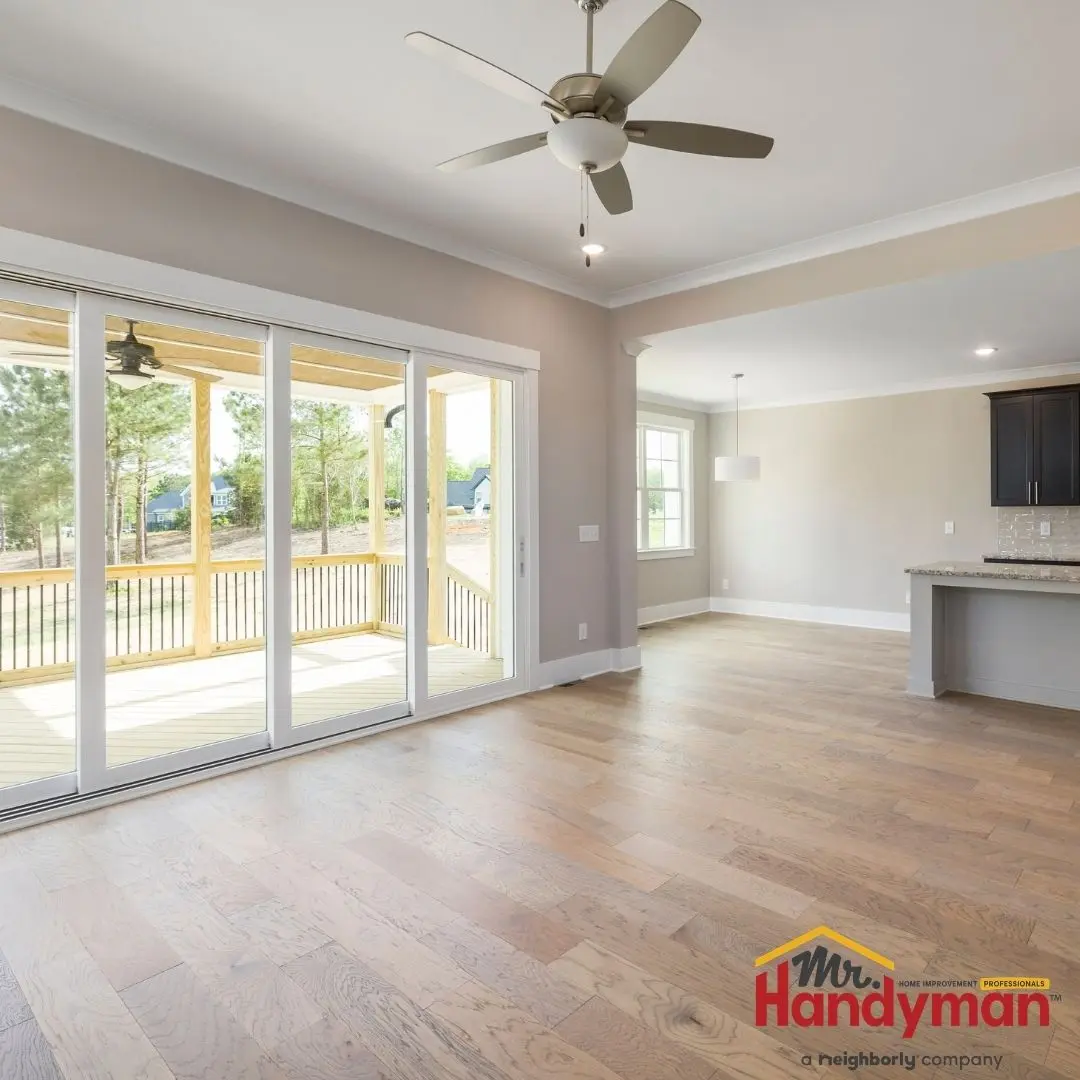
Entry and customer area flooring in Southwest Dallas County commercial properties faces the specific demands that the region's climate and the community's active outdoor lifestyle create. The red clay dust of North Texas's landscape, the moisture that summer thunderstorms bring in through commercial entrances during peak customer activity, and the general outdoor material of an active Texas community all arrive on commercial flooring throughout the operating day.
Entrance matting specification for Southwest Dallas County commercial properties needs to reflect these specific conditions rather than the generic commercial matting standard that may be adequate in other climates. A mat system that captures the clay dust and moisture that customers track in from North Texas's outdoor environment before that material reaches the main floor surface serves both the customer experience and the maintenance burden of keeping customer area flooring clean. Matting that has compressed past functional effectiveness, or that is undersized relative to the entry dimensions and customer traffic volume, is not providing the protection it appears to provide.
Hard surface flooring in Southwest Dallas County commercial customer areas accumulates the specific wear patterns that active community traffic creates over time. In communities where customers bring the outdoor life of North Texas through commercial entries regularly, the flooring condition that results from this traffic communicates the maintenance standard that the property owner maintains. Grout that has darkened or deteriorated in tile installations, surface wear that has reached the point where the protective finish has been compromised, and any surface condition that creates unevenness underfoot all affect both the customer experience and the safety conditions in the customer area.
The clay soil movement consideration that affects exterior flatwork throughout Southwest Dallas County also affects interior flooring in commercial properties on slab foundations. Transition strips between different flooring materials at threshold locations, and the slab conditions beneath hard surface flooring at locations where soil movement has been concentrated, can create the surface irregularities and raised edges that become trip hazards between inspection cycles. Including interior threshold and transition strip condition in routine customer area inspections is the maintenance practice appropriate to this market's specific geology.
Walls and Surfaces: What Southwest Dallas County Customers Notice
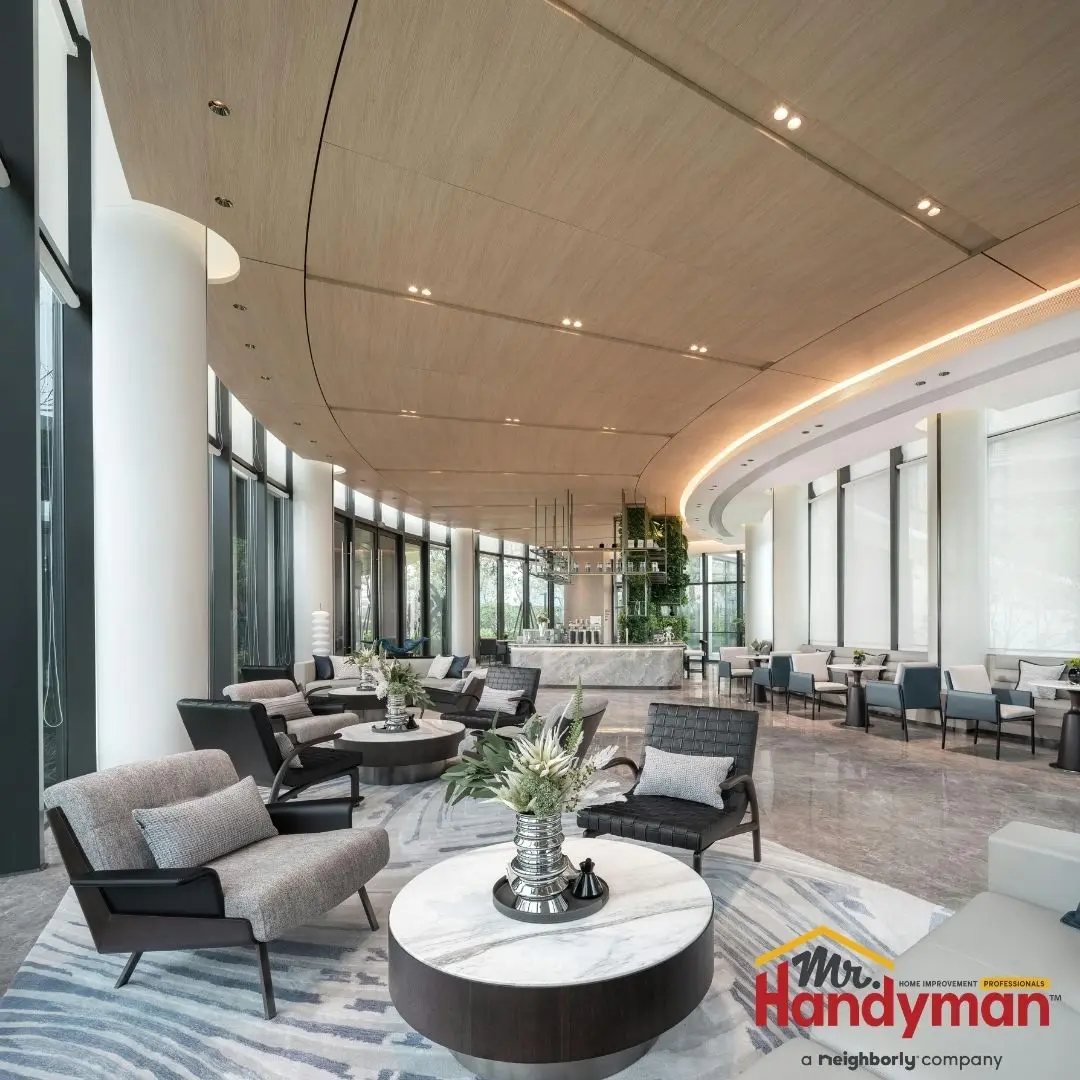
The walls and surfaces of commercial customer areas function as background in the customer experience when they are in proper condition. In Southwest Dallas County's community-oriented commercial market, when they are not in proper condition they advance from background to foreground in ways that specifically affect the community relationship the business is trying to maintain.
The rate at which commercial customer area walls accumulate the impact damage of daily activity in Southwest Dallas County's active commercial environments varies by business type and customer volume. But the community context creates a specific consequence for accumulated wall damage that more anonymous markets do not produce in the same way. A longtime customer of a Southwest Dallas County business who notices that the entry walls have accumulated damage that has not been addressed is a community member who forms a specific impression about the business's current state of investment in its community presence. That impression becomes part of the community knowledge that flows through the neighborhood networks that Southwest Dallas County's genuinely connected communities maintain.
Touch-up painting in commercial customer areas is the ongoing maintenance practice that keeps walls communicating active care rather than cycling through the visible decline that periodic full-repaint approaches allow between painting events. Maintaining correct paint colors for customer-facing spaces and addressing damage promptly reflects the same ongoing community investment that well-maintained Southwest Dallas County businesses communicate through every other aspect of their operation.
Ceiling condition in commercial customer areas is affected by the moisture events that Southwest Dallas County's severe weather season creates in ways that require post-storm inspection protocols rather than just scheduled assessment cycles. The moisture infiltration that North Texas thunderstorms can drive through commercial building envelopes produces ceiling stains and tile conditions that customers notice and interpret as maintenance inadequacy. In Southwest Dallas County's community-invested commercial market, a stained ceiling tile that remains unaddressed through multiple customer visits becomes part of the community conversation about that business's current standards.
Lighting: Southwest Dallas County's Extended Commercial Hours
Southwest Dallas County's commercial districts serve customers during evening hours throughout the summer, driven by the dining culture, the retail activity, and the service businesses that the area's diverse community supports after standard business hours. The lighting quality in commercial customer areas during these evening hours affects both the safety of customers navigating the space and the visual impression that the business makes during the extended operating period that summer's social activity creates.
The transition from older fluorescent technology to LED lighting in Southwest Dallas County commercial customer areas delivers immediate and practical improvements that the area's business community finds genuinely valuable. The color rendering improvement that LED provides makes merchandise more appealing, spaces more welcoming, and the visual quality of the customer environment more consistent with the standard that active Southwest Dallas County businesses work to maintain. The energy cost reduction that LED delivers relative to fluorescent technology is a real operating cost benefit in a commercial environment where energy efficiency supports business viability.
In Southwest Dallas County's older commercial building stock, which includes properties from multiple construction eras throughout the service territory, fluorescent fixtures that have been in service for extended periods without lamp replacement or fixture maintenance may have shifted significantly in color rendering quality and light output from their original specification. The yellowed, reduced illumination of aging fluorescent tubes makes commercial customer areas look older and less maintained than the physical condition of the surfaces themselves would suggest, and it does so in ways that customers notice without specifically identifying the cause.
Natural light management in Southwest Dallas County commercial customer areas during summer is a customer comfort consideration that is specific to North Texas's solar intensity. Properties with south or west-facing glazing in customer areas experience the solar heat gain and glare conditions that peak summer afternoons create in concentrated form. The customer discomfort in affected areas of the sales floor or waiting space affects dwell time and the overall satisfaction of the visit in ways that appropriate window treatments or supplemental lighting addresses directly.
Restrooms: The Community Standard in Customer-Facing Spaces
Commercial restrooms in Southwest Dallas County customer-facing businesses reflect on the business's community standing in ways that are specific to the community character of this market. In a community where customers know the businesses they support and where facility condition reflects on the business's community investment, restroom condition is one of the most direct expressions of whether that investment is genuine and ongoing.
The specific maintenance challenges that Southwest Dallas County's climate creates in commercial restrooms reflect the demands that the area's active outdoor season places on these spaces. Summer's heat drives customers into air-conditioned commercial spaces throughout the day, and the moisture that North Texas's humidity and summer rain events introduce through the customer traffic that follows weather events creates the cleaning and maintenance demands that summer restroom maintenance requires at higher frequency than cooler seasons.
Ventilation adequacy in Southwest Dallas County commercial restrooms deserves specific pre-season assessment before summer's increased customer volume and the humidity conditions that the season creates in these spaces combine to create the air quality issues that inadequate ventilation produces. In a community where customers form lasting impressions of businesses and share those impressions through community networks, a restroom with inadequate ventilation creates a negative impression that persists and that customers specifically mention in the community conversations that Southwest Dallas County's connected neighborhoods support.
Caulking and surface condition in commercial customer restrooms reflect the ongoing maintenance investment that distinguishes well-managed properties from those where restroom maintenance has been addressed reactively rather than proactively. Deteriorated caulk at sink bases, stained grout at tile floors, and any surface condition that communicates inadequate hygiene management conflicts with the community trust that Southwest Dallas County businesses work to establish and maintain.
Seasonal Considerations for Southwest Dallas County Commercial Spaces
North Texas's summer climate creates specific maintenance demands in commercial customer areas that are worth addressing as seasonal maintenance activities rather than reactive responses to conditions that develop during the season.
Door weatherstripping at commercial customer area entrances experiences its maximum functional demand during Southwest Dallas County summers when the extreme temperature differential between outdoor heat and air-conditioned commercial interiors creates the pressure conditions that deteriorated seals allow to infiltrate continuously. Pre-season inspection and replacement of door seals that have deteriorated past effective sealing performance is a maintenance activity with both energy efficiency and customer comfort implications during the season when both matter most.
Post-storm inspection of commercial customer areas after Southwest Dallas County's summer thunderstorm events identifies the moisture infiltration, flooring debris accumulation, and any surface conditions that storms create in the customer-facing spaces that summer's increased customer activity will encounter immediately after those events. A storm inspection protocol that promptly addresses these conditions communicates the same responsive management standard that Southwest Dallas County's community-invested customers expect from the businesses they support.
Frequently Asked Questions
How frequently should Southwest Dallas County commercial customer areas be assessed?
A formal professional assessment twice per year, aligned with pre-summer and pre-winter timing, provides systematic coverage. Monthly management walkthroughs using a consistent checklist supplement formal assessments. After any significant storm event, a specific customer area inspection identifies storm-related conditions requiring prompt attention. The pre-summer assessment is particularly important for identifying the conditions that the winter and spring moisture cycle has created and that summer's increased community traffic will amplify.
What customer area maintenance items carry the highest liability risk in Southwest Dallas County?
Flooring trip hazards from clay soil movement effects at interior threshold transitions, and any surface condition that creates unevenness underfoot in customer pathways, are the highest direct liability risks. Lighting failures that create inadequate illumination in customer areas are a close second. Both require immediate attention when identified.
How does Southwest Dallas County's community character affect the return on investment for customer area maintenance?
In Southwest Dallas County's community-oriented commercial market, the return on customer area maintenance investment is amplified by the community network effects that connected neighborhoods produce. A customer who has a positive facility experience is more likely to recommend the business to community members through the informal networks that Southwest Dallas County's communities maintain. The return from these community referrals compounds the direct customer retention benefit that well-maintained customer areas produce in any market.
Should customer area maintenance in Southwest Dallas County commercial properties be handled by cleaning staff or a professional maintenance service?
Routine cleaning is appropriately handled by cleaning staff. Maintenance repairs including drywall patching and touch-up painting, flooring repair and transition strip replacement, lighting upgrades, caulking and sealant work, and door hardware service require the professional skills that a skilled commercial handyman service provides. The distinction between cleaning and maintenance is consequential because cleaning addresses surface appearance while maintenance addresses the underlying conditions that surface appearance reflects.
Give Your Southwest Dallas County Customers the Facility Their Community Deserves
The condition of your entryways and customer areas is one of the most direct investments you make in your Southwest Dallas County business's community standing and long-term performance. The team at Mr. Handyman of Southwest Dallas County brings the commercial maintenance expertise to keep your customer-facing spaces at the standard this community expects.
Visit www.mrhandyman.com/southwest-dallas-county to schedule your commercial service. We work around your business schedule, arrive on time, and back everything we do with the Neighborly Done Right Promise.