
Why Signage Condition Carries Distinctive Weight Across Southwest Dallas County's Commercial Communities
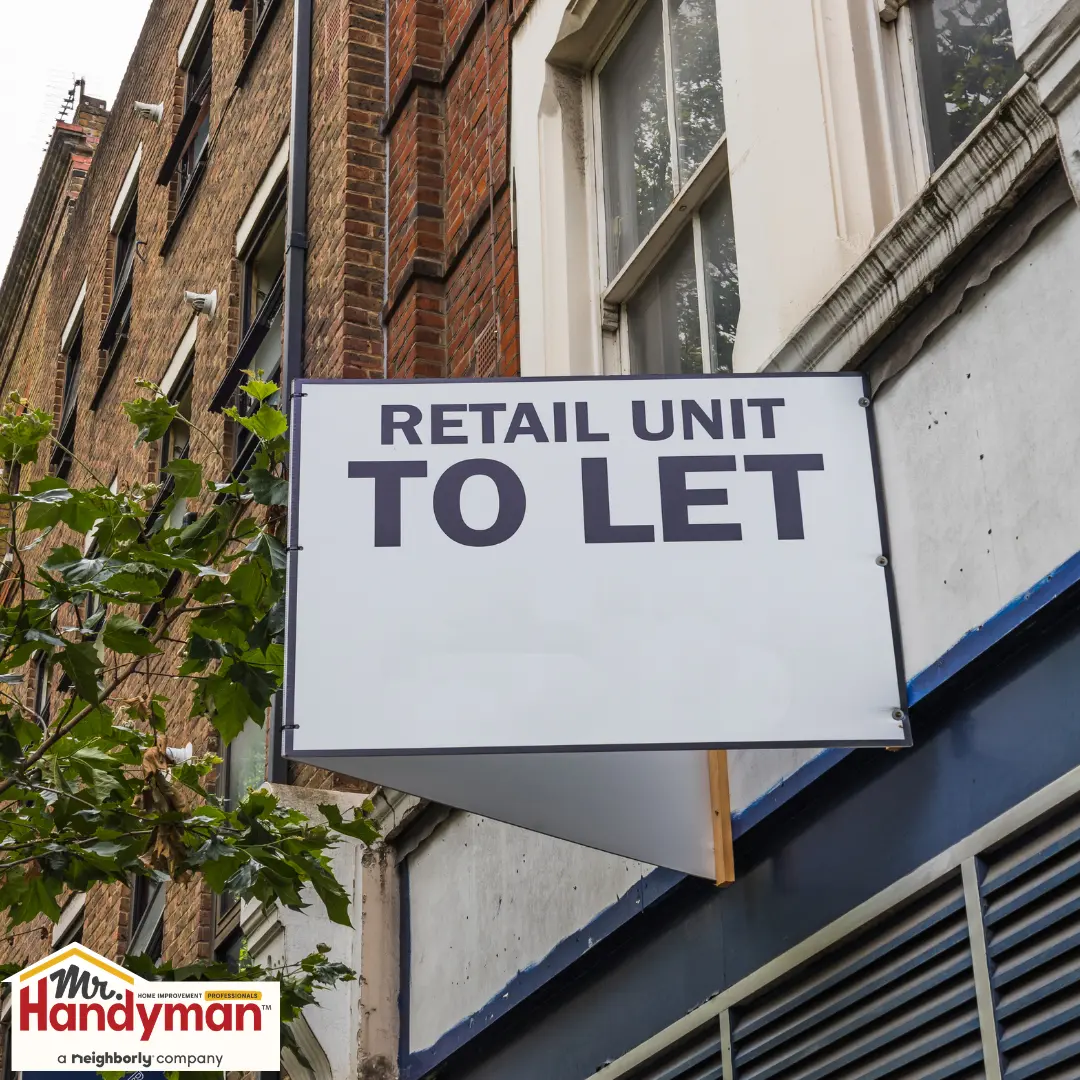
Commercial signage is the communication tool that works for a business continuously without requiring staff involvement, customer interaction, or any operational activity from the business itself. It identifies the location to customers approaching from the street, communicates the business's brand and character before any transaction begins, and establishes the first visual impression that every potential customer forms before deciding whether to stop. Across Southwest Dallas County's remarkably diverse commercial landscape, where businesses range from the lake lifestyle commercial operations adjacent to Joe Pool Lake in Cedar Hill through the established business communities of Duncanville's, DeSoto's, and Lancaster's mature commercial corridors through the rapidly developing retail and service commercial properties along Mansfield's US 287 corridor through Grand Prairie's extensive and varied commercial community, signage that effectively communicates each business's brand and location within its specific Southwest Dallas County commercial context carries weight that the service area's growth trajectory and commercial diversity make increasingly consequential.
Southwest Dallas County's commercial signage context differs from both Dallas's urban commercial districts and Rockwall County's lake-proximate commercial environment in ways that the service area's specific character creates. The established commercial corridors of Duncanville, DeSoto, and Lancaster carry a business community whose signage reflects multiple installation eras as businesses have evolved, renovated, and updated their presentations through the decades that these mature commercial communities have been active. The visual comparison between businesses whose signage reflects current installation and those whose signage communicates earlier installation eras is particularly visible in mature commercial corridors where that comparison occurs within blocks of each other along established commercial streets. Cedar Hill's commercial landscape adjacent to Joe Pool Lake and Cedar Hill State Park creates a signage context where the lake lifestyle quality expectation that those natural amenities create as a commercial positioning element makes signage condition and design direction more directly connected to the premium that the natural setting supports. And Mansfield's and Grand Prairie's growing and active commercial communities create the signage currency pressures that active commercial development creates when newer commercial buildouts with current signage installations open regularly alongside more established businesses whose signage reflects earlier installation eras.
North Texas's demanding climate creates specific signage maintenance challenges throughout Southwest Dallas County that the combination of triple-digit summer UV intensity, active spring severe weather season including hail exposure, and for Cedar Hill's lake-proximate commercial properties the elevated humidity that Joe Pool Lake creates, collectively produce at rates that more temperate commercial markets without equivalent climate demands don't experience on the same maintenance timeline. Sign face fading from triple-digit UV, spring hail damage to sign face surfaces and mounting hardware, and hardware corrosion at mounting points that lake proximity humidity advances for Cedar Hill's lakefront commercial properties are all Southwest Dallas County-specific signage maintenance considerations that systematic assessment and maintenance addresses before visible deterioration communicates the deferred maintenance standard that inadequate signage condition creates for every business it represents.
Understanding which signage repair and installation tasks fall within Mr. Handyman of Southwest Dallas County's permitted handyman scope under Texas law and which require licensed specialty contractor involvement gives Southwest Dallas County business owners the framework for maintaining and improving their signage within the appropriate service boundaries.
What the Permitted Scope Covers for Southwest Dallas County Commercial Signage

Within Mr. Handyman of Southwest Dallas County's permitted handyman scope under Texas law, signage work includes installation and repair of non-electrical signage including mounting of sign panels, frames, and structures without electrical connections, physical repair of sign frames and mounting hardware, replacement of non-electrical sign faces and panels, installation of dimensional letters and logo elements without electrical connections, mounting of window graphics and applied signage, installation of post-mounted and wall-mounted non-electrical signs, repair and reinforcement of sign mounting structures within the carpentry scope, and general exterior mounting and installation work not involving electrical system connections.
Outside the permitted scope, signage work involving any electrical component including illuminated sign installation and repair, LED and neon sign electrical connections, powered sign systems, any sign requiring electrical circuit connections, and any signage work requiring electrical permits requires licensed electrician involvement under Texas Occupations Code Chapter 1305.
Southwest Dallas County's Commercial Signage Contexts and Their Specific Needs
Cedar Hill's Lake Lifestyle Commercial Signage Context
Cedar Hill's commercial properties along Highway 67, throughout the community's commercial districts, and in the lakefront and lake-proximate commercial areas adjacent to Joe Pool Lake and Cedar Hill State Park create a signage context whose lake lifestyle quality expectation shapes what effective commercial signage communicates in this specific Southwest Dallas County community. Cedar Hill's natural amenities, including Joe Pool Lake's waterfront setting and Cedar Hill State Park's natural landscape character, create a commercial positioning context where businesses whose signage communicates the elevated quality and design sophistication appropriate for a lake lifestyle commercial environment present more effectively to the customers that Cedar Hill's specific market attracts than businesses whose signage falls below the quality expectation that the natural setting creates.
The hillside terrain character that distinguishes Cedar Hill from flat terrain suburban commercial markets throughout Southwest Dallas County creates specific signage visibility considerations for commercial properties whose elevation and terrain relationships create sight line conditions that differ from flat terrain commercial corridor signage performance. Cedar Hill commercial signage whose placement and sizing accounts for the specific visibility conditions that hillside terrain creates for approaching customers produces more effective wayfinding performance than signage specified without that terrain-specific visibility awareness.
Hardware corrosion at Cedar Hill's lake-proximate commercial signage mounting points advances at rates that Joe Pool Lake's proximity creates through elevated humidity conditions more actively than inland Southwest Dallas County commercial signage experiences in the same regional climate. Spring mounting hardware assessment for Cedar Hill's lake-proximate commercial signage specifically evaluating corrosion advancement identifies replacement needs before structural compromise advances those conditions beyond the stage where hardware replacement within the permitted scope adequately addresses them. Corrosion-resistant hardware specification using stainless steel or hot-dip galvanized fasteners rather than standard zinc-plated alternatives provides the service life appropriate for Cedar Hill's lake proximity corrosion environment for any hardware replacement at those specific commercial locations.
Duncanville's, DeSoto's, and Lancaster's Established Commercial Corridor Signage
The established commercial corridors of Duncanville, DeSoto, and Lancaster carry commercial signage whose installation era range reflects the multiple decades of business activity that these mature commercial communities represent. Businesses whose signage reflects current installation present alongside businesses whose signage communicates earlier installation eras within the same commercial blocks, and that active visual comparison makes signage currency more directly visible in these established commercial corridors than in newer commercial development areas where installation era ranges are more compressed.
Signage mounting substrates in Southwest Dallas County's established commercial corridor buildings reflect the construction era and facade material systems that those buildings carry. Brick masonry facades on commercial buildings from earlier construction eras require masonry anchor systems appropriate for the specific brick type, mortar condition, and facade depth that each building's specific construction presents, and those masonry requirements differ meaningfully from the metal panel, EIFS, and contemporary facade systems that newer commercial construction throughout Mansfield's developing corridors employs. Professional substrate assessment before anchor selection and installation in established commercial corridor buildings produces mounting systems performing through Southwest Dallas County's spring storm wind loading rather than failing prematurely because of anchor specification mismatched to the actual historic masonry substrate.
For Southwest Dallas County's established commercial corridor businesses whose signage reflects earlier installation eras, spring assessment evaluating current signage condition against the active visual comparison that mature commercial corridors create provides the most complete picture of whether targeted repair or full replacement most cost-effectively addresses the current condition and competitive positioning that each specific business's signage situation creates.
Mansfield's Rapidly Developing Commercial Corridors
Mansfield's commercial properties along US 287 and throughout the community's developing commercial areas create a vehicular-approach commercial signage context where sign visibility from moving vehicles at highway and arterial approach speeds is the primary wayfinding function commercial signage performs. In Mansfield's rapidly developing commercial corridors where newer businesses with current signage installations are opening regularly alongside more established businesses whose signage reflects earlier installation eras, signage currency and condition communicate business investment quality against the active comparison that the developing commercial environment creates for customers traversing these corridors regularly.
Post-mounted signage at commercial property frontages throughout Mansfield's US 287 corridor faces the specific wind loading that North Texas spring severe weather delivers to freestanding exterior structures without building wall support. Spring structural assessment of post-mounted sign foundations in Southwest Dallas County's clay soil confirming foundation adequacy and above-grade structural integrity before spring storm season's significant wind events test those structures produces the pre-storm structural preparation that post-mounted signage in this active storm market specifically requires.
Grand Prairie's Diverse Commercial Signage Landscape
Grand Prairie's large and diverse commercial community creates signage contexts as varied as the commercial property types and development eras that one of North Texas's most extensive commercial communities encompasses. Grand Prairie's entertainment commercial district, its retail corridors, its industrial commercial areas, and the various commercial and industrial property types that span multiple development eras in this large community create signage requirements whose appropriate approach varies across those commercial contexts as meaningfully as the commercial properties themselves.
For Grand Prairie's entertainment commercial operations where signage serves the concentrated evening and weekend customer traffic that entertainment commercial activity generates, signage condition and mounting structural integrity before spring storm season creates the specific storm loading that entertainment commercial evening operations encounter without the building occupancy that daytime commercial operations provide is a pre-season preparation priority whose operational continuity stakes reflect the concentrated revenue that entertainment commercial peak periods create.
Common Signage Problems and Permitted Scope Solutions Across Southwest Dallas County

Mounting Hardware Deterioration Across Southwest Dallas County's Commercial Climate
Mounting hardware throughout Southwest Dallas County's commercial signage installations experiences the specific deterioration that North Texas's demanding climate creates at exterior metal components through the combination of triple-digit summer thermal cycling, spring severe weather wind and hail loading, and for Cedar Hill's lake-proximate commercial properties the elevated humidity that Joe Pool Lake maintains in adjacent commercial areas. Annual pre-storm season mounting hardware assessment is the appropriate maintenance interval for commercial signage throughout Southwest Dallas County, with more frequent assessment appropriate for Cedar Hill's lake-proximate commercial properties where lake proximity corrosion conditions advance hardware deterioration more actively than inland Southwest Dallas County commercial hardware experiences at equivalent service ages.
Replacing deteriorated mounting hardware with stainless steel or hot-dip galvanized alternatives provides significantly longer service life than standard zinc-plated hardware throughout Southwest Dallas County's commercial signage, and this hardware specification is particularly important for Cedar Hill's lake-proximate commercial signage whose lake proximity corrosion environment advances standard hardware deterioration more rapidly than inland commercial applications without equivalent lake proximity.
Sign Face UV Degradation in Southwest Dallas County's Triple-Digit Summer
Non-electrical sign faces throughout Southwest Dallas County's commercial districts experience UV degradation at rates that North Texas's triple-digit summer intensity creates, advancing fading beyond customer-visible deterioration within two to three years of installation in fully exposed commercial locations throughout the service area. For Cedar Hill's lake lifestyle commercial properties where the quality expectation that Joe Pool Lake's natural setting creates makes faded, degraded signage particularly inconsistent with the premium positioning that the waterfront adjacent location supports, sign face replacement timing that maintains current visual quality is a market-relevant maintenance investment whose lake lifestyle premium dimension creates specific motivation beyond conventional brand presentation.
Post-Mounted Sign Foundation Assessment in Southwest Dallas County's Clay Soil Context
Post-mounted commercial signs throughout Southwest Dallas County's commercial landscape sit on the expansive clay soils that create post foundation conditions advancing more actively than stable soil types through seasonal moisture cycling. Clay soil expansion during spring's rainfall events and contraction during summer's heat creates the differential soil pressure at post foundations that advances post displacement and alignment changes over time, and spring assessment after wet season soil conditions have been fully expressed captures post displacement at its most recently advanced seasonal expression.
For Cedar Hill's hillside commercial post-mounted signs where terrain topography creates site drainage relationships that may maintain elevated soil moisture at post base locations through extended periods following spring rainfall events, clay soil expansion conditions may be more persistent than at flat terrain inland commercial post locations whose sites drain more completely between rain events.
Hail Impact Assessment Specific to Southwest Dallas County's Spring Storm Season
Southwest Dallas County's position in North Texas's active spring severe weather corridor creates the hail exposure that adds a specific signage damage dimension to the regional spring storm season. Hail impact on sign faces creates surface damage that UV exposure then advances more rapidly through the compromised face material, and mounting hardware fatigue from hail impact may advance existing corrosion toward structural inadequacy before subsequent wind events test those conditions. Post-storm assessment following hail events throughout Southwest Dallas County, documented with dated photographs for insurance purposes, produces the damage picture needed for both claim support and repair scheduling.
Installation Tips for New Non-Electrical Signage Across Southwest Dallas County

Jurisdiction-Specific Permit Requirements
Commercial signage installation throughout Southwest Dallas County involves multiple jurisdictions whose specific sign ordinance requirements govern signage in each respective community. City of Cedar Hill, City of Duncanville, City of DeSoto, City of Lancaster, City of Mansfield, City of Grand Prairie, and City of Midlothian each administer their own sign permit requirements, and commercial properties in unincorporated areas of Dallas County and Ellis County within the service area are subject to the applicable county regulations. Confirming the specific permit requirements with the applicable jurisdiction's development services or building department before any new sign installation project begins prevents the correction costs and compliance complications that non-compliant installation creates after permit review identifies violations.
For commercial signage in any Southwest Dallas County community with active historic preservation review, downtown commercial standards, or specific corridor design requirements, confirming those additional requirements before design and material selection is finalized avoids the modification costs that requirements discovery after those selections have been made creates.
Substrate Assessment for Southwest Dallas County's Varied Commercial Building Stock
New non-electrical signage installation throughout Southwest Dallas County's commercial building stock requires professional substrate assessment before anchor selection and installation, because the service area's construction era diversity creates as wide a range of mounting substrate conditions as any commercial market in the Dallas-Fort Worth metropolitan area. Established commercial corridor brick masonry in Duncanville, DeSoto, and Lancaster requires masonry-specific anchors appropriate for each building's specific brick and mortar conditions. Metal panel and EIFS systems in newer commercial construction throughout Mansfield's developing corridors require different anchor systems. Cedar Hill's hillside commercial buildings may present the varied substrate conditions that the community's own construction era diversity creates. And Grand Prairie's extensive commercial landscape spans the full construction era range whose substrate diversity reflects multiple decades of commercial development.
Wind Load Considerations for Southwest Dallas County's Storm Exposure and Cedar Hill's Terrain
New non-electrical signage installation throughout Southwest Dallas County must account for the wind loading that North Texas spring severe weather delivers and that Cedar Hill's hillside terrain may amplify at specific commercial locations where terrain features create concentrated wind exposure conditions during storm events. Signage mounting systems designed for the wind loading that Southwest Dallas County's spring storm season regularly generates, rather than the lower loading that normal daily wind conditions produce, provide the storm-resistant structural integrity that this service area's active spring storm exposure demands. For Cedar Hill's hillside commercial signage where terrain wind amplification may create more concentrated loading than equivalent flat terrain commercial signage experiences during the same storm events, mounting system design accounting for those specific terrain exposure conditions produces more appropriate structural preparation than standard flat terrain commercial signage mounting design.
ADA Compliance Throughout Southwest Dallas County's Commercial Properties
Commercial properties throughout Southwest Dallas County subject to Americans with Disabilities Act requirements have specific signage compliance obligations for interior wayfinding, room identification, and accessibility information signage whose requirements apply consistently across the service area's varied jurisdictions. Mr. Handyman of Southwest Dallas County installs ADA-compliant non-electrical signage at the mounting heights, character specifications, and locations that applicable requirements establish for each qualifying signage category.
Seasonal Signage Maintenance for Southwest Dallas County Businesses
Pre-Storm Season Spring Assessment
Spring is the most important signage maintenance season across Southwest Dallas County's commercial landscape, and the timing that the service area's spring storm pattern creates makes completing pre-storm season assessment and repair before the season's earliest significant events particularly important. Systematic spring assessment evaluating every mounting connection for structural adequacy, every frame element for physical integrity, every sign face for current condition and retention, and every post-mounted sign foundation for soil condition and structural integrity identifies all conditions requiring correction before storm season's events test those conditions under real loading.
For Cedar Hill's hillside and lake-proximate commercial signage where terrain wind amplification and lake proximity corrosion conditions create the most demanding pre-season assessment requirements in Southwest Dallas County's commercial landscape, completing pre-storm assessment and identified repairs before the season's earliest potential significant events provides the most complete structural preparation for the specific storm exposure those commercial locations face.
Post-Hail Assessment Across Southwest Dallas County
Southwest Dallas County's active spring hail season requires post-hail signage assessment following each significant hail event, specifically evaluating sign faces for impact damage and mounting hardware for impact-related fatigue alongside the conventional storm damage assessment that wind and water exposure produces. Post-hail assessment documented with dated photographs provides both the insurance claim record that Southwest Dallas County's active hail season makes a routine commercial maintenance documentation responsibility and the maintenance information needed to schedule prompt repair before subsequent storm events advance the conditions that hail impact has initiated.
Frequently Asked Questions
Which commercial signage tasks can Mr. Handyman of Southwest Dallas County perform under Texas law?
Mr. Handyman of Southwest Dallas County performs commercial signage work within the permitted handyman scope under Texas law including installation and repair of non-electrical signage throughout the service area's varied commercial districts, wall-mounted and post-mounted sign installation with substrate-appropriate anchor systems for Southwest Dallas County's construction era diversity, dimensional letter and logo element installation without electrical connections, window graphics and applied signage, sign frame and mounting hardware repair and replacement with corrosion-resistant hardware appropriate for Southwest Dallas County's climate and Cedar Hill's lake proximity conditions, non-electrical sign face replacement, post foundation assessment and reinforcement within the carpentry scope, masonry substrate assessment within the general maintenance scope for established corridor commercial buildings, and general exterior mounting work not involving electrical system connections. Any signage work involving electrical components requires licensed electrician involvement under Texas Occupations Code Chapter 1305.
How does Cedar Hill's lake proximity specifically affect commercial signage maintenance in that community?
Joe Pool Lake's proximity creates specific signage maintenance considerations for Cedar Hill's lakefront and lake-proximate commercial properties. Hardware corrosion at mounting points advances more actively in lake proximity elevated humidity than inland Southwest Dallas County commercial hardware experiences at equivalent service ages, making corrosion-resistant hardware specification and more frequent hardware assessment appropriate for those specific locations. Sign face fading at Cedar Hill's lake lifestyle commercial properties creates a more pronounced contrast against the premium lake lifestyle commercial context that Joe Pool Lake's adjacency creates than equivalent fading at inland commercial properties without lake lifestyle positioning, motivating more attentive face replacement timing. And the hillside terrain character of Cedar Hill's commercial landscape creates wind exposure conditions during spring storm events that may create more concentrated loading at specific commercial signage locations than equivalent flat terrain commercial signage experiences during the same regional storm events.
How do Southwest Dallas County's multiple jurisdictions affect commercial signage installation planning?
Southwest Dallas County's multiple jurisdictions, including Cedar Hill, Duncanville, DeSoto, Lancaster, Mansfield, Grand Prairie, Midlothian, and unincorporated areas of Dallas and Ellis counties, each administer their own sign permit requirements whose specific provisions govern commercial signage in each respective community. Confirming the specific permit requirements with the applicable jurisdiction before design and material selection is finalized, and obtaining all required permits before installation begins, is the planning discipline that prevents the correction costs and compliance complications that permit requirement discovery after non-compliant installation has been completed creates. Mr. Handyman of Southwest Dallas County recommends early permit requirement confirmation as the first planning step for any new signage installation project throughout the service area.
How often should Southwest Dallas County commercial signage mounting hardware be assessed given the spring storm season?
Annual mounting hardware assessment timed to the pre-spring storm season window, completed before the earliest potential significant storm events arrive in late February or early March, provides the most complete storm readiness for commercial signage throughout Southwest Dallas County. For Cedar Hill's lake-proximate commercial properties where lake proximity elevated humidity advances hardware corrosion more actively than inland Southwest Dallas County commercial hardware experiences, semi-annual assessment may be appropriate to identify corrosion advancement before it reaches the structural compromise threshold that annual assessment might not capture quickly enough in the most corrosive lake proximity locations. Post-hail assessment following each significant spring storm event supplements scheduled assessment with event-specific evaluation of conditions each storm has advanced.
What is the most important signage maintenance priority for a Southwest Dallas County business entering spring storm season?
Mounting hardware structural integrity assessment and replacement of any hardware showing corrosion advancement, loosening, or structural compromise with corrosion-resistant alternatives before spring storm season's first significant events test those connections under real storm loading is the highest-priority spring signage maintenance action across Southwest Dallas County's commercial landscape. This priority is amplified for Cedar Hill's lake-proximate commercial properties where lake proximity corrosion conditions may have advanced mounting hardware toward structural compromise within service periods shorter than equivalent inland commercial hardware without lake proximity experiences, and where hillside terrain wind amplification during spring storm events may create more concentrated loading at specific commercial signage locations than standard flat terrain commercial signage design accounts for in its structural loading specifications.
The Signage That Works for Your Southwest Dallas County Business
Commercial signage throughout Southwest Dallas County's diverse business community that is properly mounted with hardware appropriate for each community's specific climate and environmental conditions, structurally sound through the regional seasonal cycle that North Texas's demanding weather creates, and presenting the business's brand at the quality level that each specific Southwest Dallas County community's standards establish works continuously for the business without requiring operational attention. From Cedar Hill's lake lifestyle commercial community where Joe Pool Lake's adjacency creates the quality expectation that effective signage honors, through the established commercial corridors of Duncanville, DeSoto, and Lancaster where signage currency communicates current investment in mature commercial communities, through Mansfield's and Grand Prairie's growing and active commercial landscapes where signage condition affects competitive positioning in active commercial development environments, maintaining commercial signage at the quality level each community's standards establish through systematic seasonal assessment and prompt repair response delivers the continuous brand communication that effective commercial signage provides.
Mr. Handyman of Southwest Dallas County works with commercial property owners and business operators throughout the service area's varied commercial communities on the full range of non-electrical signage repair and installation services within the permitted handyman scope under Texas law, from mounting hardware assessment and replacement with substrate-appropriate anchors and corrosion-resistant hardware to sign frame repair, non-electrical face replacement, and new non-electrical signage installation in compliance with each Southwest Dallas County jurisdiction's specific permit requirements.
Website: https://www.mrhandyman.com/southwest-dallas-county/
Serving Southwest Dallas County and the surrounding communities with dependable service and the expertise your home deserves.