Why Southwest Dallas County Businesses Face a Distinct Summer Repair Season
The businesses operating throughout Cedar Hill, DeSoto, Duncanville, Irving, Oak Cliff, Red Oak, Cockrell Hill, Redbird, and Wolf Creek face summer as a season testing commercial properties in ways the rest of the year does not replicate. North Texas summer delivers the sustained heat, UV intensity, severe weather potential, and clay soil movement consequences that accumulate into the specific repair needs commercial property owners throughout this service area encounter when they assess their buildings honestly at the start of the warm season.
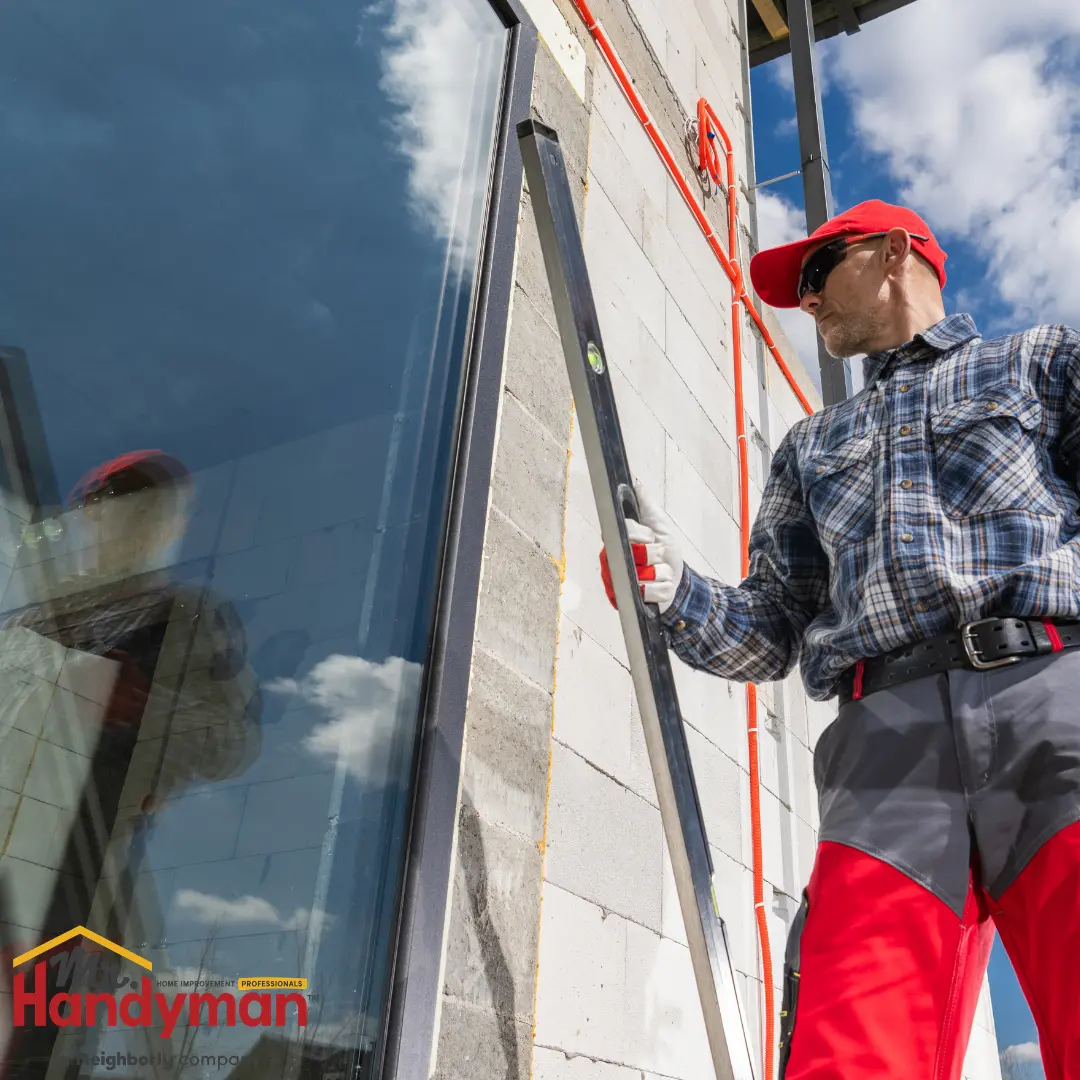
Southwest Dallas County's commercial landscape spans a wide range of property types and ages that shapes the repair profile each business faces. Oak Cliff and Irving's established commercial corridors carry older building stock with maintenance histories reflecting the full range of owner investment approaches. DeSoto and Duncanville's suburban business districts include buildings from the 1980s and 1990s that have been through enough North Texas climate cycles to show the accumulated condition of deferred maintenance and the rewarding results of consistent care. Cedar Hill and Red Oak's growing commercial development includes newer construction that has been through fewer complete seasonal cycles but that is discovering the specific demands this climate creates for building envelope maintenance as it moves through its first significant summer seasons.
What all of these commercial properties share is exposure to the four primary summer repair mechanisms that North Texas creates consistently. Sustained heat and UV intensity work on exterior sealant joints, surface finishes, and UV-sensitive building components continuously through the warm season. Clay soil seasonal movement affects building envelope connections, door and window alignment, exterior flatwork, and any anchored element through the seasonal schedule this geology creates. Severe weather activity including hail events and high-wind summer thunderstorms creates periodic acute damage to roofing, glazing, signage, and exterior elements. And the concentrated customer and employee traffic of summer business operations accelerates interior surface wear at rates the rest of the year does not match.
Exterior Sealant and Caulking Failures
Exterior sealant maintenance is the most consistently needed summer repair category for Southwest Dallas County commercial properties, and its consequences when deferred are most directly experienced during the thunderstorm events North Texas summer delivers with meaningful frequency.
Storefront glazing perimeter sealant is the highest-priority location because it seals the interface between the glazing system and the surrounding wall construction at the most vulnerable weather boundary. When this sealant has been consumed by UV degradation and thermal cycling, wind-driven rain during a summer thunderstorm drives water directly into the wall cavity at this opening. The commercial storefronts throughout DeSoto's business corridors, Duncanville's retail districts, Irving's commercial density, and Cedar Hill's growing commercial development all have this sealant condition as their primary water infiltration vulnerability when maintenance has been deferred.
South and west-facing facade locations experience the most aggressive sealant degradation in Southwest Dallas County because direct afternoon sun creates surface temperatures significantly exceeding ambient air temperature and the thermal cycling between these peaks and subsequent cooling consumes sealant service life fastest at these exposures. A pre-season inspection specifically targeting these locations identifies joints approaching or at the failure threshold before peak storm season tests them.
Material transitions on Southwest Dallas County commercial facades, where brick meets glass, masonry transitions to metal panel, or any two materials with different thermal expansion rates create a differential movement joint, are the sealant locations where failure arrives first and consequences are most immediate. These joints require sealant products formulated for differential movement rather than the standard caulking performing adequately at static connections.
Penetrations through the building envelope for HVAC equipment, signage mounting hardware, conduits, and any other element passing through the exterior wall need sealant assessment at the penetration perimeter. In Southwest Dallas County's commercial building stock where modifications and equipment changes over the years have created multiple penetration generations with varying sealant quality, systematic assessment identifies the conditions requiring correction before storm season tests them.
Door Hardware, Operation, and Weatherstripping
Commercial door systems in Southwest Dallas County businesses experience the concentrated use that summer customer traffic creates and the clay soil foundation movement context making door frame alignment a variable rather than a fixed condition throughout this service area.
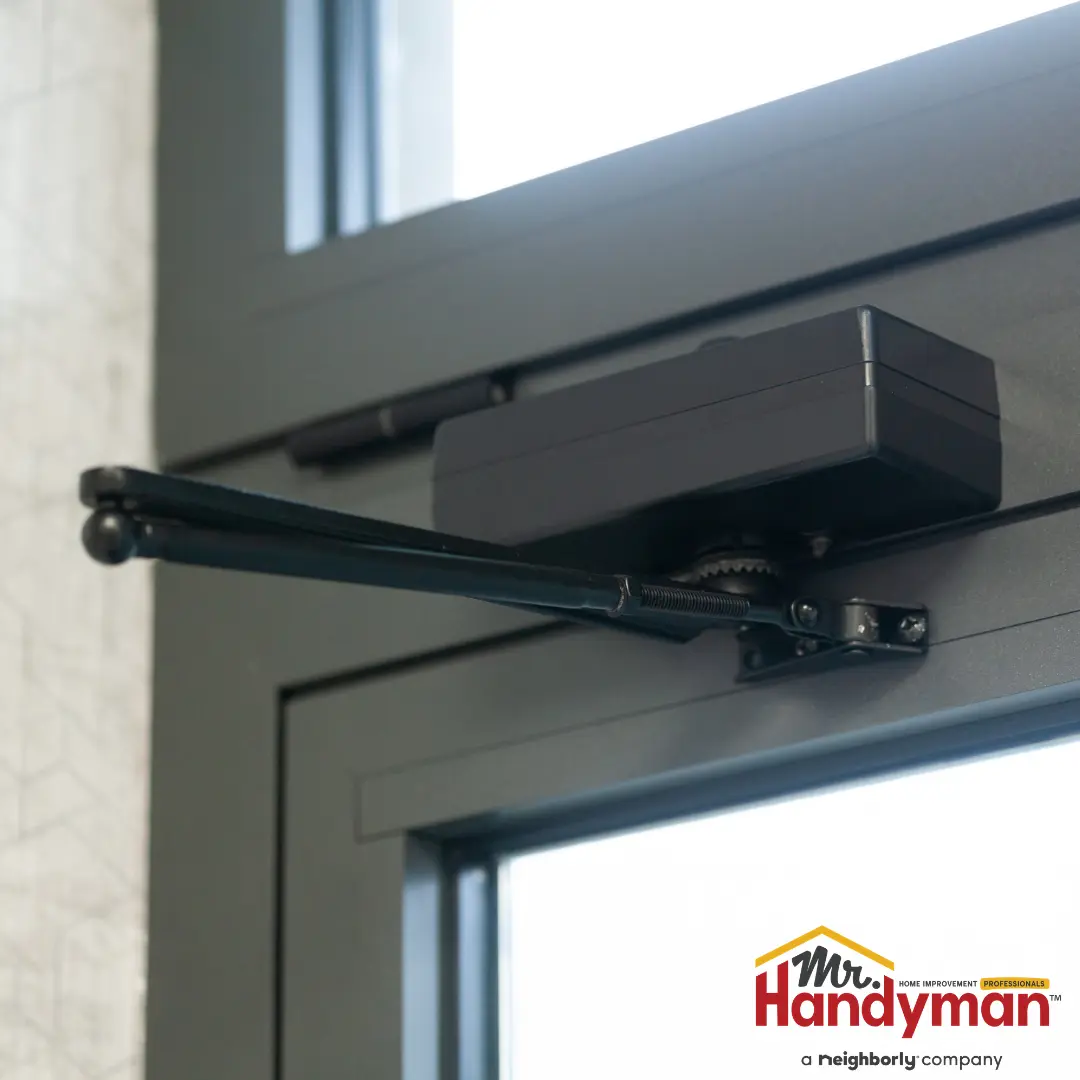
Door closer adjustment is among the most common summer commercial door repairs throughout Southwest Dallas County because the hydraulic fluid in closer mechanisms is temperature-sensitive and the operating range bridging air-conditioned interior and 100-degree exterior creates the performance variation manifesting as doors closing too slowly or too quickly depending on conditions. Adjustment at the appropriate valve settings for summer operating conditions restores the controlled closing speed that ADA compliance and customer safety require. This is specifically relevant in Oak Cliff and Irving's older commercial buildings where door closers may have been in service for extended periods without adjustment to account for North Texas's temperature range.
Weatherstripping on commercial exterior doors wears through the mechanical cycling of customer traffic at rates residential weatherstripping never approaches. A DeSoto or Duncanville retail business with meaningful daily customer volume can consume the effective service life of door perimeter weatherstripping through a single busy summer season. Worn weatherstripping on commercial entry doors creates the air infiltration working against air conditioning continuously and the comfort deficit customers notice immediately upon entering from 100-degree heat into a space that should be noticeably cooler.
Threshold and door sweep conditions at Southwest Dallas County commercial entries reflect the clay soil movement shifting building foundations through seasonal moisture cycles. Thresholds that were level with the door bottom when installed may have shifted relative to the door slab after the clay soil has completed a wet-season expansion cycle. The resulting gap creates both the air infiltration and the pest access that commercial entry maintenance needs to address before peak summer customer traffic maximizes exposure to these conditions.
Interior Surface Repairs From Summer Traffic
Commercial interiors throughout Southwest Dallas County absorb the concentrated customer and employee traffic that summer's peak business activity creates, and the surfaces accumulating the most visible damage are the ones customer impressions evaluate most directly.
Wall surface repair and touch-up painting is the interior maintenance scope that summer traffic drives most visibly in customer-facing commercial spaces. Scuffs, impact marks, and the accumulated damage that high-traffic commercial spaces develop through a busy summer season affect the clean, well-maintained appearance every customer-facing business in Cedar Hill, DeSoto, Duncanville, and Irving needs to sustain. Touch-up painting using properly matched paint in the appropriate commercial finishes restores the maintained appearance communicating business investment at every customer visit.
Drywall repair for the damage that summer operations create, including the hairline cracks at door and window corners that clay soil foundation movement drives through spring's wet season and that summer interior assessment reveals, addresses both appearance and the underlying structural movement consequence. Repairs using reinforcement tape at corners where continued movement stress makes the location vulnerable to recurrence create results holding through subsequent movement cycles rather than requiring the same repair at the same location each season.
Floor surface conditions in Southwest Dallas County commercial entries reflect the clay soil debris customers track through doorways during and after summer storm events. The red clay soil of this area becomes airborne and deposits on exterior surfaces, then enters commercial buildings on customer shoes following rain events, creating the abrasive and staining conditions accelerating floor surface wear at entry areas specifically. Entry mat systems capturing this debris before it reaches interior flooring and periodic commercial floor cleaning removing accumulated clay residue from high-traffic zones protect floor surface investments that replacement-level damage makes more costly to address reactively.
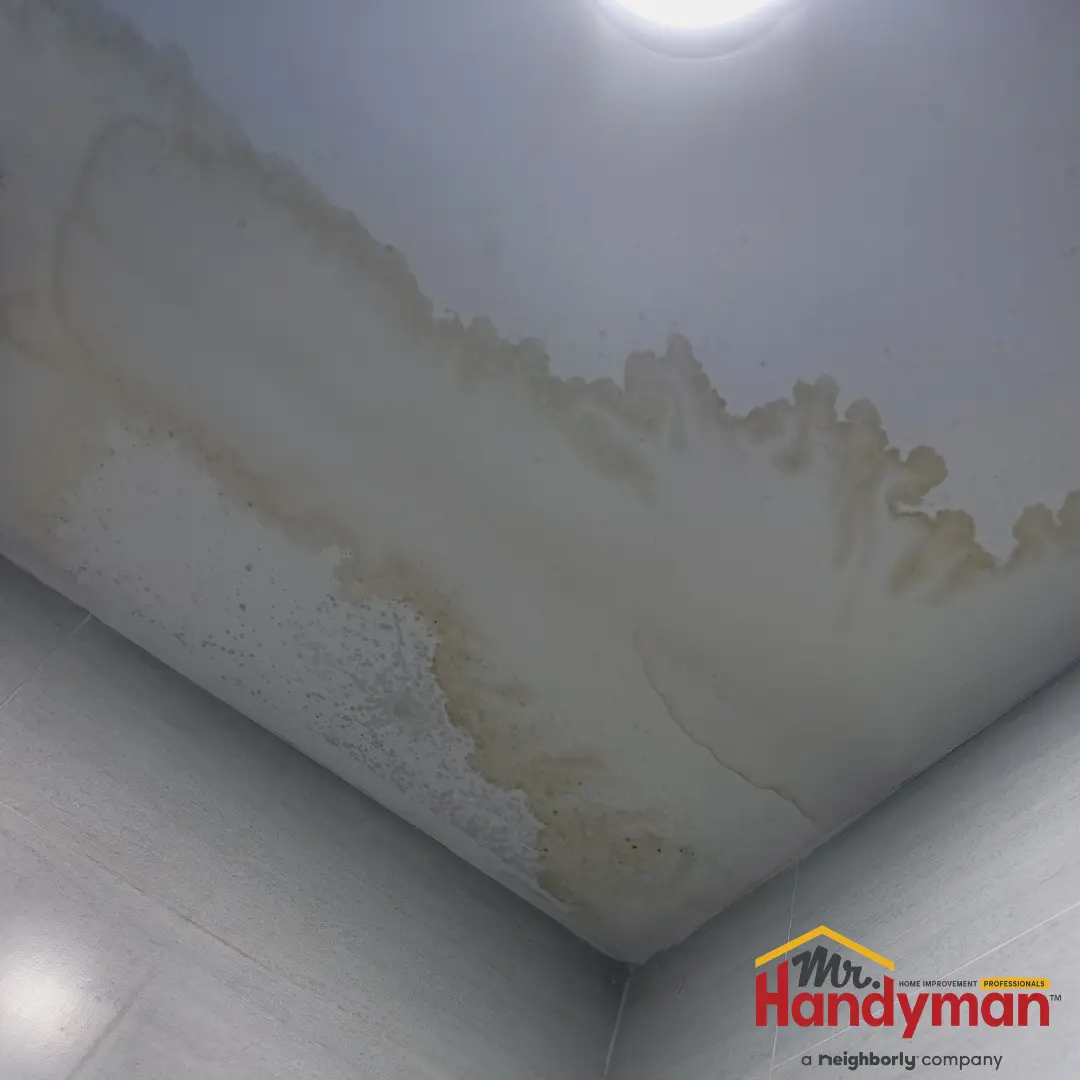
Ceiling tile conditions in Southwest Dallas County commercial spaces reflect summer's two distinct mechanisms. Water staining from roof conditions or HVAC condensate overflow creates the discolored tiles communicating building maintenance concerns to every person in the space. And thermal movement from summer heat loading of the building structure above suspended ceiling systems can dislodge tiles from their grid supports in Cedar Hill and Irving commercial buildings where roof-to-ceiling thermal movement is significant during peak summer heat.
Restroom Maintenance
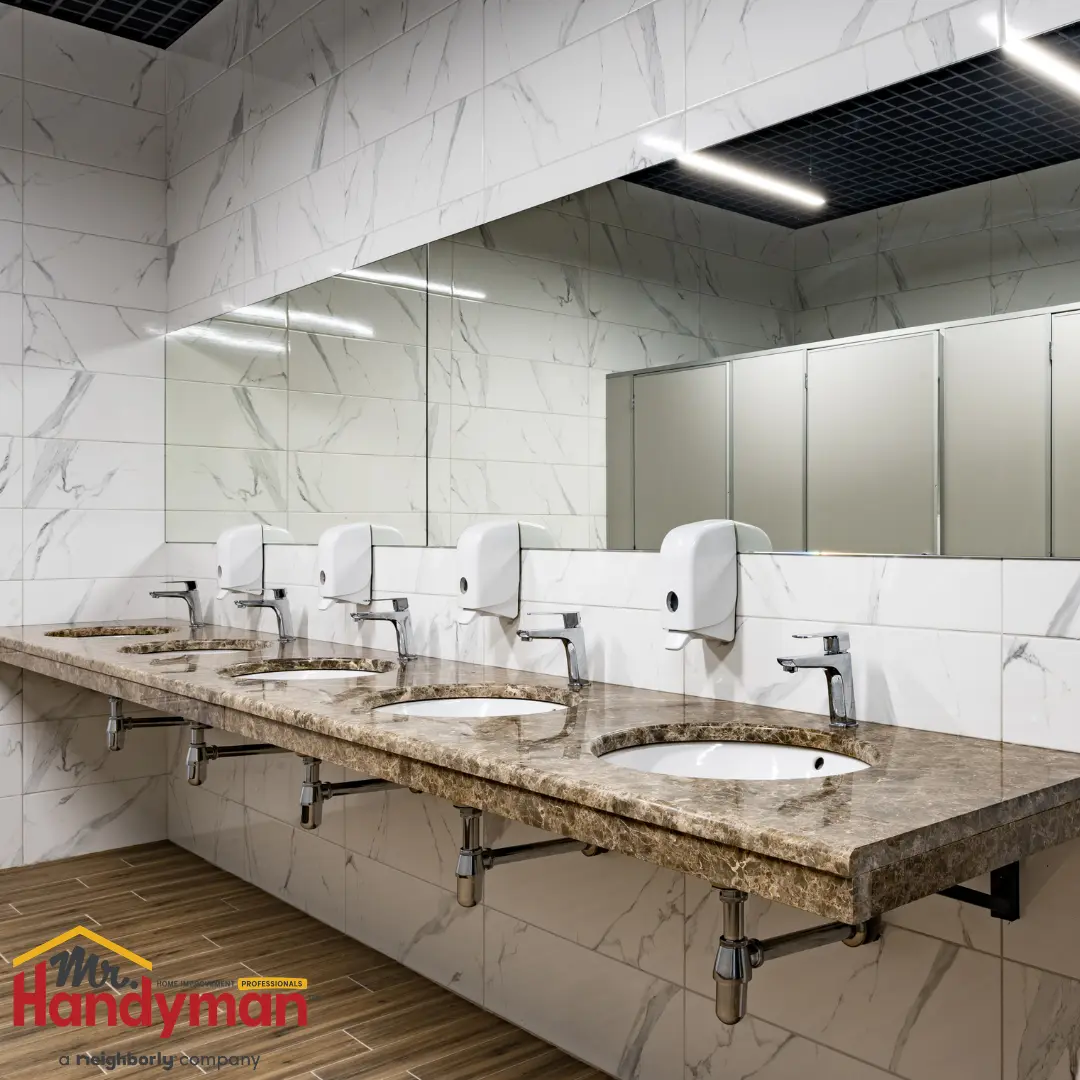
Restroom condition in Southwest Dallas County commercial properties carries the customer impression significance making it one of the highest-priority maintenance categories in any summer commercial maintenance program.
Caulking at fixture bases and wall-floor transitions deteriorates through the concentrated use and hard water conditions that Southwest Dallas County's DFW water supply creates in commercial restrooms. Gaps and staining at deteriorated joints communicate maintenance standards to customers more directly than almost any other commercial interior condition. Regular recaulking using quality silicone at the specific joints where deterioration has progressed keeps restrooms in the condition that customer impression and health inspection standards both require.
Fixture hardware maintenance in Southwest Dallas County commercial restrooms requires the frequency that high-cycle business traffic creates. Towel bars, soap dispensers, toilet paper holders, and door hardware loosened through repeated force application need systematic tightening and failed component replacement as part of a regular summer maintenance program. In the diverse commercial districts of Irving and Oak Cliff where customer volume can be substantial through summer's peak business period, restroom hardware failure creates immediate service problems and lasting impression consequences that maintained hardware prevents.
Exhaust ventilation adequacy in commercial restrooms is the condition that Southwest Dallas County's warm, humid summer environment makes most consequential for both odor control and surface deterioration rates. A fan running but moving inadequate air volume due to accumulated dust or worn motor performance provides the sound of ventilation without its substance, and the restroom conditions that inadequate ventilation creates in this climate deteriorate rapidly and create the persistent conditions that customer impression cannot recover from.
Parking Area and Entry Approach Conditions
Concrete crack sealing in commercial parking areas and entry walkways is the summer maintenance task that Southwest Dallas County's clay soil movement and thermal cycling make most time-sensitive. Cracks unsealed when summer's afternoon thunderstorm activity begins accept water infiltration during each rain event, and this water mobilizes the clay soil beneath in ways creating differential settlement and additional cracking through each subsequent season. Addressing identified cracks before peak storm season limits this progressive deterioration.
Trip hazard assessment and correction at walkway control joints where clay soil differential settlement has created elevation differences between adjacent slab sections is the safety-critical exterior maintenance that Southwest Dallas County commercial properties need at regular intervals. The seasonal expansion and contraction of clay soil beneath commercial concrete creates the differential movement accumulating across multiple seasons into elevation differences that create genuine trip hazard conditions at joints. Pre-summer assessment before peak customer traffic creates maximum incident exposure is the responsible maintenance timing for any commercial property with public pedestrian access.
Facade cleaning addresses the biological growth, clay soil dust accumulation, and storm-deposited soiling that Southwest Dallas County's first half of the warm season creates on commercial building exteriors. Pressure washing of customer-facing exterior surfaces creates the fresh, well-maintained impression that commercial property deserves and that customer perception of the business is influenced by before they enter the building.
Frequently Asked Questions
What is the most urgent summer repair for a Southwest Dallas County commercial property?
Exterior sealant inspection and targeted repair before peak storm season is the most time-sensitive priority because failed sealant at storefront glazing perimeters and facade transitions allows storm-driven water infiltration creating interior damage far more costly than the preventive repair. Addressing this before the most active storm period rather than discovering it during a storm event is the correct sequencing for Southwest Dallas County businesses.
How does clay soil specifically affect Southwest Dallas County commercial building maintenance?
Clay soil creates seasonal movement affecting sealant joints, door and window alignment, interior door operation, exterior flatwork cracking, and any anchored element connected to the building structure. Commercial maintenance programs for Southwest Dallas County properties need to include annual inspection of the conditions clay soil movement drives and timely correction of the operational and weathertightness consequences it creates.
Can a handyman handle most summer commercial repairs in Southwest Dallas County?
Yes. Exterior sealant work, door hardware adjustment and replacement, weatherstripping, interior surface repairs, ceiling tile replacement, restroom fixture and caulking maintenance, and concrete crack sealing are all within handyman scope. HVAC mechanical work, gas systems, and new electrical circuit installation require licensed contractors, but the broad range of building maintenance Southwest Dallas County commercial properties need through summer is handyman work.
How should Southwest Dallas County businesses prioritize summer commercial repairs?
Customer-facing and safety-critical conditions come first, including trip hazards, failed entry door weatherstripping, and deteriorated customer-visible interior surfaces. Building envelope vulnerabilities that storm events would exploit with the most costly interior damage consequences come second. Operational improvements to interior conditions affecting employee comfort and productivity follow as the third priority tier.
What frequency is appropriate for commercial sealant inspection in Southwest Dallas County?
Annual inspection before summer storm season is the baseline. Properties experiencing significant hail events during the previous year warrant additional post-event inspection of glazing perimeter and facade transition sealant conditions. South and west-facing exposures in this service area may find sealant service life shorter than annual inspection assumes given Southwest Dallas County's afternoon sun intensity and thermal cycling conditions.
How does summer customer traffic specifically affect Southwest Dallas County commercial interiors?
Summer volume concentrates wear at entry areas, restrooms, and customer service zones at rates off-peak periods do not create. Clay debris tracked in from Southwest Dallas County's red clay soil during storm events abrades hard floor surfaces and stains grout faster than other seasons. Restroom fixtures experience cycling frequency requiring more frequent attention. And the moisture that summer outdoor conditions introduce through customer entries creates faster deterioration of floor finishes and base caulking in high-traffic zones.
Keep Your Southwest Dallas County Business Property Summer-Ready
The commercial properties serving their customers well and protecting their investment through North Texas's demanding summer are the ones whose owners treat seasonal maintenance as the proactive discipline preventing the reactive repair costs that deferred attention creates. The team at Mr. Handyman of Southwest Dallas County brings the commercial repair expertise and North Texas regional knowledge to handle every summer maintenance scope throughout Cedar Hill, Cockrell Hill, DeSoto, Duncanville, Irving, Oak Cliff, Red Oak, Redbird, and Wolf Creek.
Call us at or visit www.mrhandyman.com/southwest-dallas-county to schedule your commercial maintenance service. We work around your business schedule, arrive on time, and back everything we do with the Neighborly Done Right Promise.