
Why Outdoor Structures Age Faster in Southwest Dallas County
The decks and porches throughout Southwest Dallas County serve households that use them consistently through a warm season running from April through October, and North Texas's specific conditions work on these structures through every week of that extended exposure. The combination of mechanisms that Dallas-area summers create for outdoor wood and structural hardware is among the most demanding in the residential market, and the deterioration it produces accumulates at rates that homeowners from moderate climates consistently find faster than their prior experience prepared them for.
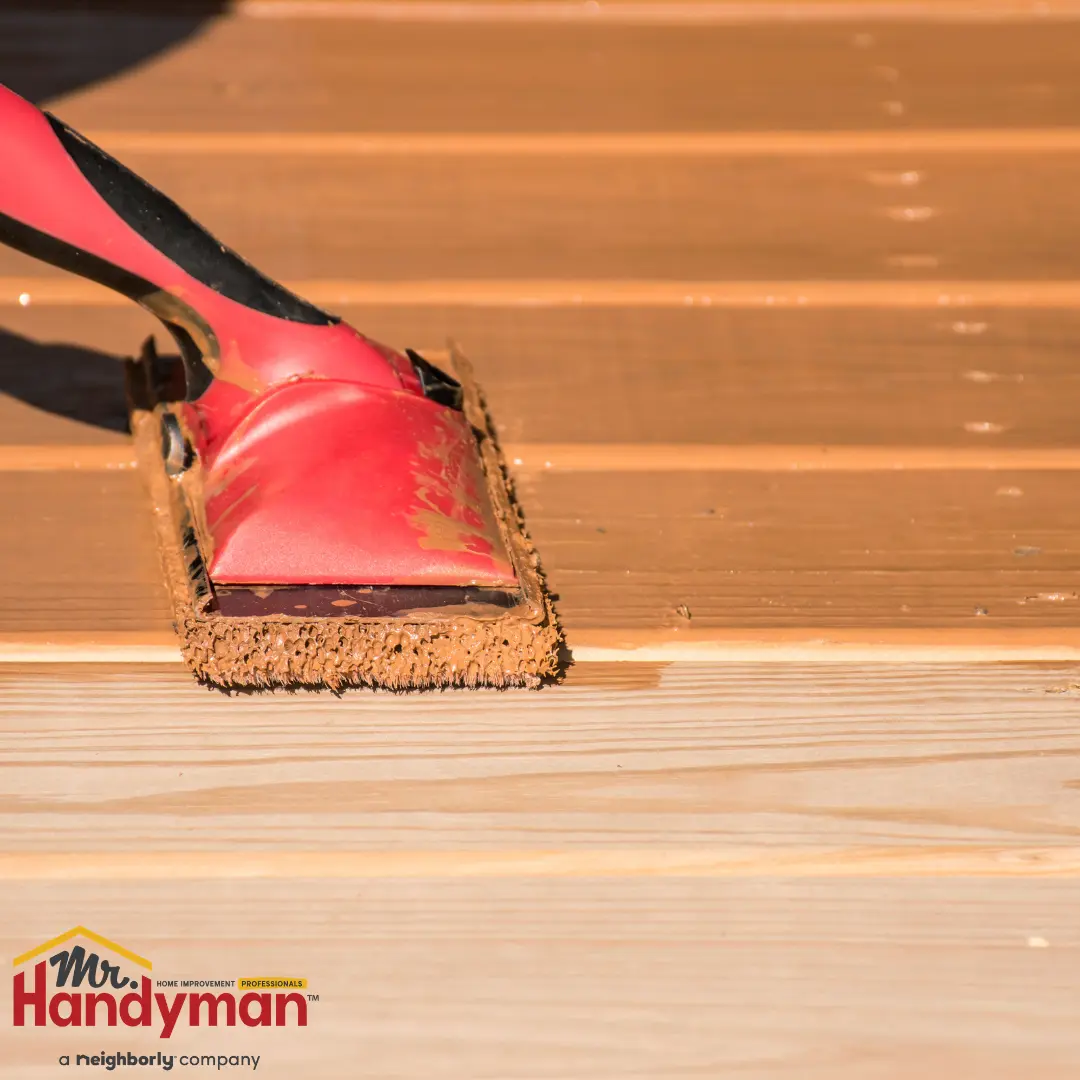
UV radiation is the primary mechanism. Dallas-area summers deliver intense, sustained sun exposure through a warm season that occupies more than half the year. The UV and heat working on exterior wood finishes from the south and west breaks down the protective film that stain and sealant applications create, exposing the wood fiber beneath to the moisture infiltration and biological decay that require this access to progress. A deck finish that would hold for five or six years in a northern market may need renewal every two to three years on a south-facing Cedar Hill or DeSoto exposure.
Clay soil is the second mechanism specific to this service area. The expansive clay underlying all of Southwest Dallas County's residential development creates the foundation movement that concentrates stress at post bases, ledger board connections, and the hardware joints that hold deck and porch assemblies together. This movement cycles through expansion and contraction on the seasonal moisture schedule that each wet spring and dry summer creates, and the hardware connections at post bases and beam connections absorb this movement as fastener stress loosening connections that were sound when installed. In Duncanville, Irving, and the established DeSoto neighborhoods where decks have been through multiple decades of this cycling, the consequence is visible in slightly leaning posts, loosening railing connections, and the hardware conditions that annual assessment reveals.
The severe weather that North Texas summer delivers adds periodic acute stress. Hail events impact wood deck surfaces, creating the surface bruising that compromises finish adhesion and accelerates deterioration at impact points. High-wind events from summer thunderstorms load railings and shade structures laterally, testing connections in ways that calm conditions never reveal. And the occasional winter cold snap, while not a sustained freeze, loads gutters, roof overhangs, and horizontal deck surfaces with ice weight before rapid melt follows.
The housing stock throughout Southwest Dallas County creates a specific outdoor structure profile. Oak Cliff and Irving's older residential neighborhoods have the most established structures, some dating back multiple decades with maintenance histories that vary widely. DeSoto, Duncanville, and Cedar Hill's production homes from the 1980s through the 2000s carry the wood decks and covered patios installed during initial construction that are now entering the most maintenance-intensive period of their service life. Understanding what this specific combination of climate and housing age creates in outdoor structure conditions helps homeowners in Red Oak, Redbird, Wolf Creek, and Cockrell Hill assess and prioritize the repairs their properties need.
Deck Board Assessment: The Physical Test That Matters
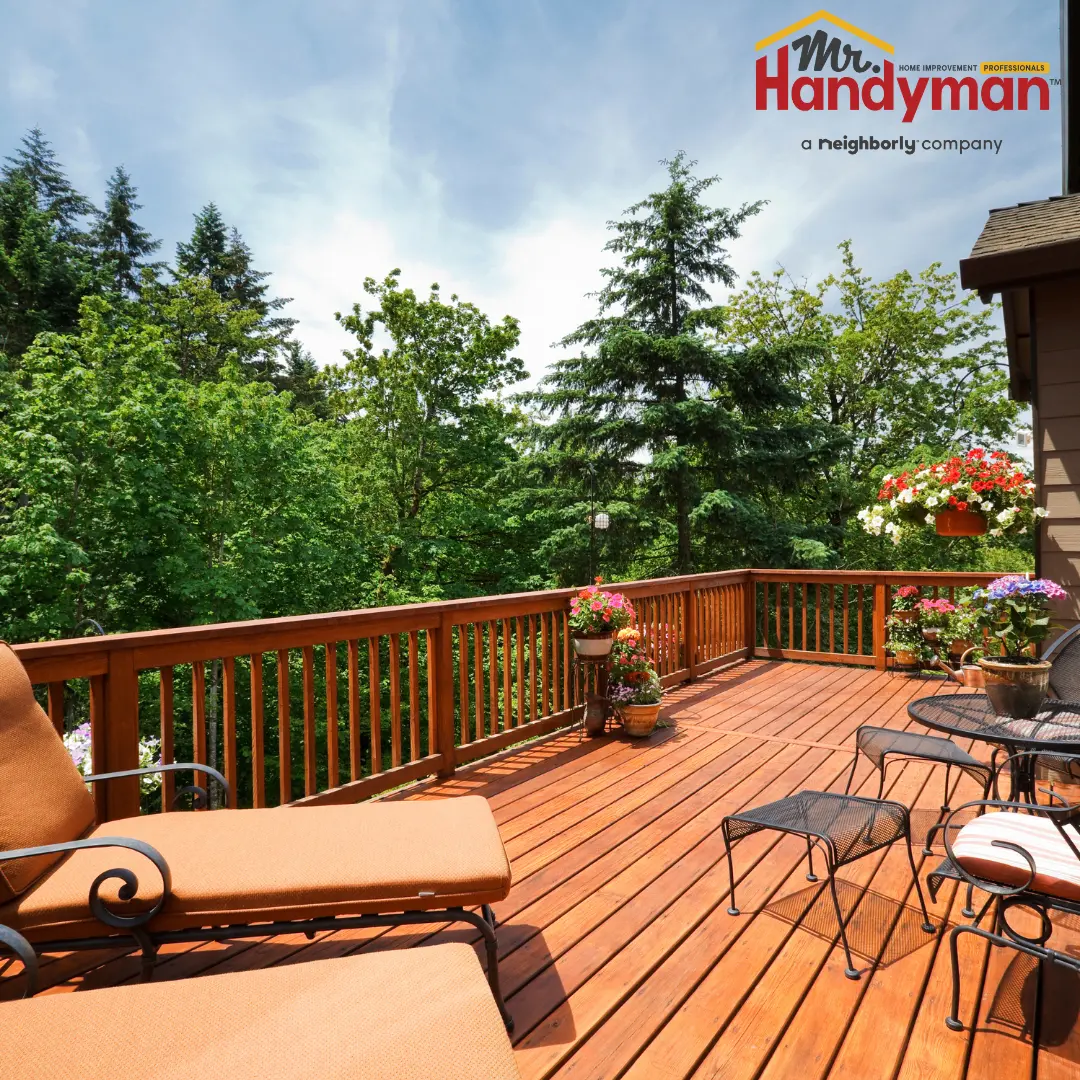
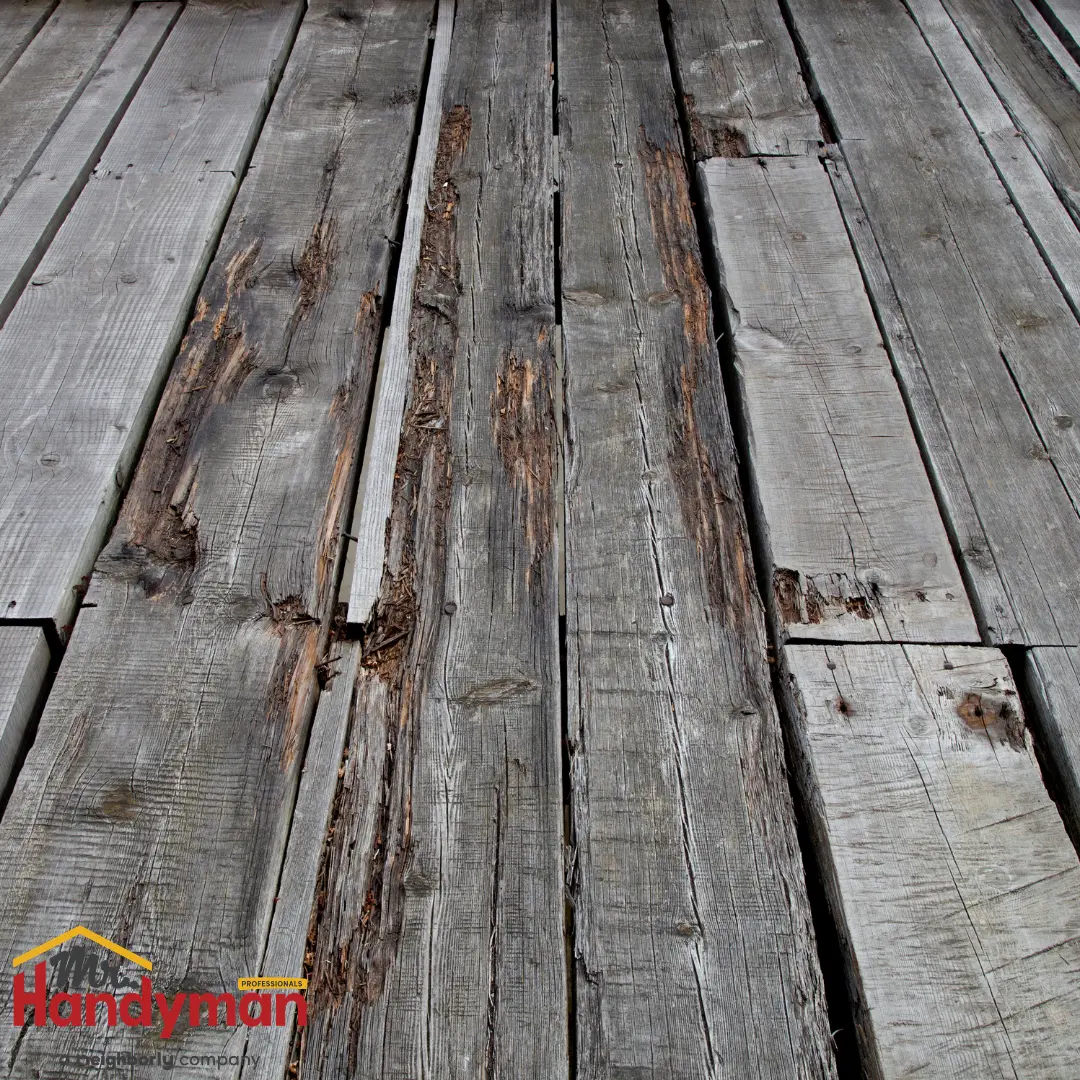
Visual inspection of a deck surface from a standing position consistently misses the conditions most relevant to structural safety in Southwest Dallas County homes. The specific failure mode that North Texas's climate creates in deck boards is internal decay maintaining a surface appearance of acceptable condition while the wood fiber beneath has been compromised by biological activity and moisture infiltration through failed finish.
Walking the full deck surface and pressing firmly downward on each board is the assessment that matters. A board whose internal structure is sound resists this pressure without deflection. A board with internal decay gives softly underfoot, a response that hurried foot traffic across a familiar surface often does not notice but that deliberate applied pressure reveals immediately. In Cedar Hill and DeSoto homes where decks have been through ten or more years of North Texas UV and intermittent moisture from summer storms without a complete finish renewal cycle, the number of boards requiring replacement based on this physical test sometimes surprises homeowners whose visual assessment concluded the surface was acceptable.
Probing at board ends where they rest on joists is the companion step revealing the framing condition beneath the surface. A screwdriver pressed firmly into the wood at these contact points that penetrates beyond light surface resistance indicates the internal decay requiring structural attention before any surface work proceeds. If the probe penetrates easily into wood that should be solid, the member beneath needs assessment before board replacement occurs above it.
Fastener condition throughout the deck surface tells the thermal cycling and moisture story the hardware has been accumulating through Southwest Dallas County's seasons. Fasteners that have backed out from board surfaces through expansion and contraction cycles, that show the rust bleeding that coating failure creates, or that have lost their grip in the wood around them need replacement with appropriate outdoor-rated fasteners. In older Irving and Oak Cliff homes where deck construction used fasteners adequate for original installation but not specified for the long-term demands of this climate, systematic fastener assessment is the maintenance step preventing the progressive loosening that each subsequent season advances.
Railing Safety: The Assessment Southwest Dallas County Homeowners Must Complete
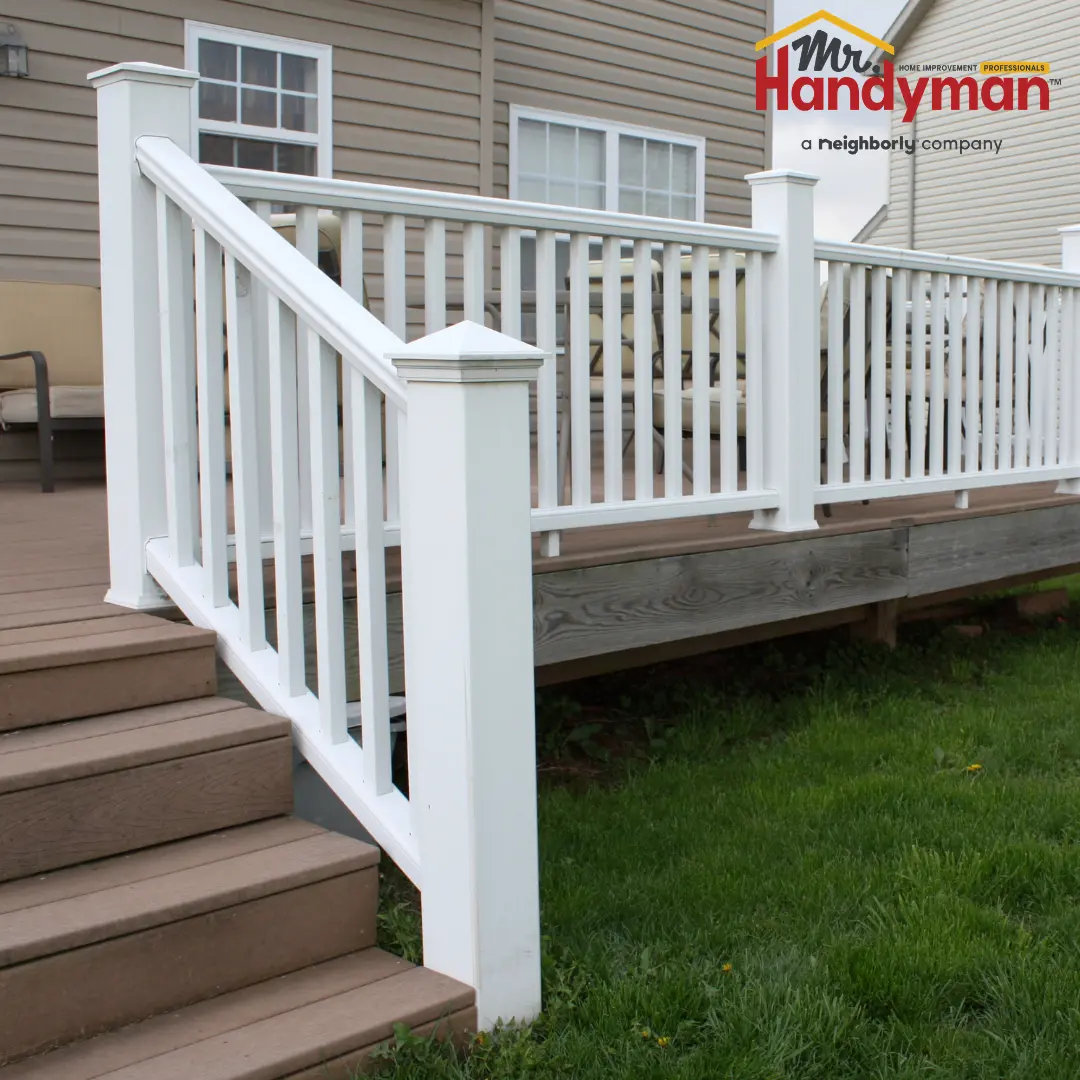
Deck railing safety testing is the structural assessment that no Southwest Dallas County homeowner can defer, particularly before the summer hosting season brings the maximum number of people into simultaneous contact with these elements.
Grasping each railing post firmly with both hands and applying lateral force in multiple directions is the test. A structurally sound post transmits this force to its base without any perceptible movement at the post, at the frame connection above, or at the base connection below. Any movement under this test reveals a structural condition requiring correction before the railing performs its fall-prevention function reliably under the dynamic loading that multiple guests create simultaneously.
The clay soil movement that affects all of Southwest Dallas County's residential geology concentrates its effect at exactly the post base connections that railing safety depends on. A post set in concrete at grade has been through the expansion and contraction of that concrete through multiple seasonal cycles, and the hardware connecting the post to the concrete anchor may have loosened in ways that are not visible but that the lateral force test reveals clearly. In the established neighborhoods of DeSoto, Duncanville, and Irving where decks have been through complete cycles of this movement, this condition is among the most consistently found in physical safety assessments.
Baluster spacing verification confirms compliance with the four-inch maximum spacing standard preventing small child entrapment. Clay soil foundation movement can shift railing systems enough over multiple cycles that original compliant spacing has opened beyond this threshold at specific locations. Physical measurement at multiple points along each railing section identifies any locations where spacing has exceeded the safe threshold regardless of the railing's overall appearance.
Top rail condition reflects the UV and thermal cycling of Southwest Dallas County summers in the surface checking, gray weathering, and finish failure that unprotected wood develops through the long warm season. A top rail at the point of visible through-checking has lost the finish protecting it from moisture infiltration, and the decay that this access creates in rail wood affects the structural integrity of the entire railing system as it progresses.
Ledger Board and Connection Inspection
The ledger board connecting the deck to the home's exterior wall is the structural component whose condition has the most direct bearing on overall deck safety, and its inspection is specifically motivated by the clay soil conditions that Southwest Dallas County's geology creates at the foundation-to-structure transition where ledger connections are made.
The ledger inspection looks for wood decay at the interface where the ledger meets the exterior wall. This is the location where moisture becomes trapped between the ledger and the wall surface when flashing was not installed correctly at original construction or has since failed. In Cedar Hill, DeSoto, and Duncanville's production homes where original construction during the area's rapid residential growth period had variable quality control on ledger flashing, this assessment is specifically warranted for any deck that has been in service for more than a decade.
Fastener condition at the lag screws or through-bolts connecting the ledger to the home's rim joist reflects the combined effects of North Texas thermal cycling and the moisture cycling that clay soil conditions create. Any corrosion, loosening, or visible separation at these connections warrants professional evaluation before peak summer loading tests them at gatherings where the full weight of outdoor social activity concentrates on these connections.
Post and beam connections at the support structure beneath the deck need physical confirmation that hardware is sound and that connection hardware has not corroded to the point of structural compromise. In Southwest Dallas County decks that have been in service for more than ten years, the galvanized hardware that was appropriate at original construction may have reached the end of its corrosion resistance in the outdoor moisture conditions this area's summer storms and clay soil contact create.
Porch and Covered Structure Repairs
Covered porches in Southwest Dallas County's predominantly brick residential stock present the specific repair profile that masonry construction creates for the deterioration mechanisms North Texas produces.
Mortar joint condition in brick porch columns is among the most consistent porch maintenance needs across the established neighborhoods of DeSoto, Duncanville, and Irving. Mortar that has receded behind the brick face, that shows cracking at horizontal joints, or that crumbles under physical probing has lost the weather-sealing function protecting the column interior from moisture. Repointing deteriorated mortar joints before summer storm activity drives water through compromised joints is the proactive maintenance extending column service life and preventing the interior moisture conditions that compromised masonry allows through an entire storm season.
Wood element condition at porch ceilings, fascia at the roofline, and any decorative trim at porch perimeters accumulates the UV and moisture cycling damage that Southwest Dallas County's climate creates in sheltered but exterior-adjacent wood. These elements are protected from direct rain by the porch roof but are exposed to the reflected UV and ambient heat that a Dallas-area summer produces continuously. Annual inspection with targeted wood rot repair, caulking renewal at joints, and paint touch-up at identified failures prevents the progressive deterioration that deferred attention allows to develop into replacement scope.
Concrete porch floor assessment reveals the clay soil movement and thermal cycling conditions accumulating in exterior concrete through North Texas's seasonal cycles. Cracks at the porch floor surface, particularly at the transition between porch concrete and the home's foundation, need sealing before summer rain events drive water through them. Sealed cracks manage subsequent moisture infiltration significantly better than open cracks accepting water with each rainfall and allowing clay soil beneath to absorb and retain it in ways driving further movement.
Surface Protection: Timing and Frequency in This Climate
Surface protection for Southwest Dallas County decks requires the timing and frequency that North Texas's UV intensity and thermal cycling demands. The manufacturer's guidance on many exterior stain and sealant products is calibrated to moderate climates and may suggest three to five year renewal intervals that a south-facing Southwest Dallas County deck surface consumes in two to three years.
Pre-summer application positions the deck to enter the most demanding period of the year with a fresh, fully cured protective film. A deck receiving quality stain or sealant in late March or April before UV intensity peaks creates the protection that holds through the season's most demanding conditions. A deck entering summer with a finish already showing chalking, color loss, or failure of water repellency will absorb the UV and moisture loading of a North Texas summer with diminishing protection.
The preparation that quality surface renewal requires is the factor most directly determining whether results hold through subsequent seasons. Power washing to remove the previous season's biological growth and accumulated soiling, chemical stripping where existing film-forming finish has failed and is peeling, and appropriate dry time before application creates the surface that new stain adheres to correctly. Shortcutting preparation to get to the visible application step produces the premature failure that the shortcuts earned in Southwest Dallas County's demanding outdoor environment.
When Repair Becomes Replacement
The repair-versus-replace decision for Southwest Dallas County decks follows the logic that applies in any demanding climate, with the clay soil and housing age context specific to this service area adjusting the calculation.
Repair is clearly appropriate when structural framing is sound, affected conditions involve defined sections rather than the overall structure, and remaining service life after repair is meaningful. In DeSoto and Duncanville production homes where decks built in the 1990s or 2000s have been through limited maintenance, targeted board replacement, railing hardware correction, and a comprehensive refinish can extend useful life by many additional years at a fraction of replacement cost.
Replacement becomes appropriate when ledger or framing condition has been compromised past the structural confidence threshold, when the majority of deck boards fail the physical pressure test indicating widespread decay throughout the surface, or when the structure's design creates limitations that a new installation would resolve while repair would simply defer the larger conversation. In Oak Cliff and Irving's older homes where deck structures date back further and have been through more complete deterioration cycles, replacement is sometimes the honest assessment that professional inspection produces.
Frequently Asked Questions
How often should Southwest Dallas County homeowners physically assess deck railing safety?
Annual pre-summer physical assessment is the appropriate baseline, conducted before the summer hosting season creates peak loading on the railing system. Homes experiencing significant hail or high-wind events during the previous year warrant additional post-event assessment because storm loading tests connections in ways that calm-day inspection does not reveal.
What deck materials hold up best in Southwest Dallas County's North Texas conditions?
Composite decking significantly outperforms wood in this climate's UV and thermal cycling environment because it does not require the staining and sealing maintenance that wood demands and resists the internal decay that North Texas's intermittent moisture creates in wood through failed finish. For wood construction, pressure-treated lumber at appropriate treatment retention levels and periodic refinishing is the minimum maintenance standard this climate requires for reasonable service life.
How does clay soil specifically affect deck post connections in Southwest Dallas County?
Clay soil expands when wet and contracts through dry conditions, creating cyclical movement in any concrete footing at grade. This movement transmits upward through post bases to railing and structural connections, working at hardware over multiple cycles in ways that loosen connections that were sound when installed. Annual physical testing catches this loosening before it reaches the structural failure threshold that summer hosting activity creates maximum opportunity to test.
What is the most common wood rot location in Southwest Dallas County covered porches?
Column bases where wood contacts concrete or masonry at grade is the most consistent rot location. Moisture retained between wood end grain and the concrete surface, combined with minimal air circulation at this contact zone, creates the biological conditions that wood decay requires. Appropriate clearance between wood ends and concrete surfaces, column base wraps, and caulking at the transition joint all reduce the moisture contact creating rot at this location.
Can deck and porch repairs be coordinated with surface refinishing in a single visit?
Yes, and this coordination is more efficient than scheduling them separately. A visit addressing structural repairs at post bases and hardware connections, replacing failed boards and railing sections, and applying fresh stain throughout completes in a single organized effort what separate scheduling would spread across multiple visits. The practical requirement is sequencing so that structural work and replacement precede surface preparation and stain application.
Should post-hail damage assessment happen before summer maintenance in Southwest Dallas County?
Yes. Hail events throughout Dallas County impact deck surfaces, shutter mounting hardware, exterior trim caulking, and screen mesh in ways that pre-season assessment identifies before the subsequent season's UV and moisture loading accelerates deterioration at compromised locations. Any significant hail event from the previous year warrants specific post-event assessment before summer maintenance proceeds.
Protect Your Southwest Dallas County Outdoor Structures Before Summer Tests Them
The decks, porches, and railings serving as the outdoor gathering centers for Southwest Dallas County households deserve the professional assessment and targeted repair that keeps them structurally sound, visually maintained, and genuinely safe through the long warm season. The team at Mr. Handyman of Southwest Dallas County handles the full range of deck, porch, and railing repair throughout Cedar Hill, Cockrell Hill, DeSoto, Duncanville, Irving, Oak Cliff, Red Oak, Redbird, and Wolf Creek.
visit www.mrhandyman.com/southwest-dallas-county to schedule your outdoor structure assessment and repair. We show up on time, work cleanly, and back everything we do with the Neighborly Done Right Promise.