

Why Home Safety Deserves Deliberate Attention Across Southwest Dallas County's Communities
Home safety is one of those topics that most Southwest Dallas County homeowners treat as a background concern rather than a deliberate practice. The assumption is that if nothing has gone wrong recently, the home is safe. If the smoke detector activated during last month's cooking incident, it's probably working. If no one has tripped on the front walkway, the surface must be adequate. If the deck handrail hasn't been tested recently, it's probably still solid.
This passive approach works until it doesn't, and across Southwest Dallas County's remarkably diverse residential landscape the passive approach carries risks that each community's specific conditions amplify in ways that homeowners sometimes underestimate until their first full seasonal cycle in the area reveals what those conditions actually produce in safety-relevant home systems and conditions. In Cedar Hill's lake-proximate hillside communities, hardware corrosion from Joe Pool Lake's elevated humidity advances structural connection adequacy at rates that inland properties without equivalent lake proximity don't experience on the same timeline, and hillside terrain creates drainage and structural foundation conditions that flat terrain suburban properties in DeSoto, Duncanville, and Lancaster don't face at the same character. In Southwest Dallas County's established communities where homes from the 1970s through 1990s carry the building system service histories of multiple decades, the specific safety considerations those construction eras create in aging electrical infrastructure, accumulated thermal cycling effects on structural connections, and building envelope conditions reflecting decades of North Texas seasonal exposure require assessment awareness that newer construction without that service history doesn't demand at the same urgency. And in Mansfield's and Midlothian's growing communities where newer production building reflects the construction standards of competitive suburban development, the builder-grade safety installations that those standards produced warrant the systematic assessment that confirms their adequacy under real use conditions rather than assuming that recent installation guarantees current adequacy.
The North Texas climate creates safety-relevant conditions throughout Southwest Dallas County that the region's specific seasonal extremes advance more actively than more temperate climates produce on equivalent timelines. The extreme thermal range between summer's triple-digit temperatures and winter's freeze events advances structural connection loosening, concrete trip hazard development from expansive clay soil movement, and caulking and moisture barrier failures at rates that systematic spring assessment addresses before summer's outdoor entertaining season and concentrated household use creates the peak demand that reveals conditions whose correction spring maintenance would have addressed preventively.
The home safety conditions this guide addresses fall within Mr. Handyman of Southwest Dallas County's permitted handyman scope under Texas law across the structural, fire and life safety, moisture management, and hardware and mechanical categories this checklist covers.
The Structural Safety Checklist Across Southwest Dallas County's Communities
Stair and Handrail Assessment Across the Service Area's Construction Era Range
Every staircase in a Southwest Dallas County home deserves the deliberate structural assessment that casual daily use doesn't provide, and across the service area's construction era range that assessment carries specific considerations that vary meaningfully from Cedar Hill's lake-proximate hillside properties through the established community homes of Duncanville, DeSoto, and Lancaster to Mansfield's newer production building.
Handrail structural testing applying deliberate lateral, downward, and inward force to every handrail section at multiple points and at each post connection identifies the connection conditions that visual inspection and casual daily contact don't reveal. In Southwest Dallas County's established community homes from the 1970s through 1990s where handrail installations have accumulated decades of North Texas thermal cycling and moisture exposure, spring structural testing identifies the loosening that accumulated seasonal cycling has advanced in original or early replacement handrail hardware before summer's entertaining season places guests in contact with those systems under real use loading.
In Cedar Hill's lake-proximate properties where hardware corrosion from Joe Pool Lake's elevated humidity advances connection adequacy at rates the lake proximity moisture environment creates more actively than inland Southwest Dallas County hardware experiences at equivalent service ages, spring handrail testing with specific attention to hardware corrosion advancement at connection points identifies replacement needs before summer's entertaining loads and spring storm wind events test those connections under real conditions. Replacement with corrosion-resistant stainless steel or hot-dip galvanized hardware rather than standard zinc-plated alternatives is the hardware specification that Cedar Hill's lake proximity environment justifies for any structural safety hardware replacement.
In Mansfield's and Midlothian's newer production building where handrail installations reflect the construction standards of competitive suburban development rather than the structural robustness that systematic testing confirms against real loading, spring force testing produces the structural adequacy confirmation that assumed adequacy based on recent installation without systematic assessment doesn't reliably provide.
Deck Structural Assessment Across Southwest Dallas County's Property Range
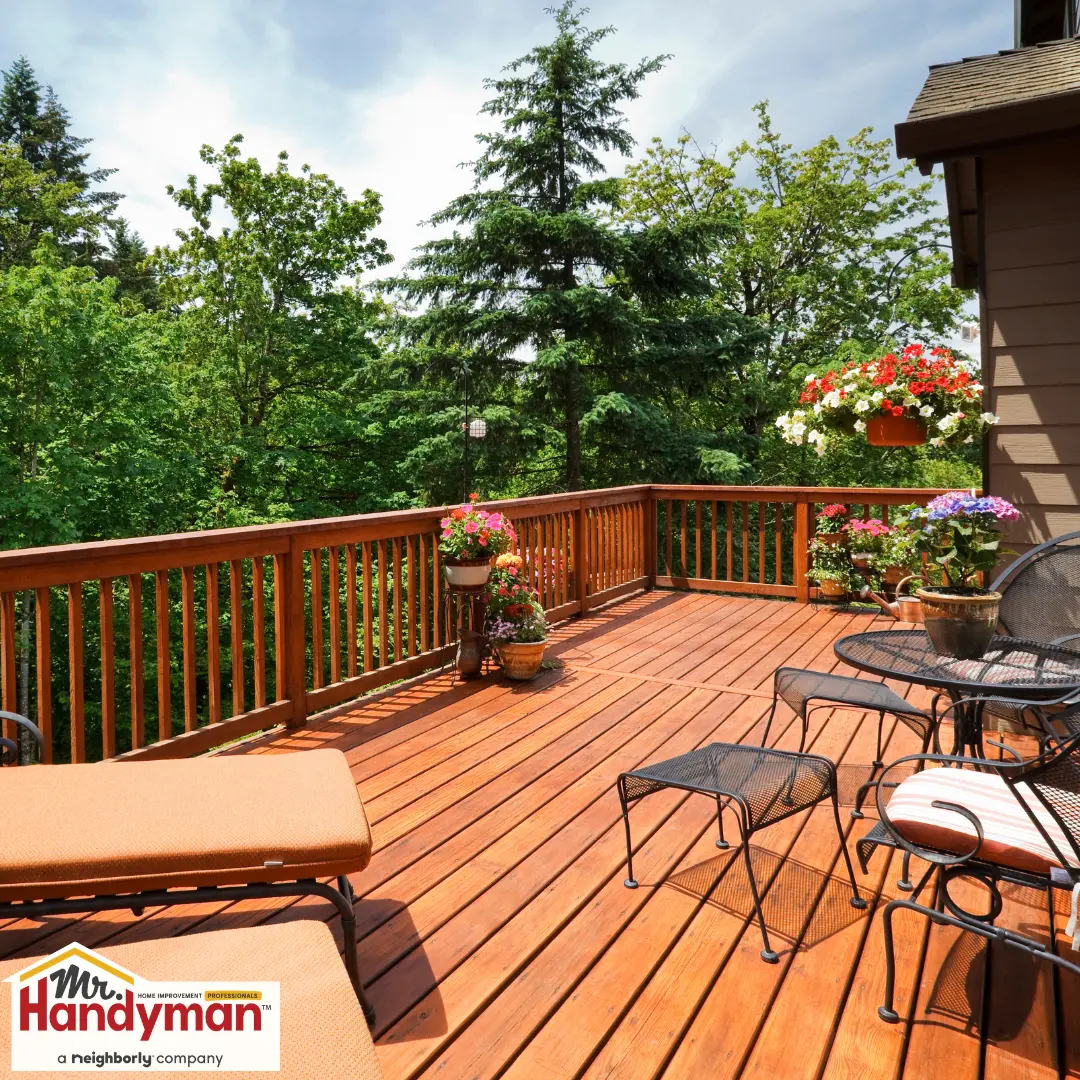
Deck structural safety throughout Southwest Dallas County requires the spring assessment that identifies conditions the preceding year's seasonal cycling has advanced before summer's entertaining season tests those conditions under real loading. In Southwest Dallas County's established community homes where deck structures from earlier construction eras carry the accumulated service history of multiple North Texas seasonal cycles, structural assessment that accounts for that specific service history produces the most complete pre-summer safety picture for those specific properties.
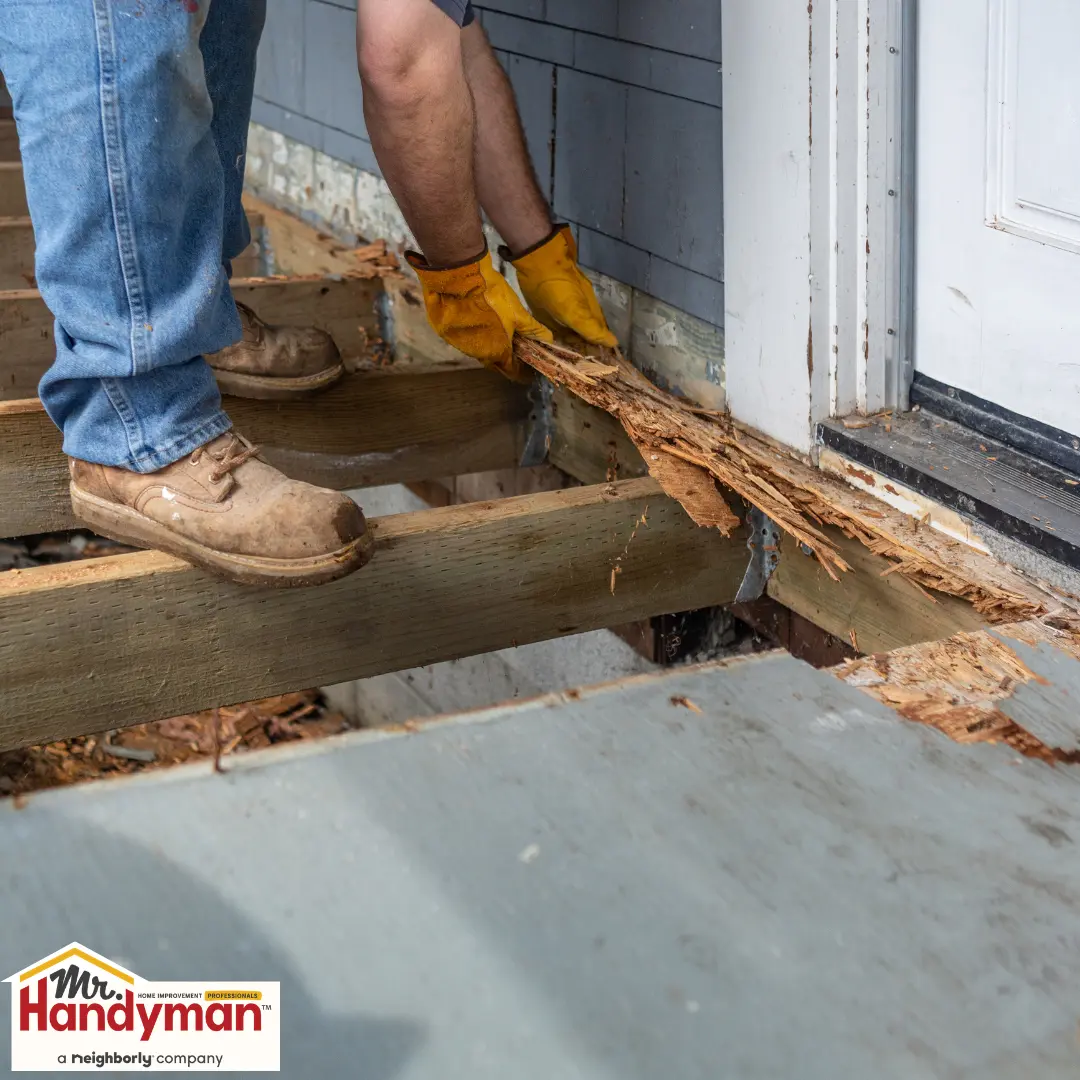
Ledger board assessment confirming the structural connection between deck and home exterior wall, flashing condition directing water away from the wall assembly, and fastener engagement in wall framing are deck safety priorities whose importance Southwest Dallas County's active spring storm season amplifies through the wind loading and concentrated rainfall that storm events deliver to deck structures and their wall attachment connections repeatedly through the spring season.
In Cedar Hill's lake-proximate properties where hardware corrosion from lake proximity advances ledger connection hardware conditions more actively than inland Southwest Dallas County properties experience, ledger connection assessment with specific corrosion awareness identifies the hardware conditions that replacement with corrosion-resistant alternatives addresses within the permitted scope before those conditions advance to structural compromise.
Walkway and Exterior Surface Safety in Southwest Dallas County's Clay Soil Context
Post-spring walkway assessment throughout Southwest Dallas County's residential properties identifies the trip hazard conditions that expansive clay soil movement advances at concrete panel joints through the wet season's soil expansion cycle. Walking every exterior walkway and measuring panel joint offsets at every transition identifies raised edges at or above the quarter-inch trip hazard threshold that correction within the permitted scope addresses before summer's outdoor activity creates concentrated pedestrian exposure to those conditions.
In Cedar Hill's hillside properties where terrain drainage creates specific soil moisture patterns during spring rainfall events that differ from flat terrain drainage in the service area's other communities, walkway trip hazard assessment accounting for the specific drainage and soil moisture conditions each Cedar Hill property's terrain creates produces the most accurate trip hazard identification for those specific conditions.
In Southwest Dallas County's established community properties where concrete walkway and patio installations from the 1970s through 1990s have accumulated multiple decades of North Texas clay soil cycling, the panel displacement and crack development that those multiple decades of seasonal cycling has advanced may be more extensive than equivalent concrete in Mansfield's and Midlothian's newer construction that hasn't accumulated the same seasonal cycling history.
The Fire and Life Safety Checklist
Smoke and Carbon Monoxide Detector Assessment Across Southwest Dallas County's Construction Era Range
Smoke and carbon monoxide detectors throughout Southwest Dallas County's residential housing stock require annual battery replacement and functional testing that confirms every detector provides the coverage its installation location is designed to create. Across the service area's construction era range, detector assessment carries specific considerations that each era's specific building systems create.
In Southwest Dallas County's established community homes from the 1970s through 1990s where original electrical infrastructure may include the aluminum wiring that some construction from those decades used, the fire risk context that aging electrical systems can create makes functional smoke detector coverage throughout these specific homes particularly important. Annual battery replacement, functional testing confirming alarm activation at every detector location, and mounting assessment confirming secure attachment are permitted scope maintenance activities that Mr. Handyman of Southwest Dallas County performs as part of spring safety assessment programs.
Confirming that detector placement meets current Texas fire code requirements for coverage inside each sleeping area, outside each sleeping area, and on every level of the home produces the coverage inventory that identifies any gaps requiring correction. In Southwest Dallas County's established community homes where original detector installation may reflect the placement standards of earlier decades rather than current requirements, systematic placement assessment may identify coverage gaps whose correction requires additional detector installation at positions current standards specify.
Hardwired smoke detector systems require licensed electrician involvement under Texas Occupations Code Chapter 1305 for wiring assessment, detector replacement involving electrical connections, or network modification. Mr. Handyman of Southwest Dallas County identifies hardwired systems during safety assessment and coordinates licensed electrician referral for those electrical components.
Carbon monoxide detector placement in homes with natural gas appliances, attached garages, or fuel-burning heating systems throughout Southwest Dallas County deserves the specific placement assessment that each home's specific appliance configuration creates. Annual battery replacement ensuring every carbon monoxide detector enters summer with fresh batteries and functional testing confirming alarm activation are the maintenance steps whose consistent execution across Southwest Dallas County's varied housing stock admits no substitution.
Exterior Door Security Across Southwest Dallas County's Communities
Exterior door security hardware throughout Southwest Dallas County's residential properties warrants spring assessment confirming the adequacy that daily security depends on. Strike plate reinforcement with three-inch screws engaging door frame structural framing rather than only door casing wood is the single highest-return security improvement within the permitted scope across all Southwest Dallas County communities. In the service area's established community homes where builder-era strike plates from the 1970s through 1990s may still be in service with the short screws engaging only door casing wood that production building standardly installed, this improvement dramatically increases forced entry resistance at every exterior door without hardware replacement or structural modification.
In Cedar Hill's lake-proximate properties where exterior door hardware corrosion from lake proximity humidity may have advanced beyond what equivalent inland hardware experiences at equivalent service ages, door hardware assessment that specifically evaluates corrosion advancement at lockset, deadbolt, and hinge hardware alongside the structural security assessment produces the most complete door security picture for those specific properties.
The Moisture and Water Safety Checklist

Bathroom Caulking and Moisture Barrier Assessment
Bathroom caulking at tub and shower surrounds, sink perimeters, and toilet bases throughout Southwest Dallas County's residential housing stock serves the moisture barrier function preventing water from reaching wall assembly materials that mold growth and structural deterioration exploit when chronically exposed. Annual spring assessment identifying separation, mold infiltration, and surface failure at every wet area transition directs targeted replacement to all failure locations before summer's conditions create the peak moisture exposure that compromised barriers fail to manage.
In Cedar Hill's lake-proximate properties where Joe Pool Lake's elevated humidity creates the warm, moist interior conditions through summer's peak season that mold exploits behind failed wet area caulking more persistently than lower-humidity inland Southwest Dallas County properties allow, maintaining intact moisture barriers at every wet area transition is particularly important for preventing the mold conditions that lake proximity's specific humidity environment supports more actively than equivalent inland properties without lake proximity's humidity contribution.
In Southwest Dallas County's established community homes where original or previous caulk installations may have been in service through multiple decades without systematic annual assessment, the probability of multiple simultaneous failure locations across bathrooms and kitchen wet areas is higher than in recently maintained properties, and comprehensive spring assessment addressing every failure location prevents the cumulative moisture infiltration that multiple simultaneous failures allow through each subsequent season without correction.
Exterior Drainage Assessment in Southwest Dallas County's Clay Soil Context
Exterior drainage assessment throughout Southwest Dallas County's residential landscape carries the urgency that expansive clay soil conditions and active spring storm season create simultaneously. Clay soil reaching saturation during Southwest Dallas County's concentrated spring storm events redirects surface runoff toward residential foundation perimeters before clay's slow drainage allows that water to dissipate, and foundation perimeter drainage conditions whose inadequacy concentrates redirected runoff against foundation walls create the below-grade moisture infiltration that adequate drainage management prevents.
Confirming positive grade at the foundation perimeter directing water away from the home, downspout discharge positions directing roof drainage appropriate distances from the foundation, and window well drainage adequacy where applicable produces the exterior drainage assessment that Southwest Dallas County's clay soil conditions make practically important across all communities in the service area.
For Cedar Hill's hillside properties where terrain creates specific drainage patterns during significant spring rainfall events, exterior drainage assessment accounting for each property's specific terrain relationship and drainage character produces the most accurate foundation perimeter protection evaluation for those specific conditions rather than applying flat terrain drainage assessment assumptions that don't account for Cedar Hill's hillside drainage dynamics.
Downspout extension installation repositioning discharge away from the foundation perimeter is permitted scope work whose immediate foundation protection benefit justifies the modest material cost across all Southwest Dallas County residential contexts.
Moisture Assessment in Southwest Dallas County's Established Community Homes
Southwest Dallas County's established community homes from the 1970s through 1990s carry the moisture exposure history of multiple decades whose effects on building assemblies, crawl space conditions where applicable, and below-grade spaces reflect the accumulated moisture management performance of those years through multiple ownership cycles and maintenance generations. Spring moisture assessment identifying conditions that accumulated exposure has created before summer's conditions advance those conditions further produces the most productive safety improvement investment for these specific properties.
The Hardware and Mechanical Safety Checklist
Cabinet Hardware Assessment Across Southwest Dallas County's Construction Era Range
Upper cabinet mounting assessment confirming structural engagement in wall framing studs rather than only in drywall produces the safety confirmation that assumed adequacy from previous uneventful use doesn't reliably provide. In Southwest Dallas County's established community homes where original cabinet installations from the 1970s through 1990s may reflect the anchor standards of those construction eras rather than the more robust anchoring that current installation practice requires, upper cabinet mounting assessment is a specific safety consideration that construction era awareness makes particularly relevant for those specific homes.
In Mansfield's and Midlothian's newer production building where competitive suburban development drove the anchor standards that builder-grade cabinet installation produced, upper cabinet mounting verification for households with young children or elderly members who might use upper cabinet doors as supports during reaching activities is a safety assessment whose household composition and use pattern awareness shapes its priority level.
Window Operation and Egress Assessment
Bedroom window egress assessment throughout Southwest Dallas County's residential housing stock identifies windows whose operational condition may have been compromised by hardware stiffness that North Texas thermal cycling produces through years of operation without systematic lubrication, by paint program history that has sealed window operational movement in some cases, or in Cedar Hill's lake-proximate properties by hardware corrosion that lake proximity humidity creates at window hardware components more actively than inland properties without equivalent lake proximity experience at equivalent service ages.
Window hardware lubrication restoring smooth operation, latch mechanism service confirming positive engagement, and where previous painting or seasonal conditions have restricted window movement, restoration of operational freedom are spring egress assessment and service activities within the permitted scope that ensure bedroom egress windows function as emergency egress requires before summer's active household occupancy creates the occupancy conditions where egress function might genuinely be needed.
Aging in Place Safety Throughout Southwest Dallas County's Communities
Southwest Dallas County's residential communities include homeowners across the demographic range that the service area's varied communities attract, and among those residents the aging in place safety considerations that bathroom fall risk reduction addresses through grab bar installation are relevant for a meaningful and growing portion of the service area's long-term residential population across all communities.
Grab bar installation at toilet locations, shower and tub entries, and positions where secure handholds reduce fall risk is permitted handyman scope installation that Mr. Handyman of Southwest Dallas County performs with appropriate wall anchoring engaging studs or blocking rather than drywall anchors inadequate for grab bar loading under full body weight support. Professional installation confirming stud location and engaging structural framing before installation produces the secure anchoring that grab bar safety function requires across Southwest Dallas County's residential housing stock.
In Southwest Dallas County's established community homes where original plaster wall systems from earlier construction eras may be present in some properties, professional grab bar installation accounting for the specific wall construction present rather than applying standard drywall anchor assumptions that plaster wall systems don't support produces the structural adequacy that grab bar safety function demands.
Post-Storm Safety Assessment in Southwest Dallas County's Active Storm Season
Southwest Dallas County's active spring severe weather season creates a specific home safety assessment dimension that the service area's storm history makes a routine spring responsibility. Post-storm safety assessment following each significant spring storm event systematically evaluates the conditions that storm wind loading, hail impact, and concentrated rainfall have advanced in outdoor structural connections, concrete surface conditions, and building envelope integrity before household members and guests encounter those conditions unaware of what the storm has produced.
In Cedar Hill's hillside properties where terrain drainage dynamics during significant storm events create specific foundation perimeter and site drainage conditions, and where lake proximity's warm, humid post-storm environment may advance moisture damage in storm-affected building materials faster than drier inland post-storm conditions allow, post-storm assessment urgency is greater than equivalent inland Southwest Dallas County post-storm assessment timing would create.
Deck handrail connections that storm wind loading has advanced toward structural compromise, walkway trip hazards that concentrated rainfall-driven clay soil movement has advanced above the correction threshold, and exterior caulking that hail impact has disrupted at building envelope joints are all post-storm safety conditions that prompt assessment identifies and permitted scope repair addresses before household and guest activity creates exposure to those conditions throughout the summer season.
Frequently Asked Questions
Which home safety assessment and repair tasks can Mr. Handyman of Southwest Dallas County perform under Texas law?
Mr. Handyman of Southwest Dallas County performs home safety assessment and repair within the permitted handyman scope under Texas law including stair and handrail structural testing and reinforcement within the carpentry scope with corrosion-resistant hardware for Cedar Hill's lake-proximate properties and construction era-appropriate assessment for established community homes, deck structural assessment and surface repair, walkway trip hazard identification and surface grinding correction appropriate for Southwest Dallas County's clay soil conditions, exterior door hardware assessment and strike plate reinforcement, smoke and carbon monoxide detector battery replacement and functional testing for battery-powered units, bedroom egress window operation assessment and hardware service, cabinet hardware assessment and mounting reinforcement, bathroom caulking and moisture barrier assessment and replacement, exterior drainage assessment and downspout extension installation, grab bar installation with anchoring appropriate for each property's specific wall construction, and post-storm safety assessment following significant spring severe weather events. Hardwired electrical system assessment, licensed plumber work, HVAC assessment, and structural engineering evaluation require licensed specialty contractor involvement under Texas Occupations Code Chapter 1301 and Chapter 1305.
How does Southwest Dallas County's construction era diversity specifically affect home safety assessment priorities?
Southwest Dallas County's construction era diversity creates home safety assessment priorities that vary meaningfully across the service area's communities. Established community homes in Duncanville, DeSoto, and Lancaster from the 1970s through 1990s carry building system service histories that aging electrical infrastructure, decades of thermal cycling at structural connections, and accumulated moisture exposure through multiple ownership cycles create as specific safety assessment considerations. Original or aging smoke detector placement in these homes may reflect earlier placement standards rather than current Texas fire code requirements. Cabinet mounting in these construction eras may reflect the anchor standards of those decades rather than current installation practice. And structural connection hardware from original or early replacement installations may not meet current corrosion-resistant specifications. Newer construction in Mansfield and Midlothian carries fewer of these accumulated service history considerations but warrants systematic assessment confirming that builder-grade installation quality meets real use loading standards rather than assuming recent installation guarantees current adequacy.
How does Cedar Hill's lake proximity create specific home safety assessment priorities?
Joe Pool Lake's proximity creates specific safety assessment priorities for Cedar Hill's lake-adjacent properties that inland Southwest Dallas County communities without equivalent lake proximity don't face at the same intensity. Hardware corrosion at structural connections including deck handrail mounting hardware, post base connections, and exterior door hardware advances at rates lake proximity humidity creates more actively than inland hardware experiences, making spring structural testing with specific corrosion awareness and replacement with corrosion-resistant hardware more important for Cedar Hill's lake-proximate properties. Bathroom caulking failure in lake-proximate properties creates conditions that lake proximity elevated humidity advances moisture infiltration through more persistently than lower-humidity inland properties allow, making prompt annual spring caulking assessment and replacement more urgently motivated. And terrain drainage during significant spring storm events creates site-specific foundation perimeter protection considerations that flat terrain properties throughout the rest of the service area don't face at the same character.
What is the highest-priority safety item that most Southwest Dallas County homeowners overlook?
Strike plate reinforcement with three-inch screws engaging door frame structural framing rather than only door casing wood is the highest-return safety improvement that most Southwest Dallas County homeowners haven't completed and that the permitted scope addresses at minimal material cost across all communities in the service area. In Southwest Dallas County's established community homes from the 1970s through 1990s where builder-era strike plates with inadequate fastener engagement in structural framing remain in service through decades of occupancy without systematic security hardware assessment, this improvement is particularly widespread as an unaddressed vulnerability. The improvement takes minutes per door, costs very little in materials, and dramatically increases forced entry resistance at every exterior door without hardware replacement or structural modification in a service area whose varied communities each create the practical security motivations that deliberate door security improvement addresses.
How often should comprehensive home safety assessment be conducted in a Southwest Dallas County home?
Annual comprehensive home safety assessment is the appropriate frequency for Southwest Dallas County homes across all communities and construction eras, with spring timing producing the most actionable findings after North Texas winter's seasonal effects have been fully expressed and before summer's active entertaining and outdoor living season creates the peak loading that reveals conditions whose correction spring assessment would have addressed preventively. Post-storm assessment following each significant spring severe weather event supplements the annual spring program with the event-specific safety assessment that Southwest Dallas County's active storm season makes a routine spring responsibility. In Cedar Hill's lake-proximate properties where hardware corrosion and moisture barrier conditions advance more actively than equivalent inland properties, the annual spring assessment provides the consistent monitoring that lake proximity's accelerated deterioration mechanisms warrant.
The Home That Protects What Southwest Dallas County Represents
Home safety throughout Southwest Dallas County's residential communities is the maintenance practice protecting both the household members who live in these varied and distinctive communities and the guests that the service area's residential culture brings to properties across Cedar Hill's lake lifestyle neighborhoods, the established communities of Duncanville, DeSoto, and Lancaster, and the growing residential areas of Mansfield, Midlothian, and Grand Prairie. The systematic safety assessment this checklist guides produces homes whose structural systems are tested and confirmed adequate before summer's outdoor entertaining season tests them under real guest loads, whose life safety devices are functional and correctly placed throughout each home's specific building system configuration, whose moisture barriers are intact before summer's conditions advance any management failures, and whose hardware reflects the same investment attention that every other aspect of a well-maintained Southwest Dallas County home deserves.
Mr. Handyman of Southwest Dallas County helps homeowners throughout the service area's varied communities complete the safety assessment and permitted scope repairs that comprehensive home safety programs require, from stair and handrail structural testing with construction era and lake proximity awareness through smoke and carbon monoxide detector maintenance, door hardware security reinforcement, moisture barrier restoration, drainage assessment, grab bar installation, and post-storm safety assessment following the significant spring severe weather events that Southwest Dallas County's active North Texas storm season delivers.
Website: https://www.mrhandyman.com/southwest-dallas-county/
Serving Southwest Dallas County and the surrounding communities with dependable service and the expertise your home deserves.