
Why Exterior Safety Carries Community Weight in Southwest Dallas County
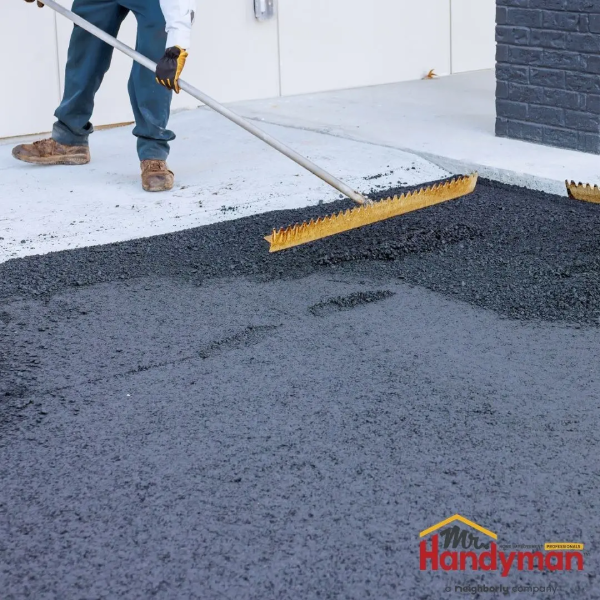
Commercial properties in Southwest Dallas County serve customers and communities that are genuinely connected to the businesses they support. In Cedar Hill, DeSoto, Duncanville, Grand Prairie, Irving, and Oak Cliff, the relationship between a business and its neighborhood is personal in a way that more anonymous commercial environments do not produce. Customers are often neighbors. Business owners are community members. And the condition of commercial properties, including every surface that customers cross before they reach the front door, reflects on the business, the property owner, and the community simultaneously.
That community dimension makes exterior safety maintenance in Southwest Dallas County more than a liability management exercise, though the liability case is real and significant. It is an expression of the investment and care that responsible commercial operation in these neighborhoods represents. A commercial property with safe, well-maintained exterior surfaces communicates to the community it serves that the people responsible for it take seriously their obligation to the customers who trust it with their safety. A property with deteriorated walkways, compromised entrance steps, and parking lot conditions that have been allowed to reach the point of genuine hazard communicates something less responsible that the community notices and remembers.
North Texas's clay soil conditions add a specific and ongoing exterior safety maintenance challenge throughout Southwest Dallas County that property managers from other regions sometimes underestimate until they have witnessed its consequences directly. The expansive clay that underlies much of the area's developed commercial land moves seasonally as moisture content changes, creating the concrete flatwork conditions that produce pedestrian trip hazards between inspection cycles with a regularity that stable-soil markets do not require property managers to account for. Understanding this specific challenge and building it into the maintenance calendar rather than treating it as an occasional event is the management approach that Southwest Dallas County's geology demands.
Parking Lot Surface Condition: Clay Soil and Texas Heat
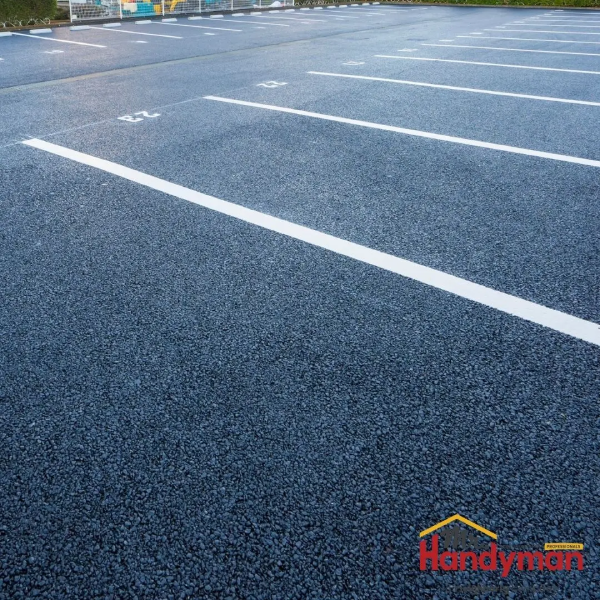
The parking lots of Southwest Dallas County commercial properties experience the deterioration mechanisms that the combination of North Texas's extreme climate and the area's expansive clay soil conditions creates in ways that are specific to this market. Understanding both mechanisms helps property managers address the actual conditions rather than applying generic pavement maintenance guidance that does not account for what Southwest Dallas County's specific conditions produce.
North Texas's extreme summer heat accelerates asphalt oxidation in ways that make asphalt surfaces in this climate more brittle at an earlier age than comparable surfaces in moderate climates experience. The daily thermal cycling between the extreme surface temperatures that direct sun creates on black asphalt surfaces in a Texas summer and the cooler overnight temperatures accelerates the binder degradation that makes asphalt crack-susceptible. Surface cracking that develops through this mechanism opens pathways for water infiltration that summer thunderstorms deliver.
The clay soil beneath Southwest Dallas County's commercial parking surfaces responds to the moisture from those rain events by expanding, which creates the base movement that converts surface cracks into structural failures faster than would occur in stable-soil conditions. A commercial parking lot in Southwest Dallas County where surface cracks have not been sealed is a parking lot where summer's rain events are actively creating the base instability that will produce potholes by fall. Pre-summer crack sealing addresses the surface condition before summer's storms deliver the moisture that clay soil converts into base damage.
The combination of high summer temperatures that soften asphalt surface binder and the clay soil expansion that rain events create during summer also produces the pothole formation timeline that Southwest Dallas County property managers experience as faster than what their general commercial real estate knowledge would predict. Potholes that develop between quarterly inspections in this market reflect the specific interaction of North Texas climate and clay soil that accelerates every stage of the pavement deterioration sequence.
ADA accessible parking space markings require specific pre-season attention at Southwest Dallas County commercial properties because the clay soil movement that affects parking surfaces can create the surface irregularities that compromise accessible space conditions in ways that go beyond striping visibility. The accessible route from parking to building entrance that passes over surfaces affected by soil movement may have developed elevation changes or surface conditions that affect accessibility in ways that annual assessment does not catch if the assessment occurs at a different point in the soil movement cycle than the current conditions reflect.
Pedestrian Surfaces: Southwest Dallas County's Most Consistent Safety Challenge

The pedestrian surfaces of Southwest Dallas County commercial properties, including the sidewalks, walkways, and parking-to-entrance transition areas that customers cross before reaching commercial buildings, represent the most consistent and most specifically local exterior safety challenge in this market. The clay soil movement mechanism that creates trip hazard elevation differences between adjacent concrete sections operates continuously as seasonal moisture variation drives the clay through expansion and contraction cycles year-round.
The practical implication for Southwest Dallas County commercial property managers is that the walkway conditions from last year's formal inspection may not reflect current conditions. Clay soil movement between inspection cycles can create new elevation differences at concrete joints that were flush at the last assessment, and the elevation differences that were within acceptable range may have grown to actionable hazard conditions through the winter and spring moisture cycle. A pre-summer assessment of all pedestrian surface conditions, specifically measuring elevation differences at every concrete joint in high-traffic areas rather than relying on visual assessment, is the appropriate practice for this market.
The trip hazard threshold of a quarter inch elevation difference between adjacent concrete sections applies in Southwest Dallas County's commercial environment the same as everywhere, but the frequency with which these conditions develop between inspection cycles in this clay soil market means that the threshold is reached more often and sooner after correction than property managers accustomed to stable-soil markets expect. Building a more frequent inspection and correction cycle into the maintenance program for Southwest Dallas County commercial properties reflects the actual conditions rather than applying an inspection frequency appropriate for less active soil conditions.
Grinding down elevated concrete edges at commercial walkways is the appropriate repair for the elevation differences that clay soil movement creates when the concrete slabs themselves remain structurally sound. The grinding eliminates the trip hazard at the specific joint where soil movement has created it without requiring the full slab replacement that structurally compromised concrete warrants. In Southwest Dallas County's ongoing clay soil movement context, this correction addresses the current hazard condition with the understanding that continued soil movement may recreate similar conditions at the same or adjacent joints in future seasons, requiring the same assessment-and-correction cycle to continue.
Asphalt transition areas between parking surfaces and building entrances concentrate pedestrian traffic at locations where surface condition is most consequential for pedestrian safety. The softening that North Texas's summer heat creates in asphalt surfaces is more pronounced in these transition areas where foot traffic creates the surface deformation that the softened binder allows. Pre-summer inspection of these transition surfaces identifies the conditions that should be corrected before the combination of summer heat and concentrated pedestrian traffic creates the safety issues that deteriorated transition surfaces produce.
Entrance Steps, Ramps, and Thresholds
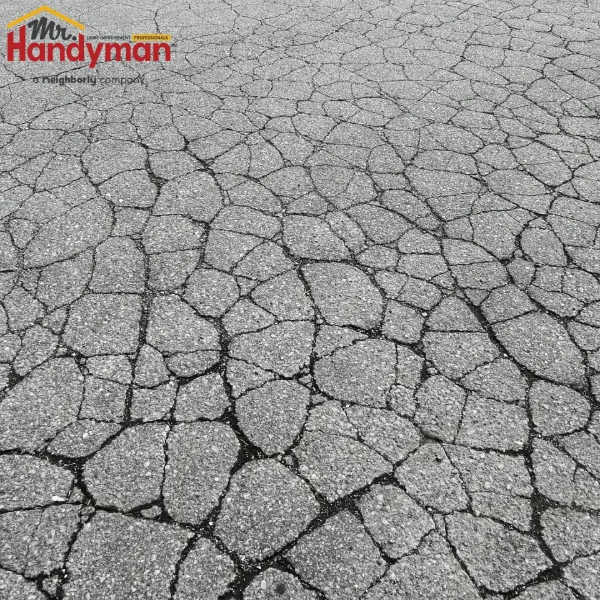
The entrance transitions of Southwest Dallas County commercial buildings are where customer incidents are statistically most concentrated, and they carry the specific deterioration conditions that the area's climate and soil conditions create at these locations.
Entrance step nosing condition at commercial properties throughout Southwest Dallas County reflects the UV exposure and thermal cycling that North Texas's climate creates on concrete and masonry step surfaces across their service life. The original texture that step nosing surfaces provided when the building was new deteriorates under sustained UV exposure and thermal cycling in ways that visual inspection does not reliably identify. A surface that appears intact may have lost the friction coefficient that safe step use requires under wet conditions that Southwest Dallas County's summer storm season delivers regularly.
The non-slip nosing strip installation that addresses this deterioration is one of the most cost-effective exterior safety improvements available at Southwest Dallas County commercial properties. These strips provide traction at the specific location where slip incidents are most likely, communicate the safety management standard that responsible commercial property operation represents to every customer who uses the entrance stairs, and are a modest material and labor investment relative to their safety and liability implications.
Ramp condition at commercial entrances that include accessible routes via ramps reflects the same clay soil movement consideration that affects adjacent walkway surfaces. A ramp surface that has developed cracking from soil movement below, or whose surface texture has deteriorated through weathering and use, may not provide the slip resistance that wet weather conditions require. Pre-season assessment of ramp surfaces, including both structural condition and surface traction characteristics, identifies conditions requiring correction before summer's rain events test them.
Entrance threshold conditions in Southwest Dallas County commercial buildings reflect the clay soil movement and thermal cycling that affects foundation-connected building elements throughout this market. A threshold that has risen above surrounding floor surfaces through seasonal foundation movement creates the raised edge that pedestrian incidents involve. The frequency of this condition at Southwest Dallas County commercial properties reflects the clay soil movement that makes foundation-connected element conditions more variable between inspection cycles than stable-soil markets experience.
Lighting: Safety After Dark in Southwest Dallas County's Commercial Season
Southwest Dallas County's commercial districts serve customers during evening hours throughout the summer, driven by the dining, retail, and service activity that the area's diverse community supports after business hours. Commercial properties that serve customers during these extended evening hours need exterior lighting that performs to the safety and professional presentation standard that both the customers and the community expect.
The specific lighting assessment practice that Southwest Dallas County commercial property managers should implement before summer is a deliberate nighttime walkthrough conducted at the operating hours when customers are actually present in the evening. This walkthrough identifies the fixtures that have failed, the areas where light distribution creates safety gaps, and any conditions where aging lamp performance has declined below the level that safe customer navigation requires. Conducting this assessment before summer's extended evening activity peaks identifies corrective work that should be completed before the season rather than after an incident makes the deficiency visible.
The severe thunderstorm activity that characterizes North Texas summers creates a specific lighting maintenance consideration for Southwest Dallas County commercial properties. Exterior lighting fixtures that have developed water infiltration pathways through aging seals, or that have mounting hardware loosened by previous wind events, are vulnerable to failure during the summer storm season in ways that pre-season inspection and servicing addresses before the storms that would expose those vulnerabilities arrive.
Building Exterior Features and Drainage
Wall-mounted commercial building elements including signage, lighting fixtures, and any equipment attached to exterior walls require pre-season inspection of their mounting hardware condition before summer's severe weather season places wind loads on these elements that the normal operating conditions they were designed for do not include. Southwest Dallas County's summer severe weather, including the high wind events that accompany the area's frequent thunderstorms, can dislodge or damage wall-mounted elements with loose or deteriorated mounting hardware in ways that create both safety hazards and property damage.
Commercial property drainage in Southwest Dallas County faces the concentrated rainfall challenge that North Texas summer thunderstorms create in a clay soil context. The combination of high-intensity rainfall that the area's summer convective storms deliver and the clay soil's initially limited infiltration rate before the soil wets creates surface runoff conditions in commercial parking areas that overwhelmed drainage infrastructure allows to pond. Ponding in parking areas and at pedestrian walkways creates both immediate safety hazards and pavement deterioration conditions. Pre-season cleaning of catch basins and drain inlets ensures drainage infrastructure performs at its designed capacity when summer's concentrated rainfall events test it.
Frequently Asked Questions
How does Southwest Dallas County's clay soil specifically affect commercial parking and walkway maintenance frequency?
Clay soil movement between inspection cycles creates new trip hazard conditions at concrete joints and new surface irregularities in parking areas at rates that stable-soil markets do not produce. Southwest Dallas County commercial property managers should inspect pedestrian surface joint conditions more frequently than annual assessment, specifically including a pre-summer assessment after the winter and spring moisture cycle has driven soil movement before summer's peak traffic arrives. This more frequent assessment cycle reflects the actual geology rather than generic commercial maintenance guidance.
What are the highest-liability exterior conditions at Southwest Dallas County commercial properties?
Pedestrian trip hazards at walkway and parking transition joints from clay soil movement, entrance step nosing surfaces that have lost traction through weathering, and any entrance threshold condition that has created a raised edge through seasonal foundation movement are the highest direct liability risks. These conditions are specifically common in Southwest Dallas County's clay soil context and require the more frequent assessment frequency that this market demands.
Can pre-season exterior safety repairs be completed efficiently by a single service provider?
A skilled commercial handyman service handles the majority of exterior safety repair work that Southwest Dallas County commercial properties need before summer, including concrete trip hazard grinding at walkway joints, non-slip nosing strip installation at entrance steps, entrance threshold repair, door hardware service, caulking and sealant work, and lighting fixture replacement. Parking lot crack sealing and surface resurfacing require specialized pavement contractors. The efficiency of a single reliable handyman service relationship for the broad middle category of exterior safety work reduces both the coordination burden and the service cost relative to managing multiple specialized contractors.
How do I prioritize exterior safety work when budget is limited before summer?
Address pedestrian trip hazards and entrance step nosing conditions first because these carry the highest direct liability risk and the most immediate customer safety implications. Parking lot crack sealing before summer storm season is the highest-return pavement maintenance investment for the cost. Lighting assessment and correction is important for properties with significant evening customer activity. Handrail testing and correction, entrance threshold repair, and accessible parking marking condition round out the priority list.
Are there specific ADA requirements that Southwest Dallas County commercial properties need to address?
Texas commercial properties follow federal ADA standards, and Southwest Dallas County's municipality enforcement reflects the area's active community standards. Properties should confirm that accessible parking space markings are visible and dimensionally correct, that the accessible route from parking to building entrance is free of the conditions that clay soil movement creates, and that entrance hardware and threshold conditions meet current accessibility requirements. The clay soil movement that creates new conditions between inspection cycles makes accessible route condition assessment a more frequent maintenance requirement in this market than in stable-soil areas.
Protect Your Southwest Dallas County Business and Your Community
Exterior safety maintenance at Southwest Dallas County commercial properties is both a legal responsibility and a community commitment that the neighborhoods of Cedar Hill, DeSoto, Duncanville, Grand Prairie, Irving, and Oak Cliff deserve from the businesses and property owners they support. The team at Mr. Handyman of Southwest Dallas County brings the commercial maintenance experience to identify and address the exterior safety items that matter most before they become incidents.
Call us or visit www.mrhandyman.com/southwest-dallas-county to schedule your commercial exterior safety inspection and repairs. We work around your business schedule, arrive on time, and back everything we do with the Neighborly Done Right Promise.