
Why Water Damage Is a Defining Risk for Southwest Dallas County Businesses
Water damage is the commercial property risk that Southwest Dallas County business owners underestimate most consistently, and the pattern of North Texas weather is the specific reason. The communities of Cedar Hill, DeSoto, Duncanville, Irving, Oak Cliff, Red Oak, Cockrell Hill, Redbird, and Wolf Creek are not particularly associated with flooding in the way that coastal or riverside communities are, but the summer thunderstorm activity that North Texas delivers regularly creates the concentrated, high-intensity rainfall events that test commercial building envelope systems at their limits precisely when months of UV degradation and thermal stress have weakened them most.
The rainfall pattern creating water damage risk for Southwest Dallas County commercial properties is not the annual total. It is the intensity of individual events. North Texas summer thunderstorms regularly deliver one to two inches per hour at peak intensity, and severe events exceed this significantly. A commercial building whose drainage systems carry any debris restriction, whose roof membrane has accumulated UV degradation without intervention, or whose exterior sealant joints have been consumed by thermal cycling enters each storm event with vulnerabilities that the storm's intensity exploits immediately.
Clay soil adds a ground-level mechanism to Southwest Dallas County's commercial water damage risk that is specific to this geology. When significant rainfall follows the extended dry periods that Dallas-area summers create, the clay soil that has contracted and cracked during dry weeks initially accepts rainfall rapidly before swelling and becoming nearly impermeable. This transition creates surface water accumulation adjacent to building foundations that drives hydrostatic pressure against foundation walls and moisture intrusion at door thresholds and grade-level joints. The established commercial corridors of DeSoto, Duncanville, and Irving sit on the same Dallas County clay soil as the newer commercial development of Cedar Hill and Red Oak, and newer construction does not exempt these properties from this dynamic.
The preventive maintenance practices most directly reducing water damage risk help Southwest Dallas County business owners protect their properties before the summer storm season tests them rather than discovering vulnerabilities during an active event.
Roof System Maintenance
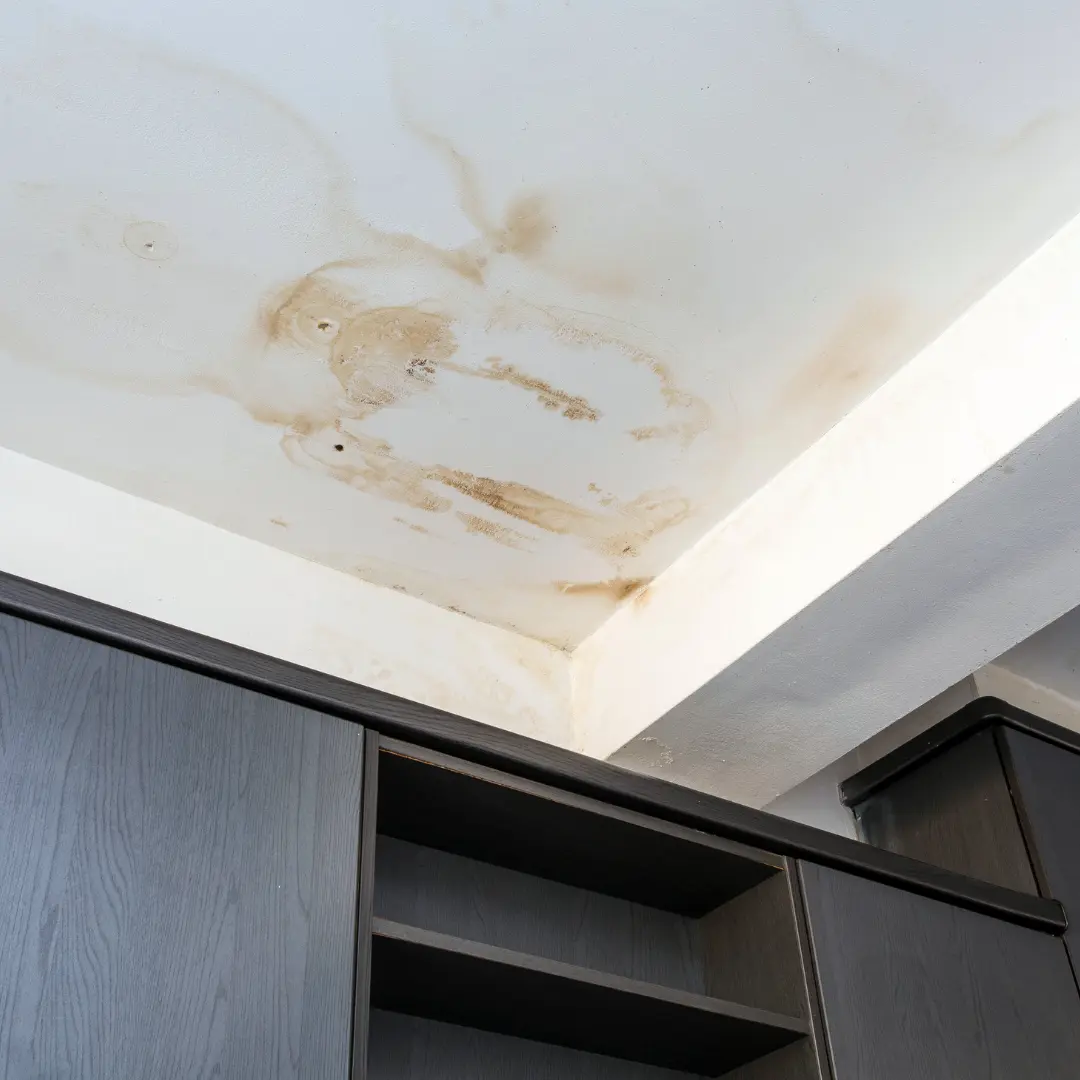
The commercial roof is the building system whose condition most directly determines how a summer storm affects the building's interior. In Southwest Dallas County's conditions, the combination of UV intensity, hail exposure from Dallas County's documented weather history, and thermal cycling degrades roofing systems between maintenance cycles at rates making annual pre-season inspection a practical requirement.
Roofing membrane seams and laps are the locations where thermal cycling concentrates stress and where early failure most commonly develops. The repeated expansion and contraction that Southwest Dallas County's temperature range creates through the warm season works at these transitions continuously, and membrane degraded by UV at the surface level develops the brittleness making cracking at seams the predictable failure mode as the season progresses. Pre-season inspection specifically assessing seam and lap condition identifies these vulnerabilities while targeted repair remains feasible.
Roof drain and scupper condition directly determines whether drainage infrastructure can manage the volume that Southwest Dallas County summer storms deliver at peak intensity. Internal roof drains accumulating debris from spring growth and wind deposition cannot handle high-intensity rainfall at the rates North Texas events create. The ponding that blocked drains produce during peak storm intensity stresses roofing membranes beyond design capacity and drives infiltration through membrane that would otherwise hold under normal drainage conditions. Drain cleaning before summer storm season is the single highest-return maintenance activity available for commercial roofs with internal drainage systems throughout this service area.
Flashing condition at penetrations, roof-to-wall transitions, and any point where membrane connects to a different material deserves specific pre-season assessment. Southwest Dallas County's thermal cycling works on these transitions more aggressively than on field membrane because the material connections at flashings create the differential movement concentrating stress. A flashing that has separated from its substrate, that shows rust staining from underlying corrosion, or that has been displaced by building movement creates the water collection pathway that storm events exploit immediately.
Post-hail roof inspection following any significant hail event is the specific practice that Dallas County's hail exposure history makes relevant for commercial properties throughout this service area. Hail bruises roofing membrane in ways not always visible at the surface but that create the infiltration pathways subsequent rainfall exploits. Oak Cliff and Irving commercial buildings with older roofing systems warrant particular attention after hail events because the combination of accumulated UV degradation and fresh hail impact creates the compound vulnerability that roof replacement conversations sometimes follow.
Gutters, Downspouts, and Site Drainage
The drainage infrastructure of a Southwest Dallas County commercial property manages roof water collection and directs it away from the building foundation through a system that, when functioning correctly, prevents the moisture loading that clay soil amplifies into structural and interior consequences.
Gutter and downspout cleaning before summer storm season is the maintenance activity with the most direct preventive impact per dollar for commercial properties with perimeter drainage systems. Gutters carrying the debris accumulation of spring's active growing season cannot handle the water volume that Southwest Dallas County summer storms deliver at peak intensity. The overflow that restricted gutters produce deposits drainage volume directly at the foundation perimeter where clay soil absorbs and retains it in ways driving the hydrostatic pressure and expansion conditions that interior moisture intrusion reflects.
Downspout discharge management is the drainage infrastructure element most directly affecting the foundation moisture conditions that Southwest Dallas County's clay soil amplifies. Downspouts terminating at grade level immediately adjacent to the foundation introduce the moisture load that clay soil absorbs and retains through the seasonal expansion mechanism. Extensions carrying discharge well away from the building perimeter before releasing to grade reduce this foundation loading substantially and are among the lowest-cost, highest-return protective modifications available for commercial properties throughout Cedar Hill, DeSoto, Duncanville, and Irving.
Site grading assessment confirms whether the grade adjacent to the commercial building directs surface water toward or away from the foundation during storm events. In Southwest Dallas County's clay soil context, surface water directed toward a commercial foundation during a storm creates both the immediate infiltration risk and the soil saturation driving expansion and its consequences. Properties where site grading has settled over time to create neutral or slightly inward-draining conditions adjacent to the foundation have the compounded vulnerability of clay soil expansion at the location where it creates the most direct structural and interior moisture consequence.
Area drain maintenance in commercial parking areas and landscaped zones adjacent to Southwest Dallas County commercial buildings removes debris accumulation reducing drainage capacity before summer storm intensity tests it. In DeSoto and Duncanville commercial properties where landscaping adjacent to the building creates the debris and organic material that area drains accumulate through spring, pre-season drain clearing is the targeted maintenance keeping surface drainage pathways open through the storm season.
Building Envelope Sealant and Glazing

The sealant system protecting Southwest Dallas County commercial building envelopes requires the pre-season attention that summer's storm potential makes most urgent. Failed sealant at critical envelope locations creates no visible problem on dry days, only during the first significant wind-driven rain event testing the compromised joint.
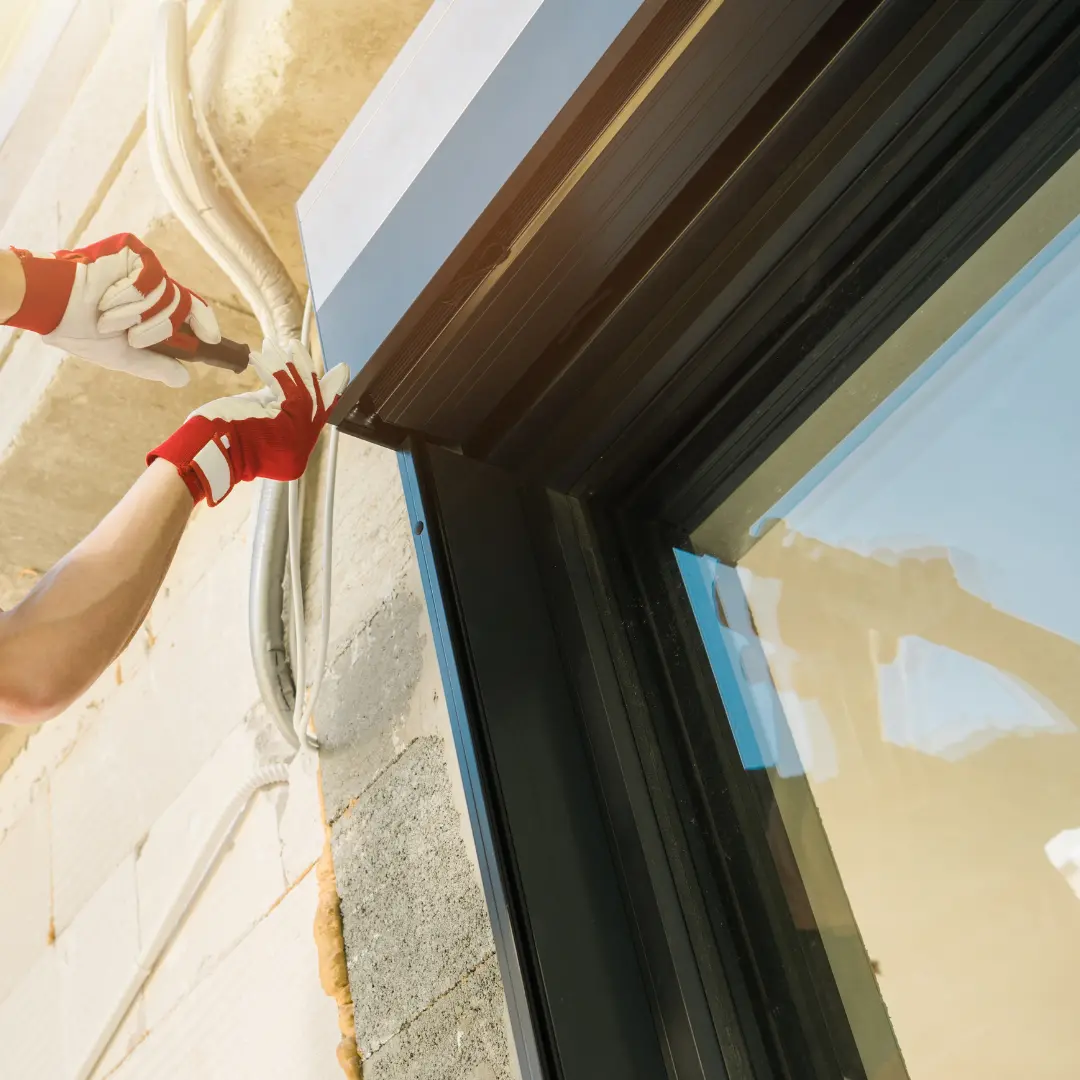
Storefront glazing perimeter sealant is the highest-priority envelope location for Southwest Dallas County commercial properties because it seals the interface between glazing and surrounding wall construction at the most vulnerable weather boundary. In Irving's dense commercial corridors and Oak Cliff's established business districts, storefront construction is the dominant commercial building type, and the sealant condition at these glazing perimeters is the primary water infiltration vulnerability when pre-season assessment and repair has not been completed. Sealant that has pulled away from either substrate, cracked through UV brittleness, or deformed under thermal movement creates an open pathway for wind-driven water infiltration directly into the wall assembly.
Expansion joint sealant at building facade transitions accommodates the differential movement that thermal cycling creates between adjacent building elements. In Southwest Dallas County's temperature range, this movement is substantial enough that expansion joints whose sealant has been consumed by UV degradation and thermal fatigue can open significantly during peak summer heat, creating gaps that summer storm activity tests immediately. Replacement with sealant products formulated for movement accommodation at the required joint dimensions is the correct repair specification for these conditions.
Penetration seals throughout Southwest Dallas County commercial buildings need the assessment that years of thermal cycling and UV exposure create at these specific locations. Each penetration represents a potential infiltration point, and the commercial building stock of Cedar Hill, DeSoto, and Duncanville that has been through multiple equipment generations, signage changes, and modification cycles has accumulated the penetration inventory that systematic inspection addresses most effectively.
Interior Water Prevention: HVAC Condensate
A meaningful portion of commercial water damage in Southwest Dallas County's climate originates from the HVAC systems managing the extreme interior-to-exterior temperature differential that Dallas-area summers create rather than from exterior storm infiltration.
Commercial HVAC systems in Southwest Dallas County operate at sustained high capacity through the long cooling season, generating significant condensate volumes from treating warm, humid outdoor air. The condensate drain systems carrying this water from air handling units to appropriate drain points accumulate the biological growth and mineral scale that warm, moist conditions create, and when these systems become blocked, condensate overflows into the ceiling plenum or ceiling tile system where it creates the interior water damage appearing as staining and structural deterioration below.
Monthly condensate drain inspection and flushing during the summer operating season is the preventive practice most directly preventing this interior water damage source in Southwest Dallas County commercial buildings. The inspection confirms drain pans are clear, drain lines are flowing without restriction, and overflow protection devices are functional at air handling units where primary drain failure would otherwise go undetected until overflow occurs. In Irving and DeSoto commercial buildings where HVAC systems are serving larger footprints through extended summer operating hours, this monthly discipline is the most cost-effective interior water damage prevention available.
Cold water supply line condensation in commercial spaces where these lines pass through unconditioned or partially conditioned areas creates dripping onto surfaces below from the atmospheric moisture that warm summer air deposits on cold pipe surfaces. Proper insulation of these lines eliminates the condensation source and the chronic dripping creating ongoing moisture damage at surfaces below uninsulated cold lines throughout the warm season.
Grade-Level and Foundation Protection
Grade-level water protection conditions of Southwest Dallas County commercial buildings create the specific vulnerabilities that clay soil behavior and North Texas storm intensity combine to amplify beyond what most building design assumptions account for.
Entry threshold conditions at commercial entries are the grade-level water management locations that storm events directly test through high rainfall intensity and the grade conditions potentially directing surface water toward building entries. Door sweeps worn past effective threshold contact, threshold assemblies that have settled through clay soil movement, and the absence of adequate entry drainage capturing storm water before it reaches interior flooring all contribute to the entry infiltration that significant Southwest Dallas County summer storms create at inadequately maintained commercial entries. In Cedar Hill and Red Oak commercial properties where newer development sometimes has grade conditions that have not yet fully settled into their long-term drainage patterns, this assessment is specifically warranted.
Foundation joint condition at the perimeter of Southwest Dallas County commercial buildings reflects the clay soil movement and thermal cycling creating opening and closing stress at the joint where the building structure meets grade-level flatwork. Sealant at these transitions that has failed allows water infiltration into the foundation assembly at the perimeter, and Southwest Dallas County's clay soil context amplifies the consequences of this infiltration by creating the soil saturation and expansion driving hydrostatic pressure against the foundation from water entering through grade-level joint failures.
Emergency Preparedness and Documentation
Beyond preventive maintenance, Southwest Dallas County commercial property owners benefit from the response plan and resource identification that active storm season demands before rather than during a significant weather event.
Water shutoff location knowledge is the operational preparation limiting the scope of water damage when an interior water source is the cause. Every manager or building contact who might be first on site during or after a water event should know the main water shutoff location and be able to operate it without searching during an active situation. In older commercial buildings throughout Oak Cliff and Irving where original construction has been through multiple tenant and owner generations, confirming current shutoff location and operability is a pre-season verification step worth completing.
Condition documentation through photographs taken before each storm season creates the baseline supporting insurance claims when water damage occurs despite preventive maintenance efforts. Photographs of building envelope condition, roofing, and drainage infrastructure taken before the summer storm season demonstrates the maintained condition of the building and supports the position that subsequent damage was storm-caused rather than maintenance-deferred.
Frequently Asked Questions
What is the most common water damage source for Southwest Dallas County commercial properties?
Roof system failures during high-intensity summer thunderstorms are the most common significant source, specifically at roofing membrane seams and drain areas that UV degradation and blocked drainage have compromised before storm season arrives. Storefront glazing perimeter sealant failure is the second most common exterior source, and HVAC condensate drain overflow is the most common interior source throughout this service area.
How does Southwest Dallas County clay soil create commercial water damage risk beyond storm infiltration?
Clay soil drying during extended summer dry periods initially accepts rapid rainfall before swelling and becoming impermeable, creating surface water accumulation adjacent to foundations driving moisture intrusion at grade-level joints. The soil expansion following significant rainfall also creates foundation movement opening building envelope joints and affecting drainage system components in ways increasing infiltration risk during subsequent events.
What drainage maintenance should Southwest Dallas County commercial properties complete before summer?
Gutter and downspout cleaning for unrestricted flow, area drain clearing for open surface drainage pathways, downspout extension confirmation for discharge points away from the foundation, and site grading assessment for positive drainage away from the building are the four activities most directly reducing summer storm water damage risk throughout this service area.
How often should commercial HVAC condensate drains be checked during Southwest Dallas County summers?
Monthly inspection and flushing during peak summer operating season is appropriate for most Southwest Dallas County commercial HVAC systems. Systems that have experienced previous blockage or that serve spaces with high latent load conditions warrant more frequent attention. Monthly maintenance cost is negligible relative to the ceiling and interior damage a single condensate overflow creates.
Can water damage prevention be addressed in a single pre-season service visit?
Many preventive tasks can be coordinated into an organized pre-season visit addressing exterior sealant inspection and repair, gutter and downspout cleaning, door sweep and weatherstripping assessment, and condensate drain inspection in a single efficient engagement. This coordination ensures the complete prevention checklist is addressed before storm season rather than piecemeal through it.
What interior signs indicate existing water infiltration needing investigation before summer?
Ceiling tile staining or sagging, wall surface efflorescence at exterior walls, musty odors in spaces adjacent to exterior walls or below roof areas, visible mold growth at wall bases or in mechanical rooms, and door operational difficulty developing progressively all indicate existing moisture infiltration warranting investigation and correction before summer amplifies the source condition.
Protect Your Southwest Dallas County Commercial Property Before the Storm Season Peaks
The water damage prevention practices protecting Southwest Dallas County commercial properties through summer are investments measured in the remediation costs, business disruption, and tenant relationships that proactive maintenance preserves. The team at Mr. Handyman of Southwest Dallas County handles sealant inspection and repair, drainage maintenance, door and weatherstripping work, and interior maintenance throughout Cedar Hill, Cockrell Hill, DeSoto, Duncanville, Irving, Oak Cliff, Red Oak, Redbird, and Wolf Creek.
Visit www.mrhandyman.com/southwest-dallas-county to schedule your commercial water damage prevention service. We work around your business schedule, arrive on time, and back everything we do with the Neighborly Done Right Promise.