
Why Southwest Dallas County Restaurants Face a Unique Maintenance Challenge
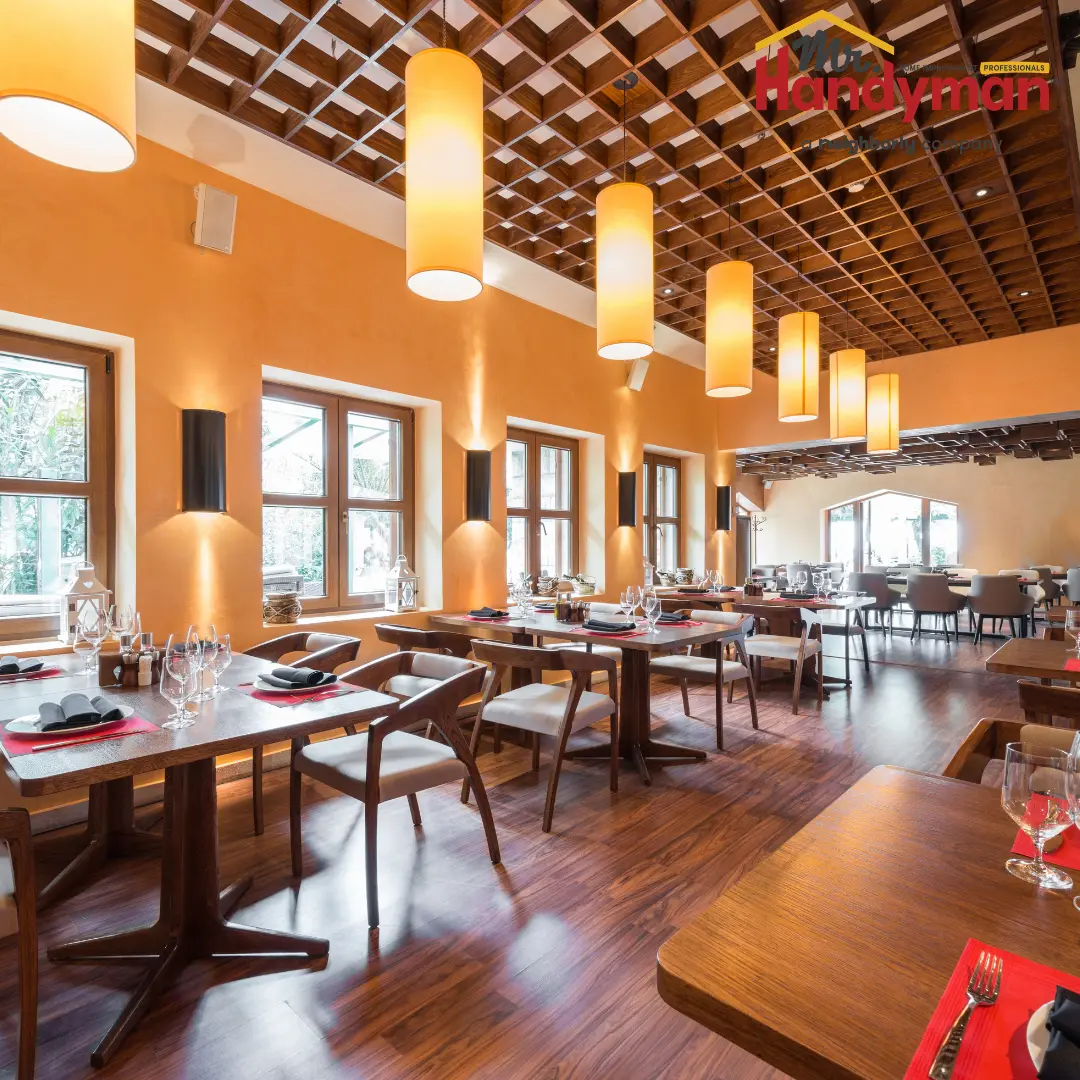
Southwest Dallas County's restaurant scene reflects the communities it serves in ways that shape maintenance priorities directly. The cultural diversity of Cedar Hill, DeSoto, Duncanville, Irving, Oak Cliff, and the other communities in this service area creates a dining landscape where restaurants range from established neighborhood institutions serving multi-generational loyal customer bases through newer concepts responding to the area's ongoing growth and demographic evolution. What all of these restaurants share is the physical environment challenge that North Texas creates for any commercial food service operation combined with the specific expectations that Southwest Dallas County diners bring to the spaces where they choose to spend their time and money.
The maintenance challenge that Southwest Dallas County restaurants face combines the general demands of commercial food service with the specific conditions this geology and climate creates. Hard water from the DFW supply accumulates mineral deposits on kitchen surfaces, restroom fixtures, and any contact point where water touches and evaporates in ways that soft-water markets do not experience at the same rate or severity. Clay soil foundation movement affects door alignment, floor tile grout conditions, and wall surface integrity throughout the building on the seasonal schedule that Dallas County's geology creates. The intense UV and heat of North Texas summers work on outdoor dining elements, entry weatherstripping, and any exterior material at rates that moderate-climate maintenance guidance consistently underestimates. And the concentrated customer traffic of a busy summer service period accelerates interior surface wear in ways that make consistent professional maintenance the difference between a space that always looks ready for guests and one that shows its use between less frequent interventions.
The restaurants that consistently project the quality impression their food and service deserve across Southwest Dallas County's competitive and community-connected dining market are the ones whose physical maintenance programs keep pace with the specific deterioration that this environment creates. Regular handyman services create the systematic attention making this consistency possible without requiring restaurant operators to add facilities management to the already-full plate of running a food service operation.
Guest Experience Starts With Physical Condition
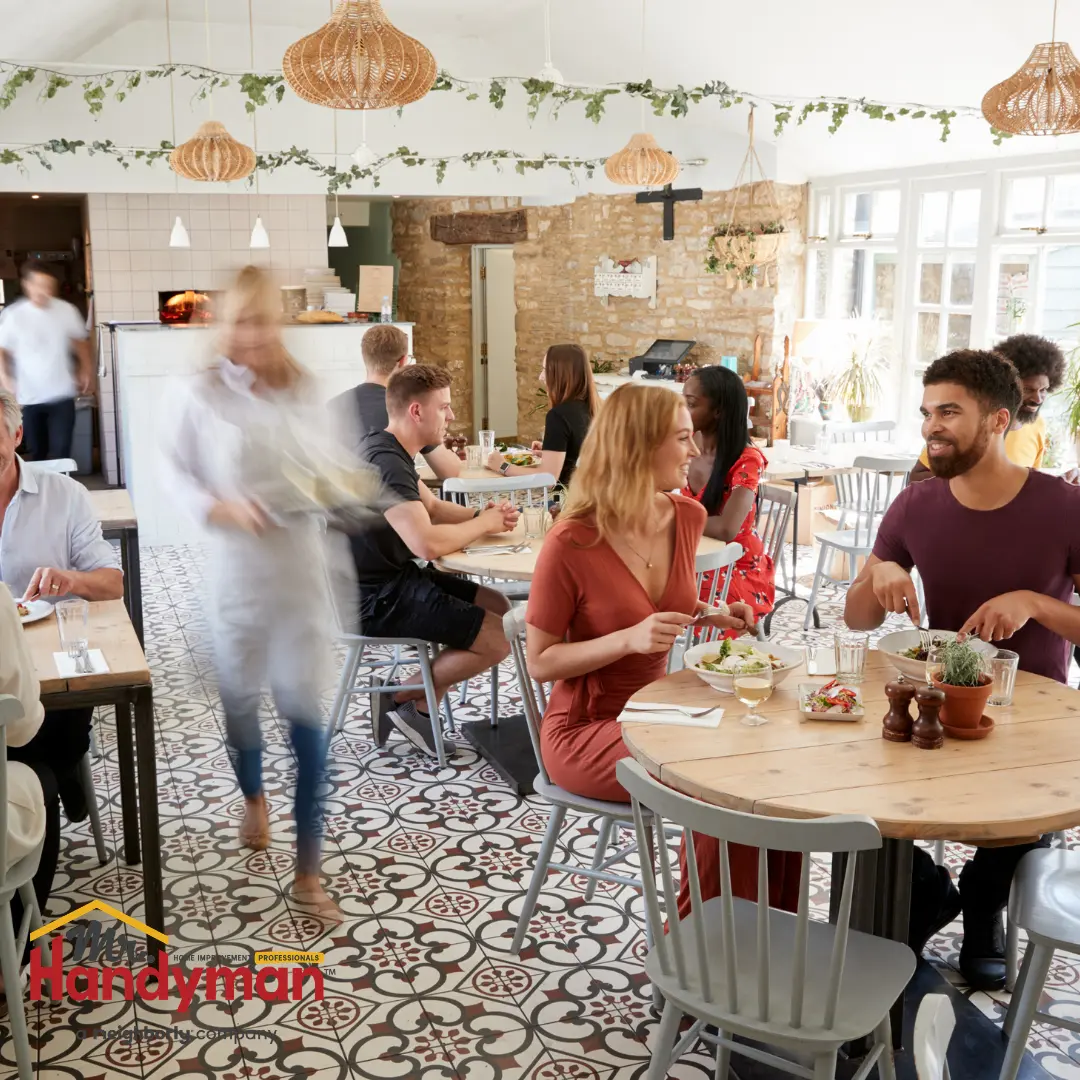
Every guest entering a Southwest Dallas County restaurant forms an immediate environmental impression shaping everything that follows. The condition of the entry, the state of seating surfaces, the quality of wall and ceiling finishes, and the overall impression of active maintenance care are evaluated in the first moments and used as the baseline against which food, service, and value are all assessed.
This evaluation is the unconscious environmental assessment that people perform automatically in any space where they are about to eat, and it is highly sensitive to the physical condition signals that maintenance programs either support or undermine. A guest in DeSoto noticing a wobbling booth, a guest in Duncanville seeing a stained ceiling tile, or a guest in Irving finding a door that sticks has formed a conclusion about the restaurant's standards that the quality of everything that follows must overcome rather than simply build on.
In Southwest Dallas County's dining market, where community connections are strong and where digital review platforms create permanent records of individual experiences, the physical environment condition that a restaurant projects is a competitive variable with real business consequence. Maintenance conditions allowed to deteriorate create the impression deficits that guests articulate in reviews and that review accumulation translates into the reputation signals new diners use when choosing between the restaurant options that Cedar Hill, DeSoto, Duncanville, Irving, and Oak Cliff's growing dining scenes offer.
Regular handyman services address conditions at the point where targeted repair restores the desired impression rather than after deterioration has progressed far enough that guest perception has already been affected.
Dining Room Maintenance
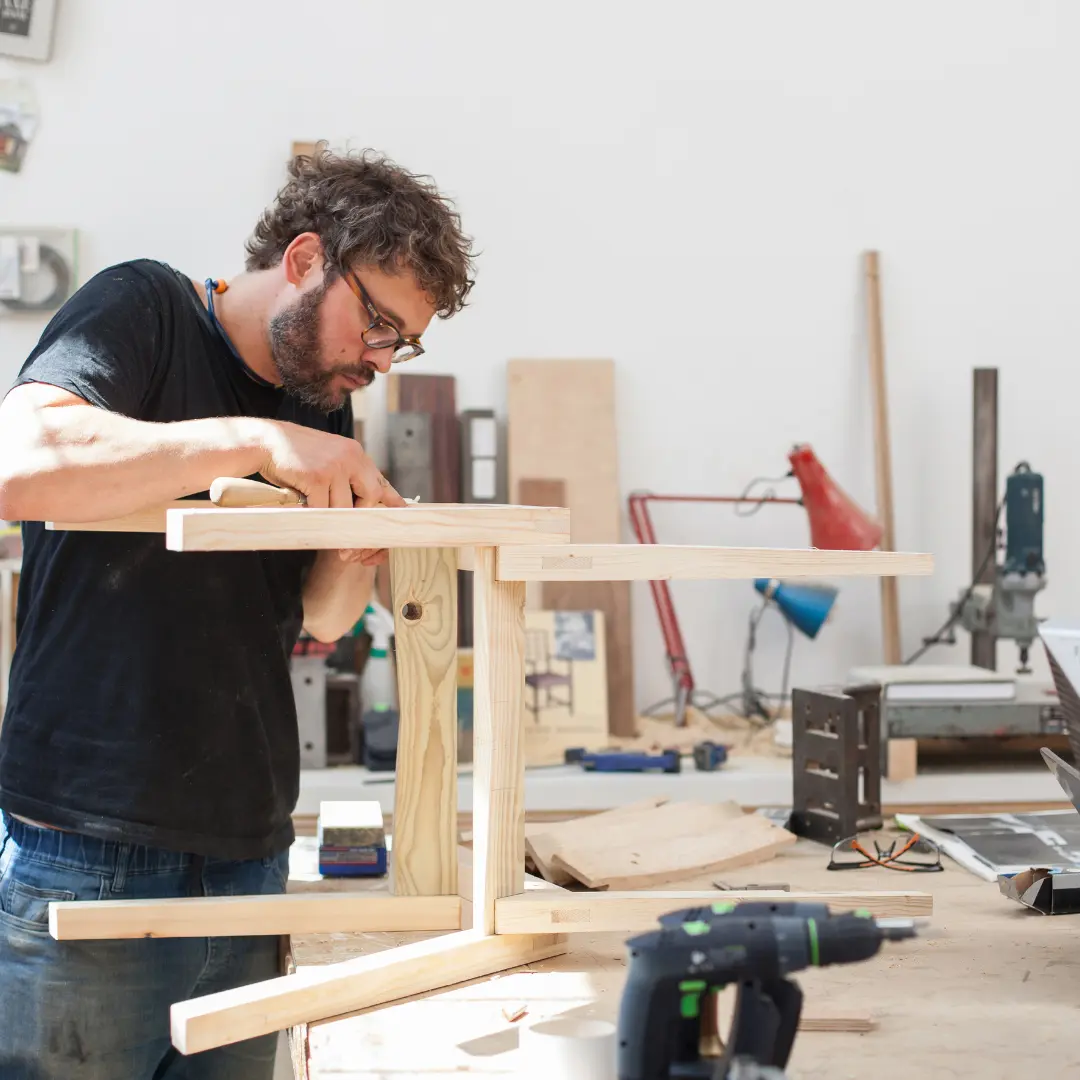
The dining room is where guests spend their time and where physical condition communicates standards to every person in the space simultaneously through every service period.
Booth and seating repair is among the most consistent dining room maintenance needs that Southwest Dallas County restaurants bring to a regular handyman relationship. Booths whose bases have loosened from floor connections wobble under the slight movement that any diner's shifting creates, communicating structural instability that guests in DeSoto and Cedar Hill notice and remember. Seating surfaces with torn or deteriorating vinyl create both appearance and comfort concerns. And hardware connections between seating components loosened through the repeated stress of multiple service periods daily create the instability making the dining experience feel neglected rather than welcoming.
A regular handyman service systematically inspects and tightens booth base connections, addresses seating hardware conditions, and identifies seating stability concerns before guest experience is negatively affected. The frequency of this attention should reflect the restaurant's cover count and service periods, with higher-volume operations in Irving and Duncanville's busier commercial corridors requiring more frequent systematic seating assessment than lower-volume neighborhood establishments.
Wall and ceiling surface maintenance in Southwest Dallas County dining rooms is the background condition that overall impression absorbs without guests necessarily identifying the specific elements creating it. Scuffed walls at chair rail height from seating contact, ceiling tiles showing staining from HVAC condensation or previous moisture events, paint chipped at entry points, and loose trim or millwork all contribute to the accumulated impression of either active maintenance or gradual decline. Touch-up painting at the specific damage locations keeps dining rooms in the fresh condition that guest impression requires without the full repainting scope that deferred touch-up eventually necessitates.
Lighting fixture maintenance affects the atmosphere that the dining experience depends on and the impression guests form of the space's care. Burned-out bulbs in visible positions, pendant lights hanging unevenly, and wall sconces tilted from loosened mounting hardware all affect the dining room atmosphere in ways guests notice even when they cannot articulate the specific element creating their impression. Regular handyman attention to fixture condition and mounting hardware keeps dining room lighting performing the atmospheric function the restaurant's design intended.
Kitchen and Service Area Repairs
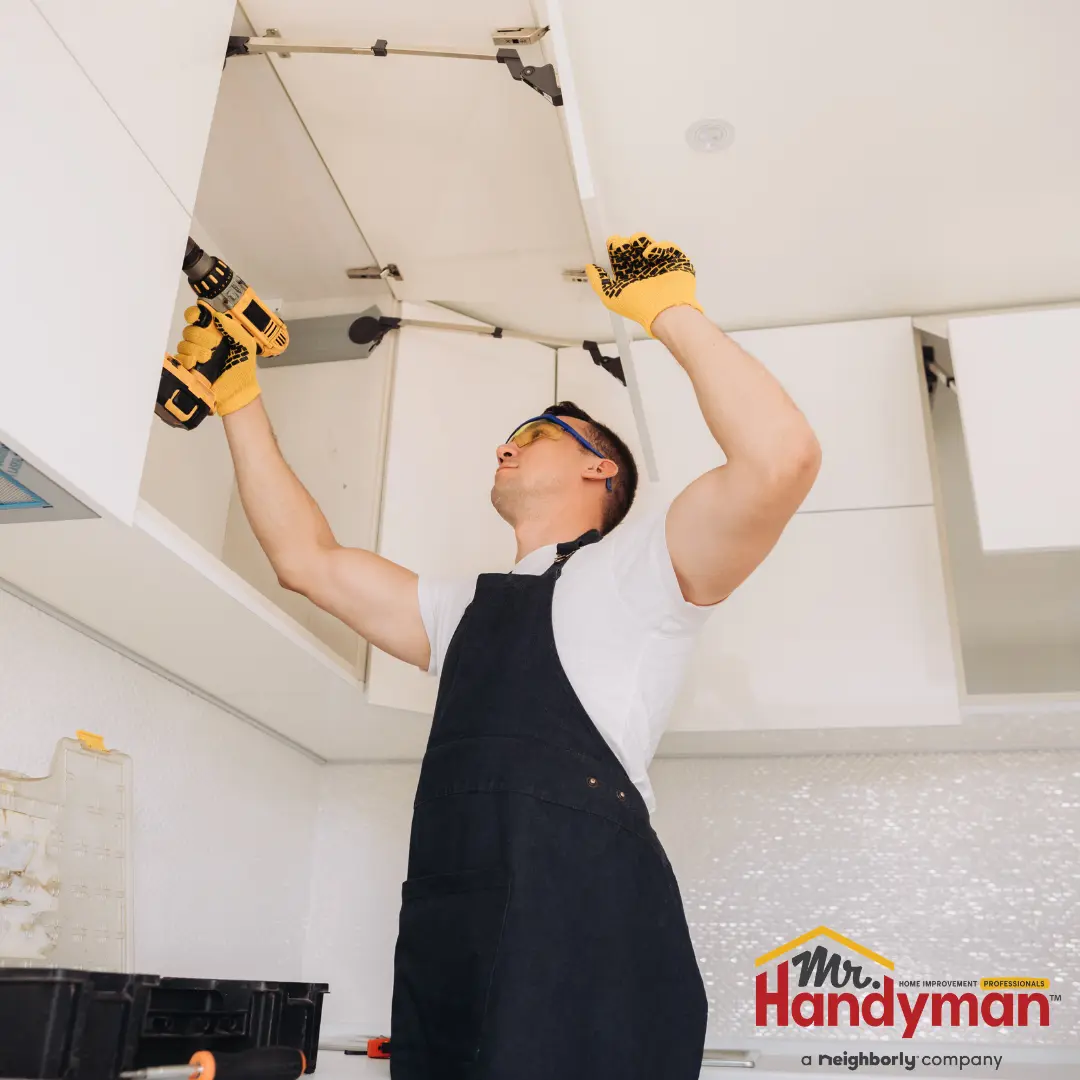
The kitchen and service areas create maintenance conditions that the heat, moisture, grease, and concentrated use of food service generate continuously and that regular professional attention addresses before they become the health inspection issues and operational disruptions that deferred maintenance creates.
Caulking at kitchen surfaces is the maintenance scope that commercial kitchens require at the frequency that moisture, thermal cycling, and cleaning chemical exposure of food service creates. The silicone caulking at countertop-to-wall transitions, equipment bases, handwashing sink perimeters, and any surface joint where moisture infiltration creates sanitation concerns deteriorates in the commercial kitchen environment faster than any other interior application. Health inspection standards require these joints to be maintained without gaps or deterioration creating harborage for biological material, and regular caulking renewal keeps Southwest Dallas County restaurant kitchens in compliance while preventing the moisture infiltration into wall and floor substrates that deteriorated joints allow.
Floor drain and threshold maintenance in kitchen and service areas addresses the conditions that continuous moisture from cooking and cleaning creates at floor level. Cracked or corroded floor drain covers need replacement before creating the trip hazard that health inspectors cite and that worker safety requires correcting. Threshold transitions between kitchen and dining that have shifted through clay soil foundation movement need correction before creating the trip hazard at this high-traffic point that Southwest Dallas County's clay soil geology makes a recurring maintenance need rather than a one-time installation concern.
Pass-through and service door maintenance covers the high-cycle use conditions that kitchen-to-dining door hardware experiences in active Southwest Dallas County restaurant operations. These doors cycle hundreds of times daily in a busy service, and the hardware supporting this use needs regular inspection to keep them operating smoothly and closing fully. A pass-through door not closing completely is a temperature control concern, a noise issue for the dining room, and eventually a hardware replacement situation when deferred maintenance allows the condition to progress past the point where adjustment restores function.
Restroom Maintenance: The Southwest Dallas County Standard
Restroom condition is the maintenance category most directly affecting how Southwest Dallas County restaurant guests perceive food safety and overall standards. Guests evaluate restroom condition as a direct proxy for kitchen cleanliness, and the impression formed in the private evaluative moment of a restroom visit creates stronger impression formation than any aspect of the dining room.
Caulking and grout maintenance in Southwest Dallas County restaurant restrooms addresses the hard water accumulation and concentrated use deterioration that this market's DFW water supply and traffic levels create. The mineral deposit staining that Rockwall and Dallas County hard water accelerates on caulking surfaces makes these joints look deteriorated faster than soft-water markets. Regular recaulking at toilet bases, sink perimeters, and floor-to-wall transitions keeps restrooms in the condition that health inspection and guest impression both require and that the community standards of DeSoto, Duncanville, Cedar Hill, and Irving's diverse dining public expects.
Fixture and hardware maintenance requires the frequency that high-cycle commercial restroom use demands. Towel bar and soap dispenser mounting hardware loosened through repeated force application, faucet and fixture hardware deteriorated through mineral deposit accumulation from Southwest Dallas County's hard water supply, and toilet and sink function confirming reliable operation are all components of the systematic attention that a regular handyman visit delivers. A restroom accessory failing when a guest uses it creates both an immediate service problem and a lasting impression consequence that consistently maintained hardware prevents.
Restroom door and lock maintenance covers the operational conditions that concentrated use and clay soil foundation movement create throughout Southwest Dallas County restaurant facilities. A restroom door not closing and latching reliably creates the privacy and security concern that no restaurant with any standard of guest care can allow to persist. Lock and latch hardware deteriorated beyond effective function needs prompt replacement, and in Oak Cliff and Irving restaurants where older building stock creates the door frame alignment challenges that clay soil movement produces in established buildings, regular door adjustment alongside hardware maintenance keeps restroom privacy functional through seasonal movement cycles.
Outdoor Dining Maintenance
Southwest Dallas County's warm season creates both the opportunity and the maintenance responsibility for outdoor dining areas serving guests through the seven months of genuinely usable outdoor conditions that this climate provides.
Furniture and fixture maintenance in Southwest Dallas County outdoor dining areas reflects the UV intensity and occasional hail events that North Texas creates for any outdoor element. Metal furniture developing rust through coating failure needs wire-brushing, primer, and appropriate exterior paint before surface deterioration progresses to the structural condition that appearance problems often precede. Umbrella hardware loosened through thermal cycling and fabric degraded through UV exposure needs assessment and component replacement before wind loading from summer storms tests elements that compromised condition cannot manage safely.
Shade and shelter structure maintenance for Southwest Dallas County outdoor dining areas is the safety and hospitality priority that summer heat and storm activity make most consequential. Pergola connections loosened through thermal cycling and clay soil movement create the structural vulnerability that wind events test. In Cedar Hill's hillier terrain and DeSoto's more exposed suburban landscape, wind loading on outdoor dining structures during summer storms is a real and recurring test that maintained structures manage and compromised ones fail.
Patio surface maintenance at Southwest Dallas County outdoor dining areas includes the concrete crack sealing and joint maintenance that clay soil movement creates in exterior flatwork and the pressure washing that accumulated soiling from North Texas's red clay soil, biological growth on shaded surfaces, and normal outdoor dining activity creates through the season. A clean, well-maintained patio surface creates the first impression of outdoor dining quality that guests form as they approach the outdoor seating area.
Health Inspection Readiness
Regular handyman maintenance is a direct contributor to health inspection performance for Southwest Dallas County restaurants because many physical conditions health inspectors assess are precisely the conditions a regular handyman relationship addresses before they become cited violations.
Gaps in caulking at food contact and food preparation surfaces, deteriorated grout creating harborage conditions in kitchen and restroom flooring, damaged floor drain covers, and any surface condition in food preparation areas allowing moisture accumulation are all conditions that both regular handyman maintenance and health inspection standards address. A Southwest Dallas County restaurant with a regular handyman service relationship is conducting continuous assessment of these conditions through maintenance visits, while a restaurant managing maintenance reactively discovers the same conditions during inspections after they have had time to develop into cited violations requiring correction under inspection deadline pressure.
The documentation that regular maintenance creates also provides the operational record of maintenance activity demonstrating diligence in response to any condition a health inspector identifies. A restaurant showing a consistent history of professional maintenance visits addressing the types of conditions relevant to health inspection standards presents a fundamentally different compliance profile than one with no such record.
Frequently Asked Questions
How often should a Southwest Dallas County restaurant schedule regular handyman service?
Monthly service is the appropriate baseline for most Southwest Dallas County restaurants, with higher-volume operations in Irving and Duncanville's busier commercial corridors benefiting from bi-weekly visits. A new handyman relationship typically starts with a comprehensive assessment establishing baseline condition before settling into the maintenance rhythm the specific restaurant requires.
What is the most important maintenance area for a Southwest Dallas County restaurant?
Restroom condition is highest priority from the guest impression perspective because it most directly affects the safety and standards perception guests form. Kitchen caulking and floor drain conditions are highest priority from health inspection compliance. A regular handyman relationship addresses both simultaneously rather than requiring the restaurant to choose between them.
How does Southwest Dallas County hard water affect restaurant maintenance needs?
DFW hard water accelerates mineral deposit formation on restroom fixture surfaces, kitchen sink and food preparation areas, dishwashing area walls, and any drain area where water splashing and evaporation creates accumulation. The maintenance frequency appropriate for these surfaces in Southwest Dallas County's hard water context is higher than in softer-water markets, and the cleaning and resurfacing treatments addressing this accumulation are a more regular part of the maintenance program.
Can a handyman service help Southwest Dallas County restaurants prepare for health inspections?
Yes, specifically through systematic attention to the physical conditions health inspection standards assess. Regular visits addressing caulking at food contact surfaces, floor drain condition, tile and grout integrity in food preparation and restroom areas, and the general physical condition of food service spaces create the maintained baseline that health standards require and reduce the likelihood of cited violations at the physical environment level that handyman maintenance addresses.
What outdoor dining maintenance is most critical before Southwest Dallas County summer storm season?
Shade and shelter structure hardware inspection and tightening, umbrella fabric and attachment condition assessment, and patio furniture stability inspection are the three outdoor dining priorities most directly related to guest safety during North Texas summer storm events. These should be completed before peak storm season and repeated after any significant wind event creating load on these elements.
How should Southwest Dallas County restaurants balance regular handyman services with specialized contractors?
A regular handyman relationship covers the broad range of physical maintenance conditions that restaurant operations and North Texas's climate create, from surface repairs and hardware maintenance through door operation, caulking, and structural concerns. Licensed contractors address system-level work in their specific scope. The handyman relationship serves as the ongoing maintenance program identifying emerging conditions early, addressing them within appropriate scope, and coordinating with licensed trades when conditions require that work.
Give Your Southwest Dallas County Restaurant the Maintenance Program It Deserves
The physical condition of a Southwest Dallas County restaurant is a competitive asset when actively maintained and a liability when allowed to deteriorate through reactive management. The team at Mr. Handyman of Southwest Dallas County brings the commercial maintenance expertise and North Texas regional knowledge to deliver the regular handyman service relationship that Southwest Dallas County restaurants throughout Cedar Hill, Cockrell Hill, DeSoto, Duncanville, Irving, Oak Cliff, Red Oak, Redbird, and Wolf Creek need.
Call us or visit www.mrhandyman.com/southwest-dallas-county to schedule your restaurant maintenance assessment. We work around your service schedule, arrive on time, and back everything we do with the Neighborly Done Right Promise.
