
Why Routine Maintenance Is the Right Investment for Southwest Dallas County Property Owners
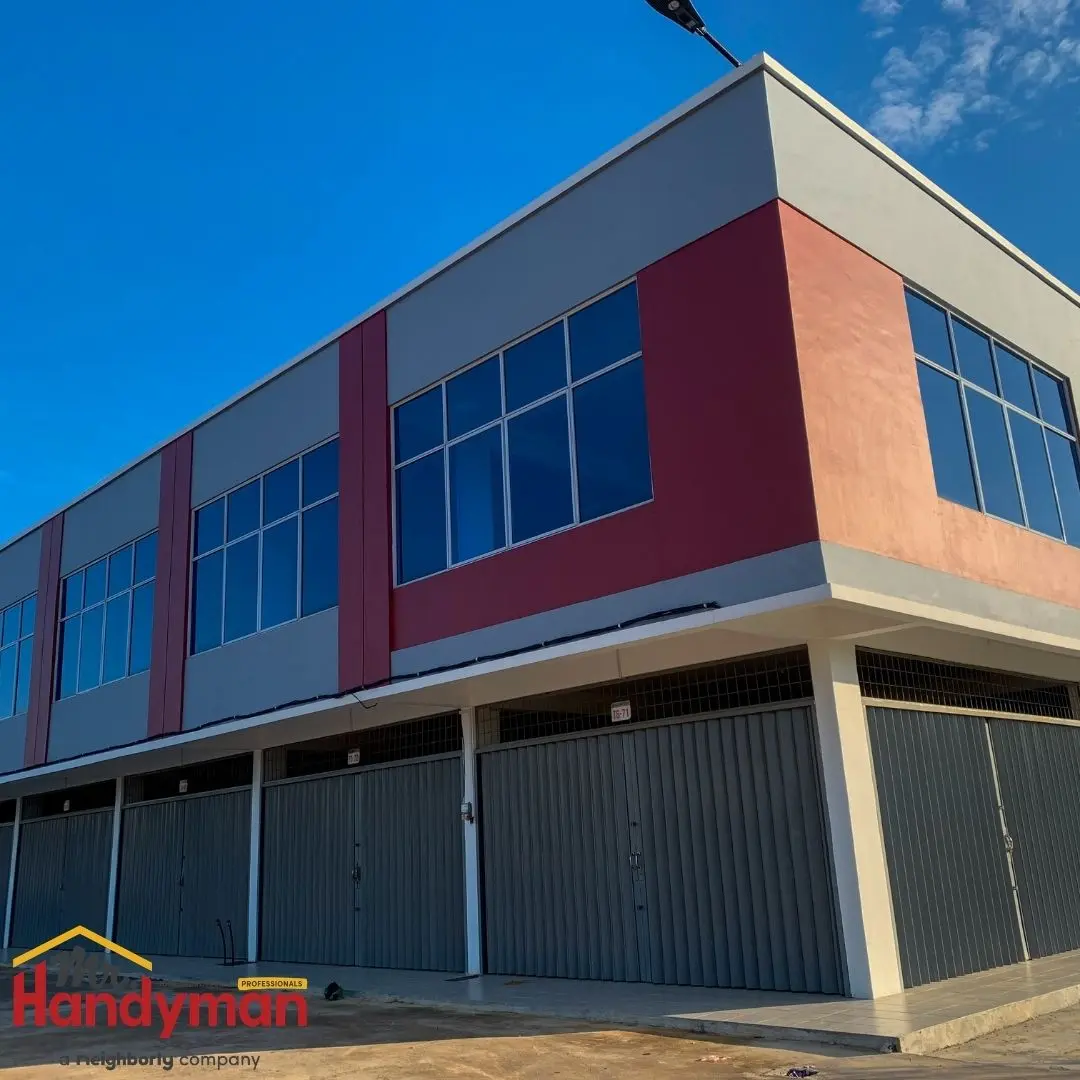
Commercial property ownership in Southwest Dallas County represents a specific kind of investment. The property owners who have committed capital to commercial buildings in Cedar Hill, DeSoto, Duncanville, Grand Prairie, Irving, and Oak Cliff have made a bet on communities that are genuine, that have real character, and that are worth investing in for the long term. That investment orientation is precisely the context in which routine maintenance makes its strongest case.
Buildings that are maintained routinely hold their competitive position through the years of ownership that long-term investment requires. Buildings where maintenance is deferred quietly deteriorate in ways that compound invisibly until the accumulated cost of neglect becomes visible in a single large repair event, a tenant who declines to renew, or a property condition assessment that reveals deferred maintenance at a scale that surprises owners who were not watching it accumulate. In Southwest Dallas County's commercial real estate market, where property values have been supported by community growth and where the investment landscape continues to evolve, the difference between a well-maintained commercial property and one carrying accumulated deferred maintenance is increasingly visible in the financial outcomes those properties produce.
The specific conditions that Southwest Dallas County's climate and geology create for commercial buildings amplify the financial case for routine maintenance in ways that are specific to this market. North Texas's extreme UV radiation and heat accelerate the deterioration of exterior building systems at rates that maintenance intervals calibrated to moderate climates miss. The clay soil conditions that underlie much of the area's developed commercial land create the foundation movement that affects building envelope connections, exterior flatwork, and interior finish conditions in ways that require monitoring at frequencies that stable-soil markets do not justify. And the severe weather potential of North Texas summers creates the storm event damage that proactive maintenance reduces and that deferred maintenance amplifies.
The Cost of Deferred Maintenance in Southwest Dallas County's Context
The financial case for routine maintenance is built on the consistent and quantifiable relationship between proactive maintenance investment and reactive repair cost across every category of commercial building system. In Southwest Dallas County's specific context, several cost drivers amplify this relationship beyond the general commercial real estate guidance.
The clay soil conditions that create foundation movement throughout much of the area's commercial building inventory create a specific deferred maintenance cost acceleration that property owners from stable-soil markets sometimes discover too late. Foundation movement that is monitored and whose maintenance implications are addressed within the window where correction is straightforward, such as sealant joint replacement at building transitions, door and window alignment adjustment, and exterior flatwork correction before trip hazards develop, costs a fraction of what the same conditions cost when deferred maintenance allows them to compound into the more extensive structural implications that unmonitored foundation movement can eventually produce.
North Texas's extreme climate creates accelerated deterioration schedules for exterior building systems that make the return on proactive maintenance higher here than in moderate climate markets. A commercial building envelope that receives annual inspection and targeted repair of identified deficiencies in its caulking, sealant, and roofing systems manages summer's wind-driven rain and severe weather without accumulating the interior damage that a failed envelope causes. The same building managed reactively accumulates infiltration damage through each summer storm season until the accumulated interior damage reaches the scale that tenant complaints and remediation costs make impossible to ignore.
Emergency repair premiums in North Texas's active commercial services market reflect the demand that the region's extreme climate and the frequency of severe weather events creates for commercial building repair services. A building system that fails during a North Texas summer heat wave, a severe thunderstorm event, or the ice storm conditions that Dallas-area winters occasionally deliver commands emergency service rates and priority scheduling premiums that planned maintenance avoids. The financial difference between a planned replacement of a failing commercial roof membrane and an emergency response to an active roof leak during a summer storm is consistently substantial.
Southwest Dallas County's tenant market amplifies the cost of deferred maintenance through the retention dimension that community-oriented commercial markets create. The businesses that have chosen to locate in these communities have made community investments of their own, and the condition of the properties they occupy is a factor in their lease renewal decisions that property owners who defer maintenance discover through the vacancy costs that follow tenant departures rather than through the maintenance investment that would have supported retention.
Building Envelope Maintenance: Priority One in North Texas
The building envelopes of Southwest Dallas County commercial properties face the demands that North Texas's extreme climate creates for every exterior building system, amplified by the clay soil conditions that add foundation movement as a second mechanism of envelope stress. Managing these two mechanisms proactively through systematic inspection and targeted maintenance is the foundation of a building management approach that protects the commercial real estate investment over the full term of ownership.
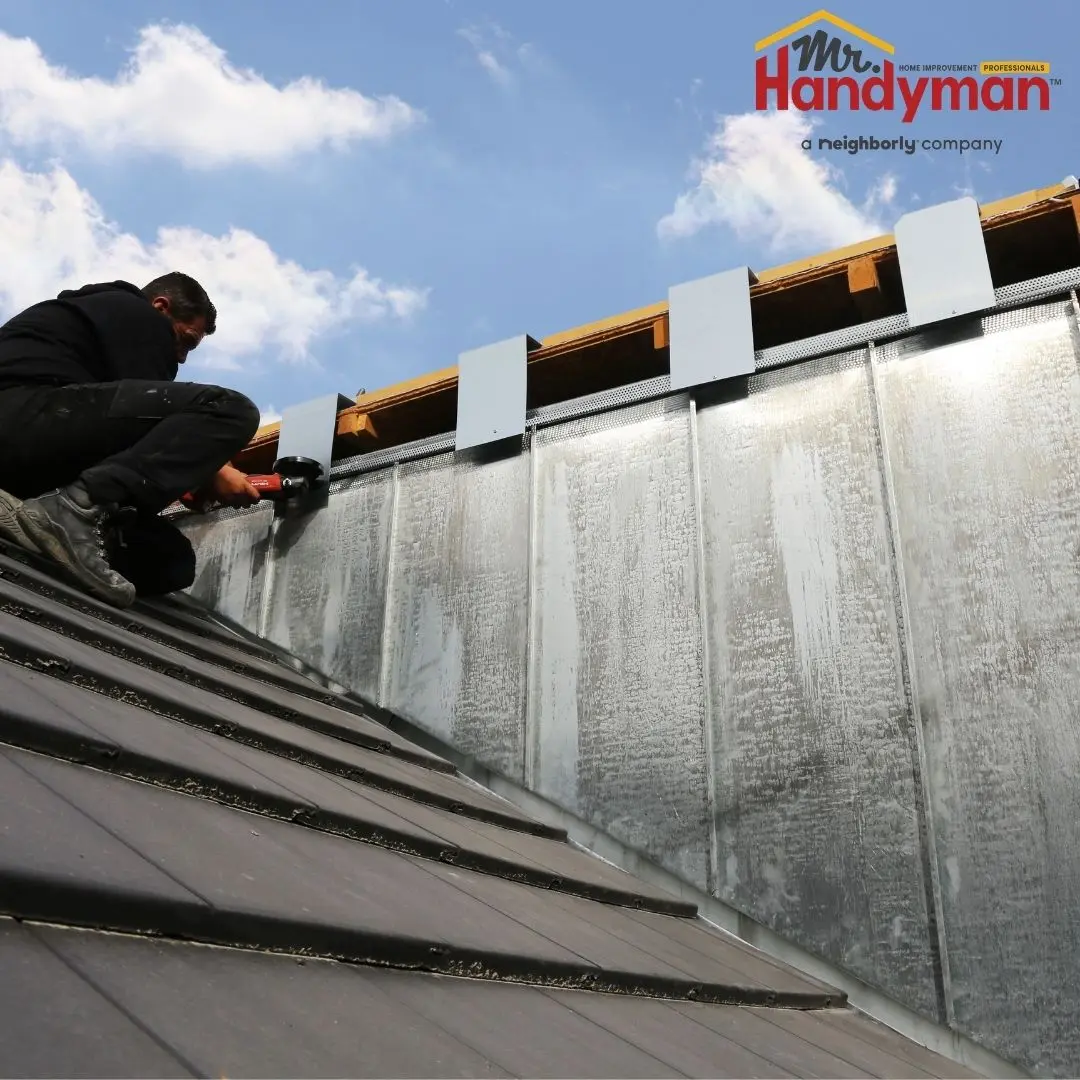
Commercial roofing systems in Southwest Dallas County experience the accelerated deterioration that North Texas's UV intensity, extreme heat, and severe weather potential creates in membrane systems. The daily thermal cycling between the extreme surface temperatures that direct summer sun creates on commercial roof decks and the cooled building interior below stresses membrane materials at seams, flashings, and penetrations at rates that annual inspection addresses within the window where correction is cost-effective. The hail events that the Dallas area experiences with significant frequency create the membrane damage that post-event inspection identifies and targeted repair addresses before the compromised areas become active infiltration points during subsequent rain events.
Exterior wall sealant maintenance in Southwest Dallas County commercial buildings must account for the two deterioration mechanisms that operate simultaneously: the UV degradation and thermal cycling that North Texas's climate creates in sealant materials, and the joint movement that clay soil foundation behavior creates at the transitions between building structure and foundation elements. Sealant joints that span these foundation-connected transitions experience movement stress that purely thermally loaded joints do not, and their replacement schedule should reflect the actual movement demands they accommodate rather than the theoretical service life of the sealant material in static conditions.
The EIFS stucco cladding that is present on a portion of Southwest Dallas County's commercial building inventory requires the specific envelope maintenance attention that this cladding system demands. EIFS systems can maintain their outer surface appearance while moisture infiltration accumulates behind the cladding through failed sealant joints and compromised terminations. The moisture damage that develops within an EIFS wall assembly from deferred sealant maintenance is not apparent from the exterior until it has progressed to the point where the remediation scope is substantially larger than the sealant maintenance that would have prevented it.
Mechanical System Maintenance: Managing Southwest Dallas County's Cooling Season

HVAC systems in Southwest Dallas County commercial buildings carry the full weight of the area's extreme summer cooling demand, and the relationship between maintenance quality and operating cost is more direct and more financially consequential in this market than in moderate climate commercial contexts.
The extended cooling season that Southwest Dallas County's climate creates, which in warm years may run from April through October with near-continuous operation during the peak summer months, accumulates the operating hours that make filter replacement and coil cleaning timing critical to both system efficiency and service life. A commercial HVAC system in Southwest Dallas County that runs through a full summer without filter replacement and coil cleaning is operating with the efficiency deficit and the additional wear that inadequate maintenance creates across thousands of operating hours in a single season.
Southwest Dallas County's commercial building inventory includes a significant stock of older buildings where HVAC systems have been in service for extended periods, where the maintenance history may be incomplete or inconsistent, and where the efficiency and reliability of the installed equipment reflects years of operating conditions that vary depending on the maintenance approach of previous ownership and management. A comprehensive assessment of HVAC system condition in buildings where the maintenance history is uncertain provides the information needed to calibrate a forward-looking maintenance program to the actual age and condition of the equipment rather than to assumptions that may not reflect what the systems have actually experienced.
The energy regulatory context of Texas's commercial building market creates operating cost implications for HVAC efficiency that Southwest Dallas County commercial property owners can address through maintenance that goes beyond the minimum adequate standard. Buildings that operate HVAC systems at their designed efficiency through consistent maintenance consume less energy than those where deferred maintenance has degraded efficiency, which in a market where operating cost management supports tenant retention and business viability is a genuine competitive advantage for well-maintained properties.
Interior Finish Maintenance: Protecting the Investment in the Building's Condition
The interior finishes of Southwest Dallas County commercial buildings represent capital investment that routine maintenance protects and extends in ways whose financial return is concrete though less immediately visible than the emergency repair costs that deferred maintenance produces.
Flooring maintenance in Southwest Dallas County commercial buildings requires calibration to the specific traffic conditions and material types in each area of the building. High-traffic commercial corridors and customer areas in the buildings of Cedar Hill, DeSoto, Duncanville, Grand Prairie, and Irving experience the concentrated use that active community commerce creates, and the protective finish coatings on hard surface commercial flooring in these areas require the periodic renewal that prevents wear-through to the flooring material itself. The timing of this refinishing relative to actual finish condition determines whether the investment protects the material or simply provides a temporary appearance improvement that does not delay the replacement timeline.
In Southwest Dallas County's older commercial building stock, the flooring conditions that the combination of active community use, clay soil foundation movement effects, and the age of original installations creates may have progressed beyond what maintenance can adequately address. Identifying the threshold at which flooring maintenance is no longer cost-effective relative to replacement, and making replacement decisions proactively rather than reactively after the flooring has deteriorated to the point of customer complaints and tenant dissatisfaction, is a building management judgment that routine inspection provides the information to make correctly.
Wall finish maintenance throughout Southwest Dallas County commercial buildings benefits from the ongoing touch-up program approach that the previous blog in this series discussed in the customer area context, applied consistently throughout the building's commercial spaces. The approach that maintains consistent finish quality requires maintaining correct paint colors for each interior space and addressing damage at the frequency appropriate to each space's actual traffic and use conditions.
Documentation and Southwest Dallas County's Market
Maintenance documentation provides the protections in Southwest Dallas County's commercial real estate context that it provides in any market, with some specific dimensions that reflect the community character and the market trajectory of this area.
The community visibility of commercial property condition in Southwest Dallas County's neighborhoods creates a reputational dimension to maintenance documentation that extends beyond its value in liability and transaction contexts. A commercial property owner in these communities who can demonstrate through documented maintenance history that the property has been actively managed and cared for is communicating the same community investment that the business tenants and the customer community of these neighborhoods value and respond to. The documentation is not only a legal protection and a transaction support tool. It is evidence of the community partnership that Southwest Dallas County commercial property ownership represents at its best.
In the transaction context, Southwest Dallas County's commercial real estate market has been experiencing the value appreciation driven by community growth and improved perception of the area's commercial investment potential. Commercial properties offered for sale or refinancing with documented maintenance histories present to buyers, lenders, and appraisers as assets whose condition reflects the care the documentation describes. In a market where the gap between the values that well-maintained and poorly maintained commercial properties achieve is real and growing, the documentation that supports accurate condition representation has genuine financial value alongside its protective function.
Building Age and Construction Eras in Southwest Dallas County
Southwest Dallas County's commercial building inventory reflects the development history of communities that have grown from their mid-20th century residential and commercial origins through multiple development waves to the active commercial districts they support today. The range of construction eras represented in the area's commercial buildings creates meaningfully different maintenance priorities and system condition profiles that a maintenance program appropriate to this inventory must account for.
The older commercial buildings of Oak Cliff and the established commercial corridors of Duncanville and other communities with longer development histories carry the infrastructure age and accumulated service history that make comprehensive condition assessment the appropriate starting point for any systematic maintenance program. These buildings may carry deferred maintenance that has accumulated through multiple ownership and management transitions, and the actual current condition of their building systems may be significantly different from what the building's physical appearance suggests.
The commercial construction of the 1980s, 1990s, and early 2000s that represents a significant portion of Southwest Dallas County's commercial inventory is entering the maintenance-intensive period where first and second-generation building system replacements become appropriate or necessary. Roofing systems at the end of their design service lives, HVAC equipment that has accumulated the operating hours that make replacement more cost-effective than continued maintenance, and envelope components that have been in service through twenty or thirty years of North Texas climate demands are all maintenance planning considerations for this vintage of Southwest Dallas County's commercial building stock.
Frequently Asked Questions
What annual maintenance budget is appropriate for a Southwest Dallas County commercial property?
Industry guidance for commercial properties suggests annual maintenance budgets in the range of one and a half to four percent of the building's replacement cost. Southwest Dallas County's clay soil conditions and North Texas's extreme climate, both of which accelerate building system deterioration relative to more moderate markets, support investment toward the higher end of this range for properties that are actively competing for quality tenants and maintaining their position in the area's developing commercial market.
How does the community character of Southwest Dallas County affect the financial case for commercial building maintenance?
The community-oriented commercial market of Southwest Dallas County creates a tenant retention dimension to maintenance investment that amplifies its financial return. Businesses that have made community investments in these neighborhoods factor the condition of their occupied facilities into lease renewal decisions in ways that are specific to community-rooted commercial markets. The cost of tenant turnover, including vacancy periods, tenant improvement allowances, and leasing transaction costs, consistently exceeds the routine maintenance investment that would have supported retention.
What building systems deteriorate fastest without maintenance in Southwest Dallas County's conditions?
Commercial roofing membranes and exterior sealant joints deteriorate fastest under North Texas's combination of UV intensity, thermal cycling, and storm exposure. HVAC systems accumulate wear rapidly through the extended summer cooling season without filter and coil maintenance. Exterior flatwork and building envelope connections at foundation-adjacent transitions experience ongoing deterioration from clay soil movement without the monitoring and correction that proactive maintenance provides.
Is a commercial handyman service the right resource for Southwest Dallas County commercial building maintenance?
A skilled commercial handyman service handles the majority of routine Southwest Dallas County commercial building maintenance activities efficiently, including interior finish maintenance, hardware service, caulking and sealant work, lighting replacement, and the range of repairs that regular maintenance visits identify and address. Mechanical system maintenance, structural repairs, and code-required inspections require the appropriate licensed trade contractors. A well-structured commercial maintenance program for Southwest Dallas County properties combines a reliable handyman service for the broad middle category of maintenance work with appropriately licensed trade contractors for specialized system work.
Protect Your Southwest Dallas County Commercial Building Investment
Routine maintenance is the discipline that separates Southwest Dallas County commercial properties that hold and grow their value through the community's development trajectory from those that fall behind the quality inventory that growth produces. The team at Mr. Handyman of Southwest Dallas County partners with commercial property owners and managers to deliver the consistent, documented maintenance that keeps buildings performing at the standard these communities deserve.
Call us or visit www.mrhandyman.com/southwest-dallas-county to schedule your commercial maintenance service. We work around your business schedule, arrive on time, and back everything we do with the Neighborly Done Right Promise.
