
Why Exterior Detail Repairs Matter in Southwest Dallas County
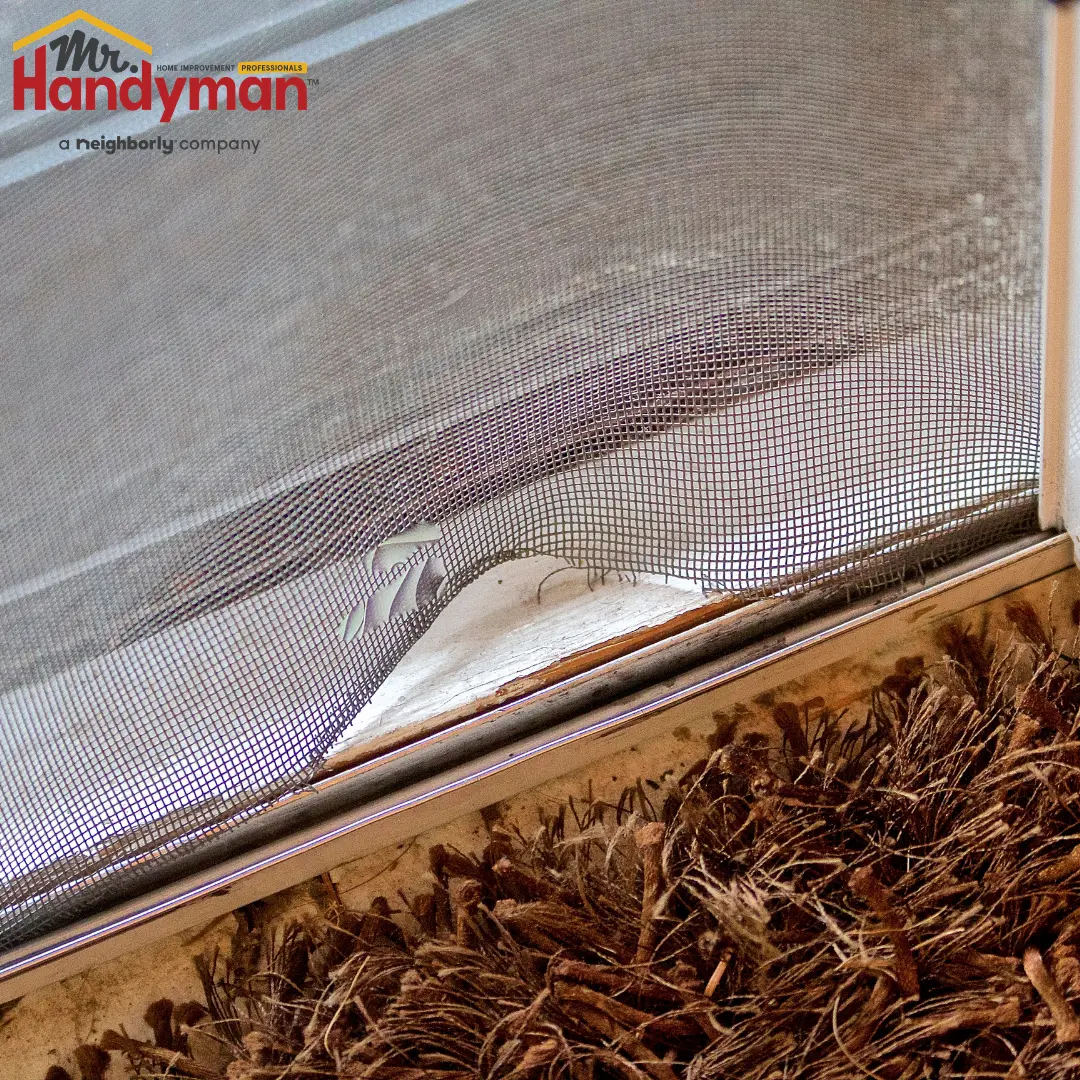
The exterior details of a Southwest Dallas County home communicate its maintenance standard to every person who approaches it, and the specific conditions North Texas creates for these elements make the maintenance obligation here more active and more frequent than homeowners from moderate climates typically anticipate. Screens, shutters, and exterior trim in the communities of Cedar Hill, DeSoto, Duncanville, Irving, Oak Cliff, Red Oak, Cockrell Hill, Redbird, and Wolf Creek are not simply aging at the rate that time produces. They are aging under sustained UV radiation through a warm season occupying more than half the year, thermal cycling between extreme summer surface temperatures and air-conditioned building interiors, hail exposure from Dallas County's documented weather history, and the clay soil foundation movement shifting building frames and opening caulking joints at every trim connection on the seasonal schedule this geology creates.
The housing stock across Southwest Dallas County amplifies these conditions in ways specific to each community's character. Oak Cliff and Irving's older residential neighborhoods carry homes whose exterior detail elements have been through decades of these mechanisms, and whose accumulated condition reflects the full range of maintenance investment approaches that long ownership histories create. DeSoto, Duncanville, and Cedar Hill's production homes from the 1980s through the 2000s have screens, shutters, and trim that have been through enough North Texas climate cycles to show the specific deterioration patterns this climate creates in materials specified for average conditions rather than for the demanding end of the range. And Red Oak and the newer development areas carry more recently installed exterior details that are discovering how quickly North Texas's conditions consume the service life that moderate-climate expectations would have predicted.
This accelerated deterioration creates both the maintenance obligation that active stewardship requires and the opportunity that targeted repair delivers. Exterior detail work addressed at the appropriate point in its deterioration cycle produces the visual transformation communicating investment and care that accumulated deferred condition communicates in the opposite direction. In Southwest Dallas County's active residential market, where Cedar Hill and DeSoto see consistent buyer activity and where homes are evaluated by guests, neighbors, and potential buyers through the lens of the exterior impression they create, this opportunity has genuine financial dimension alongside the daily satisfaction of a well-maintained property.
Window Screen Repair and Replacement

Window screens in Southwest Dallas County homes perform the practical ventilation function that the long North Texas warm season makes more continuously relevant than in markets with shorter comfortable-temperature windows. The spring and fall months when evening temperatures invite opening windows depend on screen integrity for the fresh air ventilation that these conditions offer without the insect infiltration that unscreened openings create in this climate's active insect environment.
The failure modes Southwest Dallas County screens develop reflect the mechanisms North Texas creates for screen mesh and frame materials through sustained exposure. Standard fiberglass mesh is a plastic composite that UV radiation degrades at the molecular level through multiple warm seasons, creating the brittleness making older screens visible in their deteriorated condition. A screen whose mesh has been degraded by three or four North Texas summers feels fragile under any contact force and tears easily when any pressure is applied. In the households of DeSoto, Duncanville, and Cedar Hill where screens are expected to serve for multiple seasons, this deterioration timeline surprises homeowners whose previous experience in other markets created different longevity expectations.
Screen mesh replacement in existing frames whose structural condition remains sound addresses mesh deterioration at mesh cost rather than full replacement cost. The assessment distinguishing frames appropriate for mesh-only replacement from those requiring complete replacement involves checking the frame for the straight, uncorroded profile that proper spline function requires, testing corner joints for the separation that UV degradation and temperature cycling creates in plastic corner pieces, and confirming the frame profile maintains the tension geometry that properly installed screen requires. Frames passing this assessment receive new mesh and spline in the appropriate grade, producing a functionally equivalent result to a new screen at materials and labor cost.
Mesh grade selection for Southwest Dallas County applications deserves the specific attention that North Texas's UV intensity and hail exposure creates. Standard fiberglass mesh underperforms in this climate if longevity is a priority. Heavy-duty fiberglass mesh in a heavier strand weight provides meaningfully better resistance to the UV degradation and physical impact that Southwest Dallas County screens accumulate through the warm season. Solar screen mesh reducing solar heat gain through windows while maintaining visibility has found strong reception on south and west-facing windows throughout the service area, where reducing heat gain through window openings has direct HVAC efficiency and interior comfort benefits during the peak summer hours when west-facing exposure is most intense in Cedar Hill, Irving, and DeSoto.
Screen door repair and replacement addresses the conditions that concentrated daily use and outdoor exposure creates in porch and patio screen doors. Screen door closers losing controlled closing function in Southwest Dallas County's summer operating temperature range need adjustment or replacement. Latch hardware that has corroded or failed needs replacement with appropriate outdoor-rated alternatives handling this area's outdoor moisture and UV conditions through multiple seasons rather than requiring annual replacement of budget hardware that this climate consumes quickly.
Shutter Condition and Repair

Decorative shutters on Southwest Dallas County homes are among the exterior elements North Texas's climate works on most visibly because they are fully exposed on the most sun-intensive wall surfaces and accumulate the UV and moisture cycling deterioration this climate creates in exterior wood at the rates requiring periodic maintenance attention to prevent replacement scope from arriving sooner than it otherwise would.
Wood shutter assessment begins with the specific conditions indicating whether targeted repair and refinishing is appropriate or whether deterioration has progressed to replacement scope. Wood shutters whose slats retain structural integrity without significant checking, whose frames are sound at joints, and whose paint has failed at the surface level without allowing moisture penetration to the depth that wood fiber degradation indicates are candidates for the strip, repair, prime, and repaint sequence restoring their condition effectively. Shutters whose slats have developed through-checking that moisture has entered and whose wood fiber has softened through biological decay are past the point where surface refinishing creates a durable result, and replacement is the appropriate scope. In Oak Cliff and Irving's older homes where shutters may have been through multiple renovation cycles, this assessment sometimes reveals the accumulated condition of deferred refinishing that multiple short-cut applications over deteriorating wood have created.
Wood shutter refinishing begins with complete removal of existing paint or stain down to bare wood. This preparation is the most demanding aspect of the process and the one most frequently abbreviated in ways creating the adhesion failures and early peeling that improper preparation produces. Southwest Dallas County's UV intensity works specifically on paint applied over inadequate surface preparation, because thermal expansion at the surface level creates the stress at the adhesion interface between new paint and residual old paint that causes delamination faster than the same application would delaminate in a moderate climate. Complete stripping, surface cleaning, quality exterior primer, and topcoat application creates the adhesion foundation that North Texas outdoor conditions test through each subsequent thermal and UV cycle.
Composite and vinyl shutter condition requires different assessment than wood because these materials do not decay under outdoor moisture exposure the same way. They do accumulate UV-driven color fading, surface chalking, and potential brittleness in Southwest Dallas County's intense sun over time. Composite shutters significantly faded but structurally sound can be repainted with appropriate exterior products rated for non-wood surfaces, creating a fresh appearance without replacement cost. Vinyl shutters that have developed cracks or brittleness through UV degradation have reached the material condition where replacement rather than refinishing is the appropriate scope.
Shutter mounting hardware inspection and tightening is the functional maintenance that Southwest Dallas County's thermal cycling and clay soil building movement make necessary at regular intervals. The screw connections anchoring shutter mounting hardware to exterior walls experience the differential expansion between dissimilar materials creating the fastener loosening allowing shutters to shift from their correct installed position. Shutters that have developed visible tilt or gap should have mounting fully assessed rather than simply retightened superficially, because the underlying anchor condition in the wall substrate determines whether retightening creates a durable result or simply delays the next recurrence through one more thermal cycle.
Exterior Trim: The Maintenance Scope Defining Exterior Character
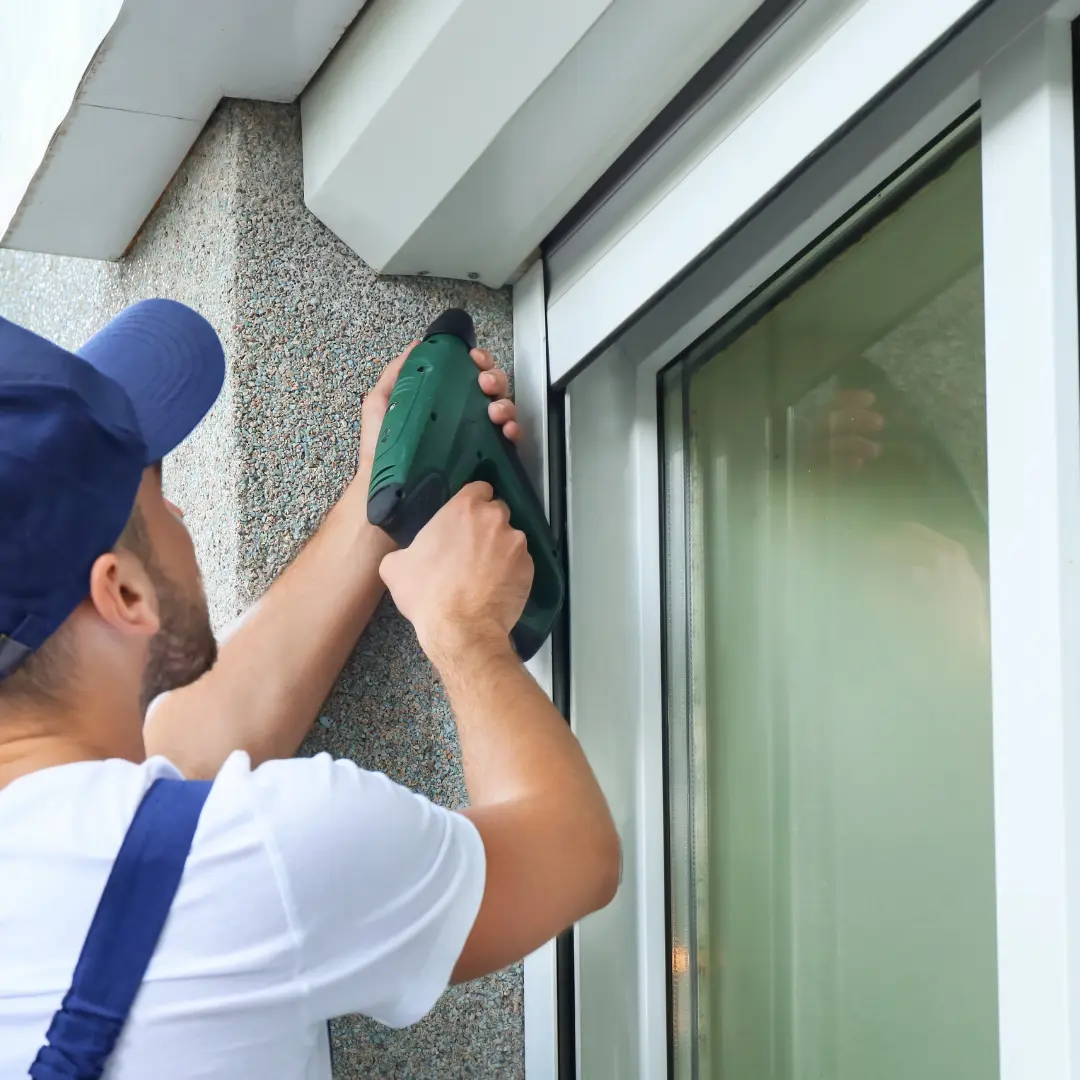
Exterior trim serves both the protective function of sealing building component transitions and the visual function of defining architectural character. When trim is in sound condition with well-adhered paint and continuous caulking at connections, it fulfills both functions effectively. When deteriorated through UV and thermal cycling, it compromises both simultaneously and creates the visual impression communicating deferred maintenance to every person evaluating the property.
Trim caulking renewal is the exterior maintenance task with the strongest protective-to-cost ratio available for Southwest Dallas County homes. Caulking at window and door frame perimeters seals the joint between trim and adjacent siding or masonry that is the primary water infiltration pathway into wall cavities. Caulking at butt joints in trim boards seals transitions exposing end grain to moisture infiltration. And caulking at horizontal trim surfaces seals locations where moisture pooling creates the most intense deterioration pressure on wood trim in Southwest Dallas County's intermittent but intense summer storm rainfall pattern.
Complete removal of existing caulking before new material is applied is the preparation that proper renewal requires throughout Southwest Dallas County homes. Caulking applied over existing material that has separated from substrates, become brittle through UV degradation, or developed mold beneath its surface inherits the underlying failure conditions and begins failing again within a single season following the same failure pattern. Complete removal, surface cleaning and drying, and application of quality paintable caulking with proper tool technique creates the seal holding through Southwest Dallas County's thermal cycling rather than providing temporary cosmetic repair that the next significant thermal cycle opens again.
Wood trim paint condition and renewal in Southwest Dallas County homes follows the same preparation and application principles that shutter refinishing requires, with the additional complexity that exterior trim involves more profiles, more material connections, and more end grain exposure at cut ends and corners. The specific locations warranting highest-priority paint condition assessment are the south and west-facing trim sections receiving the most intense UV exposure, the sill and bottom-of-frame areas where moisture pooling creates the most aggressive paint failure conditions, and any location where caulking failure has allowed moisture infiltration into the wood trim assembly at depth.
Wood rot repair in exterior trim distinguishes conditions where epoxy consolidant and filler creates a durable repair from those where decay has progressed through enough of the trim member's cross-section that section replacement is appropriate. In Southwest Dallas County's climate where summer heat following each moisture event accelerates the biological activity that wood decay requires, the progression from early to advanced rot is faster than in cooler markets. Early assessment and intervention when rot is limited to the outer third of the member's cross-section creates the repair opportunity. Deferred assessment discovering rot through more than half the cross-section produces the replacement conversation that earlier intervention would have prevented.
Fascia and soffit condition represents the trim scope Southwest Dallas County homeowners most commonly encounter alongside gutter maintenance and post-storm assessment. Fascia boards where gutters mount experience the moisture loading that gutter overflow during high-intensity storms creates against the fascia surface. In the neighborhoods of DeSoto, Duncanville, and Cedar Hill where mature trees contribute debris to gutter systems and where summer storm intensity regularly challenges drainage capacity, fascia condition assessment before gutter cleaning and maintenance creates the complete picture of the drainage system's condition from gutter to wall substrate.
Timing and Sequencing for Southwest Dallas County Exterior Work
Pre-summer completion is the strategic target for screen, shutter, and trim repairs that prepare exterior details for the season's most demanding conditions. Caulking applied before peak thermal cycling has the cure time and adhesion development period that prepares it for the temperature range it will subsequently experience in Southwest Dallas County's summer. Paint applied and cured before the peak UV intensity of July and August develops the full cross-link density that exterior paint requires to resist the chalking and fading that this area's summer sun accelerates in freshly applied, incompletely cured film.
Early morning application timing is the practical constraint Southwest Dallas County summer imposes on exterior painting and caulking work proceeding during the warm season. Direct afternoon sun on exterior surfaces throughout this service area can drive surface temperatures past the application range that manufacturer specifications establish for both products. Professional execution completing application on south and west-facing surfaces before mid-morning and addressing shaded exposures through the remainder of the day works within this constraint to produce quality results throughout the season regardless of the specific timing that the project schedule creates.
Frequently Asked Questions
How often do window screens need replacement in Southwest Dallas County homes?
Standard fiberglass mesh on south and west-facing windows receiving direct afternoon sun needs replacement every three to five years in Southwest Dallas County's UV intensity. North and east-facing applications extend to five to seven years. Heavy-duty mesh adds one to two years to both ranges. Homes in areas with documented hail exposure may find event-driven replacement more appropriate than time-based guidance because hail impact damage creates immediate replacement need regardless of the mesh's age-related condition.
What is the most common exterior trim failure in Southwest Dallas County homes?
Caulking failure at window and door frame perimeters on south and west-facing exposures is the most consistent condition throughout this service area, because UV degradation, thermal cycling at the highest-intensity locations, and clay soil building movement together consume sealant service life fastest at these locations. Annual inspection with prompt renewal of any joint showing separation, cracking, or adhesion loss is the maintenance practice most directly preventing the water infiltration that these failures allow when storm season tests them.
Can shutters be repainted rather than replaced in Southwest Dallas County homes?
Yes, when the wood substrate is sound. Shutters whose paint has failed at the surface level but whose slats and frames retain structural integrity can be stripped, repaired, primed, and repainted to a condition functionally and visually equivalent to new shutters at a fraction of replacement cost. Complete old paint removal is the non-negotiable preparation step that professional execution delivers and that abbreviated DIY preparation shortcuts, with the abbreviated version producing the early failure that Southwest Dallas County's outdoor conditions accelerate on improperly prepared substrates.
How does clay soil movement affect exterior trim conditions in Southwest Dallas County?
Clay soil movement creates stress at exterior trim caulking joints and shutter mounting connections making these conditions maintenance variables rather than fixed installations. Trim caulking at building transitions experiences the differential movement between adjacent building components that clay soil cycling creates, opening joints sealed at the last maintenance cycle. Annual assessment and targeted repair of these conditions is the maintenance practice clay soil's ongoing movement makes necessary throughout Cedar Hill, DeSoto, Duncanville, Irving, Oak Cliff, and the other communities in this service area.
What paint product performs best on Southwest Dallas County exterior trim?
100% acrylic latex exterior paint in semi-gloss or gloss sheen provides the UV resistance, flexibility through thermal cycling, and cleanability that Southwest Dallas County exterior trim applications require. Higher sheen levels used on trim reflect UV more effectively than flat finishes, contributing to better color retention and longer service life on surfaces receiving intense direct sun. Premium acrylic formulations with UV-absorber additives perform measurably better than standard acrylic products in this area's UV intensity and are worth the premium on high-exposure south and west-facing trim surfaces.
Should exterior trim repairs be done before or after pressure washing?
Wood rot repair, caulking renewal, and any repair scope creating debris should be completed before pressure washing. Pressure washing then cleans the full exterior including repaired areas, removing loose material and preparing surfaces for paint or stain. Paint follows after appropriate drying time. This sequence ensures painting scope is not applied over surfaces that subsequent cleaning would disturb and that completed work presents a unified, freshly finished appearance rather than showing the sequence of work in the final result.
Give Your Southwest Dallas County Home's Exterior the Summer Attention It Needs
The screens, shutters, and exterior trim of a Southwest Dallas County home communicate its maintenance standard to every person approaching it, and addressing the specific deterioration that North Texas's climate creates in these elements before summer's peak demands is the protection and appearance investment the home's long-term condition and market position both require. The team at Mr. Handyman of Southwest Dallas County handles every exterior detail repair throughout Cedar Hill, Cockrell Hill, DeSoto, Duncanville, Irving, Oak Cliff, Red Oak, Redbird, and Wolf Creek.
Call us or visit www.mrhandyman.com/southwest-dallas-county to schedule your exterior detail repair service. We show up on time, work cleanly, and back everything we do with the Neighborly Done Right Promise