
Why Southwest Dallas County Homes Need Summer Preparation That Matches the Season
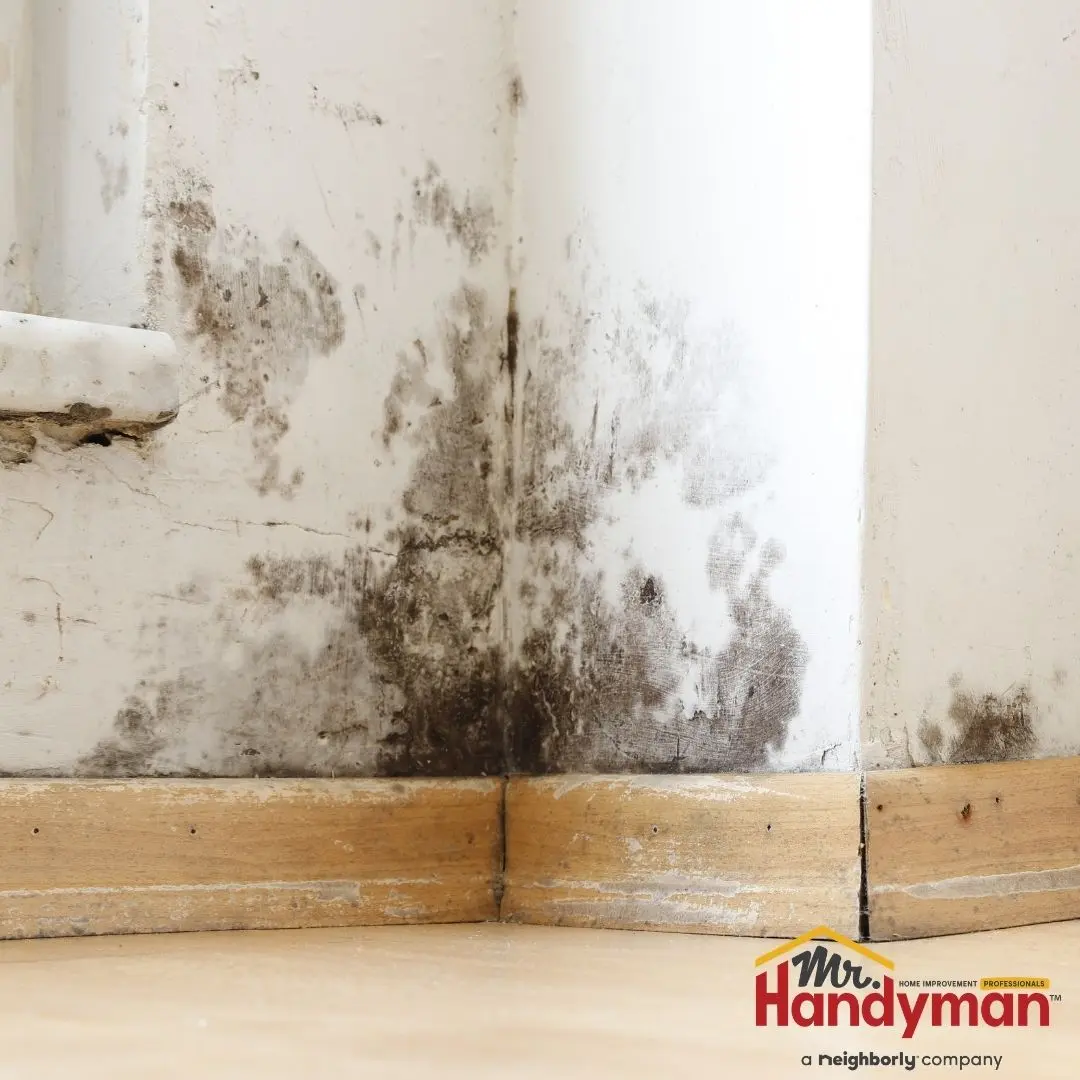
Southwest Dallas County's residential communities represent genuine investment by families who have built their lives in Cedar Hill, DeSoto, Duncanville, Grand Prairie, Irving, and Oak Cliff. These are not transient households making temporary housing decisions. They are families who have put down roots in communities they believe in and who maintain their homes with the intention of protecting that investment through years of ownership.
North Texas summers test that investment directly and without accommodation. The sustained heat that pushes past 100 degrees for weeks at a time, the intense UV radiation that works on exterior surfaces continuously through the long warm season, and the severe thunderstorm activity that delivers concentrated rainfall and occasional hail regularly from June through September all create the specific repair needs that spring assessment reveals and that summer will amplify if they are not addressed before the season arrives.
Southwest Dallas County's specific geological conditions add a maintenance dimension that homeowners from other regions sometimes underestimate until they have experienced it through a full year of ownership in North Texas's clay soil environment. The expansive clay that underlies much of the area's developed residential land creates the seasonal foundation movement that affects doors, windows, exterior flatwork, and interior finish conditions in ways that accumulate through multiple seasons and that require monitoring and timely correction to prevent from developing into more significant concerns.
The relationship between pre-summer repairs and the season that follows is direct and consequential. A caulking joint that admitted minor moisture during spring rain will face the wind-driven intensity of a July thunderstorm. A paint failure that was marginal in April will deteriorate rapidly under sustained UV. A deck board that felt soft in March will carry summer entertaining loads through weeks of outdoor use. Addressing these items before the season rather than after is the decision that protects Southwest Dallas County homes and the investment they represent.
Roof and Attic: North Texas Conditions Demand Pre-Season Assessment

The roof of a Southwest Dallas County home faces its most demanding season during summer, and the specific character of North Texas's summer weather creates conditions that expose every existing vulnerability in a residential roofing system and convert minor deficiencies into active failures faster than any other season.
Shingle condition assessment before summer is non-negotiable for Southwest Dallas County homeowners who take seriously the protection of their investment. Granule loss on shingle surfaces, visible as bare patches or as granule accumulation in gutters after rain events, indicates shingles that are losing their UV protection and approaching the end of their effective service life. Curling or lifting at shingle edges, surface cracking, and any location where the underlying roof deck is visible through damaged or missing shingles all require attention before summer's combination of sustained heat and severe weather activity amplifies their consequences.
Hail damage is a specific pre-summer assessment priority in Southwest Dallas County's context. The Dallas metro area experiences hail events with a frequency that makes post-hail roof assessment a standard maintenance activity rather than an exceptional one. Homes in Southwest Dallas County that experienced hail impact during the previous fall or winter storm season may carry the bruising, granule displacement, and membrane cracking that significantly reduces remaining shingle service life even when the damage is not producing active interior infiltration at the time of assessment.
Flashing condition at roof penetrations is consistently the most common source of residential roof leaks throughout the Dallas area, and Southwest Dallas County homes are no exception. Chimneys, plumbing vents, and roof-to-wall transitions at dormers and additions carry the thermal cycling and movement stress that creates the separation and sealant failure that converts marginal conditions into active infiltration during summer storms. Pre-summer inspection and correction of any flashing deficiencies addresses these pathways before the season tests them.
Attic ventilation assessment has specific pre-summer urgency in Southwest Dallas County homes. An inadequately ventilated attic accumulates the heat that accelerates shingle deterioration from below, drives radiant heat into the living spaces above, and increases cooling loads in homes that are already demanding significant HVAC performance through North Texas's extended summer. Blocked soffit vents and improperly functioning ridge vents are the most common causes of inadequate attic ventilation in Southwest Dallas County's residential inventory.
Exterior Surfaces: Protecting Against North Texas Summer

The exterior surfaces of Southwest Dallas County homes face the combination of UV radiation, extreme heat, wind-driven summer rain, and the clay soil movement that North Texas's specific conditions create at every joint and transition in the building envelope. Pre-summer assessment of these surfaces identifies the repair needs that summer will make more consequential if they are not addressed.
Exterior paint failure in Southwest Dallas County homes follows the pattern that North Texas's climate and clay soil conditions create. Moisture penetrates behind paint films at joints where clay soil movement has opened gaps, at locations where UV degradation has thinned the paint film past its protective threshold, and at surfaces where previous painting without adequate preparation created adhesion conditions that North Texas's temperature cycling exploits. The peeling, bubbling, and flaking that spring assessment reveals on exterior surfaces needs correction before summer's UV and heat accelerate the deterioration and before wind-driven rain exploits the exposed substrates.
The clay soil movement that is ongoing in Southwest Dallas County's residential geology creates a specific exterior paint and caulking condition that differs from the static deterioration that stable-soil markets experience. Joints at door and window frames, at the transitions between different exterior materials, and at any location where the building structure spans a foundation connection all experience the movement stress that clay soil behavior creates in these joints. Pre-summer assessment specifically looking for caulking failures at these movement-sensitive locations identifies the gaps that summer storms would drive water through.
Wood rot discovered during spring exterior assessment requires prompt attention in Southwest Dallas County's climate context. North Texas's summer heat and the moisture that summer thunderstorms deliver create the conditions for rapid biological decay progress in wood that has been exposed through failed paint or caulking. Window sill ends, door frame bases at grade level, deck ledger connections, and any exterior wood with compromised protective finish are the locations where wood rot presents most commonly in Southwest Dallas County homes.
Decks and Outdoor Structures: Southwest Dallas County's Summer Living Spaces
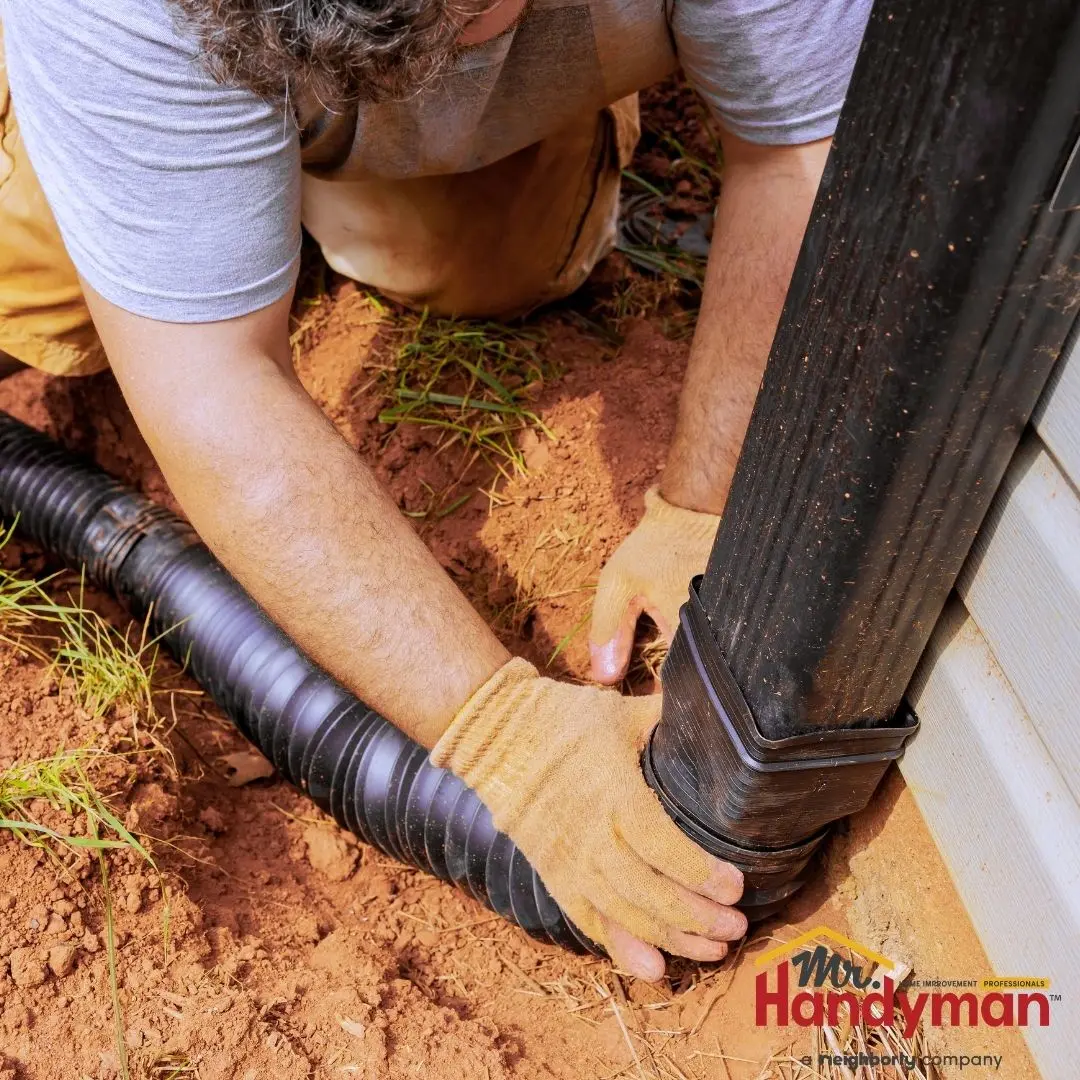
Decks and outdoor structures in Southwest Dallas County homes receive intense use during summer as the primary outdoor living environment for families whose indoor and outdoor activities both concentrate in the warmer months. Pre-season assessment of these structures is a safety and quality investment that the season's use patterns make genuinely important.
Deck board condition requires hands-on physical assessment rather than visual observation from a comfortable distance. Boards that have developed soft spots through the fungal decay that North Texas's combination of heat and intermittent moisture creates in wood with failed protective finish are structural concerns that summer's entertaining loads will test. The wood decay progression that a Texas summer accelerates in compromised wood makes pre-season identification and replacement of affected boards the responsible practice before those boards carry the loading that summer outdoor use creates.
Railing stability requires physical testing at every post by applying lateral force that reveals the connection looseness that visual inspection consistently misses. In Southwest Dallas County homes where deck railings have been through multiple cycles of North Texas's extreme temperature range, the thermal expansion and contraction cycling has worked at connection hardware in ways that visual assessment does not reveal. Any movement under physical testing warrants correction before the deck carries summer entertaining loads.
The clay soil movement that is a feature of Southwest Dallas County's geological context creates a specific deck maintenance consideration that homeowners in stable-soil markets do not face. The ledger board connecting the deck to the home's exterior wall spans the foundation-to-structure connection where clay soil movement creates the stress that compromises ledger flashing integrity over time. Pre-summer inspection of ledger flashing condition and correction of any separation or failure discovered is a safety-critical maintenance activity whose importance is amplified by the clay soil movement that Southwest Dallas County's geology creates.
Gutters, Drainage, and Clay Soil Management
Gutter and drainage readiness before Southwest Dallas County's summer storm season is a maintenance priority with specific importance in the clay soil context that defines the area's residential geology. The moisture that gutter overflows deposit adjacent to home foundations is not simply a surface water management issue in this market. It is the moisture input that drives the clay soil expansion that creates foundation movement, and managing it through properly functioning gutters and appropriate downspout extension is the most accessible foundation moisture management tool available to Southwest Dallas County homeowners.
Gutter cleaning before summer storm season is the baseline drainage maintenance activity. Accumulated debris from spring's active growing season blocks the gutter channels and downspouts that are supposed to manage the concentrated rainfall that North Texas summer thunderstorms deliver. A gutter system that overflows during a significant storm event deposits the roof's full drainage volume against the foundation perimeter rather than directing it away from the home.
Downspout extension in Southwest Dallas County homes is the moisture management practice that the area's clay soil conditions make more important than in stable-soil markets. Downspouts that terminate at grade level adjacent to the foundation introduce the moisture that clay soil absorbs and uses to create seasonal expansion. Extending downspouts with splash blocks or flexible underground extensions that carry water well away from the foundation perimeter before releasing it to the soil reduces the moisture loading that drives the foundation movement Southwest Dallas County homeowners know well.
HVAC: The System Southwest Dallas County Summers Depend On
The air conditioning system carries the complete weight of a Southwest Dallas County summer, and the performance gap between a properly serviced system and one that has not received pre-season maintenance is measured in comfort, energy cost, and the risk of failure during the heat events that North Texas summers deliver with genuine frequency and intensity.
Pre-season professional HVAC service that addresses coil cleaning, refrigerant level verification, electrical component inspection, condensate drain clearing, and thermostat calibration prepares the system for the sustained demands of a North Texas summer operating season. In Southwest Dallas County's climate where temperatures regularly exceed 100 degrees for extended periods and where system failure during peak heat creates genuine health risk for vulnerable household members, pre-season service is responsible home management rather than optional maintenance.
Air filter replacement at the beginning of summer and at appropriate intervals through the season affects both system efficiency and indoor air quality. In Southwest Dallas County's households where doors open and close frequently as family members move between indoor and outdoor environments throughout active summer days, filter loading from outdoor particulates including the red clay dust of North Texas's landscape may require more frequent replacement than standard guidance suggests.
Frequently Asked Questions
What is the most urgent pre-summer repair for a Southwest Dallas County home?
Roof and exterior caulking condition carries the highest urgency because North Texas's summer thunderstorm season, with its hail events and wind-driven rain, converts roof and envelope vulnerabilities into interior damage with a frequency and intensity that makes deferral genuinely costly. Pre-summer roof assessment and exterior caulking walkthrough, with prompt correction of identified deficiencies, prevents the interior damage that summer storms cause through the same pathways every season.
How do Southwest Dallas County's clay soils specifically affect summer home preparation?
Clay soil movement affects foundation conditions, door and window alignment, exterior flatwork conditions, and the building envelope connections at foundation transitions in ways that pre-summer assessment reveals. Maintaining proper gutter function and extending downspouts away from the foundation reduces the moisture input that drives clay soil expansion and the foundation movement it creates. Pre-summer is also the appropriate time to address door and window alignment changes that spring's soil moisture variation has created before summer's heat cycling adds its own dimensional changes.
Can a handyman handle most Southwest Dallas County pre-summer repairs?
A skilled handyman handles the majority of pre-summer preparation repairs including exterior caulking, paint touch-up and repair, weatherstripping replacement, minor wood rot repair, gutter cleaning and joint repair, deck surface and hardware inspection and correction, and door and window alignment adjustment. Roofing work, HVAC service, and structural foundation concerns require appropriate specialized contractors. A comprehensive pre-summer preparation engagement with a skilled handyman addresses most of what a Southwest Dallas County home needs in a single organized visit.
What deck repairs are most critical before summer in Southwest Dallas County?
Railing stability testing and correction, deck board replacement for any boards with soft spots or significant decay, and ledger flashing inspection are the three highest-priority deck repairs before summer in Southwest Dallas County. These address the safety and structural concerns that summer entertaining loads test directly, and in the clay soil context of Southwest Dallas County, the ledger flashing inspection has the additional importance that soil movement creates at foundation-to-structure connections throughout the area's residential inventory.
Get Your Southwest Dallas County Home Ready Before Summer Tests It
The repairs that protect a Southwest Dallas County home through summer are most effective and most affordable when addressed before the season rather than during it. The team at Mr. Handyman of Southwest Dallas County brings the broad repair expertise and North Texas knowledge to handle the full range of summer preparation work that homes in these communities need before the heat, UV, and storm activity of a Southwest Dallas County summer puts them to the test.
Call us or visit www.mrhandyman.com/southwest-dallas-county to schedule your pre-summer home repair service. We show up on time, work cleanly, and back everything we do with the Neighborly Done Right Promise.