
Why This Question Arrives on a Specific Schedule in Southwest Dallas County
The decision to update doors or windows reaches Southwest Dallas County homeowners on a schedule that North Texas's specific conditions accelerate beyond what most people expect when they move into a property. The communities of Cedar Hill, DeSoto, Duncanville, Irving, Oak Cliff, Red Oak, Cockrell Hill, Redbird, and Wolf Creek span a wide range of housing ages, from Oak Cliff and Irving's mid-century and older stock through the production homes of DeSoto and Duncanville built through the 1980s and 1990s to Cedar Hill and Red Oak's more recent development. What all of these homes share is exposure to the same combination of North Texas conditions working on door and window assemblies continuously through every season.
Intense UV radiation works on exterior door and window finishes, frame materials, and weatherstripping through a warm season occupying more than half the year. The thermal cycling between Dallas-area summer exterior temperatures, which regularly reach and exceed 100 degrees at south and west-facing surfaces, and air-conditioned interior temperatures creates the expansion and contraction stress at every joint, seal, and hardware connection in these assemblies. Clay soil movement shifts door and window frames gradually out of square through each seasonal moisture cycle, affecting operation, seal quality, and the impression these openings create. And hail events create impact damage to glass, frames, and exterior surfaces at the frequency that Dallas County's documented weather history produces.
The result is that door and window assemblies in Southwest Dallas County homes age at rates that homeowners who moved from moderate climates consistently find surprising. The combination of UV, thermal cycling, clay soil movement, and severe weather exposure creates the deterioration conditions that this guide addresses across the specific signs, the energy performance case, and the update decision framework that these communities' specific housing stock and market context creates.
Reading the Signs in Southwest Dallas County Homes
The signs that doors and windows have reached the update threshold appear across several categories of daily experience, each reflecting the specific deterioration mechanisms that Southwest Dallas County's climate and geology create.
Drafts and air infiltration are the most consistently noticed performance failures, and in this climate they carry specific financial consequence. The temperature differential between the exterior and the air-conditioned interior is so large for so many months of the year that a door or window admitting meaningful air infiltration works against the HVAC system continuously through the peak cooling season. Homeowners in DeSoto, Duncanville, and Cedar Hill feel this as hot spots, uneven temperatures between rooms, and the persistent sense that the home never quite cools to the thermostat setting during the hottest weeks.
Testing door drafts is straightforward. Holding a lit candle or incense stick near the door perimeter at multiple points while the door is closed on a windy day reveals air movement at specific failure locations. This targeted test distinguishes the component replacement that weatherstripping or door sweep repair represents from the more systemic frame condition that requires full door assembly evaluation. A door showing air infiltration at specific perimeter sections has a weatherstripping condition. A door showing air infiltration throughout its perimeter has a frame condition or a door-to-frame fit problem that component replacement alone cannot resolve.
Operational difficulty is the condition that clay soil foundation movement creates most distinctly and most consistently throughout Southwest Dallas County. A door that latched cleanly at move-in but now requires lifting the handle, pushing the door toward or away from the frame, or specific technique to engage the latch has experienced the frame shift that seasonal soil movement produces. In Oak Cliff and Irving's older homes where the building has been through decades of clay soil cycling, this condition is among the most common maintenance issues homeowners manage. The distinction that matters for the update decision is whether the frame has moved beyond the range where adjustment produces lasting results or whether periodic adjustment continues to restore acceptable operation.
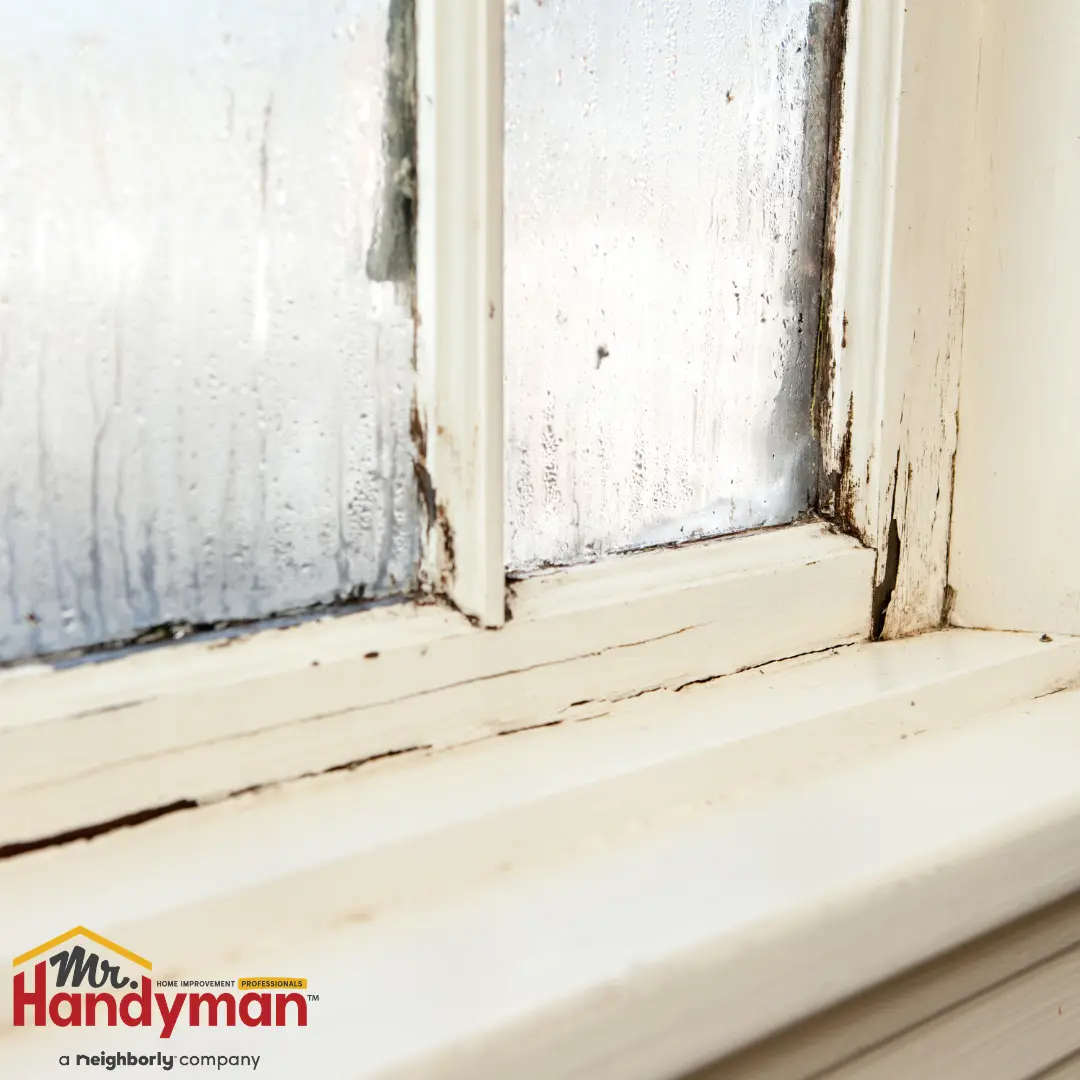
Visible frame deterioration across Southwest Dallas County's housing stock spans UV-faded and chalking paint on wood frames through the actual wood rot that moisture infiltration through failed caulking creates at the vulnerable locations that this climate specifically targets. Wood rot in door and window frames most consistently appears at sill ends where end grain is exposed to moisture, at bottom window frame corners where water pools rather than draining, at exterior door thresholds where grade-level moisture contact is highest, and at any location where caulking at the frame-to-siding or frame-to-masonry joint has failed and allowed moisture infiltration into the frame assembly over time.
Early-stage wood rot, where deterioration has not yet penetrated more than the outer inch of the frame's cross-section, is repairable with epoxy consolidant and filler products restoring the structural profile and providing a paintable surface. Late-stage rot penetrating through a significant portion of the frame's cross-section has compromised structural integrity in ways that surface repair does not address, and frame section or complete assembly replacement is the appropriate scope.
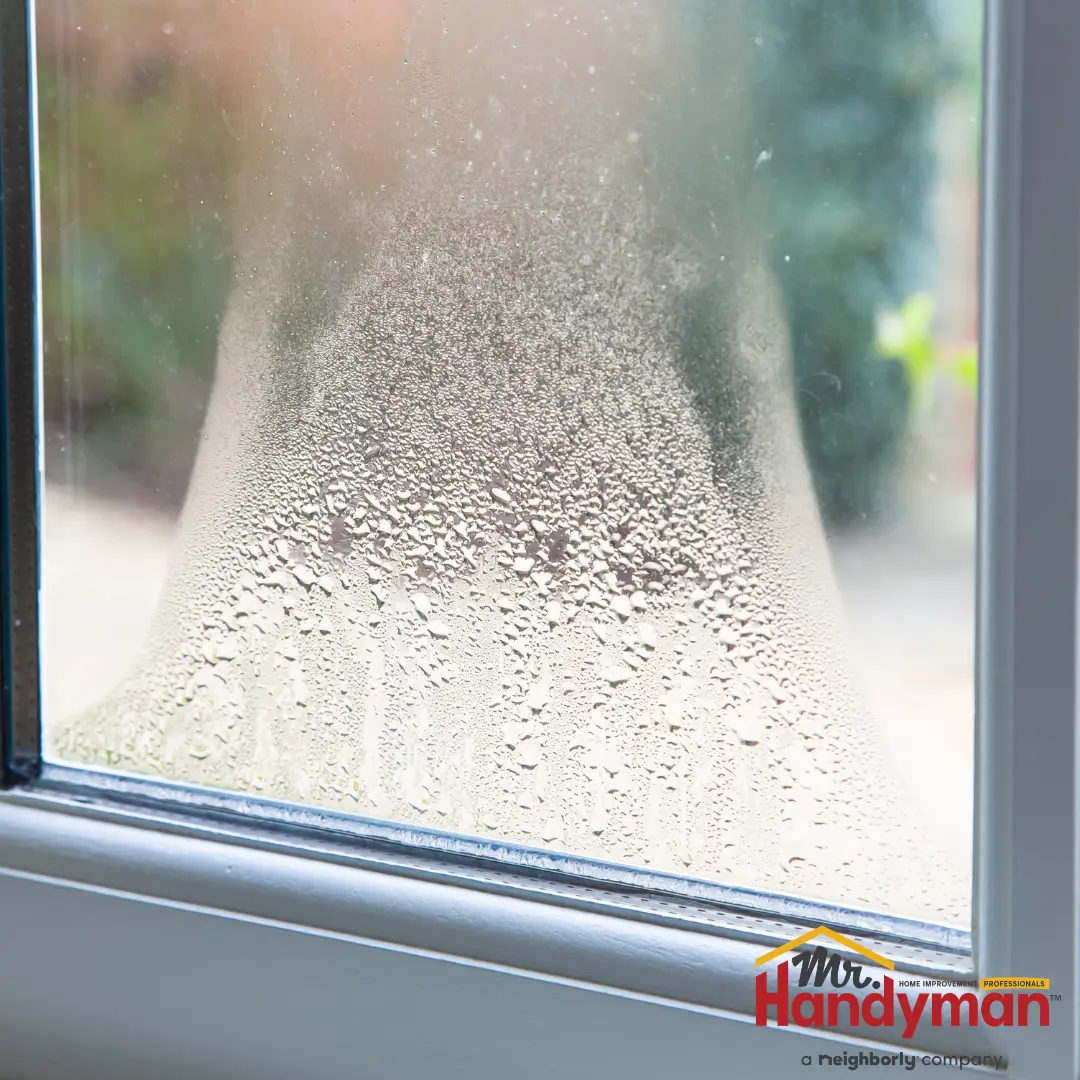
Insulated glass seal failure appears as the fogging or haze between panes that no cleaning addresses because the contamination is inside the hermetically sealed unit. The thermal cycling that Southwest Dallas County's temperature range creates across double-pane insulated glass works at the perimeter seal continuously, and in this climate's extremes the seal failure rate is higher than in moderate markets. A fogged unit has lost its thermal performance and is contributing to cooling load in measurable ways that current ENERGY STAR qualified replacement glass resolves.
The Energy Performance Case for Southwest Dallas County Homes
Energy performance is a central consideration in the update decision for Southwest Dallas County homeowners in ways that are specifically relevant to this climate and the Texas electricity market. The long cooling season, the high temperature differential during summer, and the ongoing utility cost that these conditions create make the thermal performance of doors and windows a measurable and continuing financial factor.
Single-pane windows remaining in service in Oak Cliff and Irving's older homes, and double-pane units whose sealed glass has failed throughout the service area, contribute to cooling loads that HVAC systems compensate for continuously through the warm season. Current ENERGY STAR qualified replacement windows with low-e coatings deliver energy cost reduction that the Dallas-area climate amplifies through season length and temperature extremes.
Low-e glass coatings standard in current replacement windows significantly reduce solar heat gain through south and west-facing windows, which in Southwest Dallas County's summer conditions create the most substantial heat gain of any single building envelope element. For Irving and Cedar Hill homes with significant west-facing glass area, the daily comfort difference between standard and low-e coated glass is felt directly in room temperatures during the afternoon hours when west-facing exposure is most intense.
Frame material selection for replacement windows should account for the thermal cycling and UV exposure this climate creates. Vinyl frames maintain dimensional stability and color without painting through Southwest Dallas County's thermal range better than wood at comparable cost. Fiberglass frames provide the highest dimensional stability of available materials and are appropriate for the premium residential market in Cedar Hill and DeSoto's newer developments where long-term performance and architectural quality both matter. Both outperform aluminum frames without thermal breaks for residential energy performance applications in this climate's temperature differentials.
Exterior Door Updates: The Entry Impression and Performance Case
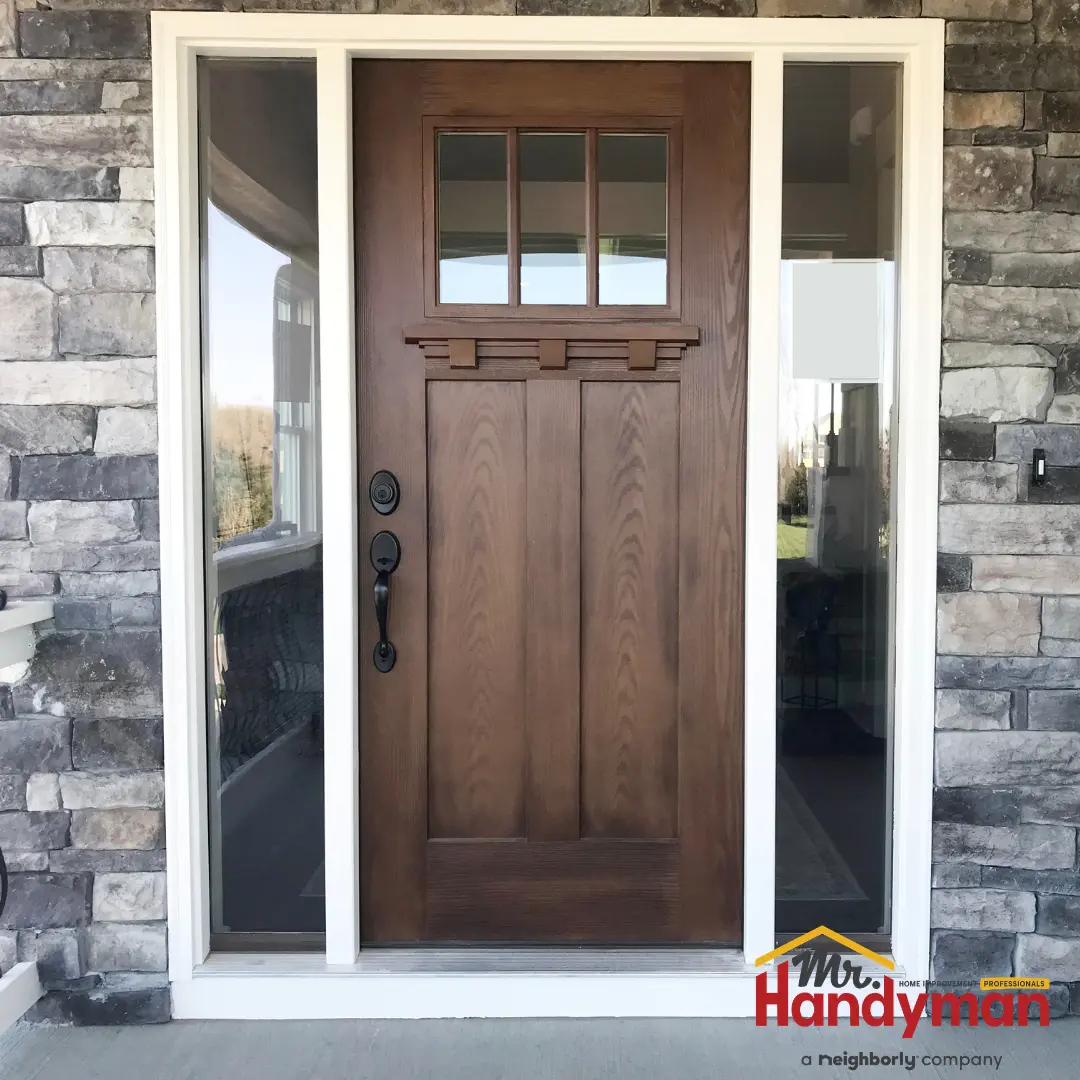
The exterior door of a Southwest Dallas County home is the most publicly visible maintenance signal the property sends, and in the diverse, community-proud neighborhoods of this service area, the entry impression that the front door creates communicates the household's investment in the property before any guest steps inside.
Fiberglass exterior doors are the dominant replacement choice in Southwest Dallas County's current residential market for the combination of performance advantages they provide in this specific climate. They resist the warping and sticking that wood doors develop under DeSoto and Duncanville's moisture cycling and clay soil foundation movement. They maintain dimensional stability through the temperature range North Texas creates, preserving the weathertight seal that wood doors require seasonal adjustment to maintain. They accept paint in the full range of current door colors that work specifically well against the warm brick of Southwest Dallas County's predominantly brick residential stock. And they resist the hail impact damage that steel doors accumulate in this county's documented hail exposure history.
Door hardware replacement as part of any exterior door update creates the finished, coordinated entry that the visual investment in a new door deserves. Matte black hardware is the most versatile current choice, working against the warm brick and the full range of current door colors across the service area. Brushed gold hardware has found strong reception in DeSoto and Cedar Hill's established neighborhoods where warmer tones complement the traditional architectural character these communities express. The hardware selection should be made as part of a complete entry design decision rather than chosen independently of the door color and surrounding brick tone.
Frame and casing condition alongside any door replacement addresses the full entry assembly rather than simply the door slab. A quality new door installed into a frame with failed caulking, deteriorated flashing, or wood rot at the threshold creates the performance limitation that the new door investment was meant to resolve. Frame assessment before any new door is ordered determines whether the frame can receive a new slab or whether a full frame replacement is the complete and correct scope.
Sliding and Patio Doors: The Outdoor Connection
Sliding and patio doors in Southwest Dallas County homes connect indoor living to the outdoor spaces that the long warm season makes among the most-used openings in the home. Their operational and thermal performance directly affects both the daily hosting experience and the energy performance of the home through the cooling season.
Sliding door track and roller condition reflects the clay soil frame alignment effects and thermal expansion that summer heat creates in aluminum track systems throughout Southwest Dallas County. A sliding door requiring lifting to engage the track, grinding through its travel, or significant force to operate has track or roller conditions that professional assessment distinguishes between adjustable and replacement-requiring diagnoses. Roller replacement in a door whose frame and glass remain sound is the targeted repair restoring operation without full replacement. Frame movement creating a track alignment problem that rollers cannot compensate for points toward frame correction or replacement as the appropriate scope.
Glass condition in patio doors deserves the same insulated unit seal assessment that window glass warrants. Large glass panels in patio doors experience North Texas's thermal cycling at scale, and the seal failure this cycling eventually produces is visible as the fogging indicating lost thermal performance and ongoing heat gain contribution through the summer season.
Window Performance Assessment
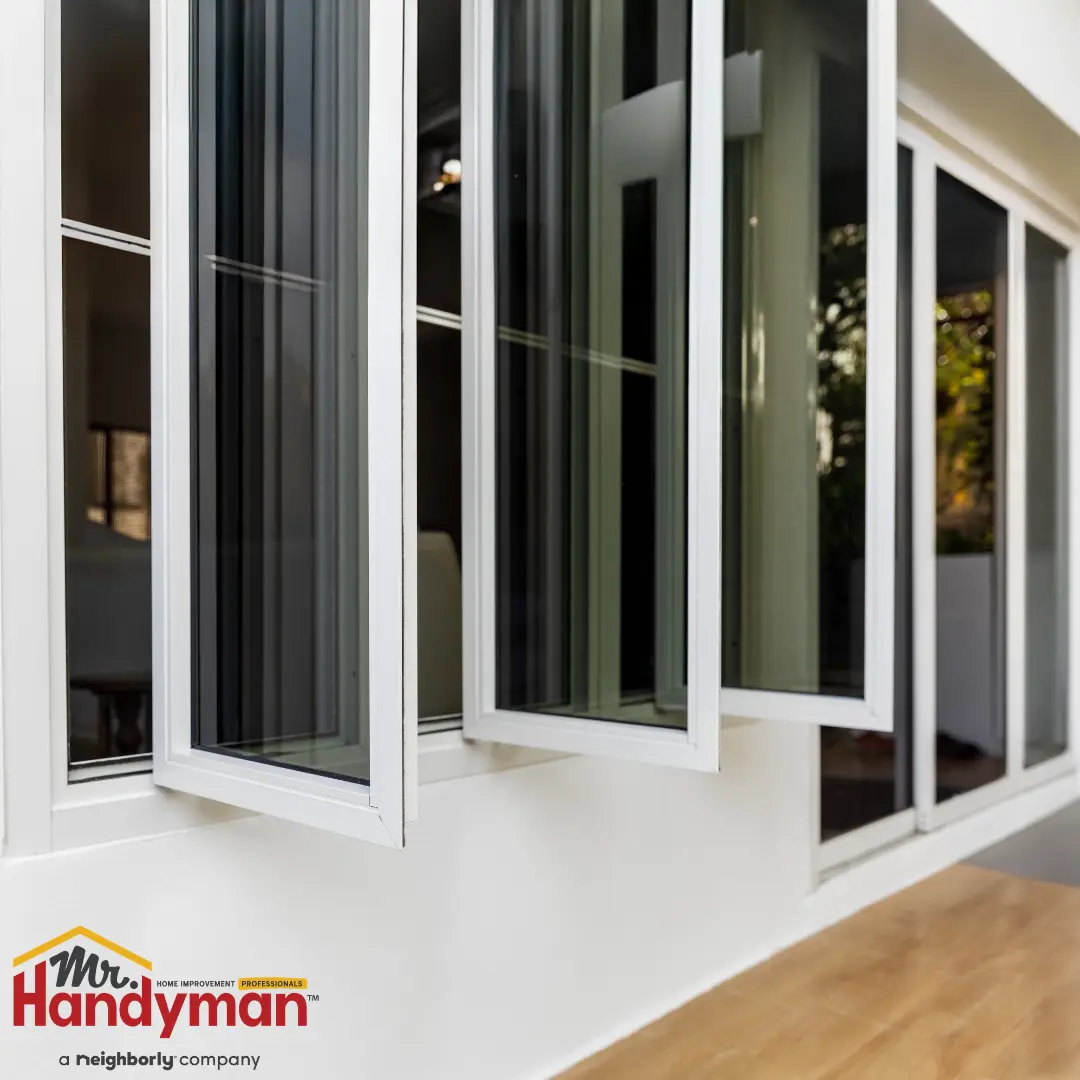
Casement and double-hung window operation restoration for windows that have developed sticking or difficult operation through paint film accumulation, hardware wear, or frame movement restores ventilation function without requiring full replacement when frames and glass remain sound. The assessment distinguishing repair from replacement involves the frame's structural integrity, the glass unit's sealed condition, and whether the frame has moved beyond the adjustment range where operational restoration creates a lasting result.
Window screen condition in Southwest Dallas County homes reflects UV degradation, hail impact, and the physical wear of the long season. Standard fiberglass mesh in this climate's UV intensity needs replacement every three to five years on south and west exposures. Heavy-duty mesh extends this range while providing better resistance to the physical impacts that wind-blown debris and occasional hail events create. Solar screen mesh reducing solar heat gain through windows has found strong reception on south and west-facing exposures where reducing heat gain during afternoon hours has direct HVAC efficiency and comfort benefits.
Weatherstripping at operable windows deteriorates through the same UV, thermal cycling, and mechanical cycling that door weatherstripping does, requiring the same regular assessment and replacement to maintain the sealing function that energy performance in Southwest Dallas County's extreme temperature differential demands.
Frequently Asked Questions
How do I know whether a Southwest Dallas County door or window needs repair versus replacement?
Component conditions including weatherstripping failure, roller wear, and hardware deterioration are addressed by replacing the specific part without replacing the full assembly. Assembly conditions including frame rot through a significant cross-section, insulated glass seal failure, and frame movement past the adjustment range restoring operation point toward full replacement as the appropriate scope.
What window frame material performs best in Southwest Dallas County's conditions?
Vinyl and fiberglass are the two frame materials handling this area's thermal cycling, UV exposure, and low-maintenance requirements most effectively. Vinyl at mid-range price points provides dimensional stability, color retention without painting, and thermal break performance appropriate for this climate. Fiberglass at premium price points provides the highest dimensional stability available and is appropriate where long-term performance and architectural quality both matter.
Does clay soil affect door and window operation specifically in Southwest Dallas County?
Yes, through the frame alignment changes that seasonal soil movement creates. Frames shift gradually out of square through multiple wet-dry cycles, producing the sticking, difficult-to-latch, and draft-admitting conditions that homeowners throughout this service area encounter. Minor movement responds to adjustment. Significant movement that has taken the frame beyond the serviceable adjustment range points toward replacement.
Are impact-resistant windows worth considering in Southwest Dallas County?
Given Dallas County's documented hail exposure history, impact-resistant glass as an upgrade in replacement windows deserves serious consideration. The premium over standard products is meaningful but so is the protection against hail events that this county experiences with regularity, particularly for exposed roof-adjacent windows where hail impact is most likely.
What is the ROI on window replacement in Southwest Dallas County's market?
Window replacement delivers return through energy cost reduction during the long cooling season and through property value contribution in an active residential market. In Cedar Hill and DeSoto where buyer activity is consistent, updated windows and doors communicate the investment quality that buyers factor into their offer behavior and that deteriorated original assemblies work against in competitive listing situations.
How should front door color be chosen for a Southwest Dallas County brick home?
Test samples on the actual door surface at multiple times of day, specifically including afternoon when direct sun creates the conditions the door lives in daily. Southwest Dallas County's warm brick residential character supports the full range from deep navy and hunter green through warm black and rich earthy tones. The cultural diversity of this service area's communities also creates a broader palette of design directions in use across the neighborhood context than more homogeneous markets produce, giving homeowners more latitude for individual expression within the neighborhood character.
Make the Right Door and Window Decision for Your Southwest Dallas County Home
The conditions North Texas creates for doors and windows make the update question arrive on a schedule that rewards assessment and planning rather than reactive response to complete failure. The team at Mr. Handyman of Southwest Dallas County handles door and window installation, weatherstripping replacement, frame repair, hardware updates, and the full range of related carpentry throughout Cedar Hill, Cockrell Hill, DeSoto, Duncanville, Irving, Oak Cliff, Red Oak, Redbird, and Wolf Creek.
Call us or visit www.mrhandyman.com/southwest-dallas-county to schedule your assessment. We show up on time, work cleanly, and back everything we do with the Neighborly Done Right Promise.