
Why Southwest Dallas County Winters Leave a Repair Agenda Worth Addressing
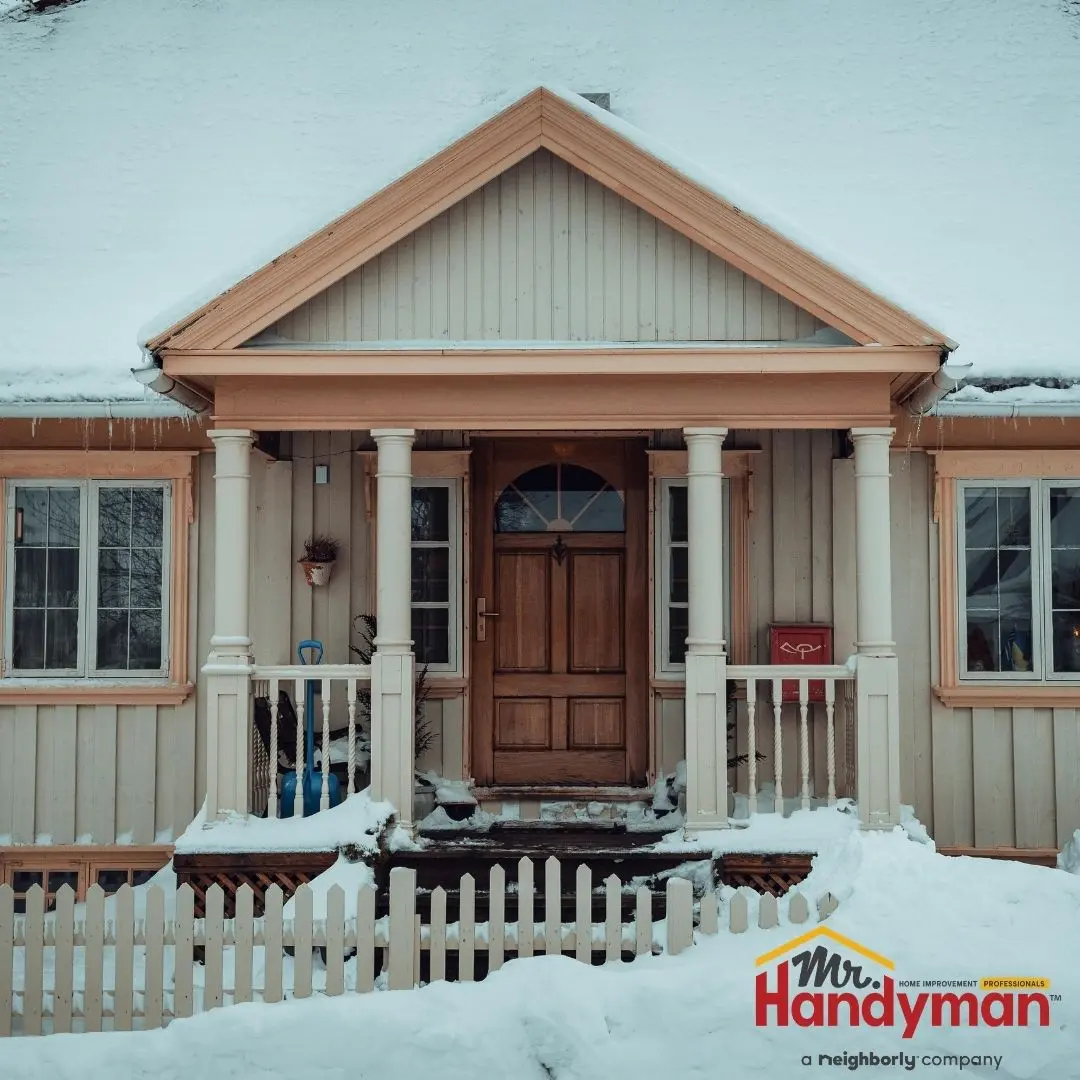
Southwest Dallas County winters carry a reputation for mildness that obscures the specific damage they create in the homes of Cedar Hill, DeSoto, Duncanville, Grand Prairie, Irving, and Oak Cliff. The freeze events that North Texas delivers suddenly, dropping temperatures from comfortable to below freezing within hours, create the rapid thermal shock that stresses building materials in ways that the gradual, sustained cold of northern climates never produces in the same concentrated form. The ice storms that coat Southwest Dallas County homes in freezing rain test roofing systems, load gutters, and drive moisture into every available opening with an efficiency that gentler precipitation cannot match.
What distinguishes the winter wear-and-tear context of Southwest Dallas County from other Dallas-area communities is the specific combination of factors that the area's housing stock and geology create. The older homes of Oak Cliff and the established residential neighborhoods throughout the service territory carry the accumulated layers of previous renovations, the original or previously updated building envelope conditions, and the construction quality characteristics of their specific eras that create winter wear patterns that newer production construction in DeSoto and Duncanville's suburban developments does not produce in the same way. And the clay soil conditions that underlie much of Southwest Dallas County's developed residential land create the foundation movement that winter's moisture cycle drives in ways that affect every home built on this geology regardless of its construction era.
The spring repair window is where this winter-specific damage is most cost-effectively addressed. Every deferred winter repair enters summer in a weakened position that the season's heat, UV, and thunderstorm activity exploits without accommodation. A caulking joint that cracked during January's freeze will face July's wind-driven rain. An exterior paint failure that admitted winter moisture will deteriorate rapidly under sustained UV. A concrete crack widened by thermal cycling will admit summer rain and continue expanding. Addressing these conditions in spring, before summer tests them at their worst, is the protective and economical approach for Southwest Dallas County homeowners who take seriously the investment their homes represent.
Exterior Paint and Surface Damage: What Winter Creates
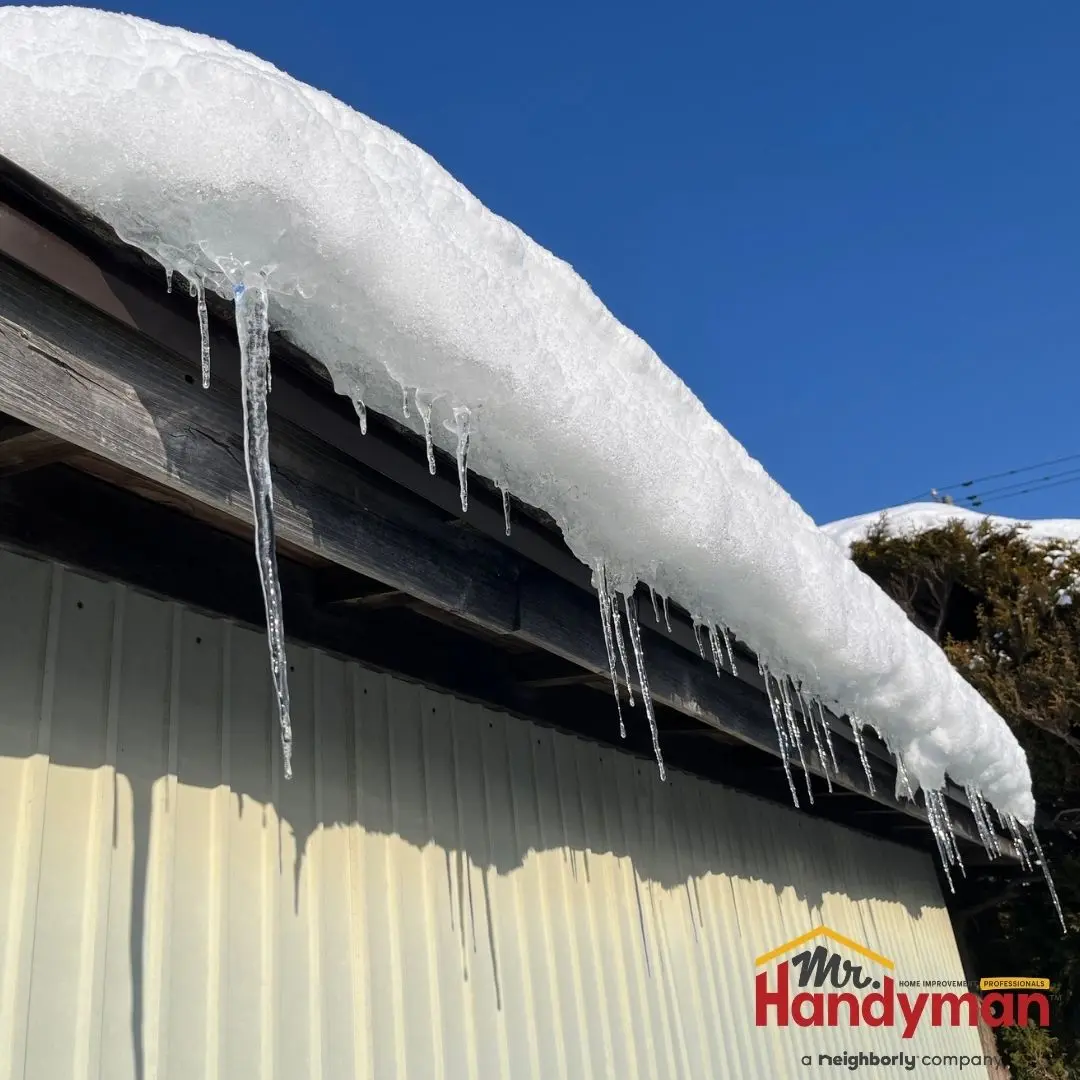
Exterior paint failures in Southwest Dallas County homes after winter follow the mechanism that North Texas's variable winter creates in painted surfaces. When moisture penetrates behind a paint film through an existing crack, a joint failure, or a location where the paint film has thinned through weathering, and temperatures then drop rapidly during one of the freeze events that North Texas delivers without gradual transition, the trapped moisture expands and forces the paint film away from the substrate. The bubbling, peeling, and flaking that homeowners discover during spring walks around their properties is the visible result of this mechanism operating through a winter of alternating warm and cold periods.
Southwest Dallas County's housing stock creates specific paint failure patterns worth understanding before conducting a spring assessment. The older homes of Oak Cliff and established neighborhoods throughout the service territory may carry paint that has been applied over previous layers without adequate preparation, creating a total film build with adhesion conditions that freeze-thaw events exploit at multiple layers simultaneously. The suburban production homes of DeSoto, Duncanville, and Cedar Hill's newer developments have fewer accumulated layers but may have received previous paint applications without the preparation that North Texas's climate demands, creating adhesion failures that their age alone would not explain.
North-facing walls and shaded surfaces that receive limited solar drying are consistently the highest-risk locations for winter paint failure throughout Southwest Dallas County. These surfaces stay wet longer after rain events, experience the most extended periods at temperatures near and below freezing during cold snaps, and accumulate the biological growth that moisture-retaining surfaces promote in ways that sun-exposed surfaces do not. Spring assessment that specifically examines these surfaces, even where the overall exterior appears acceptable, identifies the failure locations that need correction before summer.
Proper repair requires removing all loose and compromised paint to the point of sound adhesion before any repainting begins. The failure pattern in Southwest Dallas County's climate almost always involves moisture, which means confirming that the exposed substrate has dried from winter's moisture before primer and paint are applied. Paint applied over a substrate that retains moisture from spring's wet period reproduces the failure within one to two seasons.
Caulking and Sealant Failures: Opening the Envelope to Summer

Exterior caulking and sealant failures discovered in spring are among the most urgently important repair findings in Southwest Dallas County homes because they represent the infiltration pathways that summer's thunderstorm activity will exploit with direct interior damage consequences.
The specific mechanism that North Texas's winter creates in exterior sealant joints involves both the thermal shock of rapid temperature drops and the movement stress that Southwest Dallas County's clay soil foundation behavior creates at the joints where the building structure meets the foundation. A sealant joint that accommodates gradual temperature changes may crack under the rapid thermal shock of a Dallas-area freeze event. And a sealant joint at a foundation-adjacent building transition that was sound before winter's moisture cycle drove clay soil expansion may have developed the separation that soil movement creates at these locations during the wet season.
Window and door frame caulking requires physical examination at close range rather than visual assessment from across the yard. Pressing the caulking surface to check for the softness that indicates separation beneath an apparently intact surface reveals the conditions that summer rain will exploit. South and west-facing exposures on Southwest Dallas County homes that receive the most UV exposure deteriorate fastest and deserve the most careful physical assessment during a spring caulking walkthrough.
Interior caulking failures discovered in spring reflect the humidity variation that winter heating creates in Southwest Dallas County homes. The dry conditions of a heated North Texas winter interior cause slight contraction in interior materials that opens caulking joints that were sound during summer's humidity equilibrium. Bathroom caulking that has cracked at the tub surround, baseboard caulking that has opened at the floor line, and any interior joint that has separated during the dry heating season are common spring discoveries that straightforward recaulking addresses before summer's humidity recreates the conditions that would mask new failures.
Flooring Damage: What Southwest Dallas County's Winter Cycle Creates

Interior flooring in Southwest Dallas County homes reflects the winter soil moisture cycle through the conditions that clay soil foundation movement creates in the floors above it. The mechanism is direct: winter's wet period drives clay soil expansion beneath and adjacent to home foundations, the expansion creates movement in the slab and framing above, and that movement produces flooring conditions that spring assessment reveals.
Hardwood floor gapping that developed during winter is normal seasonal behavior for wood flooring in this climate. Boards that return to their tightly fitted condition as indoor humidity rises with approaching summer confirm that the gapping was within the normal seasonal movement range rather than a defect requiring correction. Gapping that persists into summer, or that is meaningfully wider than in previous years, may indicate a moisture or foundation condition outside the normal seasonal range that warrants investigation before a repair strategy is determined.
Tile grout cracking that appears after winter in Southwest Dallas County homes on slab foundations reflects the clay soil movement that winter's moisture cycle creates at the slab level. The pattern of the cracking is the diagnostic indicator that distinguishes cosmetic surface deterioration from ongoing slab movement. Hairline cracking distributed evenly across the grout network is more likely cosmetic deterioration that grout repair addresses. Cracking that follows a linear pattern corresponding to a specific slab joint, or that has recurred in the same location after previous repair, indicates ongoing slab movement that foundation assessment is the appropriate response to before cosmetic repair is attempted.
Door and window alignment changes from winter's soil moisture cycle are among the most commonly noticed winter wear symptoms in Southwest Dallas County homes. Doors that latched cleanly in fall requiring additional force or specific technique to close in spring, windows that operated smoothly in September that now require effort to open or close, and any passage where the frame has shifted slightly out of square all reflect the clay soil movement that winter's wet period has driven. Addressing these alignment consequences through frame adjustment and hardware correction while noting the specific pattern for future monitoring is the appropriate spring response.
Drywall and Interior Walls
Interior drywall conditions discovered in spring reflect the winter mechanisms that Southwest Dallas County's climate and clay soil conditions create in the building structure above the slab. The humidity variation of the heated winter interior, the structural movement that clay soil behavior creates in the building frame, and any moisture migration that temperature differentials drove through wall assemblies all produce conditions that spring assessment identifies.
Nail pops are the most consistently discovered interior wall condition following a Southwest Dallas County winter. As the heating season dries framing lumber, contraction pushes fasteners outward and produces the surface dome of cracked and lifted joint compound that is immediately visible on inspection. The correct repair drives the existing fastener deeper, adds a new fastener nearby to anchor the drywall, and applies new joint compound over both before repainting. Simply covering the dome without addressing the fastener produces a repair that recurs within one or two seasons.
Hairline cracks at door and window corners are the most common spring drywall discovery in Southwest Dallas County homes and reflect the clay soil movement and thermal change that the building structure experiences through the winter cycle. In the vast majority of cases these are cosmetic repairs that mesh tape, joint compound, and paint address. Cracks that have grown measurably between fall and spring, that are wider than hairline at any point, or that correspond to visible foundation movement symptoms elsewhere in the home warrant professional structural assessment before cosmetic repair proceeds.
Wall staining on exterior walls or walls adjacent to moisture sources discovered in spring indicates a moisture condition that developed during winter and that requires source investigation before the stain is repainted. In Southwest Dallas County's climate where the most common causes are condensation within wall cavities during cold periods and water infiltration through failed envelope components, understanding the specific cause before surface repair prevents the recurrence that treating the symptom without addressing the cause consistently produces.
Driveways, Walkways, and Exterior Flatwork
Concrete and paved surfaces around Southwest Dallas County homes reflect the thermal cycling and clay soil movement of winter in ways that spring assessment makes visible and that summer's rain events will amplify if the identified conditions are not addressed.
Concrete driveway and walkway cracks that widened during winter thermal cycling need sealing before summer rain events drive water through them. The clay soil beneath Southwest Dallas County's concrete flatwork responds to the moisture that unsealed cracks deliver by expanding, which widens the crack further and creates the base instability that converts surface cracks into structural failures over time. Cleaning existing cracks thoroughly and applying appropriate crack sealant before summer positions these surfaces to manage the season without continuing the deterioration that each unsealed cycle advances.
Elevation differences at concrete walkway joints that clay soil movement has created or increased during winter deserve specific attention before summer's outdoor activity brings family members and guests across these surfaces regularly. A joint that was within acceptable range in fall may have developed a measurable trip hazard elevation difference as winter's moisture cycle drove soil movement beneath the adjacent slabs. Pre-summer assessment specifically checking each walkway joint for new elevation differences identifies the conditions requiring correction.
Frequently Asked Questions
How do I distinguish normal seasonal conditions from genuine winter damage in my Southwest Dallas County home?
Normal seasonal conditions include hardwood floor gapping during the dry heating season that closes when summer humidity returns, hairline cracks at door and window corners from seasonal structural movement, and nail pops from lumber drying during the heating season. These are cosmetic repairs with no structural implication. Genuine winter damage includes paint film failures where moisture reached the substrate, caulking separation creating active infiltration pathways, grout cracking corresponding to slab movement patterns, and interior staining indicating moisture infiltration through the envelope. In Southwest Dallas County's clay soil context, any crack pattern that corresponds to the foundation movement history of the specific home warrants professional assessment before cosmetic repair.
Should I complete winter repair work before or after spring landscaping?
Exterior repairs including caulking, paint repair, and wood treatment are most efficiently completed before landscaping work places plants and mulch adjacent to the wall surfaces being worked on. The sequencing principle in all cases is that moisture source identification and correction precedes surface repair, so repairs are applied to substrates that are no longer experiencing the moisture condition that created the damage.
Can all winter wear-and-tear repairs in Southwest Dallas County be handled by a handyman?
The large majority fall within skilled handyman scope: exterior paint repair and surface preparation, caulking replacement, nail pop repair and drywall patching, grout repair for cosmetic surface deterioration, concrete crack filling, door and window alignment adjustment, and weatherstripping replacement. Foundation assessment when crack patterns suggest structural movement requires a foundation specialist. Hardwood floor refinishing requires a flooring specialist. A reliable handyman handles most of what Southwest Dallas County homes need after winter in one to two comprehensive visits.
What is the ideal timing for winter repair work in Southwest Dallas County?
April through early May provides the window where spring drying has normalized substrate moisture conditions, temperatures are favorable for paint and sealant application and curing, and repairs are completed before summer's UV, heat, and thunderstorm activity tests the repaired surfaces. This timing positions Southwest Dallas County homes in their best condition for the full summer season.
Address Winter's Legacy Before Summer Arrives in Southwest Dallas County
Every Southwest Dallas County winter leaves a repair agenda that spring makes visible and summer makes urgent. The team at Mr. Handyman of Southwest Dallas County brings the repair expertise and North Texas knowledge to work through the full range of winter wear-and-tear repairs that homes in Cedar Hill, DeSoto, Duncanville, Grand Prairie, Irving, and Oak Cliff need every spring.
Call us or visit www.mrhandyman.com/southwest-dallas-county to schedule your spring repair service. We show up on time, work cleanly, and back everything we do with the Neighborly Done Right Promise.