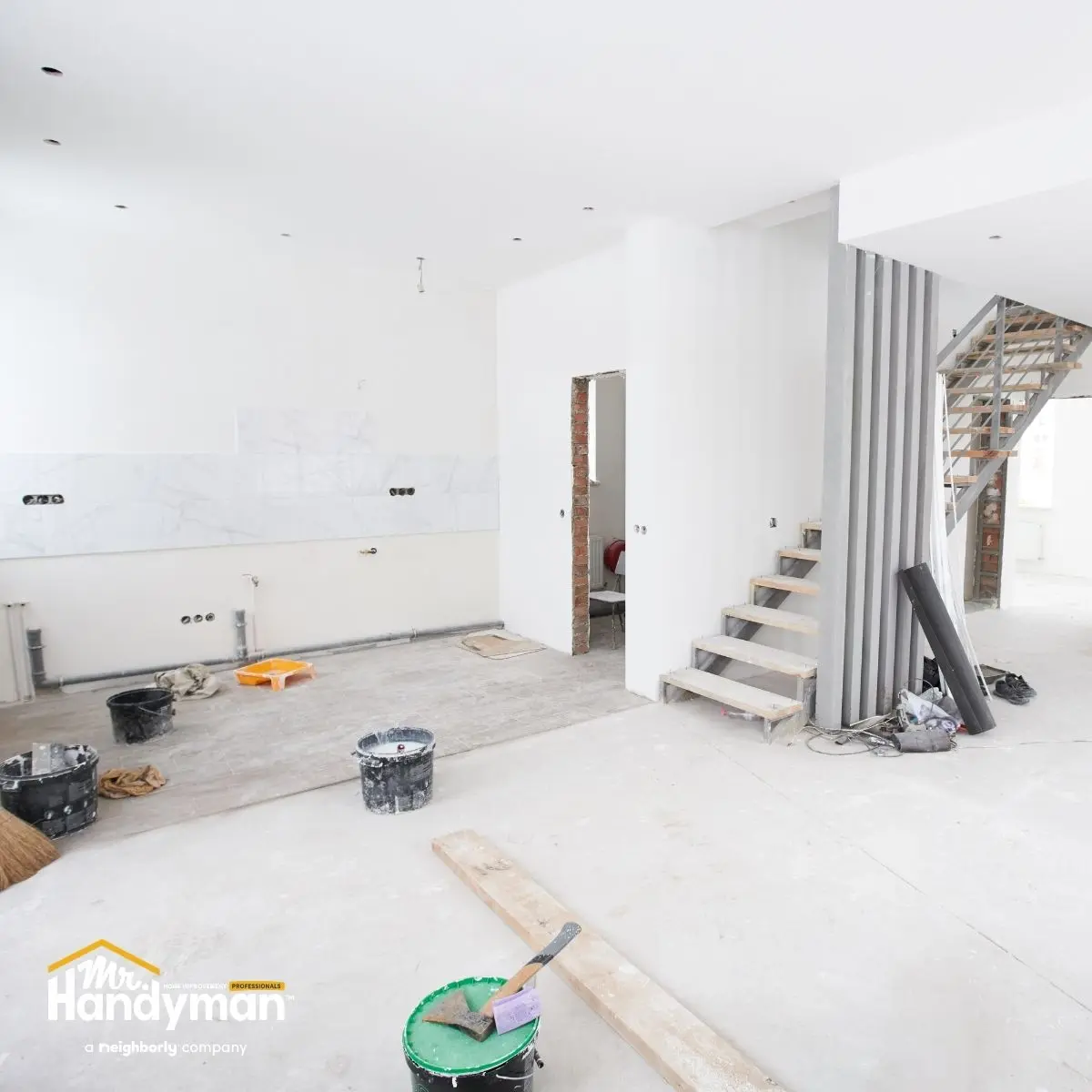
Basements in Oklahoma homes represent untapped potential. Many sit unfinished or underutilized—storage spaces filled with boxes, exercise equipment that never gets used, or areas avoided because they feel dark, damp, and uninviting. Yet these below-grade spaces offer square footage that could serve as family rooms, home offices, guest suites, playrooms, or entertainment areas without the cost and complexity of building additions. The difference between a basement that adds value and livability versus one that remains wasted space often comes down to modest improvements that address fundamental comfort and function issues.
In Central Oklahoma City, South Oklahoma City, and Norman, basement challenges are predictable. Clay soil doesn't drain well, creating moisture intrusion risks. Older homes have basements that were never intended as living spaces—low ceilings, minimal lighting, concrete floors, exposed mechanicals. Foundation walls may show efflorescence or dampness. Inadequate insulation makes basements cold in winter and humid in summer. These aren't insurmountable problems. They're solvable through targeted improvements that transform basements from neglected storage into functional rooms families actually want to use.
The appeal of basement improvements lies in the cost-benefit ratio. You're not paying for new foundation, framing exterior walls, or adding roof structure. The envelope already exists. The work focuses on finishing interior spaces, controlling moisture, improving comfort, and creating environments that feel like intentional living areas rather than afterthoughts. For families needing more space but facing budget constraints that make additions prohibitive, basement finishing delivers livable square footage at a fraction of above-grade construction costs.
Small improvements often deliver disproportionate results in basements. Painting concrete walls and ceilings transforms dark, cave-like spaces into bright, inviting rooms. Adding proper lighting eliminates the gloom that makes basements feel oppressive. Installing luxury vinyl plank flooring over concrete creates warmth and comfort underfoot. Addressing moisture issues through dehumidification or minor waterproofing prevents the mustiness that keeps people from spending time downstairs. These aren't complete renovations requiring months and tens of thousands of dollars. They're strategic upgrades that make basements usable and pleasant.
Solving Moisture Problems Before Any Other Improvements
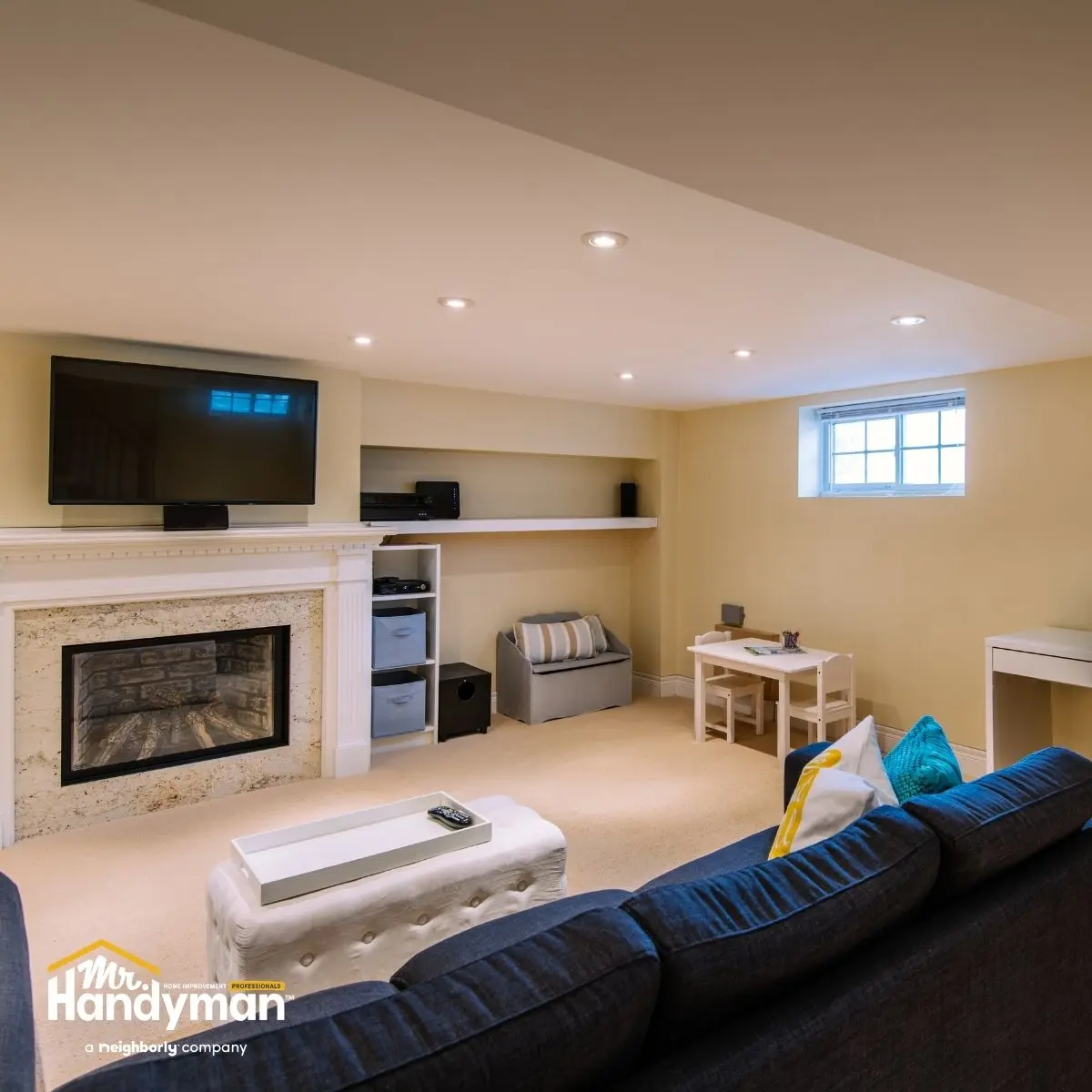
Moisture is the primary barrier to basement livability. Even minor dampness creates musty odors, encourages mold growth, damages materials, and makes spaces feel uncomfortable regardless of other improvements. Before investing in flooring, walls, or furnishings, moisture issues must be identified and resolved. Finishing over moisture problems doesn't eliminate them—it hides them temporarily while they continue causing damage behind new materials.
Walk your basement during or shortly after heavy rain and look for water intrusion. Check the floor-wall joint where foundation walls meet the concrete slab. Active seepage appears as dampness or standing water along this junction. Examine walls for wet spots, dark staining, or white chalky deposits called efflorescence that indicate water moving through concrete. Feel walls with your hand—they should be dry to the touch. Coolness alone is normal for concrete, but actual dampness signals ongoing moisture penetration.
Condensation versus seepage requires different solutions. Condensation forms when humid air contacts cool concrete surfaces. It appears as uniform dampness across walls or floor rather than isolated wet spots. Running a dehumidifier reduces humidity levels and prevents condensation. Seepage indicates water entering through cracks, joints, or porous concrete and requires exterior drainage improvements or interior waterproofing systems.
Address exterior drainage first—it's the most effective and least expensive moisture control method. Ensure gutters and downspouts direct water at least ten feet from the foundation. Grade soil away from the house so surface water flows away rather than pooling against foundation walls. These simple measures eliminate many basement moisture problems by preventing water from reaching the foundation in the first place.
Interior dehumidification controls humidity from ambient sources even when no active leaks exist. Basements naturally have higher humidity because they're cooler and less ventilated than upper floors. A quality dehumidifier sized appropriately for your basement square footage removes excess moisture from the air, preventing condensation, musty odors, and mold growth. Run it continuously during humid months and maintain humidity levels below fifty percent.
For persistent moisture problems, professional waterproofing may be necessary. Interior drain systems, sump pumps, and foundation sealants address water intrusion that can't be controlled through exterior measures alone. While more expensive than DIY solutions, professional waterproofing provides long-term protection that allows you to finish the basement confidently knowing moisture won't damage your investment.
Improving Lighting to Eliminate Basement Gloom
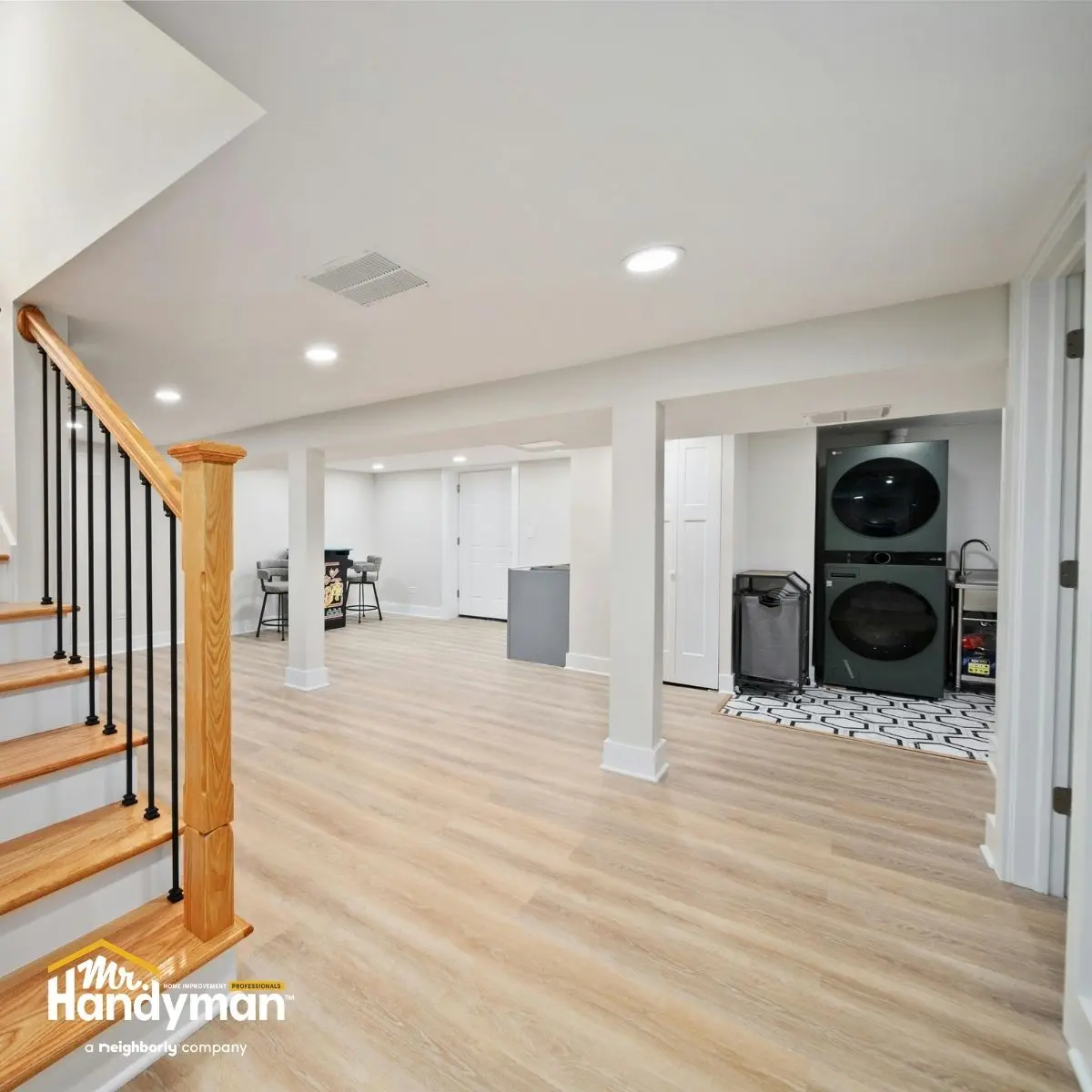
Poor lighting makes basements feel like places to avoid rather than enjoy. Single overhead bulbs casting harsh shadows, inadequate natural light from small windows, and dark paint or exposed concrete absorbing what little light exists all contribute to the unwelcoming atmosphere typical of unfinished basements. Strategic lighting improvements transform these spaces dramatically without requiring electrical expertise or major expense.
Replace outdated light fixtures with modern LED options. LED shop lights or flush-mount fixtures provide bright, even illumination at low operating cost. Position multiple fixtures throughout the basement rather than relying on a single central light. Overlapping coverage eliminates dark corners and creates uniform brightness that makes spaces feel open and safe.
Add lighting to specific activity areas. If you're creating a workspace, install task lighting over the desk or workbench. If the basement includes a TV viewing area, add adjustable lighting that can dim for watching while providing adequate illumination for moving around the room. Stairway lighting improves safety—well-lit stairs reduce fall risks significantly, especially important for basements accessed by older adults or children.
Window wells around existing basement windows can be cleaned and improved to maximize natural light penetration. Remove accumulated debris, paint well walls white to reflect light, and consider installing well covers that protect against rain and debris while allowing light transmission. Even small increases in natural light improve basement ambiance and reduce reliance on artificial lighting during daylight hours.
Paint concrete walls and ceilings white or light colors to reflect light throughout the space. Dark concrete absorbs light, requiring more fixtures to achieve adequate brightness. White paint bounces light around the room, making the same number of fixtures feel significantly brighter. This simple change costs little but delivers major impact on how the basement feels.
Consider painting exposed ceiling joists, ductwork, and pipes rather than installing drop ceilings if headroom is limited. Industrial-style exposed ceilings painted white or light gray maintain maximum height while looking intentional and modern. This approach costs less than drop ceilings and provides easier access to mechanicals for future maintenance or repairs.
Installing Comfortable Flooring Over Concrete
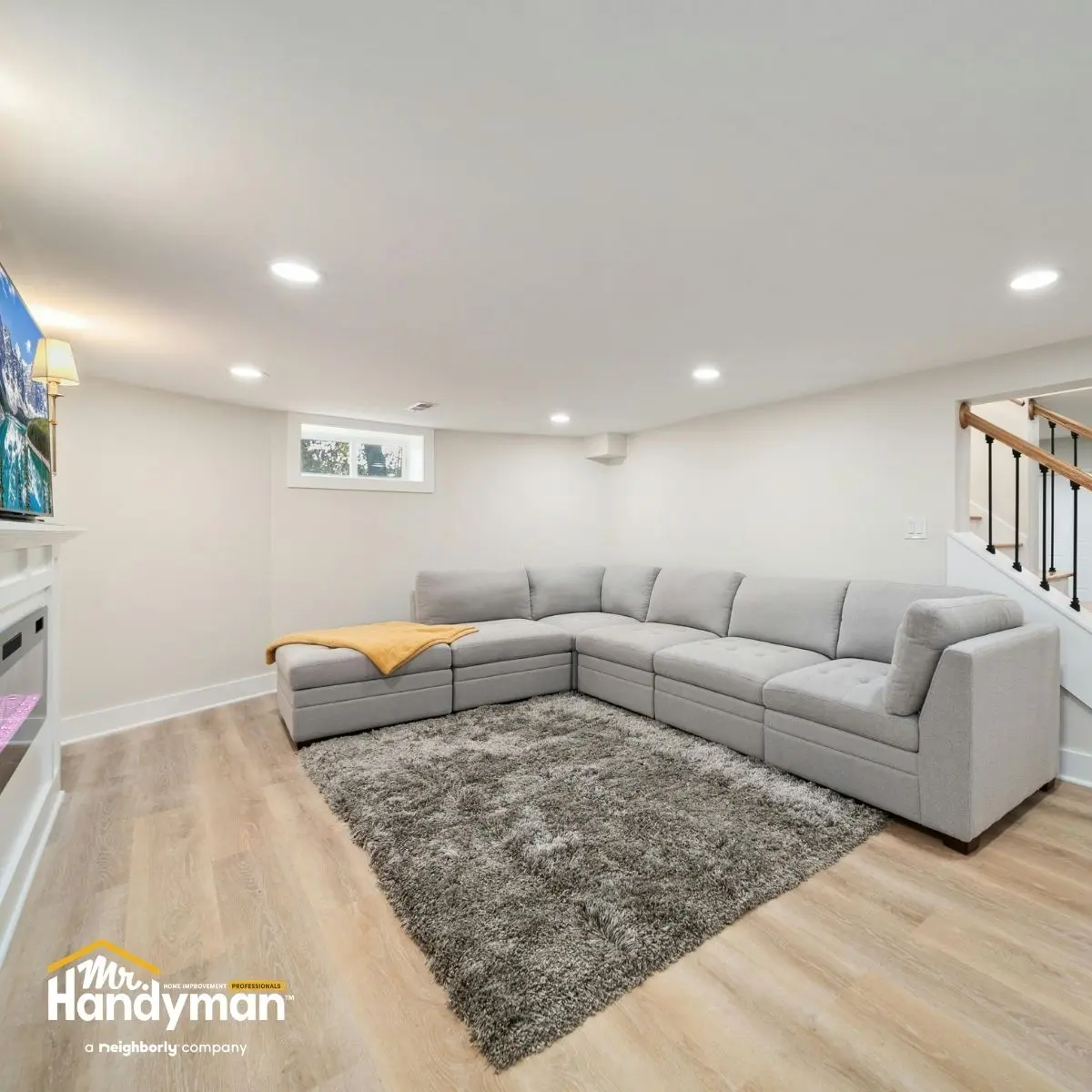
Concrete floors feel cold, hard, and uninviting. They're uncomfortable for extended standing, unforgiving when items drop, and they radiate chill that makes basements feel uncomfortable even when air temperature is adequate. Flooring over concrete transforms how basements feel underfoot and significantly improves the desire to actually spend time in the space.
Luxury vinyl plank flooring offers ideal characteristics for basement applications. It installs directly over concrete using floating or adhesive methods without requiring subfloor. It's completely waterproof, resisting moisture that would damage carpet or hardwood. It provides warmth and cushioning compared to bare concrete while looking like authentic wood. Installation is DIY-friendly for homeowners comfortable with basic tools, or professionals can complete typical basements in one to two days.
Carpet tiles provide another basement-friendly option. Unlike broadloom carpet installed wall-to-wall, carpet tiles install individually and can be replaced if damaged by moisture or staining. They provide warmth and comfort while maintaining flexibility—if a section gets wet from a plumbing leak or water intrusion, you can remove and dry individual tiles rather than replacing entire rooms of carpeting. Choose carpet tiles designed for basement use with moisture-resistant backing.
Interlocking foam tiles or rubber flooring work well for exercise areas, playrooms, or workshops where cushioning and impact absorption matter more than aesthetic appeal. These materials install without adhesives, resist moisture completely, and provide excellent comfort for activities involving floor contact. They're also removable if you change the basement's purpose later.
Avoid solid hardwood or laminate flooring in basements. Both are vulnerable to moisture damage that's inevitable in below-grade environments. Even if current moisture control seems adequate, future issues could develop, and these materials won't withstand exposure. Engineered wood performs slightly better than solid hardwood but still faces moisture risks that make it questionable for basements.
Whatever flooring you choose, leave slight gaps at walls for expansion and contraction. Concrete and the materials above it move slightly with temperature and humidity changes. Flooring installed tight to walls may buckle or gap as materials expand. Baseboards or quarter-round trim cover the small gaps while allowing necessary movement.
Creating Defined Spaces Through Layout and Furnishing
Open basement spaces feel purposeless. Without definition, they remain catch-all storage areas rather than functional rooms. Creating distinct zones for specific activities—even without building walls—transforms basements into intentional living spaces that family members actually use.
Use furniture arrangement to define areas. Position a sofa and chairs to create a conversation or TV viewing zone. Place a desk and bookshelf to establish a work area. Arrange a table and chairs for crafts or homework. The furniture placement itself signals purpose and function without requiring construction.
Area rugs further define zones while adding color and texture to concrete or vinyl flooring. A large rug under living room furniture creates visual boundaries. A smaller rug beneath a desk defines workspace. Rugs also provide additional warmth and comfort, making time spent in each zone more pleasant.
Finishing Walls for a Polished Appearance
Exposed concrete or foundation block walls make basements feel unfinished regardless of other improvements. Covering or finishing walls creates the finished-room aesthetic that makes basements feel like intentional living space rather than utilitarian storage areas.
Painted concrete provides the simplest wall treatment. Concrete paint or masonry sealer creates a clean, bright surface that transforms dark gray concrete into attractive backdrop for furnishings. Choose light colors—white, light gray, soft beige—to maximize light reflection and make the space feel larger. Painting requires minimal investment and can be completed in a weekend. The improvement in ambiance is immediate and substantial.
Rigid foam insulation panels covered with finishing materials offer insulation value while creating smooth wall surfaces. These panels attach directly to concrete walls and accept drywall, paneling, or other finishes. Insulation reduces heat loss through foundation walls, making basements more comfortable year-round while reducing heating costs. The finished surface looks and feels like any above-grade room.
Framed walls with standard insulation and drywall provide the most traditional finish but consume several inches of floor space and require more extensive work. This approach makes sense when adding electrical outlets, running new wiring, or creating fully conditioned living spaces with heating and cooling. For simpler basement improvements, less invasive wall treatments deliver similar visual results with less cost and complexity.
Adding Climate Control for Year-Round Comfort
Basements in Oklahoma are naturally cool in summer but can feel cold and damp in winter without adequate heating. If your basement remains uncomfortable temperature-wise despite other improvements, climate control additions may be necessary.
Extend existing HVAC to the basement through additional ductwork if your system has capacity. This provides consistent heating and cooling using your home's existing furnace and air conditioner. Consult with HVAC professionals to verify your current system can handle the additional load before extending ductwork. Undersized systems forced to condition more space operate inefficiently and wear out faster.
Standalone electric heaters provide supplemental warmth in winter without modifying central systems. Oil-filled radiator heaters or panel heaters warm spaces efficiently and safely. Avoid space heaters with exposed heating elements in basements where combustibles might be stored nearby.
Ceiling fans improve air circulation and comfort regardless of season. Moving air feels cooler in summer and distributes heat more evenly in winter. Install fans rated for damp locations if humidity is ever present in your basement.
Budget-Friendly Decorating and Furnishing
Once moisture is controlled, lighting improved, and flooring installed, furnishing the basement creates livable space without requiring major expense. Focus on function and durability over expensive pieces that might need replacing if future moisture issues develop.
Choose furniture that tolerates basement conditions. Metal and plastic furnishings resist moisture better than upholstered pieces or solid wood. For seating, select sofas and chairs with synthetic fabrics rather than natural fibers that absorb odors and moisture. Avoid leather, which can mildew in humid environments.
Storage solutions keep basements organized and functional. Shelving units for books, games, or supplies create dedicated storage that prevents clutter from accumulating on floors and surfaces. Plastic storage bins protect contents from potential moisture while stacking efficiently. Label bins clearly so items are easy to locate.
Artwork and decorative elements make basements feel finished rather than utilitarian. Hang pictures, posters, or prints to add personality. Use removable adhesive hooks on painted concrete walls to avoid drilling. Add throw pillows, blankets, and accessories in colors that brighten the space.
Frequently Asked Questions About Basement Improvements
Do I need permits for basement finishing?
Depends on scope. Painting, flooring installation, and adding furniture require no permits. Electrical work, plumbing additions, or creating bedrooms typically require permits and inspections ensuring code compliance, particularly egress window requirements for sleeping spaces.
How do I know if moisture problems are solved before finishing?
Monitor the basement through one complete wet season. If it stays dry during spring storms and summer humidity, moisture control measures are working. Rushing to finish before confirming moisture control risks damaging new materials shortly after installation.
Can basements with low ceilings become comfortable living spaces?
Yes, if ceiling height exceeds seven feet—the minimum code requirement for habitable space in most jurisdictions. Lower ceilings feel more confining but still function for storage, workshops, or utility areas. Painting everything including ceilings white helps low spaces feel less oppressive.
What's the minimum investment to make a basement usable?
A few thousand dollars can transform basements through moisture control, paint, lighting upgrades, and basic flooring. You don't need complete finishing with framed walls and drop ceilings to create functional, pleasant spaces families will use.
Should I finish the entire basement or just part of it?
Start with the area you'll use most. Finishing a defined zone—family room, office, playroom—costs less and proves the space works before committing to finishing the entire basement. You can always expand finished areas later.
Creating Livable Space on a Practical Budget
Basement improvements don't require the budgets of kitchen or bathroom remodels to deliver significant value. Modest investments in moisture control, lighting, flooring, and finishes transform neglected square footage into spaces that genuinely enhance how you live in your home. The work happens below grade where mistakes are less visible and standards can be more forgiving than main-floor renovations, making basements ideal for homeowners willing to do portions of the work themselves.
Focus on fundamentals first—solve moisture, add light, install comfortable flooring. These improvements create usable space regardless of how simply or elaborately you finish walls and add furnishings. A dry, bright basement with decent flooring is infinitely more livable than a damp, dark concrete box regardless of what else you do or don't add.
Basement improvements also protect your investment by maintaining the structural space properly. Controlling moisture prevents foundation damage, mold growth, and deterioration of mechanicals housed in the basement. Proper finishing protects systems while creating value rather than allowing spaces to deteriorate through neglect.
Mr. Handyman of Central Oklahoma City and Mr. Handyman of S. Oklahoma City and Norman provide basement improvement services from moisture solutions and finishing work to flooring installation and lighting upgrades. Whether you're transforming your entire basement or creating one finished area to start, experienced professionals ensure quality results that make below-grade spaces comfortable and functional.
Add valuable living space to your home through strategic basement improvements. Contact Mr. Handyman of Central Oklahoma City or visit https://www.mrhandyman.com/central-oklahoma-city/. Homeowners in South Oklahoma City and Norman can reach Mr. Handyman of S. Oklahoma City and Norman or visit https://www.mrhandyman.com/northern-montgomery-county/. Transform your basement from neglected storage into space your family actually enjoys.