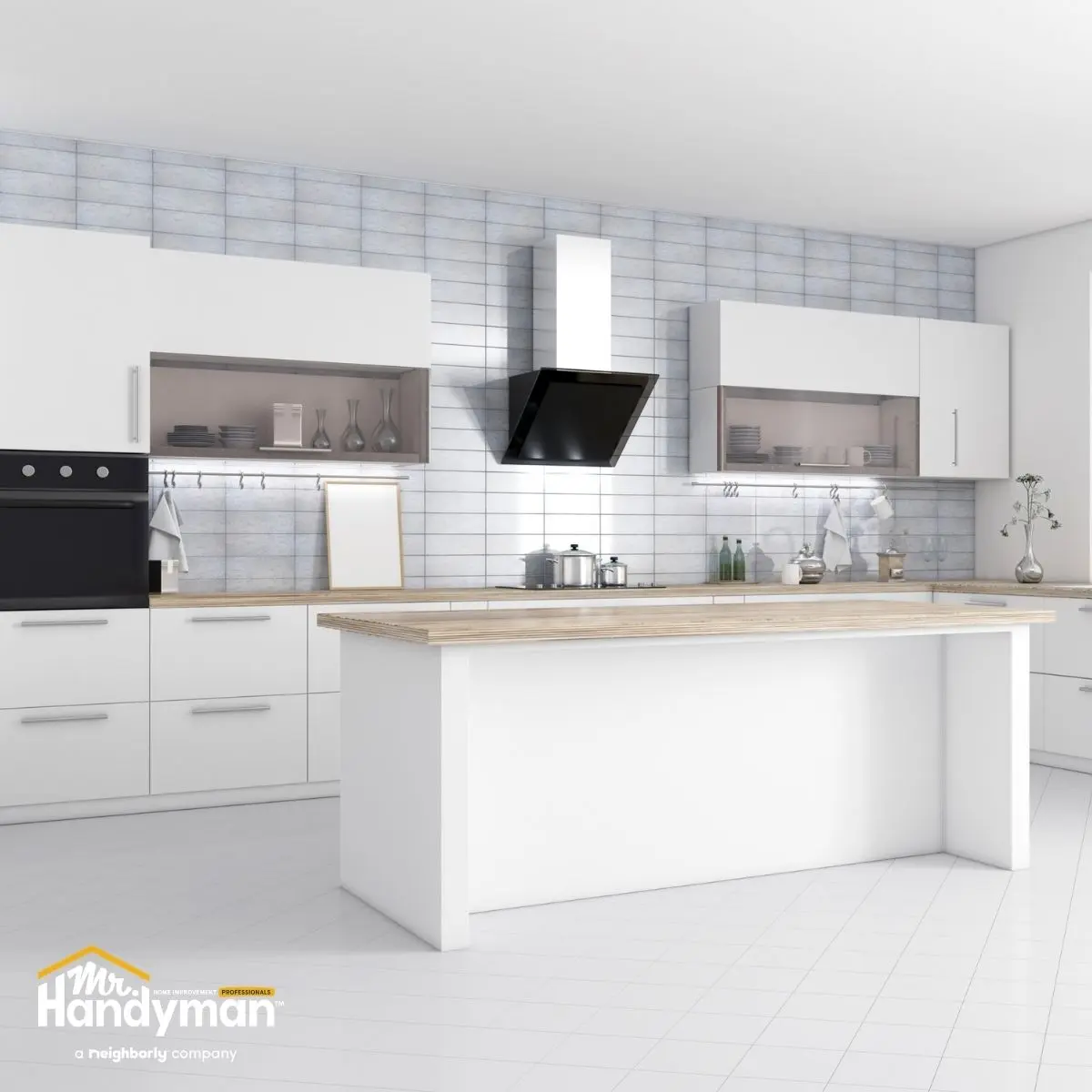
Material selection defines whether a remodel delivers lasting satisfaction or becomes a source of regret within months. The countertop that looked perfect in the showroom but stains irreversibly from everyday use. The flooring that seemed budget-friendly until it started showing wear after a year. The siding that matched your vision but requires constant maintenance to prevent deterioration. These disappointments stem from choosing materials based on appearance or price alone without understanding how they perform under real-world conditions in your specific home and climate.
In Central Oklahoma City, South Oklahoma City, and Norman, material choices face particular challenges. Summer heat reaches the mid-nineties regularly, testing exterior materials and finishes. Humidity fluctuates dramatically between seasons, affecting wood movement and paint adhesion. Winter freeze-thaw cycles stress exterior surfaces. Clay soil creates foundation movement that demands flexible materials rather than rigid ones prone to cracking. Choosing materials without considering these regional realities leads to premature failure, excessive maintenance, and costly replacements.
The right materials balance multiple factors simultaneously. Durability matters—materials should withstand your household's actual usage patterns without showing wear prematurely. Maintenance requirements must align with your willingness to perform upkeep. Cost needs to fit your budget while delivering value over the material's lifespan. Aesthetics should satisfy your design preferences while remaining compatible with your home's style and the neighborhood's character. Performance in Oklahoma's climate determines whether materials last their expected lifespan or fail early.
Making informed material decisions requires research beyond browsing showrooms or scrolling online galleries. You need to understand how materials behave over time, what maintenance they require, how they respond to moisture and temperature extremes, and whether they're appropriate for your specific application. The beautiful marble countertop that works perfectly in a rarely-used powder room becomes a maintenance nightmare in a busy family kitchen. The composite decking that seems expensive compared to pressure-treated lumber delivers better value over fifteen years when you account for maintenance costs and replacement timing. Context matters as much as the material itself.
Understanding Material Categories and Performance Characteristics
Remodeling materials fall into categories with distinct performance profiles. Natural materials—wood, stone, natural fiber fabrics—offer authentic beauty and character but require more maintenance and show wear patterns over time. Engineered materials—quartz counters, luxury vinyl flooring, composite decking—provide consistent appearance and predictable performance with less maintenance but sometimes lack the depth and variation of natural options. Synthetic materials—laminate, vinyl siding, synthetic stucco—cost less initially but may have shorter lifespans or appear obviously artificial.
Durability varies enormously within categories. Not all wood performs identically—oak flooring handles traffic better than pine, cedar siding resists rot better than pressure-treated pine. Stone differences matter too—granite counters resist staining and scratching far better than marble, slate flooring holds up to moisture better than limestone. Assuming all materials in a category perform similarly leads to poor choices and disappointment.
Maintenance requirements directly impact long-term satisfaction. Some materials need regular attention—wood decks require annual cleaning and periodic staining, natural stone counters need sealing every few years, real wood flooring needs refinishing eventually. Other materials are essentially maintenance-free—quartz counters never need sealing, luxury vinyl plank flooring requires only occasional cleaning, composite decking never needs staining. Your honest assessment of how much maintenance you'll actually perform should guide material selection. Choosing materials requiring upkeep you won't provide guarantees they'll deteriorate prematurely.
Climate compatibility determines whether materials survive Oklahoma's weather extremes. Exterior materials must tolerate intense sun exposure without fading excessively, handle temperature swings from freezing to ninety-five degrees, resist moisture penetration during heavy storms, and accommodate expansion and contraction without cracking. Interior materials in bathrooms and kitchens need moisture resistance. Materials in south-facing rooms need UV resistance to prevent fading. Ignoring these requirements means materials that perform beautifully in moderate climates fail quickly in Oklahoma.
Selecting Flooring Materials for Different Spaces
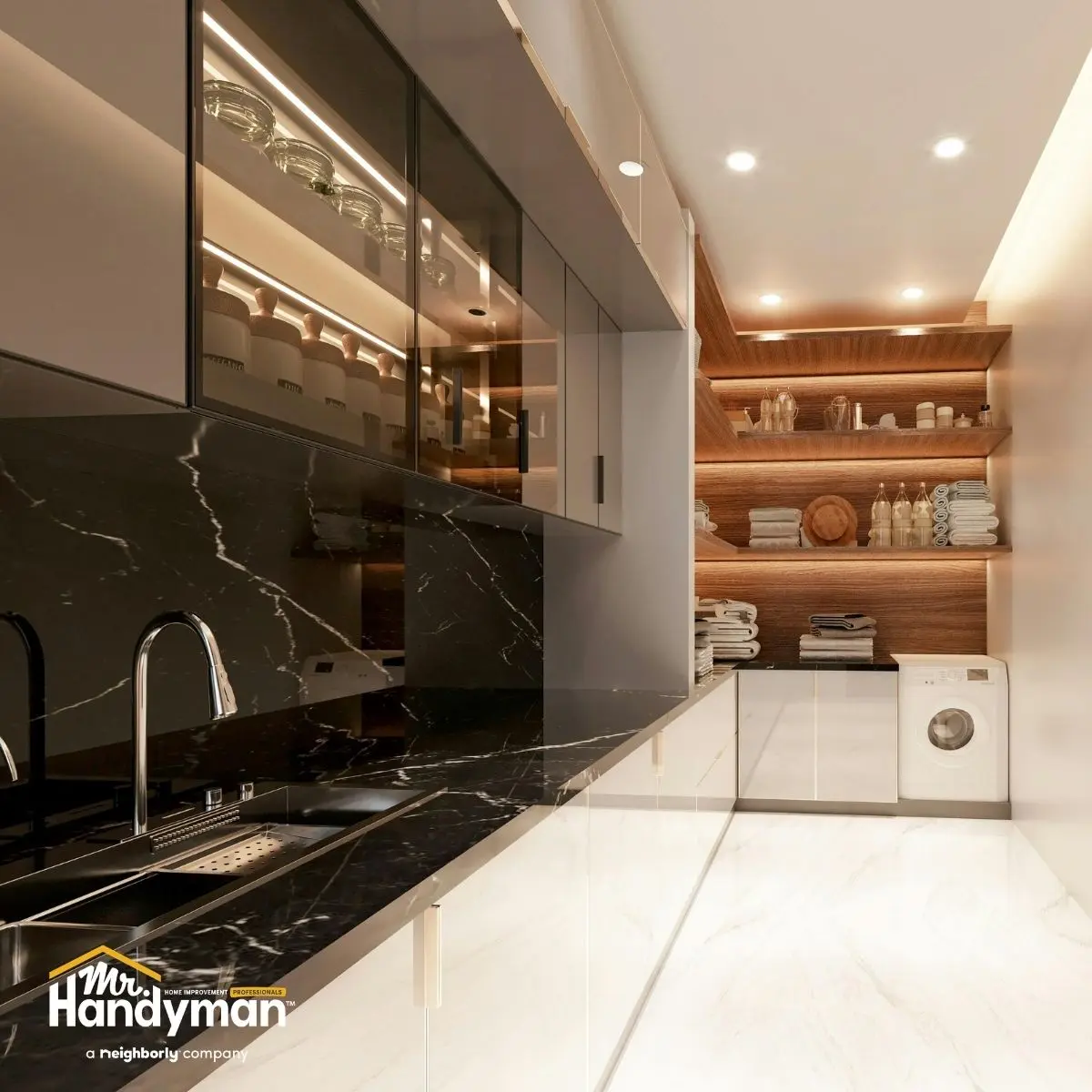
Flooring decisions involve matching materials to room function, traffic levels, moisture exposure, and aesthetic goals. What works perfectly in a bedroom fails miserably in a bathroom or kitchen. Understanding these distinctions prevents expensive mistakes.
Hardwood flooring delivers timeless appeal and can be refinished multiple times, extending lifespan to decades. It works beautifully in bedrooms, living rooms, dining rooms, and hallways. However, it's vulnerable to moisture and inappropriate for bathrooms, laundry rooms, or kitchens where water exposure occurs regularly. In Oklahoma's humidity fluctuations, solid hardwood expands and contracts more than engineered alternatives, potentially creating gaps or cupping. Engineered hardwood—thin hardwood veneer over plywood core—provides wood appearance with better dimensional stability.
Luxury vinyl plank flooring offers wood appearance with complete waterproofing and durability that exceeds hardwood in high-traffic or moisture-prone areas. It costs less than hardwood, installs over most existing surfaces, and never needs refinishing. The tradeoff is it can't be refinished—once worn, it requires replacement—and it lacks the authentic depth and warmth of real wood. For kitchens, bathrooms, basements, and laundry rooms, luxury vinyl's water resistance makes it the smarter choice despite aesthetic compromises.
Tile flooring—ceramic or porcelain—provides extreme durability and moisture resistance ideal for bathrooms and kitchens. It handles heavy traffic without showing wear, tolerates water exposure without damage, and comes in endless colors, patterns, and sizes. The downsides are hardness—dropped items break easily and standing on tile for extended periods feels uncomfortable—and cold temperature that makes it unpleasant in winter without radiant floor heating. Grout lines require periodic cleaning and resealing to prevent staining and mildew.
Carpet remains popular for bedrooms and family rooms where comfort and warmth outweigh practical concerns. Modern stain-resistant treatments make carpet more practical than older versions, but it still shows wear in high-traffic areas and can't handle moisture without developing odors and mold. In Oklahoma homes with pets or children, carpet placement should be strategic—bedrooms yes, main hallways probably not. Budget for replacement every eight to twelve years rather than viewing carpet as permanent flooring.
Concrete flooring—polished, stained, or sealed—works well in modern designs, basements, and utility areas. It's extremely durable, handles moisture without damage, and costs less than most alternatives. However, it's hard and cold, requires area rugs for comfort, and shows cracks if the slab settles or shifts. Oklahoma's clay soil creates foundation movement that can crack concrete floors over time.
Choosing Countertop Materials for Kitchens and Bathrooms
Countertop selection dramatically affects room functionality and appearance. Materials range from budget-friendly laminates to premium natural stone, each with distinct advantages and limitations.
Quartz countertops have become the default choice for most remodels because they balance performance, appearance, and maintenance perfectly. Engineered from crushed quartz and resin, these counters resist staining, never need sealing, tolerate heat reasonably well, and provide consistent appearance without the natural variation some find problematic in granite. They cost more than laminate but less than premium natural stone. For busy kitchens and family bathrooms, quartz delivers the best overall value.
Granite counters offer natural beauty with unique patterns that make each installation distinctive. They're extremely durable, heat-resistant, and add perceived value to homes. However, they require periodic sealing to prevent staining, especially lighter colors. Acidic substances can etch surfaces if not cleaned promptly. Granite costs vary widely depending on rarity and origin—common colors cost comparably to quartz, exotic varieties exceed it significantly.
Marble countertops provide unmatched elegance and timeless appeal but demand careful consideration of practicality. Marble stains easily, etches from acidic foods and cleaners, and scratches more readily than harder stones. It's beautiful in low-use powder rooms or as isolated surfaces like baking stations. Using marble throughout a busy kitchen guarantees frustration unless you embrace the patina that develops from use and accept that pristine appearance won't last.
Selecting Cabinet Materials and Construction
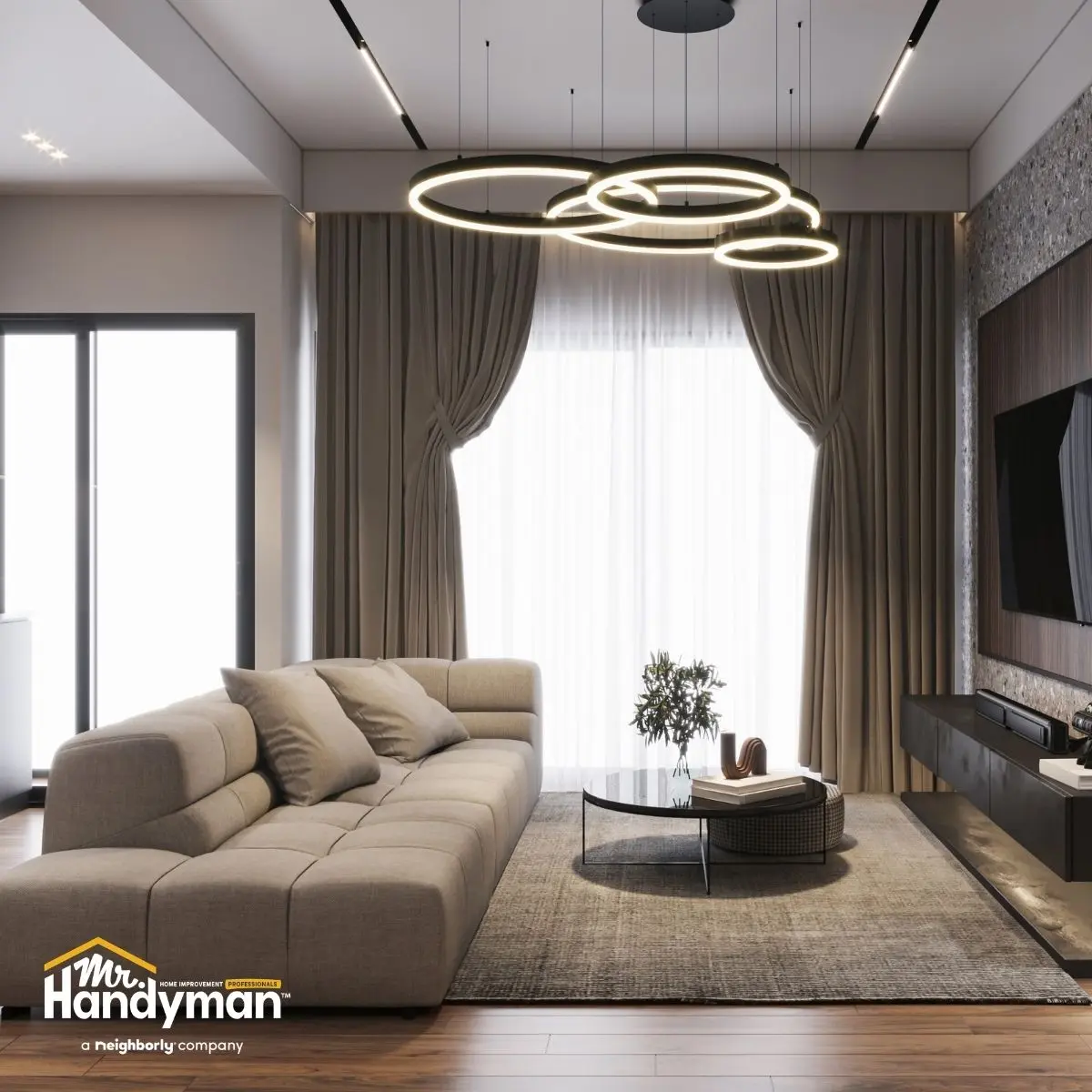
Cabinets represent the largest expense in most kitchen and bathroom remodels. Understanding construction quality and material options ensures you get durability that justifies the investment.
Solid wood cabinets offer premium quality and traditional craftsmanship. Oak, maple, cherry, and other hardwoods create durable cabinet boxes and face frames that last decades. They can be refinished multiple times, extending lifespan beyond other materials. The cost is substantial—solid wood cabinets run thirty to fifty percent more than plywood alternatives. For homeowners planning to stay long-term, the investment makes sense.
Plywood cabinet construction provides excellent durability at lower cost than solid wood. Quality plywood resists warping better than solid wood and handles Oklahoma's humidity fluctuations without significant movement. Cabinet boxes made from plywood with solid wood doors and face frames deliver the appearance of solid wood at reduced cost while actually performing better structurally.
Particleboard or MDF cabinets cost least but have significant limitations. They don't tolerate moisture well—a leaking sink or dishwasher can cause irreparable swelling. They hold fasteners less securely than plywood or solid wood, meaning hinges and drawer slides can loosen over time. For budget-constrained projects, particleboard works if you understand these limitations and avoid them in moisture-prone areas.
Door styles and finishes affect both appearance and maintenance. Painted cabinets create clean, contemporary looks but show fingerprints and require careful cleaning to prevent damage. Stained wood showcases natural grain and hides minor wear better. Thermofoil and laminate finishes resist moisture and clean easily but can peel or delaminate, especially near heat sources like dishwashers.
Choosing Exterior Materials for Durability
Exterior material choices directly impact maintenance requirements, energy efficiency, and curb appeal. Oklahoma's climate demands materials that handle sun exposure, temperature extremes, and moisture without constant upkeep.
Fiber cement siding offers the best overall performance for Oklahoma homes. It resists fire, insects, and rot. It won't warp or crack like wood siding. It handles moisture better than wood while providing similar appearance through embossed wood-grain textures. Initial cost exceeds vinyl but less than premium wood siding. Fiber cement requires painting every ten to fifteen years but otherwise needs minimal maintenance.
Vinyl siding costs less initially and never needs painting. Quality vinyl resists fading and withstands Oklahoma weather without warping or cracking. However, it can crack on impact, especially during winter cold. Color choices are permanent—you can't change the look without replacing the siding entirely. Lower-quality vinyl fades noticeably over time, particularly on south and west exposures that receive intense sun.
Wood siding delivers authentic character but demands significant maintenance. Cedar and redwood resist rot naturally and age beautifully when properly maintained. However, they require staining or painting every three to five years in Oklahoma's sun and weather. Skip maintenance and wood deteriorates quickly—paint peels, boards warp, rot develops. For homeowners willing to invest in regular upkeep, wood creates unmatched warmth and character.
Brick and stone veneer provide essentially permanent exteriors requiring minimal maintenance beyond occasional cleaning. They handle Oklahoma's weather without degradation, add thermal mass that moderates interior temperatures, and increase home value significantly. The substantial upfront cost—brick costs two to three times more than siding—is offset by zero maintenance and unlimited lifespan.
Paint and Finish Selection
Paint quality varies dramatically, and choosing appropriate products for each application prevents premature failure and frequent repainting.
Interior paint should be scrubbable in high-traffic areas and moisture-prone rooms. Satin or semi-gloss finishes clean more easily than flat paint, making them ideal for kitchens, bathrooms, hallways, and children's rooms. Flat paint hides wall imperfections better and works well in low-traffic bedrooms and formal spaces. Premium paints from major manufacturers cover better, resist staining, and clean more successfully than budget alternatives. The difference in cost per room is modest—twenty to forty dollars—but the performance gap is substantial.
Exterior paint must withstand Oklahoma's UV exposure, temperature extremes, and moisture. Acrylic latex paints breathe better than oil-based alternatives, allowing moisture vapor to escape from siding rather than blistering paint. They also resist fading better and clean up more easily. Two-coat systems with quality primer and finish paint last eight to twelve years on properly prepared surfaces. Single-coat bargain paint fails within three to five years.
Stain and sealer for decks, fences, and wood trim should include UV protection and water repellency. Products designed specifically for horizontal surfaces like decks handle foot traffic better than those meant for vertical applications. Reapply every two to three years in Oklahoma's sun exposure to prevent wood deterioration and maintain appearance.
Plumbing and Lighting Fixtures
Fixture quality affects both function and longevity. Premium fixtures cost more initially but operate reliably for decades, while budget alternatives require frequent replacement.
Kitchen and bathroom faucets with ceramic disc cartridges outlast compression-valve alternatives by years. Solid brass or stainless steel bodies resist corrosion better than chrome-plated plastic or pot metal. Finishes like brushed nickel or oil-rubbed bronze hide water spots better than polished chrome. Expect to spend one hundred fifty to three hundred dollars for quality faucets that last fifteen to twenty years versus fifty dollars for units requiring replacement in five years.
Toilets vary in flush performance and water efficiency. Dual-flush models save water by offering different flush volumes for liquid versus solid waste. Comfort-height toilets with taller bowls reduce strain, particularly for older adults. Quality matters—premium toilets from established manufacturers flush more reliably and require fewer repairs than budget models.
Light fixtures should match room function. Kitchens need bright task lighting from LED fixtures that illuminate work surfaces. Bathrooms benefit from sconces flanking mirrors for even facial lighting. Dimmers allow adjusting light levels for different activities. LED technology has matured to provide warm color temperatures that feel natural rather than the harsh cool-white of early LEDs.
Frequently Asked Questions About Material Selection
How do I balance quality with budget constraints?
Prioritize materials in high-impact, high-use areas. Invest in quality kitchen counters and flooring that see daily use. Save money on bedroom carpeting that experiences light traffic. Better to have excellent materials in key areas than mediocre materials throughout.
Should I choose trendy or timeless materials?
Timeless materials maintain value and don't date your home. Save trends for easily changeable elements like paint colors or accessories. Avoid trendy tile patterns or specialty finishes that will look dated in five years.
How important is professional installation versus DIY?
Critical for materials requiring precision—tile, hardwood flooring, countertops. Poor installation ruins even premium materials. DIY works for painting, basic carpentry, and simple upgrades. Know your skill limits honestly.
Do higher-priced materials always perform better?
Not always. Some premium pricing reflects brand names or unusual aesthetics rather than superior performance. Research actual performance characteristics beyond price points. Mid-range materials often deliver the best value.
How do I verify material quality before purchasing?
Read manufacturer specifications, check third-party reviews, ask contractors about their experiences with different brands. Touch and examine samples in person. Reputable suppliers stand behind quality products with solid warranties.
Making Final Material Decisions
Approach material selection systematically rather than impulsively. Create spreadsheets comparing options across categories—cost, maintenance, durability, appearance, warranty coverage. This structured comparison prevents being swayed by showroom staging or sales pressure.
Request samples of top contenders and live with them in your space. Paint colors look different in your home's lighting than in stores. Flooring samples reveal how materials feel underfoot and how they complement your furnishings. Countertop samples show how patterns and colors work with your cabinets. Don't choose based on catalog photos alone.
Verify warranties and understand what they cover. Lifetime warranties sound impressive but may have exclusions making them meaningless. Understand whether warranties cover materials only or include labor. Know whether warranties transfer if you sell the home.
Research local supplier reputations and contractor experiences. Materials are only as good as availability and support when issues arise. Local suppliers who stock materials and provide quick replacement when needed deliver better value than distant vendors offering lower prices but slow response times.
Mr. Handyman of Central Oklahoma City and Mr. Handyman of S. Oklahoma City and Norman help homeowners navigate material selection for remodeling projects throughout the region. From recommending products that perform well in Oklahoma's climate to ensuring proper installation of chosen materials, experienced professionals guide decisions that create lasting satisfaction.
Choose materials that match your lifestyle, budget, and home's needs. Contact Mr. Handyman of Central Oklahoma City or visit https://www.mrhandyman.com/central-oklahoma-city/. Homeowners in South Oklahoma City and Norman can reach Mr. Handyman of S. Oklahoma City and Norman or visit https://www.mrhandyman.com/northern-montgomery-county/. Make informed material decisions that deliver quality, durability, and value for your remodeling investment.
