Understanding the top commercial maintenance priorities for the New Year helps business owners and property managers start the year with fewer disruptions, lower repair costs, and safer facilities. The beginning of the year is an ideal time to assess building conditions, address deferred issues, and implement preventative strategies that support daily operations. Proactive commercial maintenance reduces emergency repairs and protects both property value and business continuity.
In central Oklahoma, where temperature swings, winter weather events, and heavy seasonal usage place added stress on buildings, maintenance planning is especially important. Commercial properties in Oklahoma City, Midwest City, Choctaw, Arcadia, Jones, and surrounding areas often face wear related to fluctuating temperatures, aging infrastructure, and high foot traffic. Addressing priorities early helps businesses avoid unexpected downtime later in the year.
When maintenance needs extend beyond in-house capabilities, many businesses rely on Mr. Handyman of Central Oklahoma City for dependable handyman services that support ongoing commercial maintenance and timely repairs.
Why the New Year Is the Right Time for Commercial Maintenance Planning
The start of the year provides a natural checkpoint for evaluating building performance. Many commercial properties carry unresolved issues from the previous year due to busy schedules or delayed repairs. Beginning the year with a clear maintenance plan helps prevent small problems from becoming operational disruptions.
New-year maintenance planning allows businesses to:
- Address deferred repairs before they worsen
- Budget more accurately for the year ahead
- Improve safety and compliance early
- Reduce emergency maintenance calls
A structured approach to commercial maintenance sets a stable foundation for the rest of the year.
Building Safety and Code Compliance Checks
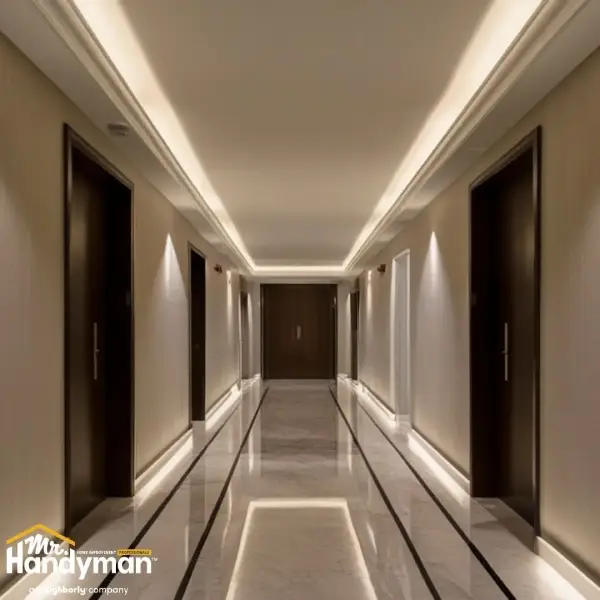
Safety should be at the top of every commercial maintenance priority list. Codes and regulations change, and wear over time can affect compliance. The new year is an appropriate time to ensure facilities meet current safety standards.
Key safety-related maintenance priorities include:
- Inspecting handrails, stairs, and walkways
- Ensuring doors and exits function properly
- Checking lighting in common and emergency areas
- Addressing trip hazards or damaged flooring
Maintaining compliance not only protects occupants but also reduces liability risks for business owners.
Plumbing and Restroom Maintenance
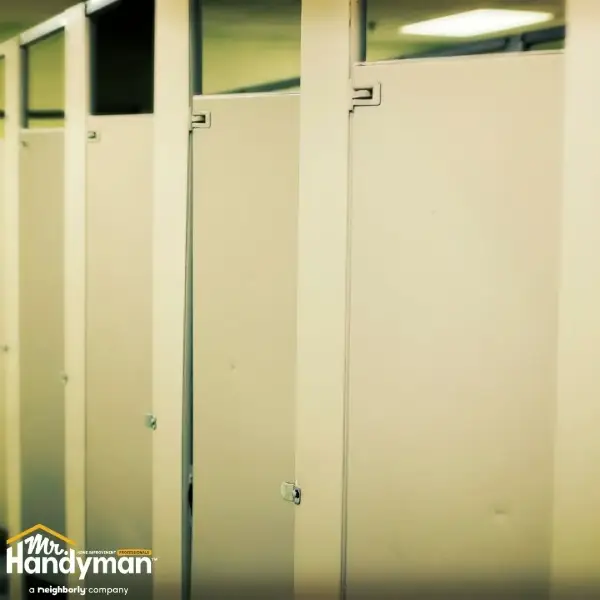
Commercial plumbing systems experience heavy use and are often overlooked until problems arise. Restrooms, break rooms, and service areas should be inspected early in the year to prevent leaks, clogs, and water damage.
New-year plumbing priorities often include:
- Inspecting fixtures for leaks or wear
- Addressing slow drains or recurring clogs
- Checking water heaters for performance issues
- Ensuring restrooms remain fully operational
Proactive plumbing maintenance reduces downtime and supports a professional environment for employees and customers.
Electrical Systems and Lighting Performance
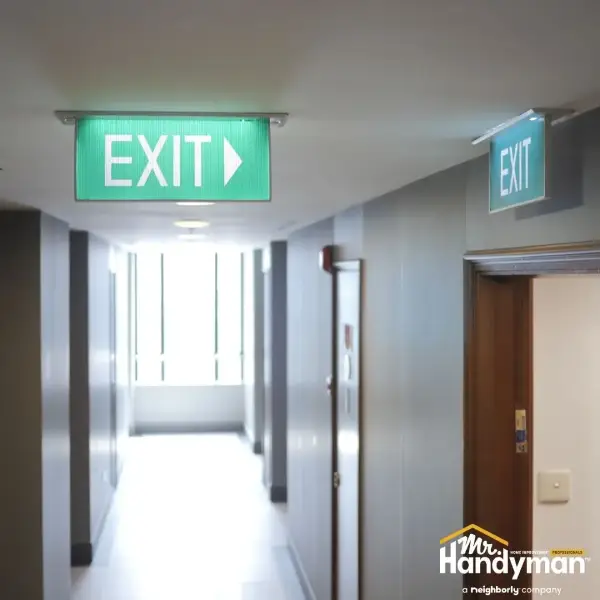
Lighting and electrical systems play a major role in safety, efficiency, and productivity. Winter months often reveal lighting deficiencies due to shorter daylight hours and increased indoor usage.
Commercial electrical maintenance priorities include:
- Replacing outdated or failing light fixtures
- Addressing flickering or inconsistent lighting
- Ensuring outlets and switches function correctly
- Improving lighting in work and public areas
Reliable lighting supports safety, employee comfort, and energy efficiency throughout the year.
Doors, Windows, and Interior Access Points
Doors and windows are high-use components in commercial buildings and often show wear quickly. Misaligned doors, damaged hardware, and air leaks can affect security, comfort, and energy costs.
New-year maintenance should focus on:
- Repairing or adjusting entry and interior doors
- Replacing worn hardware
- Sealing drafts around windows and doors
- Ensuring accessibility features function properly
These repairs improve daily operations and support long-term building performance.
Interior Wear and High-Traffic Area Repairs
High-traffic areas such as hallways, lobbies, and workspaces experience constant wear. Flooring damage, wall scuffs, and loose fixtures affect both safety and appearance.
Priority interior maintenance tasks include:
- Repairing damaged flooring or tiles
- Addressing drywall wear or impact damage
- Securing loose fixtures or furniture
- Refreshing paint in high-visibility areas
Maintaining interiors supports a professional image and reduces the likelihood of safety issues.
Preventative Maintenance as a Cost-Control Strategy
Preventative commercial maintenance is one of the most effective ways to control long-term costs. Addressing minor issues early reduces the need for emergency repairs and helps extend the lifespan of building systems.
A preventative approach helps businesses:
- Minimize operational disruptions
- Improve budgeting accuracy
- Reduce repair-related downtime
- Maintain consistent facility performance
Starting the year with preventative maintenance creates a more predictable and manageable maintenance cycle.
Why Professional Handyman Services Matter
Commercial maintenance often involves multiple systems and compliance considerations. Professional handyman services provide flexible support for a wide range of tasks without the need for multiple vendors.
Businesses that work with Mr. Handyman of Central Oklahoma City benefit from experienced professionals who understand the demands of commercial environments. Reliable handyman services help ensure maintenance priorities are addressed efficiently and correctly.
Understanding the top commercial maintenance priorities for the New Year allows business owners and property managers to plan proactively rather than reactively. By focusing on safety, plumbing, electrical systems, interior wear, and preventative maintenance, commercial properties in central Oklahoma can start the year with greater stability, efficiency, and confidence.
Operational Maintenance Tasks That Support Business Continuity
Beyond immediate repairs, understanding the top commercial maintenance priorities for the New Year requires a focus on operational stability. Businesses depend on their facilities functioning smoothly every day. When maintenance is overlooked, small issues can interrupt workflows, affect employee productivity, and negatively impact customer experience. Addressing operational maintenance early in the year helps prevent these disruptions.
In central Oklahoma, where commercial buildings experience temperature fluctuations, heavy usage, and seasonal weather stress, operational maintenance plays a critical role in keeping businesses running without interruption.
Heating, Ventilation, and Indoor Comfort Considerations
Indoor comfort directly affects employee performance and customer satisfaction. Winter conditions often expose inefficiencies in heating systems, airflow, and temperature regulation within commercial spaces.
Key indoor comfort priorities include:
- Checking airflow in offices, retail spaces, and common areas
- Addressing uneven temperatures across rooms or floors
- Inspecting vents and registers for blockages
- Ensuring thermostats function accurately
While full HVAC servicing may be handled separately, addressing comfort-related issues as part of commercial maintenance helps stabilize indoor environments during winter and beyond.
Flooring and Surface Safety in High-Use Areas
Flooring issues are a frequent source of safety concerns in commercial environments. Worn surfaces, loose tiles, and uneven transitions increase the risk of slips and falls, particularly during winter when moisture is tracked indoors.
Operational flooring priorities often involve:
- Securing loose tiles or flooring sections
- Repairing damaged thresholds or transitions
- Addressing worn carpet in high-traffic areas
- Improving traction in entryways and restrooms
Maintaining safe, level flooring supports compliance and reduces liability exposure.
Restroom Reliability and Ongoing Functionality
Restrooms are critical to daily operations in nearly every commercial setting. Even minor issues can create significant inconvenience for employees and customers.
Operational restroom maintenance includes:
- Ensuring fixtures operate reliably
- Repairing loose partitions or accessories
- Addressing recurring clogs or drainage issues
- Replacing damaged dispensers or hardware
Consistent restroom functionality supports cleanliness standards and helps maintain a professional environment.
Interior Doors, Hardware, and Access Control
Interior doors and hardware are used constantly in commercial spaces. Over time, hinges loosen, handles wear out, and doors fall out of alignment. These issues can affect accessibility, security, and workflow.
New-year operational maintenance should address:
- Adjusting doors that stick or fail to latch
- Replacing worn hinges or handles
- Ensuring fire-rated doors close properly
- Maintaining smooth access between work areas
Reliable door operation supports safety requirements and daily efficiency.
Lighting Consistency Across Workspaces
Inconsistent lighting affects productivity and safety. Burnt-out bulbs, flickering fixtures, or poorly lit areas are more noticeable during winter months when natural light is limited.
Operational lighting priorities include:
- Replacing failing fixtures
- Standardizing lighting levels across spaces
- Improving illumination in stairwells and corridors
- Addressing lighting in storage or utility areas
Consistent lighting reduces eye strain and supports a safer work environment.
Storage Areas and Back-of-House Organization
Back-of-house areas such as storage rooms, supply closets, and maintenance spaces are often overlooked but play a key role in operational efficiency. Poor organization can slow daily tasks and increase wear on building surfaces.
Maintenance improvements may include:
- Installing shelving or storage systems
- Securing wall-mounted storage safely
- Clearing clutter that blocks access points
- Repairing damaged walls or shelving
Well-organized support areas improve workflow and reduce accidental damage.
Preventing Small Issues From Disrupting Operations
Operational maintenance is about identifying small problems before they interrupt business. Loose fixtures, minor leaks, or worn components often go unnoticed until they cause downtime.
Routine attention to these details helps:
- Reduce emergency repair calls
- Improve staff efficiency
- Maintain consistent customer experiences
- Extend the life of building components
This proactive mindset is a core element of effective commercial maintenance planning.
The Value of Reliable Professional Support
Managing operational maintenance often requires flexible, responsive support. Professional handyman services provide an efficient way to address a wide range of maintenance needs without coordinating multiple vendors.
Businesses that work with Mr. Handyman of Central Oklahoma City benefit from dependable handyman services that support day-to-day facility needs. Experienced professionals help resolve issues quickly, allowing businesses to focus on operations rather than repairs.
Understanding the top commercial maintenance priorities for the New Year includes recognizing the importance of operational stability. By addressing comfort, safety, lighting, restroom reliability, and access points early, businesses in central Oklahoma can reduce disruptions and maintain productive, well-functioning facilities.
Strategic Maintenance Planning That Supports Long-Term Performance
Fully addressing the top commercial maintenance priorities for the New Year requires looking beyond immediate fixes and operational stability. Long-term performance depends on how well maintenance efforts are planned, tracked, and integrated into daily business operations. For commercial properties in central Oklahoma, a strategic approach helps reduce long-term costs, extend asset life, and minimize unexpected disruptions.
The new year is an ideal time to shift from reactive maintenance to a more structured, forward-looking strategy.
Establishing a Preventative Maintenance Schedule
Preventative maintenance is one of the most effective ways to control costs and reduce emergency repairs. Rather than responding to failures, businesses that schedule routine inspections and upkeep catch problems early.
A preventative schedule may include:
- Regular inspections of high-use fixtures and hardware
- Routine checks of plumbing and restroom components
- Ongoing review of flooring and walkways
- Periodic lighting and electrical inspections
This approach spreads maintenance efforts evenly throughout the year and avoids large, unplanned repair expenses.
Tracking Maintenance Issues and Repairs
Keeping records of maintenance issues helps identify patterns and recurring problems. Documentation allows property managers to make informed decisions about repairs, replacements, and upgrades.
Effective tracking helps businesses:
- Identify areas with repeated failures
- Prioritize future maintenance budgets
- Plan upgrades instead of repeated repairs
- Improve response time for known issues
Even simple tracking systems support better long-term planning and accountability.
Budgeting for Maintenance Throughout the Year
Starting the year with a maintenance budget reduces financial surprises. Allocating funds specifically for commercial maintenance helps businesses respond quickly when issues arise.
Smart budgeting practices include:
- Setting aside funds for routine maintenance
- Planning for seasonal maintenance needs
- Reserving contingency funds for unexpected repairs
- Reviewing past maintenance costs to forecast future needs
A clear budget supports consistency and prevents deferred maintenance from accumulating.
Upgrading Instead of Repeating Repairs
When the same issues reappear, replacement or upgrades may be more cost-effective than continued repairs. The new year is a good time to evaluate which components are nearing the end of their service life.
Common upgrade considerations include:
- Replacing frequently failing fixtures
- Upgrading outdated lighting systems
- Improving durable finishes in high-traffic areas
- Reinforcing components exposed to heavy use
Strategic upgrades reduce ongoing maintenance demands and improve overall facility reliability.
Maintaining Professional Appearance and Brand Image
Facility condition plays a role in how customers and clients perceive a business. Worn finishes, broken fixtures, and visible damage can undermine professionalism, even if operations run smoothly.
New-year maintenance planning should include:
- Refreshing high-visibility areas
- Addressing cosmetic wear that affects appearance
- Ensuring customer-facing spaces remain clean and functional
Maintaining appearance supports brand image and reinforces confidence among customers and employees.
Coordinating Maintenance With Business Operations
Effective commercial maintenance minimizes disruption. Scheduling work during off-hours or low-traffic periods helps maintain productivity and customer satisfaction.
Coordination strategies include:
- Planning maintenance around business schedules
- Grouping similar tasks to reduce downtime
- Communicating maintenance plans clearly to staff
Thoughtful coordination ensures maintenance supports operations rather than interrupting them.
Why Ongoing Professional Support Makes a Difference
Commercial maintenance is rarely a one-time effort. Ongoing support allows businesses to respond quickly to issues and maintain consistent standards throughout the year.
Businesses that partner with Mr. Handyman of Central Oklahoma City benefit from handyman services that support both routine maintenance and unexpected repairs. Professional support provides flexibility and expertise without the need for multiple service providers.
Reliable support helps businesses maintain momentum and avoid falling back into reactive maintenance patterns.
Building a Maintenance Strategy for the Year Ahead
Addressing the top commercial maintenance priorities for the New Year is about setting expectations for the months ahead. A structured, preventative approach reduces risk, supports safety, and improves overall facility performance.
By establishing maintenance schedules, tracking issues, budgeting effectively, and planning strategic upgrades, commercial properties in central Oklahoma can operate more efficiently and with fewer disruptions. Starting the year with a clear maintenance strategy positions businesses for stability, reliability, and long-term success.
Start the year strong with dependable commercial maintenance. Call us or schedule service online for your business.